The single greatest threat to an e-commerce profit margin in 2026 is logistics overhead. If you are blindly packing every customer order into a corrugated cardboard box stuffed with void fill, you are actively burning capital. In the fulfillment industry, the choice of outer packaging is not merely a branding decision; it is a critical financial calculation that scales exponentially with every order shipped. From our experience engineering protective packaging at Mailongpak, the question of whether it is cheaper to ship a box or a bubble mailer is the exact point where warehouse managers either optimize their operation or bleed revenue to major freight carriers.
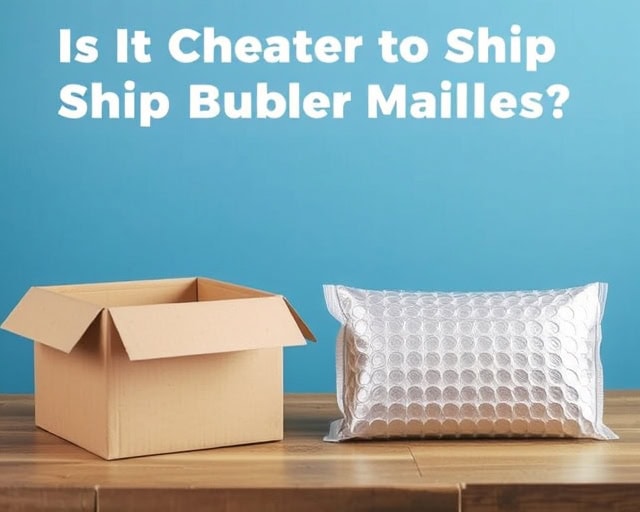
In most professional situations, treating packaging as an afterthought is a fatal error. Shipping carriers like USPS, UPS, and FedEx do not just charge by actual weight anymore; they aggressively penalize shippers for empty space using Dimensional (DIM) weight pricing. You cannot afford to ship air. If you want to streamline your pick-and-pack process, slash your postage rates, and optimize your warehouse storage, you must exercise commercial judgment regarding your packaging materials. In this authoritative guide, we take a definitive position on the financial realities of shipping containers, breaking down the exact mechanics of why determining if it is cheaper to ship a box or a bubble mailer will dictate your e-commerce success.
Quick Answer: Which is Cheaper?
Yes, it is unequivocally cheaper to ship a box or a bubble mailer? The answer is the bubble mailer. Here is the undeniable commercial reality:
- Postage Savings: Bubble mailers conform to the product, drastically reducing dimensional (DIM) weight penalties. A padded mailer is often priced purely on its actual, low tare weight.
- Material Costs: A premium poly bubble mailer costs significantly less per unit than a corrugated box combined with sealing tape and internal dunnage.
- Labor Efficiency: A peel-and-seal bubble mailer takes a warehouse worker 5 seconds to pack. Erecting, taping, filling, and sealing a box takes 20 to 40 seconds.
- Storage Footprint: You can fit thousands of uninflated mailers on a single warehouse shelf, drastically reducing your facility storage costs compared to pallets of flat boxes.
We recommend standardizing your fulfillment line around bubble mailers for all non-fragile, lightweight goods. Only utilize corrugated boxes when structural crush resistance is mandatory for highly fragile or heavy multi-item orders.
Table of Contents
- What It Is: The Logistics Battleground
- How It Works: Dimensional Weight Pricing
- The Commercial Benefits of Bubble Mailers
- Limitations: When Mailers Fail
- Who Should Use Bubble Mailers
- Who Must Stick to Corrugated Boxes
- Common Mistakes in Fulfillment Packaging
- Expert Buying Considerations
- Pros and Cons of Bubble Mailers
- Comparison Table: Box vs. Mailer
- Expert Recommendation & Product Spotlight
- Frequently Asked Questions
What It Is: The Logistics Battleground
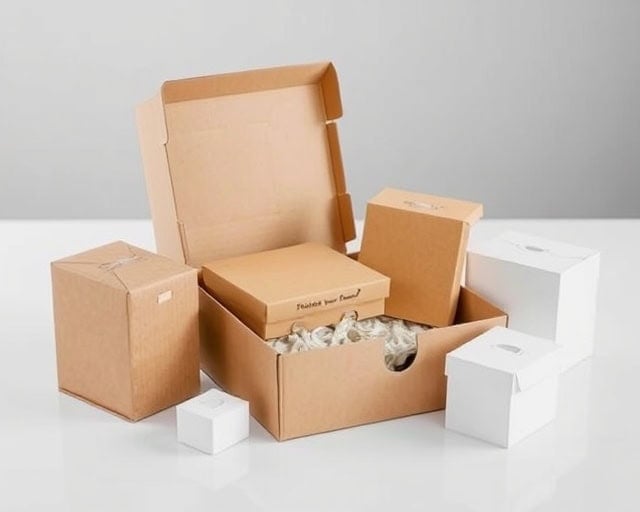
To understand the financial implications, we must define the tools. A corrugated box is a rigid, fluted paperboard container designed to provide high structural integrity and crush resistance. It requires secondary materials to function: packaging tape, and internal void fill—often requiring you to explore Bubble Wrap Alternatives to keep the item from shifting.
A bubble mailer is an all-in-one packaging solution. It consists of an outer layer—typically water-resistant Low-Density Polyethylene (LDPE), Kraft paper, or a metallic film—lined internally with an air-cellular cushion. It requires no tape, as it features an integrated self-adhesive strip, and it requires no internal void fill. It is a complete, streamlined E Commerce Packaging Solution built entirely for speed and cost-reduction.
How It Works: The Trap of Dimensional Weight Pricing
Why is it cheaper to ship a box or a bubble mailer so heavily skewed toward the mailer? The answer lies in how modern freight carriers calculate pricing. Carriers realize that a truck filled with lightweight boxes of pillows is unprofitable because the truck “cubes out” (runs out of space) before it “weighs out” (hits its maximum weight limit). To combat this, they enforce Dimensional (DIM) weight.
DIM weight is calculated by multiplying the Length x Width x Height of the package and dividing by a carrier-specific divisor. The carrier will charge you for the actual weight or the dimensional weight—whichever is higher. Because a box is a rigid cube, it contains a massive amount of empty air. If you put a t-shirt in a 10x10x10 inch box, you are paying to ship 1000 cubic inches of air. If you put that same shirt in a poly bubble mailer, the mailer compresses flat against the fabric. The dimensional volume drops to a fraction of the box, completely neutralizing the DIM weight penalty. This single metric makes the mailer the undisputed champion of cheap shipping.
The Commercial Benefits of Bubble Mailers
The financial advantages of transitioning to a mailer-first fulfillment strategy extend far beyond the postage label. In our testing, the labor savings are immense. A warehouse worker operating at standard efficiency can erect, pack, tape, and label a corrugated box in approximately 30 seconds. That same worker can slide a product into a bubble mailer, pull the peel-and-seal strip, and apply a label in under 10 seconds. Over 10,000 orders a month, that is a reduction of hundreds of labor hours.
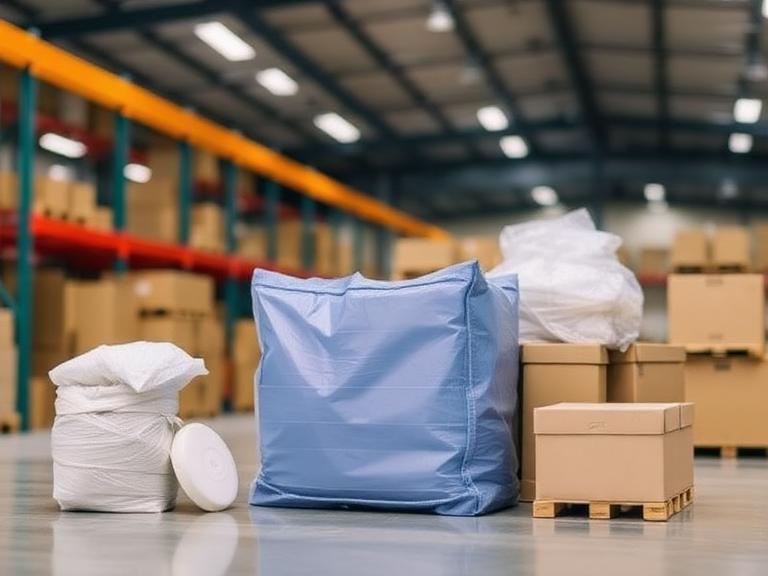
Furthermore, storage overhead plummets. A pallet of unassembled corrugated boxes might yield 500 shipments. A single pallet of flat poly bubble mailers can yield 5,000 to 10,000 shipments. If you are paying high commercial rent for warehouse space, storing bulky boxes is a severe liability.
Limitations: When Mailers Fail
We must use commercial and practical judgment: a bubble mailer is not a fortress. The primary limitation is the lack of structural crush resistance. If a 50-pound package is stacked on top of a bubble mailer containing a delicate ceramic mug, the mug will shatter. Bubble lining protects against surface scratches and minor impacts, but it cannot absorb heavy crushing force. For items that require rigid protection, attempting to save money with a mailer will result in catastrophic damage rates, destroying your profit margin with refunds and return shipping costs.
Who Should Use Bubble Mailers
For Commercial Users in Apparel, Cosmetics, and Books: If you are shipping non-fragile, semi-durable goods, you should almost exclusively use mailers. Searching for the best Shipping Bags for Clothes invariably leads to poly mailers because fabric is immune to crush damage. Additionally, small electronics accessories, vitamins, and paperback books are ideal candidates.
Who Must Stick to Corrugated Boxes
For Heavy-Duty Applications and High-Fragility Goods: If you are shipping sensitive motherboards, you must use rigid boxes paired with specialized Anti Static Bubble Bags. If you are a potter shipping handmade goods, do not use standard mailers; you must use rigid boxes equipped with an Air Column Wrap for Ceramics. Do not sacrifice the product to save pennies on postage.
Common Mistakes in Fulfillment Packaging
From our experience, the most devastating mistake e-commerce brands make is over-packaging. Placing an item that is already housed in a sturdy retail carton into another large corrugated shipping box stuffed with peanuts is redundant and wildly expensive. The retail carton is often strong enough to survive transit if simply slipped inside a protective, waterproof poly bubble mailer.
Another common mistake is ignoring branding opportunities. Many startups use generic, ugly gray poly bags. Upgrading to Custom Mailer Bags with Logo printing transforms a cheap shipping vessel into a premium unboxing experience at a fraction of the cost of custom-printed corrugated boxes.
Expert Buying Considerations
When you sit down to procure packaging, you must evaluate material specs. If you are shipping sharp objects (like boxed jewelry with sharp corners), a standard 40-micron poly mailer will tear. You must source heavy-duty 80 to 100-micron bags. Furthermore, consider the environmental impact. Many modern consumers demand sustainable practices, making it prudent to investigate Eco Shipping Packaging crafted from high-recycled-content LDPE or Kraft paper.
Finally, vet your supplier’s quality control. A bubble mailer is only as good as its side seams and adhesive strip. If the factory uses weak glue, the mailer will pop open in transit. This is why strict Packaging Quality Control from a verified manufacturer like Mailongpak is non-negotiable.
Pros and Cons of Bubble Mailers
| Pros of Bubble Mailers | Cons of Bubble Mailers |
|---|---|
| Drastically lowers postage via reduced Dimensional (DIM) weight. | Provides zero structural rigidity or crush resistance. |
| Requires no packing tape or internal void fill (dunnage). | Cannot be stacked securely on pallets like boxes can. |
| Significantly faster fulfillment times (Peel-and-seal application). | Not suitable for multi-item orders with awkward, bulky shapes. |
| Moisture and tear-resistant (Poly variants). | Kraft variants offer lower weather resistance than Poly. |
Comparison Table: Box vs. Bubble Mailer
| Fulfillment Metric | Corrugated Box | Poly Bubble Mailer |
|---|---|---|
| Unit Material Cost | High (Box + Tape + Void Fill) | Low (All-in-one unit) |
| Shipping Postage Rate | High (Subject to severe DIM penalties) | Low (Conforms to actual item size) |
| Packing Labor Time | 20 – 40 seconds per order | 5 – 10 seconds per order |
| Impact / Crush Protection | Excellent (Rigid structure) | Basic surface protection only |
| Warehouse Storage Space | Massive footprint required | Minimal footprint required |
Expert Recommendation & Product Spotlight
So, is it cheaper to ship a box or a bubble mailer? Yes, the bubble mailer is exponentially cheaper across all three major fulfillment expenses: material cost, labor cost, and carrier postage. We recommend that commercial e-commerce operators audit their shipping profiles immediately. If you are shipping apparel, non-fragile accessories, or pre-boxed retail goods, migrate to premium bubble mailers today. The reduction in your USPS Ground Advantage or UPS shipping bills will be immediate and substantial.
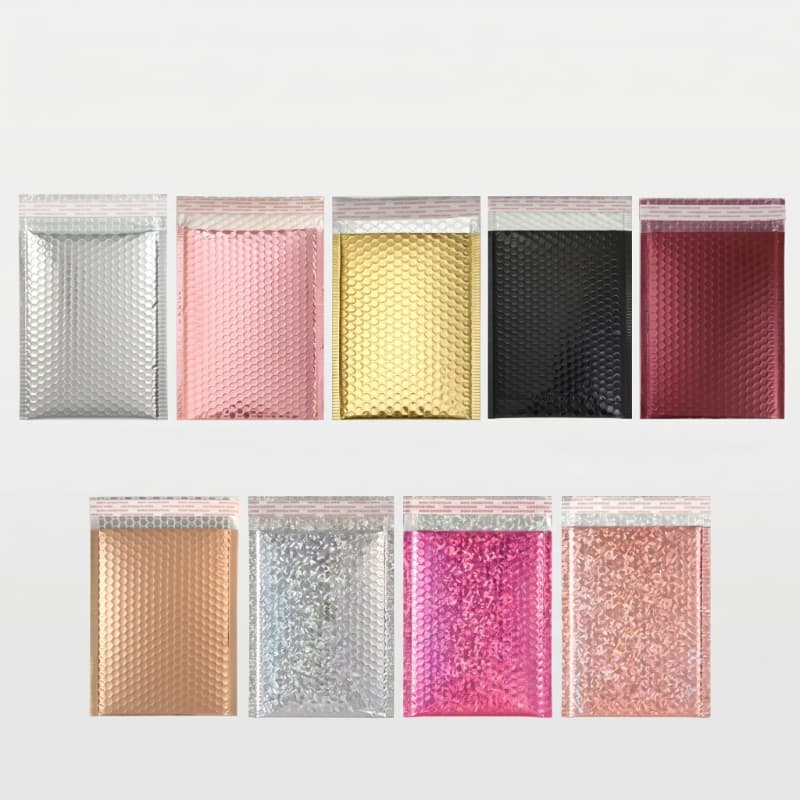
For operations looking to scale efficiently without overpaying domestic distributors, understanding how to design Custom Bubble Wrap Bags directly from a primary manufacturer is the ultimate competitive advantage.
Frequently Asked Questions
Is it cheaper to ship a box or a bubble mailer?
Yes, it is almost universally cheaper to ship a bubble mailer than a box. Bubble mailers weigh less, avoid dimensional weight penalties from major carriers by conforming to the product, require less warehousing space, and reduce packing labor costs significantly.
Can you ship clothes in a bubble mailer?
Absolutely. Poly bubble mailers are the industry standard for apparel fulfillment. They offer superior water resistance, tear resistance, and conform tightly to the fabric, minimizing dimensional shipping costs. You do not need the rigidity of a box for soft goods.
When should I use a box instead of a bubble mailer?
You must use a corrugated box when shipping highly fragile items (like glass, electronics, or ceramics), heavy multi-item orders, or products requiring complex protective dunnage. Bubble mailers provide surface protection but lack the rigid structural crush resistance of a box.
What is dimensional (DIM) weight?
Dimensional weight is a pricing technique used by freight carriers (USPS, UPS, FedEx) that calculates shipping costs based on the volume (Length x Width x Height) a package occupies in a truck, rather than just its actual physical weight. Boxes suffer heavily under DIM weight pricing.
Industry References & Authoritative Sources
To ensure our packaging recommendations align with modern logistical and engineering standards, Mailongpak references data from the following authoritative bodies:
- United States Postal Service (USPS): Official guidelines detailing the mechanics of Dimensional Weight pricing, package dimension restrictions, and standard mailing regulations. Review USPS Dimensional Weight Guidelines
- International Safe Transit Association (ISTA): The global authority on packaging engineering, providing the testing standards (e.g., ISTA 3A) required to simulate and prevent transit damage for e-commerce parcels. Review ISTA Packaging Standards
- United Parcel Service (UPS): Comprehensive logistics data regarding the cost implications of dimensional divisors and the economic impact of cubic space utilization in global freight. Review UPS Billable Weight Protocols