Custom poly mailers can make an ordinary shipment feel like a branded delivery, but the print is only one part of the buying decision. The right mailer must protect the product, survive sorting and transportation, fit the parcel economically and arrive with consistent color, dimensions and seal performance. A visually impressive bag that splits at the seam or costs too much to ship is not good packaging.
For most ecommerce brands, the practical approach is to define the product and shipping requirements first, then select the film structure, size, thickness, closure and artwork. Approve a physical sample before placing a production order. This guide explains what to specify, which trade-offs matter and how to avoid paying for customization that does not improve the customer experience.
Quick Answer: What Should Brands Consider Before Ordering Custom Poly Mailers?
Start with the product, not the artwork. Measure the packed item, consider its weight and shape, and decide whether it needs water resistance, opacity, cushioning or tamper evidence. Then choose the mailer dimensions, film construction, thickness, adhesive closure and printing method.
Before approving bulk production: request a physical sample, test the seal, check the dimensions and inspect the print. Confirm the minimum order quantity (MOQ), lead time, artwork charges, packing method and delivery terms in writing.
Our recommendation: use a standard mailer size with custom printing when you are testing a new design or have moderate order volume. Invest in fully customized dimensions or special film structures only when they solve a clear packaging or shipping problem.
What Are Custom Poly Mailers?
Custom poly mailers are flexible shipping bags made primarily from plastic film and customized with a brand’s logo, colors, graphics, messaging or product-specific dimensions. They are widely used by ecommerce businesses, apparel brands, subscription services and direct-to-consumer retailers to ship products that do not require a rigid box.
Unlike a plain stock mailer, a custom poly mailer turns the outside of the parcel into a branded surface. It can reinforce brand recognition, make order identification easier and create a more consistent unboxing experience. However, custom printing does not automatically improve protection. The film, seams, adhesive and bag dimensions still determine whether the mailer performs properly.
Common applications include clothing, accessories, soft goods, textiles, lightweight retail products and non-fragile items. For fragile products, sharp-edged components, electronics requiring cushioning or goods vulnerable to crushing, a poly mailer alone may not provide enough protection. Consider an inner protective package, padded mailer or a different shipping format.
How Do Custom Poly Mailers Work?
A typical poly mailer is formed from flexible film converted into a bag shape, with sealed side or bottom edges and a self-adhesive flap. The product is inserted, the flap is folded over and the adhesive strip is pressed closed. Once sealed, the package is designed to remain closed during normal handling and transportation.
For ecommerce shipping, the mailer’s performance depends on several connected parts:
- Film body: provides the primary barrier against dirt, moisture and everyday handling abrasion.
- Seams: hold the bag together and must resist splitting when the parcel is filled and handled.
- Adhesive closure: keeps the flap secured during transit. Adhesive quality and application consistency matter.
- Dimensions and gussets: determine how easily the item fits and whether the mailer is strained or overfilled.
- Printing: carries branding, product information or campaign artwork without compromising the film or closure.
Some mailers include a second adhesive strip for returns. Others use opaque film to conceal contents or a co-extruded structure to combine different film properties. These features should be selected according to the shipment, not added simply because they appear on a supplier’s catalogue.
10 Specifications Brands Should Decide Before Ordering Custom Poly Mailers
1. Product type and shipping conditions
Write down exactly what will go inside the mailer. A folded T-shirt, a denim jacket, a set of fabric accessories and a rigid product with corners place different demands on packaging. Consider the packed product’s weight, shape, surface, sharp edges and sensitivity to moisture.
For clothing and other soft products, a standard flexible poly mailer may be sufficient. For products with sharp corners or small rigid components, test puncture and seam performance carefully or use protective inner packaging. If the product is fragile, do not expect a thin shipping bag to replace cushioning.
2. Mailer dimensions and usable capacity
Measure the product after it has been folded or packed in its inner packaging. The mailer needs enough room for insertion and closure without excessive stretching. A bag that is too tight can strain the seams and adhesive flap; one that is unnecessarily large uses more material and may increase dimensional shipping costs in some carrier pricing systems.
Do not select dimensions based only on the product’s flat width and height. Account for thickness, folds, bulky corners and the space needed to close the flap. Test the largest item in the intended product range, not just the smallest sample.
3. Film material and structure
Poly mailers are commonly made from polyethylene-based films. Depending on the product, suppliers may offer different film grades, blends, colors and multi-layer structures. A multi-layer film can be designed to combine properties such as strength, print appearance and opacity, but the actual result depends on the resin selection, layer design and manufacturing controls.
Ask the supplier to identify the proposed film structure rather than accepting a vague description such as “premium plastic.” If recycled content, recyclability or a particular environmental claim is important to your brand, request specific evidence for the exact product and the market where it will be sold.
4. Film thickness and strength
Thickness is commonly specified in microns or mils. A thicker film may offer greater resistance to some forms of puncture or tearing, but thickness alone does not prove overall performance. Resin quality, film orientation, additives, bag construction, seam strength and the way the package is loaded also matter.
We recommend comparing samples at the same dimensions and under similar test conditions. Ask the manufacturer what thickness tolerance applies and whether the quoted measurement is nominal or guaranteed. Do not choose the thickest option automatically; excessive material can add cost without delivering a useful improvement for lightweight apparel.
5. Closure and adhesive performance
The adhesive strip is a small component with an outsized effect on customer experience. If it does not bond consistently, the parcel may open during handling. Ask whether the closure is permanent or designed for resealing, whether the adhesive has a protective release liner and whether the mailer includes a return strip.
Test the closure on a filled bag. Check that the flap is easy for packing staff to apply and that the adhesive bonds across the intended width. A second adhesive strip is useful for return workflows, but it is unnecessary if your business does not support mail-in returns.
6. Opacity and privacy
Opaque poly mailers are often preferred for apparel and products where customers do not need the contents to be visible. Opacity can also create a cleaner printed appearance and help conceal the product during transit. If privacy is important, inspect the filled sample under bright lighting rather than judging the empty bag alone.
7. Printing method and artwork
Decide whether you need a simple one-color logo, a repeated pattern, full-surface graphics or a more complex design. Printing method, number of colors, coverage area and film surface can affect cost, production setup and minimum order quantity. Provide vector artwork where possible and confirm the supplier’s accepted file formats, color references, print area and safe margins.
Ask for a printed sample or a documented proof that reflects the actual film and printing process. Screen colors can differ from the final printed result, especially on colored or opaque film. Approve the final artwork and color reference before mass production.
8. Sustainability and environmental claims
Environmental claims need careful handling. “Recyclable,” “recycled content,” “biodegradable” and “compostable” do not mean the same thing. A package may be technically recyclable in a specific collection system but not accepted by local facilities. A compostable claim may depend on industrial composting conditions rather than home composting.
Before printing an environmental claim on custom poly mailers, ask for evidence that applies to the finished product and check the rules in your target market. Do not use broad statements such as “eco-friendly” as a substitute for clear, substantiated information.
9. MOQ, lead time and repeat-order consistency
Custom printing usually involves setup, production planning and material allocation. The MOQ may depend on bag dimensions, film color, print coverage, number of designs and whether the supplier can use an existing specification. Ask for the MOQ per size and per artwork, not just one headline minimum.
Confirm the sample lead time, bulk production lead time and shipping estimate separately. If you expect to reorder, ask whether the supplier can retain the artwork, color references and approved specification for future batches.
10. Packaging, carton quantity and delivery terms
Ask how finished mailers will be counted, bundled and packed. Confirm carton dimensions, gross weight, quantity per carton and whether the bags are packed flat. These details affect warehouse storage, freight planning and receiving checks.
Clarify the delivery term, destination, who handles export documents and whether freight is included in the quotation. A low factory price can become an expensive order if the shipping method and carton configuration are not planned early.
Custom Poly Mailer Material and Construction Comparison
There is no universally best film structure. The right choice depends on the item being shipped, the protection required and the brand’s budget. Use this comparison as a starting point, then request samples and technical details for the supplier’s actual construction.
| Mailer option | Typical use | Main advantages | Limitations | Buying recommendation |
|---|---|---|---|---|
| Standard PE poly mailer | Clothing, soft goods and lightweight ecommerce orders | Flexible, lightweight and suitable for custom printing | Limited cushioning; vulnerable to damage from sharp or rigid contents | Good starting point for non-fragile products |
| Co-extruded or multi-layer poly mailer | Brands needing a specified combination of film properties | Can be engineered for opacity, strength and print requirements | Structure and performance vary by supplier | Request layer details and compare samples rather than relying on the label |
| Recycled-content poly mailer | Brands seeking specified recycled material content | Can support a documented recycled-content target | Appearance and performance may vary; claims need evidence | Specify percentage, source and verification method in writing |
| Compostable or biodegradable mailer | Brands with a verified end-of-life collection or composting pathway | May fit a defined material and waste-management strategy | Not automatically suitable for home composting or local waste systems | Buy only with relevant certification and clear disposal instructions |
| Padded mailer | Items needing additional cushioning | Provides more impact protection than a plain flexible bag | Bulkier and may cost more to ship or store | Choose when product protection justifies the added material |
| Poly mailer with return strip | Apparel and ecommerce businesses with return workflows | Convenient second closure for customer returns | Additional feature and cost may be unnecessary for some sellers | Worth considering when returns are a regular part of the business |
Pros and Cons of Custom Poly Mailers
| Pros | Cons and trade-offs |
|---|---|
| Lightweight packaging can help keep parcel weight lower than many rigid packaging alternatives. | Offers limited cushioning and is not suitable as the only protection for many fragile goods. |
| Custom printing creates a branded exterior and can make deliveries more recognizable. | Printing setup, artwork preparation and higher MOQs can increase the initial order cost. |
| Flexible bags are easy to store and can be efficient for high-volume apparel fulfillment. | Incorrect sizing can cause overfilling, seam stress or wasted material. |
| Water-resistant film helps protect contents from ordinary exposure to moisture. | Water resistance does not make every mailer waterproof under all conditions. |
| Different colors, sizes and closure options support product and workflow requirements. | More SKUs increase inventory complexity and the risk of unused packaging stock. |
| Custom specifications can be repeated for ongoing brand consistency. | Repeat-order consistency must be managed through retained specifications and quality checks. |
Custom poly mailers are worth the investment when they fit the product and your order volume is stable enough to use the printed inventory. They are not automatically the right answer for every parcel. If your product needs impact protection, use a suitable protective insert or choose a padded or rigid format. If your brand is still testing its packaging, start with a standard size and modest print coverage.
How to Choose the Right Custom Poly Mailer Size
Size selection is one of the most common causes of packaging waste and avoidable damage. A bag that is too small may stretch around the product, put pressure on the side seals or leave insufficient flap area for closure. A bag that is too large can make packing less efficient and may increase parcel dimensions.
Measure the packed item, not just the product before folding. For garments, test the actual folding method used by your fulfillment team. For multi-item orders, measure the largest realistic combination of products. Then request a sample in the proposed size and run it through the normal packing process.
A practical size-selection checklist
- Measure the packed product’s width, height and thickness.
- Allow enough clearance for easy insertion without stretching the bag.
- Allow adequate flap overlap for the adhesive closure.
- Test the largest product combination that will use that mailer.
- Check whether the bag remains flat and neat after sealing.
- Keep a small range of standard sizes where possible to simplify inventory.
For apparel brands, a small number of well-selected sizes often works better than creating a unique mailer for every garment. Custom dimensions become worthwhile when the product range has consistent volume and standard sizes cause measurable waste or packing problems.
For a broader look at apparel packaging options, see our guide to poly mailer bags for clothes.
Custom Printing, Artwork and Brand Presentation
Printing should support the brand rather than overwhelm the package. A clear logo, consistent colors and a restrained layout can make a stronger impression than covering every available surface with graphics. Consider how the mailer will look in a customer’s hands, in warehouse packing and in product photography.
Prepare production-ready artwork
Provide vector artwork when available and confirm the supplier’s preferred file format. Include brand color references, logo dimensions, print position, repeat pattern, bleed requirements and any areas that must remain clear. Ask the supplier to identify any limitations caused by the film color or surface.
Check print performance on the actual film
A digital mockup cannot confirm ink adhesion, color appearance or scuff resistance. Review a printed sample and rub the surface lightly using a consistent method. Check whether small text remains legible and whether the logo sits in the intended position after the bag is filled and sealed.
Choose print coverage based on business value
One-color printing may be enough for a brand that wants a recognizable logo without a large setup investment. Full-color artwork can support a more distinctive campaign or premium presentation, but it should be justified by the expected sales volume and brand strategy. Do not pay for complex printing if most of the artwork is hidden by the shipping label.
How to Check Custom Poly Mailer Quality Before Mass Production
A sample approval should be treated as a technical checkpoint, not a formality. The sample should represent the proposed film, dimensions, closure and printing method as closely as possible. If the supplier provides a hand-made or digitally printed mockup, ask which details may differ from bulk production.
Run a filled-bag packing test
Pack the intended product using the same method your warehouse staff will use. Check insertion, clearance, flap overlap and whether the bag becomes excessively stretched. Repeat the test with the largest and heaviest product combination.
Inspect seams and closure
Check that seams are even and free from visible gaps. Fill the bag, close it and handle it as it would be handled during normal packing and dispatch. The adhesive should bond consistently across the flap. For a return-strip design, check that the second strip is easy to use and clearly separated from the first closure.
Check film and print consistency
Look for pinholes, uneven thickness, contamination, surface marks, print smearing and inconsistent color. Confirm that the bag’s dimensions and thickness match the approved specification. If you need measurable performance criteria, agree on suitable test methods and acceptance limits with the manufacturer before production.
Use a written specification for repeat orders
Record the bag dimensions, film structure, thickness and tolerance, color, print file, print position, adhesive type, closure design, packing quantity and inspection criteria. This reduces the risk of a future order being treated as a new interpretation of the same product.
Custom Poly Mailer MOQ, Pricing and Cost-Benefit Analysis
The price per bag is only one part of the cost. Your real packaging cost includes printing setup, film specification, bag conversion, cartons, freight, import charges, storage and any waste caused by incorrect sizing or defects. A supplier offering a low unit price may require a larger MOQ or charge extra for each additional size and artwork.
What affects the quotation?
- Dimensions: larger bags generally require more material.
- Film specification: resin type, structure, thickness and recycled content can change material cost.
- Printing: number of colors, print coverage, artwork complexity and setup requirements affect pricing.
- Order quantity: production efficiency and setup costs are spread differently across small and large orders.
- Special features: return strips, special colors, gussets or customized closures may add cost.
- Delivery: carton dimensions, gross weight, shipping method and destination affect landed cost.
Ask for quotations at several realistic quantities, such as an initial trial order and the volume you expect to reorder. Compare the total landed cost per usable mailer, not just the ex-factory price.
(Product cost + printing and setup + packaging + freight + duties + inspection costs) ÷ number of usable mailers received
Packaging cost per order: landed cost per mailer multiplied by the number of mailers used for each customer order.
There is also a cost to choosing the wrong size. If an oversized mailer adds avoidable shipping expense or an undersized mailer causes product damage and replacement shipments, the apparent unit-price saving can disappear quickly. Use packaging trials to identify these costs before increasing order volume.
When should a brand upgrade to custom dimensions?
Upgrade when standard sizes repeatedly create excess material, poor fit, packing delays or avoidable shipping costs. If your products vary widely and order volume is low, standard sizes may remain more economical. Custom dimensions make the most sense when a specific product or product family ships frequently enough to justify a dedicated packaging SKU.
When should a brand add a return adhesive strip?
Add a return strip if customers regularly return products by mail and your returns process benefits from reusing the original bag. If returns are rare or customers receive a separate return label and package, the additional feature may not justify the cost.
Common Mistakes When Ordering Custom Poly Mailers
Choosing thickness without considering the product
Thicker film is not automatically the best solution. Match the film to the product weight, edges, packing method and transit conditions. Request comparative samples if you are unsure.
Approving artwork before checking the physical dimensions
Artwork can look balanced on a flat mockup but become poorly positioned once the bag is folded or sealed. Confirm the printable area and safe margins using the supplier’s dieline.
Ignoring adhesive quality
A good-looking mailer is not useful if the flap opens during transport. Test the adhesive on a filled bag and confirm whether the closure is permanent or resealable.
Ordering too many sizes at the beginning
Every additional size creates another inventory item to forecast, store and reorder. Start with a small number of sizes that cover most orders, then add specialized dimensions when order data supports the decision.
Making unsupported sustainability claims
Do not print “biodegradable,” “compostable” or “recyclable” without documentation that supports the claim and explains the relevant disposal conditions. Vague claims can create compliance and reputation risks.
Failing to document the approved sample
Record the final dimensions, film structure, thickness, artwork, color references and closure details. Keep the approval sample or clear reference photographs so repeat orders can be checked against the same standard.
Custom Poly Mailers from Mailong Packaging
Mailong Packaging Co., Ltd. was established in 2009 and supplies a range of protective and shipping packaging materials. Its product range includes poly mailers, inflatable bubble and pillow film, air column rolls, air column bags, EPE and EVA foam, stretch wrap, bubble mailers, BOPP tape and corrugated boxes. The company states that its products have been exported to more than 30 overseas markets.
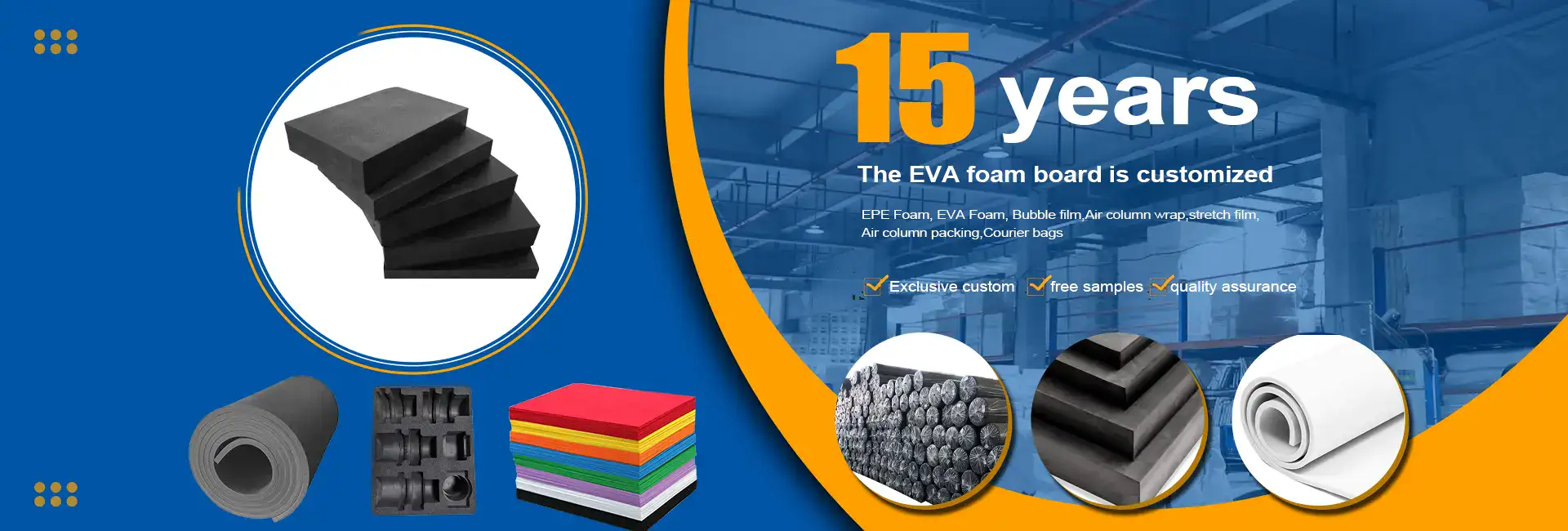
Mailong Packaging: Poly Mailers and Protective Packaging
Mailong’s packaging range supports businesses shipping apparel, accessories and other products that need practical outer packaging. Buyers can discuss poly mailer specifications alongside complementary protective materials when one packaging format is not sufficient for the product.
For product details and sourcing enquiries, review the poly mailer product category or the Mailong Packaging e-catalogue.
For a standard apparel shipment, a custom-printed poly mailer may be enough. For fragile products or items with vulnerable corners, combine the outer bag with suitable protective packaging. Mailong also offers air column bags, which can be considered for products that require cushioning rather than relying on a flexible mailer alone.
When requesting a quotation, provide the intended product, packed dimensions, approximate weight, preferred film specification, print artwork, quantity and delivery destination. If you are still comparing options, ask for a standard mailer sample and a proposed custom specification so you can evaluate the difference before committing to production.
Mailong’s poly mailer shipping bags page is a useful starting point for discussing the product range and sourcing requirements.
Quick Summary: Custom Poly Mailer Ordering Checklist
| Decision | What to confirm | Our recommendation |
|---|---|---|
| Product fit | Packed dimensions, weight, shape and edges | Test the largest normal order combination in a filled sample. |
| Film material | Film structure, material type and intended performance | Ask for a defined specification, not a generic quality label. |
| Thickness | Nominal thickness and tolerance | Choose based on product and test results, not maximum thickness. |
| Closure | Adhesive type, flap size and return strip | Test the filled and sealed mailer before approval. |
| Printing | Artwork, colors, print area and proof | Approve a physical print sample where possible. |
| Sustainability | Recycled content, recyclability or compostability evidence | Use only claims supported for the finished product and target market. |
| Commercial terms | MOQ, setup fees, lead time and delivery terms | Compare total landed cost at trial and reorder quantities. |
| Quality control | Inspection method and acceptance criteria | Keep a written approved specification for every repeat order. |
Final recommendation: the best custom poly mailer is not the one with the most printing or the highest film thickness. It is the one that fits your product, protects it through the expected shipping process, supports your brand and keeps the total packaging cost under control. Start with a clear specification, approve a physical sample and scale only after the packaging performs reliably in your own fulfillment workflow.
Frequently Asked Questions About Custom Poly Mailers
1. What are custom poly mailers used for?
Custom poly mailers are flexible shipping bags used mainly for ecommerce products such as clothing, accessories, textiles and other non-fragile goods. They can carry a brand logo, printed graphics or custom colors while providing a lightweight outer package.
2. Are custom poly mailers waterproof?
Polyethylene film is generally resistant to ordinary moisture, but that does not mean every mailer is fully waterproof under all conditions. Performance depends on the film, seams, adhesive closure and construction. Ask the manufacturer what level of moisture resistance is intended and test the complete sealed bag.
3. What thickness should I choose for custom poly mailers?
There is no single thickness suitable for every product. Lightweight apparel may not need the same film specification as heavier products or items with rigid edges. Consider the product weight, shape, handling conditions and seam performance, then compare samples with the supplier’s stated thickness and tolerance.
4. What is the usual MOQ for custom printed poly mailers?
MOQ varies by supplier, size, film color, print coverage, number of designs and production process. Ask for the minimum quantity per size and artwork, plus any setup charges. Ready-made film colors or standard dimensions may offer more flexible order quantities than fully customized specifications.
5. Can custom poly mailers be recycled?
Some polyethylene mailers may be recyclable through suitable collection programs, but acceptance varies by location and local recycling infrastructure. Check the exact material and the rules in your market. Do not assume that a plastic mailer is accepted in curbside recycling everywhere.
6. Are recycled-content poly mailers as strong as virgin plastic mailers?
Performance depends on the recycled material, formulation, film structure and manufacturing controls. Recycled content alone does not establish strength or suitability. Request technical information and test samples made with the proposed recycled-content specification.
7. Should I choose a poly mailer or a padded mailer?
Choose a standard poly mailer for soft, non-fragile goods that do not need significant cushioning. Choose a padded mailer or add an inner protective layer when the product needs impact protection. For fragile or crush-sensitive products, evaluate a more protective package rather than relying on the outer bag.
8. Can I print my logo on both sides of a poly mailer?
Many custom mailers can be printed on one or both sides, subject to the supplier’s printing process, artwork and MOQ. Ask for a print-area template and confirm the additional cost before approving the design.
9. How long does custom poly mailer production take?
Lead time depends on material availability, order quantity, printing complexity, sample approval and factory capacity. Request separate estimates for artwork preparation, sampling, bulk production and shipping. Confirm the schedule in writing before placing the order.
10. What information should I send when requesting a custom poly mailer quotation?
Provide the product type, packed dimensions, approximate weight, target mailer size, preferred material or thickness, bag color, printing artwork, order quantity, destination country and any special requirements such as a return strip or recycled content. The more specific the brief, the more useful the quotation will be.
References
- Environmental Claims: Summary of the Green Guides, U.S. Federal Trade Commission. Guidance on substantiating environmental marketing claims, including recyclable, recycled-content and compostable claims.
- ASTM D1709 — Standard Test Methods for Impact Resistance of Plastic Film by the Free-Falling Dart Method, ASTM International. A recognized test method for evaluating one aspect of plastic film impact resistance.
- ASTM D882 — Standard Test Method for Tensile Properties of Thin Plastic Sheeting, ASTM International. A test method relevant to evaluating tensile properties of thin plastic film and sheeting.
Packaging specifications, production capabilities, MOQ, lead times and freight costs vary by supplier and order. Confirm the final product specification, test requirements and commercial terms directly with the manufacturer before placing a purchase order.