Choosing between recyclable and traditional poly mailers is not simply an environmental decision. For B2B buyers, the real question is whether a mailer can protect the product, survive the distribution network, meet customer and retailer requirements, and fit the company’s packaging budget without creating a disposal problem downstream.
Our position is straightforward: do not switch to a recyclable poly mailer because the word “recyclable” appears on the specification sheet. Choose it when the material, collection route, recycling infrastructure, and packaging performance support the claim. Traditional polyethylene mailers remain a practical option for many shipping operations, while properly designed recyclable alternatives can make sense for brands with clear sustainability targets and suitable waste-management systems.
Quick Answer: Recyclable vs Traditional Poly Mailers
Recyclable poly mailers: Packaging designed to be collected and processed through a specified recycling stream, often using compatible polyethylene structures. Their actual recyclability depends on material composition, local collection systems, sorting, and acceptance by recyclers.
Traditional poly mailers: Usually lightweight plastic shipping bags made from polyethylene. They are valued for moisture resistance, flexibility, low shipping weight, and cost efficiency. Some traditional PE mailers may also be technically recyclable, but that does not mean consumers have convenient access to a suitable recycling route.
Best for recyclable options: Brands with a defined packaging sustainability strategy, access to suitable film collection or store drop-off programs, and suppliers able to document material composition.
Best for traditional options: Cost-sensitive, high-volume shipping operations that prioritize reliable protection, predictable supply, and established packaging specifications.
Biggest mistake: Treating “recyclable,” “recycled content,” and “biodegradable” as interchangeable claims. They describe different material attributes and should not be used as substitutes for one another.
Our recommendation: Compare total landed cost, damage rates, material specifications, recyclability evidence, and end-of-life access. Run a controlled packaging trial before changing a high-volume shipping program.
For e-commerce brands, apparel distributors, fulfillment companies, and wholesale packaging buyers, a poly mailer is a functional shipping component. It must protect the goods through packing, sorting, transport, and delivery. A lower-impact material is valuable only if it performs reliably and can be handled appropriately after use.
- What Are Recyclable and Traditional Poly Mailers?
- Quick Summary Table
- How the Materials Differ
- Protection and Shipping Performance
- Recyclability and Environmental Claims
- Recyclable vs Traditional Poly Mailers Comparison
- Pros and Cons
- Best Use Cases by Business Type
- Cost-Benefit Analysis for B2B Buyers
- How to Choose a Poly Mailer Manufacturer
- Common Purchasing Mistakes
- Mailong Packaging Solutions
- Expert Recommendation
- Frequently Asked Questions
- References
What Are Recyclable and Traditional Poly Mailers?
What is a recyclable poly mailer?
A recyclable poly mailer is a plastic shipping bag designed to be compatible with a defined recycling process. Many are made primarily from polyethylene (PE), including low-density polyethylene (LDPE) or linear low-density polyethylene (LLDPE), depending on the construction and performance requirements.
Some recyclable mailers are designed as mono-material structures to make sorting and reprocessing more practical. Others may use multiple layers, inks, adhesives, closures, or labels that complicate recycling. A supplier’s statement that a product is recyclable should therefore be supported by a clear material specification and an explanation of the collection route for which the claim applies.
One important distinction: technical recyclability does not guarantee that a used mailer will be recycled. A consumer may live in an area where flexible plastic film is not accepted in curbside recycling. The material may need to be taken to a designated retail collection point or commercial film recovery program.
What is a traditional poly mailer?
A traditional poly mailer is a lightweight, flexible plastic shipping envelope commonly used for clothing, textiles, accessories, documents, and other non-fragile goods. It generally uses polyethylene film and may include a self-sealing adhesive strip, printed branding, gussets, or a return adhesive strip.
Traditional poly mailers are popular because they are light, water-resistant, compact, and relatively inexpensive. Their low weight can help reduce shipping costs compared with heavier packaging formats, particularly when the product does not require rigid protection.
However, “traditional” does not automatically mean “non-recyclable.” A conventional PE mailer may be compatible with certain film recycling streams. The relevant question is whether its exact construction and local disposal route support that outcome.
Recyclable does not mean recycled content
Buyers should separate three terms:
- Recyclable: The product is designed to be processed into a new material through a suitable recycling system.
- Recycled content: The product contains material recovered from a previous use or manufacturing process.
- Biodegradable or compostable: The material is designed to break down under specified biological or composting conditions. This is not the same as being recyclable with polyethylene film.
A mailer can contain recycled content without being accepted by every recycling program. A recyclable mailer may contain no recycled content at all. A compostable mailer should not be placed into a plastic film recycling stream unless the local program specifically instructs otherwise.
Quick Summary: Which Poly Mailer Should B2B Buyers Choose?
| Decision Factor | Recyclable Poly Mailer | Traditional Poly Mailer | Buyer Recommendation |
|---|---|---|---|
| Material design | Often designed around a defined recyclable material stream, potentially mono-PE | Commonly PE-based, with construction varying by supplier | Request the complete layer and component specification |
| Moisture resistance | Can provide strong moisture resistance when properly designed | Generally strong moisture resistance | Test the actual film and closure, not just the material label |
| Shipping weight | Usually lightweight | Usually lightweight | Compare finished bag weight at the same usable dimensions |
| Recycling access | Depends on collection and processing infrastructure | Depends on material composition and local film collection | Identify a real collection route before making claims |
| Purchase price | May carry a premium depending on material and volume | Often cost-efficient at scale | Compare total landed cost and damage rates |
| Brand positioning | Can support a documented packaging sustainability program | Can support reliable, economical shipping | Match the packaging claim to verifiable evidence |
| Best applications | Brands with suitable recycling access and sustainability requirements | High-volume apparel and general e-commerce shipping | Use product trials before full conversion |
How Recyclable and Traditional Poly Mailer Materials Differ
The most important technical issue is not the label on the mailer. It is the material structure. A buyer should understand the polymer type, number of layers, additives, printing, adhesive, and any attached components before approving a specification.
1. Mono-material polyethylene construction
A mono-material PE mailer is designed to use compatible polyethylene components as far as practical. This can simplify material identification and improve compatibility with certain polyethylene film recycling processes. However, the closure, ink, label, coating, and contamination still matter.
For B2B procurement, ask whether the mailer is made from LDPE, LLDPE, HDPE, or a defined blend. Ask the manufacturer to explain whether the entire bag, including the closure and printing, is intended for the same recycling stream.
2. Multi-layer film construction
Some mailers combine different polymers or barrier layers to achieve specific mechanical, visual, or barrier properties. Multi-layer structures can be useful, but mixed materials may make recycling more difficult when the local process is designed for a narrower material stream.
Do not assume every multi-layer bag is unrecyclable, or that every mono-material bag will be accepted everywhere. The correct assessment depends on the complete packaging design and the recycling system being targeted.
3. Recycled-content polyethylene
Recycled PE can reduce reliance on virgin resin, but buyers should consider consistency, color, odor, mechanical performance, and traceability. Post-consumer recycled material may have more variation than virgin resin. This does not make it unsuitable; it means the supplier should demonstrate that the finished mailer meets the buyer’s requirements.
For opaque apparel mailers, recycled content may be a practical option if the film passes strength, sealing, and appearance tests. For highly demanding applications, buyers should verify performance with samples from the intended production specification.
4. Additives, inks, adhesives, and labels
Small components can complicate a recycling claim. Pressure-sensitive labels, large printed areas, laminations, metallic finishes, and incompatible adhesives may affect how a mailer is sorted or processed. Buyers should ask suppliers to disclose these components rather than evaluating only the base film.
Protection and Shipping Performance: Does Recyclable Poly Film Work as Well?
It can, provided the product is correctly engineered for the shipment. A recyclable poly mailer is not automatically weaker than a traditional one. Equally, a sustainability claim does not prove that the mailer has sufficient puncture resistance, tear strength, seal integrity, or thickness for the intended use.
Tear and puncture resistance
Apparel mailers face friction, snagging, compression, and handling during distribution. A suitable film should resist tearing when packed, sorted, transported, and opened by the recipient. The right thickness depends on the product weight, shape, sharp edges, packing method, and distribution route.
For example, a soft T-shirt can often be shipped in a relatively lightweight mailer. A heavy garment with buckles, zippers, or rigid accessories may require a tougher film or an additional protective layer. A buyer should not use one gauge for every product simply because it reduces SKU complexity.
Moisture resistance
Polyethylene film is commonly used because it resists moisture and helps protect goods from rain, splashes, and damp handling conditions. The actual result depends on film quality, closure design, seams, and whether the package is punctured during transit.
For products that are sensitive to moisture but not fragile, poly mailers can be an efficient alternative to boxes. For electronics, fragile items, or goods that require crush protection, a poly mailer alone is usually not enough.
Seal strength and closure reliability
The adhesive closure is a critical part of the package. A strong film with a poor adhesive strip can still fail. Buyers should test the mailer after packing, including how well the flap seals to the bag, whether the adhesive remains secure after handling, and whether the package can be opened without damaging the product.
Print quality and brand presentation
Both recyclable and traditional mailers can support printed logos and brand graphics, but print compatibility depends on the film and printing process. If the brand uses large coverage areas or complex colors, request a production sample and confirm whether the printing system affects the recyclability claim.
For more customized packaging, review the range of poly mailer packaging options and specify the intended artwork, dimensions, film structure, and closure requirements before production.
Are Recyclable Poly Mailers Actually Better for the Environment?
They can be a better choice when the material is designed for an accessible recycling stream and the mailer is actually collected and processed. But the environmental comparison is more complicated than comparing two labels.
Packaging impact depends on material sourcing, production energy, transport, product protection, reuse or recycling, and end-of-life management. A mailer that uses less material but causes more product damage may create a worse overall result because the product itself may have a much larger environmental footprint than its packaging.
Recyclability depends on local infrastructure
Flexible plastic film is not accepted in every household curbside recycling program. Some communities and retailers operate separate collection systems for plastic bags and film. Commercial buyers should identify the actual route available to their customers, warehouses, or retail locations before describing a mailer as recyclable in a particular market.
Contamination can prevent recycling
Food residue, labels, mixed materials, excessive adhesive, and other contaminants may affect the acceptance of flexible film. A clean, dry mailer is more likely to be suitable for a film collection program than one contaminated with liquids, grease, or unrelated waste.
Do not confuse recyclable with biodegradable
Polyethylene does not become biodegradable simply because a mailer is described as recyclable. Likewise, compostable packaging is not necessarily compatible with plastic film recycling. If a supplier offers a biodegradable or compostable mailer, request the relevant certification, testing conditions, and disposal instructions.
What evidence should buyers request?
- A full material specification, including polymer types and layer structure.
- Details of inks, adhesives, labels, coatings, and other components.
- Evidence supporting any recyclability or recycled-content claim.
- The intended collection and recycling route, including geographic limitations.
- Testing or certification documents relevant to the claim being made.
- Clear consumer disposal instructions that match the target market.
Recyclable vs Traditional Poly Mailers: Detailed Comparison for B2B Procurement
The following table compares typical procurement considerations. Actual performance depends on the supplier’s film formulation, bag design, production quality, and the requirements of the buyer’s distribution network.
| Comparison Criteria | Recyclable Poly Mailer | Traditional Poly Mailer | What Buyers Should Verify |
|---|---|---|---|
| Material composition | Often designed for compatibility with a defined PE film stream | Usually PE-based, but may include different layers or additives | Polymer type, layers, additives, and component compatibility |
| Film strength | Can be engineered for equivalent application requirements | Available in a wide range of strengths and thicknesses | Tear, puncture, and tensile performance for the actual product |
| Moisture protection | Generally good when properly designed and sealed | Generally good when properly designed and sealed | Closure quality, seams, and handling tests |
| Recycling route | Depends on the intended collection and processing infrastructure | Depends on PE composition and local collection options | Local acceptance and end-of-life instructions |
| Recycled content | May or may not contain recycled resin | May or may not contain recycled resin | Verified recycled-content percentage and traceability |
| Customization | Printing and branding are possible, subject to material compatibility | Printing and branding are widely available | Ink coverage, adhesion, print durability, and recycling implications |
| Price | May cost more depending on material and order volume | Often competitive in high-volume purchasing | Quote based on identical dimensions, thickness, and order quantity |
| Supply planning | May require qualification of a specific material specification | Often available in established standard formats | Lead time, minimum order quantity, and resin availability |
| Best buyer profile | Businesses with measurable packaging sustainability goals | Businesses prioritizing proven, economical shipping performance | Fit the packaging to the company’s actual shipping and waste systems |
Pros and Cons of Recyclable and Traditional Poly Mailers
| Packaging Option | Pros | Cons |
|---|---|---|
| Recyclable poly mailers |
|
|
| Traditional poly mailers |
|
|
Our view: recyclable mailers deserve consideration, but not a blanket preference. If the recycling route is unavailable or the material fails your shipping tests, switching purely for a marketing claim is poor procurement. If the packaging is technically recyclable, commercially practical, and supported by collection access, the upgrade may be worthwhile.
Best Use Cases: Which Poly Mailer Is Right for Your Business?
1. Apparel and fashion e-commerce
Apparel is one of the strongest use cases for poly mailers because garments are generally flexible, lightweight, and not dependent on rigid crush protection. A suitable mailer can protect clothing from moisture and dirt while keeping package weight low.
For brands shipping T-shirts, sportswear, leggings, and similar products, compare recyclable and traditional mailers using the same dimensions and performance requirements. Review the product-specific options in poly mailer bags for clothes before standardizing your packaging.
2. High-volume fulfillment operations
For a fulfillment center shipping thousands of parcels each day, unit cost, packing speed, storage volume, and supply reliability matter. A small difference in bag price becomes significant at scale. However, an inexpensive mailer that causes more product damage or returns can quickly lose its cost advantage.
These buyers should test a recyclable alternative on a representative group of SKUs before making a complete switch. Track packing time, damage claims, seal failures, and total packaging cost per successful delivery.
3. Wholesale distributors and B2B apparel suppliers
Wholesale shipments may involve larger quantities, heavier products, and longer transport routes. Buyers should assess whether a poly mailer is appropriate for the carton or pallet configuration, or whether the mailer should be used as an inner protective layer rather than the primary shipping package.
For products with sharp accessories or rigid components, use an appropriate protective insert or secondary packaging. Do not increase film thickness indefinitely to compensate for a package design that needs structural protection.
4. Accessories and soft consumer goods
Scarves, fabric accessories, lightweight household textiles, and some non-fragile consumer goods can be suitable for poly mailer shipping. A recyclable version may work well if the film and closure meet the product’s requirements.
5. Fragile or high-value products
A poly mailer alone is usually not the right answer for glass, ceramics, delicate electronics, or products vulnerable to crushing. These goods need suitable cushioning and structural protection. Consider a padded mailer, protective foam, or corrugated box depending on the product’s fragility and shipping route.
Mailong Packaging also supplies protective packaging formats such as poly mailer shipping bags, bubble mailers, and cushioning products. The right combination depends on the damage risks identified in your distribution process.
Cost-Benefit Analysis: Is a Recyclable Poly Mailer Worth the Extra Cost?
For B2B buyers, the correct comparison is total packaging cost per successful delivery, not price per bag. A mailer that costs slightly more may still be economical if it reduces damage, supports retailer requirements, or helps the company meet a documented packaging target. But a premium is difficult to justify if the product performs no better and has no accessible recycling route.
Calculate the landed cost
Compare the same dimensions, film thickness, bag weight, closure design, printing coverage, and order quantity. Include freight, duties where applicable, warehousing, and any supplier-specific charges. A quote for a smaller or thinner bag is not a fair comparison with a heavier specification.
Include damage and return costs
Packaging failure can create costs beyond the replacement bag: reshipping, customer service, refunds, reverse logistics, and product write-offs. A packaging trial should track damage rates and seal failures rather than relying only on staff impressions.
Consider sustainability and compliance value
If your retail customers require recyclable packaging or your company has formal packaging targets, a verified recyclable mailer may deliver commercial value beyond its physical function. That value should be assessed against the cost of documentation, testing, supplier qualification, and communication to customers.
Use a simple purchasing model
| Cost or Performance Item | What to Measure | Why It Matters |
|---|---|---|
| Unit price | Price per bag at the same specification | Establishes the direct material cost |
| Freight and storage | Landed cost per thousand bags and storage volume | Shows the real procurement cost |
| Damage rate | Damaged or returned orders per shipment volume | Reveals whether protection is adequate |
| Packing efficiency | Time and labor required per parcel | Measures operational impact |
| Recycling access | Availability of collection and processing routes | Determines whether recyclability is practical |
| Documentation | Testing, certificates, and material traceability | Supports responsible environmental claims |
How to Choose a Poly Mailer Manufacturer for Bulk Orders
For B2B buyers, selecting the manufacturer is as important as choosing the material. A supplier should be able to explain the packaging construction, demonstrate repeatable production quality, and support the buyer’s required specifications. A low quotation without technical detail is not enough.
1. Request a complete material specification
Ask for the resin type, film structure, thickness, dimensions, bag weight, closure type, printing method, and any additives or coatings. If the supplier claims recyclability, ask what standard or assessment supports that claim and which collection stream it is designed for.
2. Verify production consistency
Request samples from production rather than relying only on a showroom sample. Check thickness consistency, seal quality, print registration, dimensions, odor, and surface defects. For repeat orders, agree on an approved reference sample and acceptable tolerances.
3. Ask for performance testing
Depending on the application, relevant tests may include tensile properties, tear resistance, puncture resistance, seal strength, and thickness measurement. ASTM D882 is commonly used to measure tensile properties of thin plastic sheeting, while ASTM D1922 and ASTM D1709 address tear and impact-related properties of plastic film. These methods should be selected according to the actual packaging requirements; no single test proves that a mailer is suitable for every shipping application.
4. Confirm minimum order quantity and lead time
Custom sizes, printing, recycled resin, and specialized film structures may affect minimum order quantity and production lead time. Confirm whether the manufacturer can support trial orders, repeat production, and forecast-based supply. A supplier that cannot deliver consistent specifications is a risk for a high-volume fulfillment operation.
5. Evaluate technical support and after-sales service
Ask how the manufacturer handles defects, specification changes, artwork revisions, and quality complaints. Confirm whether a technical contact is available to review material and performance requirements. For large orders, agree on inspection criteria and a process for resolving nonconforming shipments.
6. Compare suppliers using identical specifications
Use the same bag size, thickness, closure, printing coverage, quantity, and delivery terms when comparing quotations. Otherwise, the lowest price may simply reflect a lighter or less protective product.
For a broader sourcing process, review this poly mailer wholesale supplier sourcing guide and compare available poly bags wholesale suppliers against your quality and delivery requirements.
Common Mistakes B2B Buyers Make When Comparing Poly Mailers
Mistake 1: Assuming recyclable means recycled
Recyclability describes the potential for a product to be processed through a suitable system. It does not prove that recycled resin was used to manufacture the bag. Ask for separate evidence for recyclability and recycled content.
Mistake 2: Assuming all polyethylene mailers are accepted everywhere
Collection rules vary by country, municipality, retailer, and commercial waste provider. Confirm local acceptance before making disposal claims or printing recycling instructions.
Mistake 3: Comparing bags with different thicknesses
A thinner mailer may look cheaper because it uses less resin. But if it tears more easily, the apparent saving may be lost through damage and returns. Compare finished bag weight and test performance at equivalent dimensions.
Mistake 4: Ignoring labels and adhesive closures
The base film may be compatible with a recycling stream while other components complicate processing. Ask about the full packaging construction, including labels, inks, adhesives, and coatings.
Mistake 5: Switching the entire packaging range at once
Different products create different packaging demands. Start with a representative group of low-risk SKUs, assess performance, then expand. A phased rollout reduces the risk of discovering a problem after a large purchase order.
Mistake 6: Choosing a supplier on price alone
Packaging is a production input. Inconsistent film thickness, poor sealing, unstable lead times, and weak technical support can disrupt fulfillment. Evaluate quality systems and service capability alongside price.
Mistake 7: Making broad environmental claims without proof
Claims such as “eco-friendly,” “green,” or “100% recyclable” can be misleading when they are not qualified and substantiated. Use specific, evidence-based statements that explain the material and the applicable disposal route.
Mailong Packaging: Poly Mailer Supply and Protective Packaging Solutions
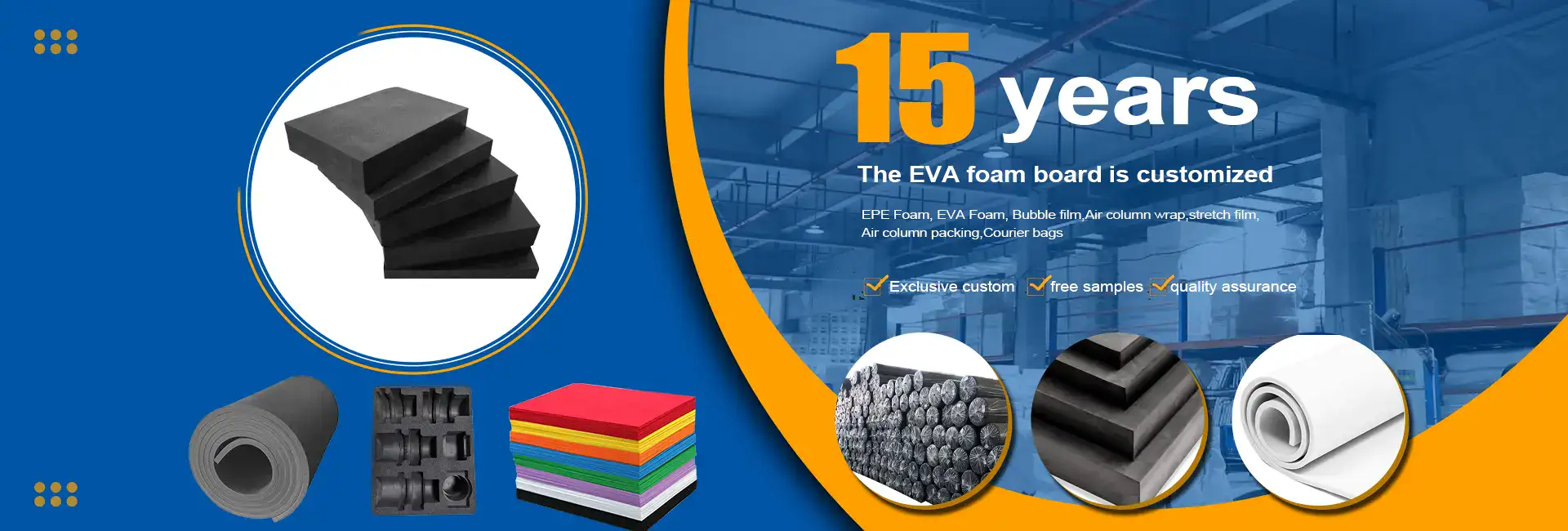
Mailong Packaging Co., Ltd. was established in 2009 and is a manufacturer and exporter of packaging materials for logistics, e-commerce, and industrial applications. Its product range includes inflatable bubble and pillow film, air column rolls, air column bags, EPE and EVA foam, poly mailers, stretch wrap, bubble mailers, BOPP tape, and corrugated boxes.
Mailong Packaging’s products are designed to help protect goods against collision damage, abrasion, and other risks during logistics transportation. The company has exported packaging products to more than 30 overseas markets.
For buyers comparing recyclable vs traditional poly mailers, the key is to define the required material structure, dimensions, film thickness, closure performance, printing, and order volume before requesting a quotation. A supplier should be able to discuss these requirements in practical manufacturing terms.
When should you consider a Mailong poly mailer?
Mailong’s poly mailer shipping bags are relevant for businesses shipping apparel, textiles, and other non-fragile goods that benefit from lightweight, flexible outer packaging. Buyers should provide the product dimensions, packed weight, expected shipping conditions, and any material or recycling requirements when discussing a specification.
For customers who need additional cushioning rather than a simple flexible envelope, a bubble mailer or a separate protective insert may be more appropriate. Mailong’s wider protective packaging range can help buyers consider the complete shipping package rather than choosing a poly mailer in isolation.
Information to include in your RFQ
- Required bag dimensions and gusset, if applicable.
- Film material, thickness, and preferred material structure.
- Whether recycled content or a recyclable construction is required.
- Product type, packed weight, and shipping environment.
- Closure type, printing colors, artwork, and label requirements.
- Order quantity, target delivery date, and destination market.
- Required test reports, material declarations, or supporting documents.
For buyers who are still evaluating formats, Mailong’s poly mailer category is a useful starting point for comparing packaging options and defining a suitable specification.
Expert Recommendation: Make the Decision on Performance and Real Recycling Access
For most B2B buyers, the right answer is not to replace every traditional poly mailer immediately. It is to qualify a recyclable option where the material and local collection system make sense, then expand only after the packaging passes operational testing.
We recommend the following procurement process:
- Map your product range: Identify which products can safely ship in a flexible mailer and which require cushioning or a rigid box.
- Define the technical specification: Set dimensions, thickness, material structure, closure, print requirements, and minimum performance criteria.
- Clarify the environmental requirement: Decide whether you need recyclable construction, recycled content, or another specific attribute. Do not use these terms interchangeably.
- Verify disposal access: Identify the actual film collection and recycling route in the markets where customers receive the mailers.
- Run a packaging trial: Test samples under representative packing and shipping conditions. Record tears, seal failures, moisture exposure, and product damage.
- Compare total cost: Include purchase price, freight, storage, labor, returns, and damage costs.
- Approve a controlled rollout: Start with selected SKUs, monitor performance, and expand only when the data supports the change.
For beginners, the priority is to understand the difference between recyclable material and actual recycling access. For commercial users, the priority is to qualify the complete package and supplier. For high-volume operations, even a small unit-cost difference deserves attention, but it should never override product protection or verified material performance.
Traditional poly mailers remain worth buying when they meet the required performance at a competitive total cost. Recyclable poly mailers are worth upgrading to when the construction is properly documented, the local recycling route is practical, and the product performs at least as well for the intended shipment.
Frequently Asked Questions About Recyclable vs Traditional Poly Mailers
1. Are recyclable poly mailers better than traditional poly mailers?
They can be a better option when they are designed for a suitable recycling stream and customers have access to that collection route. However, traditional polyethylene mailers may also be recyclable in some programs. Compare material composition, performance, disposal access, and total cost rather than relying on the product label.
2. Are traditional poly mailers recyclable?
Some traditional PE mailers can be recycled through designated flexible plastic film collection programs. Acceptance depends on the exact material construction and local recycling rules. Many curbside programs do not accept plastic film, so buyers should confirm the available collection route.
3. What is the difference between recyclable and recycled-content poly mailers?
A recyclable mailer is designed to be processed through a suitable recycling system. A recycled-content mailer is manufactured using material recovered from previous use or production. A mailer can have one attribute without having the other, so ask suppliers for separate documentation.
4. Are recyclable poly mailers as strong as traditional poly mailers?
They can be engineered to meet comparable application requirements, but performance depends on film formulation, thickness, construction, and manufacturing quality. Request samples and compare tear resistance, puncture resistance, seal performance, and packed-product protection.
5. Can poly mailers be recycled in curbside bins?
Not in many municipal curbside programs. Flexible plastic film often requires a separate collection route, such as a designated retail drop-off or commercial film recovery program. Check the local recycling authority’s instructions before advising customers to place mailers in household recycling bins.
6. Are biodegradable poly mailers the same as recyclable poly mailers?
No. Biodegradable and compostable materials are designed to break down under specified conditions, while recyclable materials are intended to be collected and processed into new material. Compostable packaging should not be placed in a plastic film recycling stream unless the local program explicitly accepts it.
7. What thickness should B2B buyers choose for poly mailers?
There is no universal thickness. The correct specification depends on packed weight, product shape, sharp edges, handling conditions, and shipping route. Test samples with actual products and use the lightest specification that reliably protects the shipment.
8. Are poly mailers suitable for fragile products?
A standard poly mailer is generally best for non-fragile goods such as clothing and textiles. Fragile products may need a padded mailer, foam insert, bubble protection, or corrugated box. Choose the packaging based on the product’s damage risks rather than forcing every item into the same bag format.
9. What documents should I request from a poly mailer manufacturer?
Request the material specification, thickness and dimensional tolerances, relevant performance test reports, recycled-content evidence if claimed, recyclability support documents, printing and adhesive details, quality-control information, and production lead-time commitments.
10. How can I reduce the cost of recyclable poly mailers?
Review bag dimensions, film weight, printing coverage, order quantity, and shipping volume. Standardizing sizes where practical and forecasting repeat orders may improve purchasing efficiency. Do not reduce thickness without testing the effect on damage rates and seal reliability.
References and Industry Guidance
These resources help buyers understand flexible plastic recycling, packaging design, and environmental claims. Recycling availability varies by location, so use the relevant local program rules when making product or consumer-facing claims.
- U.S. Federal Trade Commission. Environmental Claims: Summary of the Green Guides. Guidance on substantiating environmental marketing claims, including recyclable claims and qualifications where recycling facilities are not widely available.
- U.S. Environmental Protection Agency. How Do I Recycle Common Recyclables? Explains how recycling acceptance differs by material and local collection program, including the need to check local rules for plastic bags and film.
- Association of Plastic Recyclers. APR Design Guide for Plastics Recyclability. Technical guidance on designing plastic packaging for compatibility with recycling systems, including material selection and packaging components that can affect recyclability.
{
“@context”: “https://schema.org”,
“@type”: “FAQPage”,
“mainEntity”: [
{
“@type”: “Question”,
“name”: “Are recyclable poly mailers better than traditional poly mailers?”,
“acceptedAnswer”: {
“@type”: “Answer”,
“text”: “They can be a better option when they are designed for a suitable recycling stream and customers have access to that collection route. Traditional polyethylene mailers may also be recyclable in some programs. Compare material composition, performance, disposal access, and total cost.”
}
},
{
“@type”: “Question”,
“name”: “Are traditional poly mailers recyclable?”,
“acceptedAnswer”: {
“@type”: “Answer”,
“text”: “Some traditional PE mailers can be recycled through designated flexible plastic film collection programs. Acceptance depends on the exact material construction and local recycling rules. Many curbside programs do not accept plastic film.”
}
},
{
“@type”: “Question”,
“name”: “What is the difference between recyclable and recycled-content poly mailers?”,
“acceptedAnswer”: {
“@type”: “Answer”,
“text”: “A recyclable mailer is designed to be processed through a suitable recycling system. A recycled-content mailer is manufactured using material recovered from previous use or production. A mailer can have one attribute without having the other.”
}
},
{
“@type”: “Question”,
“name”: “Are recyclable poly mailers as strong as traditional poly mailers?”,
“acceptedAnswer”: {
“@type”: “Answer”,
“text”: “They can be engineered to meet comparable application requirements, but performance depends on film formulation, thickness, construction, and manufacturing quality. Compare tear resistance, puncture resistance, seal performance, and packed-product protection.”
}
},
{
“@type”: “Question”,
“name”: “Can poly mailers be recycled in curbside bins?”,
“acceptedAnswer”: {
“@type”: “Answer”,
“text”: “Not in many municipal curbside programs. Flexible plastic film often requires a separate collection route, such as a designated retail drop-off or commercial film recovery program. Check local recycling authority instructions.”
}
},
{
“@type”: “Question”,
“name”: “Are biodegradable poly mailers the same as recyclable poly mailers?”,
“acceptedAnswer”: {
“@type”: “Answer”,
“text”: “No. Biodegradable and compostable materials are designed to break down under specified conditions, while recyclable materials are intended to be collected and processed into new material. Compostable packaging should not be placed in a plastic film recycling stream unless the local program explicitly accepts it.”
}
},
{
“@type”: “Question”,
“name”: “What thickness should B2B buyers choose for poly mailers?”,
“acceptedAnswer”: {
“@type”: “Answer”,
“text”: “There is no universal thickness. The correct specification depends on packed weight, product shape, sharp edges, handling conditions, and shipping route. Test samples with actual products and use the lightest specification that reliably protects the shipment.”
}
},
{
“@type”: “Question”,
“name”: “Are poly mailers suitable for fragile products?”,
“acceptedAnswer”: {
“@type”: “Answer”,
“text”: “A standard poly mailer is generally best for non-fragile goods such as clothing and textiles. Fragile products may need a padded mailer, foam insert, bubble protection, or corrugated box.”
}
},
{
“@type”: “Question”,
“name”: “What documents should I request from a poly mailer manufacturer?”,
“acceptedAnswer”: {
“@type”: “Answer”,
“text”: “Request the material specification, thickness and dimensional tolerances, relevant performance test reports, recycled-content evidence if claimed, recyclability support documents, printing and adhesive details, quality-control information, and production lead-time commitments.”
}
},
{
“@type”: “Question”,
“name”: “How can I reduce the cost of recyclable poly mailers?”,
“acceptedAnswer”: {
“@type”: “Answer”,
“text”: “Review bag dimensions, film weight, printing coverage, order quantity, and shipping volume. Standardizing sizes where practical and forecasting repeat orders may improve purchasing efficiency. Do not reduce thickness without testing the effect on damage rates and seal reliability.”
}
}
]
}