Let us confront a brutal reality in modern supply chain management: relying on legacy, pre-inflated void fill is financial sabotage. If your warehouse operations are still utilizing massive, cumbersome rolls of traditional cellular cushioning, you are actively bleeding capital. You are paying exorbitant freight costs to ship what amounts to 98% dead air, and you are surrendering premium warehouse square footage to store that same dead air. In 2026, finding a high-performance alternative to bubble wrap is no longer an eco-friendly afterthought; it is an absolute operational necessity.
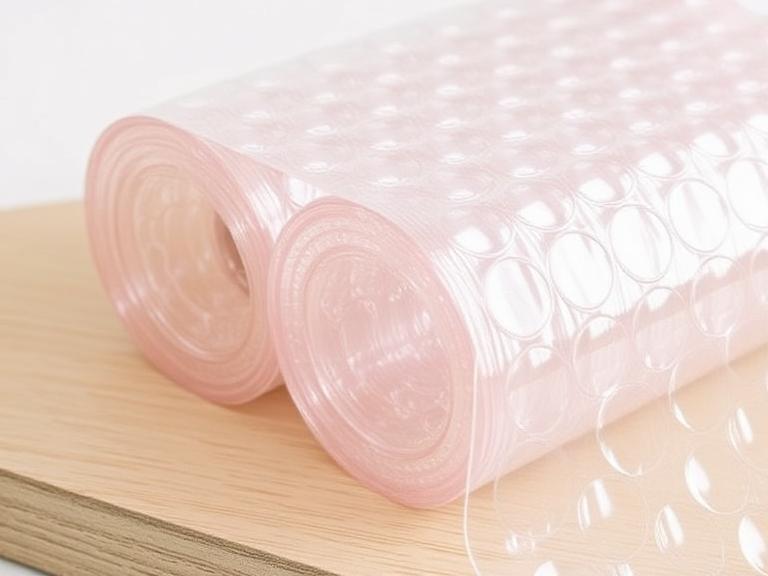
From our experience at Mailong Packaging Co., Ltd., established in 2009, the logistics sector has fundamentally shifted. Shippers demand uncompromising protection against collision damage, attrition, and static, but they demand it in a format that optimizes dimensional weight (DIM weight) pricing. Over the past decade, we have exported world-class quality packaging materials to over 30 countries, watching firsthand as rigid e-commerce constraints rendered old methodologies obsolete. Modern fulfillment centers require on-demand inflation, engineered shock absorption, and sustainable footprints.
In this relentlessly practical guide, we will dismantle the outdated practices of the past and detail the four absolute best alternative to bubble wrap solutions available today. We will analyze the material science behind each option, expose the hidden costs of legacy void fill, and provide a clear roadmap for upgrading your protective packaging protocols to secure your product and your profit margins.
Table of Contents
- The Logistics Crisis: Why Legacy Void Fill Fails
- 1. Air Column Technology: The Ultimate Shock Absorber
- 2. Air Pillow Films: High-Velocity Void Fill
- 3. EPE and EVA Foam: Engineered Heavy-Duty Protection
- 4. Compostable and Corrugated Solutions: The Eco-Imperative
- Strategic Implementation in Fulfillment Centers
- Summary Table: Material Comparison Matrix
- Frequently Asked Questions (FAQs)
- Industry and Regulatory References
The Logistics Crisis: Why Legacy Void Fill Fails
The failure of traditional pre-inflated packaging comes down to fundamental geometry and carrier pricing structures. Major global carriers penalize shippers for inefficient packaging through DIM weight pricing. If you use a box that is three times larger than the product simply to accommodate thick layers of outdated cellular wrap, you will be charged for the volume of the box, not its actual physical weight. Identifying a streamlined alternative to bubble wrap allows you to drastically shrink your carton dimensions, resulting in immediate, compounding freight savings.
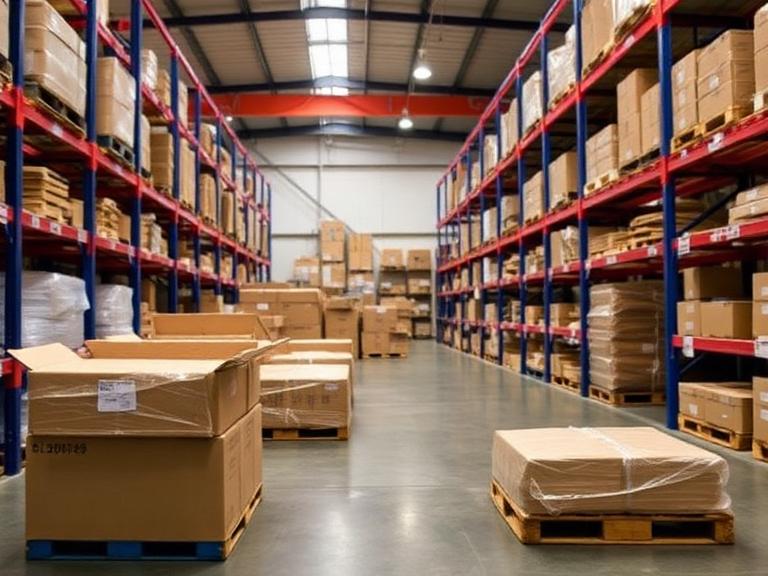
Furthermore, warehouse real estate is at a premium. A single pallet of uninflated alternative to bubble wrap material—such as flat high-density polyethylene (HDPE) film rolls—can yield the equivalent protective volume of an entire semi-truck filled with legacy pre-inflated rolls. If you are paying commercial lease rates to store trapped air, your operational efficiency is critically compromised. We recommend conducting an immediate audit of your pack stations to quantify the spatial waste generated by outdated materials.
1. Air Column Technology: The Ultimate Shock Absorber
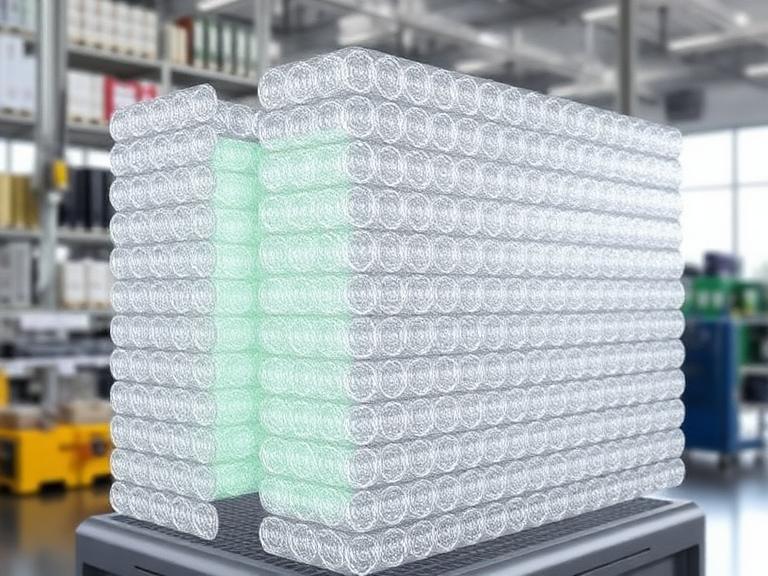
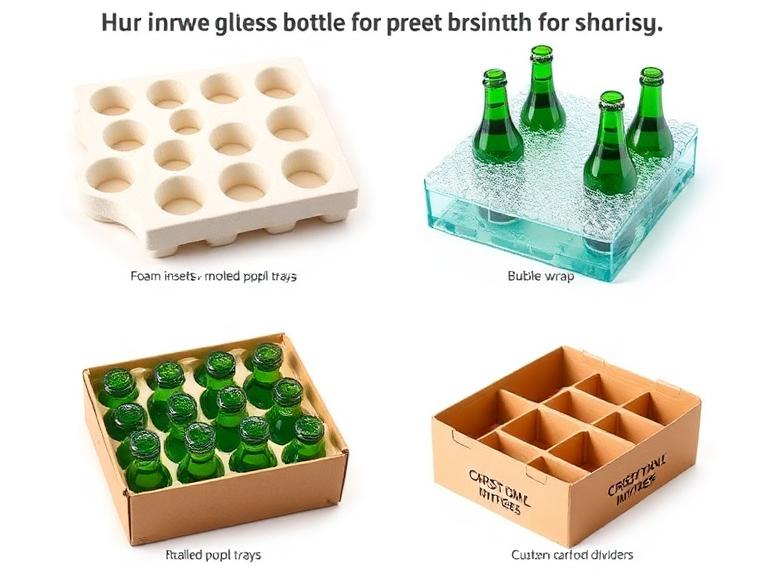
When you are shipping high-value, fragile items such as vintage wine bottles, sensitive electronics, or pharmaceutical glassware, standard wrapping simply will not suffice. The most structurally sound alternative to bubble wrap currently on the market is air column technology. These systems utilize a series of independent, co-extruded nylon and polyethylene chambers. The critical engineering triumph here is the one-way valve system; if a single column is punctured by a sharp edge during violent transit, the adjacent columns remain perfectly inflated, maintaining the protective barrier.
We specifically engineer the Air Column Bag to contour tightly around specific product dimensions, suspending the item in a rigid pocket of pressurized air. For uniquely shaped items or varying inventory, the Air Column Wrap provides the same independent chamber technology in a continuous roll format. From our experience, adopting this specific alternative to bubble wrap practically eliminates breakage-related return logistics, turning a notorious loss center into a controlled metric.
2. Air Pillow Films: High-Velocity Void Fill
If your primary packaging challenge is void fill—preventing products from migrating and colliding inside the outer carton—you require speed and volume. An Air Pillow Film system is the undisputed champion in high-velocity fulfillment environments. These systems utilize automated desktop machinery to draw in ambient room air and instantly inflate flat film into robust cushions exactly when the packer needs them.
This on-demand alternative to bubble wrap eliminates the messy, chaotic aesthetic of loose-fill packing peanuts and provides vastly superior compression resistance. A packer simply triggers the machine, tears off a perforated string of pillows, and locks the item firmly in the center of the box. Because the film is only 1% material and 99% air, it adds functionally zero weight to your final shipment. When it is time to seal the carton, securing the flaps with high-tensile Packing Tape/BOPP Tape ensures the internal pressure dynamics remain intact throughout the journey.
3. EPE and EVA Foam: Engineered Heavy-Duty Protection
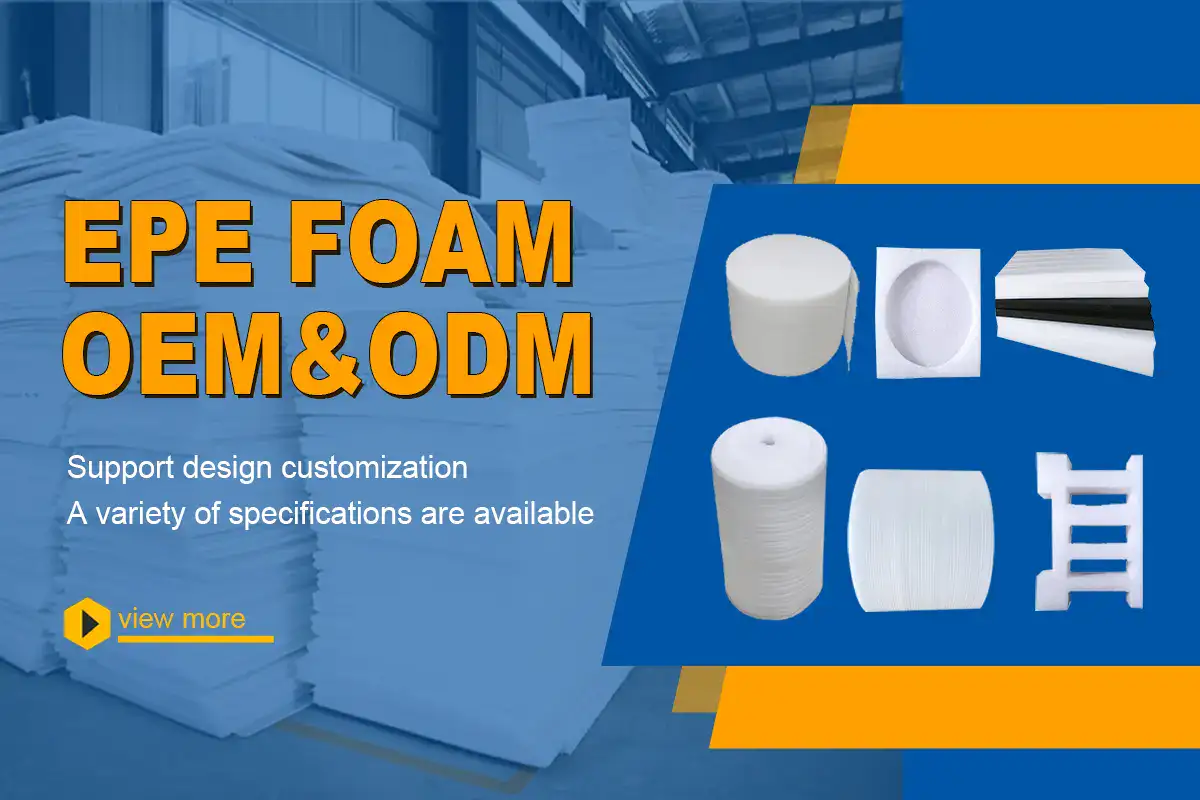
Not all shipments involve lightweight consumer goods. When transporting heavy industrial components, automotive parts, or premium furniture, air-based systems may face extreme compression limits. In these scenarios, the most effective alternative to bubble wrap is closed-cell engineered foam. Expanded Polyethylene (EPE) and Ethylene-Vinyl Acetate (EVA) foams offer catastrophic impact resistance without the brittle, messy shedding associated with outdated Expanded Polystyrene (EPS/Styrofoam).
By utilizing EPE FOAM, logistics managers gain access to a material that possesses a true “memory” effect. When subjected to a severe drop, the foam absorbs the kinetic energy and slowly recovers its original shape, ready to absorb subsequent impacts. It is non-abrasive, meaning it will not scratch Class-A surfaces or polished metals. For heavy-duty transit, relying on flimsy air pockets is dangerous; you must step up to structural foam as your primary alternative to bubble wrap.
4. Compostable and Corrugated Solutions: The Eco-Imperative
The consumer unboxing experience has evolved into a highly scrutinized brand touchpoint. In 2026, shipping a product buried in layers of unrecyclable petroleum-based plastic is viewed by many demographics as corporate negligence. You must pivot toward sustainable architecture. One highly effective alternative to bubble wrap is the integration of Compostable Bubble Wrap, which utilizes bio-polymers that degrade safely in municipal compost facilities without leaving toxic microplastics behind.
For brands demanding a completely plastic-free presentation, structural paper is the answer. Die-cut honeycomb kraft paper expands into a 3D hexagonal web, interlocking with itself to provide excellent surface protection without the need for adhesive tape. Furthermore, securing the shipment inside a precisely engineered Corrugated Box & Rigid Boxes setup provides immense crush resistance. For smaller, less fragile apparel or literature shipments, utilizing a paper-padded Bubble Mailer entirely eliminates the need for secondary void fill, streamlining your outbound operations while appeasing eco-conscious buyers.
Strategic Implementation in Fulfillment Centers
Selecting the correct alternative to bubble wrap is only half the battle; integrating it into your workflow dictates your actual ROI. We strongly advise against a one-size-fits-all approach. Your pack stations should be equipped based on velocity and product fragility. High-value electronics should trigger a standard operating procedure (SOP) that utilizes air columns. General retail goods should trigger air pillows.
Do not allow packers to randomly select materials. If a packer uses an Air Bubble Wrap & Pouch when a simple rigid mailer would suffice, they are wasting material and inflating DIM weight. Standardize your carton sizes, automate your void fill generation, and brutally eliminate the storage of pre-inflated legacy materials. From our experience, warehouses that strictly enforce these protocols routinely cut their packaging material spend by 30% to 45% within the first two fiscal quarters.
Summary Table: Material Comparison Matrix
To assist your procurement team in making rapid, data-driven decisions, we have synthesized the performance metrics of each primary alternative to bubble wrap into this uncompromising matrix.
| Alternative Packaging Type | Primary Logistics Application | Warehouse Space Efficiency | Impact Resistance Level |
|---|---|---|---|
| Air Column Bags / Wraps | Fragile glass, wine bottles, high-end electronics. | Exceptional (Stored completely flat until needed). | Extreme (Independent chambers prevent catastrophic failure). |
| On-Demand Air Pillow Film | High-speed void fill, preventing internal carton migration. | Exceptional (One roll replaces an entire truckload of pre-inflated wrap). | Moderate (Excellent for light/medium weight stabilization). |
| Engineered EPE / EVA Foam | Heavy machinery, automotive parts, luxury furniture. | Low (Requires physical storage footprint). | Extreme (Closed-cell memory structure absorbs massive kinetic shock). |
| Compostable & Honeycomb Paper | Cosmetics, ceramics, eco-conscious brand unboxing. | High (Honeycomb paper expands on demand from flat rolls). | Moderate (Excellent surface protection against scratching). |
Frequently Asked Questions (FAQs)
1. Does an alternative to bubble wrap actually cost less than traditional rolls?
Yes, significantly. While the upfront cost of an on-demand air pillow machine or specialized air column film might appear marginally higher per roll, the hidden costs of traditional wrap are devastating. You eliminate the massive freight charges incurred by shipping pre-inflated air to your warehouse, you reclaim valuable commercial floor space, and you drastically reduce the dimensional weight charges of your outbound shipments.
2. Are air column bags reliable for international air freight?
From our experience, they are the most reliable option available. Unlike traditional cellular wrap which can easily pop under changes in atmospheric pressure in cargo holds, premium air column packaging is engineered with robust nylon co-extrusion. They withstand significant altitude pressure variations, making them the preferred alternative to bubble wrap for global e-commerce exporters.
3. How do I transition my packing team to a new alternative to bubble wrap?
Transition requires strict SOP enforcement. Remove all legacy materials from the pack stations entirely to prevent old habits from persisting. Install desktop air pillow inflators directly at eye level above the packing benches, and provide clear visual diagrams dictating exactly which alternative to bubble wrap corresponds to specific product SKUs. Proper ergonomic placement ensures your team will naturally gravitate toward the new, faster materials.
Industry and Regulatory References
To ensure your corporate packaging strategy aligns with global sustainability mandates and optimal logistics engineering, we strongly advise consulting the following authoritative bodies:
- United States Environmental Protection Agency (EPA). Containers and Packaging: Product-Specific Data. (A comprehensive governmental breakdown on the critical necessity of reducing single-use plastic waste and optimizing supply chain materials).
- Packaging Digest. Sustainable Packaging Trends for 2026: Circularity and Material Efficiency. (An extensive industry analysis detailing how regulatory shifts and consumer demands are forcing the eradication of legacy void fill in favor of smart, bio-based solutions).