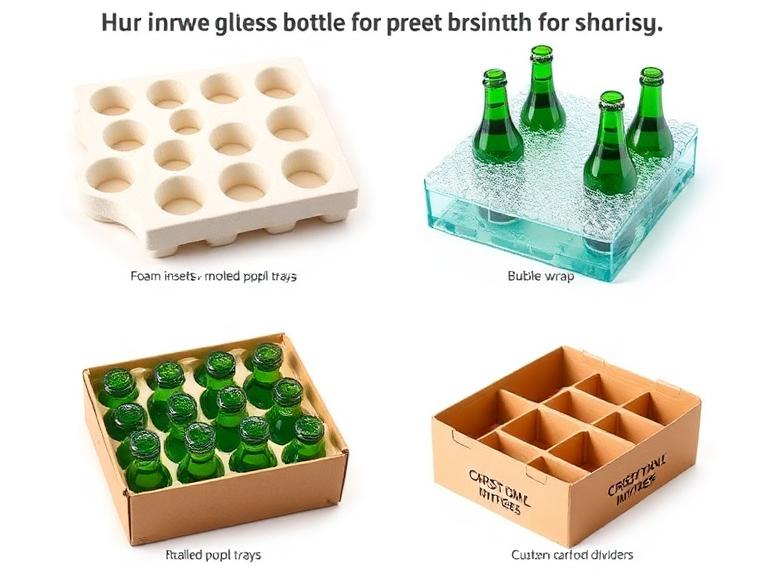
In the highly competitive world of e-commerce and global logistics, the moment a product leaves your warehouse, it is entirely at the mercy of the supply chain. From aggressive conveyor belts to unpredictable delivery drivers, the physical journey of a parcel is brutal. The harsh reality is that damaged goods do not just cost you the price of replacement inventory; they irreparably damage your brand’s reputation and decimate your profit margins through reverse logistics costs. To combat this, businesses must engineer their packaging solutions with precision.
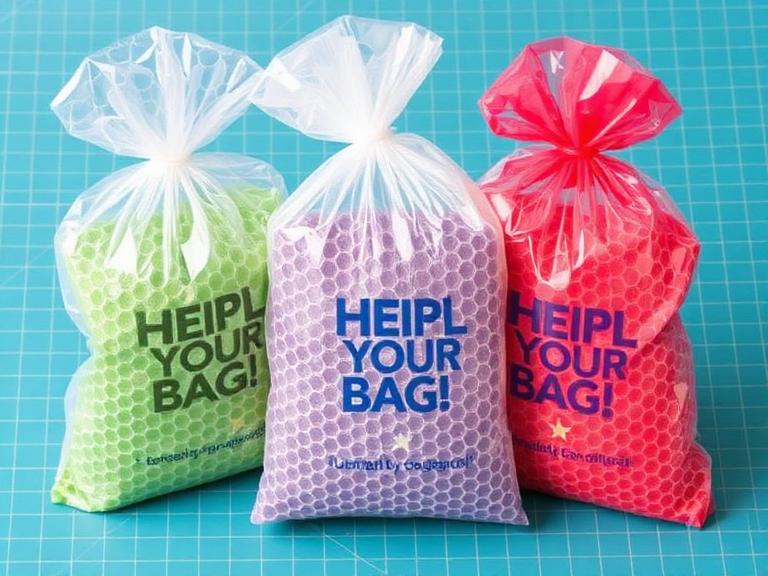
From our experience, off-the-shelf packaging solutions frequently fail to provide the exact dimensional and impact protection required for specialized products. This is where investing in Custom bubble wrap bags for shipping becomes an absolute necessity rather than a mere operational expense. Tailoring your packaging to the exact specifications of your product ensures maximum protection, minimizes dimensional weight (DIM) charges, and elevates the end-user unboxing experience. We recommend approaching packaging design as a critical extension of your product engineering.
Mailong Packaging Co., Ltd. was established in 2009. It is a reputed manufacturer and exporter of a wide range of world-class quality packaging materials, such as inflatable bubble and pillow film, air column rolls, air column bags, EPE FOAM and EVA FOAM, Poly Mailer, Stretch wrap, Bubble mailer, BOPP tape, and Corrugated box, which can prevent products from collision damage, attrition, and static in the process of logistics transportation, and have been exported to the oversea markets more than 30 countries.
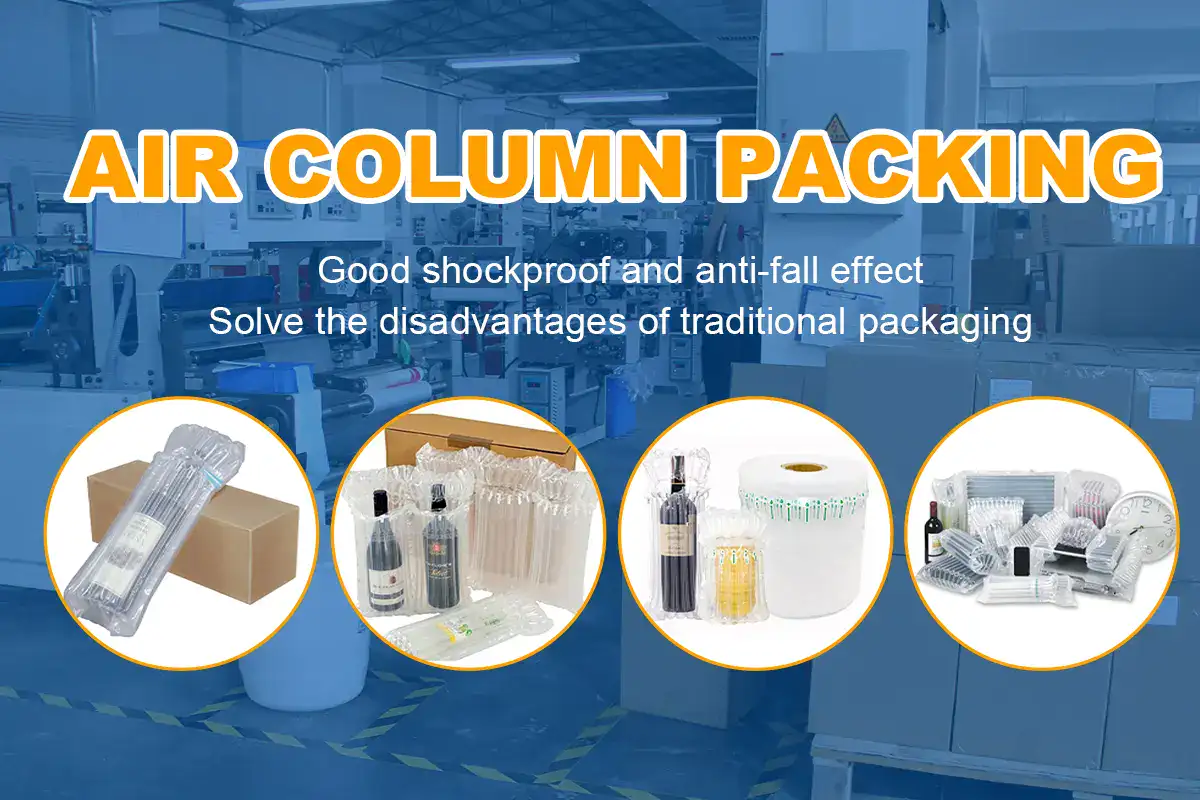
In this authoritative guide, we will break down the six critical steps to developing the perfect Custom bubble wrap bags for shipping. By adhering to this framework, you will reduce transit damage, streamline your fulfillment operations, and protect your bottom line.
Table of Contents
- Step 1: Analyze Your Product’s Specific Vulnerabilities
- Step 2: Determine Exact Dimensions to Mitigate DIM Weight
- Step 3: Select the Optimal Outer Material Profile
- Step 4: Integrate Brand Identity and Aesthetics
- Step 5: Prioritize Sustainable Packaging Innovations
- Step 6: Execute Rigorous Logistics Testing
- Summary Table: The 6-Step Customization Process
- Expert Advice: Avoiding Common Fulfillment Pitfalls
- Frequently Asked Questions (FAQs)
- Industry References
Step 1: Analyze Your Product’s Specific Vulnerabilities
Before contacting a manufacturer to design Custom bubble wrap bags for shipping, you must deeply understand the physics of your product. Is your item susceptible to blunt force impact, static electricity, surface abrasion, or prolonged vibration? A glass cosmetics bottle requires a vastly different cushioning profile than a printed circuit board.
We recommend conducting a full risk assessment. For high-value electronics, the internal bubble layer must be treated with anti-static agents to prevent electrostatic discharge (ESD) from destroying sensitive microchips. For heavier industrial items, a standard 3/16-inch bubble may compress and pop under the weight of the product during transit. In such cases, integrating higher density materials alongside the bubble structure is crucial. Utilizing materials like Flexible PU FOAM inside the bag or surrounding the primary product can absorb low-frequency vibrations that typical air bubbles cannot mitigate. The core objective here is to match the bubble size and barrier film thickness directly to the fragility fragility index of your merchandise.
Step 2: Determine Exact Dimensions to Mitigate DIM Weight
In modern shipping, you are rarely just paying for the physical weight of your product; you are paying for the space it occupies on an airplane or delivery truck. Dimensional weight (DIM weight) pricing penalizes businesses that use oversized packaging. Therefore, designing Custom bubble wrap bags for shipping that fit your product like a glove is a massive cost-saving mechanism.
When you engineer custom dimensions, you eliminate the need for void fill—the extra peanuts or paper required to stop an item from rattling inside a generic box. You must calculate the exact length, width, and depth of your product, and then add the specific tolerance required to slip the item into the bag efficiently on the fulfillment line. From our experience, a custom bag that shaves just one inch off the overall exterior dimensions can save enterprise shippers hundreds of thousands of dollars annually in carrier surcharges. Precision in sizing is non-negotiable for high-volume fulfillment.
Step 3: Select the Optimal Outer Material Profile
The internal bubbles provide the shock absorption, but the outer layer of your Custom bubble wrap bags for shipping dictates puncture resistance, weatherproofing, and structural integrity. Selecting the right external substrate is critical.
For standard e-commerce apparel or non-fragile consumer goods, a co-extruded polyethylene outer layer is standard. This creates a moisture-resistant barrier that prevents rain or snow from compromising the product. If you require higher rigidity to prevent documents or photographs from bending, a kraft paper outer layer is ideal. However, for products that demand extreme tear resistance and a premium feel, metallic or foil-lined outer films provide excellent puncture defense while offering thermal protection against extreme temperature fluctuations during transit. Choosing the right exterior ensures that your Custom bubble wrap bags for shipping survive the logistical gauntlet unscathed.
Step 4: Integrate Brand Identity and Aesthetics
Your packaging is the very first physical touchpoint a customer has with your brand. Treating it purely as a disposable protective layer is a massive marketing failure. Custom bubble wrap bags for shipping present a high-visibility canvas to reinforce your brand identity. We strongly advise against shipping out plain, generic grey or white mailers if you are trying to build brand loyalty.
Modern flexographic and digital printing technologies allow you to flood-coat the exterior of the bags with your exact Pantone brand colors, logos, and handling instructions. Furthermore, you can design the bags with dual peel-and-seal adhesive strips. This allows the customer to open the package effortlessly and use the exact same bag for a return shipment if necessary. A frustrating unboxing experience will cost you repeat business, whereas a seamless, beautifully branded opening experience triggers psychological satisfaction and brand trust.
Step 5: Prioritize Sustainable Packaging Innovations
The modern consumer is hyper-aware of plastic waste, and global regulatory bodies are increasingly taxing single-use plastics. Integrating sustainability into your Custom bubble wrap bags for shipping is no longer a luxury; it is a strategic imperative for future-proofing your supply chain.
We recommend discussing eco-friendly resin alternatives with your manufacturer. Many high-performance bags can now be manufactured using Post-Consumer Recycled (PCR) plastics, reducing the reliance on virgin fossil fuels. For brands that prioritize an absolute zero-waste ethos, utilizing Compostable Bubble Wrap technologies ensures that the packaging breaks down naturally in industrial composting facilities without leaving behind toxic microplastics. By aligning your Custom bubble wrap bags for shipping with environmental stewardship, you not only comply with emerging laws but also capture the loyalty of the eco-conscious demographic.
Step 6: Execute Rigorous Logistics Testing
A packaging design is only a hypothesis until it survives real-world testing. Before committing to a massive production run of Custom bubble wrap bags for shipping, you must subject the prototypes to rigorous International Safe Transit Association (ISTA) testing protocols.
This involves simulating the exact stresses of the shipping environment, including free-fall drop tests, rotational edge drops, and sustained vibrational testing. You need to ensure that the seals do not burst under sudden pressure changes in cargo holds and that the internal bubble structure does not deflate after a sharp impact. For bulk shipping scenarios, understanding how these bags perform when stacked on pallets and wrapped tightly with Pallet Film is also essential to prevent crushing the bottom layers. Only after the custom design passes these brutal physical assessments should you authorize mass manufacturing.
Summary Table: The 6-Step Customization Process
| Step | Action Item | Primary Objective | Expert Recommendation |
|---|---|---|---|
| Step 1 | Analyze Vulnerabilities | Identify shock, vibration, and static risks. | Match bubble thickness to the product’s fragility index. |
| Step 2 | Determine Exact Dimensions | Eliminate void fill and reduce DIM weight. | Design with minimal tolerance for a snug, secure fit. |
| Step 3 | Select Outer Material | Ensure puncture resistance and weatherproofing. | Use co-extruded poly for durability or foil for thermal defense. |
| Step 4 | Integrate Brand Identity | Enhance the customer unboxing experience. | Add dual adhesive strips for seamless reverse logistics (returns). |
| Step 5 | Prioritize Sustainability | Meet consumer demand and regulatory compliance. | Opt for high-percentage PCR plastics or fully compostable resins. |
| Step 6 | Execute Logistics Testing | Validate the protective capabilities of the design. | Conduct ISTA-certified drop and vibration testing before mass production. |
Expert Advice: Avoiding Common Custom Packaging Mistakes
From our extensive experience consulting with global fulfillment centers, the most common mistake buyers make when sourcing Custom bubble wrap bags for shipping is focusing entirely on the per-unit cost of the bag while ignoring the labor costs on the fulfillment line. A cheap bag that is difficult to open, has inferior adhesive that requires taping, or is too tight to slide the product into quickly will destroy your warehouse efficiency.
We highly recommend integrating friction-reducing slip additives to the inner layer of the bubble wrap, allowing operators to insert products seamlessly. Furthermore, if your product line fluctuates in size, consider utilizing Inflatable Bubble Wrap systems on-demand. This allows you to create custom cushioning exactly when you need it, saving massive amounts of warehouse storage space compared to storing pre-inflated traditional bubble rolls. Ultimately, the best packaging strategy looks at the total cost of ownership—from material cost and labor efficiency to freight savings and damage reduction.
Frequently Asked Questions (FAQs)
What is the minimum order quantity (MOQ) for Custom bubble wrap bags for shipping?
MOQs vary significantly depending on the manufacturer and the complexity of the design. For fully printed, custom-sized bags, MOQs typically range from 10,000 to 50,000 units. This is because setting up the extrusion and flexographic printing machinery is capital-intensive, making very short runs economically unviable for the factory.
How does DIM weight affect my shipping costs?
Carriers like FedEx and UPS calculate shipping costs based on whichever is greater: the actual physical weight of the package or its Dimensional (DIM) weight (calculated by multiplying Length x Width x Height and dividing by a specific dimensional divisor). Custom bubble wrap bags for shipping eliminate dead air and oversized boxes, drastically lowering your DIM weight and reducing your shipping rates.
Yes, absolutely. You must specify to the manufacturer that you require an Anti-Static (often colored pink) formulation. These bags are manufactured with an amine-free antistatic additive that prevents the build-up of triboelectric charges, ensuring that sensitive components like motherboards and hard drives are not fried by static shock during transport.
Standard polyethylene (PE) bubble bags are highly recyclable, but they generally cannot be thrown into single-stream residential recycling bins. They must be taken to specialized store drop-off locations that accept soft plastic films. However, manufacturers are now producing easily recyclable mono-material designs to streamline this process.
Industry References
- Supply Chain Management Review: The Impact of Dimensional Weight Pricing on E-commerce Fulfillment
- Packaging Digest: Advancements in Sustainable and Protective E-commerce Packaging Materials