Authored by Mailong Packaging — Established in 2009, we are a reputed manufacturer and exporter of a wide range of world-class quality packaging materials. Operating across more than 30 countries, we specialize in providing advanced logistics solutions that prevent product collision damage, attrition, and static during transportation.
In the highly competitive apparel e-commerce sector, the journey a garment takes from the warehouse to the customer’s doorstep is fraught with logistical challenges. Moisture, dirt, rough handling, and punctures are constant threats. Consequently, the decision to buy Shipping Bags for clothes is not merely a matter of operational procurement; it is a critical investment in brand integrity, customer satisfaction, and reverse logistics minimization.
From our experience at Mailong Packaging, many emerging clothing brands make the critical error of treating all mailers as equal. Purchasing substandard packaging leads to increased return rates and tarnished brand reputations. When you prepare to buy Shipping Bags for clothes, you must navigate a complex matrix of material science, dimensional accuracy, bulk pricing strategies, and protective integrations. We recommend approaching your packaging procurement strategically. This authoritative guide outlines the 8 best ways to buy Shipping Bags for clothes, providing industry-verified methodologies to ensure your garments arrive in pristine condition.
Table of Contents
- 1. Analyze Your Specific Apparel Dimensions and Weights
- 2. Buy Directly from Reputable Packaging Manufacturers
- 3. Evaluate Material Specifications: LDPE Poly vs. Kraft
- 4. Prioritize Custom Branding and Printing Capabilities
- 5. Leverage Bulk Purchasing for Economies of Scale
- 6. Integrate Protective Cushioning for Embellished Garments
- 7. Assess the Environmental Impact of Your Mailers
- 8. Verify Compatibility with Global Logistics Networks
- Summary Table: Procurement Strategies
- Frequently Asked Questions (FAQs)
- Industry References
1. Analyze Your Specific Apparel Dimensions and Weights
The foremost step when you buy Shipping Bags for clothes is to conduct a thorough volumetric analysis of your product line. Clothing varies drastically in density and compressibility. A lightweight silk scarf requires vastly different spatial accommodations than a heavy winter parka or a stiff denim jacket. Purchasing generic, one-size-fits-all bags often results in paying for shipping “air” (void space) or tearing undersized bags during the fulfillment process.
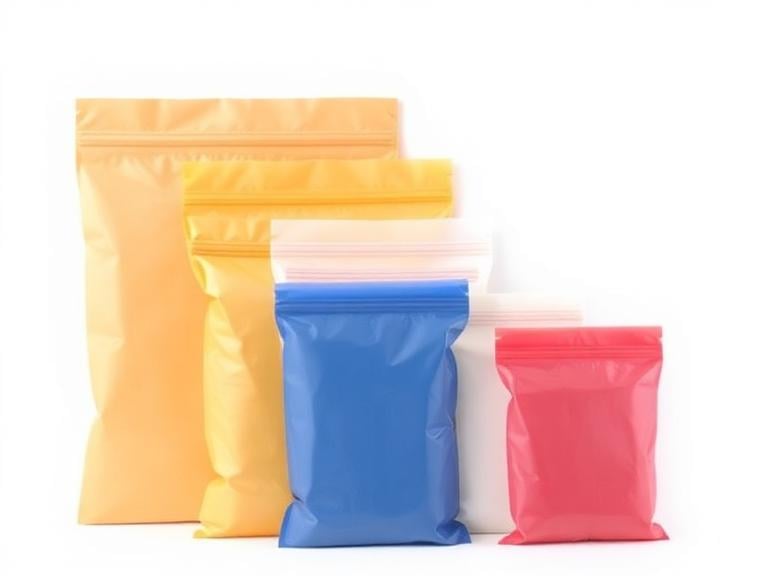
We recommend creating a sizing matrix for your inventory. Group your garments into tiers (e.g., small accessories, single t-shirts, bulky sweaters) and match them to standard poly mailer dimensions. The most common sizes include 6×9 inches for small accessories, 10×13 inches for standard shirts, and 14.5×19 inches for heavier outerwear. When you buy Shipping Bags for clothes based on precise dimensional data, you drastically reduce your dimensional weight (DIM weight) shipping surcharges.
2. Buy Directly from Reputable Packaging Manufacturers
In the digital age, it is tempting to order packaging from third-party retail marketplaces. However, to secure the best pricing, consistency, and quality control, you must buy Shipping Bags for clothes directly from established manufacturers. Middlemen add unnecessary markups and often source from inconsistent factories, leading to batch-to-batch discrepancies in adhesive strength and material thickness.
Mailong Packaging, established in 2009, operates as a premier manufacturer, exporting world-class quality packaging materials to over 30 countries. By partnering directly with a manufacturer, you gain access to factory-direct pricing, custom engineering, and transparent supply chains. When you buy Shipping Bags for clothes directly from the source, you ensure that the materials meet strict international logistics standards, preventing attrition and collision damage during transit.
3. Evaluate Material Specifications: LDPE Poly vs. Kraft
The material composition of your mailer dictates its protective capabilities. The two primary contenders in the apparel industry are Low-Density Polyethylene (LDPE) and Kraft paper. When you buy Shipping Bags for clothes, LDPE poly mailers are overwhelmingly the industry standard. They offer exceptional tear resistance, high elasticity, and absolute waterproofing. They are lightweight, reducing overall shipping costs.
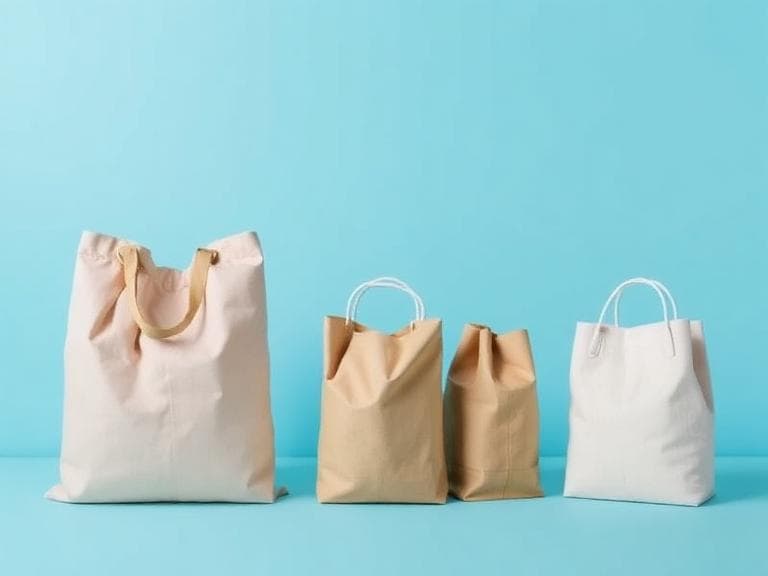
From our experience, you should look for poly mailers constructed with a co-extruded multi-layer process. This typically features a white outer layer for pristine branding and a gray or black inner opaque layer to ensure privacy and security, preventing couriers or porch pirates from identifying the contents. While Kraft bags offer a rustic, eco-friendly aesthetic, they lack the innate waterproof and puncture-resistant qualities of LDPE, making them less suitable for long-haul international shipping without secondary internal protection.
4. Prioritize Custom Branding and Printing Capabilities
Your packaging is the first physical interaction a customer has with your brand. Unboxing is a critical psychological touchpoint. Therefore, a highly effective way to buy Shipping Bags for clothes is to procure them from a partner capable of high-fidelity custom printing. A blank, generic gray bag offers zero brand equity.
We recommend utilizing flexographic or rotogravure printing to apply your company logo, brand colors, and return instructions directly onto the mailer. This not only elevates the perceived value of the garments inside but also acts as a mobile billboard as the package traverses the logistics network. When you buy Shipping Bags for clothes with custom branding, ensure the manufacturer uses high-quality, scuff-resistant inks that will not smear during automated conveyor belt sorting.
5. Leverage Bulk Purchasing for Economies of Scale
Packaging procurement is deeply tied to volume. The most cost-effective method to buy Shipping Bags for clothes is through calculated bulk purchasing. Manufacturers operate on economies of scale; setting up the extrusion and printing machinery carries a fixed cost. By increasing your order quantity, the per-unit cost drops precipitously.
We advise fashion retailers to forecast their shipping volumes for at least a six-to-twelve-month period. Instead of placing small, reactive orders every month, consolidating your purchasing into quarterly or bi-annual bulk orders will free up significant capital. When you buy Shipping Bags for clothes in volume, you also insulate your business against sudden supply chain disruptions or raw material price fluctuations.
6. Integrate Protective Cushioning for Embellished Garments

While standard t-shirts and cotton garments can survive in unlined poly mailers, high-end apparel requires structural protection. Clothing featuring delicate beadwork, heavy zippers, metallic buckles, or structured collars can sustain friction damage or puncture the outer mailer if compressed under heavy freight.
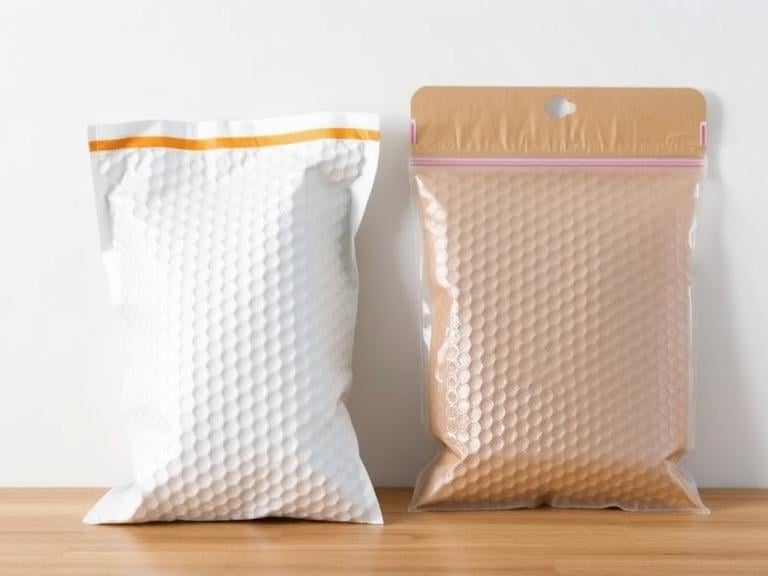
To mitigate this, you must buy Shipping Bags for clothes that integrate, or are paired with, advanced cushioning solutions. At Mailong Packaging, we manufacture highly engineered internal protections. For garments requiring robust defense against crush forces, sourcing from a reliable Air Column bag manufacturer provides rigid, inflatable armor. Alternatively, for flexible protection that conforms to the garment, partnering with an Air Bubble Pouch manufacturer ensures the apparel is shielded from abrasive attrition.
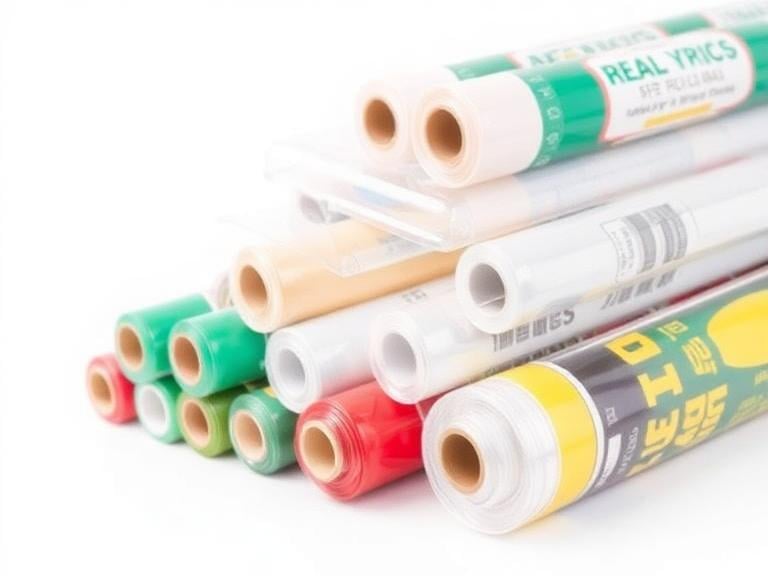
For high-volume fulfillment centers, utilizing automated void-fill systems is highly efficient. Working with an Air pillow film manufacturer allows you to inflate cushioning on-demand, saving vast amounts of warehouse storage space. Furthermore, wrapping premium boxed garments in materials sourced from an Air bubble Wrap manufacturer or an Air Column Wrap manufacturer provides a world-class unboxing experience while guaranteeing zero collision damage.
7. Assess the Environmental Impact of Your Mailers
Modern consumers are acutely aware of packaging waste. A strategic way to buy Shipping Bags for clothes is to align your procurement with your brand’s sustainability ethos. While traditional virgin LDPE is highly functional, the market now offers excellent environmentally responsible alternatives.
We recommend sourcing mailers composed of Post-Consumer Recycled (PCR) plastics, typically ranging from 50% to 100% recycled content. These bags perform identically to virgin plastic but drastically reduce your corporate carbon footprint. Alternatively, fully compostable mailers made from cornstarch and PBAT (Polybutylene adipate terephthalate) are becoming highly requested. When you buy Shipping Bags for clothes with eco-friendly certifications, you directly appeal to the demographic of environmentally conscious shoppers, driving brand loyalty.
8. Verify Compatibility with Global Logistics Networks
Finally, your packaging must perform flawlessly within the automated systems of global couriers (FedEx, UPS, DHL, USPS). An often-overlooked factor when you buy Shipping Bags for clothes is the formulation of the self-sealing adhesive strip. The bag must feature a high-tack, hot-melt adhesive closure that creates an immediate, tamper-evident seal. If the adhesive fails in a freezing cargo hold or melts in a hot delivery truck, the garment is lost.
Additionally, the surface of the bag must readily accept thermal shipping labels without them peeling off during transit. From our experience exporting to over 30 countries, verifying these small technical details with your manufacturer ensures that when you buy Shipping Bags for clothes, you are purchasing a product that actively facilitates smooth global logistics.
Summary Table: Procurement Strategies
| Strategy | Actionable Requirement | Primary Benefit |
|---|---|---|
| Dimensional Analysis | Match bag size exactly to garment folded dimensions. | Eliminates dimensional weight (DIM) shipping surcharges. |
| Direct Manufacturer Sourcing | Partner with established producers like Mailong Packaging. | Secures factory-direct pricing and stringent quality control. |
| Multi-Layer Material | Utilize co-extruded LDPE with an opaque inner layer. | Guarantees waterproofing and provides visual privacy. |
| Integrated Cushioning | Use air column bags or bubble pouches for delicate items. | Prevents attrition, friction damage, and hardware punctures. |
| High-Tack Adhesives | Ensure tamper-evident, hot-melt closure strips. | Maintains package security across varying global temperatures. |
Frequently Asked Questions (FAQs)
Industry References
To further understand the global standards and testing methodologies governing protective packaging materials and logistics, we recommend consulting the following authoritative organizations:
- ASTM International – Standards for testing the puncture resistance and tear strength of flexible packaging films.
- International Organization for Standardization (ISO) – Global standards for environmental management and sustainable packaging design (ISO 14001).
- United States Environmental Protection Agency (EPA) – Guidelines on the proper recycling and lifecycle management of plastic packaging materials.