Choosing among cardboard protective packaging suppliers is not simply a matter of comparing box prices. The right supplier should understand how your products are handled, where damage occurs during transit, how your orders are packed, and what level of protection is justified by the value of the goods. A low-cost carton that allows products to move inside the box can quickly become more expensive than a better-engineered packaging system.
For e-commerce brands, manufacturers, distributors, and export businesses, cardboard packaging can provide an effective balance of cushioning, structural support, recyclability, and shipping efficiency. However, not every supplier offers the same capabilities. Some focus on large-scale corrugated production, while others specialize in engineered inserts, industrial transit packaging, or complete protective packaging programs.
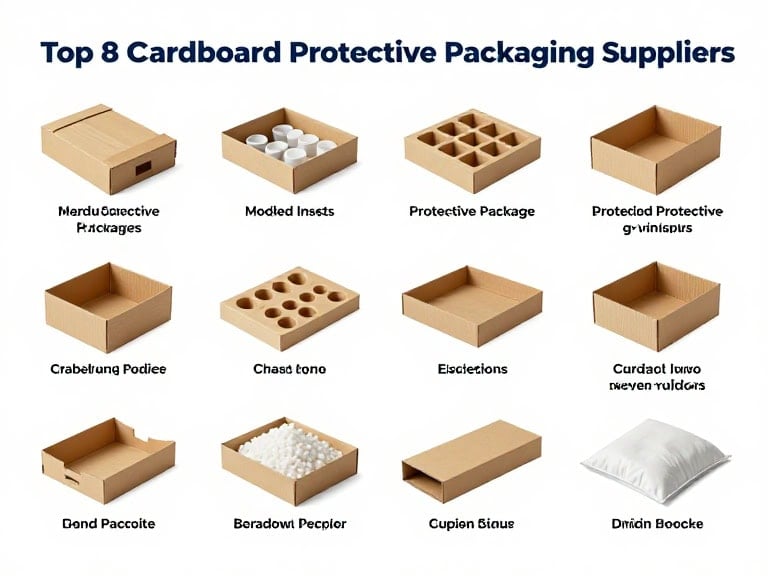
Below, we compare eight suppliers worth evaluating, explain what each is best suited for, and outline the practical checks buyers should make before placing an order. This is an editorial shortlist based on product relevance, manufacturing capabilities, and potential fit for different procurement needs—not a universal ranking by revenue or independently verified product performance.
For large-volume corrugated packaging programs, start by evaluating International Paper, Smurfit Westrock, Packaging Corporation of America, and Georgia-Pacific. Pratt Industries and Green Bay Packaging are also worth considering for corrugated supply and customized packaging requirements. Ranpak is relevant when paper-based cushioning and automated packing systems are part of the project. Mailong Packaging is an option for buyers who want to discuss corrugated boxes alongside complementary protective materials such as air column bags, bubble cushioning, EPE foam, and mailers.
Our recommendation: Do not select a supplier based on carton price alone. Compare packaging performance, total landed cost, minimum order quantity, lead time, customization, and the supplier’s ability to support your actual shipping conditions.
- What Is Cardboard Protective Packaging?
- How Cardboard Protective Packaging Works
- Top 8 Cardboard Protective Packaging Suppliers
- Supplier Comparison Table
- Benefits and Limitations
- Pros and Cons of Cardboard Protective Packaging
- Best Applications and Use Cases
- How to Choose a Cardboard Packaging Manufacturer
- Common Sourcing Mistakes
- Cost-Benefit Analysis and Upgrade Decisions
- Where Mailong Packaging Fits
- Expert Recommendation
- Frequently Asked Questions
- References
1. What Is Cardboard Protective Packaging?
Cardboard protective packaging refers to paper-based packaging components designed to prevent products from being damaged during storage, handling, and transportation. It includes more than ordinary shipping boxes. Depending on the product and shipping environment, a protective packaging system may use corrugated cartons, cardboard dividers, die-cut inserts, edge protectors, corrugated sleeves, partitions, and molded or folded paper cushioning.
Corrugated cardboard is particularly useful because its fluted inner layer sits between flat linerboards. This structure creates a lightweight panel with useful stiffness and resistance to compression. Different flute profiles, board grades, and wall constructions can be selected to suit the weight, dimensions, and fragility of the packaged product.
For example, a business shipping lightweight household accessories may only need a standard corrugated carton with a simple paper insert. A manufacturer exporting metal components may require a stronger carton, internal dividers, edge protection, and additional cushioning to prevent movement and surface damage.
The important distinction is that a shipping box is not automatically a complete protective packaging solution. A carton provides containment and structural protection, but it may not absorb enough impact or prevent movement for fragile or high-value goods. The internal packaging design matters just as much as the outer box.
2. How Cardboard Protective Packaging Works
Cardboard protection works through a combination of structural strength, separation, restraint, and energy management. A well-designed package controls how forces are transferred from the outside of the carton to the product inside.
Corrugated board distributes external pressure
The fluted medium helps a corrugated panel resist compression and maintain its shape. When cartons are stacked in a warehouse or shipping container, the board construction and carton design influence how much load the package can withstand. Moisture, storage duration, stacking patterns, and board quality can all affect performance.
Inserts and dividers prevent product movement
Internal cardboard inserts create separate compartments or hold products in position. This is particularly useful for glassware, electronic components, bottles, tools, and multi-item shipments. A properly fitted insert reduces product-to-product contact and limits movement during handling.
Edge and corner protection reduces concentrated damage
Edges and corners are common damage points for furniture, panels, appliances, and industrial products. Folded corrugated profiles and layered cardboard protectors distribute pressure over a wider area and reduce the risk of dents or crushed corners.
Additional cushioning absorbs impact
Cardboard can be combined with other materials when the product needs more cushioning than paperboard alone can provide. Depending on the application, buyers may use paper cushioning, air pillows, bubble wrap, EPE foam, or inflatable protective packaging. The correct combination depends on product fragility, shipping distance, handling conditions, and sustainability requirements.
3. Top 8 Cardboard Protective Packaging Suppliers
The following companies offer different approaches to paper-based, corrugated, or complementary protective packaging. Their suitability depends on your order volume, location, product specifications, customization needs, and preferred supply model. Always confirm current product availability and regional service coverage directly with the supplier.
1. Smurfit Westrock
Best for integrated paper-based protection
Smurfit Westrock is a major packaging group with a broad portfolio covering corrugated packaging and paper-based protective solutions. Its protective packaging range includes formats such as dividers, pallet components, inserts, and corrugated wraps. This makes the company relevant to buyers who need more than a standard shipping carton.
Why consider it: Buyers with established packaging programs may benefit from discussing carton design and protective components within a broader packaging relationship. Its corrugated and paper-based portfolio is particularly relevant when a company wants to reduce unnecessary material combinations.
Best use cases: Large distribution operations, e-commerce fulfillment, industrial packaging, and businesses shipping products that need custom paper-based protection.
What to verify: Confirm the available manufacturing location, lead time, design support, minimum order quantities, and whether the specific protective format can be supplied in your market. A global footprint does not automatically mean every product is manufactured locally.
2. International Paper
Best for large-volume corrugated programs
International Paper is a major producer of fiber-based packaging and paper products. Its corrugated packaging capabilities make it a relevant supplier for companies that need consistent carton supply across established manufacturing, distribution, and retail operations.
Why consider it: Large buyers often need reliable capacity, repeatable specifications, and supply planning rather than one-off packaging purchases. A large integrated supplier can be worth evaluating when annual demand is substantial and packaging requirements are relatively stable.
Best use cases: High-volume shipping cartons, distribution packaging, industrial packaging programs, and businesses with recurring corrugated requirements.
What to verify: Ask whether the supplier can support your exact carton dimensions, board construction, printing requirements, and delivery schedule. If you need custom inserts or specialized cushioning, confirm whether those are produced in-house or sourced through partners.
3. Packaging Corporation of America (PCA)
Best for corrugated boxes and customized shipping cartons
Packaging Corporation of America focuses on containerboard and corrugated packaging. Its position in the North American corrugated market makes it a logical candidate for businesses looking for shipping boxes and packaging designed around specific product and distribution requirements.
Why consider it: A corrugated-focused supplier is often a better starting point than a general packaging distributor when carton dimensions, board construction, print quality, and repeat production are central to the project.
Best use cases: Custom shipping cartons, industrial packaging, retail distribution, and recurring corrugated box orders.
What to verify: Compare structural design support, sample approval procedures, regional production capacity, and delivery economics. A carton that is competitively priced at the factory may become expensive if freight costs are high or the production site is far from your warehouse.
4. Georgia-Pacific
Best for established paper and packaging supply
Georgia-Pacific operates across paper, pulp, tissue, and packaging-related product categories. Its packaging business is relevant to companies evaluating corrugated and paper-based materials as part of a wider procurement strategy.
Why consider it: Businesses with ongoing packaging demand may want to assess a supplier with established paper and packaging operations. This can be useful when material consistency and supply planning are important purchasing criteria.
Best use cases: Commercial shipping cartons, industrial packaging, and businesses with regular paper-based packaging consumption.
What to verify: Ask for confirmation of the specific corrugated products, protective components, and services available through the relevant regional business unit. Do not assume every product shown across a large corporate portfolio is available from every facility.
5. Pratt Industries
Best for recycled-fiber packaging priorities
Pratt Industries is known for its recycled paper and corrugated packaging operations. It is worth evaluating for businesses that want to include recycled-fiber sourcing in their packaging strategy while still meeting practical carton performance requirements.
Why consider it: Recycled content can support a company’s material sourcing objectives, but it should be evaluated alongside board strength, moisture exposure, stacking requirements, and package performance. Sustainability claims are useful only when the packaging still protects the product effectively.
Best use cases: Corrugated shipping boxes, distribution packaging, and buyers with a preference for recycled-fiber packaging options.
What to verify: Request details about recycled content, board specifications, available certifications, and the performance requirements of the proposed carton. Do not treat recycled content as a substitute for physical testing.
6. Green Bay Packaging
Best for regional corrugated packaging projects
Green Bay Packaging is a long-established packaging company with corrugated packaging capabilities. It is a candidate for buyers who want to assess a supplier with experience in converting paperboard into shipping and protective packaging formats.
Why consider it: For many buyers, regional production and responsive coordination matter as much as the quoted unit price. A supplier with suitable local capacity can help simplify sample development, order scheduling, and replenishment.
Best use cases: Corrugated shipping cartons, custom box projects, and recurring packaging requirements in supported service areas.
What to verify: Confirm the nearest production facility, freight costs, design capabilities, and the availability of specialized protective inserts. Regional coverage and product options should be checked against your delivery address.
7. Ranpak
Best for paper-based cushioning systems
Ranpak is especially relevant when the packaging requirement extends beyond the corrugated outer box. The company focuses on paper-based protective packaging and cushioning systems used in packing and fulfillment operations.
Why consider it: A strong carton cannot prevent every form of internal movement or impact. Paper cushioning can fill voids, wrap products, or provide separation inside a shipping box. For businesses with high daily packing volumes, the packing process and equipment requirements should be evaluated alongside material cost.
Best use cases: E-commerce fulfillment, void filling, product wrapping, and operations looking to introduce paper-based cushioning into their packing process.
What to verify: Compare equipment investment, consumable cost, packing speed, storage requirements, and operator training. Ranpak is not a direct substitute for every corrugated box manufacturer; its value is often in the cushioning system used inside the carton.
8. Mailong Packaging
Best for multi-material protective packaging sourcing
Mailong Packaging Co., Ltd. was established in 2009 and manufactures and exports packaging materials for logistics and product protection. Its product portfolio includes inflatable bubble and pillow film, air column rolls, air column bags, EPE and EVA foam, poly mailers, stretch wrap, bubble mailers, BOPP tape, and corrugated boxes. The company reports exports to overseas markets in more than 30 countries.
Why consider it: Mailong Packaging is worth discussing when a buyer wants to evaluate corrugated boxes alongside complementary cushioning and shipping materials. Instead of treating the carton as the entire solution, procurement teams can assess how different materials work together to protect the product during transportation.
Best use cases: Export packaging, e-commerce parcels, protective packaging combinations, and businesses sourcing multiple shipping materials from one manufacturer.
What to verify: Request carton specifications, samples, production capacity, minimum order quantities, export packing details, and delivery terms. For fragile or high-value products, provide the product dimensions, weight, fragility, and shipping conditions before requesting a final recommendation.
Relevant product categories include EPE foam, EVA foam, air bubble wrap and pouches, and inflatable air column bags.
4. Supplier Comparison Table
The comparison below is intended to help narrow down the shortlist. It reflects each supplier’s broad market positioning and should not be interpreted as a guarantee of availability, price, lead time, or service in every country.
| Supplier | Main relevance | Best-fit buyer | Key evaluation point |
|---|---|---|---|
| Smurfit Westrock | Corrugated and paper-based protective packaging | Large businesses needing integrated paper packaging | Regional facilities and custom design scope |
| International Paper | Fiber-based and corrugated packaging | High-volume recurring buyers | Capacity, specifications, and supply continuity |
| Packaging Corporation of America | Corrugated boxes and containerboard | North American carton buyers | Custom carton design and delivery economics |
| Georgia-Pacific | Paper and packaging products | Commercial and industrial buyers | Specific regional product availability |
| Pratt Industries | Recycled-fiber and corrugated packaging | Buyers prioritizing recycled material options | Board performance and recycled-content evidence |
| Green Bay Packaging | Corrugated packaging | Businesses in supported regional markets | Facility proximity and customization |
| Ranpak | Paper-based cushioning and packing systems | High-throughput fulfillment operations | Equipment cost and consumable economics |
| Mailong Packaging | Corrugated boxes plus complementary protective materials | Exporters and multi-material packaging buyers | Sample validation, specifications, and combined sourcing |
How to use this table: If you mainly need large quantities of standard corrugated boxes, prioritize suppliers with suitable local converting capacity. If the product is fragile, bulky, or expensive, prioritize suppliers that can help develop the internal protection system. If your operation uses several protective materials, compare the cost and coordination benefits of sourcing them together.
5. Benefits and Limitations of Cardboard Protective Packaging
Main benefits
- Good structural protection: Corrugated board can provide useful compression resistance and help protect products from routine handling and stacking loads when correctly specified.
- Flexible design: Boxes, dividers, partitions, sleeves, inserts, and edge protectors can be tailored to different product shapes and dimensions.
- Efficient storage: Many corrugated packaging formats can be shipped and stored flat before assembly, helping reduce storage space compared with some pre-formed packaging alternatives.
- Paper-based material option: Cardboard can be compatible with established paper recycling systems where local collection and recycling infrastructure accepts the material.
- Brand presentation: Printing and structural design can combine product protection with retail presentation and branded unboxing.
- Potential shipping efficiency: Right-sized cartons can reduce unused space and may improve pallet and vehicle utilization.
Important limitations
- Moisture sensitivity: Paper-based board can lose strength when exposed to moisture or prolonged humid conditions. Storage and shipping environments matter.
- Limited cushioning in some designs: A corrugated box alone may not adequately protect products that are sensitive to shock, vibration, or repeated impacts.
- Performance depends on design: Board grade, flute profile, carton dimensions, joint quality, and closure method all influence the final result.
- Not ideal for every product: Products with unusual shapes, very high fragility, or demanding environmental requirements may need foam, molded inserts, air cushioning, or a hybrid solution.
- Overpacking can increase cost: Using excessive board thickness or unnecessary inserts adds material and freight weight without necessarily improving protection.
6. Pros and Cons of Cardboard Protective Packaging
| Pros | Cons |
|---|---|
| Can provide strong structural support for shipping and stacking | Strength can decrease when board becomes wet or damp |
| Can be customized into inserts, partitions, sleeves, and edge guards | Complex custom structures may require tooling and development time |
| Flat-packed formats can reduce storage requirements | Boxes still require assembly and packing labor |
| Paper-based options can support recycling goals where local systems accept them | Recyclability depends on coatings, adhesives, contamination, and local facilities |
| Suitable for a wide range of e-commerce and industrial applications | May need additional cushioning for fragile or high-value products |
| Can combine shipping protection and printed brand presentation | Excessive packaging dimensions can increase shipping costs |
Our view is straightforward: cardboard protective packaging is an excellent starting point for many shipping applications, but it should not be treated as a universal cushioning material. The best result often comes from matching the carton structure to the product and adding only the internal protection that the shipment actually needs.
7. Best Applications and Use Cases
E-commerce and parcel shipping
For online retail, the package must protect the item while remaining easy to pack, store, label, and ship. A correctly sized corrugated carton with paper inserts or cushioning can work well for many consumer products. Businesses shipping clothing may need less impact protection than businesses shipping glass accessories or electronics. For apparel, consider purpose-designed clothing shipping packaging rather than automatically using a large corrugated box.
Electronics and electrical components
Electronic products often need a combination of restraint, impact protection, and protection against surface abrasion. Cardboard partitions can separate accessories and components, while foam or other cushioning may be necessary around the main device. If electrostatic discharge is a concern, specify appropriate ESD packaging separately; ordinary cardboard should not be assumed to provide static protection.
Glassware, ceramics, and fragile home products
For fragile items, the packaging must prevent direct contact between products and reduce the transfer of impact forces. Corrugated dividers can separate multiple pieces, while foam or air-based cushioning may protect irregular shapes. For ceramic products, compare a carton-and-cushioning design with purpose-built air column wrap for ceramics.
Industrial parts and machinery components
Industrial packaging often has to deal with higher product weights, sharp edges, oil residue, and longer distribution routes. Corrugated cartons may be suitable for smaller components, but heavy-duty applications may need reinforced cartons, palletization, edge protection, or a combination of materials. For heavier products, validate the complete shipping unit rather than evaluating the empty box in isolation.
Export and long-distance transportation
Export shipments can involve repeated handling, long storage periods, changes in climate, and multiple transport modes. Buyers should evaluate carton strength under expected humidity and stacking conditions, not just the initial appearance of the package. A packaging design that works for local courier delivery may not be suitable for containerized export freight.
8. How to Choose a Cardboard Protective Packaging Manufacturer
For commercial buyers, the supplier selection process should begin with the product and shipping conditions—not with a generic request for the cheapest box. We recommend preparing a packaging specification before asking manufacturers to quote.
1. Define the product and shipping requirements
Provide the supplier with product length, width, height, weight, fragility, surface characteristics, and the number of units per carton. Explain whether the product is shipped individually, in master cartons, on pallets, or through mixed distribution channels.
2. Specify the carton construction
Ask suppliers to quote the proposed board grade, flute type, wall construction, dimensions, and closure method. For heavier shipments, discuss whether a double-wall or other reinforced construction is appropriate. Do not choose a board specification solely because a competitor uses it; product weight and distribution conditions may be different.
3. Request samples before mass production
Approve a physical sample that uses the intended materials and construction. Check whether the product fits correctly, whether inserts remain in place, whether the carton closes without excessive force, and whether the packed product can move inside the box.
4. Ask about testing and quality control
Depending on the product and route, relevant evaluation may include compression, drop, vibration, and distribution testing. The International Safe Transit Association (ISTA) publishes test procedures used in evaluating packaged-product performance. Select a test protocol appropriate to the shipping system rather than assuming one test applies to every shipment.
5. Check production capacity and quality consistency
Ask how the supplier controls board specifications, dimensions, printing, bonding, and finished-carton inspection. A good sample is not enough if the production run varies significantly. For recurring orders, agree on acceptable tolerances and a process for handling non-conforming products.
6. Compare the total cost, not only the unit price
Your comparison should include packaging material, tooling, printing, freight, storage, assembly labor, packing speed, damage claims, and replacement shipments. A slightly more expensive carton may be the better commercial choice if it reduces product damage or makes packing faster.
7. Confirm lead time, MOQ, and replenishment terms
Custom packaging can require design approval, sampling, tooling, and production scheduling. Confirm the minimum order quantity, repeat-order lead time, payment terms, delivery terms, and the supplier’s process for urgent replenishment. If demand fluctuates, ask whether staged deliveries or scheduled production are possible.
9. Common Mistakes When Sourcing Cardboard Protective Packaging
Choosing the lowest quotation without checking specifications
Two quotations are not comparable if one supplier has quoted a lighter board, a different carton size, or fewer internal components. Ask each supplier to quote against the same written specification.
Using a larger carton than necessary
Oversized packaging allows products to move and may increase dimensional shipping charges. Right-sizing the carton and controlling internal movement can improve protection and reduce shipping waste.
Assuming thicker cardboard always means better protection
Board strength is only one part of the system. The design must also control movement, distribute loads, and protect vulnerable product areas. A well-designed insert can be more valuable than simply increasing carton thickness.
Ignoring humidity and storage conditions
Cardboard can lose performance when exposed to moisture. If goods will be stored in humid warehouses or shipped through demanding climates, discuss material selection and protective measures with the supplier.
Skipping transit validation
A package that looks strong on a packing table may fail after repeated handling. Where product value or damage risk justifies it, test the packed product under representative distribution conditions before scaling up.
Failing to consider the complete packaging system
Buyers sometimes source the carton, cushioning, tape, and pallet wrap independently without checking whether they work together. The result can be slow packing, excessive material use, or inconsistent protection. Evaluate the complete pack-out process.
10. Cost-Benefit Analysis and Upgrade Decisions
The cheapest cardboard packaging is not always the lowest-cost packaging solution. A more useful purchasing metric is total packaging cost per successfully delivered product.
For example, consider a business shipping a fragile product. A basic carton may have a lower unit price, but if it allows movement and results in a higher damage rate, the business pays for replacements, reverse logistics, customer service, and lost customer confidence. A carton with a fitted divider or additional cushioning may cost more but reduce the total cost of fulfilling each successful order.
| Cost factor | What to calculate | Why it matters |
|---|---|---|
| Carton and insert cost | Price per complete packaging set | Prevents comparing a box-only quote with a complete pack-out quote |
| Freight and storage | Inbound freight, warehouse space, and replenishment cost | Bulky or oversized packaging can increase operating expenses |
| Packing labor | Time and labor cost per packed unit | Complex inserts can slow packing unless they are designed efficiently |
| Damage and returns | Damage rate multiplied by average cost per incident | Often the largest hidden cost for fragile products |
| Tooling and setup | One-time design, die, and setup charges | Important when comparing low-volume custom packaging options |
| Shipping efficiency | Carton dimensions, dimensional weight, and pallet utilization | Right-sizing may reduce shipping and handling costs |
When should you upgrade your packaging?
- Upgrade the internal insert when products move inside the carton or collide with each other.
- Upgrade the carton construction when cartons are crushed during stacking or handling under normal shipping conditions.
- Add cushioning when products are sensitive to shock, vibration, or impact.
- Consider moisture protection when the route or storage environment exposes packaging to humidity or water.
- Redesign carton dimensions when dimensional freight charges or warehouse inefficiency are significant.
- Review automation when manual packing is a bottleneck and daily shipment volume is high enough to justify equipment.
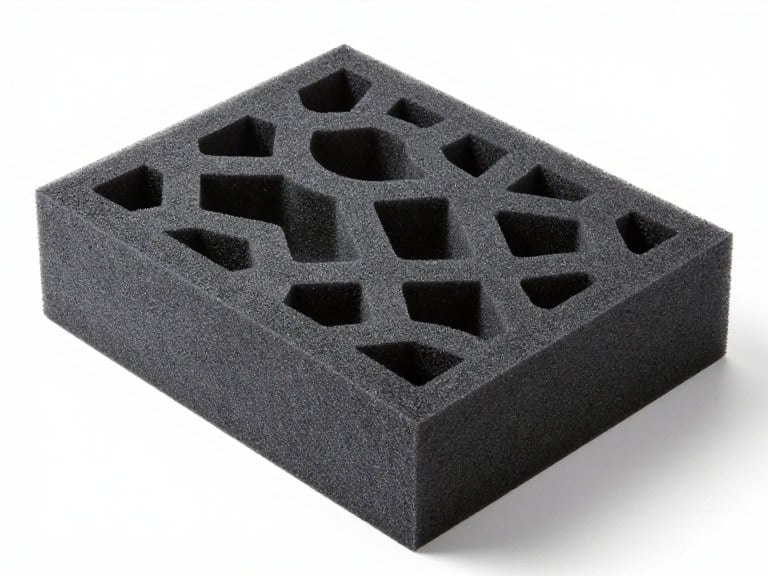
For buyers shipping fragile goods, a hybrid solution can be more practical than insisting on cardboard-only protection. A corrugated carton can provide the outer structure, while EPE foam, flexible PU foam, or air-based cushioning provides the protection required at product level.
11. Where Mailong Packaging Fits in Your Sourcing Strategy
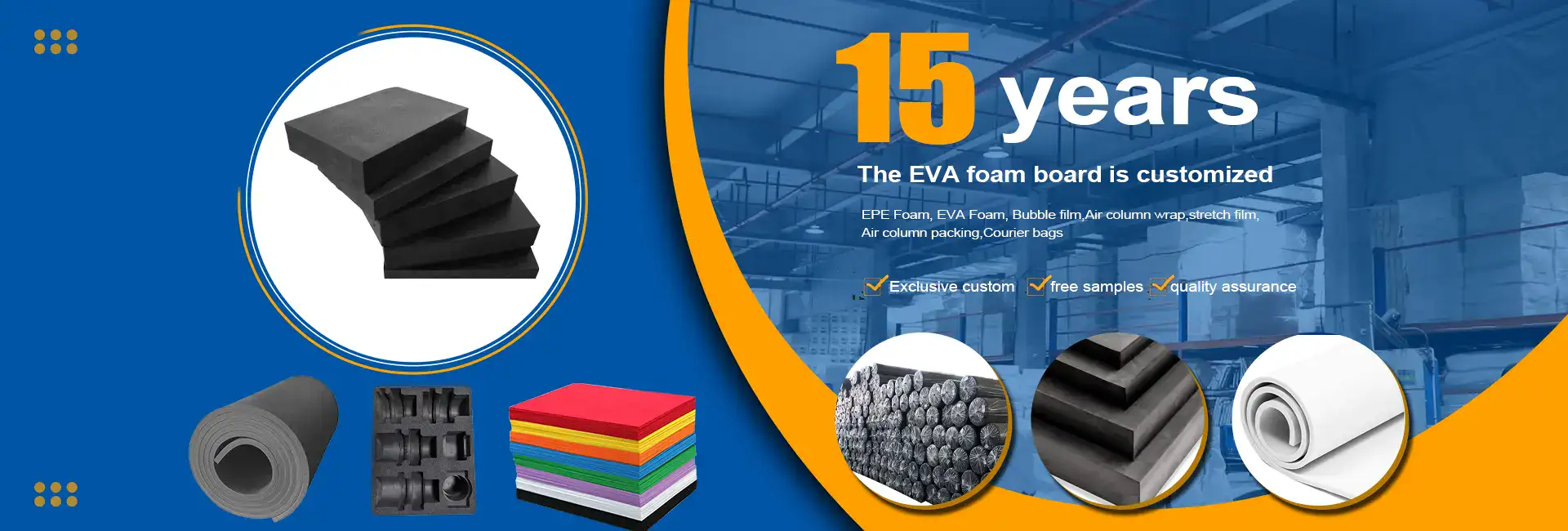
Mailong Packaging is a manufacturer and exporter of protective packaging materials, established in 2009. Its portfolio includes inflatable bubble and pillow film, air column rolls, air column bags, EPE and EVA foam, poly mailers, stretch wrap, bubble mailers, BOPP tape, and corrugated boxes. The company reports supplying overseas markets in more than 30 countries.
For buyers, the practical advantage of evaluating a multi-material packaging manufacturer is the opportunity to discuss how different protective materials can work together. A corrugated box may provide the outer structure, while air cushioning or foam helps protect the product from impact and movement. This approach is particularly relevant for e-commerce parcels, export shipments, and fragile products.
Mailong’s range also includes compostable bubble wrap, inflatable bubble wrap, and bubble mailers. These products are not direct replacements for corrugated cartons in every application. They are complementary options that may be useful depending on product size, fragility, and shipping method.
For an e-commerce operation, a packaging combination might include a corrugated outer carton, internal cushioning, sealing tape, and pallet film for consolidated shipments. For smaller lightweight products, a protective mailer may be more efficient than a full carton. The right choice should be based on the product’s actual protection requirements and shipping cost.
Before committing to a production order, buyers should send Mailong Packaging the product dimensions, weight, quantity, destination market, and shipping method. Request a quotation and sample based on the same specifications used to compare other suppliers. For quality assurance, review the company’s packaging quality control approach and agree on inspection requirements for the order.
Looking for a Protective Packaging Manufacturer?
If you need corrugated boxes together with cushioning, foam, bubble packaging, or other shipping materials, discuss the complete packaging requirement before choosing individual products.
Explore the Mailong Packaging product catalog or contact the team with your product dimensions, order quantity, and shipping requirements to discuss a suitable packaging combination.
12. Expert Recommendation: Which Supplier Should You Choose?
There is no single best cardboard protective packaging supplier for every buyer. The right choice depends on the scale of your operation and the level of protection your products require.
- For large-volume corrugated packaging: Start with International Paper, Smurfit Westrock, Packaging Corporation of America, or Georgia-Pacific. Compare local production capacity, carton specifications, and supply terms.
- For recycled-fiber priorities: Include Pratt Industries in your evaluation, but verify the recycled-content details and the performance of the proposed board.
- For regional corrugated projects: Consider Green Bay Packaging where its facilities and service coverage match your delivery requirements.
- For paper-based cushioning and fulfillment: Evaluate Ranpak when your main challenge is internal cushioning, void filling, or packing-process efficiency rather than carton manufacturing alone.
- For combined protective packaging sourcing: Consider Mailong Packaging if you want to assess corrugated boxes alongside foam, air column bags, bubble packaging, mailers, and related shipping materials.
From our experience with protective packaging requirements, buyers get better results when they begin with a product-level damage analysis. Identify whether the main problem is compression, impact, abrasion, moisture, or movement inside the carton. Then ask suppliers to propose a packaging structure that addresses those risks.
For beginners, a standard corrugated carton with a correctly fitted insert may be enough. For commercial users, consistent specifications, sample approval, quality checks, and replenishment planning are essential. For heavy-duty applications, do not approve packaging based on appearance alone—validate the complete packed unit under conditions representative of the real distribution route.
Our final recommendation is to request comparable quotations from at least three suppliers, approve physical samples, and compare total delivered cost rather than unit price. That process is more reliable than choosing a supplier from a ranking list without checking whether its products fit your application.
13. Frequently Asked Questions
1. What are the best cardboard protective packaging suppliers?
Suppliers worth evaluating include Smurfit Westrock, International Paper, Packaging Corporation of America, Georgia-Pacific, Pratt Industries, Green Bay Packaging, Ranpak, and Mailong Packaging. The best choice depends on whether you need high-volume corrugated cartons, customized inserts, paper cushioning, or multiple protective packaging materials.
2. What is the difference between corrugated cardboard and regular cardboard?
Corrugated board contains a fluted layer between flat linerboards, creating a structure designed to provide stiffness and cushioning. The term cardboard is often used broadly, but regular paperboard is generally flatter and is commonly used for folding cartons and lighter packaging. Corrugated board is more commonly used for shipping boxes and protective transit packaging.
3. Is cardboard protective packaging suitable for fragile products?
Yes, provided the packaging is designed for the product. Corrugated cartons can provide external structure, while dividers, fitted inserts, paper cushioning, foam, or air-based materials help control movement and absorb impact. Fragile products should be tested in their complete packaging configuration before mass shipment.
4. Is cardboard packaging environmentally friendly?
Cardboard is a paper-based material and may be recyclable through local paper and cardboard collection systems. Actual recyclability depends on the board, coatings, adhesives, contamination, and local recycling infrastructure. Buyers should check local disposal guidance and avoid making broad environmental claims without supporting evidence.
5. How do I choose the right corrugated box strength?
Start with product weight, dimensions, stacking conditions, shipping distance, and handling risks. Ask the manufacturer to recommend a board construction and provide relevant specifications. For demanding shipments, validate the packed product through suitable distribution or performance testing rather than relying only on a board description.
6. Should I use cardboard or foam for protective packaging?
They serve different functions. Cardboard provides containment, structural support, separation, and stacking strength. Foam is often used for cushioning, restraint, and protecting sensitive surfaces. Many fragile products benefit from a corrugated outer carton combined with a suitable foam insert or other cushioning material.
7. What information should I provide when requesting a packaging quotation?
Provide product dimensions, weight, fragility, quantity per carton, order volume, printing requirements, shipping destination, and expected shipping conditions. If you have an existing package, send its dimensions and specifications. A physical product sample or packaging drawing can help the manufacturer propose a more accurate design.
8. How can I reduce the cost of cardboard protective packaging?
Start by right-sizing the carton, reducing unnecessary inserts, improving pallet utilization, and simplifying packing steps. Compare the total cost of materials, freight, labor, storage, and damage claims. Do not reduce board strength or cushioning without checking whether the revised package still protects the product.
9. Can one supplier provide both corrugated boxes and cushioning materials?
Some manufacturers and packaging providers offer multiple material categories, while others specialize in corrugated cartons or cushioning systems. If you want one supplier for several products, confirm which items are manufactured directly, which are sourced from partners, and how quality and delivery are managed across the product range.
10. Does Mailong Packaging supply cardboard boxes and other protective materials?
Mailong Packaging’s stated product portfolio includes corrugated boxes and protective materials such as inflatable bubble and pillow film, air column bags, EPE and EVA foam, poly mailers, stretch wrap, and bubble mailers. Buyers should contact the company with their specifications to confirm current availability, customization options, minimum order quantities, and lead times.
14. References
- International Safe Transit Association (ISTA) — Distribution packaging testing resources and procedures for evaluating packaged-product performance.
- Smurfit Westrock — Protective Packaging — Overview of paper-based protective formats, including dividers, pallet components, inserts, and corrugated wraps.
- International Paper — Company information and fiber-based packaging portfolio.
{
“@context”: “https://schema.org”,
“@type”: “FAQPage”,
“mainEntity”: [
{
“@type”: “Question”,
“name”: “What are the best cardboard protective packaging suppliers?”,
“acceptedAnswer”: {
“@type”: “Answer”,
“text”: “Suppliers worth evaluating include Smurfit Westrock, International Paper, Packaging Corporation of America, Georgia-Pacific, Pratt Industries, Green Bay Packaging, Ranpak, and Mailong Packaging. The best choice depends on whether you need high-volume corrugated cartons, customized inserts, paper cushioning, or multiple protective packaging materials.”
}
},
{
“@type”: “Question”,
“name”: “What is the difference between corrugated cardboard and regular cardboard?”,
“acceptedAnswer”: {
“@type”: “Answer”,
“text”: “Corrugated board contains a fluted layer between flat linerboards, creating a structure designed to provide stiffness and cushioning. Regular paperboard is generally flatter and is commonly used for folding cartons and lighter packaging. Corrugated board is more commonly used for shipping boxes and protective transit packaging.”
}
},
{
“@type”: “Question”,
“name”: “Is cardboard protective packaging suitable for fragile products?”,
“acceptedAnswer”: {
“@type”: “Answer”,
“text”: “Yes, provided the packaging is designed for the product. Corrugated cartons can provide external structure, while dividers, fitted inserts, paper cushioning, foam, or air-based materials help control movement and absorb impact. Fragile products should be tested in their complete packaging configuration before mass shipment.”
}
},
{
“@type”: “Question”,
“name”: “Is cardboard packaging environmentally friendly?”,
“acceptedAnswer”: {
“@type”: “Answer”,
“text”: “Cardboard is a paper-based material and may be recyclable through local paper and cardboard collection systems. Actual recyclability depends on the board, coatings, adhesives, contamination, and local recycling infrastructure. Buyers should check local disposal guidance and avoid making broad environmental claims without supporting evidence.”
}
},
{
“@type”: “Question”,
“name”: “How do I choose the right corrugated box strength?”,
“acceptedAnswer”: {
“@type”: “Answer”,
“text”: “Start with product weight, dimensions, stacking conditions, shipping distance, and handling risks. Ask the manufacturer to recommend a board construction and provide relevant specifications. For demanding shipments, validate the packed product through suitable distribution or performance testing rather than relying only on a board description.”
}
},
{
“@type”: “Question”,
“name”: “Should I use cardboard or foam for protective packaging?”,
“acceptedAnswer”: {
“@type”: “Answer”,
“text”: “Cardboard provides containment, structural support, separation, and stacking strength. Foam is often used for cushioning, restraint, and protecting sensitive surfaces. Many fragile products benefit from a corrugated outer carton combined with a suitable foam insert or other cushioning material.”
}
},
{
“@type”: “Question”,
“name”: “What information should I provide when requesting a packaging quotation?”,
“acceptedAnswer”: {
“@type”: “Answer”,
“text”: “Provide product dimensions, weight, fragility, quantity per carton, order volume, printing requirements, shipping destination, and expected shipping conditions. If you have an existing package, send its dimensions and specifications. A physical product sample or packaging drawing can help the manufacturer propose a more accurate design.”
}
},
{
“@type”: “Question”,
“name”: “How can I reduce the cost of cardboard protective packaging?”,
“acceptedAnswer”: {
“@type”: “Answer”,
“text”: “Start by right-sizing the carton, reducing unnecessary inserts, improving pallet utilization, and simplifying packing steps. Compare the total cost of materials, freight, labor, storage, and damage claims. Do not reduce board strength or cushioning without checking whether the revised package still protects the product.”
}
},
{
“@type”: “Question”,
“name”: “Can one supplier provide both corrugated boxes and cushioning materials?”,
“acceptedAnswer”: {
“@type”: “Answer”,
“text”: “Some manufacturers and packaging providers offer multiple material categories, while others specialize in corrugated cartons or cushioning systems. Confirm which items are manufactured directly, which are sourced from partners, and how quality and delivery are managed across the product range.”
}
},
{
“@type”: “Question”,
“name”: “Does Mailong Packaging supply cardboard boxes and other protective materials?”,
“acceptedAnswer”: {
“@type”: “Answer”,
“text”: “Mailong Packaging’s stated product portfolio includes corrugated boxes and protective materials such as inflatable bubble and pillow film, air column bags, EPE and EVA foam, poly mailers, stretch wrap, and bubble mailers. Buyers should contact the company with their specifications to confirm current availability, customization options, minimum order quantities, and lead times.”
}
}
]
}