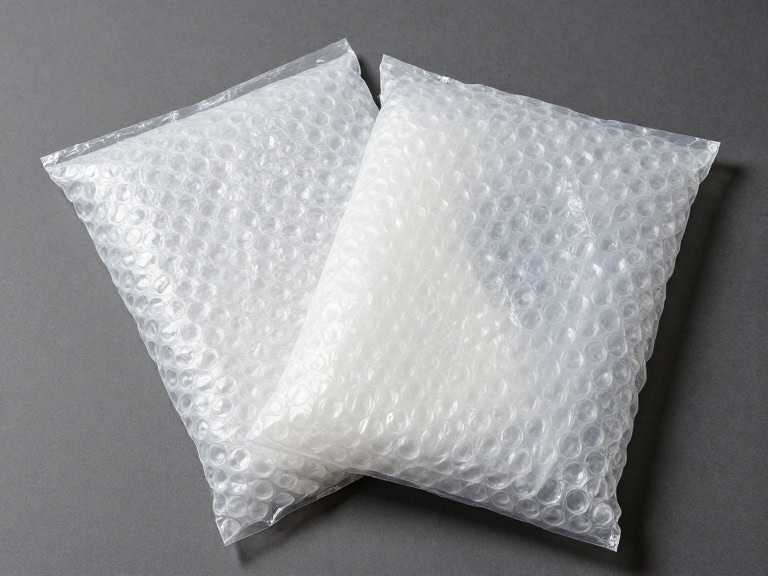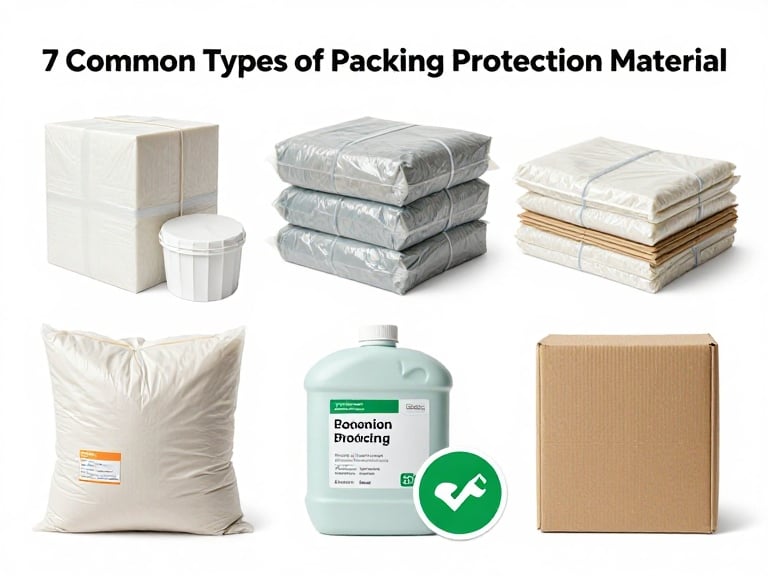
Protection in packaging examples are more important today than ever before. As e-commerce volumes continue to grow and global supply chains become increasingly complex, packaging is no longer just about presentation. Its primary job is protecting products from shock, vibration, compression, moisture, static electricity, and handling damage during transportation.
From our experience working with manufacturers, distributors, fulfillment centers, and international exporters, many businesses underestimate how much packaging affects customer satisfaction and profitability. A damaged shipment often costs significantly more than investing in better protective packaging from the beginning.
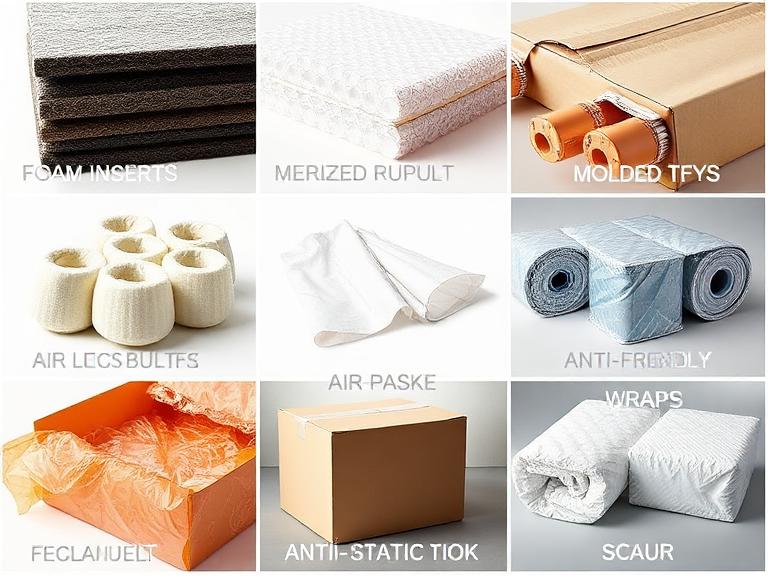
The reality is simple: choosing the right protection method can dramatically reduce returns, replacement costs, and negative customer reviews.
Direct Answer
The best protection in packaging examples include air column bags, inflatable bubble wrap, bubble wrap rolls, EPE foam inserts, corrugated boxes, stretch film, anti-static bubble bags, poly mailers, corner protectors, paper cushioning, molded pulp trays, foam sheets, and custom protective packaging systems.
In most professional situations, no single packaging material is suitable for every product. Electronics require different protection than furniture, glassware, cosmetics, automotive parts, or apparel.
For beginners, cushioning and void-fill solutions typically provide the highest return on investment. For commercial users shipping fragile or high-value products, engineered protective packaging systems often pay for themselves by reducing damage claims.
Quick Answer
What it is: Protection in packaging refers to packaging materials and methods designed to prevent damage during storage, handling, and transportation.
How it works: Protective materials absorb impact energy, reduce vibration, fill empty spaces, and shield products from external forces.
Benefits: Lower damage rates, reduced returns, improved customer satisfaction, and lower logistics costs.
Limitations: Some solutions increase packaging costs or require additional packing time.
Who should use it: E-commerce sellers, manufacturers, distributors, exporters, and fulfillment centers.
Who does not need it: Businesses shipping only highly durable products with minimal transportation risk.
Common mistakes: Underestimating shipping hazards, overpacking products, and using incorrect cushioning materials.
Buying considerations: Product fragility, shipping distance, product weight, environmental goals, and packaging budget.
Expert recommendation: Match protective packaging materials to the specific risk profile of the product rather than selecting the cheapest option.
Table of Contents
Quick Summary Table
| Packaging Protection Method | Best For | Protection Level |
|---|---|---|
| Air Column Bags | Electronics & Glass | Excellent |
| Inflatable Bubble Wrap | E-commerce | Excellent |
| Bubble Wrap Rolls | General Fragile Items | Very Good |
| EPE Foam | Industrial Products | Excellent |
| Stretch Film | Palletized Loads | Very Good |
| Anti-Static Bags | Electronics | Excellent |
| Corrugated Boxes | General Shipping | Good |
13+ Protection in Packaging Examples
1. Air Column Bags
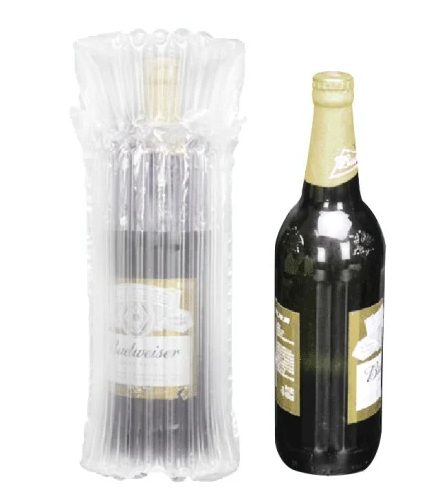
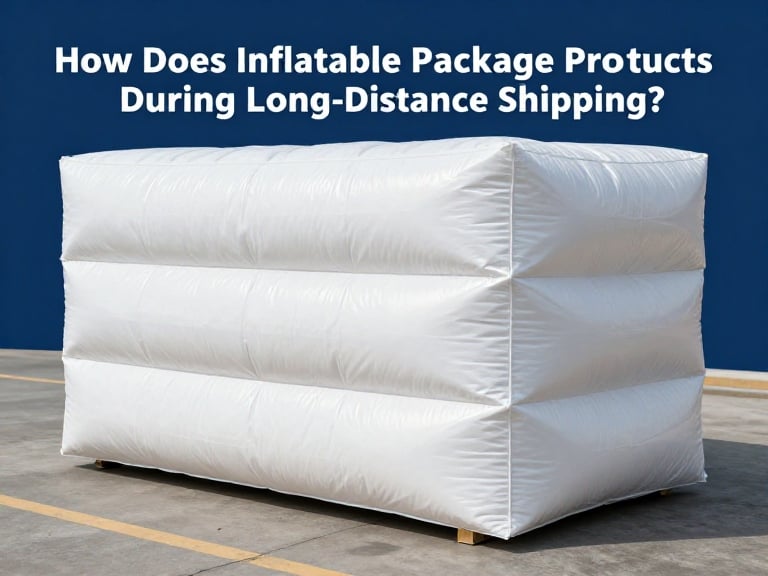
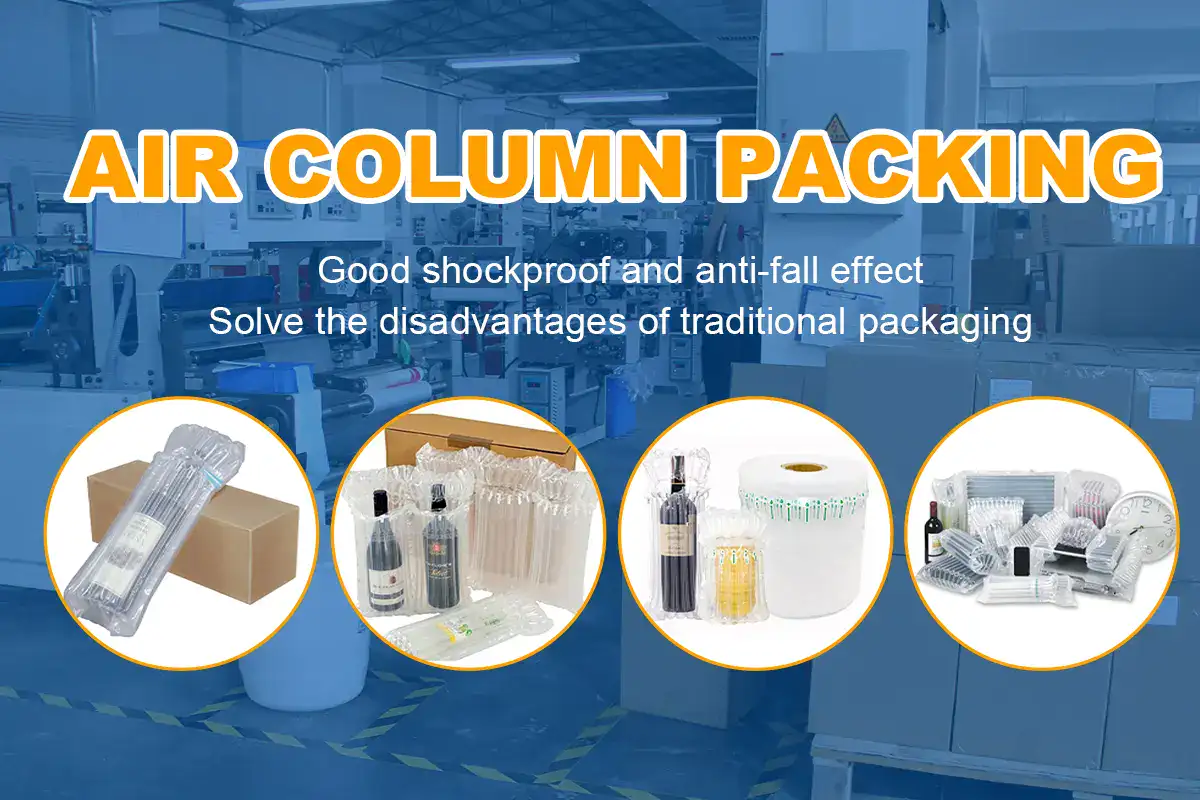
Air column bags are one of the most effective protective packaging solutions available today. Multiple independent air chambers absorb shock while maintaining product stability.
From our experience, air column packaging significantly outperforms traditional loose-fill materials when shipping fragile products such as electronics, wine bottles, and glass containers.
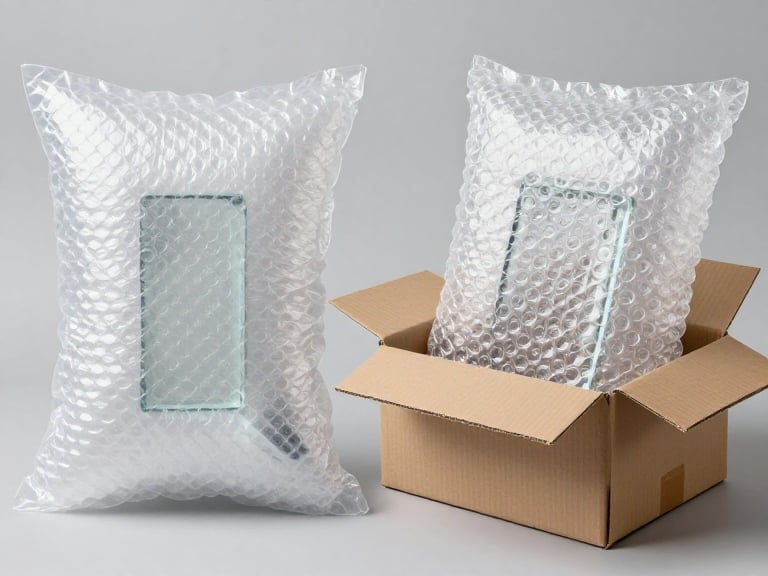
2. Inflatable Bubble Wrap
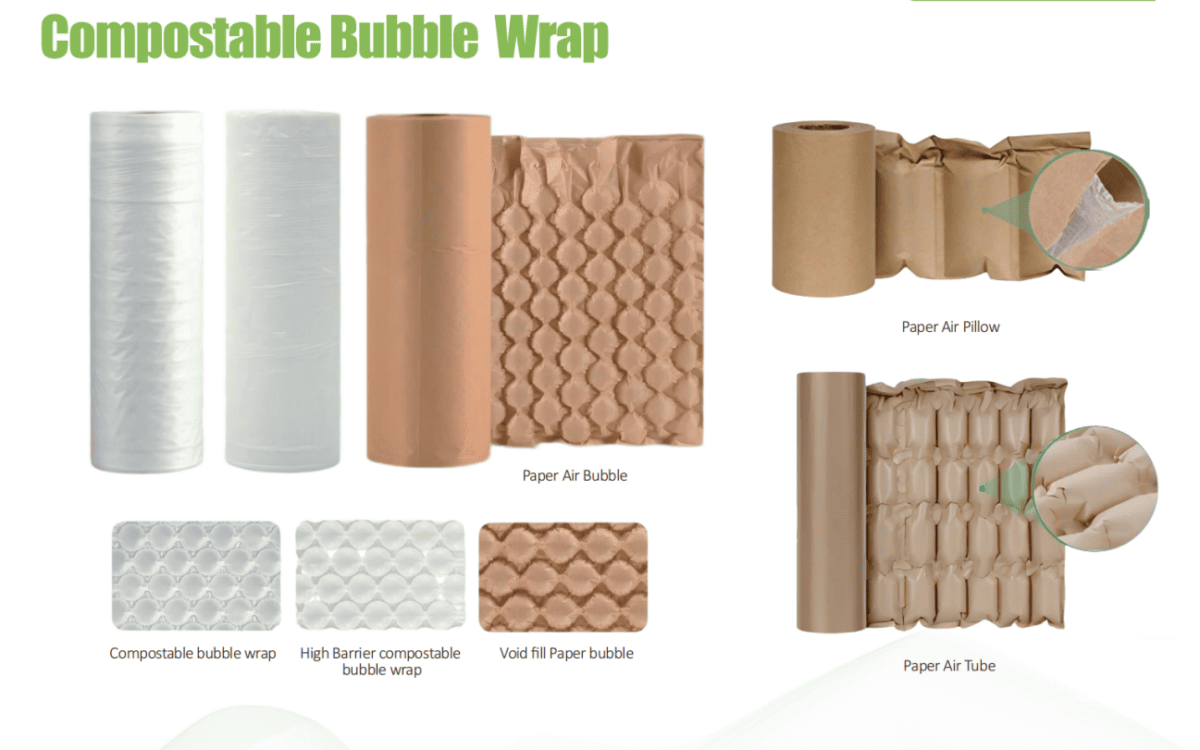
Inflatable Bubble Wrap provides excellent cushioning while minimizing storage requirements. Warehouses appreciate its ability to reduce packaging inventory volume.
3. Bubble Wrap Rolls
Traditional bubble wrap remains one of the most widely used protection in packaging examples. It is versatile, affordable, and suitable for thousands of product categories.
Businesses comparing suppliers should review quality options for Bubble Wrap Rolls.
4. EPE Foam Inserts
EPE foam provides exceptional impact absorption while remaining lightweight. It is frequently used for electronics, appliances, medical equipment, and industrial machinery.
Additional examples can be found in these practical EPE Foam Applications.
5. Anti-Static Bubble Bags
For electronics, standard cushioning is often insufficient. Electrostatic discharge can damage sensitive components even when no physical damage occurs.
We recommend Anti Static Bubble Bags whenever circuit boards, processors, memory modules, or electronic assemblies are being transported.
6. Corrugated Shipping Boxes
Corrugated cartons remain the foundation of most shipping systems. Their ability to resist compression makes them essential for stacking and warehouse operations.
7. Stretch Film for Pallet Protection
Pallet Wrap Stretch Film secures pallet loads and prevents shifting during transportation.
For heavy-duty applications, stretch film often delivers one of the highest returns on investment because load instability is a common cause of freight damage.
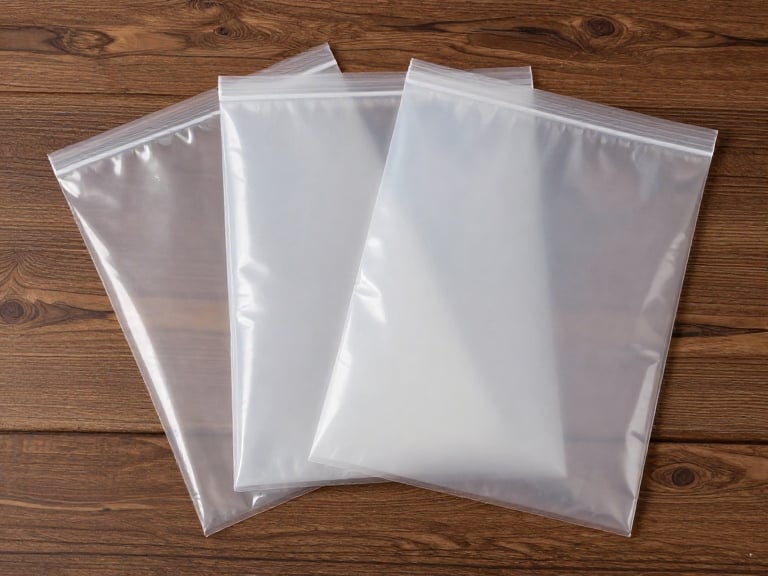
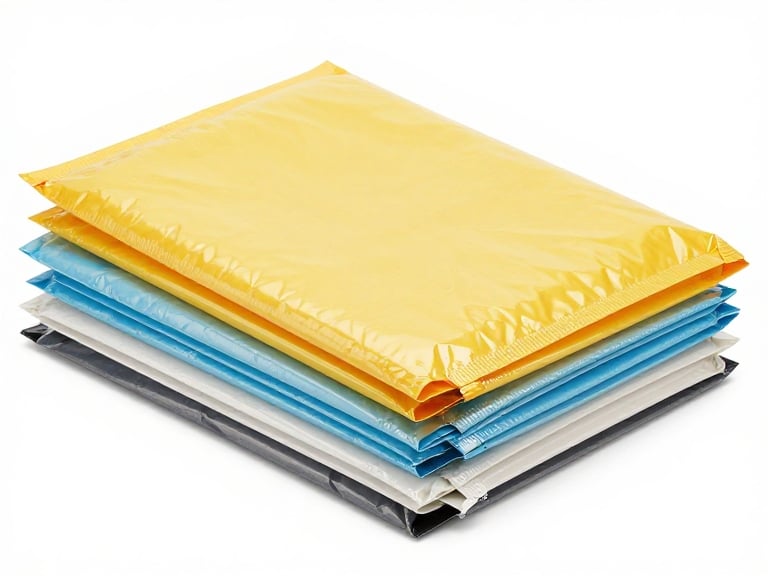
8. Poly Mailer Bags
Poly mailers are ideal for apparel, textiles, and soft goods that do not require rigid protection.
Retailers frequently choose Poly Mailer Bags for Clothes because they reduce shipping weight and transportation costs.
9. Corner Protectors
Corner protection is commonly used for furniture, framed artwork, mirrors, and appliances.
10. Foam Sheets
Foam sheets prevent abrasion between product surfaces and outer packaging materials.
11. Molded Pulp Packaging
Molded pulp provides sustainable cushioning while supporting growing environmental initiatives.
Companies seeking sustainable alternatives should compare different Bubble Wrap Alternatives.
12. Paper Cushioning Systems
Paper void-fill systems are increasingly popular among environmentally conscious brands and fulfillment centers.
13. Custom Mailer Packaging
Custom packaging combines product protection with branding opportunities.
Growing businesses frequently invest in Custom Mailer Bags with Logo to improve customer experience while protecting products.
14. Eco-Friendly Protective Packaging
Eco-friendly protection solutions are rapidly gaining adoption as sustainability requirements increase.
Products such as Eco Shipping Packaging help companies balance protection performance with environmental goals.
Businesses comparing materials should also evaluate modern Eco Friendly Bubble Wrap solutions.
Protection in Packaging Comparison Table
| Packaging Type | Impact Protection | Weight Efficiency | Sustainability | Cost Efficiency |
|---|---|---|---|---|
| Air Column Bags | Excellent | Excellent | Good | Very Good |
| Bubble Wrap | Very Good | Good | Moderate | Excellent |
| EPE Foam | Excellent | Good | Moderate | Good |
| Paper Cushioning | Good | Moderate | Excellent | Good |
| Molded Pulp | Good | Moderate | Excellent | Moderate |
Pros and Cons of Protective Packaging
| Pros | Cons |
|---|---|
| Reduces product damage | May increase packaging costs |
| Improves customer satisfaction | Can increase packing time |
| Lowers return rates | Requires packaging expertise |
| Protects brand reputation | Storage space may be needed |
| Supports global shipping | Material selection can be complex |
Protective Packaging Buying Guide
Consider Product Fragility
Fragile products such as glassware, electronics, and medical devices require higher-performance cushioning materials than clothing or durable goods.
Analyze Transportation Risks
International shipping exposes products to more handling points and therefore higher damage risk.
Evaluate Sustainability Goals
Many companies now require packaging solutions that align with ESG initiatives.
Calculate Total Cost of Damage
One of the biggest misconceptions is that cheaper packaging saves money.
In our testing, businesses often spend far more replacing damaged products than they would spend upgrading packaging materials.
| Business Type | Recommended Solution | Main Goal |
|---|---|---|
| E-commerce | Inflatable Packaging | Damage Reduction |
| Electronics | Anti-Static Protection | ESD Safety |
| Furniture | Bubble Wrap & Foam | Surface Protection |
| Industrial Equipment | EPE Foam | Impact Absorption |
| Palletized Freight | Stretch Film | Load Stability |
Companies sourcing professional solutions often begin by evaluating leading Protective Packaging Companies.
Furniture manufacturers should pay special attention to specialized Bubble Wrap for Furniture Protection systems.
Common Packaging Protection Mistakes
Using One Material for Every Product
Different products require different protection strategies. A one-size-fits-all approach often results in unnecessary costs or inadequate protection.
Ignoring Void Fill
Products that move inside shipping cartons are significantly more likely to suffer damage.
Overlooking Sustainability
Customers increasingly evaluate brands based on packaging waste and environmental responsibility.
Choosing the Cheapest Material
In most professional situations, the lowest-cost material rarely produces the lowest total logistics cost.
Businesses evaluating sustainability should compare options for an Alternative to Bubble Wrap.
Expert Recommendation
Our recommendation is simple: invest in packaging protection based on product risk rather than packaging cost alone.
For beginners, bubble wrap, inflatable packaging, and corrugated cartons remain highly effective starting solutions.
For commercial users shipping fragile products, air column bags and engineered foam systems often deliver the best overall protection.
For heavy-duty applications, pallet stabilization and compression resistance should be treated as top priorities.
Mailong Packaging Co., Ltd., established in 2009, has supplied inflatable packaging, EPE foam, stretch film, poly mailers, bubble wrap, BOPP tape, corrugated packaging, and other protective materials to customers in more than 30 countries. From our experience, suppliers with broad product portfolios can help businesses optimize protection strategies across multiple product categories.
The most successful companies view packaging not as a cost center but as a damage-prevention investment that protects revenue, customer satisfaction, and brand reputation.
Frequently Asked Questions
What is the best protection in packaging example?
Air column bags and inflatable packaging are among the most effective options for fragile products due to their excellent shock absorption capabilities.
Why is protective packaging important?
It reduces shipping damage, lowers return rates, and improves customer satisfaction.
What packaging works best for electronics?
Anti-static bubble bags combined with cushioning materials provide strong protection against both impact and electrostatic discharge.
Is bubble wrap still effective?
Yes. Bubble wrap remains one of the most cost-effective and versatile protective packaging materials available.
What is the most eco-friendly protective packaging?
Paper cushioning systems and molded pulp packaging are among the most sustainable protective packaging solutions.
Should I upgrade from traditional bubble wrap?
If storage efficiency, automation, or shipping optimization are priorities, inflatable packaging systems are often worth the upgrade.