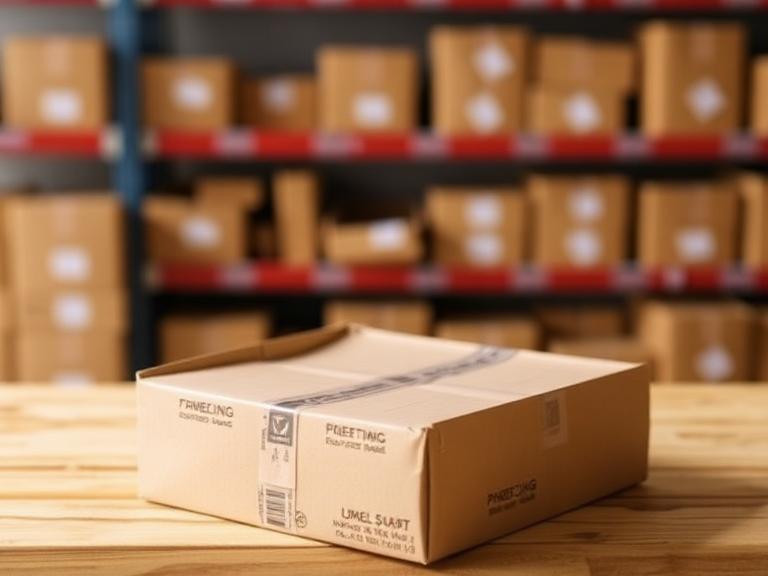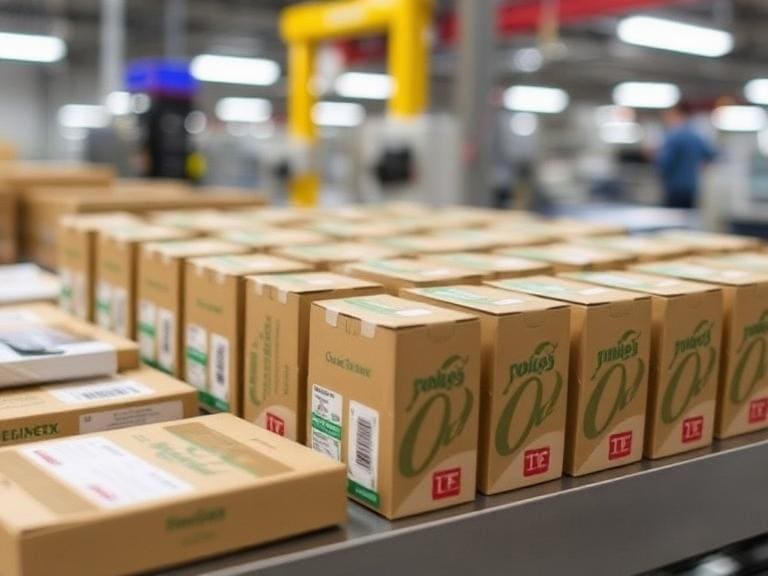
In high-capacity logistics networks, international industrial manufacturing, and cross-border e-commerce supply chains, defensive packaging defines bottom-line profitability and structural asset protection. When sensitive precision instrumentation, glass components, or heavy mechanical assemblies pass through multi-tier automated sorting facilities and intense transit friction, inferior packaging results in high scrap rates. For high-volume producers, optimization of materials science is mandatory. Specifying high-performance rolls of bubble wrap for packaging manufacturers represents a core strategy to eliminate shipping losses, streamline fulfillment lines, and manage warehouse floor footprints.
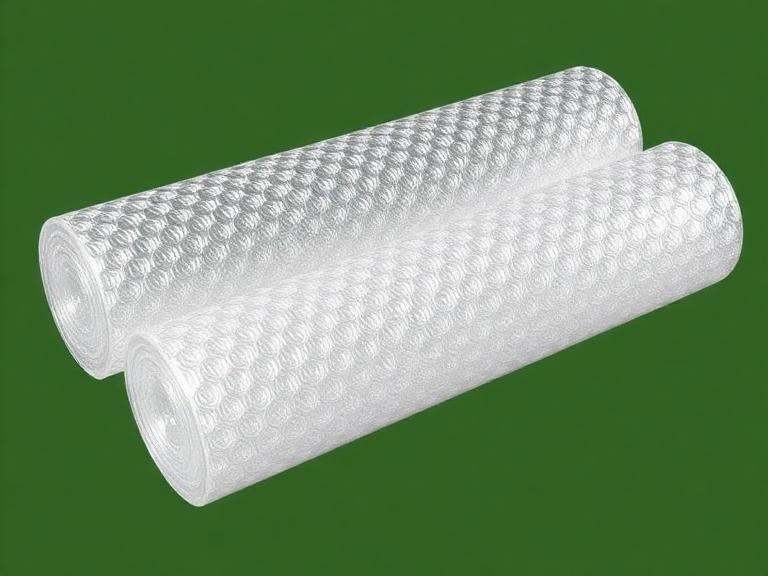
At Mailong Packaging Co., Ltd., established in 2009, we operate as a globally recognized manufacturer and exporter of a comprehensive range of world-class quality packaging materials. Our multi-tier production capabilities cover inflatable bubble and pillow films, high-durability air column systems, structural protective foam layers, poly mailers, and advanced corrugated configurations. From our experience, many supply chain managers default to buying protective film media based entirely on low spot-market pricing per roll, failing to calculate polymer density, air retention boundaries, or compatibility with automated packing lines. This technical procurement manual analyzes the eight best rolls of bubble wrap for packaging manufacturers, detailing raw polymer profiles, air barrier physics, and systematic integration tips to secure complete supply chain efficiency.
- 1. Technical Specification Matrix: Premier Industrial Rolls Compared
- 2. Materials Science: Co-Extrusion Barriers and Shock Dissipation Physics
- 3. Comprehensive Analysis of the 8 Best Industrial Bubble Wrap Rolls
- 4. System Integration: Synchronizing Protective Mediums with Heavy Cargo Utilities
- 5. Frequently Asked Questions (FAQs)
- 6. Academic, Industrial, and Regulatory Packaging Standards References
1. Technical Specification Matrix: Premier Industrial Rolls Compared
Before allocating structural floor bays to bulk inventory or drafting high-volume annual vendor contracts, engineering teams must cross-examine physical performance indicators. The summary table below catalogs how specific variants of rolls of bubble wrap for packaging manufacturers segment across critical mechanical and chemical benchmarks in 2026.
| Bubble Wrap Roll Classification | Bubble Height / Metric Gauge | Polymer Base Layer Configuration | Air Longevity Profile | Primary Industrial Application Environment |
|---|---|---|---|---|
| Mailong Co-Extruded Nylon Barrier Roll | 12.7mm (Large Bubble) | LDPE / Nylon Multi-Layer Blend | Exceptional (Sustained heavy stacking) | Heavy machine components, calibration tools, marine logistics |
| Mailong Eco-Green Compostable Matrix | 4.2mm (Small Bubble) | PBAT / PLA Biopolymer Compound | Moderate (Designed for rapid turnover) | Sustainable consumer cosmetics, organic electronics, eco-retail |
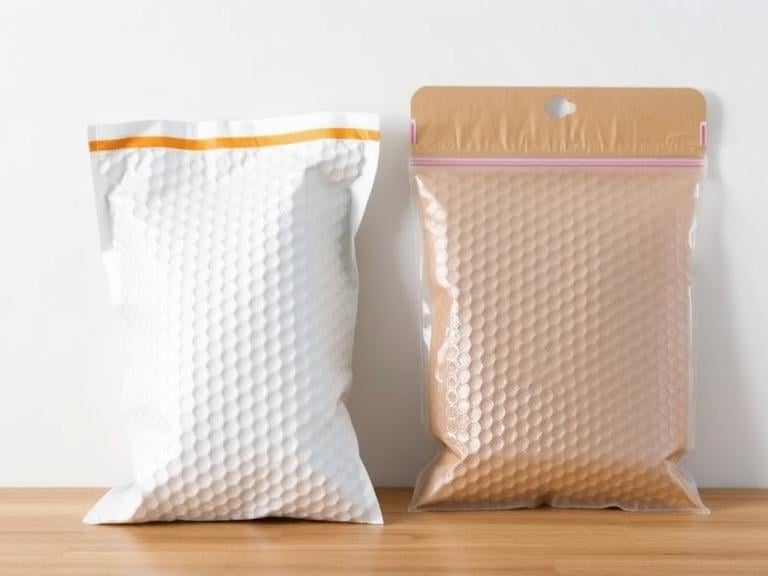
| Mailong Anti-Static Dissipative Roll | 4.2mm (Small Bubble) | Surfactant-Doped Pink ESD Polyethylene | High (Resists charge accumulation) | Integrated circuit boards, server blades, micro-robotics |
| Heavy-Duty Kraft-Paper Laminated Hybrid | 10.0mm (Medium Bubble) | Recycled Kraft / Polyethylene Core | High (Enhanced puncture defense) | Industrial furniture shipping, heavy metal tools, legal archives |
| High-Velocity On-Demand Deflated Film | Adjustable Cushioning | High-Density Polyethylene Cores | High (Inflated directly on active lines) | Just-In-Time fulfillment hubs, rapid multi-size e-commerce |
| Adhesive-Backed Surface Shielding Roll | 3.2mm (Micro Bubble) | Low-Tack Polyethylene Coating | Moderate (Focused on scratch prevention) | Polished automotive metal panels, custom optical glass mirrors |
| Aluminum Foil Thermal Barrier Hybrid | 12.7mm (Large Bubble) | Metallized PET / Double Bubble PE | Exceptional (Acts as radiation shield) | Cold-chain pharmaceuticals, biological serums, chemical reagents |
| Extra-Thick 150-Micron Heavy Cargo Roll | 25.4mm (Jumbo Bubble) | Linear Low-Density Polyethylene (LLDPE) | High (Extreme puncture resistance) | Aerospace casting protection, heavy defense manufacturing parts |
2. Materials Science: Co-Extrusion Barriers and Shock Dissipation Physics
To identify the best rolls of bubble wrap for packaging manufacturers, design engineers must look past basic sheet width metrics and evaluate the molecular physics of air cell containment. Traditional, low-tier protective cushioning relies on single-layer Low-Density Polyethylene (LDPE) matrices to contain trapped air. Under continuous vertical load compression typical of heavy pallet double-stacking in cargo vessels, air molecules slowly diffuse through the basic polyethylene crystal pathways. This phenomenon causes rapid cell deflation, leaving your high-value cargo unprotected against severe vibration damage and attrition.
From our experience, true industrial reliability requires advanced multi-layer co-extrusion technology. This engineering process melts and combines different polymeric resins through a single automated die to establish a unified multi-layer protective sheet. High-performance rolls of bubble wrap for packaging manufacturers incorporate a dense layer of Polyamide (Nylon) or Ethylene Vinyl Alcohol (EVOH) sandwiched directly between resilient outer LDPE skins. The nylon barrier prevents gas movement completely, ensuring the individual air cells retain their full thickness and cushioning power through multi-month international maritime transit cycles.
We recommend strictly verifying surface resistivity metrics when sourcing protective films for precision electronic assemblies. Many cheap, pink-tinted bubble wraps are manufactured by topically spraying a thin anti-static liquid surfactant over standard plastic sheets. This surface layer quickly rubs off or evaporates inside low-humidity storage environments, creating severe electrostatic discharge (ESD) hazards for microchips. True electronic protection requires an antistatic compound blended directly into the raw resin matrix before extrusion, which ensures permanent, lifetime chemical dissipation security.
3. Comprehensive Analysis of the 8 Industrial Bubble Wrap Rolls
1. Mailong Co-Extruded Nylon Barrier Roll (Large Bubble Series)
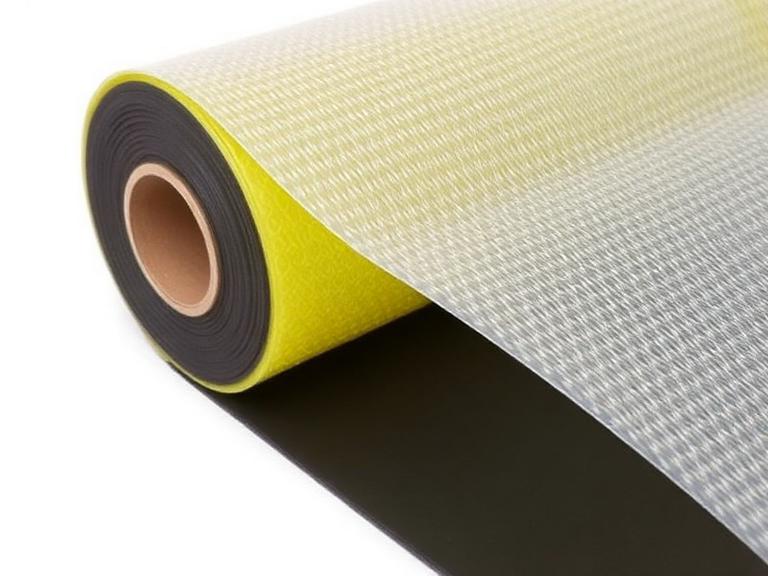
This premium configuration represents an exceptional option for high-volume heavy machinery producers, aerospace calibration tools, and cross-border maritime logistics. Forged with an advanced multi-layer nylon co-extrusion core, it delivers unmatched resistance to compression. The 12.7mm high-clearance bubbles are engineered to absorb severe drops and intense physical shocks by distributing impact forces outward across dozens of neighboring cells. This performance ensures your products reach their destinations intact, completely eliminating transit returns and maintaining outstanding customer satisfaction across your global distribution network.
2. Mailong Eco-Green Compostable Matrix (Small Bubble Series)
Engineered specifically to satisfy strict global single-use plastic mandates, our sustainable biopolymer rolls provide high performance with excellent eco-friendly properties. Utilizing a unique blend of Polybutylene Adipate Terephthalate (PBAT) and Polylactic Acid (PLA), this configuration delivers excellent tear strength and flexible shock absorption while remaining 100% compostable. To check alternative green variations and explore full-density ecological metrics, browse our dedicated line of Compostable Bubble Wrap configurations.
3. Mailong Anti-Static Dissipative Roll (Electronics Grade)
This specialized pink protective medium is tailored explicitly to shield high-sensitivity integrated circuit boards, micro-robotics components, and server arrays from static damage. By blending active chemical dissipative agents directly into the raw low-density polyethylene resin during the blown-film extrusion cycle, the material maintains a permanent surface resistivity between 10 to the 9th and 10 to the 11th ohms per square. This advanced chemical makeup prevents static charge accumulation caused by mechanical rubbing during overland trucking runs.
4. Heavy-Duty Kraft-Paper Laminated Hybrid Roll
Designed for industrial furniture shipping, heavy metal tools, and high-value legal archives, this hybrid material combines the impact resistance of plastic air bubbles with the structural stiffness of heavy kraft paper. The paper backing blocks sharp metal corners from puncturing the air cells, while providing an opaque outer shield that keeps high-value items hidden from view to lower theft risks across unmonitored shipping docks.
5. High-Velocity On-Demand Deflated Film Systems
To resolve the severe space challenges linked to storing massive, pre-inflated master rolls in limited warehouse spaces, we recommend transitioning to uninflated, flat-core film systems. Shipped completely flat on compact cores, these space-saving rolls inflate on-site using automated desktop air cushion machines right at the packing benches. Implementing this setup allows your facility to store up to ten times more cushioning volume in the same footprint. To see our compatible automated inflation media variations, evaluate our state-of-the-art Air Pillow Film collection.
6. Low-Tack Adhesive-Backed Surface Shielding Roll
This micro-bubble option features a specialized, low-tack adhesive layer applied to the flat side of the film, allowing it to stick securely to polished metals, optical glass mirrors, and acrylic panels. The film stays firmly in place without shifting during transit, yet peels away completely clean without leaving a sticky chemical residue behind, making it a popular choice for automotive detailing and precision glass manufacturing lines.
7. Aluminum Foil Thermal Barrier Hybrid Double-Bubble Roll
Engineered explicitly for cold-chain pharmaceutical shipments, biological serums, and chemical reagents, this hybrid material sandwiches double layers of polyethylene bubbles between highly reflective metallized PET foils. This design reflects up to 97% of radiant heat waves, forming an insulated internal climate barrier that protects temperature-sensitive items through long storage delays on airport runways.
8. Extra-Thick 150-Micron Heavy Cargo Jumbo Roll
This jumbo roll is built to handle the most rugged industrial environments, utilizing an extra-thick 150-micron film base molded into wide 25.4mm bubbles. This durable structure provides extreme puncture defense against sharp cast-iron edges and heavy machinery components, making it a premier choice for heavy defense manufacturing facilities and heavy industrial shipping yards.
4. System Integration: Synchronizing Protective Mediums with Heavy Cargo Utilities
Optimizing your protective packaging line demands looking past individual materials to integrate multiple protective components into a single, cohesive cushioning system.
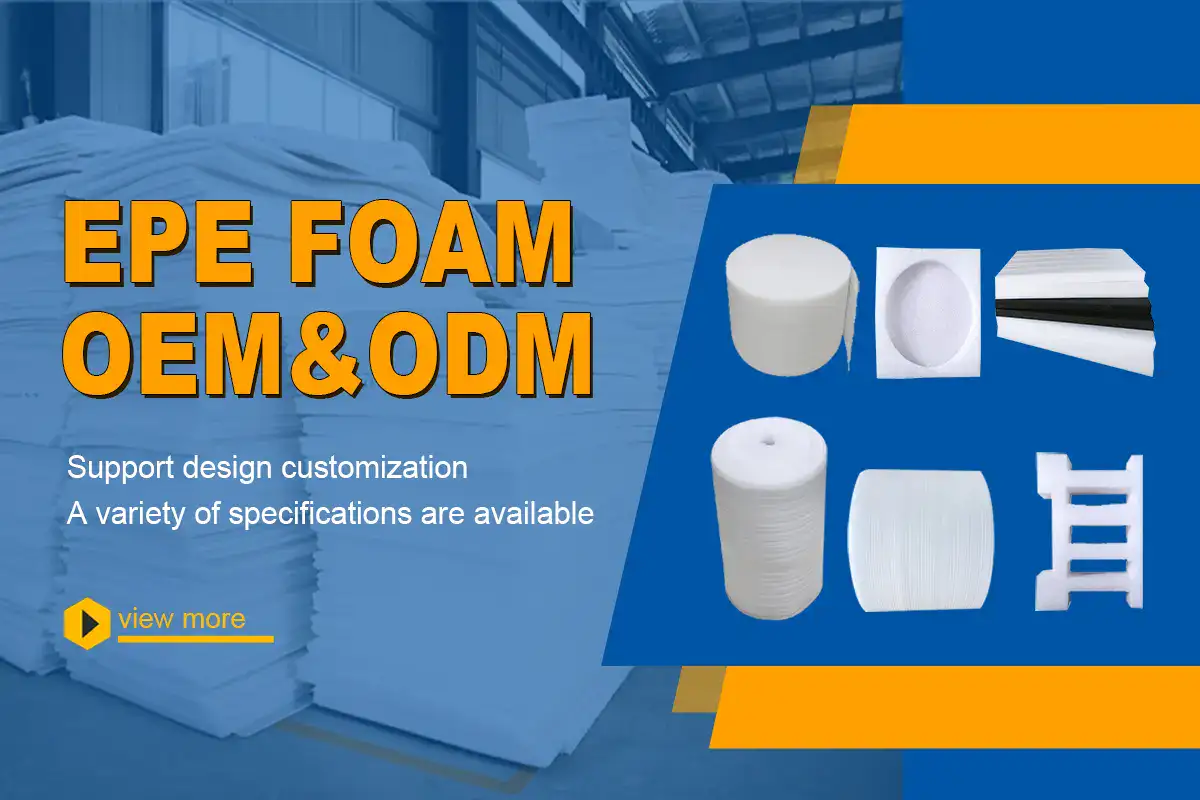
For high-density logistics lines, balancing soft air cushioning with heavy-duty structural corner blocks is essential for protecting delicate cargo faces. Sourcing our rugged Air Column Wrap configurations establishes a strong exterior shield around large pallets, while implementing our custom-fit Air Column Bag systems seals sensitive instrumentation away from heavy structural vibrations. To explore our full catalog of commercial shipping materials, browse our centralized Corrugated Box & Rigid Boxes catalog to secure your next complete packaging installation.
| Packaging Infrastructure Class | Primary Mechanical Purpose | Material Alignment Focus | Mailong Sourcing Resource Link |
|---|---|---|---|
| High-Yield Air Barriers | Absorbs rapid drops and impacts | Co-extruded nylon barrier films | Air Column Wrap Portal |
| Rigid External Enclosures | Provides structural stack rigidity | Double-wall corrugated fiberboards | Corrugated Box & Rigid Boxes |
| Turnkey Sealing Media | Locks packaging enclosures down safely | High-adhesion BOPP acrylic tapes | Packing Tape/BOPP Tape |
Furthermore, your packaging security requires matching your cushioning with high-strength outer sealing components. Once items are securely wrapped inside heavy-duty air cells and placed within our protective Corrugated Box & Rigid Boxes, we recommend securing the outer flaps using our high-adhesion Packing Tape/BOPP Tape options. This systematic material pairing blocks out exterior dust and moisture, keeping your products clean and fully protected across all international transit corridors.
5. Frequently Asked Questions (FAQs)
6. Academic, Industrial, and Regulatory Packaging Standards References
For official materials testing protocols, global eco-label compliance codes, and international cargo safety regulations, consult these authoritative international organizations:
- ASTM International. ASTM D4169: Standard Practice for Performance Testing of Shipping Containers and Protection Systems. West Conshohocken, PA.
- International Safe Transit Association (ISTA). ISTA 3A: Packaged-Products for Parcel Delivery System Shipments Testing Frameworks. East Lansing, MI.
- European Committee for Standardization (CEN). EN 13432: Requirements for Packaging Recoverable through Composting and Biodegradation Metrics. Brussels, Belgium.