Since our establishment in 2009, MaiLong has operated as a reputed manufacturer and exporter of world-class quality packaging materials. Operating across global logistics sectors and exporting to more than 30 countries, we have witnessed the evolution of protective transit solutions firsthand. Among the myriad of materials we produce, Expanded Polyethylene stands out as one of the most versatile, resilient, and cost-effective solutions available on the market today. Understanding the correct uses for epe foam can dramatically reduce collision damage, minimize attrition, and eliminate static interference during logistics transportation.

From our experience engineering advanced transit protection, many procurement managers underutilize this material due to a lack of awareness regarding its full potential. We recommend a strategic approach to selecting packaging substrates. By exploring the diverse uses for epe foam, businesses can optimize their supply chains, reduce overall freight weight, and ensure products arrive at their destination in pristine condition. In this authoritative guide, we will detail 15 distinct applications where this material outperforms traditional packaging alternatives.
Table of Contents
Understanding Expanded Polyethylene
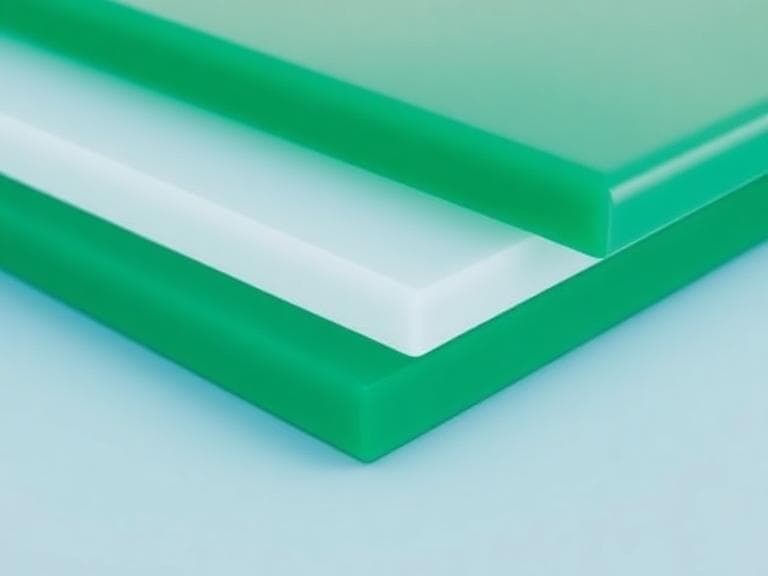
Expanded Polyethylene is a semi-rigid, non-crosslinked, and closed-cell foam. It provides excellent impact and shock absorption, high thermal insulation, and exceptional water resistance. Because it is chemically inert and does not emit volatile organic compounds, the uses for epe foam span across highly regulated industries, including medical and food transit. At MaiLong, our EPE FOAM is engineered to withstand extreme stress without losing its structural memory, meaning it recovers its shape even after sustaining severe, repeated impacts.
15 Primary Uses for EPE Foam
1. High-Value Electronics Packaging

One of the most critical uses for epe foam involves the protection of sensitive electronic components. Microchips, servers, and consumer electronics are highly susceptible to static electricity. We recommend utilizing anti-static treated Expanded Polyethylene to cradle these items. The foam absorbs blunt force trauma while neutralizing static charges that could otherwise fry delicate circuitry during transit.
2. Automotive Parts Protection
The automotive industry relies heavily on precision-engineered components that cannot tolerate scratching or denting. Heavy items like transmissions, custom gears, and painted body panels require robust shock absorption. Custom-routed foam blocks hold these heavy metal components securely in place within outer corrugated containers, preventing attrition and metal-on-metal collision damage.
3. Medical Equipment Transit
Medical devices, such as MRI components, surgical lasers, and laboratory testing equipment, require sterile, vibration-free environments. One of the strictest uses for epe foam is in the medical logistics sector. Because the material does not shed particulate matter or harbor bacterial growth, it is the ideal shock-absorbing substrate for clinical hardware.
4. Furniture and Edge Protection
Shipping large furniture pieces often results in damaged corners and scuffed surfaces. By forming the foam into U-channels or L-profiles, manufacturers can snap these protectors directly onto the edges of tables, mirrors, and cabinetry. This specific application is highly effective when wrapping the final product in our Pallet Film to lock the edge protectors securely in place.
5. Glass and Fragile Goods Interleaving
When shipping stacked sheets of glass, solar panels, or fragile ceramics, friction is the enemy. Thin sheets of this closed-cell material act as an exceptional interleaving layer. It prevents the smooth surfaces from rubbing against one another, effectively eliminating surface scratching and mitigating the vibrational frequencies that lead to shattering.
6. Construction and Insulation Underlayment
Beyond packaging, industrial uses for epe foam extend into construction. The material’s closed-cell structure makes it an excellent moisture barrier and thermal insulator. It is frequently utilized as a flooring underlayment beneath hardwood and laminate to dampen sound transmission and prevent concrete moisture from warping the floorboards.
7. Sports and Recreation Equipment
Due to its high buoyancy and impact resistance, this foam is a staple in the sports industry. It is utilized inside martial arts mats, gymnastics flooring, and personal flotation devices. The foam provides a consistent, reliable cushion that protects athletes from blunt force impact without degrading over time.
8. Agriculture and Produce Packaging
Fresh produce, particularly delicate fruits like apples, pears, and papayas, require gentle handling to prevent bruising. Extruded foam nets slip over individual fruits, providing a breathable yet highly protective cushion. This represents one of the most widespread uses for epe foam in the global agricultural export market.
9. Aerospace Component Cushioning
In aerospace logistics, weight is heavily restricted, yet the components shipped are valued in the millions. The exceptionally low density of Expanded Polyethylene ensures that manufacturers can provide maximum shock absorption without drastically inflating air freight costs. We recommend this material for any logistics chain where gross weight dictates the profit margin.
10. E-commerce and Retail Shipping
The explosion of global e-commerce demands versatile void fill. For fulfilling direct-to-consumer orders, foam sheets are easily cut and folded to line the interior of shipping boxes. When shipping smaller, non-fragile items, combining this foam with our Poly Mailer solutions provides a water-resistant, impact-proof delivery method.
11. Marine and Buoyancy Applications
Because it is completely impervious to water and does not degrade in saline environments, marine engineering frequently leverages uses for epe foam. It is deployed as the buoyant core in marine fenders, dock bumpers, and oil spill containment booms, outperforming traditional open-cell foams that eventually become waterlogged.
12. Footwear and Apparel Support
To maintain the structural integrity of high-end leather shoes and structured handbags during overseas shipping, manufacturers utilize foam inserts. These lightweight blocks hold the shape of the apparel, preventing the leather from collapsing or creasing during months of transit and warehousing.
13. Tool Box Shadow Boards
In professional aviation and automotive mechanic shops, tool accountability is mandatory. Custom-cut shadow boards organize tools visually, ensuring nothing is left behind in an engine bay. While our EVA FOAM is also popular for this, EPE provides a highly cost-effective, durable alternative for heavy-duty tool storage organization.
14. Temperature-Sensitive Logistics
The thermal insulation properties of this closed-cell structure make it ideal for cold chain logistics. When shipping pharmaceuticals, biologics, or gourmet foods, foam-lined cartons maintain internal temperatures drastically longer than standard cardboard, ensuring dry ice and gel packs remain effective throughout transit.
15. Sound Dampening and Acoustic Insulation
Finally, industrial facilities and recording studios utilize the acoustic properties of the material. By lining walls or heavy machinery enclosures, the foam absorbs high-frequency sound waves and minimizes mechanical vibration transmission, improving occupational safety and acoustic clarity.
How EPE Foam Compares to Alternative Materials
From our experience at MaiLong, selecting the correct packaging substrate requires comparing the uses for epe foam against other protective solutions in our catalog. While Expanded Polyethylene is exceptional for rigid, recurring impact protection, alternative materials may better serve specific niche requirements.
For instance, when void fill and minimal storage space are the primary concerns, our Air Column Bag and Air Pillow Film are superior. These inflatable solutions ship flat and are inflated on-demand, saving immense warehouse space. However, if an air column is punctured, it loses its protective capability. In contrast, EPE remains protective even if cut or torn.
When comparing against Flexible PU FOAM, Expanded Polyethylene is significantly more rigid and does not crumble or generate dust over time. For shipping extremely fragile consumer goods where a visual presentation is required, our Air Bubble Wrap & Pouch provides transparent, lightweight protection, though it lacks the heavy-duty shock absorption required for industrial metal components.
Summary Table: Key Uses for EPE Foam
| Industry | Specific Application | Primary Benefit |
|---|---|---|
| Electronics | Anti-static packaging | Prevents electrostatic discharge and impact damage. |
| Automotive / Aerospace | Custom routed component transit | High load-bearing capacity; prevents metal attrition. |
| Construction | Flooring underlayment | Moisture barrier and acoustic dampening. |
| Agriculture | Fruit netting | Breathable, gentle cushioning prevents bruising. |
| E-commerce | Void fill and interleaving | Lightweight protection to reduce freight costs. |
Frequently Asked Questions (FAQs)
What are the environmental implications and uses for epe foam in sustainable packaging?
From our experience, Expanded Polyethylene is 100% recyclable. It can be melted down and re-extruded into new products, reducing landfill waste. For businesses heavily focused on immediate biodegradability, we recommend supplementing your logistics with our Compostable Bubble Wrap.
How does EPE differ from EVA foam?
While both are closed-cell foams, EVA (Ethylene-Vinyl Acetate) is generally denser, rubberier, and more resilient to UV radiation. EPE is lighter, more cost-effective, and provides superior thermal insulation. We recommend EPE for transit packaging and EVA for permanent structural inserts or high-end presentation cases.
Can I use standard tape on this material?
Yes. The closed-cell surface accepts high-quality adhesives readily. For sealing cartons lined with this material, we recommend our Packing Tape/BOPP Tape to ensure a secure, tamper-evident seal during international logistics transportation.
Industry References
To further understand the material properties, environmental guidelines, and industrial standards governing polymer packaging materials, we advise consulting the following authoritative bodies: