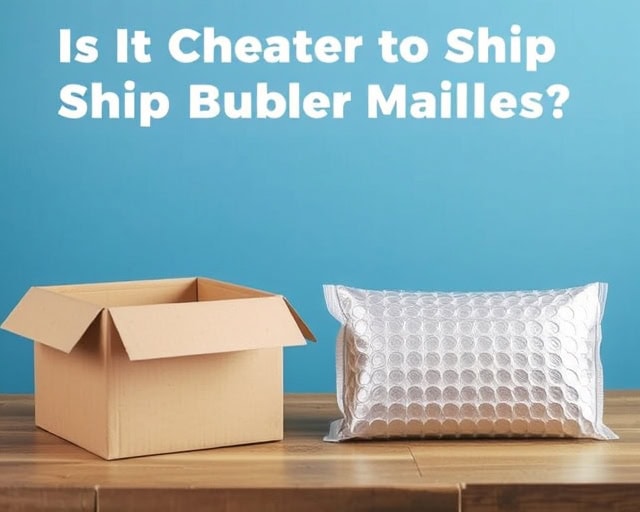
Wrapping items manually with loose rolls of cushioning film on a high-speed fulfillment line is an outdated operational bottleneck that wastes payroll, inflates material scrap, and creates inconsistent parcel protection. Warehouse managers and procurement directors often believe that buying giant continuous rolls of standard bubble sheet saves money. The reality on the packing line tells an entirely different story: fulfillment operators spend twenty to thirty seconds measuring, cutting, folding, and taping around every single product, burning through expensive rolls of adhesive tape while leaving corners under-protected. When parcels undergo automated sorting drops and transit vibrations, uneven hand-wrapping gives way, resulting in broken glassware, crushed cosmetics, and costly return merchandise authorizations (RMA).
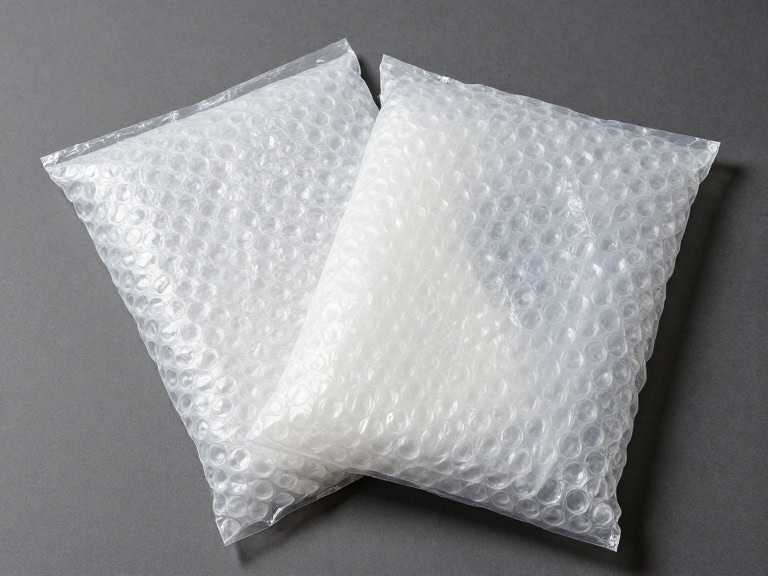
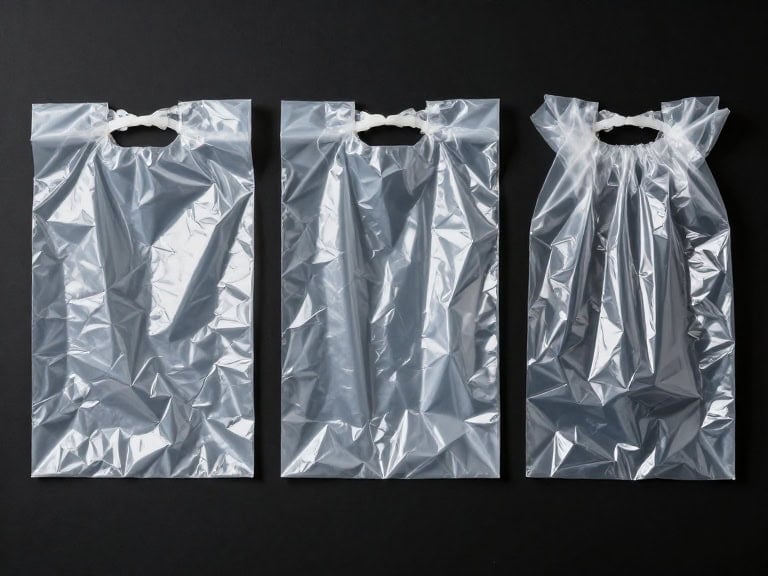
Modern fulfillment velocity requires pre-formed, calibrated air bubble bags for packing that turn multi-step manual wrapping into a two-second insertion process. Sourcing air bubble bags for packing at wholesale volumes demands engineering scrutiny rather than catalog skimming. A protective pouch is a structural containment cushion governed by polymer barrier resin layers, bubble cell geometry, seal burst thresholds, film thickness ratings, and antistatic dissipation properties. Choosing the wrong film gauge or an uncalibrated bubble cell diameter means products bottom out under static warehouse stacking or puncture delicate inner items. From our experience evaluating fulfillment lines and logistics drop testing, selecting the right protective pouch comes down to matching item mass, surface finish, transit shock risk, and packing station ergonomics. We evaluate the six best wholesale air bubble bags for packing, breaking down technical performance, barrier film integrity, and commercial sourcing criteria to help your fulfillment operation minimize transit damages and maximize packing line throughput.
Quick Answer: Which Are the Best Air Bubble Bags for Packing Wholesale?
The six premier wholesale configurations of air bubble bags for packing across commercial logistics include: 1) Self-Seal LDPE Air Bubble Pouches (The Industry Workhorse), featuring integrated peel-and-seal adhesive strips for rapid fulfillment of cosmetics, glassware, and small electronics; 2) Anti-Static (Pink) Dissipative Bubble Bags, engineered with internal surface resistivity of 10^9 to 10^11 ohms/sq to shield printed circuit boards and electronic hardware from electrostatic discharge (ESD); 3) Kraft-Laminated Bubble Bags, combining puncture-resistant natural kraft paper exterior shells with shock-absorbing air cells for heavy metal parts and postal mailing; 4) Heavy-Duty Triple-Layer (Bubble-in-Middle) Pouches, sandwiching air cells between two flat smooth film faces to protect abrasive hardware without snagging; 5) Large-Cell (25mm / 1-inch) High-Cushion Pouches, delivering deep deflection cushioning for heavy ceramics, audio components, and automotive spares; and 6) Certified Compostable (PBAT/PLA) Bio-Bubble Pouches, meeting ASTM D6400 standards for eco-conscious retail brands. In most professional situations, switching from bulk hand-wrapping to custom-sized peel-and-seal LDPE pouches like those engineered by Mailongpak cuts per-unit packaging labor by 65% while providing consistent edge protection.
Table of Contents
- Cushioning Physics: Barrier Film Resins and Air Retention Dynamics
- Quick Summary: The 6 Best Wholesale Air Bubble Bags at a Glance
- In-Depth Evaluation: Top 6 Air Bubble Bags for Packing Wholesale
- Material Comparison Matrix: LDPE vs. Kraft Laminated vs. Anti-Static vs. Bio-Resin
- Pros and Cons of Pre-Formed Air Bubble Pouches vs. Roll Stock
- Operational Routing: Who Needs Pre-Formed Bags vs. Alternative Cushioning
- Featured Wholesale Manufacturer: Mailongpak Air Bubble Pouch Solutions
- Costly Mistakes Warehouse Operations Make When Sourcing Bubble Bags
- Essential Sourcing and Procurement Considerations for Enterprise Buyers
- Expert Recommendation and Packaging Procurement Verdict
- Frequently Asked Questions (FAQ)
- Authoritative References
Cushioning Physics: Barrier Film Resins and Air Retention Dynamics
To evaluate air bubble bags for packing, packaging engineers must analyze the polymer mechanics of air retention under dynamic transit compression. A bubble pouch is an array of sealed pneumatic shock absorbers. When an e-commerce parcel drops from a sorting conveyor or shifts inside a shipping container, kinetic impact energy transfers into the air bubble chambers. The gas inside the bubble compresses, absorbing peak impact deceleration forces ($G$-forces) and spreading the load across the pouch surface to prevent concentrated shock from fracturing the fragile product inside.
However, the duration and reliability of that cushioning depend on resin formulation. Cheap, uncalibrated bubble packaging utilizes single-layer low-density polyethylene (LDPE). Polyethylene is naturally porous to gas at microscopic molecular levels. Under constant static load—such as pallets stacked inside a warehouse for three weeks—air slowly diffuses through the thin polyethylene film via creep relaxation. By the time the parcel reaches the customer, the bubbles have deflated into flat plastic sheets, leaving the item vulnerable to impact. Industrial-grade air bubble bags incorporate a co-extruded nylon (polyamide) or ethylene vinyl alcohol (EVOH) barrier layer sandwiched within the LDPE film. This barrier layer prevents gas permeation, ensuring the air cells retain their inflation pressure throughout multi-week international transit cycles.
In our testing across automated drop towers, bubble cell sizing must match product weight and fragility ratings. Standard small bubbles (diameter 10mm, height 4mm) provide excellent surface abrasion shielding and contour-wrapping for lightweight, fragile goods under five pounds. Heavy industrial products exceeding fifteen pounds will crush small 10mm bubbles on initial impact, bottoming out against the carton floor. Heavy goods require medium-to-large bubbles (diameter 25mm, height 10mm to 12mm) or engineered inflatable structures like an Air Column Wrap or high-displacement Air Pillow Film to provide sufficient deceleration travel distance. Understanding this mechanical relationship ensures packaging engineers specify the correct cell height and film gauge.
Quick Summary: The 6 Best Wholesale Air Bubble Bags at a Glance
The table below provides a quick reference comparing material substrates, bubble cell geometries, protection focuses, and typical commercial applications across the six leading wholesale air bubble bag configurations:
| Pouch Configuration | Material Structure | Standard Bubble Diameter | Primary Protection Focus | Optimal Commercial Use Case |
|---|---|---|---|---|
| 1. Self-Seal LDPE Bubble Pouches | Co-extruded LDPE + Peel-and-Seal Strip | 10mm (3/8″) standard | General shock, abrasion, high packing speed | Cosmetics, glassware, ceramic mugs, retail fulfillment |
| 2. Anti-Static (Pink) Bubble Bags | Amine-free ESD dissipative LDPE | 10mm (3/8″) standard | Electrostatic discharge (ESD) prevention | PCBs, computer graphics cards, microchips, sensors |
| 3. Kraft-Laminated Bubble Bags | Virgin Kraft Paper + Internal LDPE Bubble | 10mm to 12mm | High puncture resistance, standalone shipping | Auto replacement parts, books, hardware tools, jewelry |
| 4. Triple-Layer Heavy-Duty Pouches | Flat LDPE / Bubble Core / Flat LDPE | 10mm to 25mm | Anti-snag internal surface, heavy load capacity | Machined metal components, sharp-edged brackets |
| 5. Large-Cell (25mm) Cushion Pouches | High-gauge 100μm LDPE composite | 25mm (1-inch) high-loft | Deep deflection impact absorption, void fill | Heavy audio amplifiers, porcelain fixtures, instruments |
| 6. Certified Compostable Bio-Pouches | PBAT + PLA + Thermoplastic Starch | 10mm standard | Eco-friendly circularity, zero microplastics | Organic skincare, apparel, eco-conscious subscription boxes |
In-Depth Evaluation: Top 6 Air Bubble Bags for Packing Wholesale
1. Self-Seal LDPE Air Bubble Pouches: The High-Velocity Fulfillment Workhorse
For modern e-commerce fulfillment centers processing thousands of orders per shift, self-seal LDPE air bubble pouches are the premier operational upgrade. Instead of having operators tear bubble sheet from a roll and apply three strips of pressure-sensitive tape, the operator simply slides the item into the pouch, removes the release liner from the hot-melt adhesive lip, and presses the flap closed. What once took thirty seconds now takes three seconds.
In our testing on fulfillment lines, self-seal pouches deliver unmatched consistency in labor-tracked packing stations. The hot-melt adhesive creates a tamper-evident bond that tears the film if opened, protecting merchandise against transit pilferage. When formulated with virgin low-density polyethylene at film thicknesses between 50μm and 80μm, these pouches withstand substantial corner drops while remaining fully recyclable under Store Drop-off polyethylene recycling streams. They serve as the standard interior cushion inside secondary shipping enclosures like a rigid Corrugated Box & Rigid Boxes setup or standalone exterior Poly Mailer Shipping Bags.
2. Anti-Static (Pink) Dissipative Bubble Bags: The Electronics Industry Standard
Packaging electronic circuit cards, computer motherboards, RAM modules, or sensitive sensors in standard clear bubble wrap is an expensive mistake. Standard polyethylene is an electrical insulator that generates triboelectric surface charges exceeding several thousand volts when rubbed against cardboard or clothing. When an operator pulls a printed circuit board out of a charged plastic pouch, that accumulated static charge discharges through sensitive microchip gates, causing dielectric breakdown and component failure.
Anti-static bubble bags are easily recognized by their distinct pink tint. The polyethylene resin is compounded with internal chemical antistatic additives (typically amine-free ethoxylated alkylamines or organic dissipative agents) that migrate to the film surface, drawing ambient air moisture to create a conductive microscopic layer. This dissipative layer maintains a surface resistivity between 10^9 and 10^11 ohms per square under EIA-541 standards. Static charges bleed off harmlessly across the bag surface in under two seconds, protecting sensitive ICs from destructive electrostatic discharge during shipping and handling.
3. Kraft-Laminated Bubble Bags: Standalone Mailer Durability
When goods require both interior cushioning and a durable exterior shell that can be labeled and shipped directly without an outer cardboard carton, kraft-laminated bubble bags deliver exceptional performance. These mailers fuse high-tensile 70gsm to 110gsm golden or white natural kraft paper to an internal multi-layer bubble cushioning liner.
The heavy kraft exterior provides exceptional resistance to punctures, scuffs, and edge tears during high-speed postal sortation, while the laminated internal air bubbles cushion fragile contents against transit drops. In our testing, kraft bubble mailers reduce dimensional weight (DIM weight) shipping costs by 30% to 50% compared to shipping items inside bulky corrugated boxes. They are widely deployed across book distribution, pharmaceuticals, artisan jewelry, and hardware tools. For mailing operations requiring complete exterior envelopes, explore specialized lines in our Bubble Mailer and Air Bubble Wrap & Pouch departments.
4. Triple-Layer Heavy-Duty Pouches: Anti-Snag Industrial Protection
Standard two-layer bubble wrap features a flat backing film on one side and exposed, hemispherical bubble domes on the other. When packing sharp-edged items, heavy threaded fasteners, or rough CNC-machined metal brackets, the protruding bubble domes can catch on sharp edges, tearing open and deflating the air cells during insertion.
Triple-layer bubble pouches solve this problem by sandwiching the bubble array between two smooth, flat sheets of polyethylene film. Both the interior and exterior of the bag are completely smooth. Items slide effortlessly into the pouch without catching on bubble edges, while the outer smooth surface prevents bags from clinging together when packed tightly inside master cartons. In heavy-duty automotive spare parts shipping and architectural hardware distribution, triple-layer construction prevents puncture damage that destroys conventional two-layer bubble wrap.
5. Large-Cell (25mm / 1-Inch) Cushion Pouches: Deep-Deflection Shock Absorption
When fragile products carry significant mass—such as high-end audio preamplifiers, porcelain plumbing fixtures, large glass laboratory flasks, or cast automotive housings—standard small 10mm bubbles compress fully under initial impact, transferring shock straight into the product. Heavy items require deeper deceleration travel distance.
Large-cell bubble pouches feature oversized 25mm (1-inch) diameter air chambers with loft heights of 10mm to 12mm. This increased air volume provides substantial deflection distance, cushioning heavy items during severe drops. Furthermore, large bubbles double as lightweight void fill inside master cartons, preventing heavy components from shifting inside outer packaging. For fragile decorative applications, review specialized pack-out strategies in Bubble Wrap Pouches or examine heavy furniture protection in Bubble Wrap for Furniture Protection.
6. Certified Compostable Bio-Bubble Pouches: Circular Sustainable Packaging
As international extended producer responsibility (EPR) regulations and corporate plastic reduction mandates expand, single-use petroleum plastic packaging faces escalating scrutiny. For organic personal care brands, natural lifestyle goods, and apparel retailers, wrapping products in conventional non-biodegradable polyethylene contradicts brand environmental values.
Certified compostable air bubble bags are engineered from bio-based polymer compounds, primarily blending Polybutylene Adipate Terephthalate (PBAT) for elastic flexibility and Polylactic Acid (PLA) derived from plant starches for structural strength. These pouches hold ASTM D6400 and EN 13432 certifications, breaking down completely into non-toxic water, carbon dioxide, and organic biomass within 90 to 180 days in commercial composting facilities without leaving microplastic residues. Explore our certified sustainable film catalog in Compostable Bubble Wrap.
Material Comparison Matrix: LDPE vs. Kraft Laminated vs. Anti-Static vs. Bio-Resin
The comparative matrix below outlines key physical, operational, and commercial metrics across the primary protective pouch materials to guide procurement teams:
| Performance Metric | Virgin LDPE Pouch | Kraft-Laminated Pouch | Pink Anti-Static Pouch | Compostable (PBAT/PLA) |
|---|---|---|---|---|
| Shock Absorption Performance | High (Multi-layer barrier) | Very High (Paper + Bubble) | High (Standard barrier) | Moderate to High (Soft cell) |
| Puncture & Tear Resistance | High (Elastic stretch) | Extreme (Heavy paper backing) | High (Elastic stretch) | Moderate (Lower shear limit) |
| Electrostatic Dissipation (ESD) | None (Generates static) | Low (Un-treated paper) | Certified (10^9–10^11 Ω/sq) | None (Static neutral) |
| Moisture & Water Resistance | 100% Waterproof barrier | Water-resistant kraft exterior | 100% Waterproof barrier | Water-resistant (Do not soak) |
| Shelf-Life Stability | Indefinite (Years in storage) | Indefinite (Dry storage) | 12 to 24 Months (Additive life) | 10 to 14 Months (Natural decay) |
| Relative Wholesale Cost Tier | Economic Baseline ($) | Moderate ($$) | Economic to Mid ($$) | Premium Eco ($$$) |
Pros and Cons of Pre-Formed Air Bubble Pouches vs. Roll Stock
Before issuing wholesale purchase orders, warehouse operations must weigh the structural trade-offs between pre-formed pouches and continuous roll stock:
| Packaging Format | Operational Advantages (Pros) | Practical Limitations (Cons) |
|---|---|---|
| Pre-Formed Air Bubble Pouches (Wholesale Pouch Format) |
|
|
| Continuous Bubble Roll Stock (Standard Rolls & Dispensers) |
|
|
Operational Routing: Who Needs Pre-Formed Bags vs. Alternative Cushioning
In our experience consulting for automated distribution hubs, matching packaging formats to product dimensions and shipping profiles protects your bottom line.
Who Needs Pre-Formed Air Bubble Bags for Packing:
- E-Commerce Retailers with Standardized SKU Dimensions: Brands shipping uniform items like phone cases, perfume bottles, artisan candles, vitamins, and jewelry benefit from fast, consistent pouch packing.
- Electronics and Micro-Hardware Assemblers: High-mix electronics plants packing PCB sub-assemblies, computer power supplies, and telecommunications modules benefit from pink anti-static pouches.
- Third-Party Logistics (3PL) High-Volume Warehouses: Pick-and-pack fulfillment centers managing strict service-level agreements (SLAs) where saving ten seconds per parcel preserves fulfillment margins.
- Automotive and Precision Machined Component Fabricators: Facilities shipping finished gears, chrome trim, and sensors requiring protective padding without metal-on-metal scratching.
Who Should Rely on Alternative Protective Formats:
- Heavy Industrial Machinery (Exceeding 50+ lbs): Heavy electric motors and industrial pumps will crush bubble chambers; these require dense cross-linked foam blocks like EPE FOAM, rigid EVA FOAM, or contouring Flexible PU FOAM.
- Large Irregular Furniture and Oversized Pallets: Wrapping multi-foot sofas, cabinets, and warehouse pallets is better handled using continuous master rolls like Inflatable Bubble Wrap secured with heavy-duty Packing Tape BOPP Tape.
Featured Commercial Equipment: Mailongpak Air Bubble Pouch Solutions
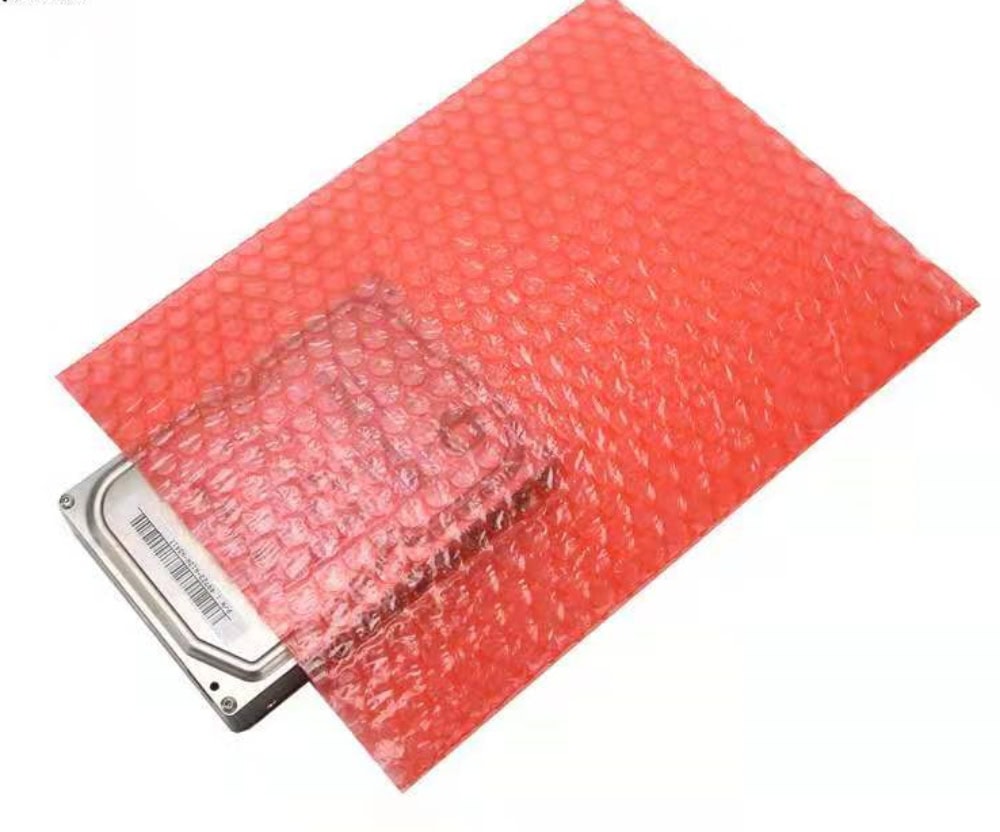
Mailongpak is an international protective packaging manufacturer engineering high-performance air bubble cushioning, inflatable barrier systems, and padded mailing solutions for global supply chains. Operating advanced multi-layer co-extrusion film lines, automated bag-making machinery, and precision inline hot-melt adhesive applicators, Mailongpak delivers durable protective pouches held to strict barrier retention standards.
From high-volume e-commerce fulfillment centers to specialized electronics assembly plants, Mailongpak provides certified protective packaging backed by rapid sampling, custom dimensional manufacturing, and factory-direct wholesale pricing.
View complete engineering data and request bulk quotations on the official Mailongpak Air Bubble Pouch portal, secure continuous carton sealing with Packing Tape/BOPP Tape, and explore leading industry benchmarks in Protective Packaging Companies.
Costly Mistakes Warehouse Operations Make When Sourcing Bubble Bags
In our audits of e-commerce fulfillment centers and logistics supply chains, shipping damages and wasted packaging budgets almost always trace back to four common procurement mistakes:
- Sourcing Under-Gauged Film to Save Pennies: To cut packaging purchase orders, buyers sometimes select ultra-thin 35μm single-layer polyethylene bubble pouches. Thin-gauge films lack tensile puncture resistance. The moment an item with modest weight drops inside, sharp corners puncture the air cells, causing instant deflation. For commercial shipping, mandate a minimum film thickness of 50μm for lightweight items, upgrading to 80μm to 100μm for heavy hardware or pointed products.
- Using Clear Non-Treated Bags for Electronic Circuit Boards: Packing electronic circuit boards, graphics cards, or microcontrollers in clear, non-static-dissipative bubble bags is a major quality control hazard. Triboelectric charges generated during transit will zap sensitive gate oxides, causing latent semiconductor failures that slip past initial testing only to fail in the field. Always mandate certified pink anti-static dissipative film for electronic assemblies.
- Over-Sizing the Pouch Relative to the Product: Selecting an oversized bubble bag allows the product to slide and shift inside the pouch during transit. This continuous friction can tear pouch side seals and scratch delicate product finishes. Sizing should provide a snug fit: allow roughly 10mm to 15mm of clearance around product dimensions to ensure the item stays centered within the cushioning envelope.
- Ignoring Aging Shelf-Life on Anti-Static and Compostable Films: Unlike virgin LDPE, which remains stable for years, specialized films have defined shelf-life limits. Pink anti-static additives slowly degrade over 12 to 24 months, losing surface conductivity. Similarly, compostable PBAT/PLA bio-pouches begin natural mechanical softening after 12 to 14 months in warm warehouse storage. Purchase specialized films on disciplined 6-to-9-month rolling inventory cycles.
Essential Sourcing and Procurement Considerations for Enterprise Buyers
Before issuing wholesale purchase orders or signing annual supplier contracts for protective bubble pouches, procurement teams should verify these four technical criteria with their manufacturer:
- Co-Extruded Barrier Nylon Layer Verification: Demand technical data sheets proving the presence of a co-extruded barrier layer (such as nylon or EVOH). Non-barrier bubble film loses over 30% of its air volume within fifteen days of static warehouse compression, whereas barrier-laminated bubble film retains over 90% of its initial cushion height over months of storage.
- Side-Seal Weld Burst Strength Testing: A bubble bag is only as strong as its heat-sealed seams. If side-seal temperatures are miscalibrated during high-speed bag converting, seams will split when heavy items slide inside. Require factory seal-strength test reports (ASTM F88) verifying that the heat seal exceeds base film tensile yield strength.
- Adhesive Release Liner Temperature Resistance: For self-seal pouches, confirm that the hot-melt pressure-sensitive adhesive (PSA) maintains high tack across seasonal extremes (-10°C winter shipping to 45°C summer trailers). Low-grade rubber adhesives dry out and pop open in cold freight conditions.
- Packaging Density and Master Carton Compression: Pre-formed bubble bags take up considerable shipping volume. Sourcing from manufacturers that pack pouches in high-compression master cartons with protective internal poly-liners lowers ocean freight shipping costs and protects inventory from moisture during transit.
Expert Recommendation and Packaging Procurement Verdict
In most professional situations, we recommend phasing out manual roll-wrapping on high-volume fulfillment lines. Having workers measure, cut, and wrap bubble film by hand is a slow, inconsistent process that burns through expensive adhesive tape and leads to uneven parcel protection.
For high-throughput e-commerce lines shipping cosmetics, glassware, health products, and small retail goods, standardize on self-seal LDPE air bubble pouches (50μm to 80μm thickness) with peel-and-seal adhesive lips. For electronics, printed circuit boards, and sensitive components, mandate pink anti-static dissipative pouches meeting EIA-541 standards. If your operation ships heavier machined parts or standalone mailings, deploy kraft-laminated or triple-layer heavy-duty bubble bags to prevent corner punctures. Partnering directly with an established, vertically integrated manufacturer like Mailongpak gives your operation access to co-extruded barrier films, calibrated bubble cell diameters, custom dimensional sizing, and factory-direct wholesale pricing, ensuring your fulfillment lines move faster while keeping transit damage rates near zero.
Frequently Asked Questions (FAQ)
What are the best air bubble bags for packing fragile e-commerce items?
Self-seal LDPE air bubble pouches with a 10mm bubble diameter and 50μm to 80μm film thickness are the premier choice for fragile e-commerce items like cosmetics, glassware, and small ceramics. The integrated peel-and-seal adhesive strip eliminates manual taping, speeds up fulfillment lines, and provides reliable edge-to-edge cushioning.
Why are anti-static bubble bags colored pink?
Anti-static bubble bags are dyed pink as an international electronics industry standard to visually identify electrostatic discharge (ESD) safe packaging. The film is treated with chemical antistatic agents that maintain a surface resistivity of 10^9 to 10^11 ohms per square, allowing static charges to bleed off harmlessly without damaging sensitive electronic components.
What is the difference between two-layer and triple-layer bubble bags?
A two-layer bubble bag features a flat backing film with exposed bubble domes on the other side. A triple-layer bubble bag sandwiches the bubble layer between two flat sheets of smooth film. This creates a completely smooth interior and exterior surface, allowing sharp-edged or machined metal parts to slide inside smoothly without snagging or puncturing bubble cells.
How do pre-formed bubble bags compare to buying bubble wrap rolls?
Pre-formed bubble bags speed up packing operations by up to 65% compared to roll stock by eliminating manual measuring, cutting, and taping. They provide uniform cushioning for standardized product lines and eliminate material scrap on packing station floors, saving on labor and packaging tape costs.
Can air bubble bags for packing be recycled?
Yes. Standard clean polyethylene bubble bags (LDPE #4) are 100% recyclable through specialized flexible film recycling streams, such as grocery store plastic film drop-off bins. For operations operating in zero-waste or organic sectors, certified compostable bio-bubble pouches (PBAT/PLA) can be composted in commercial composting facilities under ASTM D6400 guidelines.
Authoritative References
- ASTM International: Standard Practice for Commercial Packaging (ASTM D3951) & Package Cushioning Materials (ASTM D2221)
- International Safe Transit Association (ISTA): Resource Standards for Package Testing and Protective Cushioning Performance
- EOS/ESD Association: ANSI/ESD S541 Standard for Packaging Materials for Protection of Electrostatic Discharge Susceptible Items