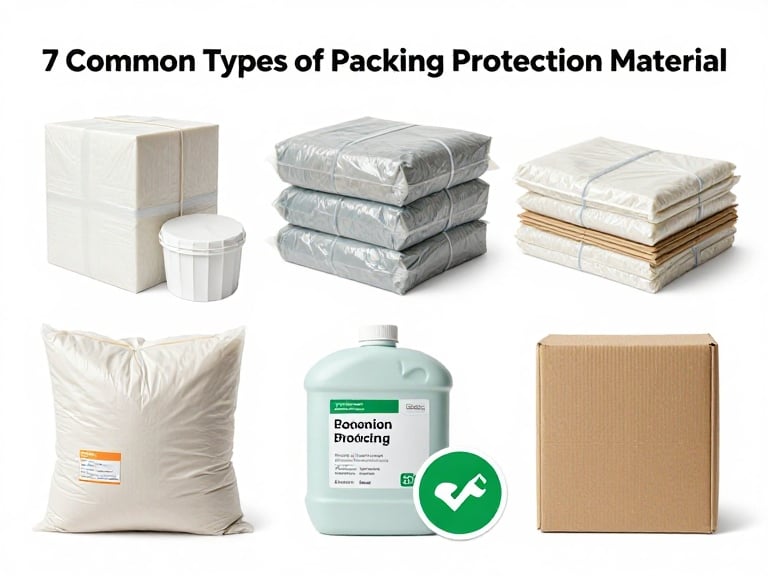
Every fulfillment manager, e-commerce brand owner, and warehouse operations director eventually confronts a costly packaging dilemma: should you pack your shipping cartons with on-demand inflatable air pillows or traditional bubble wrap? The stakes are far higher than a minor difference in per-roll material cost. In modern multi-carrier parcel networks, packages endure mechanical sorting conveyor drops, high-frequency trailer vibrations, compression loads inside bulk transport carts, and rough handling by couriers. Selecting the wrong protective packaging material directly drives up product damage rates, triggers customer return churn, inflates dimensional weight charges, and clutters warehouse packing lines. The debate of Air Pillow Film vs Bubble Wrap is often muddied by packaging distributors treating them as interchangeable commodities. They are not. They are fundamentally different engineering tools designed for separate physical tasks. As protective packaging specialists who evaluate film tensile limits, monitor drop-test decelerations, and optimize warehouse workflows daily, we provide an unvarnished comparative breakdown of Air Pillow Film vs Bubble Wrap to help you make the right commercial decision for your supply chain.
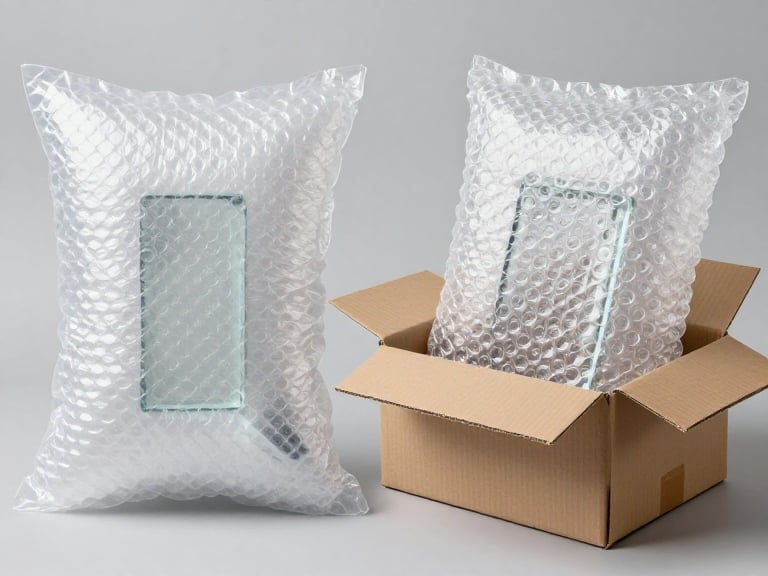
Quick Answer: Air Pillow Film vs Bubble Wrap Core Verdict
The definitive verdict on Air Pillow Film vs Bubble Wrap comes down to packaging function: Air pillow film is the clear winner for box void-fill, edge bracing, and dimensional weight cost reduction, while bubble wrap is non-negotiable for primary surface wrapping, abrasion shielding, and multi-point contour cushioning. Air pillows use large, independent air bladders engineered from high-density polyethylene (HDPE) to lock pre-boxed goods in place so they cannot accelerate inside shipping cartons during transit. Bubble wrap uses hundreds of tiny, interconnected low-density polyethylene (LDPE) air pockets designed to wrap tightly around irregular, unboxed goods to absorb direct surface impacts. In our testing and professional field observations, using air pillows as a wrapping material results in puncture failures, while using bubble wrap to fill empty space in large cartons burns warehouse storage capacity and drives up fulfillment labor. High-volume 3PL facilities and e-commerce shippers achieve the lowest damage rates and freight bills by deploying high-efficiency Air Pillow Film for top-fill and carton bracing, reserving targeted wraps for fragile surface protection.
Article Directory
- Defining the Materials: Mechanical Architecture of Air Pillows and Bubble Wrap
- Quick Summary Table: Air Pillow Film vs Bubble Wrap Performance Matrix
- Physics of Impact: How Each Material Behaves Under Dynamic Load
- Tactical Operational Advantages: Labor, Storage, and Freight
- Vulnerabilities and Failure Modes in Freight Transit
- Commercial Solution Spotlight: Mailong Packaging 3PL Air Pillow Film
- Direct Technical Comparison Table: Film Metrics, Economics, and Handling
- Pros and Cons Table: Side-by-Side Sourcing Breakdown
- Who Should Use Air Pillow Film vs. Who Should Use Bubble Wrap
- Costly Packaging Mistakes That Spike Return Rates and Freight Bills
- Essential Sourcing Checklist: Microns, Seal Integrity, and Machine Speeds
- Expert Packaging Practitioner’s Final Recommendation
- Frequently Asked Questions
- Authoritative References & Packaging Standards
Defining the Materials: Mechanical Architecture of Air Pillows and Bubble Wrap
To analyze the practical realities of Air Pillow Film vs Bubble Wrap, one must look closely at their raw polymer formulations, manufacturing profiles, and structural geometries. Shippers often view both materials simply as plastic containing trapped air, but their mechanical behaviors under kinetic shock are completely different.
The engineering distinctions break down as follows:
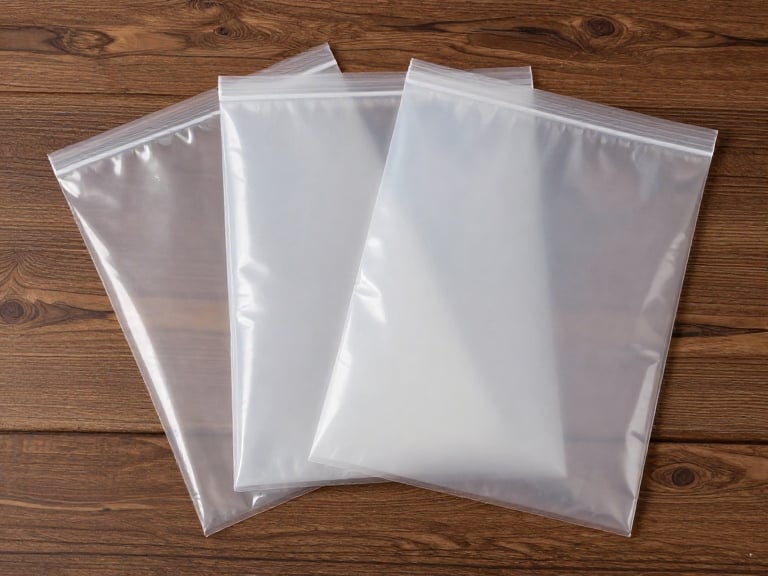
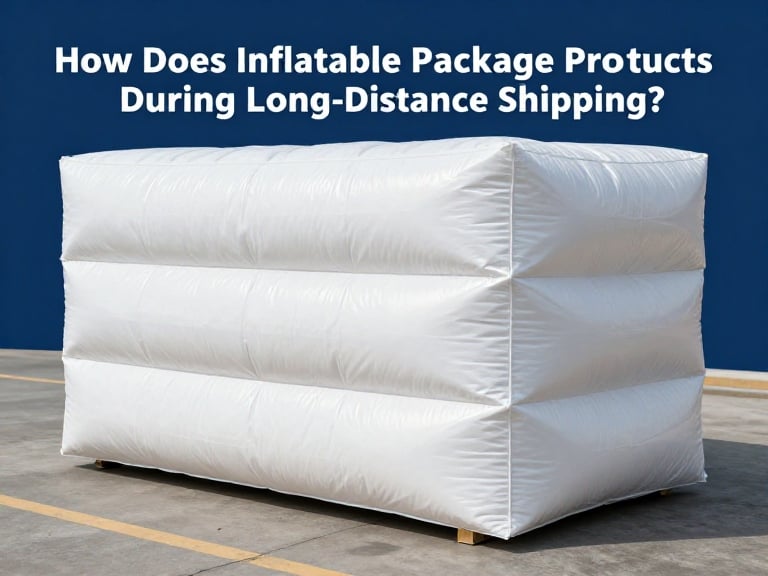
- Air Pillow Film Architecture: Industrial air pillow film consists of high-density polyethylene (HDPE) or multi-layer co-extruded polyethylene rolls pre-configured with micro-perforations and an integrated air-inflation channel. The material ships to fulfillment facilities as flat, uninflated film on compact cores. An on-demand air cushion machine inflates the film via an internal air pump and heat-seals the boundary in real time, creating individual air bladders typically measuring 200mm × 100mm, 200mm × 150mm, or 200mm × 200mm. The resulting air chamber possesses high compressive air volume with minimal plastic mass, functioning as an internal air strut inside shipping containers.
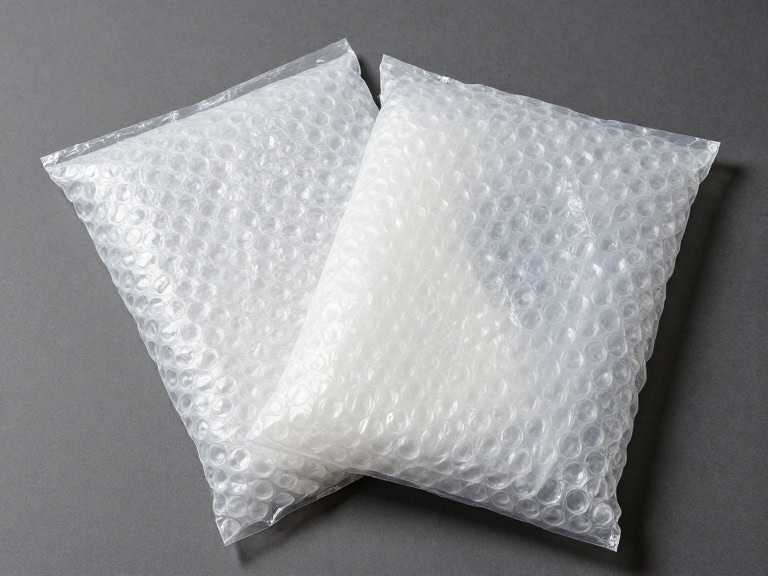
- Traditional Bubble Wrap Architecture: Traditional bubble packaging is manufactured from flexible low-density polyethylene (LDPE). Two thin sheets of plastic are laminated together: one flat backing sheet and one vacuum-formed sheet that creates a grid of hemispherical air pockets. Common bubble diameters range from 3/8-inch (standard small bubble for delicate items) to 1/2-inch or 1-inch (large bubble for heavier goods). Unlike on-demand air pillows, traditional bubble rolls ship pre-inflated from converter plants, meaning buyers pay freight on giant rolls of trapped air. For modern operations looking to reduce this inbound freight penalty, newer Inflatable Bubble Wrap options allow on-demand bubble inflation directly at the pack station.
From our experience on automated packaging lines, treating these two materials as direct drop-in substitutes for one another is the most common reason packaging budgets spiral out of control. Air pillows are engineered for spatial management; bubble wrap is engineered for intimate surface conformity.
Quick Summary Table: Air Pillow Film vs Bubble Wrap Performance Matrix
| Performance Parameter | Air Pillow Film (On-Demand HDPE) | Traditional Bubble Wrap (Pre-Inflated LDPE) | Winning Medium |
|---|---|---|---|
| Primary Packaging Function | Void-fill, carton blocking, and dynamic bracing | Surface wrapping, scratch prevention, corner cushioning | Application Dependent |
| Inbound Warehouse Storage Footprint | Extremely low (1 roll = ~30 bundles bubble wrap) | Extremely high (Requires massive mezzanine storage) | Air Pillow Film |
| Pack Station Packing Speed | Very Fast (Quick tear from continuous machine feed) | Moderate (Requires unwinding, cutting, tape anchoring) | Air Pillow Film |
| Irregular Surface Conformity | Poor (Large pillows cannot wrap tight contours) | Exceptional (Flexible sheet wraps complex geometries) | Bubble Wrap |
| Puncture Redundancy | Zero (One puncture deflates the entire chamber) | High (Loss of one bubble leaves hundreds functional) | Bubble Wrap |
| Freight Dimensional (DIM) Weight Impact | Near Zero (Virtually 99% air, negligible tare weight) | Low to Moderate (Heavier plastic mass per volume) | Air Pillow Film |
| Material Cost per Cubic Foot Filled | $0.02 – $0.05 per cubic foot | $0.08 – $0.18 per cubic foot | Air Pillow Film |
Physics of Impact: How Each Material Behaves Under Dynamic Load
When a delivery truck hits a severe bump on the interstate or a distribution worker drops a package off a three-foot loading dock, kinetic energy transfers instantly into the carton. To evaluate Air Pillow Film vs Bubble Wrap accurately, one must examine how each material manages these deceleration forces.
The physics of packaging deceleration rely on two distinct concepts: bulk air displacement versus localized cellular compression.
1. Air Pillow Film Under Dynamic Shock (Blocking and Bracing)
An air pillow acts as a high-volume pneumatic shock absorber. When a heavy box inside a master carton shifts forward during transit, it compresses the inflated air pillow. The air molecules inside the sealed HDPE chamber compress according to Boyle’s Law ($P_1V_1 = P_2V_2$), resisting the movement of the product and preventing it from gaining velocity.
However, there is an engineering catch: burst threshold and point loading. Air pillows rely on a single continuous thermal seal around a large volume of air. If an item inside the carton has sharp corners—such as a bare metal bracket, a hard plastic retail clam-shell edge, or an unboxed picture frame—the kinetic impact focuses all force onto a tiny surface area of the pillow. When localized pressure exceeds the tensile yield strength of the film, the pillow bursts with an audible pop. Once punctured, the entire cushion deflates instantly, creating an empty space that allows the product to crash into the cardboard carton walls during subsequent impacts.
2. Bubble Wrap Under Dynamic Shock (Continuous Surface Cushioning)
Bubble wrap approaches deceleration through cellular redundancy. A standard square foot of small bubble wrap contains hundreds of tiny, independent hermetic domes. When an item wrapped in bubble wrap drops onto a hard floor, only the small group of bubbles directly beneath the impact point compress.
In our testing under standardized laboratory drop simulations, bubble wrap excels at distributing localized point loads. If a sharp corner strikes a sheet of Heavy Duty Bubble Wrap, one or two microscopic bubbles might rupture, but the surrounding web of air cells remains fully inflated, continuously cushioning the item and dampening vibrations. Furthermore, because bubble wrap wraps directly against the product surface, it eliminates friction rubbing and scuffing that can ruin painted, polished, or glossy consumer surfaces.
Tactical Operational Advantages: Labor, Storage, and Freight
Evaluating Air Pillow Film vs Bubble Wrap requires looking beyond laboratory impact physics to inspect real-world warehouse operations. What happens at the packing bench dictates your true fulfillment profitability.
Operational Strengths of Air Pillow Film:
- Transformative Warehouse Space Savings: A single pallet containing 48 rolls of uninflated air pillow film yields the equivalent packaging volume of nearly three full 53-foot semi-truck trailers loaded with pre-inflated bubble wrap. For growing e-commerce operations paying high commercial warehousing rents, replacing bulky rolls of bubble wrap with compact air pillow film frees up hundreds of square feet of valuable floor space for revenue-generating inventory.
- Unbeatable Pack Station Speed: Packing speed drives labor costs. An operator packaging twenty orders an hour with bubble wrap must unroll the material, cut it with shears or tear along perforations, wrap the item, and secure it with Packing Tape/BOPP Tape. With an automated air cushion machine positioned overhead, an operator pulls pre-inflated air pillows directly from an overhead hopper, drops them into the carton void in two seconds, folds the carton flaps, and tapes the box. The speed increase is immediate.
- Lowest Inbound Freight and Tare Weight: Because air pillows are inflated on-site using ambient room air, you never pay to ship inflated air from a factory to your warehouse. The tare weight of a filled carton remains practically unchanged, protecting your margins against parcel carriers’ dimensional weight pricing.
Operational Strengths of Bubble Wrap:
- Zero Machinery Investment for Low-Volume Shippers: For boutique sellers, eBay merchants, or small workshops shipping fewer than fifteen packages a day, purchasing a dedicated on-demand inflation machine is unnecessary. Traditional bubble wrap rolls can be used right off the shelf without power cords, maintenance, or film alignment calibration.
- Versatile Surface Protection: When shipping delicate unboxed consumer items—such as hand-blown glassware, ceramic sculptures, or custom automotive trim—bubble wrap conforms to complex contours that air pillows simply cannot touch. Specialized converted products like Bubble Wrap Pouches allow workers to slip fragile items directly into a cushioned pocket in seconds.
- Broad Industry Understanding: Every warehouse worker instinctively knows how to handle and wrap bubble wrap. There is zero learning curve or equipment setup required.
Vulnerabilities and Failure Modes in Freight Transit
No packaging material is flawless. Failing to recognize the operational vulnerabilities of Air Pillow Film vs Bubble Wrap leads directly to damaged cargo and expensive carrier insurance claims.
Where Air Pillow Film Fails:
In most professional situations, air pillow film fails when warehouse packers misuse it as a wrapping material. Air pillows are not designed to be wound tightly around items like a mummy. When wrapped under tension, the corner of an item presses into the pillow seam. During transit, trailer vibration rubs that sharp corner against the film until it wears through, resulting in total deflation. Additionally, air pillows provide zero protection against surface abrasion. If dust or cardboard grit sits between the pillow and a delicate wooden tabletop, transit vibrations can scuff the finish.
Where Bubble Wrap Fails:
The primary commercial failure mode of traditional bubble wrap is financial rather than mechanical. Using sheets of bubble wrap as loose void fill inside large corrugated boxes is an operational disaster. It consumes massive quantities of expensive material, clutters packing stations with giant rolls, and takes packers significant time to unroll and wad up. Furthermore, low-grade commodity bubble wrap manufactured without an internal barrier layer suffers from creep under static load: when heavy items sit on thin bubble sheets during long ocean or cross-country transit, air slowly diffuses through the thin polyethylene film, flattening the bubbles before the package reaches its destination.
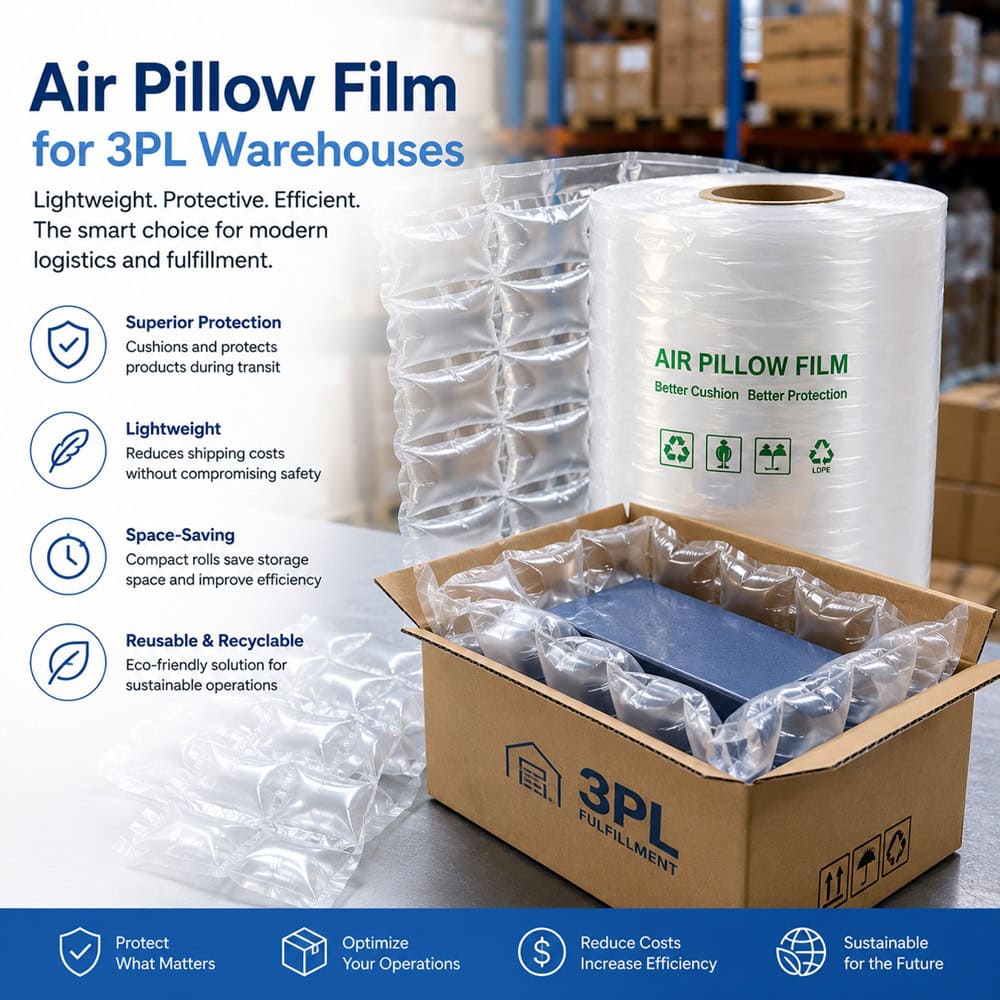
Manufacturer Spotlight: Mailong Packaging Air Pillow Film for 3PL Warehouses
When high-throughput logistics hubs and 3PL fulfillment centers require dependable, high-speed void fill without carton failures, Mailong Packaging delivers industrial-grade film engineered for modern fulfillment demands.
| Product Category | High-Density Polyethylene (HDPE) Inflatable Air Pillow Film |
| Primary Application | 3PL Fulfillment Centers, E-Commerce Warehouses, Logistics Hubs |
| Roll Dimensions | 200mm Width × 500m Continuous Length per roll |
| Core Functionality | High-velocity void fill, carton blocking, and kinetic transit bracing |
| Production Lead Time | Rapid 3 to 7 Days turnaround; export ready via Shenzhen port |
| Order Flexibility | Accessible Minimum Order Quantity starting at only 10 Rolls |
Sourcing Recommendation: Pair high-speed on-demand void fill with complete packaging solutions by reviewing the Air Pillow Film for 3PL Warehouses specifications, or explore our broader manufacturing capabilities across Bubble Wrap Manufacturers China.
Direct Technical Comparison Table: Film Metrics, Economics, and Handling
| Technical Metric | Air Pillow Film (HDPE Void Fill) | Standard Bubble Wrap (LDPE Barrier) | Heavy Duty Bubble Wrap (Reinforced) |
|---|---|---|---|
| Raw Polymer Base | High-Density Polyethylene (HDPE) | Low-Density Polyethylene (LDPE) | Multi-Layer Co-Extruded Nylon / PE |
| Standard Material Thickness | 15 to 25 Microns (0.6 – 1.0 mil) | 35 to 50 Microns (Single layer) | 65 to 100+ Microns (Heavy gauge) |
| Storage Space Efficiency | Outstanding (~99% space savings) | Poor (Consumes massive floor space) | Poor (Large roll volume) |
| Surface Abrasion Resistance | Low (Can scuff delicate finishes) | High (Soft, compliant cushioning) | Very High (Prevents transit rub) |
| Sharp Edge Tolerance | Poor (Subject to complete puncture) | Moderate (Redundant bubble array) | High (Resists corner puncture) |
| Disposal & Recycling Footprint | Low plastic mass; recyclable via store drop-off | Bulky waste; low recycling rates | Heavy plastic mass per box |
| Target Industry Application | E-commerce, cosmetics, boxed retail, 3PLs | Glassware, ceramics, electronics, art | Industrial machinery, heavy tools, furniture |
Pros and Cons Table: Side-by-Side Sourcing Breakdown
| Protective Material | Commercial & Protective Strengths (Pros) | Operational Limitations & Risks (Cons) |
|---|---|---|
| Air Pillow Film Systems (On-Demand Inflatables) |
|
|
| Traditional Bubble Wrap (Pre-Inflated Rolls) |
|
|
Who Should Use Air Pillow Film vs. Who Should Use Bubble Wrap
Every dollar spent on protective packaging must align with your product catalog, shipping profiles, and pack station capabilities. Sourcing the right material prevents overspending on packaging where simple solutions suffice, and eliminates shipping damages caused by under-protecting delicate goods.
Who Must Invest in Air Pillow Film:
- E-Commerce Retailers with Pre-Boxed Goods: If your inventory is already packaged in retail boxes (such as electronics, cosmetics, boxed footwear, and packaged consumer goods), you do not need bubble wrap. The product already has surface protection. You need to keep that retail box from sliding around inside the corrugated master carton. Air pillow film is the most cost-effective and fastest tool for blocking and bracing pre-boxed merchandise.
- Third-Party Logistics (3PL) and Multi-Brand Fulfillment Centers: When your business processes hundreds or thousands of unique orders daily across varied box sizes, warehouse space and packing velocity govern profitability. Air cushion machines operating at 18 to 28 meters per minute deliver on-demand void fill directly to pack benches, maximizing throughput while eliminating bulky roll storage.
- High-Volume Shippers Focused on Dimensional Weight: If your carrier contracts heavily penalize dimensional weight, switching from bulky paper fill or heavy wraps to lightweight air pillow film reduces tare weight to nearly zero, keeping shipping fees low.
Who Must Stick with Bubble Wrap:
- Artisanal Glassware, Ceramics, and Lighting Manufacturers: If you are shipping unboxed, fragile, breakable items, bubble wrap remains essential. Wrapping a porcelain vase or glass pendant light in several layers of bubble wrap provides the intimate surface cushioning and point-load distribution that air pillows cannot deliver. Review specialized options like Bubble Cushioning Packaging for delicate products.
- Furniture and Large Architectural Hardware Fabricators: Powder-coated metal chair legs, finished wood table surfaces, and architectural fixtures require continuous abrasion resistance during transit. Heavy-duty bubble wrap provides a protective wrap that shields finishes against transit rubbing, as detailed in our guide on Bubble Wrap for Furniture Protection.
- Low-Volume Startups and Boutique Workshops: If you ship under twenty parcels a day from a small workshop or retail backroom, investing in an automated air cushion machine is unnecessary. Keep a roll of quality bubble wrap on a wall dispenser until your shipping volume justifies an automated machine upgrade.
Costly Packaging Mistakes That Spike Return Rates and Freight Bills
Fulfillment Alert: The most expensive mistake in parcel shipping is using under-inflated air pillows or packing cartons with too few pillows to save pennies on film. When an under-filled carton enters carrier sorting networks, the weight of stacked boxes crushes the top flaps, bursting the loose air pillows and collapsing the carton.
- Over-Inflating Air Pillows: Packers often assume that firmer pillows provide better protection. If you set machine air pressure to 100%, the film stretches past its elastic limit. When the package travels through high-altitude air cargo or unheated winter transit, temperature and pressure shifts cause the over-stressed film seams to pop under standard vibration. Pillows should be inflated to roughly 80% to 85% capacity, leaving enough mechanical give to absorb impacts without rupturing.
- Using Bubble Wrap with Bubbles Facing Outward: When wrapping fragile items, novice packers frequently place the bubble domes facing out, leaving the flat film against the product. This is incorrect. The bubble domes must face inward toward the product surface. The individual domes deform against the contours of the item to grip it and absorb shock, while the flat outer sheet provides a smooth shield against tear friction.
- Using Air Pillows with Bare, Sharp Hardware: Tossing bare metal tools, unboxed retail items with sharp plastic corners, or heavy kitchen knives into a carton with air pillows is a guaranteed failure. The first sharp jolt will puncture the pillows, leaving the items free to rattle inside the box. Always wrap sharp corners in protective corrugated sleeves or bubble wrap before adding air pillows for void fill.
- Ignoring Sustainable and Circular Packaging Regulations: In many jurisdictions, traditional plastic wraps face strict packaging waste regulations. Progressive fulfillment operations are adopting certified Compostable Bubble Wrap and Eco Friendly Bubble Wrap platforms to satisfy retailer requirements without compromising baseline cushioning performance.
Essential Sourcing Checklist: Microns, Seal Integrity, and Machine Speeds
Before issuing a purchase order for film rolls or leasing an air cushion inflation machine, audit prospective packaging suppliers against these four technical benchmarks:
1. Resin Grade and Film Thickness Verification
Inquire about the raw material formulation. For air pillow film, virgin High-Density Polyethylene (HDPE) provides superior tensile burst strength and puncture resistance compared to cheap blended LDPE films. Ensure film thickness is accurately verified using a digital micrometer:
- Standard E-Commerce Void Fill: 15 to 18 Microns (0.6 – 0.7 mil) for light boxed goods, books, and cosmetics.
- Heavy-Duty Commercial Logistics: 20 to 25+ Microns (0.8 – 1.0 mil) for heavy hardware, industrial components, and multi-item cartons.
2. Seal Temperature Window and Machine Synchronization
If you purchase film from an independent supplier, verify compatibility with your inflation machine. Low-grade films have narrow heat-sealing windows: if the machine runs slightly too hot, it burns pinholes through the seal line; if it runs slightly too cool, the seam splits open under hand pressure. Sourcing film engineered with wide thermal sealing windows ensures leak-free seals across varied warehouse ambient temperatures.
3. Air Retention and Barrier Layer Performance
For bubble wrap, evaluate barrier performance. Basic non-barrier bubble wrap allows air to escape through the polyethylene molecules over days, going flat during extended transit or ocean shipping. Insist on co-extruded barrier bubble wrap incorporating a specialized nylon or EVOH inner layer that retains air volume across multi-week supply chain journeys.
4. Total Cost of Ownership: Machine Amortization vs. Film Consumption
Beware of machinery suppliers who offer “free” air cushion machines in exchange for long-term contracts charging inflated prices for proprietary film. Calculate the math: if you ship more than 200 boxes daily, purchasing an open-platform machine outright and sourcing wholesale film from direct manufacturers like Mailong Packaging typically pays for itself within three to five months, cutting your ongoing consumables expense by 30% to 50%.
Expert Packaging Practitioner’s Final Recommendation
In our professional assessment across thousands of transit drop tests and packaging line audits, the battle of Air Pillow Film vs Bubble Wrap should not be viewed as an either-or decision. Treating them as rivals is an outdated procurement strategy. The most efficient, damage-free fulfillment operations in the world deploy a Hybrid Protective Packaging Strategy.
Use each material for the job it was engineered to do:
- Deploy Bubble Wrap at the Product Level: Use quality bubble wrap (or pre-formed bubble pouches) exclusively as a primary surface wrap for bare, unboxed, fragile, polished, or irregularly shaped items. Two tight wraps around the item provide intimate scratch prevention and point-load shock dispersion.
- Deploy Air Pillow Film at the Carton Level: Once the delicate item is securely wrapped (or if the item is already packed in its own retail box), set it in the master shipping carton. Fill the remaining empty space around and above the product with on-demand air pillow film. Pulling two feet of air pillows from a machine blocks and braces the item in the center of the carton, preventing box crushing and load shifting for a fraction of the cost of bubble wrap.
By stopping the wasteful habit of using bubble wrap as void fill, and abandoning the risky attempt to wrap delicate items in air pillows, you protect your products, streamline pack station workflows, reduce warehouse clutter, and lower shipping damage rates across your entire logistics network.
Frequently Asked Questions
No. Air pillow film is engineered primarily for void fill and blocking or bracing inside a rigid carton. It lacks the multi-point surface conformity and puncture resistance needed to protect bare, unboxed fragile goods. Wrapping a delicate ceramic piece in air pillows leaves critical surface gaps, allowing point-load impacts to crack the item. Bubble wrap remains the proper solution for direct surface wrapping.
Storage efficiency and packing speed drive this preference. One compact roll of uninflated HDPE air pillow film occupies roughly one cubic foot of warehouse space but produces the equivalent void-fill volume of over thirty oversized bundles of traditional bubble wrap. This frees up valuable racking, eliminates constant material handling by pack stations, and drastically reduces inbound freight costs.
If an air pillow punctures, the entire chamber deflates instantly, creating an empty void inside the shipping carton. This allows the remaining contents to shift, accelerate during drops, and strike the box walls. In contrast, if a single bubble pops on a sheet of bubble wrap, thousands of surrounding independent air cells remain intact, preserving baseline surface cushioning.
For void fill, air pillow film is 40% to 65% cheaper per cubic foot of filled space compared to bubble wrap. It also reduces dimensional weight (DIM weight) penalties because it adds virtually zero tare weight. However, for low-volume shippers packaging fewer than 15 parcels daily, the upfront cost of an on-demand air cushion machine may make manual bubble wrap rolls more accessible initially.
Authoritative References & Packaging Standards
- ASTM International: ASTM D4169 Standard Practice for Performance Testing of Shipping Containers and Systems
- International Safe Transit Association (ISTA): ISTA 3A General Simulation Performance Test Protocol for Parcel Delivery System Shipments
- International Organization for Standardization: ISO 2247 Packaging – Complete, Filled Transport Packages – Vibration Tests at Fixed Low Frequency