Most operations managers treat protective packaging as a simple consumable expense, buying whichever bulk void fill appears cheapest on an invoice. In commercial fulfillment and cross-border logistics, that narrow focus on unit purchase price invariably destroys profit margins. When a parcel carrier drops a carton from sorting conveyors, or when ocean freight vibrations subject cargo to harmonic resonance inside an ISO container, cheap packaging fails immediately. The actual cost of packaging is measured in customer damage claims, return freight shipping fees, warehouse repack labor, and discarded inventory.
Specifying the correct packaging strategy requires matching mechanical shock dissipation, compressive creep resistance, and volumetric freight weight against your product’s fragility rating. Understanding the performance profiles across different types packing protection material separates profitable fulfillment centers from brands trapped in endless refund cycles. We break down the seven primary protective materials used in modern logistics, evaluating when to deploy air barriers, when to mandate structural foams, and where conventional paper alternatives fall short under heavy handling.
Quick Answer: Which Protective Packaging Material Should You Choose?
Selecting the right protective material depends entirely on your product weight, surface sensitivity, and transit stress. For lightweight parcels and fragile consumer items, Engineered Bubble Cushioning and Air Pillow Film deliver the best balance of low tare weight and surface protection. For high-value electronics, precision instruments, and heavy components subject to recurring shock, Expanded Polyethylene (EPE) Foam and Cross-Linked EVA Foam are non-negotiable due to their multi-drop recovery and non-abrasive cell structure. For heavy glass bottles, toner cartridges, and lithium electronics, Inflatable Air Column Wrap provides 360-degree high-pressure barrier containment that outperforms crumpled kraft paper while slashing storage space by 90% before inflation.
Table of Contents
- The Physics of Transit Protection: Shock, Vibration, and Compressive Creep
- Quick Summary: The 7 Common Types of Packing Protection Material
- In-Depth Evaluation: 7 Common Types of Packing Protection Material
- Comprehensive Material Comparison Matrix
- Pros and Cons of Synthetic Barrier Films vs. Solid Foam Cushioning
- Who Needs Heavy-Duty Cushioning vs. Who Can Use Lightweight Films
- Featured Manufacturing Partner: Mailong Packaging Solutions
- Costly Mistakes Warehouse Managers Make During Packaging Procurement
- Commercial Sourcing Considerations for High-Volume Shippers
- Expert Recommendation and Packaging Procurement Verdict
- Frequently Asked Questions (FAQ)
- Authoritative References
The Physics of Transit Protection: Shock, Vibration, and Compressive Creep
To choose the right protective packaging, fulfillment directors must understand the mechanical stresses encountered across modern distribution networks. A packed carton travels through automated sorting hubs with drop heights exceeding 36 inches, rides in trucks where road vibrations generate continuous G-forces, and sits beneath stacked freight that exerts static compression. Protective packaging functions through three primary mechanical operations: surface blocking, void filling, and shock absorption.
Shock absorption relies on deceleration distance. When a box strikes concrete, the kinetic energy must be dissipated gradually to prevent the internal product from exceeding its fragile G-factor limit. A material that bottoms out immediately—such as un-reinforced paper pads or thin single-ply films under heavy loads—transfers shock directly into delicate silicon boards or ceramic edges. Conversely, a material with high compressive resilience, like closed-cell foam or pressurized air chambers, compresses predictably under load and recovers its original shape, ready to absorb subsequent drops along the transit route.
Quick Summary: The 7 Common Types of Packing Protection Material
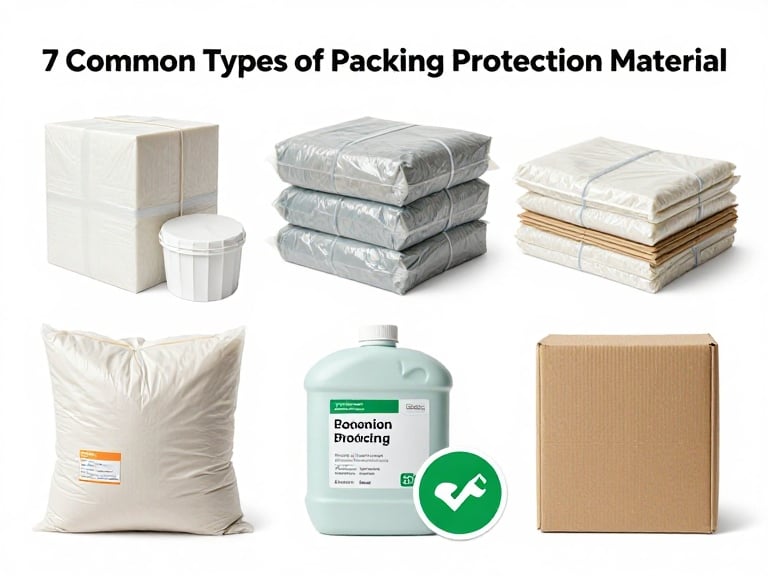
The table below provides a quick operational reference to the seven primary types packing protection material utilized across modern manufacturing, e-commerce, and industrial logistics:
| Protective Material Type | Primary Polymer / Base Material | Cushioning Mechanism | Relative Storage Footprint | Optimal Commercial Use Case |
|---|---|---|---|---|
| 1. Air Bubble Cushioning | Low-Density Polyethylene (LDPE) | Sealed air pocket barrier array | Moderate to High (unless inflated on-demand) | Surface wrapping, giftware, consumer goods |
| 2. Inflatable Air Column Wrap | Co-extruded PE / PA (Nylon) | High-pressure independent multi-tubes | Minimal (flat film rolls before air inflation) | Bottled liquids, laptops, server components |
| 3. EPE Closed-Cell Foam | Expanded Polyethylene (Non-crosslinked) | Micro-cellular elastomeric air matrix | High (pre-expanded sheet and plank form) | Precision tools, electronics, scratch-prone glass |
| 4. Inflatable Air Pillows & Void Film | HDPE / LDPE blends | Pressurized air containment bladders | Minimal (on-demand tabletop inflation) | Top and side box void filling, carton blocking |
| 5. EVA & Rigid Polyurethane Foam | Ethylene-Vinyl Acetate / PU Ester-Ether | High-density thermoset / copolymer matrix | High (molded or CNC waterjet-cut inserts) | Luxury presentation, medical devices, defense |
| 6. Single-Face Corrugated Cardboard | Recycled kraft fluting paper (Flute B/C) | Arched mechanical paper flutes | Moderate (dense continuous rolls) | Heavy industrial metal parts, machinery wrap |
| 7. Kraft Paper Void Fill & Pads | 100% virgin or recycled kraft fiber | Mechanical multi-fold paper compression | Low to Moderate (dense fanfold paper bundles) | Dry non-scratch parts, eco-mandated brands |
In-Depth Evaluation: 7 Common Types of Packing Protection Material
1. Air Bubble Cushioning Wrap
Air bubble wrap remains the global benchmark for light-to-medium surface protection and parcel wrapping. Formulated primarily from virgin LDPE, it locks ambient air into thermoformed hemispherical pockets. In our testing on high-speed fulfillment benches, bubble wrap excels at surface protection, preventing scratches on finished wood, powder-coated metals, and plastic bezels while absorbing moderate shocks. To understand supplier landscape dynamics, review our industry analysis of Bubble Wrap Manufacturers China.
However, traditional bubble wrap has significant operational limits. Standard 3/16-inch small bubble wrap bottoms out quickly under items weighing more than five pounds. For commercial users handling furniture, large casework, or palletized goods, standard packaging fails under load; you must step up to specialized Heavy Duty Bubble Wrap with high-barrier nylon co-extrusion or consult our guide on Bubble Wrap for Furniture Protection. For small delicate items, pre-formed Bubble Wrap Pouches cut pack-station handling time by 40%.
2. Inflatable Air Column Wrap and Bags
When shipping fragile, high-value, or liquid items—such as high-end olive oil bottles, wine shipments, desktop PC towers, and medical diagnostics—standard bubble wrap is insufficient. Air column wrap solves this by using co-extruded multi-layer films (typically 15% to 20% Polyamide/Nylon blended with PE) inflated to operating pressures between 0.04 and 0.08 MPa. The defining mechanical feature is an array of independent one-way air check valves. If an external impact punctures a single column, the remaining chambers stay fully pressurized, keeping the product suspended inside a rigid air cushion.
From our experience auditing warehouse footprints, air column film rolls arrive completely flat, saving up to 90% of the pallet storage space required by pre-expanded foam sheets or corrugated rolls. Integrating an Inflatable Air Column Wrap system provides enterprise-grade protection for fragile goods while keeping warehouse storage clean and manageable.
3. Expanded Polyethylene (EPE) Foam Sheets and Planks
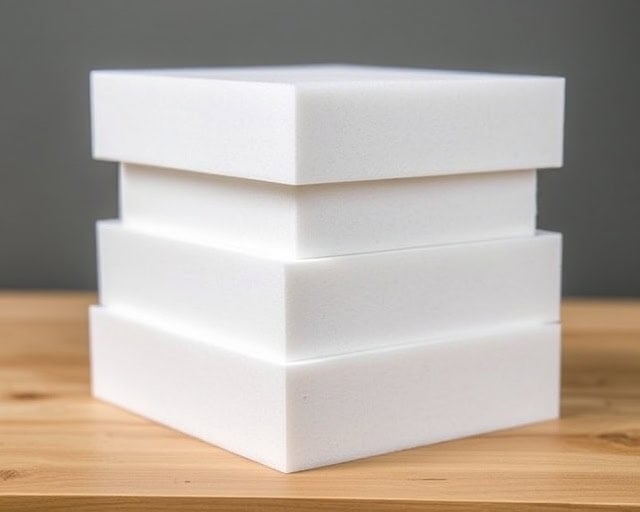
Expanded Polyethylene (EPE) is a non-crosslinked, closed-cell extruded foam known for high tensile flexibility and non-abrasive surface contact. Unlike crumbly expanded polystyrene (EPS/Styrofoam), EPE foam does not chip, crack, or shed plastic beads inside customer cartons. Its micro-cellular structure compresses under load and springs back immediately, providing repeatable cushioning across multi-drop shipping routes.
For heavy-duty applications involving precision CNC machined parts, automotive lights, and display monitors, EPE foam sheets can be laminated into thick structural end-caps or corner blocks. The material provides continuous surface protection that prevents optical scuffing on delicate screens and luxury finishes. Explore high-density rolls through our catalog of EPE Foam Sheets and compare suppliers in our report on Packing Foam Sheets Suppliers.
4. Inflatable Air Pillows and Void Film
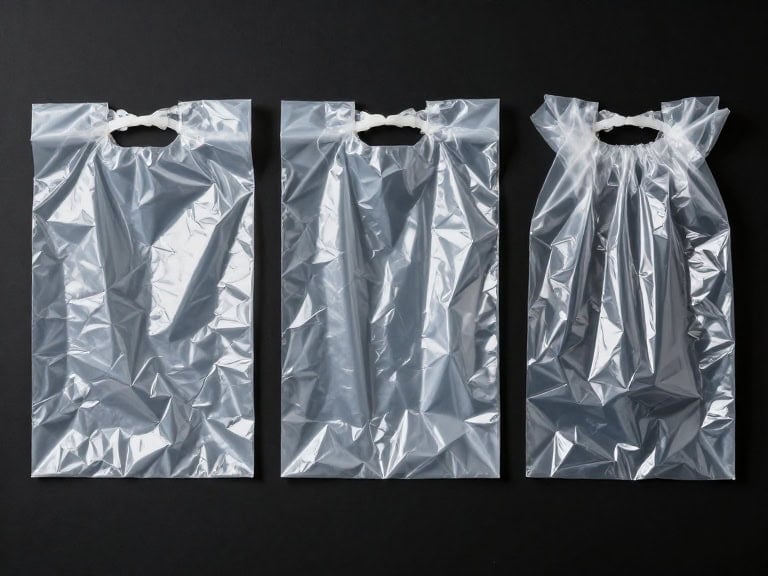
Air pillows are the undisputed standard for carton void fill in high-volume e-commerce fulfillment. Compact tabletop air cushion machines inflate flat perforated rolls of HDPE or LDPE film on demand right at the packing station. Operators tear off chains of air pillows to fill empty space, locking the product firmly in the center of the carton so it cannot shift during transit.
The primary advantage is economic efficiency: air pillows are over 98% air and less than 2% plastic by volume, adding virtually zero tare weight to air freight shipments. However, logistics teams must recognize their functional boundaries. Air pillows are void fillers, not cushioning wraps. Placing an unpadded ceramic mug inside a carton surrounded by loose air pillows will lead to damage, because the concentrated weight of the mug easily bursts single pillow seams under dynamic impact.
5. EVA and Flexible Polyurethane (PU) Foam
When shipping high-precision calibration tools, surgical instrumentation, luxury cosmetics, or defense avionics, standard bubble wraps and loose void fills look unprofessional and fail under tight shock tolerances. Ethylene-Vinyl Acetate (EVA) foam and flexible polyurethane foam provide high-density, closed- and open-cell cushioning engineered for custom CNC routing, die-cutting, and waterjet fabrication.
EVA foam offers dense, rubbery resilience that holds components firmly in custom trays, while open-cell PU foam absorbs high-frequency vibrations during transport. For custom foam fabricators, review our industry analysis of leading Flexible Polyurethane Foam Manufacturers.
6. Single-Face Corrugated Cardboard Rolls
Single-face corrugated cardboard combines a flat linerboard bonded to a raised fluted paper sheet. It is widely used in heavy industrial packing, metal tube fabrication, and architectural plumbing logistics. Unlike polymer films, corrugated paper rolls provide puncture protection against sharp metal edges, castings, and rough pipe threads.
From our experience on heavy distribution docks, wrapping irregular metallic goods in corrugated rolls protects adjacent freight from scratches while providing basic compression cushioning. To source high-volume paper rolls, consult our supplier directory of Corrugated Cardboard Rolls.
7. Kraft Paper Void Fill and Embossed Pads
With corporate packaging mandates increasingly focused on plastic waste reduction, kraft paper systems have expanded across fulfillment operations. Automated converting machines crimp, fold, and emboss high-basis-weight kraft paper into multi-ply shock-absorbing pads or loose void fill. High-yield kraft pads provide dependable thermal insulation and protect against friction between heavy metal assemblies.
However, commercial operations must calculate the freight trade-offs. Paper is significantly heavier than polymer air films. Converting an entire high-volume parcel operation to heavy multi-ply paper can increase annual outbound freight costs by 8% to 15% due to dimensional and deadweight freight surcharges. To review sustainable alternatives, explore our guide on the Alternative to Bubble Wrap and evaluate certified Eco Friendly Bubble Wrap films.
Comprehensive Material Comparison Matrix
The matrix below compares the seven primary types packing protection material across critical warehouse performance metrics:
| Performance Metric | Standard Bubble Wrap | Air Column Bags | EPE Foam Sheets | Air Pillows | Custom EVA Foam | Corrugated Rolls | Kraft Paper Pads |
|---|---|---|---|---|---|---|---|
| Shock Absorption (Drop Impact) | Moderate | Exceptional | Very High | Low (Void only) | Exceptional | Moderate | Moderate to High |
| Multi-Drop Resilience | Low (Pockets pop) | High (Valved cells) | Exceptional | Low (Prone to burst) | Exceptional | Low (Flutes crush) | Low (Fibers mat down) |
| Surface Scratch Protection | High | Very High | Maximum | Moderate | Maximum | Low (Can scuff) | Low (Abrasive fibers) |
| Storage Space Efficiency | Poor (Bulky) | Maximum (98% air) | Poor (Expanded) | Maximum (98% air) | Poor (Pre-cut) | Moderate | High (Dense rolls) |
| Added Shipping Weight | Near Zero | Near Zero | Very Low | Near Zero | Low to Moderate | Moderate | High |
Pros and Cons of Synthetic Barrier Films vs. Solid Foam Cushioning
Balancing on-demand air barrier films against pre-expanded solid foam involves clear operational and financial trade-offs:
| Packaging Class | Operational Advantages (Pros) | Practical Limitations (Cons) |
|---|---|---|
| On-Demand Inflatable Barrier Films (Air Pillows, Air Column Wrap) |
|
|
| Pre-Expanded Structural Foams (EPE Sheets, EVA Inserts) |
|
|
Who Needs Heavy-Duty Cushioning vs. Who Can Use Lightweight Films
In our experience auditing fulfillment centers, selecting the wrong material tier is the primary driver of high damage claims or wasted packaging spend.
Who Needs Heavy-Duty Cushioning (Air Columns, EPE, EVA Foam):
- Commercial Electronics & Server Hardware: Circuit boards, graphic processing units, and bare chassis cannot tolerate drop shock or static buildup. EPE foam sheets and anti-static bubble cushions provide structural deceleration.
- Bottled Liquids, Pharmaceuticals, and Fragrances: Glass containers shipped via parcel networks require complete containment. High-pressure air column bags prevent glass-to-glass contact and keep bottles elevated off carton bases.
- High-Value Industrial Spares: Machined shafts, pumps, and optical assemblies need custom EVA or heavy EPE blocks to prevent movement within master crates.
Who Can Use Lightweight Films and Mailers:
- Apparel and Soft Goods Retailers: Textiles, denim, and knitwear require dirt and weather protection rather than drop cushioning. Ship these goods efficiently using lightweight Poly Mailer Shipping Bags or review suppliers in our guide on Poly Mailer Bags for Clothes.
- Non-Fragile Retail Box Fulfillment: Cartons shipping pre-packaged consumer goods with built-in internal packaging need only light air pillows to fill empty space, combined with high-tack Packing Tape BOPP Tape and secure Pallet Wrap Stretch Film for unitized pallet handling.
Integrated Manufacturing Partner: Mailong Packaging Solutions
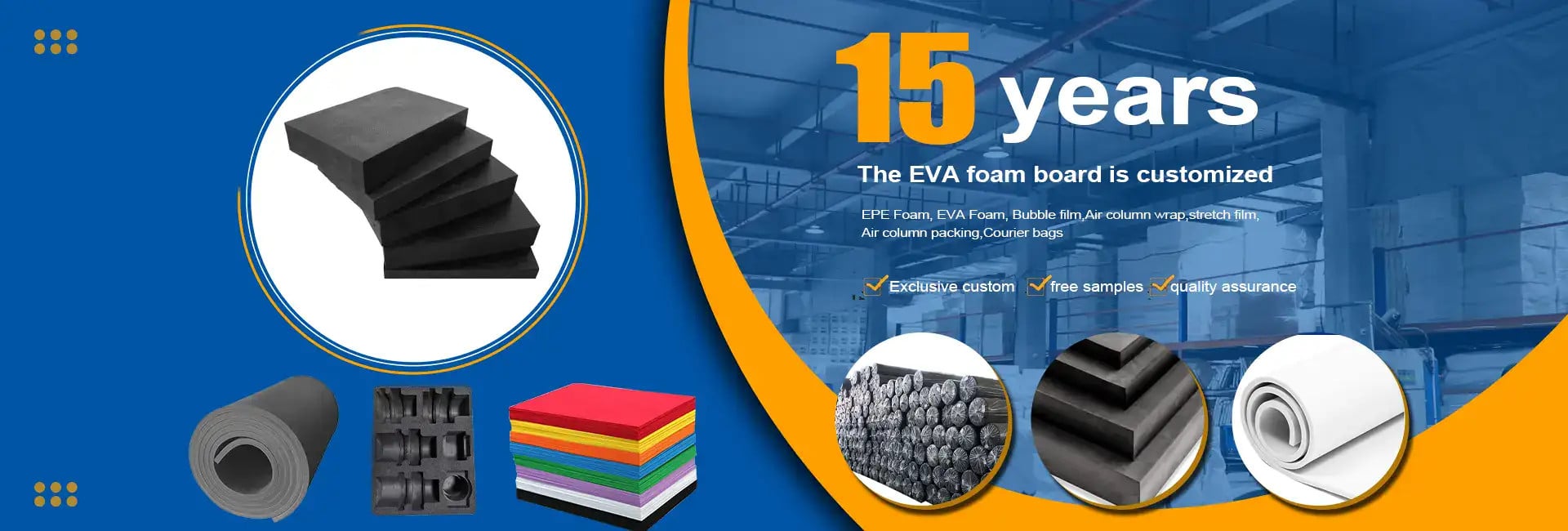
Mailong Packaging Co., Ltd. was established in 2009. It is a reputed manufacturer and exporter of a wide range of world-class quality packaging materials, such as inflatable bubble and pillow film, air column rolls, air column bags, EPE and EVA FOAM, Poly Mailer, Stretch wrap, Bubble mailer, BOPP tape, and Corrugated box, which can prevent products from collision damage, attrition, and static in the process of logistics transportation, and have been exported to the oversea markets more than 30 countries.
Partner directly with proven suppliers by reviewing leading operations in our industry report on the Protective Packaging Companies, or connect with a dedicated BOPP Tape Supplier to secure your supply chain.
Costly Mistakes Warehouse Managers Make During Packaging Procurement
From our experience on fulfillment center floors, procurement teams repeatedly commit four expensive specification mistakes:
- Using Air Pillows for Shock Cushioning: Air pillows are designed solely for top and side void fill to keep items from sliding inside a box. Packing heavy fragile products directly on top of air pillows bursts the seals upon drop impact, transferring shock straight into the product. Use EPE foam or multi-layer bubble wrap for bottom cushioning.
- Ignoring Compressive Creep on Long Shipments: Standard packaging materials lose thickness under prolonged pallet weight. Cheap open-cell foams flatten permanently within two weeks of ocean transit, leaving cargo loose and unprotected. For multi-week freight routes, specify closed-cell EPE foam or high-pressure air column wrap.
- Over-Packing with Heavy Paper to Look Green: While kraft paper void fill looks environmentally friendly, using heavy multi-ply paper adds substantial shipping weight across thousands of daily packages. If your carrier charges by dimensional weight, the extra bulk and tare weight increase shipping costs without improving protection for fragile items.
- Sourcing Low-Barrier Bubble Wrap for Long-Term Storage: Budget bubble wrap made from single-layer polyethylene loses air through thin plastic walls over time. Within four weeks of warehouse storage, un-reinforced bubbles soften and deflate. High-performance protective wraps incorporate an internal co-extruded nylon barrier layer that retains air pressure for months.
Commercial Sourcing Considerations for High-Volume Shippers
Before signing high-volume packaging supply contracts, purchasing teams should verify these four technical criteria with suppliers:
- Polymer Co-Extrusion and Nylon Content: When purchasing inflatable films or air column rolls, confirm the true percentage of polyamide (nylon) in the blend. Quality air column materials contain at least 15% to 20% nylon to provide high tensile strength and puncture resistance under pressure.
- Pre-Inflation Storage Density: Calculate your warehouse floor footprint. Switching from bulky pre-expanded bubble rolls or foam sheets to on-demand uninflated film rolls frees up valuable racking space for revenue-generating inventory.
- Recycled Resin Content and Regulatory Compliance: Ensure materials comply with international packaging waste rules, such as EU Plastic Packaging Tax regulations. Many premium film extruders offer high-strength films containing 30% to 50% post-consumer recycled (PCR) resin without compromising burst pressure.
- Automated Equipment Integration: Verify whether your material vendor supplies tabletop inflation machinery and automated dispensing equipment that integrates smoothly with packing station conveyors to keep pack times low.
Expert Recommendation and Packaging Procurement Verdict
In most professional situations, treating packaging as a single universal product line is an expensive operational mistake. Warehouses that try to use one generic void fill for every item face high product return rates on fragile shipments and overpay on freight for non-fragile goods.
We recommend establishing a tiered three-material packaging system on your fulfillment lines: first, standardize on Tabletop Inflatable Air Pillows for fast, lightweight void filling in non-fragile e-commerce shipments; second, deploy EPE Foam Sheets for scratch-sensitive electronics, finished metals, and furniture surfaces; and third, adopt Inflatable Air Column Wrap for fragile glass, ceramics, and expensive hardware. Sourcing your supplies from an experienced, integrated manufacturer like Mailong Packaging ensures you get high-barrier co-extrusion films, reliable closed-cell foams, and durable outer mailers, keeping damage rates under 0.1% while maintaining lean warehouse storage.
Frequently Asked Questions (FAQ)
What are the most common types of packing protection material?
The seven most common types of packing protection material are air bubble cushioning wrap, inflatable air column bags, expanded polyethylene (EPE) closed-cell foam, inflatable air pillows, custom EVA and polyurethane foams, single-face corrugated cardboard rolls, and kraft paper void fill pads.
What is the difference between air pillows and air column wrap?
Air pillows are large, low-pressure single-chamber cushions designed specifically to fill empty void space inside a carton and prevent products from sliding around. Inflatable air column wrap features multiple narrow, high-pressure chambers made from co-extruded nylon film, with independent check valves that provide 360-degree shock absorption for fragile items like laptops and glass bottles.
Why is EPE foam preferred over traditional Styrofoam (EPS)?
Expanded Polyethylene (EPE) foam is flexible, elastic, and does not crack, break, or shed messy foam beads like rigid Expanded Polystyrene (EPS/Styrofoam). EPE absorbs repeated shocks across multi-drop shipping routes, returns to its original shape, and provides a soft, non-abrasive surface that prevents scratches on sensitive products.
Does paper packaging protect fragile goods as effectively as bubble wrap?
Multi-ply embossed kraft paper pads provide good blocking and light shock absorption, but paper lacks the elastic bounce-back of sealed air or closed-cell foam. Once compressed under heavy impacts, paper fibers mat down permanently, offering reduced protection against subsequent drops while adding significant tare weight to parcels.
How does inflatable packaging reduce overall warehouse operational costs?
Inflatable packaging ships and stores completely flat on rolls, taking up less than 10% of the warehouse floor space required by bulky pre-expanded bubble wrap or foam planks. It is inflated on demand at packing benches, reducing warehouse storage demands, cutting pallet freight expenses, and adding virtually zero weight to outbound shipments.
Authoritative References
- International Safe Transit Association (ISTA): Resource Standards for Packaged Product Transit Testing
- ASTM International: Standard Practice for Performance Testing of Shipping Containers and Systems (ASTM D4169)
- International Organization for Standardization: ISO 2247 Packaging – Complete, Filled Transport Packages Vibration Tests