For decades, standard bubble wrap has been the default answer for businesses shipping fragile goods. However, the modern logistics landscape has evolved dramatically, and clingy, space-consuming rolls of pre-inflated plastic no longer meet the rigorous demands of global e-commerce. As shipping volumes scale and dimensional weight pricing penalizes bulky packages, supply chain managers are aggressively searching for what to use instead of bubble wrap for packing to protect their profit margins and their products.
From our experience engineering advanced protective packaging at Mailong Packaging, we categorically state that relying solely on traditional bubble wrap is an outdated, inefficient strategy. Shipping air across the country in the back of a freight truck wastes an astronomical amount of capital. Furthermore, traditional bubble wrap is highly susceptible to popping under heavy pressure, leaving high-value electronics and fragile glass completely exposed to impact forces during transit. If you are serious about reducing damage rates and optimizing your warehouse space, you must rethink your void-fill and cushioning strategies.
In this authoritative guide, we will analyze the precise engineering, cost-benefits, and environmental impact of modern packaging alternatives. We will demonstrate exactly what to Alternative Material of Bubble Wrap for Packing, detailing the superior technologies that top-tier fulfillment centers are deploying today to secure their cargo.
Summary: The Best Materials to Use Instead of Bubble Wrap for Packing
| Alternative Material | Primary Logistics Function | Protection Level | Space Efficiency |
|---|---|---|---|
| Air Column Bags | High-value, fragile item isolation (electronics, wine) | Extreme | Excellent (Inflated on demand) |
| Air Pillow Film | Void fill and block-and-brace | Moderate to High | Excellent (Inflated on demand) |
| Compostable Wrap | Eco-friendly cushioning and wrapping | Moderate | Good |
| Corrugated Paper | Surface protection and structural rigidity | High | Moderate |
| Air Bubble Pouches | High-speed fulfillment of small components | High | Good |
Table of Contents
- The Financial and Logistical Push: Why Switch?
- Heavy-Duty Protection: What to Use Instead of Bubble Wrap for Packing Fragiles
- Mastering Void Fill Operations
- Sustainable Choices to Use Instead of Bubble Wrap for Packing
- Upgrading the Classic Approach
- Securing the Alternatives
- Frequently Asked Questions (FAQs)
- Authoritative References
The Financial and Logistical Push: Why Switch?
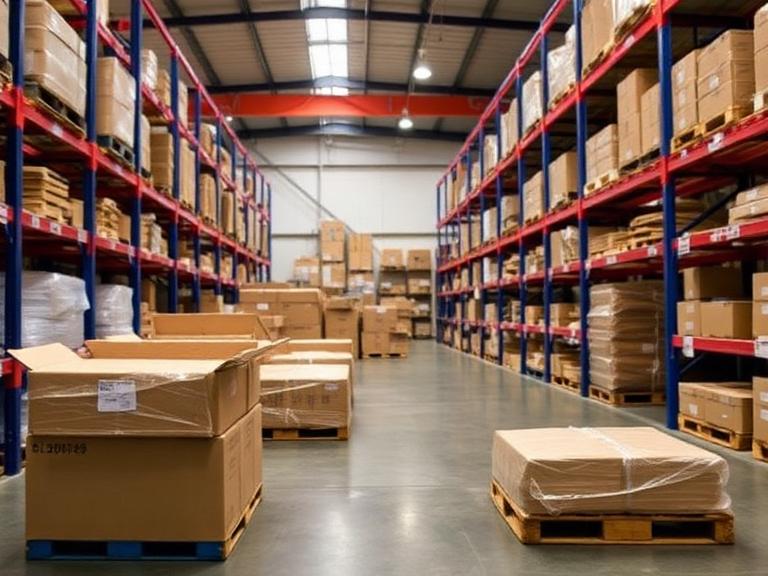
Before we dive into the specific materials to use instead of bubble wrap for packing, we must address the fundamental flaws of the legacy material. Traditional bubble wrap is manufactured and shipped in massive, pre-inflated rolls. If you manage a warehouse, you know that real estate is your most expensive asset. Storing pallets of pre-inflated plastic means you are paying rent to store air. When clients ask us what to use instead of bubble wrap for packing, the conversation immediately shifts to “on-demand” packaging technology.
Furthermore, standard bubble cells are interconnected or weakly sealed. When a heavy box is dropped by a courier, the kinetic shockwave compresses the bubble wrap. The air forces its way out, popping the bubbles and immediately voiding the protection layer. We recommend migrating to compartmentalized air technology. When evaluating what to use instead of bubble wrap for packing, you must prioritize materials that isolate air chambers, ensuring that a single puncture does not deflate the entire protective shield.
Heavy-Duty Protection: What to Use Instead of Bubble Wrap for Packing Fragiles
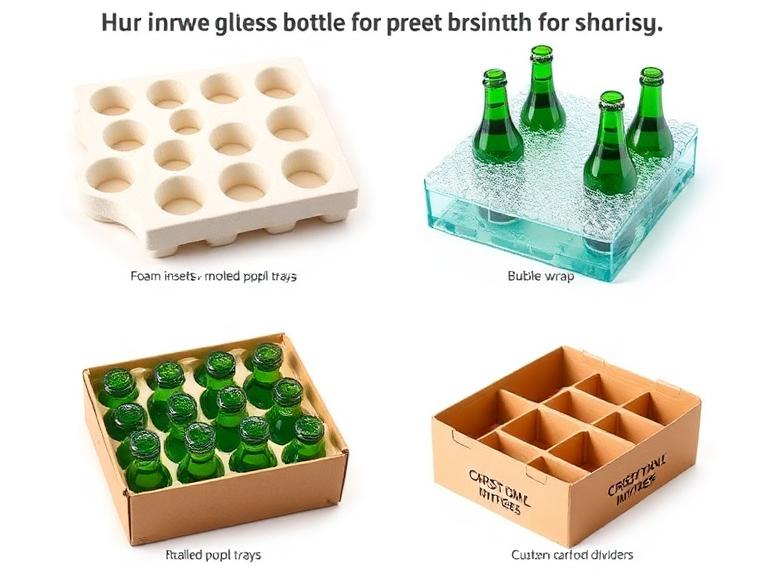
When shipping expensive electronics, glass bottles, or delicate ceramics, standard cushioning is insufficient. You require structural, rigid air. This is where advanced inflatable columns dominate the market.
Air Column Bags for Superior Shock Absorption
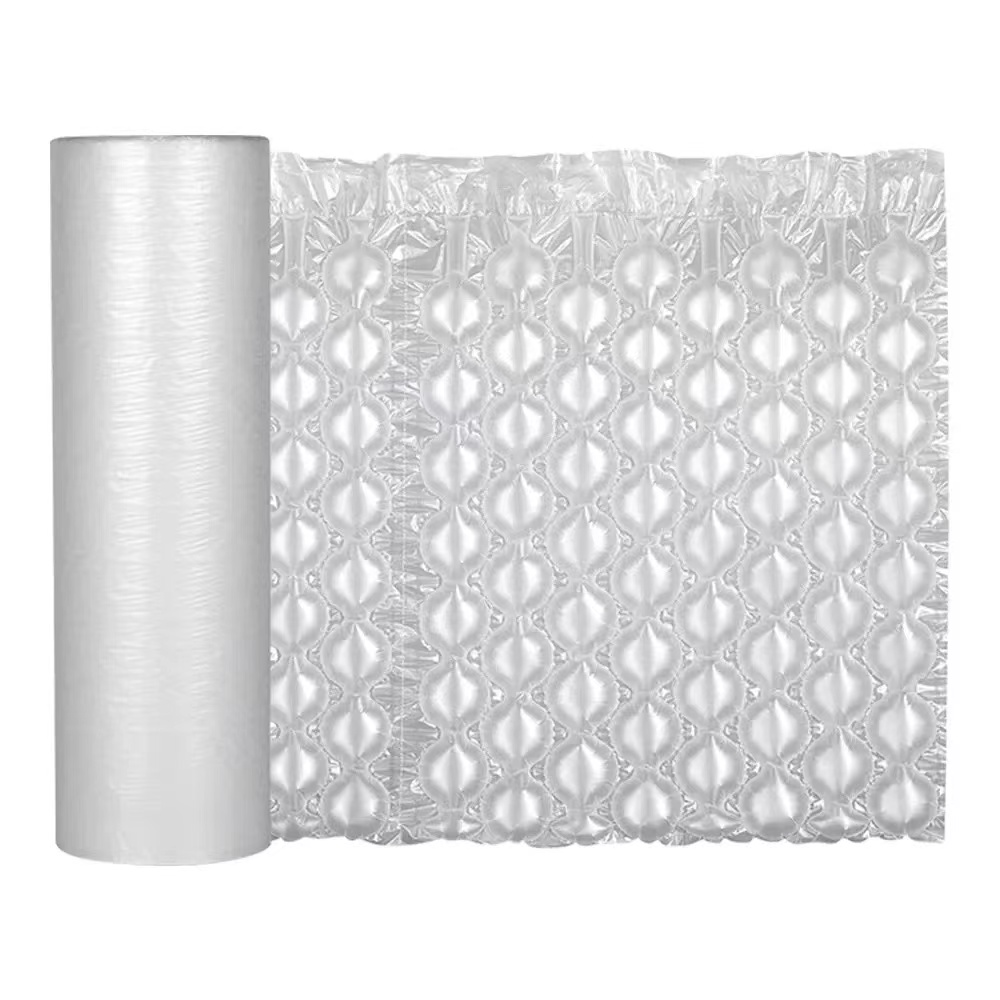
If you are shipping wine, spirits, toner cartridges, or laptops, the absolute best material to use instead of bubble wrap for packing is the Air Column Bag. These bags arrive at your facility completely flat, taking up roughly 5% of the space of traditional bubble wrap. When an order is placed, the packer uses a simple air compressor to inflate the bag. The genius of the air column bag lies in its one-way valve technology. Each vertical column acts as an independent air chamber. If a sharp object pierces one column during transit, the remaining columns stay fully inflated, keeping the product perfectly suspended and safe from catastrophic impact.
Air Column Wrap for Awkward Dimensions
For products that do not fit into a standard bag, determining what to use instead of bubble wrap for packing can be challenging. We highly recommend utilizing Air Column Wrap. This functions similarly to traditional wrapping but utilizes heavy-duty, independent air cylinders. You can cut the wrap to the exact length required to encapsulate large, awkwardly shaped industrial components or artwork. It provides a level of crush resistance that thin bubble wrap simply cannot physically achieve.
Mastering Void Fill Operations
Protecting the item is only half the battle; preventing the item from shifting inside the master carton is equally critical. If you are currently crumpling up yards of bubble wrap to fill empty box space, you are burning through your packaging budget at an alarming rate.
When sourcing what to use instead of bubble wrap for packing for void fill, the undisputed industry standard is Air Pillow Film. Air pillows are manufactured on-demand via a desktop machine that inflates and seals the film as needed. A single small roll of uninflated air pillow film can produce the equivalent volume of a massive truckload of packing peanuts or bubble wrap. They provide excellent “block and brace” capabilities, ensuring that your products remain immobilized in the center of the corrugated carton throughout the brutal sorting processes of modern courier networks.
Sustainable Choices to Use Instead of Bubble Wrap for Packing
Consumer sentiment has shifted aggressively toward environmental responsibility. Unboxing a product buried in single-use, non-recyclable plastic is a massive detriment to your brand’s reputation. From our experience, companies that transition to eco-friendly materials see a measurable increase in customer loyalty and positive unboxing reviews.
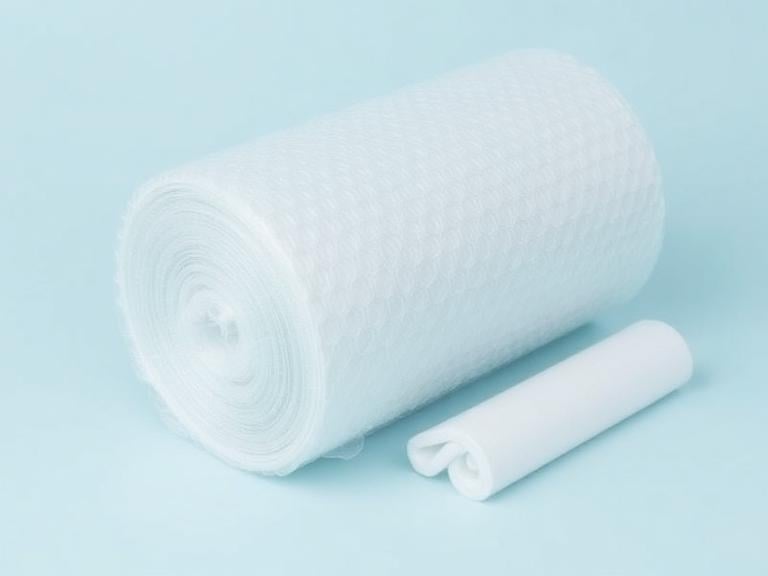
If your corporate mandate requires green logistics, identifying what to use instead of bubble wrap for packing is easier than ever. We proudly recommend integrating Compostable Bubble Wrap into your fulfillment lines. Engineered from plant-based biopolymers, this material offers the exact tactile cushioning of traditional bubble wrap but is designed to break down naturally in a composting environment, leaving zero toxic microplastics behind. It is the ultimate guilt-free solution for brands demanding what to use instead of bubble wrap for packing without sacrificing environmental ethics.
For rigid, structural protection, Corrugated Box & Rigid Boxes paired with corrugated paper wrap offer a 100% recyclable, highly protective alternative. Corrugated paper can be molded around objects to absorb shock and is widely accepted in all municipal recycling streams.
Upgrading the Classic Approach
Sometimes, the speed of fulfillment is the absolute priority. If your pick-and-pack workers are spending excessive time cutting and taping flat wrap, your labor costs will skyrocket. In high-velocity environments, figuring out what to use instead of bubble wrap for packing often leads to pre-formed solutions.
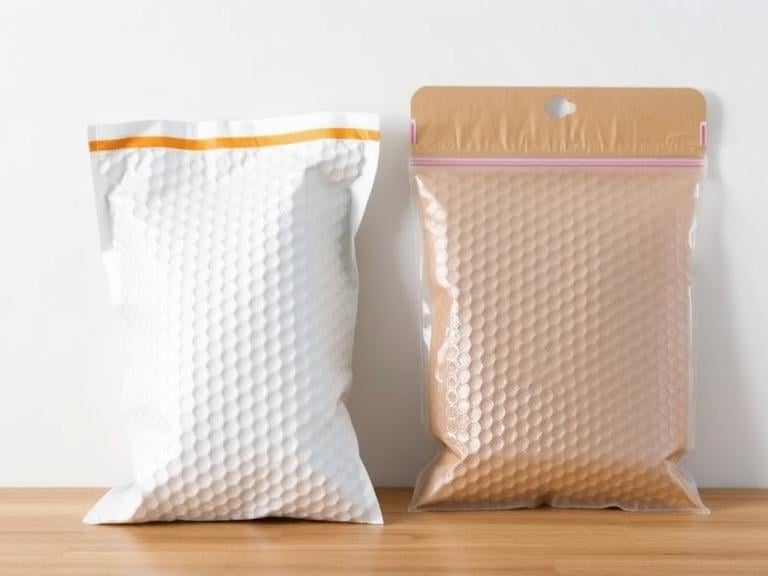
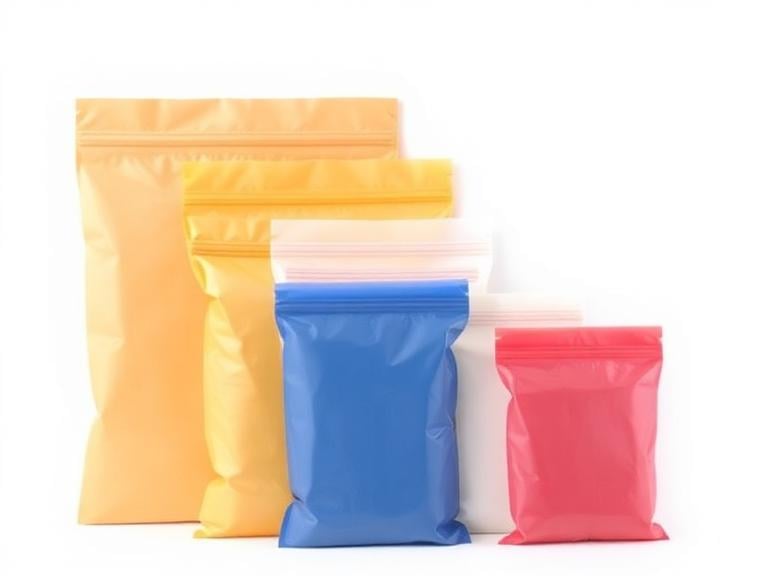
We advise upgrading to specialized Air Bubble Wrap & Pouch systems. While technically utilizing the bubble concept, these engineered pouches feature self-sealing adhesive strips and anti-static properties (vital for shipping bare circuit boards and electronics). The packer simply slides the component into the pouch, removes the adhesive liner, and seals it in seconds. This eliminates the need for scissors and tape, drastically increasing the hourly output of your fulfillment team.
Securing the Alternatives
It is important to remember that no matter what material you use instead of bubble wrap for packing, the outer integrity of the package relies entirely on your sealing method. A heavy-duty air column bag is useless if the bottom of the corrugated box tears open during transit. We mandate the use of high-tensile Packing Tape/BOPP Tape applied via the H-tape method to secure all seams of your shipping cartons, guaranteeing that your carefully selected interior packaging remains intact from warehouse to doorstep.
Choosing what to use instead of bubble wrap for packing is a strategic decision that impacts your freight costs, your damage rates, and your brand perception. By pivoting to on-demand air columns, air pillows, and compostable alternatives, you position your logistics operation for supreme efficiency in 2026 and beyond.
Frequently Asked Questions (FAQs)
What is the most cost-effective material to use instead of bubble wrap for packing?
From our experience, Air Pillow Film is the most cost-effective void fill solution available. Because you are shipping and storing flat rolls of film and inflating them on-demand with ambient air, your freight-in and warehousing costs are reduced by up to 90% compared to pre-inflated materials.
Are air column bags better than bubble wrap for fragile items?
Yes, definitively. We recommend air column bags over standard wrap for anything fragile. The independent air chambers in a column bag provide rigid, structural suspension. If a single column is punctured, the rest remain inflated. Traditional wrap pops easily under pressure and loses its protective capability entirely.
How does dimension weight (DIM) pricing affect what to use instead of bubble wrap for packing?
Couriers like UPS and FedEx charge based on the size of the box, not just the dead weight. Because traditional bubble wrap requires multiple thick layers to protect an item, you are forced to use a larger box, which incurs heavy DIM weight penalties. Utilizing thin, highly efficient air columns or custom rigid boxes allows you to use a smaller master carton, saving significant capital on every shipment.
Is compostable packaging as strong as plastic?
Modern compostable bubble wraps are engineered with advanced biopolymers that closely mimic the tensile strength and air retention of traditional low-density polyethylene (LDPE). When deciding what to use instead of bubble wrap for packing, compostable options provide excellent moderate protection with the massive added benefit of zero landfill guilt.
Authoritative References
To ensure our logistics insights are grounded in verified data and environmental standards, we rely on the following authoritative institutions and industry publications. We highly recommend reviewing these resources when auditing your supply chain packaging materials:
- Environmental Protection Agency (EPA) – Official governmental data on the generation, recycling, and disposal of containers and packaging waste.
- ASTM International – The globally recognized leader in developing testing standards for packaging materials, including drop testing and crush resistance protocols.
- National Institute of Standards and Technology (NIST) – Federal authority providing critical measurements and standards for advanced manufacturing and material sciences.
- Packaging Digest – A premier niche publication delivering expert analysis on packaging engineering, machinery, and global supply chain trends.
- Supply Chain Dive – In-depth journalism covering the logistical shifts, freight costing, and sustainability mandates affecting modern fulfillment centers.