When preparing furniture for domestic moving, international shipping, or long-term storage, selecting the right protective materials is a critical decision that cannot be overlooked. As industry specialists at Mailong Packaging, established in 2009, we operate as a reputed manufacturer and exporter of a wide range of world-class quality packaging materials. Our products have been exported to oversea markets in more than 30 countries. From our experience, identifying exactly what types of bubble wrap are best for furniture is the ultimate factor in preventing collision damage, attrition, and static accumulation during the logistics transportation cycle.
Furniture pieces represent significant financial investment and possess complex material surfaces. Polished wood, delicate glass panels, genuine leather, and soft upholstered fabrics each interact differently with plastics and cushioning matrices. Relying on generic, single-layer wrapping strategies will routinely lead to surface abrasion, trapped humidity, or severe structural denting under heavy transit loads. This guide analyzes different cushioning technologies to determine what types of bubble wrap are best for furniture preservation.
Table of Contents
- 1. The Physics of Furniture Cushioning in Transit
- 2. The Core Types of Bubble Wrap Analyzed
- 3. Matching Furniture Materials to the Right Protective Wrap
- 4. Incorporating Advanced Foam and Barrier Layers
- 5. Step-by-Step Professional Packing Protocol
- 6. Summary Table: Furniture Cushioning Matrix
- 7. Frequently Asked Questions (FAQs)
- 8. Authoritative References
1. The Physics of Furniture Cushioning in Transit
The logistics environment subjects cargo to continuous multi-axis vibrations, sudden shocks from road imperfections, and shifting pressure loads inside freight containers. To mitigate these forces, protective packaging must absorb and redistribute kinetic energy. Air pockets encapsulated within polyethylene film act as local compression springs, reducing blunt impact forces before they reach the substrate of the furniture.
From our experience, answering what types of bubble wrap are best for furniture requires calculating load weights and surface vulnerability. Heavy structural elements like solid oak table edges exert highly concentrated forces, meaning they will instantly crush small air bubbles. Conversely, broad, smooth surfaces such as conference tabletops require a layout that resists lateral friction or attrition. We recommend a multi-layered approach combining specific bubble profiles with specialized technical foams to secure high-value furniture shipments.
2. The Core Types of Bubble Wrap Analyzed
To identify the best configuration for your application, it is essential to understand the technical performance differences among the standard types of air cushioning films available on the market.
Large Bubble Wrap (1/2 Inch Bubble Height)
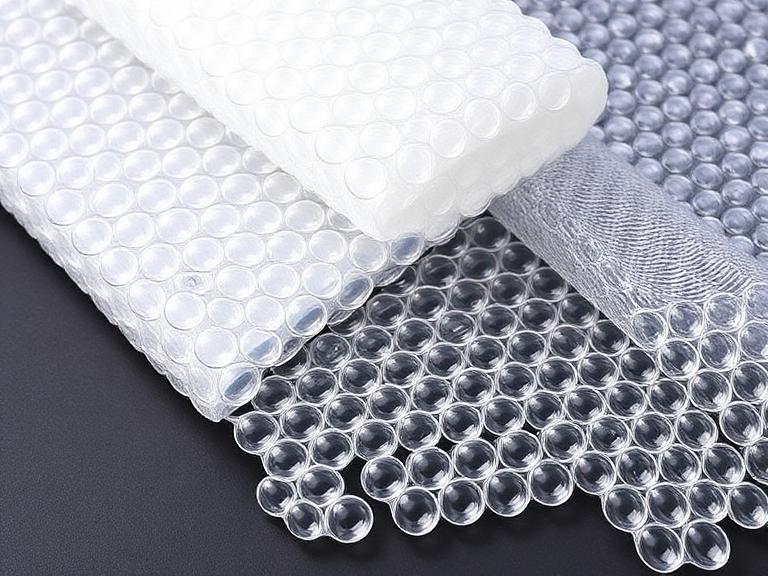
Large bubble wrap features large air chambers that provide deep cushioning. This thickness allows the material to absorb heavy impact forces, making it the primary defense line for outer structural wrapping. When considering what types of bubble wrap are best for furniture frames, bulky sofas, and heavy wooden armoires, large bubble configurations are the top choice for preventing structural dings and heavy impact dents.
Small Bubble Wrap (3/16 Inch Bubble Height)
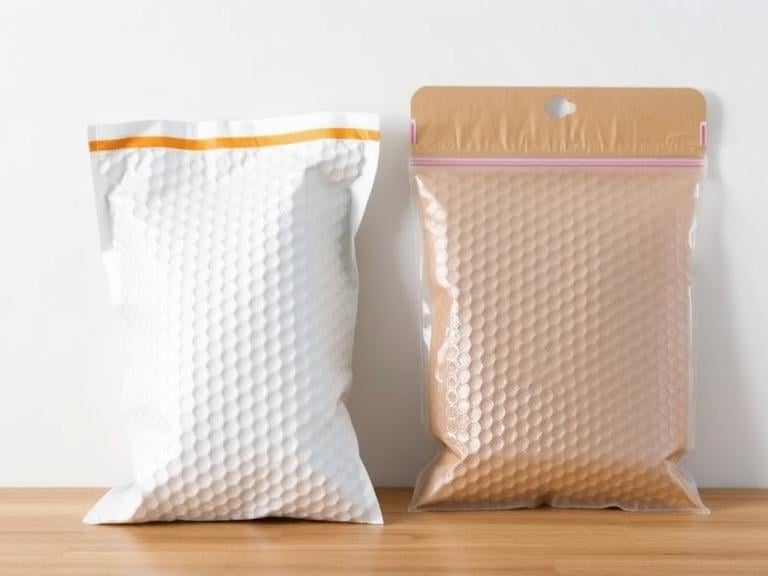
Small bubble wrap uses dense patterns of low-profile air bubbles. While it lacks the impact absorption required for heavy structural shielding, it offers exceptional flexibility and surface conformity. We recommend utilizing our specialized Air Bubble Wrap & Pouch products for individual loose fixtures, metallic table legs, and small disassembled hardware components to prevent surface-to-surface scratching.
Heavy-Duty Inflatable Bubble Wrap
For high-volume distribution or industrial logistics, conventional pre-inflated bubbles can occupy a massive warehouse footprint. Our advanced Inflatable Bubble Wrap solutions are shipped completely flat and inflated immediately prior to packing. Constructed from high-density polyethylene blends, these films provide rigid, high-pressure air containment that resists popping under prolonged vertical stacking pressure, making them ideal for heavy commercial furniture freight.
3. Matching Furniture Materials to the Right Protective Wrap
Applying plastic film directly to raw or sensitive furniture surfaces can introduce unintended mechanical or cosmetic failures. Knowing what types of bubble wrap are best for furniture requires analyzing the exact surface composition of each piece.
Polished Wood and Antiques
Natural woods are porous materials that continuously interact with ambient temperature and humidity. Wrapping polished or varnished wood directly in standard non-breathable plastic film can cause a chemical reaction known as “sweating.” When trapped condensation heats up inside a cargo container, the plastic can fuse with or leave permanent bubble imprints on the fine wood varnish. For these applications, we recommend applying a non-abrasive, breathable foam base layer before wrapping the exterior with large bubble wrap for structural impact resistance.
Glass Tops, Glass Cabinets, and Mirrors
Glass structures are highly rigid and vulnerable to localized pressure shocks. The types of bubble wrap are best for furniture that contains glass panels include double-sided large bubble wrap and multi-chamber air column configurations. The deep air gaps absorb structural flexing within the delivery vehicle, keeping the glass plane isolated from blunt trauma. Extra reinforcement must be applied to the corners, as glass fractures usually originate from edge impacts.
Leather and Delicate Upholstery
Genuine leather requires breathability to preserve its natural oils and textures. Tightly wrapping leather in standard plastic wrap can cause moisture retention, leading to irreversible mildew growth and mold damage. We recommend wrapping all upholstered and leather items in clean moving blankets or technical polyurethane foams first, using thick outer layers of bubble film exclusively to shield corners and feet from tearing.
4. Incorporating Advanced Foam and Barrier Layers
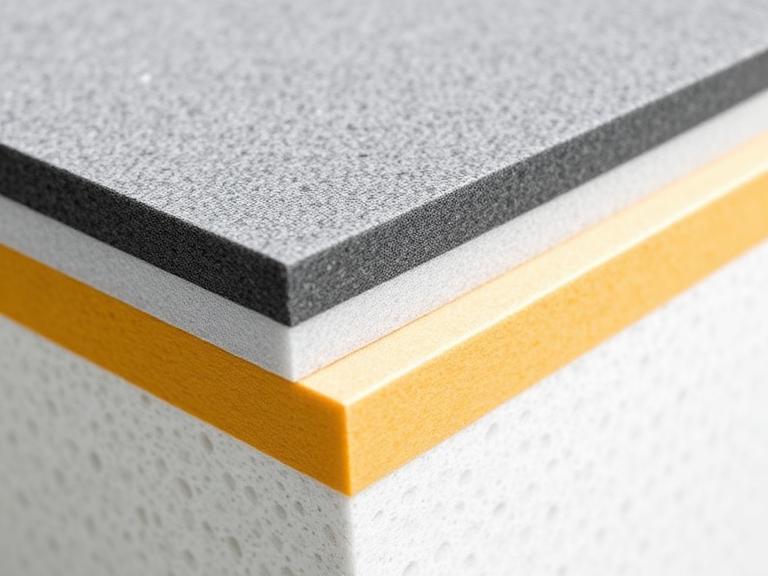
For sensitive surfaces, we manufacture premium EPE FOAM (Expanded Polyethylene) and custom EVA FOAM (Ethylene-Vinyl Acetate) sheets. EPE foam features a micro-cellular structure that is non-abrasive and acts as an excellent surface-protecting base layer under heavy bubble films. For high-end luxury furniture lines, our specialized Flexible PU FOAM provides deep, body-conforming structural support that keeps heavy furniture completely isolated from the base of moving crates or pallets.
For smaller items or hardware component kits included with flat-pack or modular furniture, utilizing a heavy-duty Bubble Mailer prevents internal parts from shifting, scratching panels, or punching holes through the outer corrugated shipping containers during transit.
5. Step-by-Step Professional Packing Protocol
To maximize the technical performance of your materials, we recommend implementing the following step-by-step packaging routine used by global logistics firms:
- Step 1: Deep Surface Cleaning. Thoroughly clean and dry all surfaces before wrapping. Trapped dust, wood shavings, or sand particles can act as coarse abrasives when compressed under tight plastic wrapping, scratching the finish during transit.
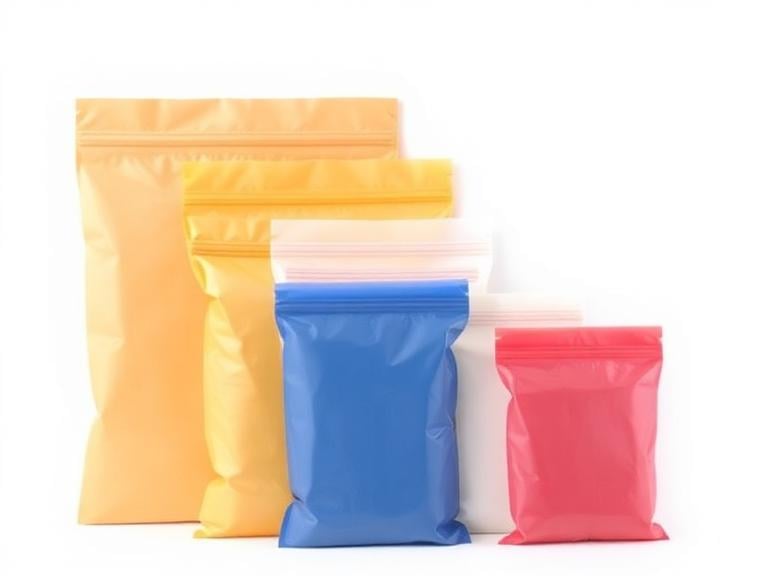
- Step 2: Component Disassembly. Remove table legs, glass shelves, drawer handles, and ornamental moldings whenever possible. Wrap these delicate individual components separately in protective air pouches to prevent collision attrition against the main chassis.
- Step 3: Base Surface Shielding. Apply a base layer of EPE foam or clean moving blankets to the wood, glass, or leather to prevent direct plastic contact, ensuring breathability and eliminating the risk of plastic print transfer.
- Step 4: Proper Bubble Orientation. When rolling out the bubble wrap, ensure the raised bubbles face inward toward the wrapped object, while the flat, smooth side of the film faces outward. This configuration ensures the air cells compress directly against the base layer to absorb shock, while the smooth exterior resists tearing and snagging.
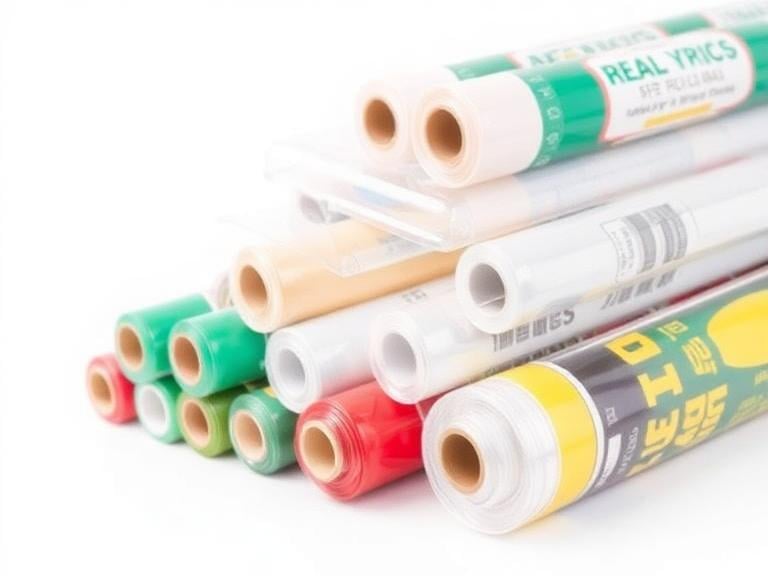
- Step 5: Edge and Corner Reinforcement. Apply extra layers of thick bubble wrap or heavy-duty air columns around sharp corners and feet. Secure the protective envelope using high-tensile stretch wrap and BOPP tape, making sure that adhesive tape never touches the actual furniture surfaces.
6. Summary Table: Furniture Cushioning Matrix
| Furniture Composition | Recommended Base Layer | Optimal Bubble Configuration | Logistics Purpose |
|---|---|---|---|
| Fine Varnished Wood / Antiques | Micro-cellular EPE Foam | Large Bubble Wrap (1/2″ Height) | Eliminates sweating and varnish damage; blocks structural blunt impact. |
| Tempered Glass / Large Mirrors | Flexible PU Foam Lining | Inflatable Air Columns or Heavy-Duty Bubble | Absorbs heavy vibrations and high-energy torsional shocks. |
| Genuine Leather / Luxury Fabrics | Breathable Fabric Blankets | Large Bubble Wrap (Outer Ring Only) | Maintains essential material breathability; prevents corner punctures and moisture. |
| Assembled Corner Frames / Feet | Heavy EVA Foam Blockers | Inflatable Polyethylene Sheets | Reinforces maximum load points against dropping and friction damage. |
7. Frequently Asked Questions (FAQs)
8. Authoritative References
- International Safe Transit Association (ISTA). “Standardized Testing Protocols for Industrial Transit Packaging Performance.” ista.org
- American Society for Testing and Materials (ASTM). “ASTM D3951 – Standard Practice for Commercial Packaging Quality Metrics.” astm.org
- Smithsonian Architectural Conservation Institutes. “Preservation and Climate-Control Packaging Standards for Historical Artifacts and Fine Wood Furnishings.”
Ultimately, selecting the appropriate tools and understanding what types of bubble wrap are best for furniture preservation is a mandatory requirement for executing damage-free transit. By combining high-irradiance cushioning wraps with protective, non-abrasive foam underlays, you shield your inventory from collision damage, attrition, and environmental strain. Explore Mailong Packaging’s complete suite of high-performance materials and integrate structural integrity into your global logistics pipeline today.