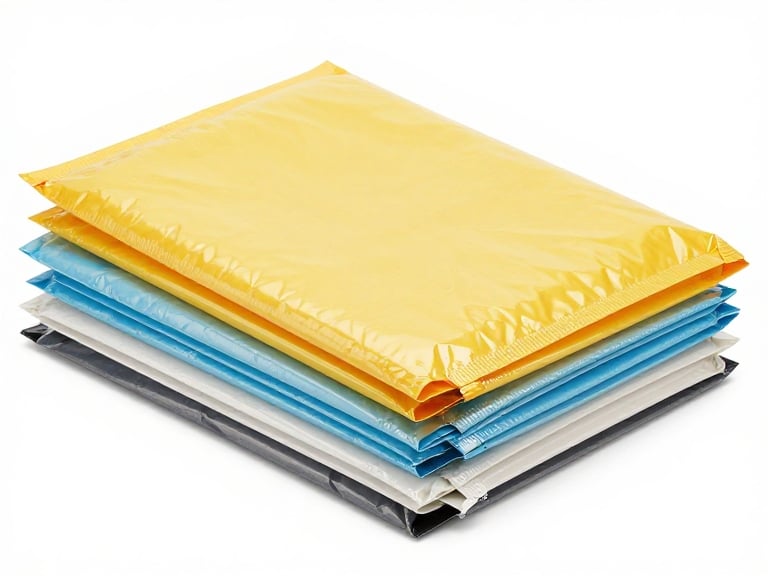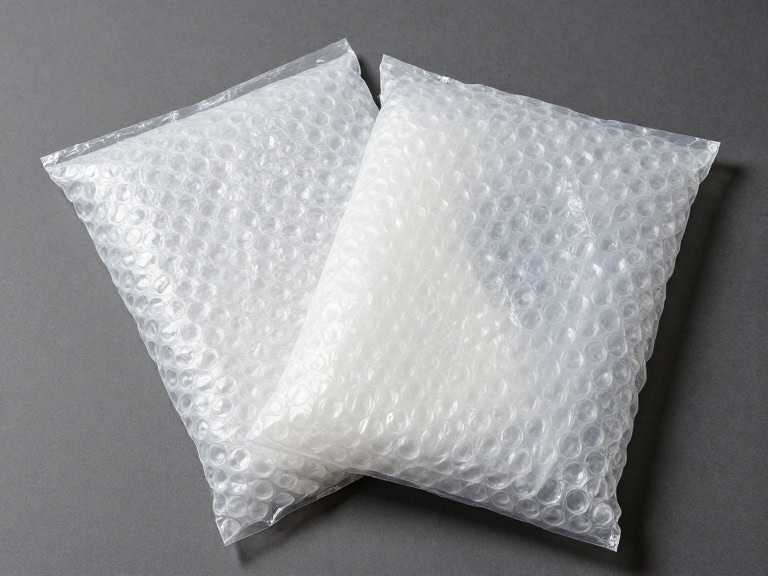
Protective packaging materials are the invisible insurance policy behind modern logistics. Whether you ship electronics, furniture, cosmetics, automotive parts, medical devices, or e-commerce orders, choosing the right protective packaging material often determines whether products arrive intact or become expensive returns.
From our experience working with global packaging buyers, the biggest mistake companies make is focusing only on packaging cost instead of total shipping loss cost. A package that saves a few cents but increases damage claims is rarely a good business decision.
Quick Answer
Protective packaging materials are materials specifically designed to absorb shock, prevent vibration, resist compression, reduce abrasion, and protect products from environmental hazards during storage and transportation.
- What it is: Materials that protect products from physical and environmental damage.
- How it works: Creates cushioning, void filling, impact absorption, surface protection, and load stabilization.
- Benefits: Lower damage rates, better customer satisfaction, reduced returns.
- Limitations: Some materials increase shipping volume and storage requirements.
- Who should use it: E-commerce sellers, manufacturers, distributors, exporters, and logistics companies.
- Who does not need it: Businesses shipping highly durable products with minimal transport risk.
- Common mistakes: Choosing packaging solely by price, ignoring product fragility, and overpacking.
- Buying considerations: Product weight, fragility, shipping distance, sustainability goals, and automation compatibility.
- Expert recommendation: Match the protection level to actual transportation risks rather than using a one-size-fits-all approach.
Table of Contents
Quick Summary Table
| Material | Protection Level | Best Use |
|---|---|---|
| Bubble Wrap | High | Fragile products |
| Air Pillows | Medium | Void filling |
| Air Column Bags | Very High | Electronics, bottles |
| EPE Foam | High | Industrial products |
| EVA Foam | Very High | Precision equipment |
| Corrugated Boxes | Medium-High | General shipping |
| Paper Cushioning | Medium | Sustainable packaging |
| Honeycomb Paper | High | Eco protection |
| Poly Mailers | Low-Medium | Soft goods |
| Stretch Film | Load Protection | Pallet stabilization |
What Are Protective Packaging Materials?
Protective packaging materials are designed to minimize transportation damage caused by drops, impacts, vibration, compression, moisture, and handling errors.
In most professional situations, packaging engineers combine multiple protective packaging materials instead of relying on a single solution. For example, a fragile ceramic product may use corrugated cardboard, air column protection, and outer stretch wrapping simultaneously.
If you are evaluating alternatives, our article on Bubble Wrap Alternatives explains how modern businesses reduce shipping damage while improving sustainability.
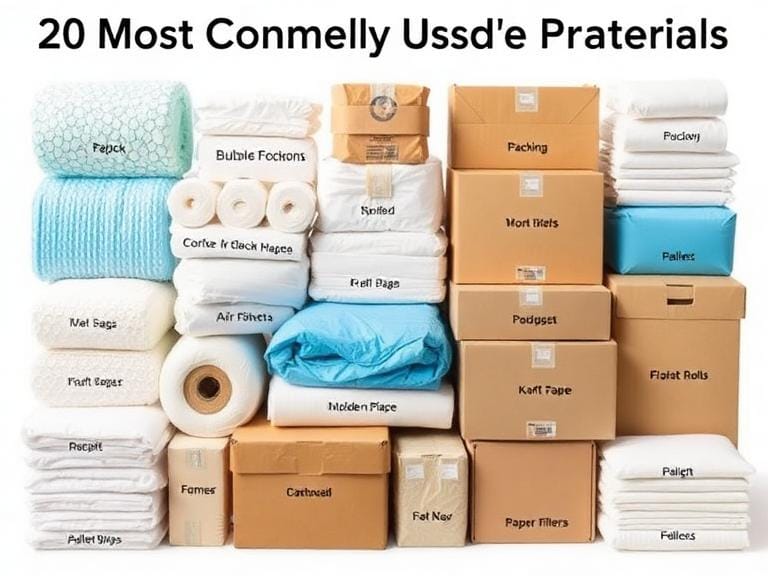
20 Most Commonly Used Protective Packaging Materials
1. Bubble Wrap
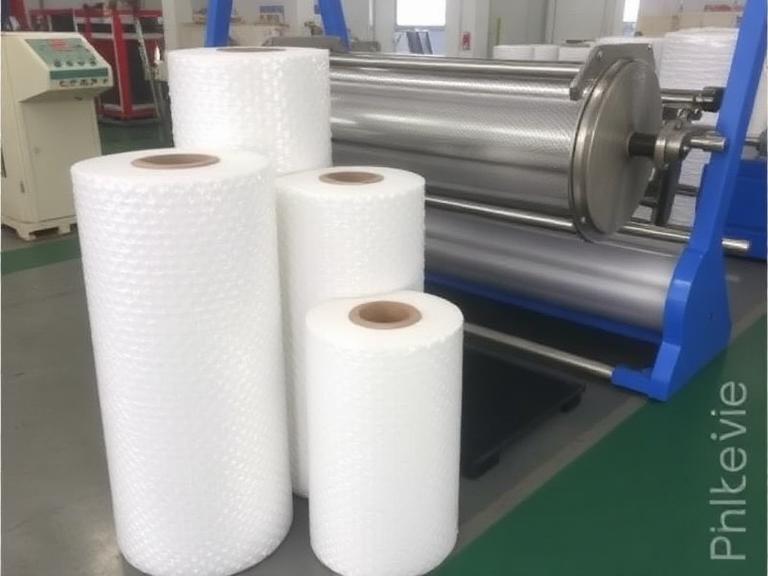
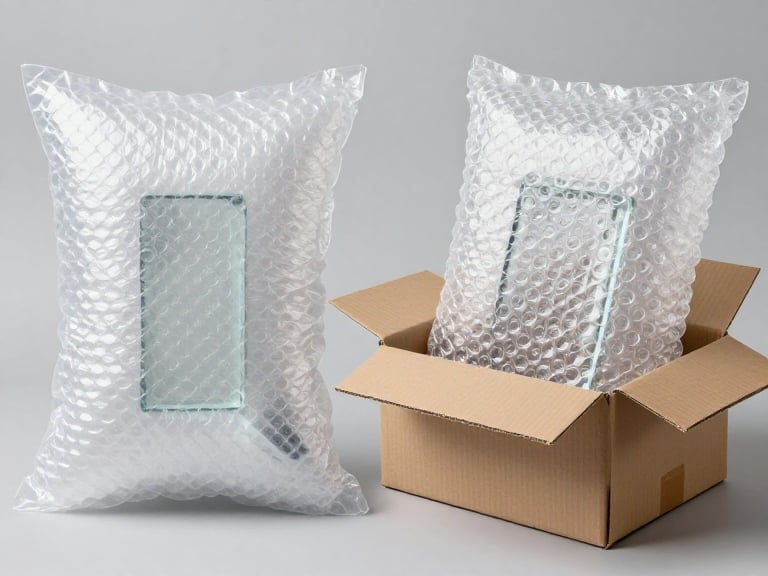
Bubble wrap remains one of the most widely used protective packaging materials because it provides excellent cushioning at a relatively low cost.
Businesses looking for high-performance solutions often choose Types of Bubble Wrap optimized for different product categories.
2. Inflatable Bubble Wrap
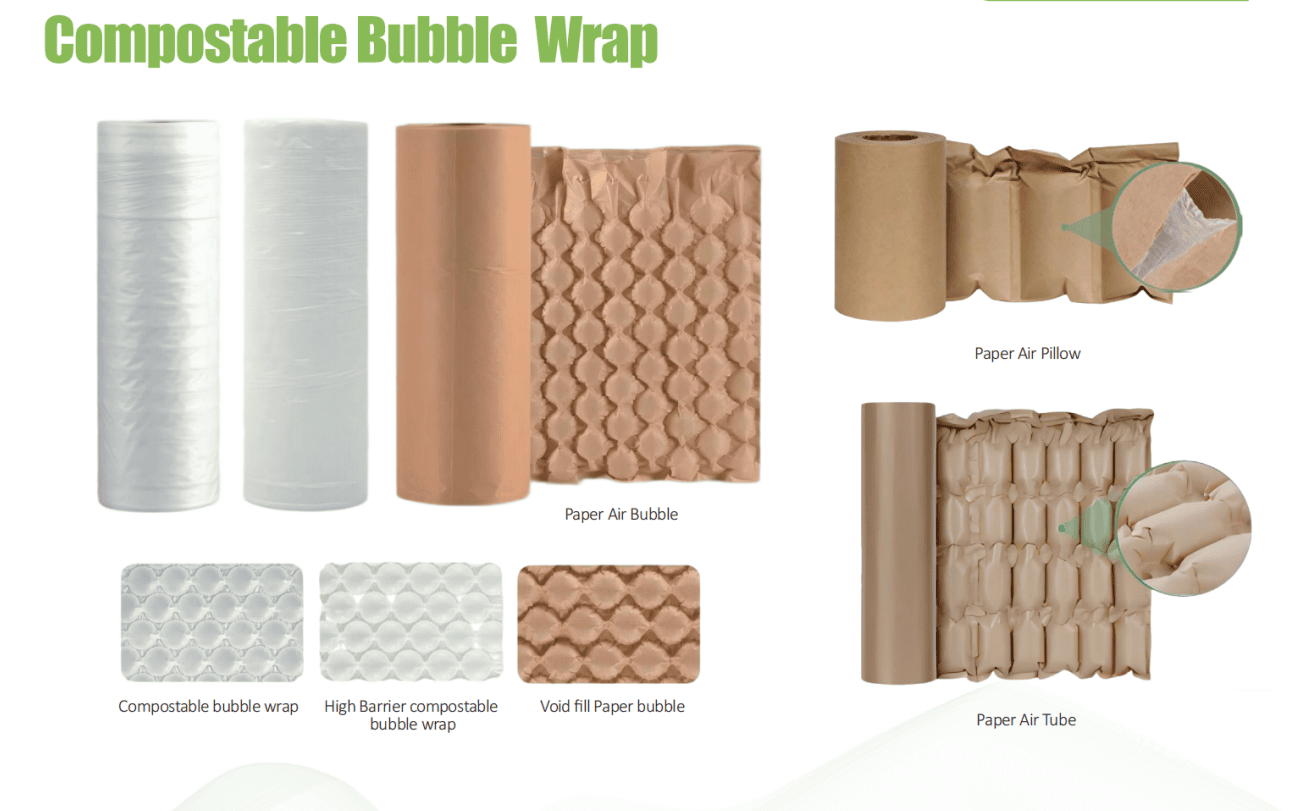
Inflatable bubble wrap delivers excellent cushioning while dramatically reducing storage space before inflation.
See Inflatable Bubble Wrap applications for modern e-commerce fulfillment centers.
3. Air Pillows
Air pillows are primarily used for void filling inside shipping cartons. They prevent product movement during transit.
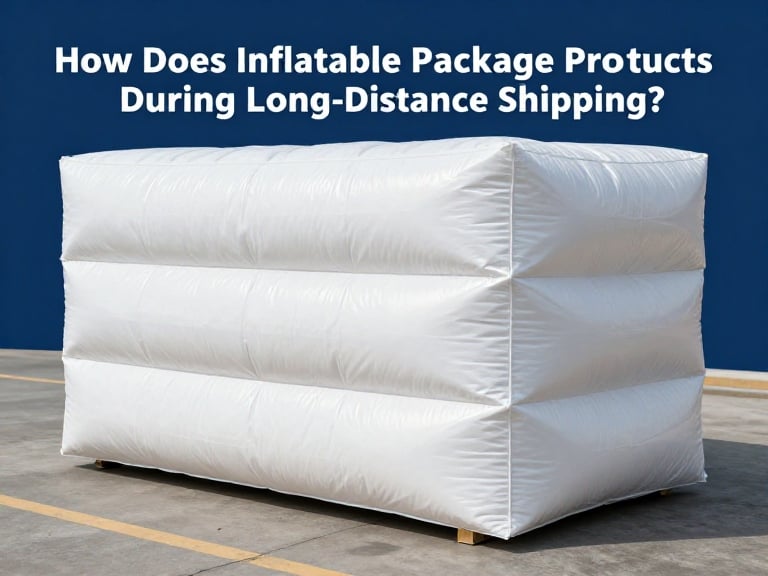
4. Air Column Bags
For fragile products such as electronics, wine bottles, and cosmetics, air column packaging is among the most effective protective packaging materials available today.
We recommend reviewing Air Column Wrap for Ceramics if breakage reduction is a priority.
5. EPE Foam
EPE foam offers lightweight shock absorption and excellent customization capabilities.
Many manufacturers rely on EPE Foam Applications for furniture, electronics, and industrial machinery.
6. EVA Foam
EVA foam provides higher density and durability than EPE foam. It is commonly used for premium equipment protection.
For heavy-duty applications, EVA Foam remains one of the best choices.
7. Corrugated Boxes
Corrugated cardboard is the backbone of global shipping. Different flute structures provide varying compression strength levels.
8. Honeycomb Paper
Honeycomb paper is increasingly replacing plastic cushioning in environmentally conscious packaging programs.
9. Kraft Paper Cushioning
Paper cushioning systems create recyclable shock-absorbing structures for medium-fragility products.
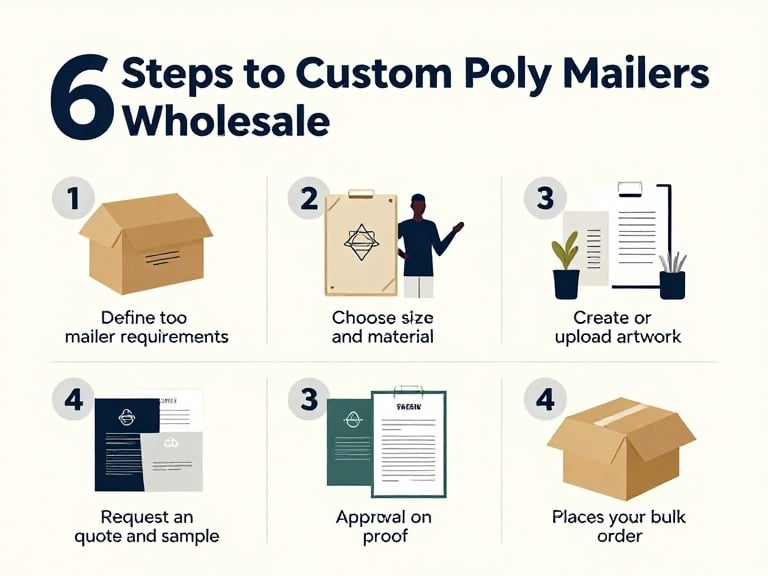
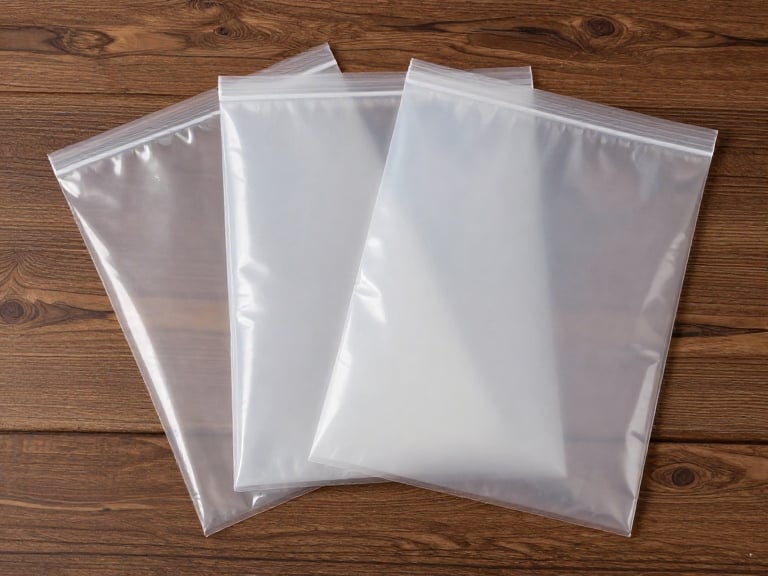
10. Poly Mailers
Poly mailers are ideal for apparel and soft products.
Businesses shipping clothing should consider Poly Mailer solutions for lightweight protection.
11. Bubble Mailers
Bubble mailers combine cushioning and shipping convenience for small products.
12. Foam Inserts
Custom foam inserts securely position products and prevent internal movement.
13. Molded Pulp Packaging
Made from recycled paper fibers, molded pulp offers sustainable cushioning for consumer goods.
14. Anti-Static Bubble Bags
Electronic products require electrostatic discharge protection.
Read about Anti Static Bubble Bags when shipping sensitive electronics.
15. Stretch Film
Stretch wrap stabilizes palletized loads and prevents shifting during transportation.
16. Packing Peanuts
Packing peanuts remain useful for irregular-shaped products despite sustainability concerns.
17. Foam Corner Protectors
Frequently used in furniture, glass panels, and framed artwork shipping.
18. Protective Paper Wrap
Provides scratch protection for delicate surfaces.
19. Custom Bubble Wrap Bags
Custom-designed bubble bags increase packing speed and consistency.
See how Custom Bubble Wrap Bags improve operational efficiency.
20. Eco-Friendly Shipping Packaging Systems
Sustainability is becoming a major factor when selecting protective packaging materials.
Modern brands increasingly invest in Eco Shipping Packaging programs to meet environmental goals.
Protective Packaging Materials Comparison Table
| Material | Cushioning | Sustainability | Cost | Best Application |
|---|---|---|---|---|
| Bubble Wrap | High | Medium | Low | General fragile goods |
| Air Column Bags | Very High | Medium | Medium | Electronics, glass |
| EPE Foam | High | Medium | Medium | Industrial products |
| EVA Foam | Very High | Medium | High | Precision equipment |
| Honeycomb Paper | Medium | High | Medium | Eco-conscious brands |
| Molded Pulp | Medium | High | Medium | Consumer goods |
Pros and Cons of Modern Protective Packaging Materials
| Pros | Cons |
|---|---|
| Reduces shipping damage | Can increase packaging cost |
| Improves customer satisfaction | Some materials require storage space |
| Protects brand reputation | Overpackaging can raise shipping fees |
| Lowers return rates | Improper selection wastes money |
| Supports international shipping | Some materials have recycling challenges |
Buying Guide: How to Choose Protective Packaging Materials
| Factor | Recommendation |
|---|---|
| Fragility | Choose air column bags, foam, or bubble wrap |
| Weight | Use higher-density materials for heavy products |
| Shipping Distance | Increase protection for international shipments |
| Automation | Select machine-compatible materials |
| Sustainability Goals | Consider paper-based alternatives |
| Budget | Evaluate total damage reduction, not unit cost |
From our experience, the cheapest protective packaging materials rarely produce the lowest total logistics cost. Damage claims, customer complaints, and product replacements quickly exceed packaging savings.
Businesses selling online should also review E Commerce Packaging Solution options designed for modern fulfillment operations.
Common Mistakes When Choosing Protective Packaging Materials
Choosing by Price Alone
The lowest-cost material often results in the highest replacement costs.
Ignoring Product Characteristics
Fragile ceramics and electronics require completely different protection strategies.
Using One Packaging System for Every Product
Different SKUs require different protective packaging materials.
Neglecting Quality Control
Even excellent materials fail when packaging procedures are inconsistent.
Companies should implement strong Packaging Quality Control systems to ensure repeatable results.
Expert Recommendation
As a packaging manufacturer serving international markets since 2009, Mailong Packaging has seen a significant shift toward inflatable protection systems, sustainable paper alternatives, and customized protective solutions.
For beginners, bubble wrap and corrugated cartons remain practical starting points.
For commercial users shipping fragile products, air column packaging and engineered foam systems deliver superior protection.
For heavy-duty applications involving industrial equipment, EVA foam, custom inserts, and reinforced corrugated structures provide the best balance of protection and cost control.
In our testing and customer feedback analysis, air column packaging consistently achieves some of the lowest breakage rates while maintaining operational efficiency.
Bottom Line
Protective packaging materials are not simply shipping supplies—they are risk management tools. The best choice depends on product fragility, shipping conditions, customer expectations, and sustainability goals.
If you need maximum protection, air column bags, EVA foam, and engineered cushioning systems are typically worth the investment. If sustainability is your priority, honeycomb paper and molded pulp are increasingly attractive alternatives.
The most successful businesses evaluate packaging based on total delivered cost, not packaging cost alone.
Frequently Asked Questions
What is the most commonly used protective packaging material?
Bubble wrap remains one of the most widely used protective packaging materials worldwide due to its versatility and affordability.
What is the best protective packaging material for fragile products?
Air column bags, EVA foam, and custom foam inserts typically provide the highest level of protection.
Are paper-based protective packaging materials effective?
Yes. Honeycomb paper and molded pulp can provide excellent protection for many consumer products while improving sustainability.
Which packaging material is best for electronics?
Anti-static bubble bags combined with cushioning materials are commonly recommended.
How can I reduce shipping damage?
Match the packaging material to product fragility, eliminate empty space, and perform transit testing before large-scale deployment.
Are eco-friendly packaging materials more expensive?
Not always. Costs have become increasingly competitive as demand and production volumes have grown.