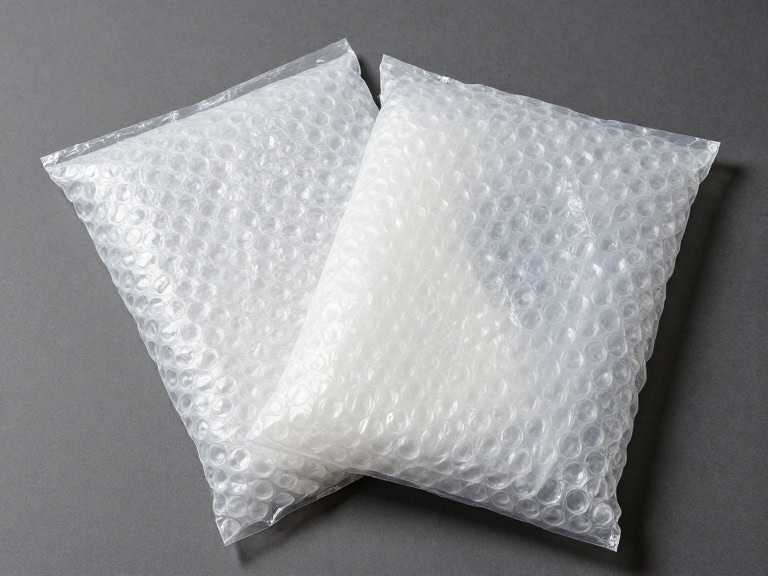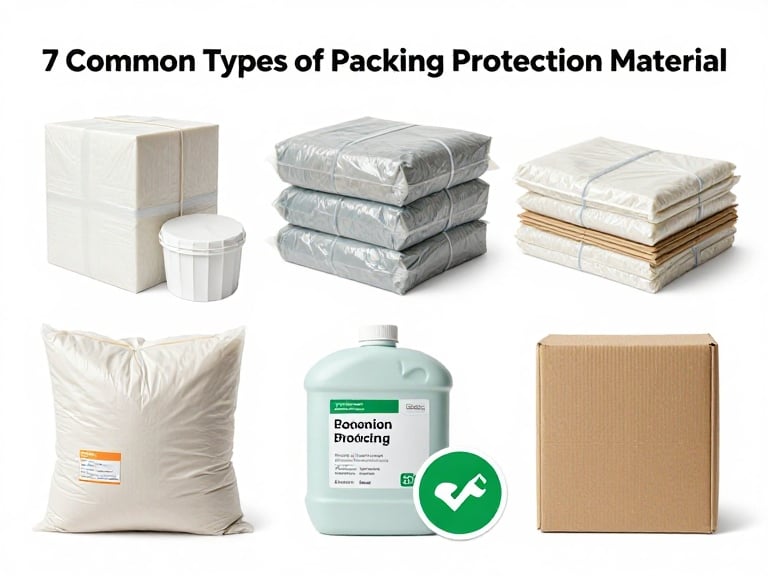
The landscape of protective packaging procurement in 2026 is unforgiving. If you are blindly signing purchase orders without understanding the underlying petroleum and resin indexes that dictate the Bubble Wrap wholesale price, you are bleeding capital. Supply chain directors and e-commerce managers often treat void fill as an afterthought, purchasing generic rolls from third-party distributors at egregious markups. This is a severe commercial misstep. In high-volume logistics, the cost of the packaging material directly impacts your bottom-line profitability.
From our experience navigating the turbulent global packaging market, securing a competitive Bubble Wrap wholesale price requires a deep understanding of extrusion technology, film gauge (thickness), and shipping logistics. You must differentiate between localized brokers selling overpriced air and direct manufacturers delivering engineered barrier films. In this comprehensive guide, we dissect the 2026 market realities, explain exactly what drives the cost of these materials, and provide actionable procurement strategies to ensure your warehouse is operating at peak financial efficiency.
Quick Answer: Current Market Averages
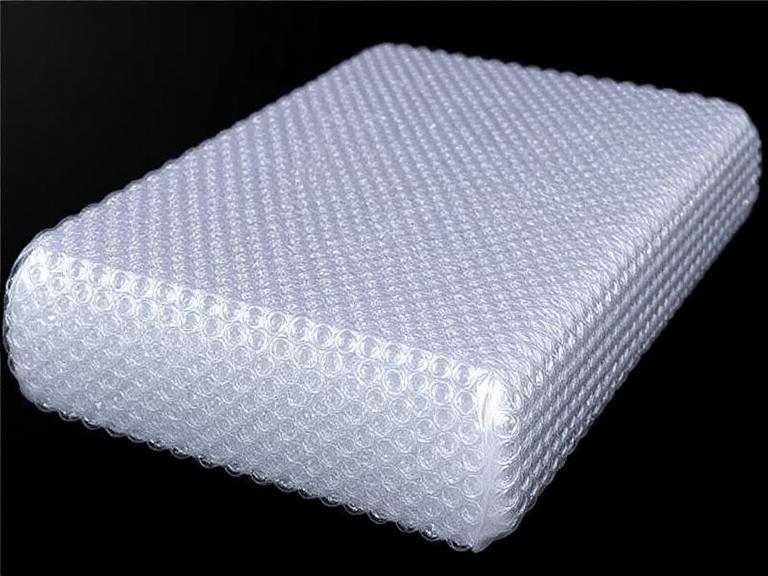
In 2026, the global Bubble Wrap wholesale price ranges from $15.00 to $45.00 per industrial roll (typically measuring 1/2-inch bubble height, 24 inches wide, and 250 feet long) when purchased by the pallet directly from a manufacturer. This translates to roughly $0.05 to $0.15 per square meter depending on the polyethylene resin blend, film thickness (microns), and the inclusion of a nylon barrier layer. In most professional situations, we recommend negotiating contracts based on the weight of the film rather than the length of the roll to prevent suppliers from down-gauging the plastic to artificially lower the apparent price.
Table of Contents
- What It Is: Industrial Grade vs. Retail
- How It Works: The Extrusion Process
- Commercial Benefits of Buying Wholesale
- Limitations and Freight Realities
- Who Should Use It
- Who Does Not Need It
- Common Procurement Mistakes
- Critical Buying Considerations
- Expert Recommendation
- Essential Comparison & Buying Tables
- The Bottom Line
- Frequently Asked Questions (FAQs)
What It Is: Industrial Grade vs. Retail
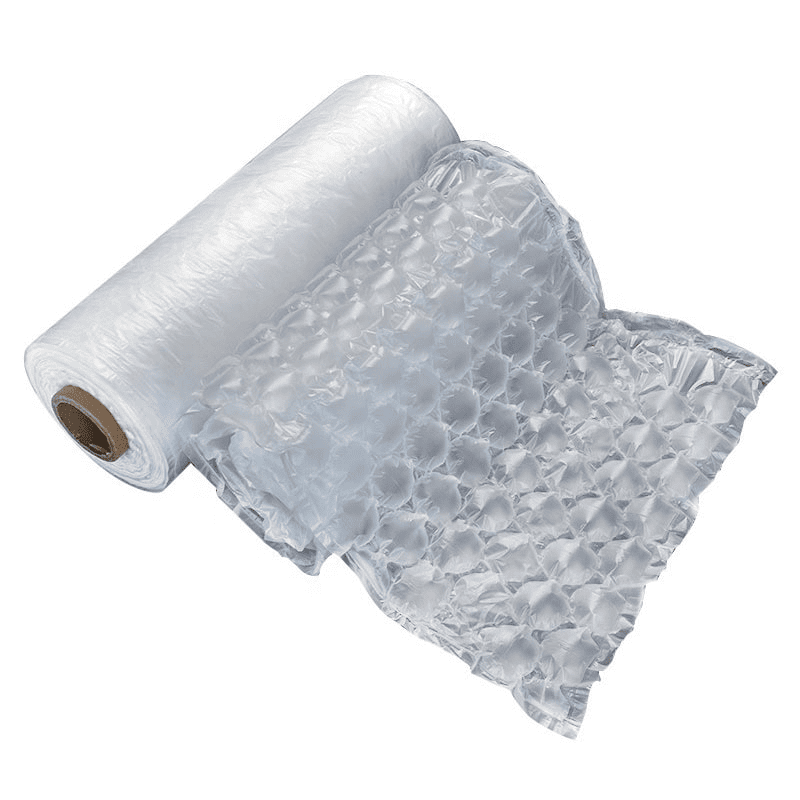
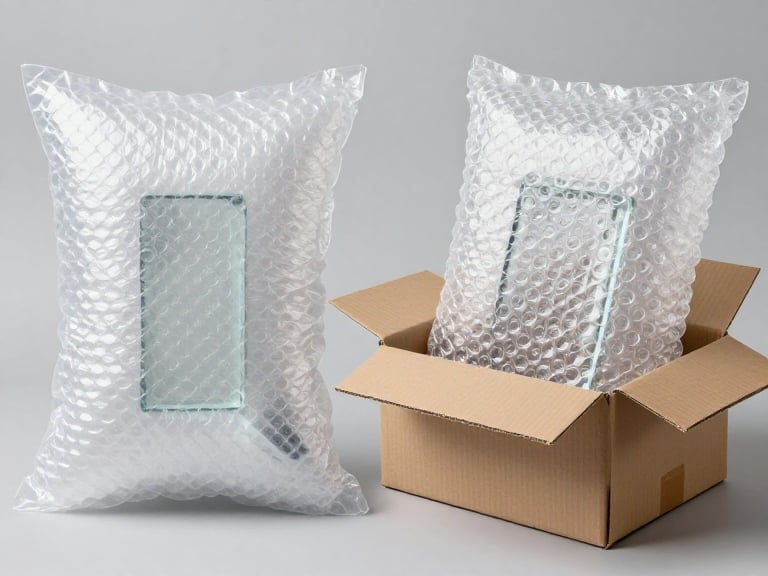
When analyzing the Bubble Wrap wholesale price, you must first define the product. Industrial-grade protective wrap is fundamentally different from the generic rolls sold at big-box retail stores. Commercial variants are co-extruded. This means they are manufactured using multiple layers of linear low-density polyethylene (LLDPE) combined with a central nylon barrier. This barrier prevents the trapped air from slowly leaking out over time, ensuring the material remains inflated during long-haul transoceanic shipping.
Sourcing high-quality Bubble Wrap Rolls is critical for fulfillment centers that pre-pack inventory months in advance. A lower Bubble Wrap wholesale price often indicates the absence of this nylon barrier, resulting in a product that will deflate under the weight of stacked pallets within a few weeks, leading to catastrophic product damage.
How It Works: The Extrusion Process
The manufacturing physics dictate the final Bubble Wrap wholesale price. The process begins with melting raw LLDPE resin pellets at temperatures exceeding 400 degrees Fahrenheit. The molten plastic is extruded into two distinct flat films. One film is pulled over a vacuum-forming cylinder studded with hemispherical holes. The vacuum pulls the hot plastic into the holes, creating the bubbles. Instantly, the second flat film is laminated over the top, sealing the air inside the hemispheres.
Because the raw material is tied to global crude oil indexes, the Bubble Wrap wholesale price fluctuates with the energy sector. For manufacturers requiring high impact resistance, heavy-duty variations or alternatives like EPE Foam are integrated into the packaging lines, offering rigid surface protection where air-filled bladders might fail.
Commercial Benefits of Buying Wholesale
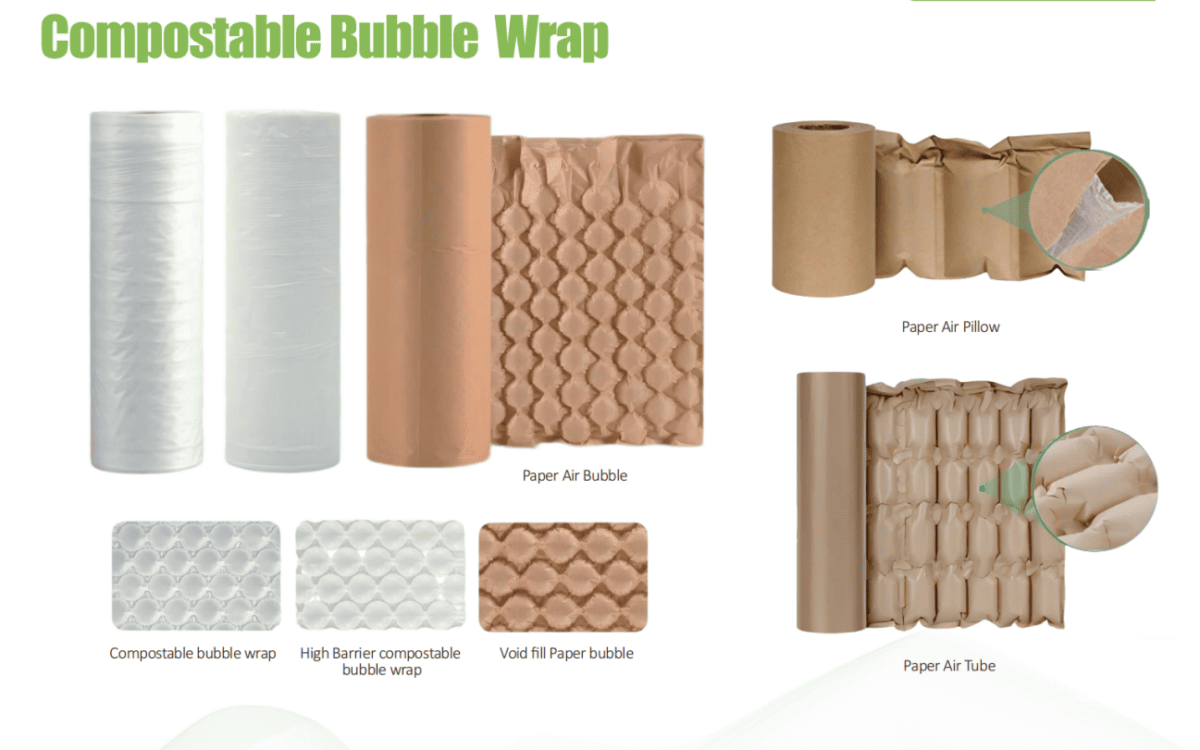
The primary benefit of securing a factory-direct Bubble Wrap wholesale price is margin preservation. By eliminating the middleman, fulfillment centers can reduce their cost-per-pack by up to 60%. Furthermore, partnering directly with elite Protective Packaging Companies guarantees a consistent supply chain. When you buy in bulk (full truckloads or shipping containers), you can demand custom slitting and perforation intervals. Instead of paying warehouse staff to manually cut material, pre-perforated rolls allow packers to tear off exact lengths instantly, drastically increasing throughput speed.
Limitations and Freight Realities
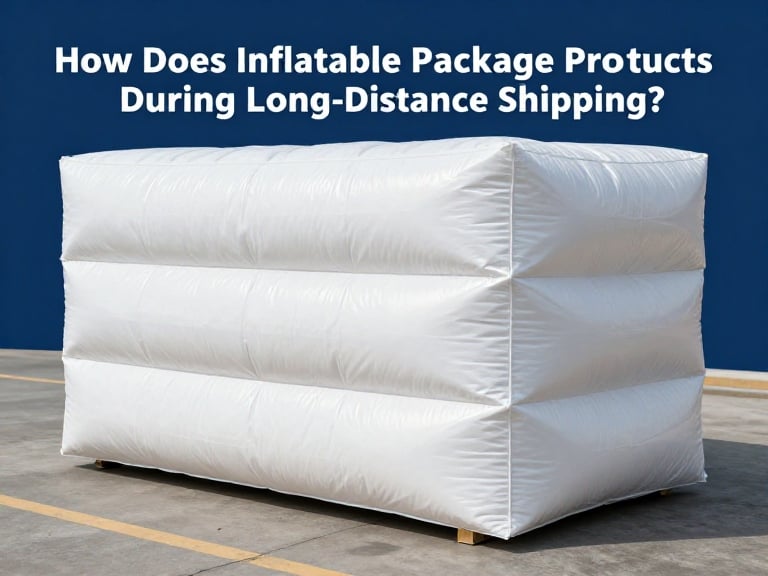
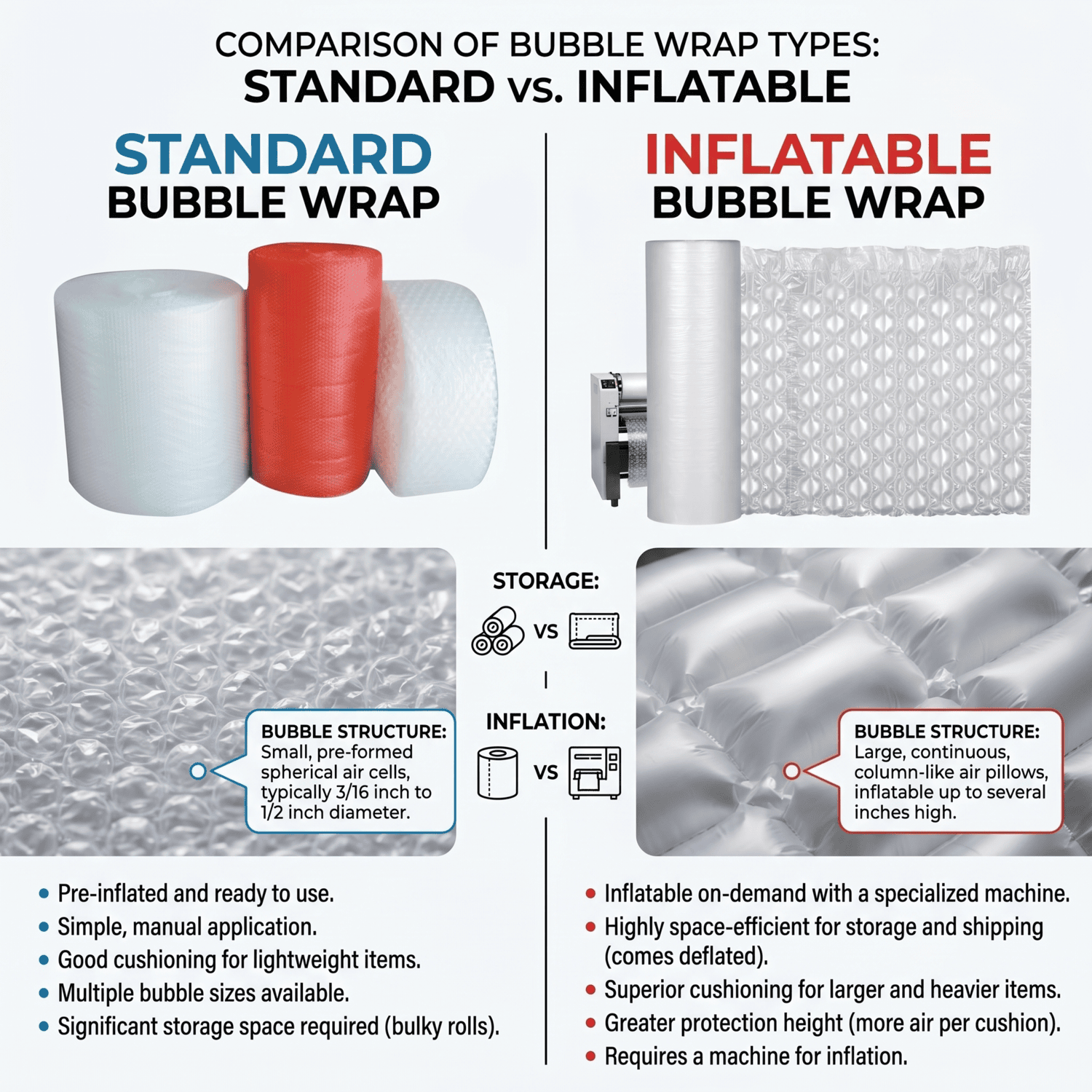
The stark limitation of this material is volumetric weight. You are essentially paying to ship trapped air. If you import pre-inflated rolls internationally, the freight costs will eclipse the actual material costs. A standard 40-foot shipping container holds very little actual plastic weight when filled with inflated rolls. This is why the localized Bubble Wrap wholesale price is heavily dependent on how close your facility is to the extrusion plant.
For cross-border operations, an Alternative to Bubble Wrap—such as un-inflated air column rolls that are inflated on-site via an air compressor—provides a significantly lower landed cost by eliminating volumetric freight penalties.
Who Should Use It
For commercial users: Third-Party Logistics (3PL) providers, electronics manufacturers, and automotive parts distributors must utilize this material. Any operation shipping fragile, high-value, or asymmetrical goods requires the shock-absorption and void-fill properties of barrier-grade air cells. Securing a low Bubble Wrap wholesale price is mandatory for maintaining competitive shipping and handling fees.
Who Does Not Need It
Operations shipping soft goods, apparel, or books do not need to incur the cost or storage footprint of air-filled packaging. In these scenarios, utilizing Poly Mailer Bags for Clothes is a far more intelligent commercial decision, as it provides necessary weatherproofing without the unnecessary bulk of impact protection.
Common Procurement Mistakes
In our testing and procurement audits, the most common mistake buyers make is the “Length Illusion.” Disreputable suppliers will offer an incredibly low Bubble Wrap wholesale price for a 500-foot roll. However, they achieve this by down-gauging the film thickness from an industry-standard 1.5 mils to a paper-thin 0.9 mils. The roll is long, but the material is so weak that bubbles pop upon normal handling, forcing packers to use three times as much material to achieve the same protection. You must purchase based on film gauge and total roll weight.
Critical Buying Considerations
When negotiating your 2026 contracts, corporate sustainability mandates must be factored into your purchasing matrix. Many jurisdictions now penalize the use of virgin plastics. You must inquire about the availability of Eco Friendly Bubble Wrap. These rolls are manufactured with a percentage of post-consumer recycled (PCR) resin or include biodegradable additives. While the Bubble Wrap wholesale price for eco-variants may carry a 5-10% premium, it ensures compliance with evolving environmental legislation.
Additionally, review your entire packaging ecosystem. A supplier that can bundle your air-filled void fill with Corrugated Cardboard Rolls and reliable Packing Tape BOPP Tape will provide superior aggregate volume discounts, streamlining your vendor management.
Expert Recommendation
We recommend abandoning localized brokers who add massive markups. To secure the optimal Bubble Wrap wholesale price, you must partner directly with a manufacturer that possesses immense extrusion capacity and a proven export record. Mailong Packaging Co., Ltd., established in 2009, is a reputed manufacturer and exporter of a wide range of world-class quality packaging materials. Exporting to over 30 countries, Mailong provides the technological infrastructure required to deliver barrier-grade, highly durable protective packaging at an aggressive price point, preventing collision damage, attrition, and static during complex logistics transportation.
Essential Comparison & Buying Tables
| Bubble Size | Typical Application | Average Wholesale Price (Per Industrial Roll) |
|---|---|---|
| Small (3/16″) | Surface protection, electronics, light void fill | $15.00 – $25.00 |
| Medium (5/16″) | General purpose, mid-weight items | $20.00 – $30.00 |
| Large (1/2″) | Heavy impact protection, large void fill | $30.00 – $45.00 |
| Feature | Non-Barrier Film (Standard) | Co-Extruded Barrier Film |
|---|---|---|
| Air Retention | Deflates over 2-4 weeks. | Holds air for 6-12 months. |
| Puncture Resistance | Low to Moderate. | High (due to nylon core). |
| Price Point | Lowest initial Bubble Wrap wholesale price. | Slight premium (10-15% higher). |
| Best For | Immediate shipping, short transit times. | Long-term storage, international freight. |
| Pros (Advantages) | Cons (Disadvantages) |
|---|---|
| Lowest possible cost-per-unit. | Requires massive storage footprint in warehouse. |
| Customizable perforation and slitting widths. | High Minimum Order Quantities (MOQ). |
| Guaranteed film gauge and quality control. | Freight costs can be high if shipping fully inflated rolls. |
| Consistent supply during peak holiday seasons. | Requires accurate demand forecasting to avoid stockouts. |
| Specification | What to Request | Why It Matters |
|---|---|---|
| Perforation | Slit every 12 inches. | Eliminates the need for knives on the packing line, speeding up fulfillment. |
| Anti-Static Properties | Pink Anti-Static (Pink Poly). | Mandatory for shipping circuit boards and sensitive electronics to prevent electrostatic discharge. |
| Roll Width | 48″ master roll slit into four 12″ rolls. | Maximizes pallet space and provides highly manageable rolls for packing stations. |
The Bottom Line
The Bubble Wrap wholesale price is not a static figure; it is a calculation based on raw resin costs, barrier technology, and extrusion thickness. For commercial users moving significant freight, settling for generic, non-barrier films is a fast track to product damage and compressed margins. We strongly recommend auditing your current void-fill expenditures. By transitioning to a direct manufacturer like Mailong Packaging, demanding barrier-grade films, and negotiating based on film weight rather than length, you secure the structural integrity of your shipments and optimize your operational budget for 2026 and beyond.
Frequently Asked Questions (FAQs)
Why does the Bubble Wrap wholesale price fluctuate so much?
The primary raw material used in manufacturing this protective packaging is Linear Low-Density Polyethylene (LLDPE), which is a derivative of petroleum. When global crude oil prices rise or fall, the cost of raw plastic resins shifts accordingly. Additionally, supply chain disruptions in the chemical sector directly impact the wholesale cost.
What is the difference between 3/16″ and 1/2″ bubble sizes?
The measurements refer to the height of the air cell. The 3/16″ (small) bubbles are ideal for wrapping intricate, lightweight items and preventing surface scratching. The 1/2″ (large) bubbles provide aggressive shock absorption and are used for heavy items like motors, furniture, or filling large voids inside a master carton to prevent shifting.
Is it cheaper to buy pre-inflated rolls or on-demand air cushions?
In most professional situations involving cross-border or long-distance shipping, on-demand inflatable systems are significantly cheaper. You pay to ship flat rolls of film and use a desktop machine to inflate them at your packing station. This avoids the massive volumetric freight penalties associated with shipping pre-inflated rolls of air.
Authoritative Industry References
- ASTM International: Standards for evaluating the mechanical properties and shock-absorbing characteristics of cellular plastic packaging materials (ASTM D2221). Explore ASTM Packaging Standards
- Plastics Industry Association: Economic reports and data regarding global polyethylene resin pricing, supply chain metrics, and recycling mandates affecting the packaging sector. Review Plastics Industry Data
- Packaging Digest: Leading industry publication providing expert analysis on protective packaging trends, automation, and commercial procurement strategies. Read Packaging Digest Insights
{
“@context”: “https://schema.org”,
“@type”: “FAQPage”,
“mainEntity”: [
{
“@type”: “Question”,
“name”: “Why does the Bubble Wrap wholesale price fluctuate so much?”,
“acceptedAnswer”: {
“@type”: “Answer”,
“text”: “The primary raw material used in manufacturing this protective packaging is Linear Low-Density Polyethylene (LLDPE), which is a derivative of petroleum. When global crude oil prices rise or fall, the cost of raw plastic resins shifts accordingly. Additionally, supply chain disruptions in the chemical sector directly impact the wholesale cost.”
}
},
{
“@type”: “Question”,
“name”: “What is the difference between 3/16\” and 1/2\” bubble sizes?”,
“acceptedAnswer”: {
“@type”: “Answer”,
“text”: “The measurements refer to the height of the air cell. The 3/16\” (small) bubbles are ideal for wrapping intricate, lightweight items and preventing surface scratching. The 1/2\” (large) bubbles provide aggressive shock absorption and are used for heavy items like motors, furniture, or filling large voids inside a master carton to prevent shifting.”
}
},
{
“@type”: “Question”,
“name”: “Is it cheaper to buy pre-inflated rolls or on-demand air cushions?”,
“acceptedAnswer”: {
“@type”: “Answer”,
“text”: “In most professional situations involving cross-border or long-distance shipping, on-demand inflatable systems are significantly cheaper. You pay to ship flat rolls of film and use a desktop machine to inflate them at your packing station. This avoids the massive volumetric freight penalties associated with shipping pre-inflated rolls of air.”
}
}
]
}