Damaged goods during transit are the silent killers of e-commerce and manufacturing profit margins. From our experience, companies spend months refining their products, only to lose millions in returns and damaged brand reputation because they partnered with the wrong Protective foam packaging materials suppliers. Navigating the packaging supply chain is notoriously difficult because the internet is flooded with catalog distributors passing themselves off as primary manufacturers. When you buy from a middleman, you are not just paying a 200% markup; you are sacrificing control over material density, custom fit, and bulk scalability.
In most professional situations, finding a direct factory source that understands international shipping standards and custom fabrication is the only way to protect both your product and your bottom line. In this guide, we bypass the generic advice and evaluate the industry landscape. We will explain exactly who the top players are, how to source effectively, and make a practical commercial judgment on whether specific suppliers are actually worth your investment.
Quick Answer: Who Are the Best Protective Foam Packaging Materials Suppliers?
The right supplier depends entirely on your procurement scale and specific application. If you need highly customized, wholesale, export-ready foam solutions, direct manufacturers like Mailong Packaging provide the highest ROI. If you run a massive enterprise requiring automated onsite foam-in-place machinery, companies like Sealed Air or Pregis lead the market. If you need an emergency box of foam tomorrow regardless of cost, catalog distributors like Uline serve that niche.
We recommend: For commercial users aiming to reduce per-unit packaging costs, stop buying from domestic retail distributors. Partner directly with an OEM packaging factory to access bulk EPE FOAM and PU materials, giving you complete control over dimensional tolerances and material density.
Table of Contents
- What Protective Foam Is & How the Supply Chain Works
- The Top 9 Protective Foam Packaging Materials Suppliers
- Quick Summary Table
- Benefits & Limitations of Sourcing Direct vs. Distributors
- Who Should Use It & Who Does Not Need It
- Common Procurement Mistakes
- Buying Considerations & Expert Recommendation
- Pros vs Cons & Comparison Tables
- The Bottom Line
- Frequently Asked Questions (FAQ)
- Authoritative References
What Protective Foam Is & How the Supply Chain Works
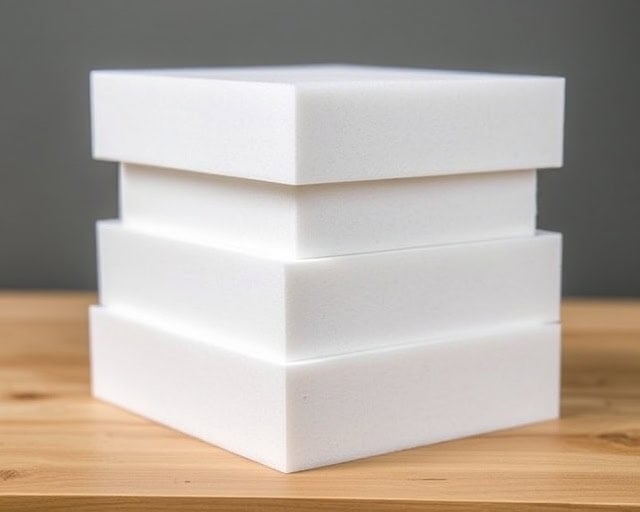
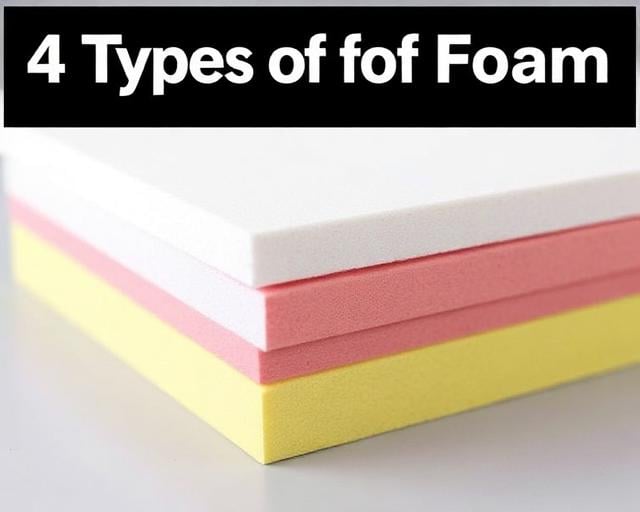
Protective foam packaging absorbs kinetic energy during transit, preventing collision damage, attrition, and static discharge. The market is primarily dominated by Expanded Polyethylene (EPE), Polyurethane (PU), and Ethylene-Vinyl Acetate (EVA). However, understanding the material is only half the battle; understanding the supply chain is where businesses make or lose money.
The supply chain consists of Primary Manufacturers (OEMs) who extrude and cut the foam from raw resin, and Distributors who buy from OEMs, warehouse the products, and resell them. When you purchase standard foam inserts from a local distributor, you are paying for their warehousing overhead, marketing, and profit margin. Engaging directly with global protective foam packaging materials suppliers allows you to order custom-profiled EPE Foam Sheets precisely tailored to your product’s dimensions, entirely eliminating the middleman markup.
The Top 9 Protective Foam Packaging Materials Suppliers
In our testing and daily interactions within the logistics sector, we have audited numerous vendors. Here is our opinionated, professional breakdown of the top nine suppliers, evaluating not just what they sell, but whether they are practically suited for your business model.
1. Mailong Packaging (Best for Direct Wholesale & Custom OEM)
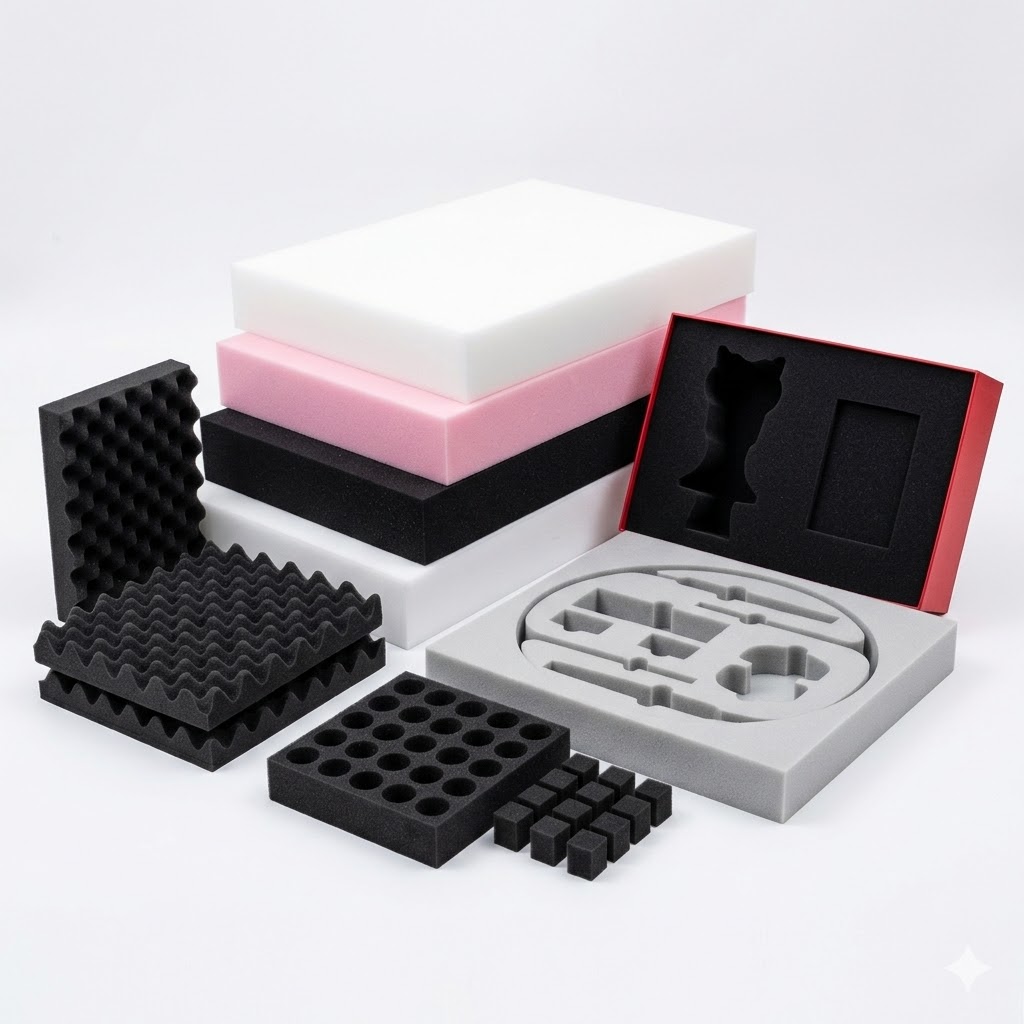
Established in 2009, Mailong Packaging Co., Ltd. is a reputed manufacturer and exporter of world-class quality packaging materials. We are not a distributor; we are the direct source. Specializing in highly protective materials like Flexible PU FOAM, EPE, and EVA foam, we cater to clients needing to prevent collision damage in logistics. Exporting to over 30 countries, Mailong offers comprehensive E Commerce Packaging Solution formats. For businesses looking for custom die-cut foam, tight tolerances, and wholesale pricing without the massive enterprise bloat, Mailong is the optimal choice.
2. Sealed Air Corporation (Best for Enterprise Automation)
Sealed Air is a massive global enterprise best known for inventing Bubble Wrap. They excel in highly engineered, automated foam-in-place systems (like their Instapak line). If you are shipping a low volume of highly variable, extremely expensive items (like server racks), their technology is fantastic. However, the capital expenditure for their machinery and proprietary foam chemicals is incredibly high. We do not recommend them for standard, high-volume e-commerce goods.
3. Pregis (Best for Integrated Systems)
Similar to Sealed Air, Pregis focuses heavily on packaging machinery and on-demand foam systems. They provide excellent analytical tools for drop-testing. Their foam solutions are premium, but again, you are paying for a massive corporate infrastructure. They are excellent for Fortune 500 fulfillment centers, but less practical for mid-market businesses looking for straightforward foam sheets or rolls.
4. Uline (Best for Next-Day Emergencies, Worst for Wholesale)
Uline is the most famous packaging distributor in North America. Their catalog is massive, and their shipping is incredibly fast. However, Uline is not a manufacturer. They buy foam from factories and mark it up heavily. If a forklift crushes your last pallet of foam and you need replacements by tomorrow morning, use Uline. But sourcing your primary, everyday packaging from them is a massive drain on profitability.
5. Storopack (Best for Molded EPS)
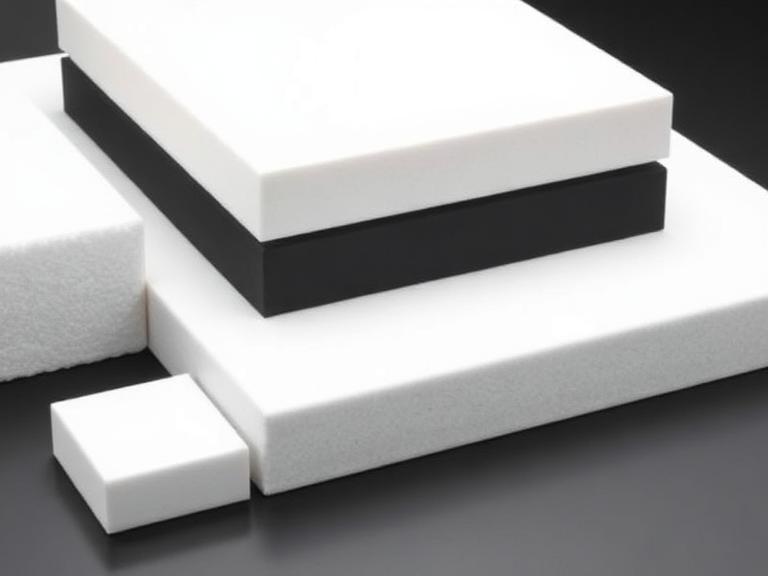
Storopack specializes in customized protective packaging, particularly molded EPS (Expanded Polystyrene – commonly known as Styrofoam). For heavy-duty applications like shipping refrigerators or large appliances, their custom-molded parts are exceptional. However, EPS is brittle and prone to flaking compared to the resilient cushioning of EPE foam, making it less ideal for delicate surface protection.
6. Packaging Corporation of America – PCA (Best for Corrugated/Foam Combos)
PCA is primarily a corrugated box manufacturer, but they operate heavy-duty inner packaging divisions. If you need a combined solution of heavy-wall corrugated boxes with pre-glued foam end-caps, they do excellent work. Their limitation is that they focus heavily on the domestic US market and have very high minimum order quantities for custom engineering.
7. Wisconsin Foam Products (Best for Domestic Niche Customization)
A solid mid-tier domestic fabricator in the USA. They take massive buns of foam from primary pourers and fabricate them into custom shapes. They offer excellent customer service and domestic lead times. However, because their labor and overhead are based in the US, their per-unit pricing on high-volume runs cannot compete with global factory-direct sourcing.
8. Grainger (Best for Industrial MRO)
Grainger is an industrial supply giant. They sell basic foam rolls and sheets alongside tools and safety gear. Much like Uline, they are a distributor, not a manufacturer. You use Grainger when your facility manager needs a few rolls of foam to patch up a localized shipping issue. You do not use Grainger to negotiate a multi-annual contract for custom die-cut foam inserts.
9. Smurfit Kappa (Best for Eco-Transitions)
A European behemoth, Smurfit Kappa is aggressively pushing paper-based alternatives, but they still handle complex multi-material protective packaging. They are ideal if you are a massive European brand looking to transition slowly from foam to paper-based Bubble Wrap Alternatives. Their foam offerings, however, are becoming secondary to their corrugated lines.
Quick Summary Table: Top Suppliers by Capability
| Supplier Name | Core Strength | Supplier Type | Ideal Buyer |
|---|---|---|---|
| Mailong Packaging | High-volume EPE/PU/EVA, custom fabrication, global export | Direct OEM Factory | E-commerce, Electronics, Mid-to-Large Brands |
| Sealed Air | Foam-in-place automation | Enterprise OEM | Low-volume, High-variability shippers |
| Uline | Speed and catalog variety | Distributor | Small businesses, Emergency procurement |
| Storopack | Heavy molded EPS parts | Manufacturer | Appliance & Heavy Industrial |
| Pregis | On-demand machinery systems | Enterprise OEM | Massive fulfillment centers |
Benefits & Limitations of Sourcing Direct vs. Distributors
Making a commercial decision regarding your packaging supply chain requires understanding the trade-offs between cost, speed, and customization.
| Pros of Direct Factory Sourcing (OEM) | Cons of Direct Factory Sourcing |
|---|---|
| Eliminates 50% to 200% distributor markups. | Longer lead times due to ocean freight and production schedules. |
| 100% customization of thickness, density, and die-cut shapes. | Requires Minimum Order Quantities (MOQs). |
| Direct access to material engineers to solve specific transit damage issues. | Requires proactive inventory planning and warehousing space. |
Who Should Use It & Who Does Not Need It
For commercial users: If you are shipping over 5,000 fragile items a month—whether that is consumer electronics, glassware, or precision automotive parts—you must partner directly with protective foam packaging materials suppliers. Custom die-cut EPE foam not only prevents damage but drastically speeds up the packing line, saving on labor costs.
For beginners: If you are a casual seller shipping a dozen items a week out of your garage, you do not need custom factory foam. A distributor or local retail supply store will suffice until your volume scales.
Common Procurement Mistakes
From our experience auditing supply chains, procurement managers consistently make three critical errors when sourcing foam:
- Choosing the Wrong Foam Chemistry: Using rigid EPS (Styrofoam) for delicate electronics is a disaster. EPS transfers shock. For electronics, you need the resilient cushioning of Flexible Polyurethane Foam or EPE to absorb kinetic energy.
- Over-packaging: Buying overly dense foam just to be “safe” drastically increases your dimensional weight (DIM weight) shipping costs. A proper OEM will engineer the exact minimum thickness required to pass standard drop tests.
- Ignoring Static: If you are shipping PCBs or microchips, you cannot use standard foam. You must specify Anti-Static (Pink) EPE or PU foam. Failing to do so can result in invisible static damage to the product during transit.
Buying Considerations & Expert Recommendation
When vetting global protective foam packaging materials suppliers, you must approach the conversation with specific engineering criteria. Use this guide to qualify your vendors.
| Material Type | Characteristics | Best Commercial Use Case |
|---|---|---|
| EPE (Expanded Polyethylene) | Closed-cell, resilient, non-abrasive, highly shatterproof. | For heavy-duty applications, consumer goods, and multi-impact protection. |
| PU (Polyurethane) | Open-cell, highly compressible, excellent shock absorption. | Extremely delicate items, lightweight electronics, server hard drives. |
| EVA (Ethylene-Vinyl Acetate) | Dense, premium feel, rigid but smooth. | Luxury packaging inserts, tool casing, premium presentation boxes. |
| EPS (Styrofoam) | Rigid, brittle, cheap to mold. | Insulation for cold chain, heavy appliances (one-time drop protection). |
Expert Recommendation: We strongly advise migrating away from brittle EPS and moving toward EPE foam. EPE Foam provides superior multi-drop protection, does not flake apart, and offers a much more premium unboxing experience for your end consumer. When selecting a supplier, prioritize those who own their extrusion lines rather than third-party fabricators.
The Bottom Line
You cannot scale a profitable physical product business if your goods are arriving shattered. Finding reliable protective foam packaging materials suppliers is not just about buying a commodity; it is about engineering a defense for your product. Distributors are fine for emergencies, but true commercial efficiency comes from partnering directly with an OEM. Mailong Packaging has spent over 15 years perfecting the extrusion and fabrication of EPE, PU, and EVA foams to prevent collision damage worldwide. Stop paying retail markups, define your exact material needs, and source directly from the factory.