Replacing traditional marine decking is a high-stakes investment. If you make the wrong material choice, you will spend your weekends battling peeling adhesives, scrubbing stubborn fish blood out of porous foam, and watching your expensive deck shrink and crack under intense ultraviolet radiation. Over the past decade, marine carpet and traditional non-skid fiberglass surfaces have been aggressively replaced by synthetic foam decking. However, the market is currently flooded with low-grade import foams that masquerade as marine-grade materials.
From our experience engineering and manufacturing high-density foam products, we know that not all foams are created equal. The chemical composition, cell structure, and adhesive backing determine the survival of your deck in a harsh marine environment. In most professional situations, retrofitting a boat requires specific knowledge of foam density and UV stabilizers to ensure longevity. In this guide, we break down exactly how to evaluate, select, and purchase EVA Foam sheets for Boats, delivering commercial and practical judgment so you can bypass the marketing hype and make an informed buying decision.
Quick Answer: Which EVA Foam Sheets for Boats Should You Buy?
If you are upgrading your marine decking right now, you must select closed-cell EVA Foam sheets for Boats with a minimum density of 120 kg/m3 to 150 kg/m3. Thickness should range from 5mm to 6mm for standard decks, up to 9mm for helm anti-fatigue pads. Crucially, the foam must feature built-in UV inhibitors to prevent chalking and shrinkage, and it absolutely must be backed by a genuine 3M pressure-sensitive adhesive (PSA) like 3M 9775WL or 3M 300LSE. Do not purchase open-cell foam or cheap unbranded alternatives, as they will absorb water, peel, and degrade within a single boating season.
Table of Contents
- What It Is: The Chemistry of Marine Foam
- How It Works on the Water
- The Strategic Benefits
- Limitations to Consider
- Who Should Use It & Who Should Not
- Common Installation Mistakes
- Critical Buying Considerations
- Essential Reference Tables
- Expert Recommendation
- The Bottom Line
- Frequently Asked Questions
- References
What It Is: The Chemistry of Marine Foam
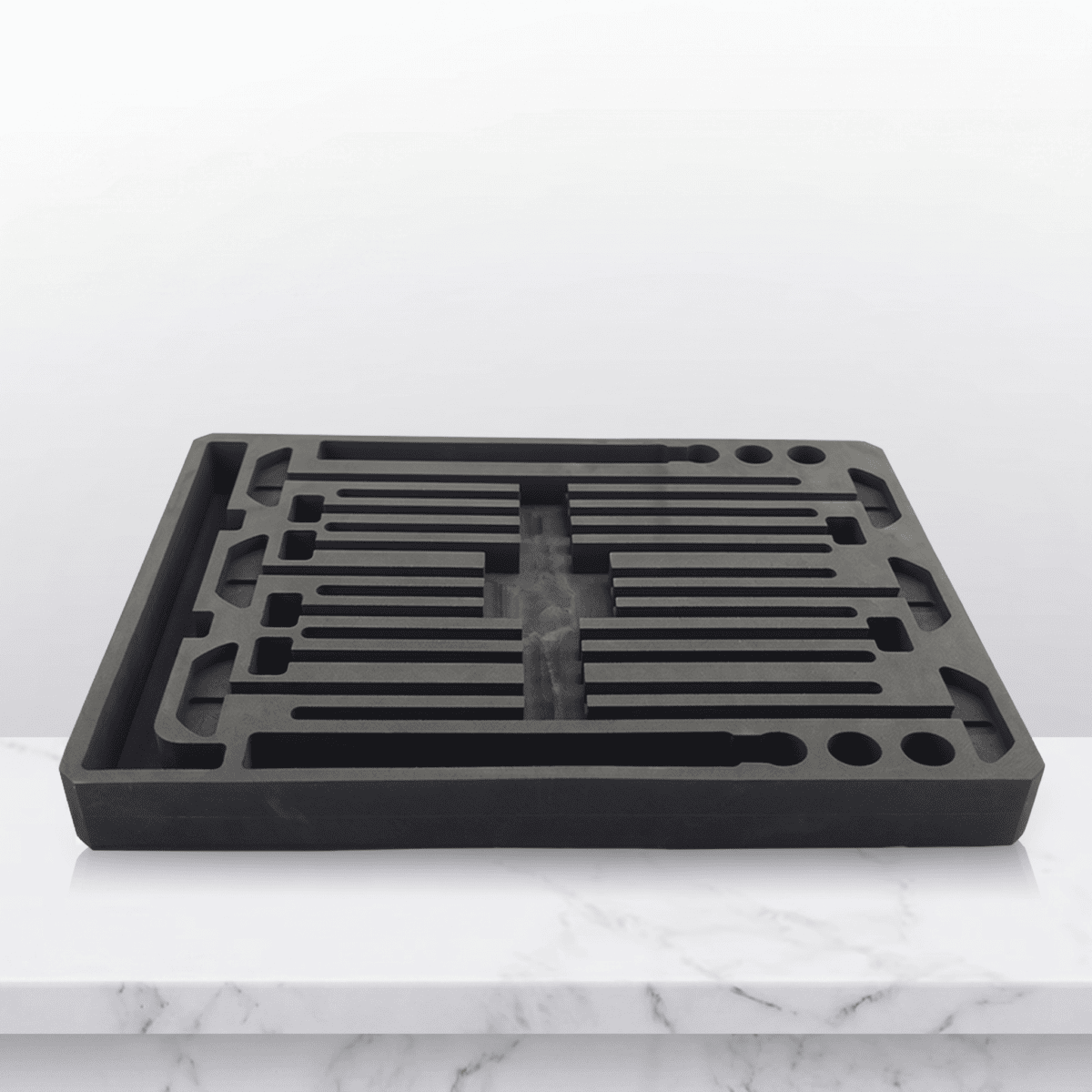
EVA stands for Ethylene-Vinyl Acetate. It is an elastomeric polymer that produces materials which are “rubber-like” in softness and flexibility. In the marine industry, genuine EVA FOAM is formulated with a closed-cell structure. A closed-cell structure means that the individual gas bubbles trapped within the polymer matrix are completely sealed off from one another. This is the most vital characteristic of marine foam, as it makes the material highly buoyant and entirely impermeable to water, oils, and marine chemicals.
Many budget suppliers blend their EVA with cheaper Polyethylene (PE) to cut costs. While a high-quality PE/EVA blend can be acceptable for some applications, a low-grade PE-heavy sheet will be overly stiff, prone to thermal shrinkage, and will lack the cushioning memory required for long days on the water. When examining materials, it is important to understand the hierarchy of foams. For example, while EPE FOAM (Expanded Polyethylene) is phenomenal for impact resistance in packaging, it is entirely inappropriate for marine decking due to its lack of UV resistance and density.
How It Works on the Water
Marine EVA foam relies on surface tension and texture to manipulate its environment. By brushing or thermo-embossing the surface of the foam, manufacturers create a micro-texture that breaks the surface tension of water. When a wave crashes over the deck, or when you are fighting a fish on a wet deck, this texture channels the water away from the contact points of your footwear or bare feet, providing exceptional traction.
Furthermore, because the material is a thermal insulator, it acts as a barrier between the sun-baked fiberglass deck and your feet. Traditional aluminum or dark fiberglass decks can reach blistering temperatures in the summer sun; EVA foam absorbs very little ambient heat, remaining comfortable to the touch. It also functions as a highly effective acoustic dampener. When you drop a lead sinker or a pair of pliers on an EVA deck, the sound is absorbed rather than echoing through the hull and spooking fish.
The Strategic Benefits
For commercial users and recreational boaters alike, the benefits of upgrading to premium EVA decking are immense:
- Superior Traction: Provides unparalleled grip in both wet and dry conditions, drastically reducing the risk of slip-and-fall injuries on board.
- Anti-Fatigue Properties: The elastomeric nature of the foam absorbs the high-frequency vibrations and heavy impacts of navigating choppy waters, saving your knees and lower back during long offshore runs.
- Acoustic Stealth: For tournament anglers, the noise-dampening qualities prevent sound waves from transferring through the hull into the water column.
- Aesthetic Customization: CNC-routed EVA sheets allow for custom logos, fish rulers, and faux-teak lines that elevate the visual appeal and resale value of the vessel.
Limitations to Consider
We are committed to providing practical judgment, which means acknowledging the limitations of this material. EVA foam is not indestructible. It is softer than fiberglass and gelcoat. If your dog has sharp unclipped claws, or if you frequently drag heavy, sharp-edged crab pots across your deck, you will gouge and tear the foam.
Additionally, while premium sheets feature UV inhibitors, long-term exposure to intense equatorial sun will eventually cause the colors to fade and the foam to slowly break down over a period of 5 to 7 years. In heavy-duty applications where harsh chemical solvents or heavy dragging are daily occurrences, this material will show wear much faster than raw diamond-plate aluminum.
Who Should Use It & Who Does Not Need It
Who Should Use It: We recommend EVA Foam sheets for Boats for center console fishing boats, wakeboard boats, sailboats, and luxury yacht swim platforms. If you spend long hours standing at the helm or if you frequently have barefoot passengers (especially children) on board, the traction and anti-fatigue properties are absolutely worth the investment. It is also an excellent choice for aging boats that need a cosmetic refresh to cover old, spider-cracked gelcoat.
Who Does Not Need It: Commercial crabbers, heavy-duty workboats, and traditionalist wooden boat purists should avoid synthetic foam decking. For heavy-duty applications where massive steel traps are being hauled over the gunwales, you need raw aluminum or heavy-duty rubber matting. If you are operating a commercial logistics fleet, your packaging concerns are better addressed by solutions like Bubble Wrap Alternatives rather than outfitting utility vessels with luxury foam.
Common Installation Mistakes
In our testing and industry observation, the vast majority of EVA foam failures are entirely related to user installation errors, not the material itself. The most catastrophic mistake is improper surface preparation. You cannot apply pressure-sensitive adhesive over wax, grease, or dirt. The deck must be aggressively scrubbed with an ammonia-based cleaner or acetone, and it must be bone dry before application.
Another major mistake for beginners is attempting to install the foam on a freezing cold day. The acrylic adhesives used on marine foams require heat to activate the chemical bond. If you attempt an installation when the ambient temperature is below 60 degrees Fahrenheit (15 degrees Celsius), the adhesive will not wet out properly, and the edges of your decking will begin to curl and peel within weeks.
Critical Buying Considerations
When selecting your decking material, apply strict commercial judgment to these specific metrics:
- Density: Ask the supplier for the density metric. It should be between 120 kg/m3 and 150 kg/m3. Anything lower is too soft and will compress permanently under heavy foot traffic.
- Adhesive Quality: This is non-negotiable. Ensure the backing paper explicitly states it is a genuine 3M marine-grade adhesive (like 9775WL). Generic adhesives will melt into a gooey mess under summer sun.
- Thickness: 5mm to 6mm is the industry standard for full-deck coverage. If you are buying a helm pad, seek out 9mm to 12mm thickness for enhanced shock absorption.
- Texture: Brushed textures offer the best raw grip, while embossed dimple textures are slightly easier to clean. Faux teak routing looks incredible but requires precise alignment during installation.
Essential Reference Tables
Quick Summary Table: Marine Decking Specs
| Feature | Ideal Specification | Why It Matters |
|---|---|---|
| Material Composition | Closed-Cell EVA / PE Blend | Prevents water absorption; maintains buoyancy and resists mold. |
| Density | 120 – 150 kg/m³ | Ensures durability against tearing while maintaining soft memory. |
| Thickness | 5mm – 6mm | Provides optimal balance of weight, cost, and anti-fatigue comfort. |
| Adhesive Backing | 3M Pressure Sensitive Acrylic | Prevents peeling and edge-curling in extreme marine temperatures. |
Comparison Table: EVA Foam vs. Traditional Decking
| Decking Material | Traction (Wet) | Comfort / Anti-Fatigue | Maintenance Level | Installation Difficulty |
|---|---|---|---|---|
| EVA Foam Sheets | Excellent | High | Low (Soap & Water) | Moderate (Peel & Stick) |
| Marine Carpet | Moderate | Moderate | High (Stains, holds odors) | Moderate (Glue down) |
| Molded Non-Skid | Good | Low (Hard fiberglass) | Low (Requires stiff brushing) | High (Requires gelcoat work) |
| Real Teak Wood | Excellent | Low | Very High (Oiling, sanding) | Very High (Professional only) |
Pros and Cons Table: EVA Foam Sheets for Boats
| Pros | Cons |
|---|---|
| Drastically reduces slips and falls on wet decks. | Can be gouged by sharp objects or heavy dragging. |
| Highly customizable aesthetics and color combinations. | Will eventually suffer from UV degradation (5-7 year lifespan). |
| Excellent acoustic dampening for stealthy fishing. | Light colors show fish blood and dirt if not cleaned promptly. |
| Easy DIY installation for mechanically inclined boaters. | Requires meticulous surface preparation for adhesive bonding. |
Buying Guide Table: Customizing Your Boat
| Boat Area | Recommended Thickness | Recommended Texture |
|---|---|---|
| Main Cockpit / Walking Deck | 5mm or 6mm | Faux Teak or Brushed |
| Swim Platform | 6mm | Brushed for maximum barefoot grip |
| Helm Station (Standing Area) | 9mm to 13mm | Embossed or Brushed (Anti-Fatigue) |
| Gunwales / Casting Platforms | 5mm | Brushed (Acoustic dampening) |
Expert Recommendation from Mailong Packaging
In most professional situations, the integrity of a foam product is determined by its manufacturing tolerances. Mailong Packaging Co., Ltd. was established in 2009. We are a reputed manufacturer and exporter of a wide range of world-class quality packaging materials, and our deep expertise in EPE Foam Applications and EVA extrusion allows us to recognize superior polymer structures. While our primary focus includes innovations like Eco Shipping Packaging and customized B2B solutions like Custom Mailer Bags with Logo, the material science remains identical.
We recommend that when sourcing EVA Foam sheets for Boats, you apply the same rigorous standards we use in heavy-duty logistics: demand closed-cell purity to prevent moisture ingress, verify high-density metrics to ensure longevity against tearing, and refuse any product that compromises on the adhesive backing. Whether you are padding delicate electronics for transit or padding a boat deck against pounding waves, the fundamental requirement is a resilient, shock-absorbing polymer matrix. Protect your vessel with high-grade, UV-stabilized EVA.
The Bottom Line
Are EVA Foam sheets for Boats actually worth buying? Absolutely. For the vast majority of recreational boaters and light commercial guides, peeling up smelly, blood-stained marine carpet and replacing it with high-density, closed-cell EVA foam is the single most transformative upgrade you can make to your vessel. It radically improves safety, comfort, and aesthetics. However, you must prioritize purchasing materials with a density above 120 kg/m3 and authentic 3M pressure-sensitive adhesives. Do not cut corners on cheap, unbranded foam, and execute your surface preparation flawlessly to ensure your deck survives the harsh marine elements for years to come.
Frequently Asked Questions
How do I clean EVA foam decking on my boat?
To maintain your EVA foam, wash it regularly with a mild soap, water, and a medium-stiff bristle brush. For stubborn stains like fish blood or red wine, use a specialized marine EVA foam cleaner or a diluted bleach solution (ensure you rinse thoroughly). Never use harsh industrial solvents or acid-based cleaners, as these will break down the closed-cell structure and dissolve the adhesive backing.
How long does marine EVA foam last?
In most professional situations, premium marine-grade EVA foam backed with high-quality UV inhibitors will last between 5 to 7 years under normal conditions. Storing your boat under a cover or indoors when not in use will significantly extend the lifespan of the foam by protecting it from constant ultraviolet radiation.
Can I install EVA foam decking myself?
Yes, for beginners and DIYers, installing EVA foam sheets is highly manageable if you possess basic mechanical aptitude. The material is “peel and stick.” The critical factors for success are creating an accurate template (using mylar or clear plastic), cutting the foam with a brand-new razor blade to prevent jagged edges, and ensuring the fiberglass deck is completely stripped of wax using acetone prior to adhering the foam.
Authoritative References & Marine Standards
To ensure our operational advice aligns with global maritime and environmental compliance, we reference guidelines established by the following authoritative organizations: