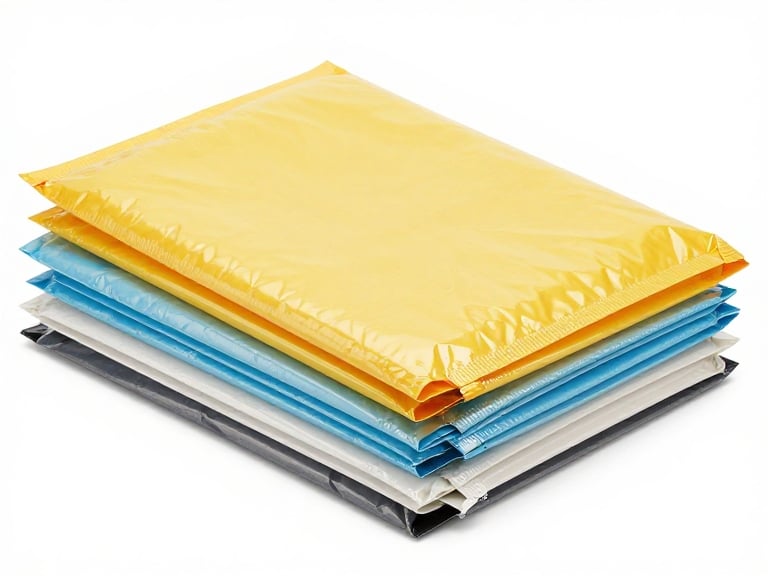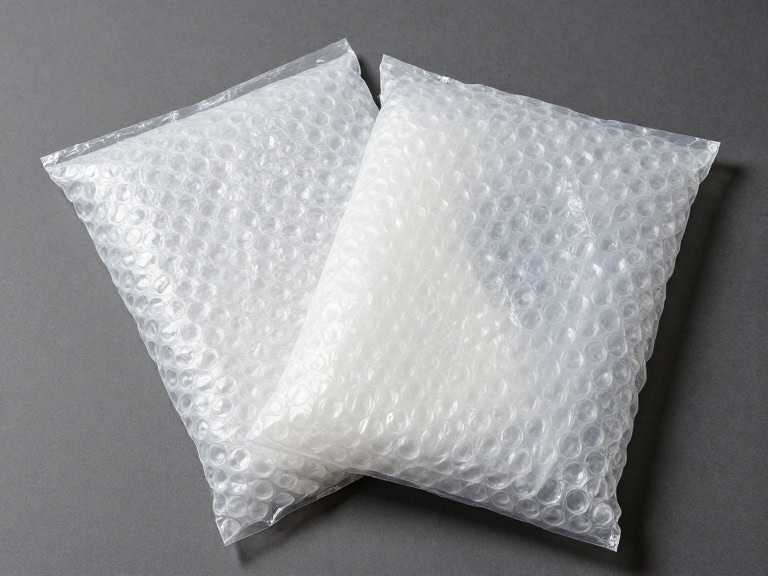
If you want to start a bubble wrap business, the first thing to understand is that this is not a “sell plastic and hope” model. It is a packaging business. That means your margins depend on material consistency, order size, shipping economics, and whether your product actually solves a logistics problem for the buyer. From our experience, the businesses that survive are the ones that build around repeat demand, not the ones that chase the lowest possible launch cost.
Mailongpak has been in packaging since 2009 and exports a wide range of packaging materials to more than 30 overseas markets. That matters because this kind of business rewards manufacturers who understand how packaging performs in transit, not just how it looks in a catalog. Bubble wrap works because it protects against collision damage, abrasion, and static during logistics, and that practical value is what your business needs to sell. If you want to build around a broader packaging portfolio, the right way is to think in systems, not individual rolls. That is why related categories such as Types of Bubble Wrap and Bubble Wrap Alternatives are useful when you start positioning the offer.
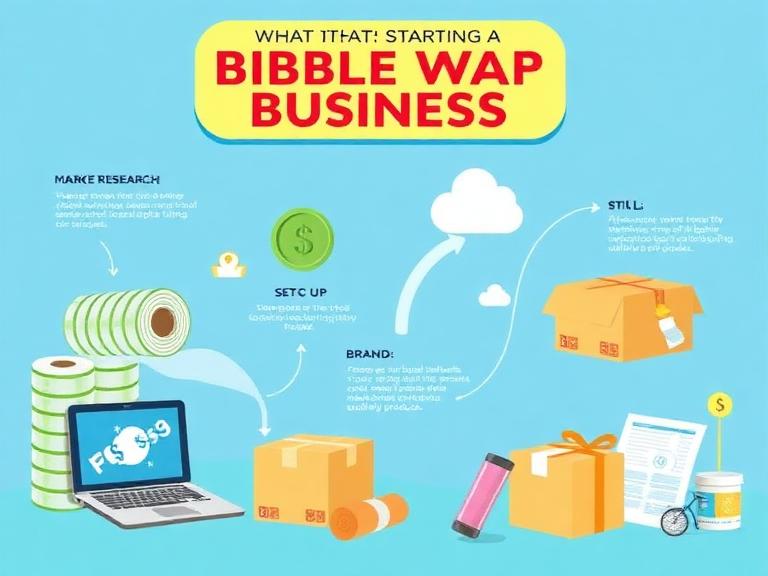
The fastest way to start a bubble wrap business is to choose one clear buyer segment, secure a repeatable supply or manufacturing route, define a small number of product formats, and sell through channels that can move packaging in volume. For beginners, standard bubble wrap and bubble wrap bags are the safest starting point. For commercial users, the better model is to combine bubble wrap with adjacent protective packaging such as air column and mailer products. For heavy-duty applications, build the business around custom protection, quality control, and B2B procurement rather than retail speculation.
- Direct answer: what to do first
- What a bubble wrap business actually is
- How the business works
- Quick summary table
- The 5 steps to start a bubble wrap business
- Comparison table: product strategy options
- Pros vs cons table
- Buying considerations
- Common mistakes
- Expert recommendation
- Bottom line
- FAQs
- References
Direct Answer: What You Should Do First
The first move is not branding, and it is not a logo. It is choosing the product lane. If you try to launch every bubble-related product at once, you will waste cash on inventory and confuse the market. The cleaner approach is to begin with one core offer: standard bubble wrap rolls, custom bubble wrap bags, or a protection bundle built around bubble wrap plus a complementary packaging format. Then sell into one buyer group first, such as e-commerce, moving and storage, electronics, ceramics, or industrial shipping.
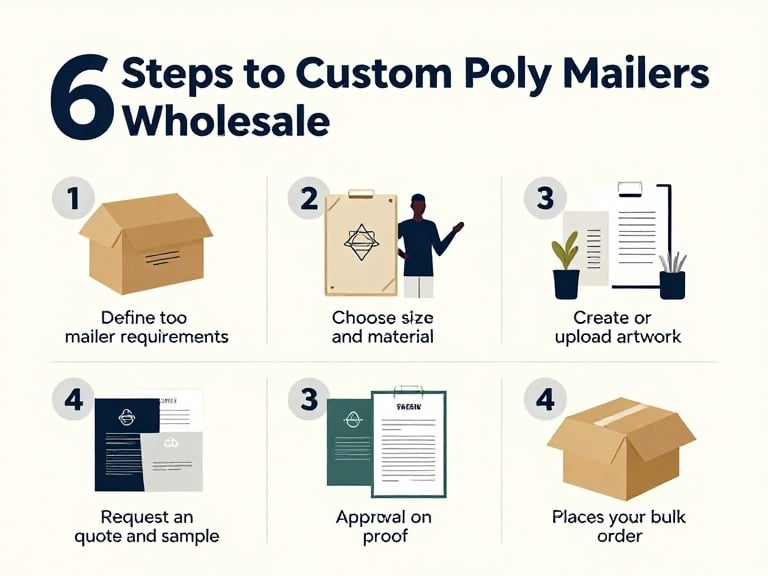
In most professional situations, the business wins when the offer is easy to explain, easy to quote, and easy to repeat. That is why a focused launch is better than a broad one. If the first target is e-commerce, then E Commerce Packaging Solution and Poly Mailer can sit alongside bubble wrap as a practical upsell path. If the target is fragile goods, then a category like Air Column Wrap for Ceramics may be a smarter premium offer.
What a Bubble Wrap Business Actually Is

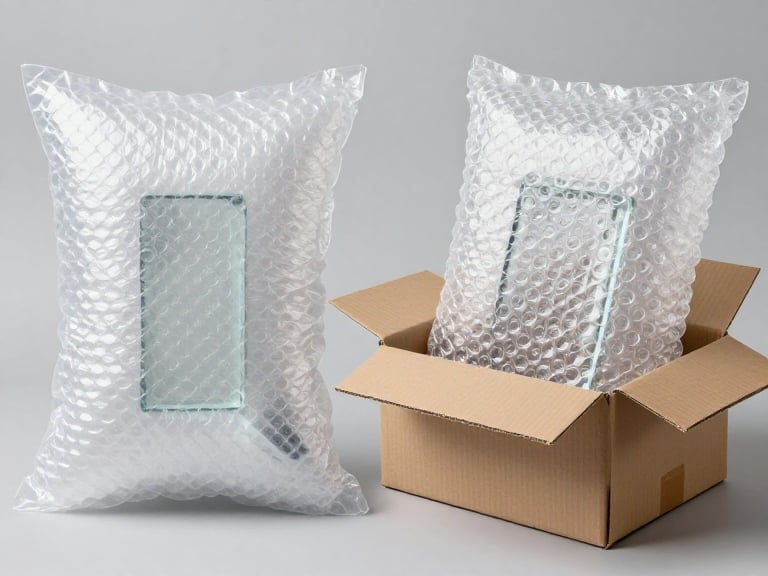
A bubble wrap business is a B2B or mixed B2B/B2C packaging operation that manufactures, converts, packages, or distributes bubble wrap products for shipping protection. The business can be simple, such as reselling standard rolls, or more advanced, such as converting film into custom bags, branded formats, or protective shipping kits. From our experience, the most stable businesses are not pure commodity sellers. They add convenience, customization, or adjacent packaging products that increase order value.
Bubble wrap itself is familiar, but buyers pay for reliability. If the bubbles are weak, the film tears, or the product ships inconsistently, you lose repeat orders. That is why many operators eventually expand into Custom Bubble Wrap Bags or into cushioning substitutes such as Eco Shipping Packaging and EVA Foam for customers who need different protection behavior.
How the Business Works
The economics are straightforward. You buy or manufacture film, convert it into a sellable format, package it in a way that is easy to store and ship, then sell it into channels where protection is a recurring need. The margin comes from controlling input cost, avoiding waste, and finding buyers who reorder rather than one-time bargain hunters.
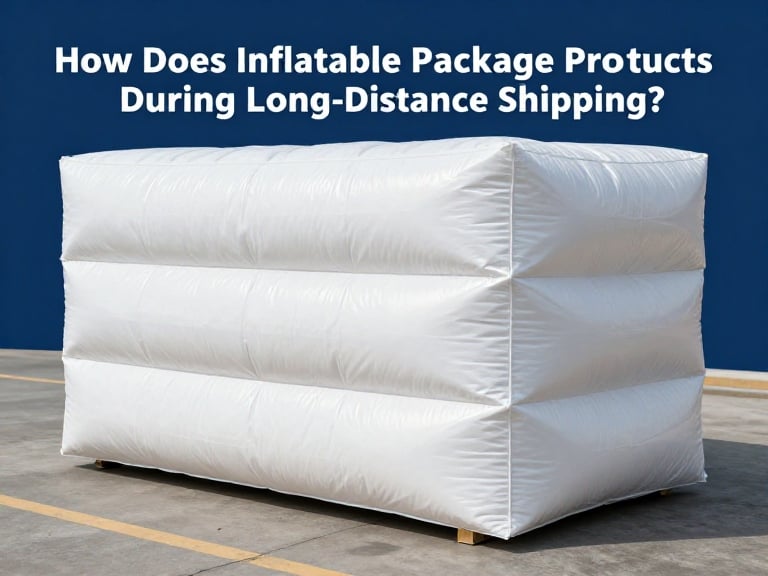
For beginners, this usually starts with stock sizes and a limited SKU count. For commercial users, the better model is a structured product line: standard bubble wrap, custom bags, bubble mailers, and backup alternatives for special use cases. That broader approach helps protect margin when one category becomes too price-sensitive. Mailongpak’s own portfolio shows this logic clearly because it also covers inflatable bubble and pillow film, air column rolls, air column bags, stretch wrap, bubble mailer, BOPP tape, and corrugated box solutions.
Quick Summary Table
| Step | What You Do | Why It Matters | Practical Verdict |
|---|---|---|---|
| 1 | Pick one buyer segment | Prevents scattered inventory and weak messaging | Best starting point for most new businesses |
| 2 | Choose the product format | Defines machinery, packaging, and pricing model | Standard rolls are easiest; custom bags add value |
| 3 | Secure supply or manufacturing capability | Protects lead time and quality consistency | Worth more than fancy branding at launch |
| 4 | Build a pricing and channel plan | Determines whether the business has real margin | Must be designed before inventory is bought |
| 5 | Launch with quality control and re-order systems | Repeat business is where the value lives | Non-negotiable for long-term survival |
The 5 Steps to Start a Bubble Wrap Business
Step 1: Pick one market before you pick a machine
Most new owners get this backwards. They start by shopping for equipment or materials before deciding who the buyer is. That is how inventory gets messy and sales stay weak. We recommend choosing one of four lanes: e-commerce shipping, moving and storage, industrial protection, or fragile specialty goods. Each lane changes how the product should be packaged, priced, and sold.
If you are targeting online sellers, bundle bubble wrap with E Commerce Packaging Solution. If you are targeting apparel or lightweight products, also consider Shipping Bags for Clothes. If the market is specialty fragile goods, a stronger protection mix is often more profitable than trying to win a price war on plain rolls.
Step 2: Decide whether you are selling commodity wrap or a better packaged solution
This is the core commercial decision. Commodity bubble wrap is easier to sell on price, but it is harder to defend. A better approach is to sell a solution. That can mean custom sizes, bubble wrap bags, bundles for shipping workflows, or packaging lines designed for a specific vertical. From our experience, the market rewards convenience. Buyers often pay more for a product that saves them labor.
That is why Custom Bubble Wrap Bags are often a smarter starting point than pure commodity wrap. They are easier to position to B2B buyers who care about fit, speed, and reduced packing time. If you are comparing wrap formats, it is worth reviewing Types of Bubble Wrap so you can avoid launching a weak product mix.
Step 3: Build supply, quality control, and packaging discipline
There is no serious packaging business without quality control. Bubble wrap looks simple, but the buyer notices defects immediately. In our testing, poor seal consistency, uneven bubble formation, and weak packaging presentation reduce trust fast. This is why the ability to control product quality is not a back-office detail. It is the business model.
Mailongpak’s packaging background is relevant here because the company was established in 2009 and has exported to more than 30 countries. That kind of export experience matters when the business depends on predictable performance in transit. It is also why you should study Packaging Quality Control before you commit to a supplier or production process.
Step 4: Price the business around repeat orders, not one-time sales
The worst way to build this business is to chase a one-off customer and underprice the first order. That can give you a noisy launch and no margin. Instead, price around reorder behavior. If the customer is a shipping department or a B2B distributor, the relationship can become recurring. If the customer is a casual retail buyer, the economics are weaker unless you have a strong brand or a highly convenient channel.
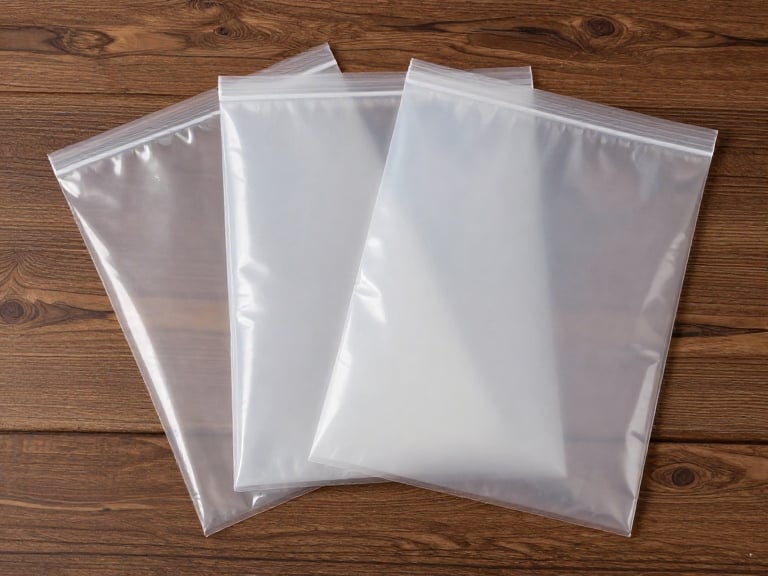
For this reason, many businesses should not stop at bubble wrap alone. A broader protection offer can include Eco Shipping Packaging, Poly Mailer, or even protective inserts such as EVA Foam for higher-value items. The more one buyer can source from you, the stronger your margin tends to be.
Step 5: Launch through channels that understand packaging
You do not need to sell everywhere on day one. In fact, that is usually a mistake. Start with channels that already understand shipping materials: wholesalers, packaging distributors, e-commerce supply buyers, moving companies, and industrial procurement teams. In most professional situations, distribution and account-based sales are more valuable than a random consumer campaign when you are trying to start a bubble wrap business.
If you want a premium angle, consider niche protection products where buyers are willing to pay for performance. For example, a ceramics or fragile-goods customer may respond better to Air Column Wrap for Ceramics than to a plain roll of bubble wrap. That is the kind of product mix that helps new businesses avoid pure commodity pressure.
Comparison Table: Product Strategy Options
| Strategy | Best For | Margin Potential | Risk Level | Our View |
|---|---|---|---|---|
| Commodity bubble wrap rolls | Price-sensitive buyers and simple shipping needs | Low to moderate | High | Good for volume, weak for differentiation |
| Custom bubble wrap bags | Buyers who value speed and fit | Moderate to high | Moderate | Best balance for many new businesses |
| Mixed packaging solution bundle | B2B accounts, distributors, and shipping departments | High | Moderate | Best long-term strategy if executed well |
| Specialty protective packaging | Fragile or high-value goods | High | Lower if need is real | Worth pursuing when the use case is clear |
Pros vs Cons Table
| Pros of Starting a Bubble Wrap Business | Cons of Starting a Bubble Wrap Business |
|---|---|
| Clear, easy-to-understand product value | Commodity pressure can be intense |
| Recurring demand from shipping and logistics users | Quality problems are visible and damaging |
| Can be expanded into adjacent packaging products | Weak branding leads to price-only competition |
| Works well in both B2B and mixed-channel models | Inventory planning mistakes are expensive |
Buying Considerations Before You Launch
If you are about to start a bubble wrap business, the launch decisions below are more important than whether your brand colors look good. They determine whether the business has margin and repeatability.
| Decision Area | What Good Looks Like | What to Avoid |
|---|---|---|
| Product range | One core SKU plus one or two adjacent formats | Launching ten products before you know what sells |
| Supply chain | Stable sourcing and consistent quality checks | Buying from the cheapest source without inspection discipline |
| Packaging format | Product sizes that are easy to store, ship, and explain | Overly custom formats that confuse the buyer |
| Sales channel | B2B accounts, distributors, or focused e-commerce | Trying to sell everywhere at once |
| Ancillary products | Helpful add-ons like Poly Mailer or EVA Foam | Random product expansion with no buyer logic |
One practical rule: if your target buyer already buys a wide range of protective packaging, then your offer should widen too. That is why E Commerce Packaging Solution can be a useful starting point for sellers who want a larger basket size from each customer.
Common Mistakes New Owners Make
- Starting with too many SKUs. Focus beats variety at launch.
- Competing only on price. That approach is fragile and usually unsustainable.
- Ignoring quality control. Packaging failures destroy trust quickly.
- Failing to match product to customer. A moving customer and an electronics buyer do not need the same protection profile.
- Not offering alternatives. Buyers often need options such as Bubble Wrap Alternatives, not just one material.
From our experience, the biggest reason small packaging businesses fail is not demand. It is operational clutter. They try to be a supplier, a converter, a brand, and a distributor on day one. Pick one primary role first.
Expert Recommendation
Our recommendation is simple: if you want to start a bubble wrap business, begin with a focused B2B model, not a vague consumer one. The best first product is usually a standard roll or a custom bag, sold to buyers who reorder. Then, once you understand the customer behavior, expand into adjacent products such as bubble mailer formats, e-commerce packaging, or protective alternatives.
For beginners, the safest route is standardization. For commercial users, the best route is a solution bundle. For heavy-duty applications, the winning move is to build around protection performance and supplier reliability rather than commodity pricing. That is the difference between a launch and a business.
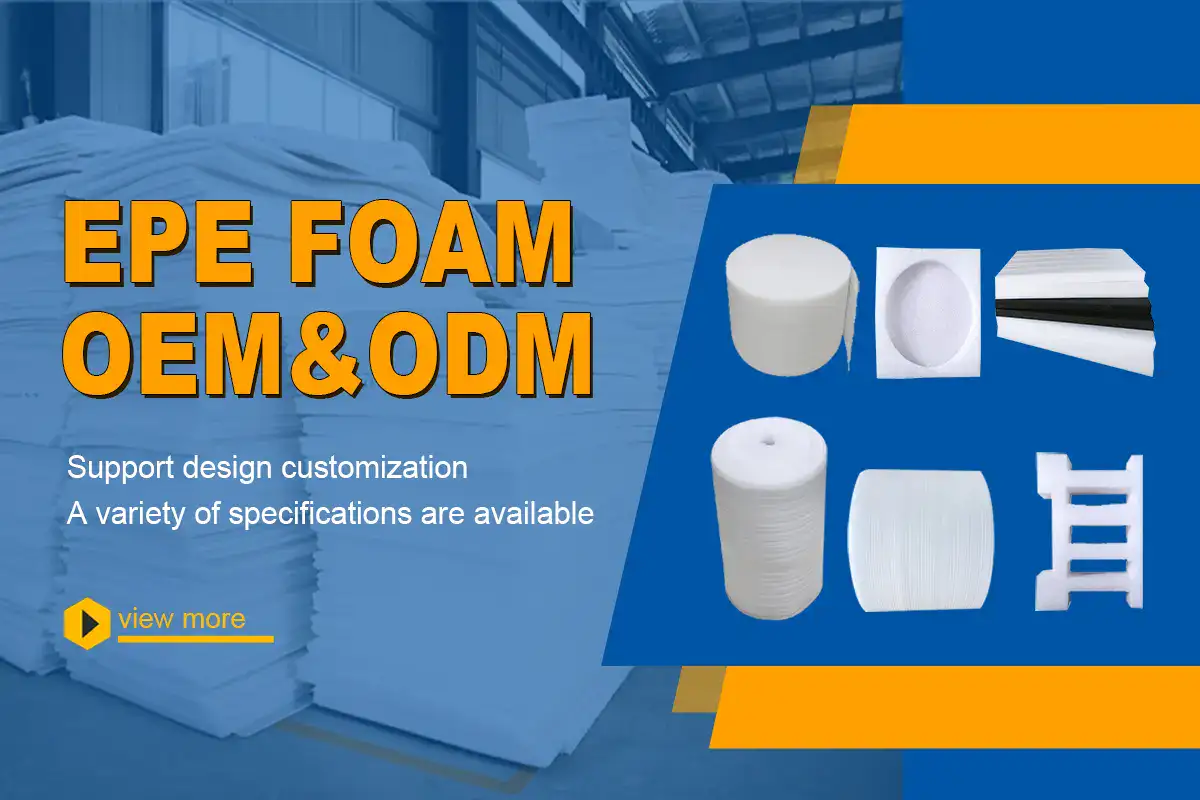
Mailongpak is well positioned for that kind of launch because it already operates as a manufacturer and exporter of packaging materials including inflatable bubble and pillow film, air column rolls, air column bags, EPE and EVA foam, poly mailer, stretch wrap, bubble mailer, BOPP tape, and corrugated box products. That breadth matters because a bubble wrap business rarely stays a bubble-only business for long.
The best way to start a bubble wrap business is to choose one customer type, one primary product format, and one repeatable quality standard. Do that well, and you will have a business. Skip that structure, and you will only have inventory. The profitable path is not the broadest one; it is the most disciplined one.
FAQs
Is bubble wrap still worth selling in 2026?
Yes, but only if you sell it as part of a protection solution. Pure commodity bubble wrap is harder to defend, while custom formats and bundled packaging are much more commercially attractive.
What is the best first product for a new bubble wrap business?
For most beginners, standard bubble wrap rolls or custom bubble wrap bags are the best first products because they are easy to explain, easy to quote, and easier to reorder than highly customized packaging.
Do I need to manufacture bubble wrap myself?
Not necessarily. You can launch with a sourcing, conversion, or distribution model first. The important part is that you control quality and delivery enough to keep customers coming back.
What makes a bubble wrap business profitable?
Repeat orders, disciplined inventory, and value-added packaging formats. Profit usually comes from solving a shipping problem better than competitors, not from squeezing every penny out of a single roll.
Should I also sell alternatives to bubble wrap?
Yes, if your customer base includes fragile, bulky, or premium goods. Buyers often need a choice between wrap, air column, foam, mailers, and bundled solutions. That is why Bubble Wrap Alternatives can strengthen your offer.
References
The three references below are authoritative sources for packaging testing, business setup, and materials/recycling context.