Procuring raw materials in the modern industrial landscape is not for the faint of heart. If you are sourcing flexible polyurethane (PU) foam for massive logistics operations, automotive seating, bedding, or high-end protective packaging, you cannot afford to rely on generic brokers. Sourcing from unverified suppliers inevitably leads to inconsistent cell structures, catastrophic compression set failures, and off-gassing issues that ruin end-user experiences. You must go directly to the source. You need to partner with top-tier flexible polyurethane foam manufacturers.
From our experience engineering advanced packaging solutions at Mailong Packaging, we know that understanding the chemical supply chain is critical to your bottom line. There is a massive distinction between the upstream chemical giants who synthesize the polyols and isocyanates, and the midstream “foam pourers” who actually mix the chemicals to create the physical foam buns. In this comprehensive, opinionated guide, we will break down the exact mechanics of PU foam, tell you bluntly which flexible polyurethane foam manufacturers dominate the market in 2026, and help you determine whether PU foam is actually worth using for your specific application, or if you should pivot to alternative protective materials.
Quick Answer: Who leads the market?
The global market for flexible PU foam is dominated by upstream chemical producers like BASF, Dow, Covestro, and Huntsman (who supply the raw chemicals), and midstream block foam fabricators like Carpenter Co., Recticel, and FXI (who pour and cut the foam). For heavy-duty applications in bedding and automotive, these Flexible Polyurethane Foam Manufacturers are the gold standard. However, for commercial users strictly looking for logistics packaging, PU foam is often too expensive and too bulky to ship. We recommend pivoting to high-performance alternatives like EPE Foam Sheets or Air Column Bags to drastically reduce freight costs while maintaining superior impact resistance.
Table of Contents
- What It Is: Flexible Polyurethane Foam Explained
- How It Works: The Chemistry of Comfort and Protection
- Benefits of Flexible PU Foam
- Limitations and Harsh Realities
- Who Should Use It & Who Does Not Need It
- The Top 10 Flexible Polyurethane Foam Manufacturers
- Quick Summary Table of Manufacturers
- Comparison Table: PU Foam vs. EPE Foam
- Pros and Cons Table
- Common Mistakes in Procurement
- Buying Considerations and Guide
- Expert Recommendation
- Frequently Asked Questions (FAQ)
- Authoritative References
What It Is: Flexible Polyurethane Foam Explained
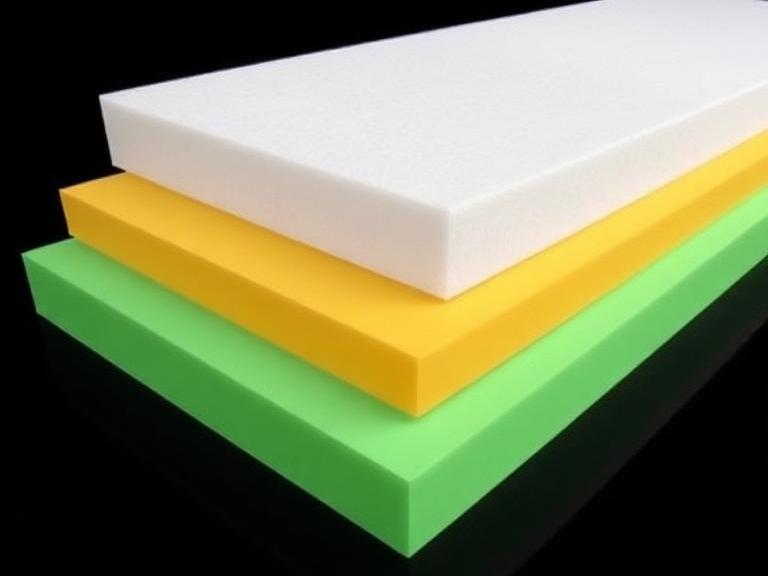
Flexible polyurethane foam (FPF) is a highly versatile, open-cell polymeric material. Unlike rigid PU foam, which is primarily used for thermal insulation in construction and refrigeration, flexible PU foam is engineered to deform under pressure and return to its original shape. It is the primary cushioning material used worldwide in upholstered furniture, mattresses, automotive seating, and specialized protective packaging for fragile, high-value electronics.
How It Works: The Chemistry of Comfort and Protection
Understanding how FPF is made will help you negotiate better with flexible polyurethane foam manufacturers. The foam is created through a complex, exothermic chemical reaction between two primary ingredients: a polyol and a diisocyanate (typically TDI or MDI). When mixed with water, catalysts, and surfactants, the mixture rapidly expands—blowing up like bread dough—creating millions of interconnected open cells.
This open-cell structure is what gives the foam its flexibility and breathability. The specific ratio of chemicals dictates the foam’s density (measured in pounds per cubic foot, PCF) and its Indentation Load Deflection (ILD), which measures the foam’s firmness. In our testing, attempting to use a low-density, low-ILD foam for heavy industrial packaging results in total structural collapse during transit. You must specify exact density and ILD parameters to your manufacturer.
Benefits of Flexible PU Foam
In most professional situations, PU foam is chosen for its unparalleled cushioning properties. The benefits include:
- Exceptional Resilience: High-quality PU foam recovers its shape immediately after impact, making it ideal for multi-drop shipping scenarios.
- Customizable Firmness: Manufacturers can manipulate the chemical formulation to create anything from ultra-soft memory foam to highly firm, shock-absorbing packaging blocks.
- Acoustic and Vibration Dampening: The open-cell structure absorbs sound waves and high-frequency vibrations perfectly, which is critical when transporting sensitive optical or electronic equipment.
- Breathability: Air passes freely through the material, preventing moisture buildup that could cause corrosion on metal parts.
Limitations and Harsh Realities
We are industry practitioners, not salespeople, so we must be blunt about the limitations. Flexible PU foam is exceptionally bulky. When you buy a truckload of PU foam, you are essentially paying to ship air. Unless the manufacturer utilizes expensive vacuum-compression sealing, freight costs will obliterate your budget.
Furthermore, PU foam degrades when exposed to UV light (turning yellow and brittle over time), and untreated PU foam is highly flammable. Finally, it is an expensive material compared to extruded polyethylenes. If you are shipping standard retail goods, paying a premium for die-cut PU foam is a catastrophic waste of money. You are much better served looking at Bubble Wrap Alternatives.
Who Should Use It & Who Does Not Need It
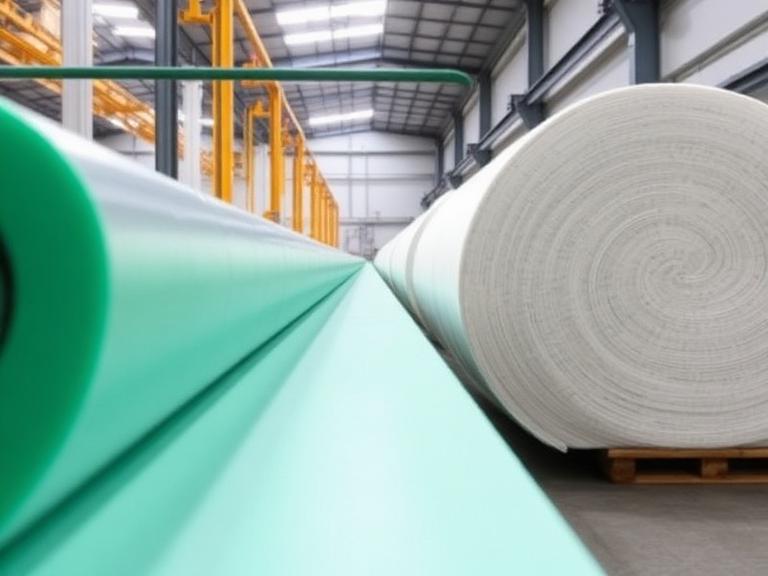
For commercial users and heavy-duty applications: Manufacturers of luxury furniture, automotive interiors, and medical bedding must use high-grade PU foam. In the packaging sector, you should only use PU foam if you are shipping extremely high-value, highly fragile items (e.g., aerospace components, medical imaging devices, or delicate servers) where vibration dampening is critical.
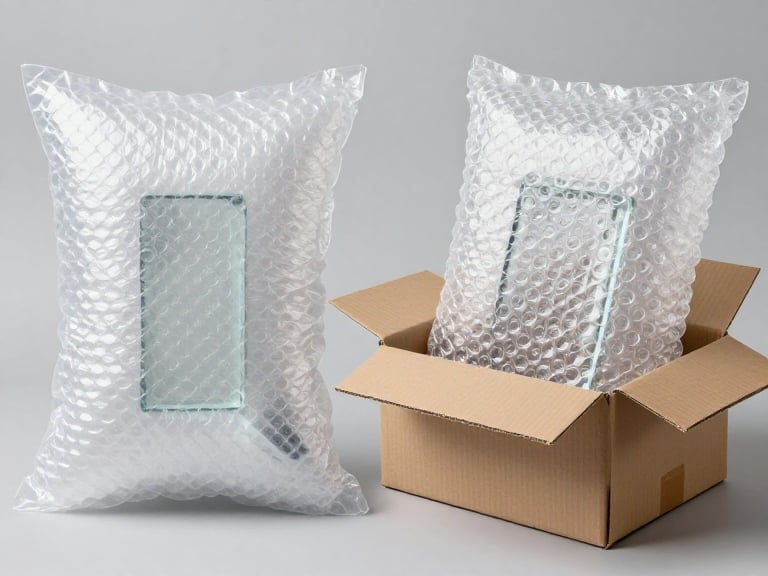
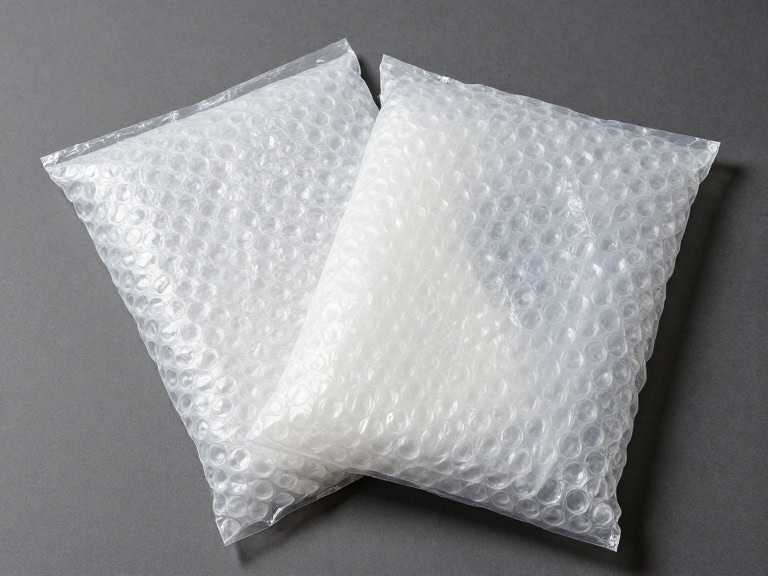
Who does not need it: Standard e-commerce fulfillment centers, fast-fashion retailers, and high-volume electronics shippers do not need PU foam. It is too expensive and slows down the packing line. For these applications, we highly recommend utilizing Packing Foam Sheets Suppliers for EPE foam, or deploying Inflatable Bubble Wrap. These alternatives offer excellent surface protection at a fraction of the volumetric cost.
The Top 10 Flexible Polyurethane Foam Manufacturers
The global landscape of flexible polyurethane foam manufacturers is divided between the chemical conglomerates that produce the raw ingredients and the specialized fabricators who pour, cure, and cut the foam into usable products. Here is the definitive top 10 list for 2026.
1. BASF SE
Based in Germany, BASF is the undisputed titan of the global chemical industry. They do not typically sell cut foam blocks to small businesses; rather, they supply the foundational polyols and isocyanates to the world’s largest fabricators. If your product line requires highly advanced, sustainable, or flame-retardant PU formulations, BASF’s chemical architecture dictates the market standard.
2. The Dow Chemical Company
Dow is a primary competitor to BASF, offering a massive portfolio of polyurethane systems. Dow is particularly aggressive in developing low-VOC (Volatile Organic Compound) foams, which are critical for indoor air quality certifications like CertiPUR-US. They are the backbone for countless bedding and automotive seating supply chains.
3. Covestro AG
A spin-off from Bayer, Covestro is a leading supplier of premium polyurethane chemicals. They are heavily invested in the circular economy, pioneering techniques to synthesize PU raw materials using captured CO2. For commercial users demanding aggressive sustainability metrics in their supply chain, Covestro is a vital upstream partner.
4. Huntsman Corporation
Huntsman specializes in MDI-based polyurethanes. While TDI is common for standard flexible foams, MDI is often utilized for high-resilience and specialized molded foams found in high-end automotive and acoustic applications. Their technological support for downstream manufacturers is unmatched.
5. Carpenter Co.
Transitioning from chemical producers to actual foam pourers, Carpenter Co. (USA) is the largest manufacturer of comfort cushioning products in the world. If you need massive continuous buns of flexible foam for furniture, bedding, or carpet underlay, Carpenter has the global footprint and logistical dominance to deliver flawlessly.
6. Recticel NV
Headquartered in Belgium, Recticel is a European powerhouse in engineered foams. They excel in technical foams utilized for silencing, sealing, and filtering, alongside their massive bedding division. For precision industrial applications requiring strict European regulatory compliance, Recticel is a top-tier choice.
7. FXI (Foamex Innovations)
FXI is a formidable player in the North American market, catering heavily to the home furnishings, healthcare, and electronics packaging sectors. They are highly innovative in creating custom-engineered foam solutions, particularly for complex medical devices that require strict static and vibration control.
8. Future Foam
A privately held manufacturer in the USA, Future Foam operates massive pouring facilities worldwide. They are known for their agility and highly consistent quality control. For mid-to-large scale furniture manufacturers and custom packaging fabricators, Future Foam is an incredibly reliable partner.
9. Woodbridge
Woodbridge is highly specialized. While they produce flexible foam, their absolute dominance is in the automotive sector. They manufacture molded foam seating, head restraints, and acoustic solutions for major global automakers. If you are in the vehicle supply chain, Woodbridge is likely already on your vendor list.
10. UFP Technologies
UFP Technologies is a designer and custom converter of foams, plastics, and composites. They do not pour the massive chemical buns, but rather, they source premium foams and fabricate them into highly specialized protective packaging and medical components. If you need a fully engineered, die-cut PU foam tray for a fragile instrument, UFP is a premium solution provider.
Quick Summary Table of Manufacturers
| Manufacturer | Primary Role in Supply Chain | Global Region (HQ) | Best For |
|---|---|---|---|
| BASF / Dow / Covestro / Huntsman | Upstream Chemical Production | Europe / USA | Raw chemical systems, polyols, isocyanates. |
| Carpenter / Recticel / FXI / Future Foam | Midstream Foam Pouring (Bun Stock) | USA / Europe | Massive blocks of raw foam for bedding, furniture, packaging. |
| Woodbridge / UFP Technologies | Downstream Fabrication & Molding | Canada / USA | Automotive seating, highly engineered medical/packaging parts. |
Comparison Table: Flexible PU Foam vs. EPE Foam
Many procurement managers blindly order PU foam when they should be looking at Expanded Polyethylene (EPE). Review our breakdown of EPE Foam Applications to understand the difference.
| Attribute | Flexible Polyurethane (PU) Foam | Expanded Polyethylene (EPE) Foam |
|---|---|---|
| Cell Structure | Open Cell (Allows air/water to pass) | Closed Cell (Waterproof, highly buoyant) |
| Cushioning Feel | Soft, squishy, highly resilient | Firmer, stiff, excellent impact resistance |
| Cost | High | Low to Moderate |
| Best Packaging Use | Lightweight, extremely fragile/vibration-sensitive items. | Heavier items requiring rigid structural support. |
Pros and Cons Table: Using PU Foam in Packaging
| Pros of PU Foam | Cons of PU Foam |
|---|---|
| Unmatched vibration dampening. | Extremely bulky; high volumetric freight costs. |
| Can be die-cut to exact product contours. | Expensive compared to corrugated or EPE solutions. |
| Highly resilient for multi-drop scenarios. | Prone to yellowing and degradation from UV exposure. |
| Can be treated with anti-static agents. | Open-cell nature absorbs moisture and humidity. |
Common Mistakes in Procurement
In our testing and consulting across the logistics sector, we see purchasing managers make the same catastrophic errors repeatedly when sourcing from flexible polyurethane foam manufacturers.
The first mistake is ignoring the ILD (Indentation Load Deflection) rating. A buyer will order a “medium density” foam, assuming it means medium firmness. Density and firmness are completely separate metrics. You can have a high-density foam that is incredibly soft, and a low-density foam that is rock hard. If you fail to specify the exact ILD, you will receive unusable material.
The second mistake is assuming all foam is anti-static. If you are shipping motherboards, standard PU foam generates static electricity through friction, which will fry your components. You must specifically request pink, anti-static treated PU foam. For superior protection in these scenarios, we highly advise integrating Anti Static Bubble Bags into your packaging workflow.
Buying Considerations and Guide
| Metric to Evaluate | Why It Matters | What to Demand from Manufacturers |
|---|---|---|
| Density (PCF) | Dictates the durability and longevity of the foam. | Ask for ASTM D3574 test results verifying exact density. |
| Certifications | Ensures the foam is free of toxic heavy metals, PBDEs, and ozone depleters. | Demand CertiPUR-US® or REACH compliance documentation. |
| Compression Set | Measures how much thickness the foam permanently loses after being compressed. | A compression set under 10% is vital for high-end packaging. |
| Logistics / Compression | Shipping giant blocks of foam ruins margins. | Ensure the manufacturer can vacuum-compress roll the foam for shipping. |
Expert Recommendation
The Mailong Packaging Verdict
Flexible polyurethane foam is a brilliant chemical achievement, and for the furniture and automotive industries, the 10 flexible polyurethane foam manufacturers listed above are absolute necessities. However, if your primary goal is protective logistics packaging, we strongly advise you to reconsider your material choice.
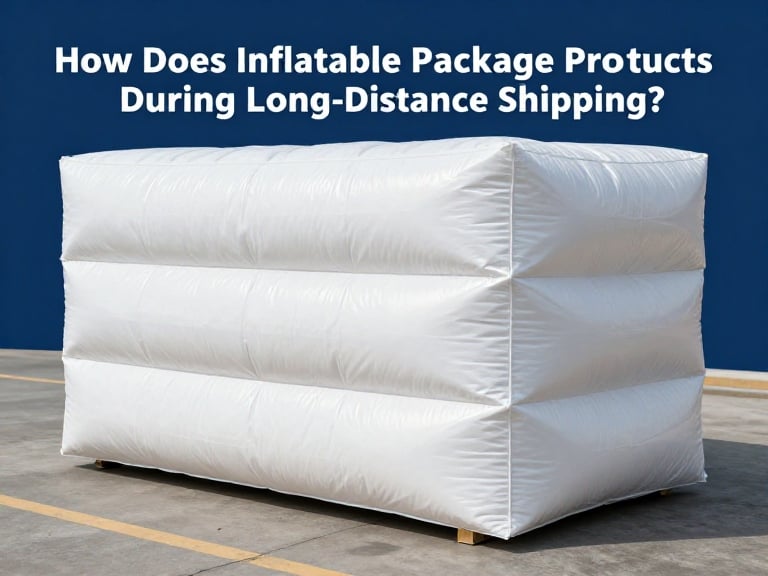
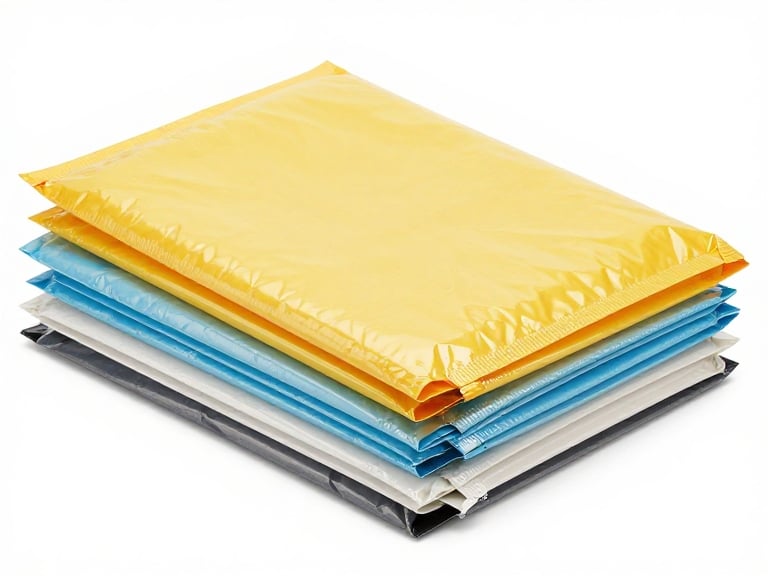
Using PU foam for standard shipping operations is commercially inefficient. It takes up massive warehouse space, costs a fortune in freight, and is labor-intensive to fabricate. We recommend upgrading your fulfillment lines to intelligent, air-based systems. Implementing Inflatable Air Column Wrap or utilizing Bubble Wrap Manufacturers China for heavy-duty void fill offers superior impact resistance while shipping completely flat. This saves up to 80% on warehousing and freight costs.
For businesses looking to elevate their unboxing experience without the exorbitant cost of custom die-cut PU foam, pairing robust air column packaging with Custom Mailer Bags with Logo or sleek Poly Mailer Shipping Bags provides a highly professional, brutally efficient logistics solution. Stop shipping expensive air; contact Mailong Packaging to optimize your protective workflow today.
Frequently Asked Questions (FAQ)
{
“@context”: “https://schema.org”,
“@type”: “FAQPage”,
“mainEntity”: [
{
“@type”: “Question”,
“name”: “What is the difference between density and firmness in polyurethane foam?”,
“acceptedAnswer”: {
“@type”: “Answer”,
“text”: “Density measures the actual weight of the foam per cubic foot (how much chemical material is present), which dictates durability and lifespan. Firmness, measured by Indentation Load Deflection (ILD), dictates how hard or soft the foam feels when compressed. High density does not automatically mean high firmness.”
}
},
{
“@type”: “Question”,
“name”: “Why does flexible polyurethane foam turn yellow?”,
“acceptedAnswer”: {
“@type”: “Answer”,
“text”: “Polyurethane foam is highly susceptible to ultraviolet (UV) light and oxidation. When exposed to sunlight or even fluorescent indoor lighting, the chemical bonds begin to break down, causing a rapid color shift to yellow or brown. This discoloration does not immediately affect the physical properties of the foam, but it is aesthetically unappealing.”
}
},
{
“@type”: “Question”,
“name”: “Is polyurethane foam safe for packaging electronics?”,
“acceptedAnswer”: {
“@type”: “Answer”,
“text”: “Standard polyurethane foam is NOT safe for bare electronics because it easily generates and holds static electricity through friction. To safely package sensitive electronics like circuit boards, you must specifically source anti-static (typically pink-colored) polyurethane foam that has been treated with chemical additives to dissipate electrical charges.”
}
}
]
}
Density measures the actual mass of the foam per cubic foot (how much chemical material is present versus air), which dictates durability, support, and lifespan. Firmness, measured by Indentation Load Deflection (ILD), dictates how hard or soft the foam feels when physically compressed. A high-density foam can be formulated to be incredibly soft, and a low-density foam can be rock hard.
Polyurethane foam is highly susceptible to ultraviolet (UV) light and oxidation. When exposed to sunlight or even harsh fluorescent indoor lighting, the chemical bonds begin to break down, causing a rapid color shift to yellow or brown. This discoloration does not immediately affect the protective physical properties of the foam, but it is aesthetically unappealing for consumer-facing packaging.
Standard polyurethane foam is NOT safe for bare electronics because its open-cell structure easily generates and holds static electricity through friction. To safely package sensitive electronics like circuit boards or hard drives, you must specifically source anti-static (typically pink-colored) polyurethane foam that has been chemically treated to dissipate electrical charges, or pivot to specialized anti-static bubble bags.
Authoritative References
To ensure your procurement team relies on verified scientific and industrial data regarding foam manufacturing, we recommend consulting the following authoritative bodies:
- Polyurethane Foam Association (PFA): The premier trade association providing technical data, environmental standards, and manufacturing guidelines for the flexible polyurethane foam industry. Visit PFA
- ASTM International (ASTM D3574): The global standards organization that dictates the specific testing methodologies for flexible cellular materials, covering density, ILD, and compression sets. Visit ASTM
- CertiPUR-US: The definitive certification program for flexible polyurethane foam, ensuring materials are analyzed by independent, accredited laboratories for low VOC emissions and the absence of ozone depleters and heavy metals. Visit CertiPUR-US