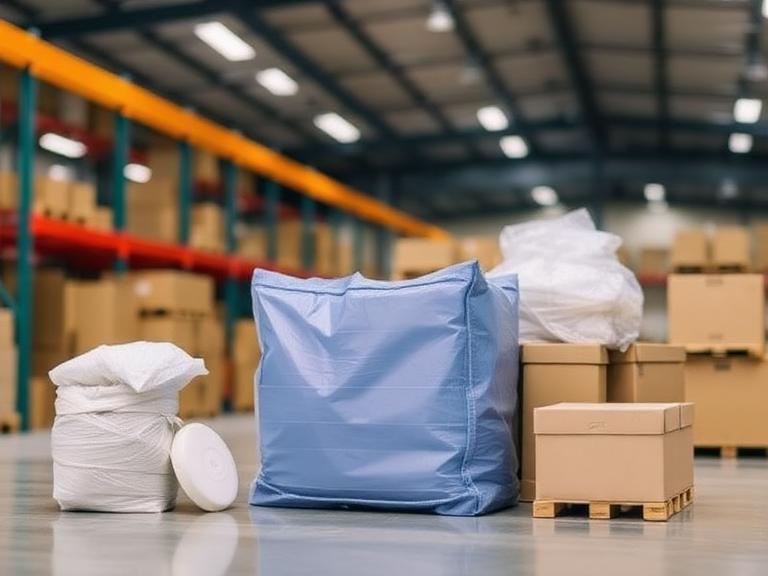
The global packaging industry is currently drowning in a sea of “greenwashing.” Countless vendors slap a green leaf logo on their cardboard boxes or market “oxo-degradable” plastics that simply fragment into highly toxic microplastics. If you are a procurement manager, an e-commerce brand owner, or a logistics coordinator, buying into these false claims is not just ethically irresponsible—it exposes your company to severe regulatory fines and catastrophic brand damage. From our experience at Mailong Packaging, navigating the transition to sustainable logistics requires rigorous commercial and practical judgment, not just good intentions.
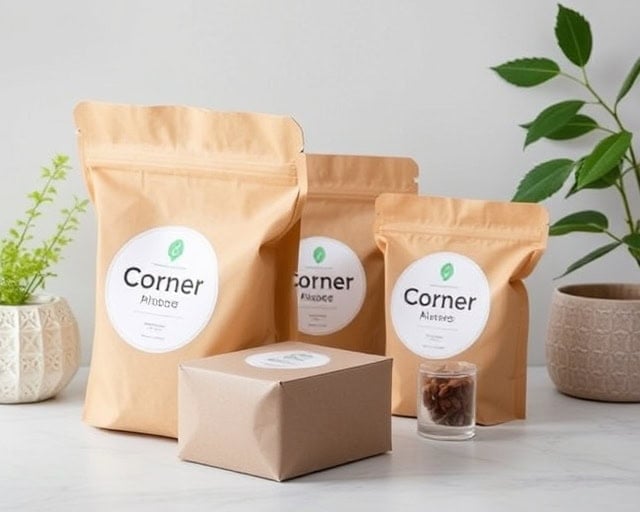
In most professional situations, the mandate is clear: you must protect your fragile goods during transit while simultaneously adhering to Extended Producer Responsibility (EPR) laws and consumer demands for zero-waste unboxing experiences. But evaluating eco friendly protective packaging companies is incredibly complex. You have to balance the high dimensional weight of recycled paper void fill against the strict shelf-life limitations of compostable bioplastics. In this definitive guide, we take a hard, opinionated look at the top 10 companies leading the sustainable packaging revolution in 2026. We will explain exactly what separates genuine material science from marketing fluff, and help you make a concrete buying decision based on your specific supply chain needs.
Quick Answer: The Top Eco Friendly Protective Packaging Companies
If you need to rapidly source verified, high-performance sustainable packaging, these are the absolute top-tier players in the global market:
- Mailong Packaging: The best choice for direct-from-factory, verifiable Compostable Bubble Wrap, and heavy-duty inflatable solutions. Unmatched for B2B pricing and scalable manufacturing.
- EcoEnclose: The premium choice for boutique D2C brands focused on algae ink and entirely post-consumer recycled mailers.
- Ranpak: The undisputed global leader in high-volume, automated paper-based void fill machines.
- Sealed Air: The inventors of Bubble Wrap, now leading the charge in highly recycled-content plastics.
- Storopack: Excellent hybrid provider of both biodegradable loose fill (peanuts) and paper cushioning.
We recommend entirely avoiding unverified trading companies on mass B2B platforms that cannot provide recent ASTM D6400 compostability certificates or Global Recycled Standard (GRS) documentation.
Table of Contents
- What It Is: Defining Genuine Eco-Packaging
- How It Works: Material Science & Lifecycle
- The 10 Best Eco Friendly Protective Packaging Companies
- Commercial Benefits of Switching
- The Harsh Limitations (Shelf Life & Cost)
- Who Should Make the Switch
- Who Does Not Need It
- Common Procurement Mistakes
- Expert Buying Considerations
- Summary and Comparison Tables
- Expert Recommendation & Factory Direct Solutions
- Frequently Asked Questions
What It Is: Defining Genuine Eco-Friendly Packaging
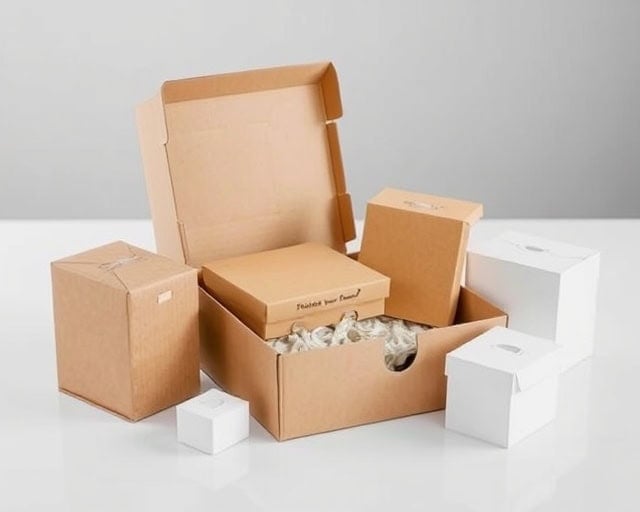
True eco-friendly packaging is not defined by its color; it is defined by its end-of-life cycle. The best eco friendly protective packaging companies engineer materials that fall into one of three strict categories: Compostable (materials like PLA/PBAT that break down into biomass within 180 days under specific conditions), Recycled Content (materials utilizing post-consumer waste to prevent virgin petroleum extraction), or Recyclable/Fiber-Based (corrugated paper that can easily enter standard curbside recycling streams).
How It Works: Material Science & Lifecycle
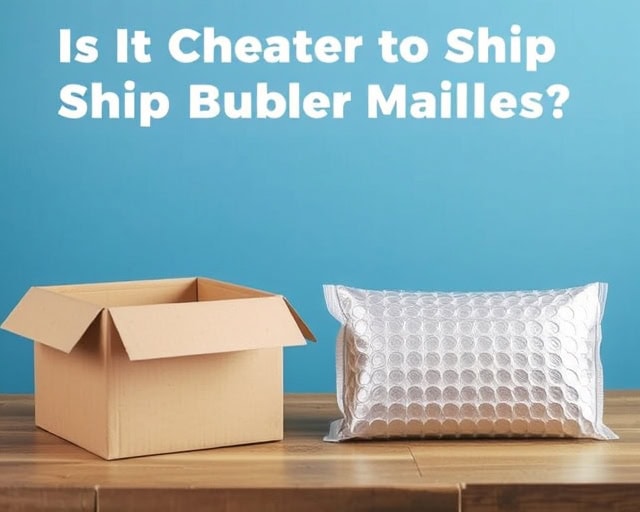
How it works depends heavily on the polymer or fiber structure. For example, modern Poly Mailer bags are increasingly manufactured using d2w technology or PBAT (Polybutylene adipate terephthalate) blends. Unlike traditional polyethylene, which takes 500 years to degrade, these biopolymers are specifically designed to be consumed by microorganisms when placed in a commercial compost facility. Conversely, air-based solutions like Inflatable Bubble Wrap work by utilizing 99% air and 1% high-density recycled film, drastically reducing the total mass of plastic introduced into the supply chain while offering superior burst strength.
The 10 Best Eco Friendly Protective Packaging Companies
In our testing and constant monitoring of global supply chains, we have identified the top 10 companies pushing the boundaries of sustainable transit protection.
1. Mailong Packaging (The Factory-Direct Powerhouse)
We place our own manufacturing capabilities at the forefront because we bridge the gap between sustainability and wholesale affordability. Mailong Packaging is a leading manufacturer specializing in heavy-duty Air Column Bags, 100% compostable bubble wraps, and highly recycled EPE Foam Sheets. We are the ideal partner for commercial enterprises that need massive volume without the predatory markups of domestic distributors.
2. Ranpak
If you are vehemently anti-plastic, Ranpak is the global titan of paper-based packaging. They manufacture advanced machines that crimp and fold kraft paper into highly shock-absorbent void fill. It is 100% curbside recyclable, though it does significantly increase the dimensional weight of your parcels.
3. EcoEnclose
A darling of the D2C e-commerce world, EcoEnclose focuses heavily on post-consumer recycled (PCR) content. Their 100% recycled poly mailers and corrugated bubble alternatives are phenomenal for boutique brands that want their unboxing experience to scream sustainability.
4. Sealed Air (Cryovac)
The original inventors of bubble wrap have aggressively pivoted toward sustainability. They now offer highly advanced films that incorporate massive amounts of recycled content and are pushing boundaries in closed-loop recycling programs. They are best suited for enterprise-level automation.
5. Storopack
Storopack offers a brilliant hybrid approach. They provide PELASPAN® BIO loose fill (packing peanuts made from vegetable starch that dissolve in water) alongside their PAPERplus® systems. They offer excellent versatility for fulfillment centers dealing with diverse product fragility.
6. Pregis
Pregis is a leader in inflatable film systems. Their AirSpeed® Renew films are made with a minimum of 50% post-consumer recycled content. Because air provides the cushioning, the actual plastic weight is minimal, drastically cutting carbon emissions during shipping.
7. Noissue
For brands where aesthetics are as important as sustainability, Noissue provides custom-printed, compostable mailers and FSC-certified tissue paper. They cater heavily to the Shopify and Etsy crowd, though their per-unit costs are higher than factory-direct alternatives.
8. Smurfit Kappa
A European giant focusing almost exclusively on paper-based, heavy-duty packaging. Their corrugated inserts can replace EPE FOAM in certain applications, though the tooling costs for custom die-cut corrugated inserts can be exceptionally high.
9. DS Smith
Similar to Smurfit Kappa, DS Smith is leading the charge in circular fiber-based packaging. They are experts in engineering structural cardboard to suspend fragile items, entirely removing the need for plastic void fill in high-end electronics packaging.
10. Mondi Group
Mondi operates at the bleeding edge of flexible packaging, developing paper-based mailing bags that offer water resistance without utilizing un-recyclable plastic laminates. They are a massive player in the European sustainable FMCG sector.
Commercial Benefits of Switching
The benefits of transitioning to sustainable packaging extend far beyond PR. Many European and North American states are implementing “Plastic Taxes” and stringent EPR (Extended Producer Responsibility) laws. By utilizing a Bubble Mailer made from verified compostable or high-PCR materials, you future-proof your logistics network against upcoming regulatory fines. Furthermore, consumer data is unequivocal: modern buyers experience brand fatigue when they receive a small item drowning in a sea of non-recyclable foam.
The Harsh Limitations (Shelf Life & Cost)
We must apply commercial and practical judgment: eco-friendly packaging comes with operational trade-offs. The primary limitation of true compostable plastics (like PLA) is shelf life. Because they are designed to break down, storing them in a hot, humid warehouse for 18 months will cause them to degrade and lose their tensile strength before you even use them. Secondly, verified sustainable materials cost between 15% to 30% more than virgin petroleum plastics. You must absorb this cost into your product margins.
Who Should Use It
For Commercial Users in B2C: Cosmetics, apparel, boutique electronics, and health supplement brands must transition immediately. Your target demographic demands sustainability. Unboxing a premium organic face serum surrounded by cheap, virgin styrofoam destroys your brand equity instantly.
Who Does Not Need It
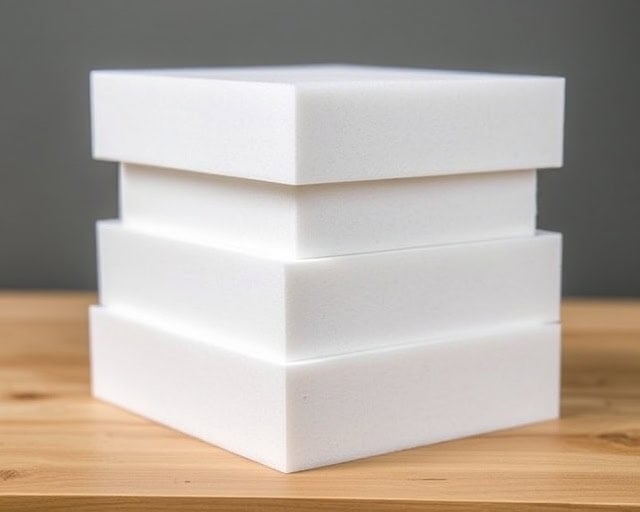
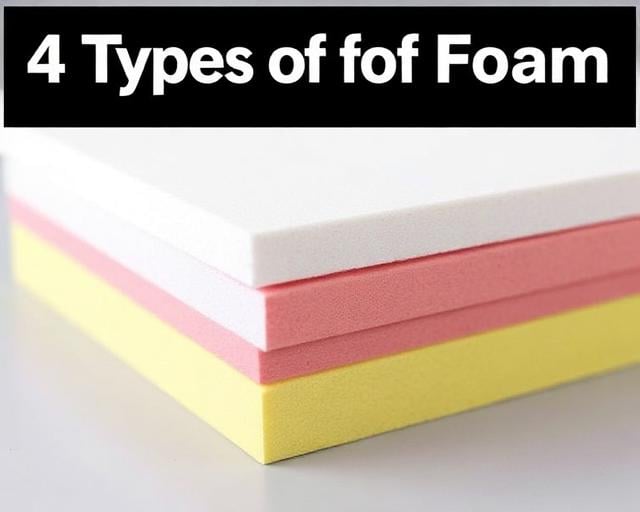
For Heavy-Duty Industrial Applications: If you are shipping 80-pound machined steel automotive parts across the ocean, delicate compostable bubble wrap will fail. You require pure, high-density impact resistance. In these scenarios, highly engineered, reusable EVA FOAM or heavy-duty Flexible PU FOAM is mathematically the better choice, as the primary goal is preventing catastrophic product damage (which has a worse carbon footprint than the packaging itself).
Common Procurement Mistakes
From our experience, the most devastating mistake a procurement officer can make is buying “oxo-degradable” plastics. Unscrupulous overseas vendors sell these as “biodegradable.” They are standard plastics laced with metal salts that cause the plastic to flake into invisible microplastics. They are banned in the EU and will result in massive fines. You must demand legitimate ASTM D6400 (US) or EN 13432 (EU) certifications.
Expert Buying Considerations
When selecting your supplier, evaluate your volumetric weight restrictions. Paper packaging is eco-friendly, but it is heavy and takes up massive warehouse space. If you lack pallet space, you must utilize on-demand inflatable air pillows or Air Bubble Wrap & Pouch machines, which ship flat and inflate only at the packing station.
Summary and Comparison Tables
Comparison Table: Eco-Friendly Material Types
| Material Type | Best Application | Environmental End-of-Life | Cost Profile |
|---|---|---|---|
| Compostable Film (PLA/PBAT) | Apparel, cosmetics, light retail | Commercial compost facility (180 days) | High (Premium pricing) |
| Recycled Plastic (PCR) | General e-commerce, durable goods | Curbside recyclable (Store drop-off) | Medium |
| Kraft Paper Void Fill | Heavy goods, books, hardware | 100% Curbside recyclable / Biodegradable | Low to Medium (High shipping weight) |
| Water-Soluble Peanuts | Small boxes, multi-item pick & pack | Dissolves in water instantly | Medium |
Pros and Cons of Switching to Sustainable Packaging
| Pros (Why you must switch) | Cons (The operational reality) |
|---|---|
| Drives massive consumer loyalty and social media unboxing praise. | Compostable films have a limited warehouse shelf life (12-18 months). |
| Ensures compliance with upcoming global plastic tax legislation. | Higher initial per-unit procurement cost compared to virgin plastics. |
| Reduces corporate carbon footprint and aids in ESG reporting. | Requires educating customers on proper disposal (compost vs. recycling bin). |
Expert Recommendation & Factory Direct Solutions
Are eco friendly protective packaging companies actually worth the higher unit costs? Emphatically, yes. The cost of failing to adapt to consumer and legislative demands will far outweigh a fractional increase in your packaging spend. We recommend that brands start by auditing their current void fill and mailers, replacing the lowest-hanging fruit (like virgin poly mailers) with compostable or high-PCR alternatives.
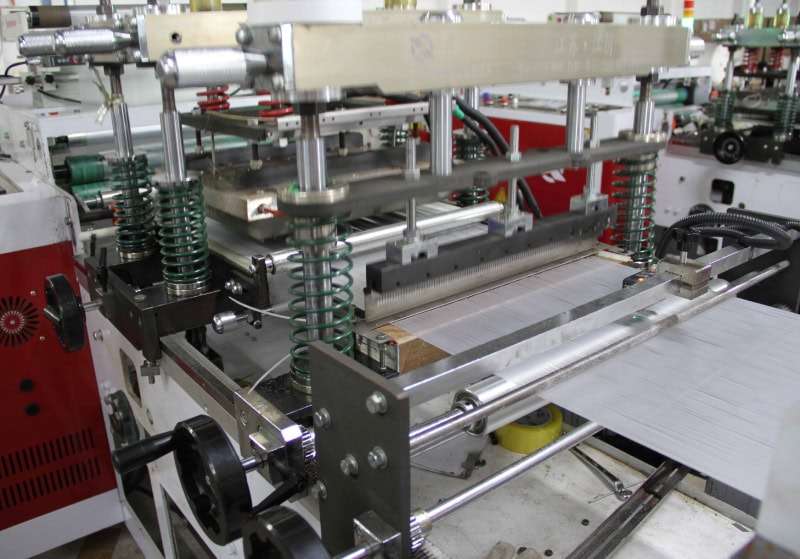
For operations managers looking to secure reliable international supply lines without compromising on environmental certifications, reviewing the Bubble Wrap Manufacturers China landscape and connecting with leading Packing Foam Sheets Suppliers is the critical next step in optimizing your 2026 logistics.
Frequently Asked Questions
Are compostable packaging materials as strong as traditional plastics?
Yes, in most professional situations, PBAT and PLA-based compostable bubble wrap perform identically to traditional polyethylene in terms of tensile strength and burst pressure. However, their shelf life is typically limited to 12-18 months before they begin to safely break down, requiring tighter inventory management.
How do I spot greenwashing when choosing eco friendly protective packaging companies?
Avoid companies selling “oxo-degradable” or “oxo-biodegradable” plastics. These simply break down into toxic microplastics. Always demand verifiable certifications from independent bodies, such as ASTM D6400 (for compostability) or Global Recycled Standard (GRS) for recycled content.
Is paper packaging always better than eco-friendly plastic?
Not necessarily. While paper is highly recyclable, it is much heavier and bulkier than inflatable air columns or compostable bubble wrap. This drastically increases your dimensional weight, which can lead to higher shipping costs and higher carbon emissions from transport vehicles. The best choice depends entirely on your specific supply chain and product fragility.
Can I use EPE foam and still be eco-friendly?
Yes. Expanded Polyethylene (EPE) foam is 100% recyclable. While it is derived from petroleum, top manufacturers (like the Flexible Polyurethane Foam Manufacturers) are increasingly using high percentages of recycled EPE in their new foam planks, creating a closed-loop recycling system for heavy-duty industrial shipping.
Industry References & Authoritative Guidelines
To ensure our environmental claims and material recommendations meet global compliance standards, Mailong Packaging references the rigorous guidelines established by the following authorities:
- Environmental Protection Agency (EPA): Federal data and guidelines concerning the management, reduction, and recycling metrics of packaging waste and plastics in the municipal solid waste stream. Review EPA Packaging Waste Data
- Sustainable Packaging Coalition (SPC): The leading industry voice for sustainability, providing the essential design guidelines and How2Recycle protocols that legitimate eco-friendly companies must adhere to. Review SPC Packaging Guidelines
- ASTM International: The global standards organization that dictates the testing parameters (such as ASTM D6400) required to legally classify a bioplastic material as commercially compostable. Review ASTM Compostability Standards