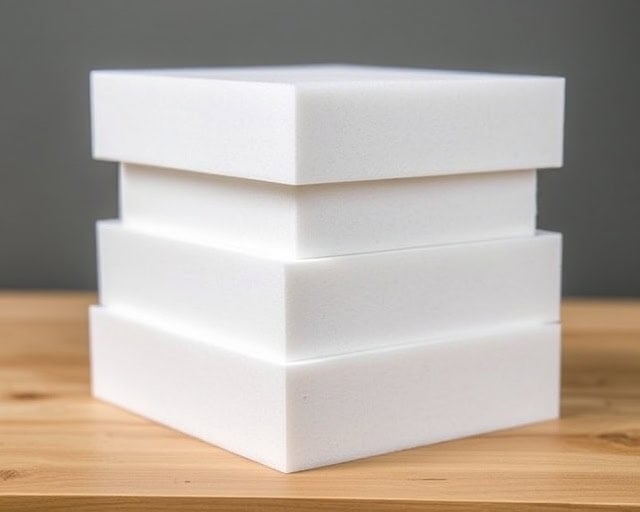
Most commercial purchasing teams treat poly bags as an afterthought, buying whichever clear plastic wrapper appears cheapest per thousand units. That strategy invariably backfires on the packaging line. A split side-weld during high-speed fulfillment, haze that obscures apparel branding, or blown seam seals under shipping pressure cost far more in returns and repacking labor than any marginal savings on resin thickness.
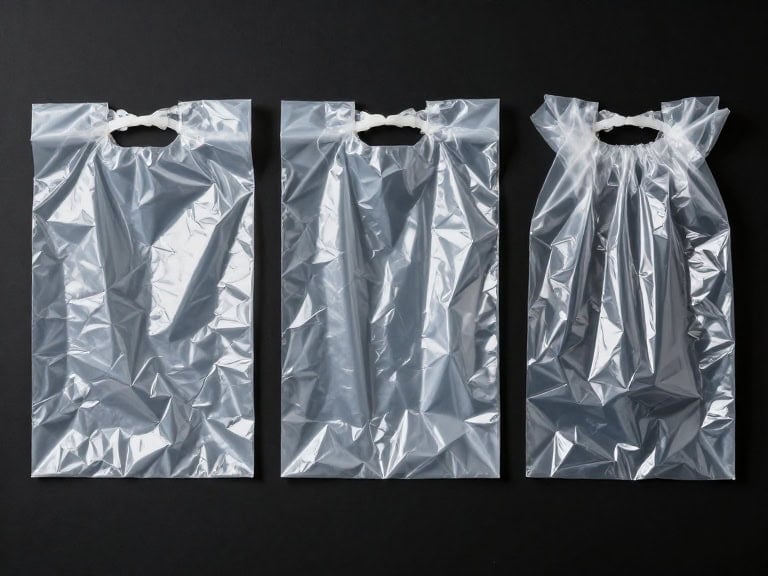
To specify the right packaging, procurement managers must understand that different types of clear polythene bags serve fundamentally distinct physical roles. A bag engineered for retail apparel display behaves completely differently from an industrial liner or a puncture-resistant electronics pouch. Selecting the correct resin density, opening format, and closure system directly determines fulfillment speed, warehouse damage rates, and customer unboxing satisfaction.
Quick Answer: The 5 Dominant Types and Best Use Cases
The 5 popular types of clear polythene bags utilized in modern manufacturing and logistics are: Flat Open-End Poly Bags (bulk hardware, manual heat sealing, internal grouping), Grip-Hole / Resealable Zip Lock Bags (multi-access hardware, spare parts, organizing), Self-Adhesive Lip & Tape Bags (apparel fulfillment, FBA retail prep, tamper-evident seals), Gusseted Poly Bags (bulky goods, square containers, pallet box liners), and Perforated Poly Bags on Rolls (high-speed packing benches, industrial lines, automated dispensers). For commercial shipping of fragile items, never rely on unpadded single-layer clear poly bags alone; always integrate targeted protective packaging like bubble wraps, foam inserts, or cushioned mailers.
Table of Contents
- Polyethylene Resins: LDPE, LLDPE, and HDPE Explained
- Quick Summary: Types of Clear Polythene Bags Compared
- Deep Dive: The 5 Popular Types of Clear Polythene Bags
- Pros vs. Cons of Clear Polythene Packaging
- Who Should Use Clear Poly Bags vs. Who Needs Padded Protection
- Protective Transit Alternative: Jewelry Bubble Mailers
- Common Mistakes in Poly Bag Procurement
- B2B Sourcing Considerations When Selecting a Manufacturer
- Expert Recommendation and Cost-Benefit Verdict
- Frequently Asked Questions
- Authoritative References
Polyethylene Resins: LDPE, LLDPE, and HDPE Explained
Before assessing bag geometry, you must understand polymer chemistry. In our testing across automated packaging lines, resin formulation matters as much as bag thickness measured in gauge or microns.
Low-Density Polyethylene (LDPE) remains the industry gold standard for general-purpose clear bags. LDPE provides exceptional optical clarity, smooth hand-feel, and moderate tensile strength. When packaging soft goods, retail apparel, or consumer accessories, LDPE delivers the gloss and transparency required for customer presentation. However, pure LDPE lacks extreme puncture resistance when exposed to sharp, rigid edges.
Linear Low-Density Polyethylene (LLDPE) is blended into virgin LDPE to dramatically increase impact strength, dart impact resistance, and elongation under load. In most professional situations where bags carry heavy mechanical fasteners, stamped sheet metal parts, or injection-molded components, a co-extruded LDPE/LLDPE blend prevents catastrophic puncture failures. High-Density Polyethylene (HDPE), by comparison, offers high tensile strength and vapor barrier properties with minimal wall thickness, but it suffers from a translucent milky haze and crinkly texture that makes it unsuitable for premium visual merchandising.
Quick Summary: Types of Clear Polythene Bags Compared
The table below summarizes the operational sweet spots, closure mechanisms, and thickness standards for the five primary types of clear polythene bags:
| Bag Format | Primary Closure Method | Standard Thickness Range | Optical Clarity | Optimal Commercial Application |
|---|---|---|---|---|
| Flat Open-End Poly Bags | Heat sealer, twist ties, or tape | 1.0 to 4.0 mil (25–100 µm) | High (Virgin LDPE) | Manual workcells, small parts kitting, internal dust covers |
| Resealable Zip Lock Bags | Integrated interlocking profile | 2.0 to 4.0 mil (50–100 µm) | Moderate to High | Spare parts kits, user manuals, samples requiring re-entry |
| Self-Adhesive Lip & Tape Bags | Peel-and-seal adhesive strip | 1.2 to 2.0 mil (30–50 µm) | Very High (Gloss finish) | Apparel fulfillment, FBA inventory poly-bagging, textiles |
| Gusseted Poly Bags | Heat seal, cable ties, box fold | 1.5 to 6.0 mil (38–150 µm) | Moderate | Bulk container liners, machinery covers, cubed cartons |
| Perforated Bags on Rolls | Heat seal or manual knot | 0.8 to 2.5 mil (20–63 µm) | Moderate to High | High-velocity fulfillment packing tables, automated bagging |
Deep Dive: The 5 Popular Types of Clear Polythene Bags
1. Flat Open-End Poly Bags
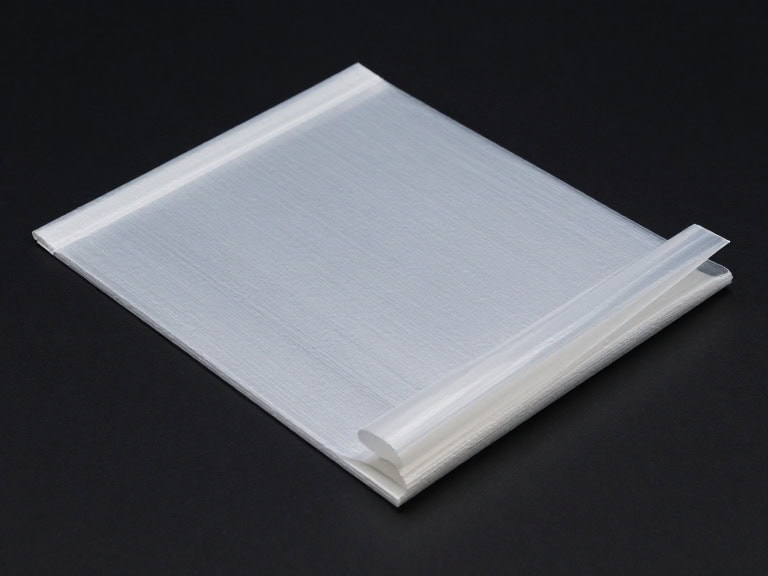
The flat open-end poly bag is the foundational packaging format for industrial manufacturing. These two-dimensional bags feature a bottom weld and an open top rim. From our experience, flat open bags offer the lowest unit procurement cost, but they demand a secondary closure process: impulse heat sealing, ultrasonic welding, or manual taping with heavy-duty Packing Tape/BOPP Tape.
For commercial users handling high product mix, flat bags offer maximum flexibility. You can standardize on two or three outer bag sizes and trim excess length during impulse sealing. However, for operations running manual workcells, closing hundreds of flat bags by hand introduces labor bottlenecks that quickly erode material cost savings.
2. Resealable Zip Lock Poly Bags
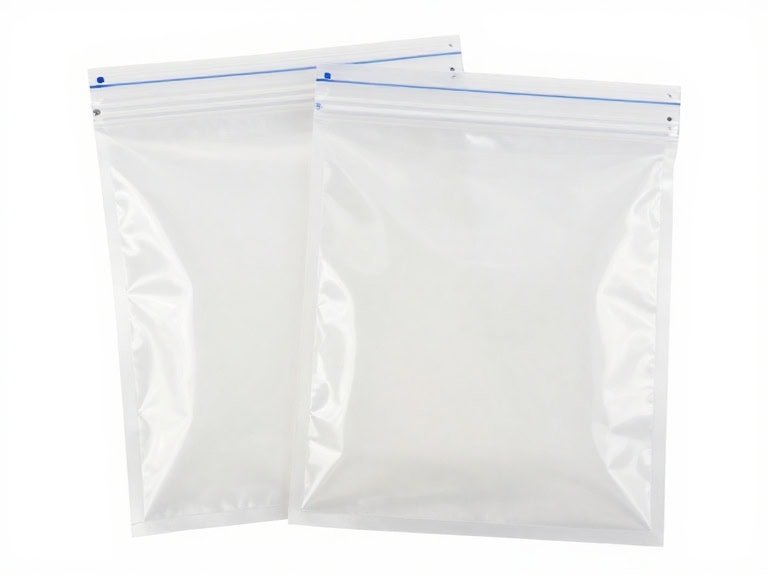
Zip lock bags incorporate an extruded dual-track or slider profile directly into the bag lip. They allow end users to open and close the package repeatedly without tearing the film. For heavy-duty applications, such as industrial maintenance kits, automotive repair clips, or electronic component sorting, we recommend specifying minimum 3-mil (75-micron) wall thickness to prevent side-seam splits when the zipper is pried open.
Their key limitation is moisture and vacuum sealing. While zip tracks provide an effective dust barrier, they are rarely airtight under heavy stacking pressure. If your shipment faces direct water exposure or extreme humidity, a heat-sealed flat bag remains substantially more dependable.
3. Self-Adhesive Lip & Tape Bags (Peel & Seal)
Self-adhesive bags feature an extended lip backed by an adhesive strip protected by a release liner. They dominate e-commerce apparel and soft goods logistics. Sourcing teams can choose between two adhesive formulations: resealable low-tack adhesive (allowing customers to open and inspect garments without destroying the bag) and permanent destructive adhesive (which tears the film upon opening for tamper evidence).
In our testing on fulfillment lines, self-seal poly bags reduce pack-station cycle time by up to 40% compared to manual tape dispensing. For e-commerce brands utilizing third-party logistics (3PL) or Amazon FBA, these bags must include standardized suffocation warning prints for any opening exceeding five inches.
4. Gusseted Poly Bags (Side and Bottom Gussets)
Standard flat bags fail when packaging three-dimensional items like cubical cartons, folded textiles, or bulk food grains. Gusseted bags solve this limitation by folding additional material into the sides or bottom, creating an expandable pleated wall. When opened, the bag takes on a square, box-like footprint that sits flat.
For commercial users operating automated case packing lines, gusseted poly liners prevent trapped air pockets inside master shippers. They fit snugly inside an outer Corrugated Box & Rigid Boxes, shielding corrugated fluting from grease or moisture penetration while keeping goods secure.
5. Perforated Poly Bags on Rolls
Perforated roll-fed bags are wound onto a heavy-duty cardboard core, separated by micro-perforations. Operators pull a bag, snap it cleanly off the roll, insert the product, and advance the line. When integrated with automated tabletop poly-bagging machines, continuous roll bags achieve throughput speeds in excess of 20 to 30 packages per minute.
For beginners running small manual operations, roll-mounted bags require dedicated dispenser racks. Without proper tensioning mandrels, operators often stretch or distort the perforation line, creating uneven bag openings that complicate loading.
Pros vs. Cons of Clear Polythene Packaging
Evaluating clear polythene bags requires looking at overall packing efficiency, product visibility, and structural protection limits across real-world handling conditions.
| Category | Advantages (Pros) | Disadvantages & Operational Limits (Cons) |
|---|---|---|
| Operational Efficiency |
|
|
| Protection & Visibility |
|
|
Who Should Use Clear Poly Bags vs. Who Needs Padded Protection
In most professional situations, the biggest mistake packaging managers make is assuming a 2-mil clear poly bag provides adequate shipping protection. Clear poly bags are containment barriers, not impact absorbers.
Who Should Use Clear Poly Bags:
- Apparel & Textile Manufacturers: Garments, knitwear, and linens require dirt protection and barcode visibility, but have zero fragility to mechanical shock. A self-seal LDPE bag is the ideal primary packaging solution before placing items into a tough, weather-resistant Poly Mailer.
- Hardware Kitting & Fastener Distributors: Screws, nuts, washers, and stamped brackets require grouping so pieces do not separate in transit. High-gauge 4-mil flat or zip lock poly bags handle heavy parts cleanly.
- Warehouse Bulk Storage & Pallet Protection: Palletized cartons benefit from heavy gusseted poly liners beneath the outer Pallet Film to prevent bottom-tier moisture wicking.
Who Does Not Need Unpadded Clear Poly Bags:
- Fragile Electronics & Optics: Lenses, printed circuit boards, and sensitive components will shatter if handled in single-film bags. They require engineered shock dispersion using EVA FOAM or anti-static EPE FOAM profiles.
- High-Value Cosmetics & Glass Bottles: Dropping a bottled serum inside a poly bag guarantees a spill. These goods require internal inflatable chambers, such as high-burst Inflatable Bubble Wrap or air-cushioned mailers.
- Direct-to-Consumer Jewelry: Rings, delicate chains, and luxury pendants snag, scratch, and crush inside unpadded film. They demand padded structural enclosures engineered specifically for jewelry fulfillment.
Protective Transit Alternative: Jewelry Bubble Mailers
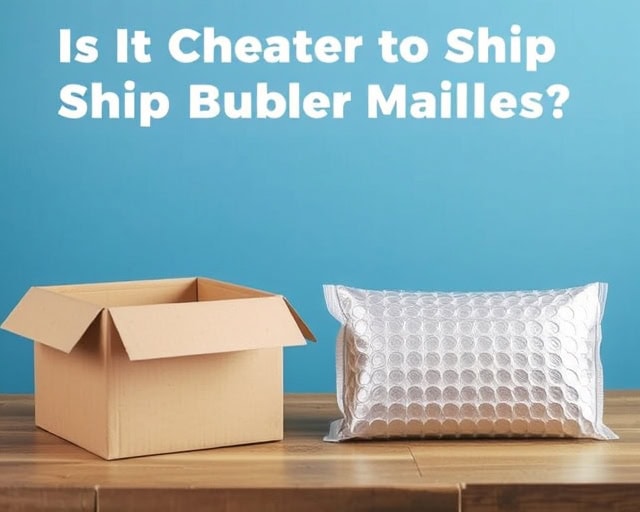
When shipping small, premium items like jewelry, watches, and delicate optical accessories, unpadded clear polythene bags create unacceptable return rates due to postal sorting conveyor damage. Mailong Packaging solves this operational vulnerability with custom engineered protective mailing solutions.
Jewelry Bubble Mailer Shipping Packaging Solution
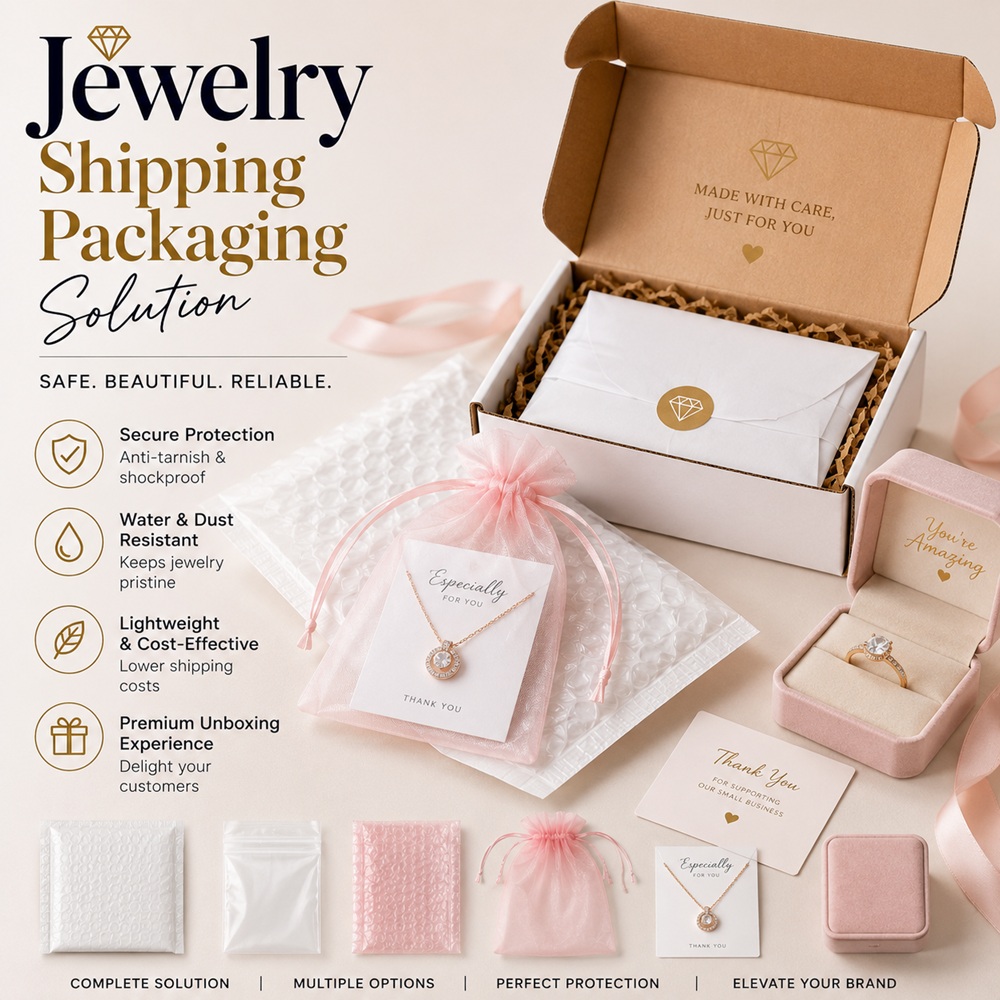
While clear polythene bags keep chains organized, outer shipping requires high-barrier structural impact absorption. The Mailong Packaging custom Jewelry Bubble Mailer combines a tough exterior surface with dense, resilient air-bubble interior padding, protecting fine jewelry, luxury accessories, and delicate items from compression, transit shock, and weather intrusion.
Upgrade your delicate goods shipping workflow with the Bubble Mailer line to eliminate handling damages in high-volume parcel networks.
Common Mistakes in Poly Bag Procurement
From our experience evaluating B2B manufacturing runs, purchasing teams frequently commit four expensive specification mistakes:
- Specifying Bag Dimensions Without Factoring in Product Depth: A flat bag measuring 10 x 12 inches cannot hold a rigid box measuring 10 x 12 x 2 inches. As the object expands into the third dimension, it pulls the bag sides inward. Sourcing teams must calculate: Bag Width = Object Width + Object Depth + 0.75-inch clearance margin; Bag Length = Object Length + Object Depth + 1.5 inches for closure allowance.
- Over-Specifying Gauge Thickness on Non-Load-Bearing Items: Ordering 4-mil bags for lightweight shirts or paper goods doubles freight and resin costs without adding any functional benefit. A 1.2 to 1.5-mil bag provides all necessary barrier protection for soft goods.
- Ignoring Slip and Anti-Static Additives: Virgin LDPE can exhibit excessive surface friction, causing bags to cling tightly together. This prevents packing operators from sliding hands inside quickly. Specifying medium-slip additive packages ensures clean opening at packing benches.
- Assuming All Poly Bags Meet Courier Drop-Test Standards: Placing an unpadded poly-bagged item into a courier sorting hub without void fill, such as Air Pillow Film, leads to crushed packaging and product returns.
B2B Sourcing Considerations When Selecting a Manufacturer
When selecting a flexible film extrusion and converting manufacturer, verify these technical competencies before signing supply contracts:
- Weld Integrity and Seam Construction: Confirm whether the supplier uses bottom-weld, side-weld, or skirted twin-seal tooling. Side-weld bags present a cleaner aesthetic profile for retail apparel, whereas bottom-weld bags handle significantly heavier vertical stress without seam blowout.
- Virgin vs. Post-Consumer Recycled (PCR) Resin Ratios: Incorporating 30% to 50% PCR resin reduces environmental tax liabilities in European and North American markets. However, PCR resins naturally reduce optical clarity and can introduce slight surface odor. Request physical pre-production drawdowns to inspect clarity firsthand.
- Production Lead Times and Flexible MOQs: High-volume rotogravure printing lines often demand minimum orders of 50,000 units. For agile fulfillment, partner with responsive producers like Mailong Packaging that provide rapid 3-to-7 day turnarounds with flexible factory-direct volume scaling.
- Ventilation Punching and Child Safety Compliance: Garments packed in unvented bags trap air, ballooning outer shipping cartons and wasting cube volume on freight pallets. Ensure your manufacturer can add micro-perforations or die-cut vent holes to release air during carton sealing.
Expert Recommendation and Cost-Benefit Verdict
We recommend standardizing your poly bag procurement on two specific functional configurations rather than maintaining a chaotic catalog of dozens of custom sizes:
For Apparel, Soft Goods, and E-Commerce Retail: Transition entirely to self-adhesive lip and tape bags made from 1.5-mil virgin LDPE with integrated micro-vent holes and printed suffocation warnings. The reduction in packing labor and automated carton compression will quickly offset the minor per-unit price difference compared to flat open bags.
For Industrial Hardware, Kitting, and Complex Assemblies: Standardize on 3-mil reclosable zip lock bags with high-tensile side seals. The reusability keeps parts organized on customer assembly lines, preventing lost hardware complaints.
For Fragile, High-Value, or Electronics Shipments: Completely eliminate unpadded clear poly bags from your outbound shipping workflow. Pair items with tailored cushioning such as Air Bubble Wrap & Pouch, shock-damping Flexible PU FOAM, or specialized bubble mailers to eliminate parcel transit damage.
Frequently Asked Questions
What are the most common types of clear polythene bags used in packaging?
The five most common types of clear polythene bags are flat open-end bags, resealable zip lock bags, self-adhesive lip and tape bags, gusseted poly bags, and perforated roll bags. Each configuration serves specific packaging workflows ranging from manual parts sorting to high-speed automated apparel fulfillment.
What thickness (gauge/mil) should I choose for clear poly bags?
For light apparel and dust covers, 1.0 to 1.5 mil (25 to 38 microns) provides good barrier protection and high clarity at low cost. For standard retail items and shipping containment, 2.0 mil (50 microns) is the industry standard. For heavy hardware, sharp plastic components, and metal industrial parts, select 3.0 to 4.0 mil (75 to 100 microns) to prevent punctures and seam splitting.
Can clear polythene bags protect fragile products during transit?
No. Clear polythene bags only protect items against surface dust, dirt, moisture, and handling friction. They offer zero impact absorption or structural resistance against drops. Fragile items must be packed using bubble mailers, protective foam inserts, or inflatable cushioning inside rigid corrugated cartons.
Are clear poly bags recyclable?
Yes, pure Low-Density Polyethylene (LDPE) bags are classified under SPI recycling code #4. They are widely recyclable through commercial film recovery streams and store drop-off programs, provided they are clean, dry, and free of composite foil or destructive adhesive contaminants.
Why do some clear poly bags require suffocation warning labels?
Safety regulations across major markets require clear poly bags with an opening of 5 inches or greater to bear a legible suffocation warning. This prevents thin flexible film from adhering to children’s faces if discarded improperly. Major e-commerce platforms like Amazon strictly enforce these labeling rules.
Authoritative References
- ASTM International: Standard Test Methods for Impact Resistance of Plastic Film by Free-Falling Dart (ASTM D1709)
- Plastics Industry Association: Flexible Polyethylene Film Extrusion and Recycling Standards
- International Organization for Standardization: ISO 1183 Methods for Determining Density of Non-Cellular Plastics
“`