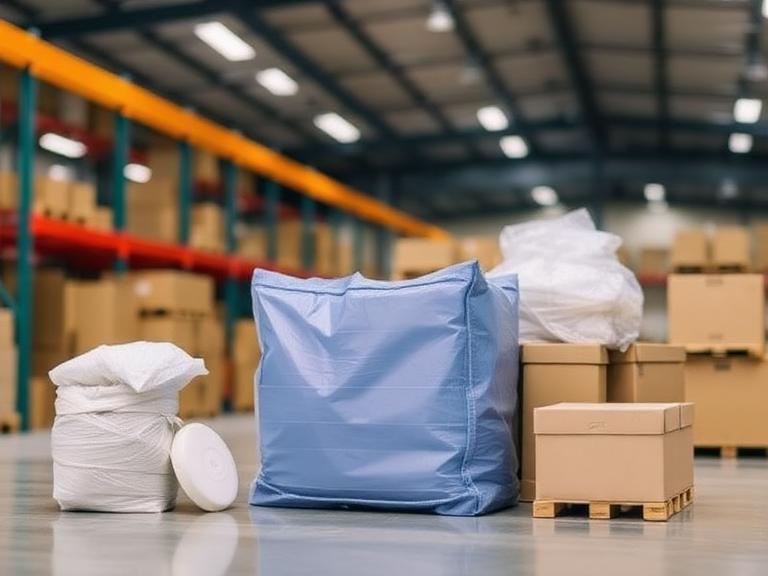
The global logistics infrastructure is currently operating under unprecedented strain. Carrier rates are at historic highs, dimensional weight (DIM) pricing penalizes inefficient void fill, and consumer expectations for unboxing aesthetics and sustainability have never been more rigorous. If your supply chain is relying on localized retail suppliers or outdated distribution contracts, you are actively hemorrhaging capital. From our experience at Mailong Packaging, auditing and optimizing fulfillment centers globally, the decision of who you partner with for void fill, wrapping, and exterior protection dictates your ultimate shipping margins.
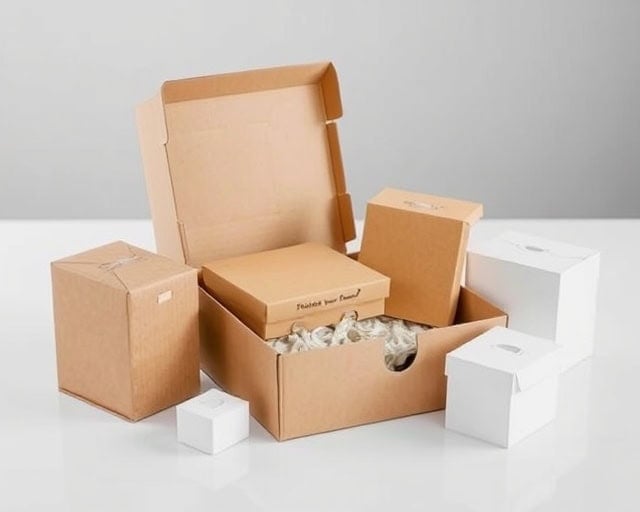
In most professional situations, procurement officers make a fatal error: they assume that the largest, publicly traded corporations inherently offer the best value. This is a severe miscalculation. While mega-conglomerates dominate the revenue charts, they carry astronomical overhead, rigid Minimum Order Quantities (MOQs), and bureaucratic bottlenecks that paralyze agile mid-market brands. You must use commercial and practical judgment when selecting a vendor. In this definitive guide, we take a highly opinionated, practitioner-led stance on the Top 20 protective packaging companies in the world. We will categorize these players, explain the hidden costs of working with mega-distributors, and provide you with the exact technical blueprint to secure high-performance materials without paying the 300% markup typically associated with western brand names.
Quick Answer: The Procurement Landscape
If you are actively evaluating the Top 20 protective packaging companies, you must understand the three distinct tiers of the market:
- Tier 1: Global Conglomerates (e.g., Sealed Air, Pregis, Smurfit Kappa). Massive portfolios, global reach, but notoriously expensive with inflexible contracts. Best for Fortune 500 enterprises.
- Tier 2: Mega-Distributors (e.g., Uline, Veritiv, Shorr). They do not manufacture the products; they buy from OEMs and mark up the price by 100% to 300% for the convenience of next-day delivery.
- Tier 3: Agile OEM Direct Manufacturers (e.g., Mailong Packaging). The optimal choice for commercial users and mid-market fulfillment. You buy direct from the factory floor, securing custom extrusion, custom printing, and wholesale pricing.
We recommend that any business shipping more than 1,000 orders per month immediately bypass Tier 2 distributors and establish a direct supply line with a Tier 3 OEM manufacturer to preserve profit margins.
Table of Contents
- What It Is: The Packaging Ecosystem
- How It Works: Supply Chain Mechanics
- The Top 20 Companies Categorized
- Commercial Benefits of Direct Sourcing
- Limitations of Mega-Conglomerates
- Who Should Partner with OEMs
- Who Does Not Need Direct Sourcing
- Common Procurement Mistakes
- Expert Buying Considerations
- Summary and Comparison Tables
- Expert Recommendation & Integrated Solutions
- Frequently Asked Questions
What It Is: The Packaging Ecosystem
Protective packaging is the critical physical barrier between your product and the hostile environment of the global freight network. It encompasses exterior containment, internal void fill, cushioning, and surface protection. When we analyze the Top 20 protective packaging companies, we are looking at entities that produce the raw defense mechanisms of commerce: bubble films, air column chambers, corrugated matrices, and cohesive wrap systems.
However, the industry is heavily segmented. Some companies strictly manufacture raw resins into Pallet Wrap Stretch Film, while others operate exclusively as brokers, buying massive sea containers of Poly Mailer Shipping Bags from Asia and reselling them domestically. Understanding where a company sits in this ecosystem is critical to negotiating your unit costs.
How It Works: Supply Chain Mechanics
How it works behind the scenes dictates your profitability. A manufacturer sources raw PE (Polyethylene) or PA (Polyamide) resin. They extrude this resin through high-heat dies to create multi-layer co-extruded films. If you buy an Inflatable Air Column Wrap from a distributor, that product has likely changed hands three times: from the OEM factory, to an export broker, to a domestic distributor, and finally to you. Each node in that supply chain adds a 30% to 50% margin.
To optimize your cost-per-pack, you must eliminate the nodes. Direct procurement from a facility operating massive blown film extrusion lines ensures you pay for the raw material and the manufacturing labor, completely bypassing the inflated marketing overhead of the western conglomerates.
The Top 20 Protective Packaging Companies Categorized
In our continuous auditing of the global landscape, we have identified the top 20 players shaping the industry in 2026. We have categorized them by their operational models so you can make an informed procurement decision.
The Global Conglomerates (The Titans)
These corporations generate billions in revenue and possess vast international footprints. They are characterized by heavy R&D budgets but command absolute premium pricing.
- Sealed Air Corporation: The original inventors of Bubble Wrap. Dominant in automated void-fill machinery.
- Pregis: A massive player in protective films and paper void-fill systems.
- Storopack: Specialists in custom molded EPS foams and air cushion systems.
- Smurfit Kappa: A global titan in corrugated cardboard and paper-based protection.
- Mondi Group: Focused heavily on sustainable paper and flexible plastic solutions.
- DS Smith: Leaders in sustainable, fiber-based packaging and recycling.
- Ranpak: The undisputed leader in 100% paper-based, eco-friendly void fill machinery.
- WestRock: A behemoth in containerboard and corrugated packaging design.
- International Paper: One of the world’s largest producers of fiber-based packaging.
- Amcor: Massive global presence, primarily focused on flexible and rigid plastics.
- Huhtamaki: Specialists in molded fiber and flexible packaging for food and consumer goods.
- Sonoco Products: Experts in industrial tubes, cores, and protective temperature-assurance packaging.
- ProAmpac: A leader in flexible packaging and material science innovation.
- UFP Technologies: Highly specialized in custom-engineered foams for medical and aerospace applications.
The Mega-Distributors (The Middlemen)
These companies rarely manufacture their own raw materials. They operate massive warehouse networks to provide next-day delivery at heavily inflated prices.
- Uline: The most famous catalog distributor in North America. Exceptional speed, but extremely high unit costs.
- Veritiv: A massive B2B distributor of packaging, facility solutions, and print logistics.
- Shorr Packaging: A prominent independent packaging distributor focusing on automated equipment integration.
- Macfarlane Group: The UK’s largest distributor of protective packaging materials.
- Crawford Packaging: A major North American distributor specializing in automation and consumables.
The Agile OEM Direct Manufacturer (The Strategic Advantage)
- Mailong Packaging: Representing the modern paradigm of B2B procurement. By operating directly as an OEM factory since 2009, Mailong bypasses the distributor markup, delivering world-class Inflatable Bubble Wrap, air columns, and poly mailers direct to mid-market and enterprise fulfillment centers globally.
Commercial Benefits of Direct Sourcing
The primary benefit of partnering with an OEM direct manufacturer like Mailong is absolute cost control. When you procure Corrugated Cardboard Rolls or Packing Tape BOPP Tape directly from the factory floor, your unit cost plummets. This capital can be reinvested into automated tape machines or advanced warehouse management software (WMS). Furthermore, direct OEMs offer bespoke customization. If you need your logo printed across 50,000 poly mailers, an OEM executes this at a fraction of the cost of a domestic distributor.
Limitations of Mega-Conglomerates
We must use commercial and practical judgment: signing a contract with a Tier 1 conglomerate comes with severe limitations. They require massive, rigid MOQs and often lock you into proprietary machinery contracts. If you install a Sealed Air or Pregis void-fill machine, you are contractually obligated to buy their heavily marked-up proprietary film rolls. They operate on a “razor and blades” business model. You are essentially trapped in their ecosystem.
Who Should Partner with OEMs
For Commercial Users and Mid-Market Fulfillment: E-commerce brands shipping 1,000 to 50,000 orders per month, 3PL (Third Party Logistics) providers, and regional distributors must partner with Tier 3 OEM factories. This allows you to import raw consumables, such as Heavy Duty Bubble Wrap, at wholesale costs, drastically lowering your Cost-Per-Pack (CPP).
Who Does Not Need Direct Sourcing
For Beginners and Micro-Businesses: If you are shipping 10 orders a week out of your garage, you do not need to contact an international OEM. You lack the volume to meet factory MOQs and the warehouse space to store a pallet of film. In this rare instance, absorbing the high margins of a distributor like Uline is acceptable for the convenience of buying in micro-quantities.
Common Procurement Mistakes
From our experience auditing supply chains, the most catastrophic mistake is ignoring dimensional (DIM) weight. Buyers will purchase cheap, pre-inflated bubble wrap because the unit cost is low. However, pre-inflated bubble wrap takes up massive warehouse space, meaning you pay exorbitant inbound freight costs to essentially ship trapped air. You must transition to flat-shipped Inflatable Air Column Wrap, which you inflate on-demand at the packing station, saving up to 80% in inbound logistics costs.
Expert Buying Considerations
When selecting from the Top 20 protective packaging companies, evaluate their material science. For fragile electronics or glass, standard bubble wrap is insufficient; you must demand specialized solutions. Consider integrating Bubble Wrap Pouches or custom air columns. Furthermore, assess their sustainability profile. The regulatory environment is aggressively penalizing single-use virgin plastics. Ensure your partner can supply Eco Friendly Bubble Wrap or post-consumer recycled (PCR) poly mailers to future-proof your operations.
Summary and Comparison Tables
Comparison Table: Tier 1 Conglomerate vs. Tier 3 OEM Direct
| Metric | Tier 1 Global Conglomerate (e.g., Sealed Air) | Tier 3 OEM Direct (e.g., Mailong Packaging) |
|---|---|---|
| Unit Cost (Consumables) | High (Includes heavy corporate overhead) | Low (Direct factory pricing) |
| Machinery Ecosystem | Closed (Must use their proprietary film) | Open (Films compatible with universal machines) |
| Agility & Customization | Slow, rigid, requires massive volume | Fast prototyping, highly flexible MOQs |
| Best Application | Billion-dollar global enterprises | Mid-market brands, 3PLs, E-commerce |
Pros and Cons of Automated Air Cushion Systems
| Pros (Why you must upgrade) | Cons (The operational reality) |
|---|---|
| Ships completely flat, reducing inbound freight costs by up to 80%. | Requires upfront capital expenditure for an inflation machine. |
| Drastically reduces warehouse storage footprint compared to EPS foam. | Requires packers to be trained on inflation calibration. |
| Provides superior shock absorption for high-value fragile goods. | Pneumatic puncture can fail if exposed to sharp internal box staples. |
| Accelerates pack-out times, lowering fulfillment labor costs. | May require localized electrical drops at each packing station. |
Expert Recommendation & Integrated Solutions
Is it actually worth disrupting your current supply chain to transition away from the famous distributors? Emphatically, yes. The packaging sector is an industry where convenience carries a lethal premium. We recommend that commercial users immediately audit their consumable spend. If you are buying tape, stretch film, or bubble wrap from a domestic catalog distributor, you are funding their marketing department. Reclaim your margins by partnering directly with an OEM facility.
Mailong Packaging – Factory Direct Protective Solutions
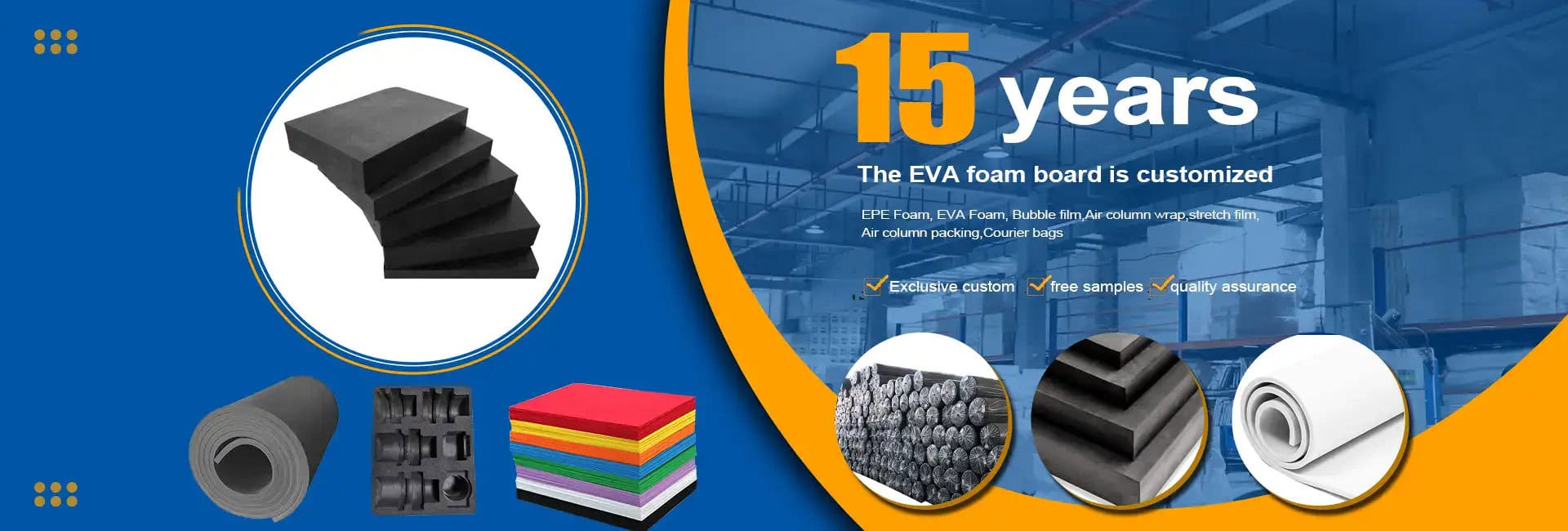
Dongguan Mailong Packaging Co., Ltd. was established in 2009. It is a reputed manufacturer and exporter of a wide range of world-class quality packaging materials, bypassing the inflated costs of global distributors.
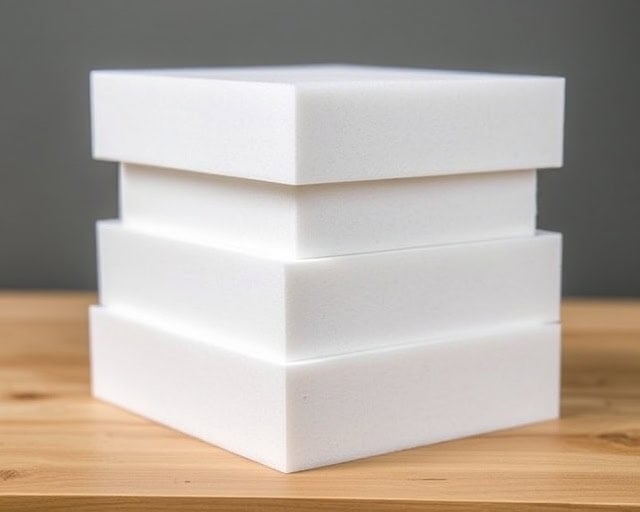
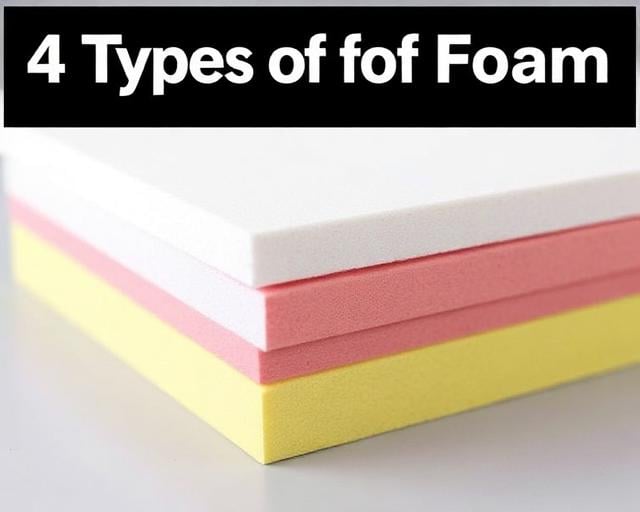
Our core manufacturing capabilities include inflatable bubble and pillow film, air column rolls, air column bags, EPE and EVA FOAM, Poly Mailers, Stretch wrap, Bubble mailers, BOPP tape, and Corrugated boxes. These highly engineered solutions prevent products from collision damage, attrition, and static during the most brutal logistics transportation routes.
Operating as an agile OEM/ODM partner, Mailong has successfully exported to overseas markets in more than 30 countries, providing enterprise-grade protection at true factory-direct pricing.
If you are shipping apparel or soft goods, do not waste money on complex void fill. Explore our highly efficient Poly Mailer Bags for Clothes, which offer tear-proof, waterproof containment at a fraction of the cost of corrugated cardboard.
Frequently Asked Questions
Who are the Top 20 protective packaging companies in the world?
The list includes mega-conglomerates like Sealed Air, Pregis, Storopack, Smurfit Kappa, and Ranpak, alongside mega-distributors like Uline. However, for agile mid-market fulfillment, direct OEM manufacturers like Mailong Packaging offer superior ROI by eliminating the distributor markup.
Should I buy from a global conglomerate or a direct manufacturer?
From our experience, unless your company requires multi-continental, billion-dollar logistics contracts, purchasing from a massive conglomerate subjects you to inflated prices and rigid MOQs. Working with a direct OEM manufacturer provides custom solutions, faster turnaround times, and significantly lower unit costs.
What is the most cost-effective protective packaging material?
For heavy or fragile items, inflatable air column wrap is the most cost-effective. It ships flat, saving up to 80% on inbound freight and warehouse storage costs compared to traditional pre-inflated bubble wrap or bulky EPS foam. You inflate it on demand at the packing station.
Why do some companies use paper instead of bubble wrap?
Paper void fill (like kraft paper crumpled by automated machines) is heavily utilized by brands pushing an aggressive eco-friendly, plastic-free aesthetic. However, paper creates significant dust, is heavier (increasing outbound freight costs), and lacks the superior pneumatic shock absorption of high-grade plastic air columns.
Industry References & Authoritative Guidelines
To ensure our procurement strategies and material science advice meet global standards, Mailong Packaging references the protocols established by the following authoritative organizations:
- International Organization for Standardization (ISO): The global authority defining ISO 9001 quality management systems, ensuring that packaging manufacturing facilities maintain strict quality control and traceability. Review ISO Standards
- Environmental Protection Agency (EPA): Federal agency providing guidelines on sustainable materials management, the reduction of single-use plastics, and the promotion of post-consumer recycled (PCR) content in commercial packaging. Review EPA Sustainable Management Guidelines
- PMMI (The Association for Packaging and Processing Technologies): The premier global resource for packaging supply chain data, automation trends, and material science innovations driving the logistics sector. Review PMMI Industry Data