Procuring packaging from overseas suppliers is fraught with invisible risks. A beautifully printed mailer bag or a sturdy corrugated box means absolutely nothing if it gets seized at customs for chemical violations or is manufactured in a facility utilizing forced labor. From our experience auditing global supply chains, the majority of procurement disasters stem from a single, avoidable error: failing to demand and verify the correct factory certifications before wiring the deposit.
Navigating the complex web of international compliance is not just about environmental ethics; it is about protecting your brand’s liability and ensuring uninterrupted supply. When assessing what Certifications Should International Packaging Buyers prioritize, you must separate generic marketing badges from rigorous, third-party audited standards. In this guide, we break down exactly which documents you must request, how to verify them, and why they matter to your bottom line.
Quick Answer: The Mandatory Certification Shortlist
If you are an international packaging buyer vetting a new global supplier, these are the non-negotiable certifications you must ask for:
- ISO 9001: For consistent Quality Management Systems (QMS).
- REACH & RoHS: For chemical safety, ensuring the packaging is free from heavy metals and toxic substances (Mandatory for EU/US imports).
- BSCI or SMETA: For social compliance and ethical manufacturing practices.
- MSDS (Material Safety Data Sheet): For logistics and customs clearance, particularly for plastics and inks.
Never accept a certification at face value. Always request the actual certificate PDF, check the expiration date, and verify the factory name matches the entity you are paying.
Table of Contents
- What Are Packaging Certifications?
- How the Certification Process Actually Works
- The Core Certifications Explained
- Quick Summary Table
- The Benefits of Certified Procurement
- Limitations and Hidden Realities
- Pros and Cons of Strict Compliance
- Comparison: Factory Certs vs. Product Certs
- Who Should Demand These (And Who Does Not Need To)
- Common Procurement Mistakes
- Expert Buying Considerations
- The Mailong Packaging Recommendation
- Frequently Asked Questions (FAQ)
What Are Packaging Certifications?
In the context of global trade, a packaging certification is a formal, documented validation issued by an independent, accredited third-party auditing firm (such as SGS, Intertek, or TÜV Rheinland). These documents prove that a manufacturing facility or a specific packaging product adheres to strict international standards regarding quality control, chemical safety, environmental impact, or labor rights.
When asking what Certifications Should International Packaging Buyers look for, it is critical to distinguish between self-declared compliance and third-party audited compliance. A supplier claiming they are “eco-friendly” on their website carries zero legal weight at border control. A verified certificate from a recognized standards organization is your only legal shield.
How the Certification Process Actually Works
Obtaining these certifications is not a matter of simply paying a fee. For a factory to achieve ISO 9001 or BSCI status, an external auditor physically visits the manufacturing site. They inspect the raw material intake protocols, monitor the production lines, interview factory workers privately to ensure fair labor practices, and pull random product samples for laboratory chemical testing.
Once a factory passes, they are issued a certificate with a unique tracking number, valid typically for one to three years. If you are sourcing products like Compostable Bubble Wrap, the auditing body will chemically test the resins to ensure they actually break down according to EN 13432 or ASTM D6400 standards, rather than simply degrading into harmful microplastics.
The Core Certifications Explained
In most professional situations, we recommend demanding the following specific standards based on your product category.
1. Quality Management: ISO 9001
ISO 9001 is the global baseline for Quality Management Systems. It proves that a factory has a formalized process for catching defects, maintaining machinery, and handling customer complaints. If you are buying custom Corrugated Box & Rigid Boxes, ISO 9001 ensures that the structural integrity and print registration will be identical in batch one and batch ten.
2. Chemical Safety: REACH & RoHS
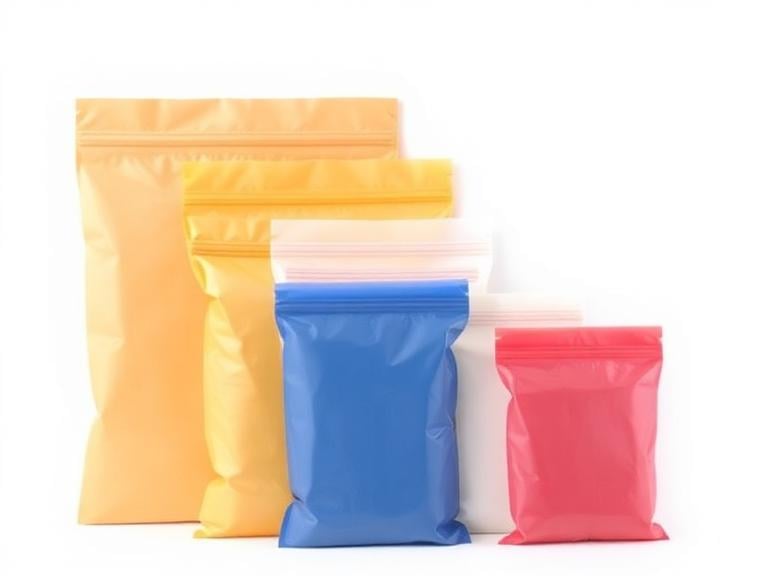
Originating in the European Union but now an expected global standard, REACH (Registration, Evaluation, Authorisation and Restriction of Chemicals) and RoHS (Restriction of Hazardous Substances) are vital. Packaging often utilizes inks, adhesives, and masterbatch dyes that can harbor lead, cadmium, or phthalates. If you import Poly Mailer Bags for Clothes that fail a REACH inspection at customs, the entire shipment will be destroyed at your expense.
3. Social Compliance: BSCI & SMETA
Modern consumers demand ethical supply chains. The Business Social Compliance Initiative (BSCI) and SMETA audits verify that the factory does not use child labor, enforces safe working conditions, and pays fair wages. Major retailers like Target or Walmart will not let your product on their shelves if your packaging supplier fails these social audits.
4. Customs & Logistics: MSDS
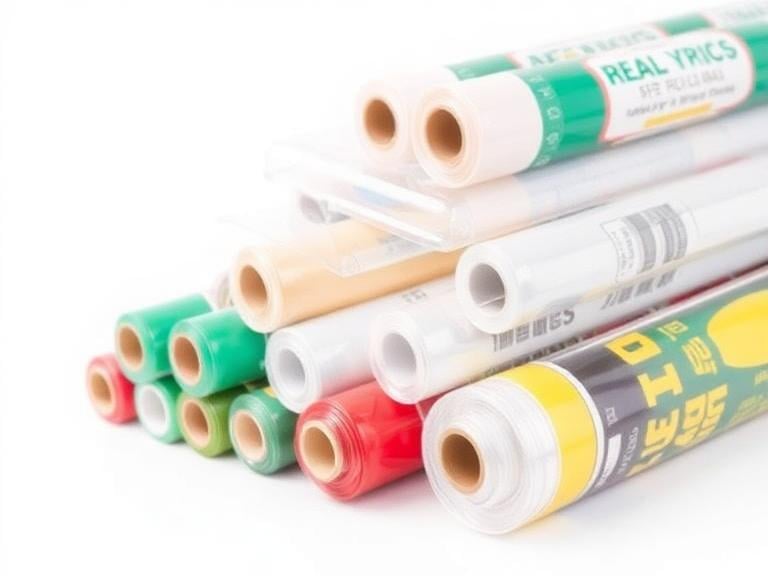
A Material Safety Data Sheet (MSDS) is not technically a factory certification, but it is a mandatory document. It details the chemical composition and handling procedures for a product. If you are importing bulk Pallet Wrap Stretch Film, freight forwarders and customs agents require an MSDS to ensure the plastic film is not a latent fire hazard during transit.
Quick Summary Table: Certification Targets
| Certification / Standard | Primary Purpose | Risk Mitigated | Best For |
|---|---|---|---|
| ISO 9001 | Quality Management | Inconsistent product quality across batches | All packaging types |
| REACH / RoHS | Chemical Safety | Customs seizures, toxic exposure liability | Printed bags, colored plastics, adhesives |
| BSCI / SMETA | Social Accountability | PR disasters, retailer rejections | Brands selling to major big-box retailers |
| FSC (Forest Stewardship) | Sustainable Forestry | Illegal logging, environmental backlash | Paper bags, corrugated boxes, tissue paper |
| MSDS | Material Safety Data | Shipping delays, port holds | Plastics, films, chemical-heavy items |
The Benefits of Certified Procurement
The primary benefit of demanding these certifications is risk mitigation. Certified suppliers run cleaner, safer, and more efficient operations, which directly translates to lower defect rates for you. When evaluating the top Protective Packaging Companies, you will notice that industry leaders actively flaunt their compliance because it proves institutional maturity.
Furthermore, certified packaging clears customs exponentially faster. Customs authorities utilize risk-assessment algorithms; shipments from known, certified factories flag far less often for physical inspections than unverified suppliers.
Limitations and Hidden Realities
Certifications are not a magic bullet. They present certain limitations. First, certified factories generally charge a 5% to 15% premium on their unit prices to cover the massive overhead costs of maintaining their compliance and paying auditors. Second, an ISO 9001 certificate proves a factory has a *process*—it does not guarantee every single bubble in your Bubble Wrap for Furniture Protection will be flawless. You still require pre-shipment inspections (like AQL checks) for absolute security.
Pros and Cons of Strict Compliance Requirements
| Pros (Advantages) | Cons (Disadvantages) |
|---|---|
| Eliminates the risk of customs seizures due to chemical toxicity. | Narrows your pool of potential suppliers significantly. |
| Protects brand reputation from sweatshop or child labor scandals. | Unit costs are generally slightly higher than uncertified grey-market factories. |
| Ensures stable product quality and color matching across repeat orders. | Slower onboarding process while you verify document validity. |
| Fulfills mandatory vendor requirements for Amazon, Walmart, and Target. | Small startups may find minimum order quantities (MOQs) higher at certified plants. |
Comparison: Factory Certifications vs. Product Certifications
A frequent point of confusion is the difference between certifying a factory and certifying a product. You must understand this distinction to avoid being scammed.
| Feature | Factory Certification (e.g., ISO 9001, BSCI) | Product Certification (e.g., REACH Test Report, FSC) |
|---|---|---|
| What it Audits | The facility’s management, machinery, and labor practices. | The specific chemical makeup or raw material of one single item. |
| Validity Period | Usually 1 to 3 years, requiring annual surveillance audits. | Valid for that specific formulation/batch. Changes require re-testing. |
| Transferability | Applies to everything the factory makes. | Cannot be transferred. A REACH test for a black poly mailer does not cover a pink one. |
| Buyer Action | Request the certificate and check the expiry date. | Request a test report specific to the exact item you are purchasing. |
Who Should Demand These (And Who Does Not Need To)
For Commercial Users and Enterprise Brands: If you are importing container loads of packaging, selling into the European Union, or supplying major retail chains, demanding REACH, RoHS, ISO 9001, and BSCI is absolutely mandatory. A single violation could result in hundreds of thousands of dollars in fines and destroyed inventory.
For Beginners and Local E-commerce Startups: If you are a domestic start-up buying 500 units of generic packaging from a local distributor, you do not need to audit the overseas factory yourself. The domestic distributor assumes that liability. However, if you are sourcing directly from overseas to save costs on items like Alternative to Bubble Wrap, you must step into the role of compliance officer and demand basic MSDS and RoHS reports.
Common Procurement Mistakes
Many trading companies will show you a legitimate ISO certificate that actually belongs to their partner factory, not them. If the name on the certificate does not perfectly match the name on the bank account you are wiring money to, you have zero legal protection. Furthermore, buyers frequently fail to check expiration dates. A BSCI audit from 2019 is entirely worthless today.
Expert Buying Considerations
When you are ready to place an order, incorporate certification checks into your standard operating procedures. Ask the supplier for the clear PDF of their certificates. Look for the QR code or the certificate number. Go directly to the issuing body’s website (e.g., SGS or TÜV) and input the number into their verification database. If it does not appear, the document is forged.
Additionally, for heavy-duty applications or custom formulations, specify in your Purchase Order that the goods must comply with REACH/RoHS, and that final payment is contingent upon a successful pre-shipment inspection confirming this.
The Mailong Packaging Recommendation
From our experience, building a resilient supply chain requires partnering with manufacturers who view compliance as a foundation, not an afterthought. You should never have to beg your supplier to prove their safety standards.
We recommend that any brand serious about scaling their operations consolidates their purchasing with fully vetted manufacturers. Whether you are sourcing highly technical barrier films or standard logistics supplies, aligning with a factory that proactively maintains these standards is the most effective way to protect your margins and your brand reputation.
Frequently Asked Questions (FAQ)
Are certifications really necessary if I am only buying simple cardboard boxes?
Yes. Even simple corrugated boxes utilize glues and printing inks. If those inks contain high levels of heavy metals (like lead or cadmium), they will violate RoHS and REACH standards, leading to customs seizures. Furthermore, FSC certification ensures the paper is not sourced from illegally deforested areas.
How do I verify if a supplier’s ISO 9001 certificate is real?
You should locate the name of the issuing certification body (e.g., SGS, Bureau Veritas) and the unique certificate number on the document. Visit the official website of that issuing body and use their public certificate verification tool to confirm the certificate is currently active and belongs to the exact company name listed.
Does BSCI certification guarantee high-quality packaging?
No. BSCI (Business Social Compliance Initiative) strictly audits social and ethical practices, such as working hours, fair wages, and health and safety conditions for workers. It does not evaluate the physical quality of the packaging. For quality assurance, you must look for ISO 9001.
Will demanding certified suppliers increase my packaging costs?
In most professional situations, yes, there is a slight premium. Certified factories invest heavily in safe machinery, fair labor, and high-quality raw materials. However, this marginal upfront cost is insignificant compared to the financial devastation of having a cheap, non-compliant container seized at the port or facing a retail recall.
Authoritative References & Standards
- International Organization for Standardization (ISO): Official guidelines and requirements for implementing Quality Management Systems (ISO 9001). View ISO Standards
- European Chemicals Agency (ECHA): Regulatory framework, obligations, and restricted substance lists regarding REACH compliance for imported goods. View REACH Guidelines
- Amfori BSCI: The leading global business association for open and sustainable trade, detailing the auditing process for social compliance in global supply chains. View BSCI Framework