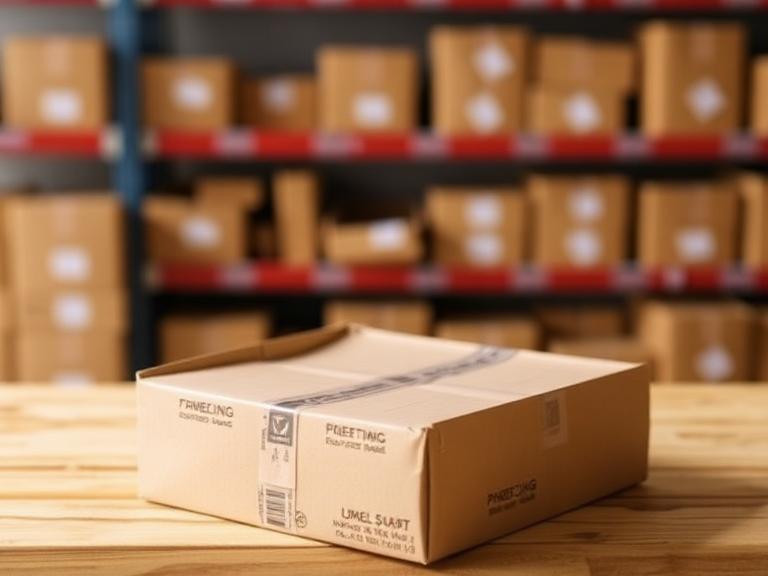
Liquid payloads encased in glass represent the highest-risk category in e-commerce fulfillment and commercial logistics. A single shattered wine bottle, olive oil container, or luxury perfume flask does not merely result in a damaged product claim; the leaking fluid reliably destroys the surrounding corrugated packaging, damages adjacent freight, and instantly ruins the end-consumer’s unboxing experience. Protecting glass bottles during shipping requires executing a precise engineering strategy that accounts for drop shock, sustained vibrational resonance during transit, and the compressive forces applied when pallets are double-stacked in distribution centers.
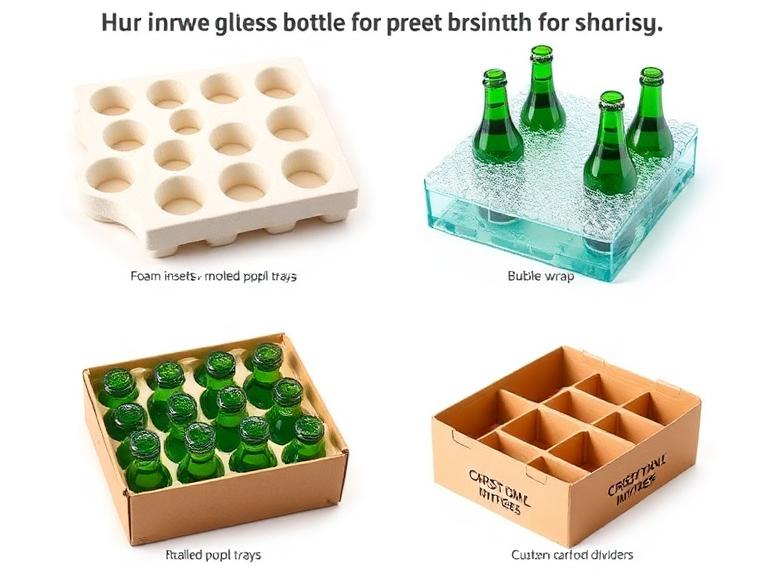
From our experience engineering packaging protocols at Mailong Packaging, relying on improvised void fill or wrapping a heavy bottle in a thin layer of cheap bubble film is a fast track to disastrous damage rates. In most professional situations, the kinetic energy of a 3-foot drop on a concrete warehouse floor will transfer directly through inadequate cushioning and shatter the glass instantly. You must utilize structural packaging designed to suspend, isolate, and absorb impact. We will break down the exact mechanical properties of the four premier packaging solutions, detailing the commercial viability, operational costs, and warehouse footprint implications of each option.
Quick Answer: The Best Ways to Protect Glass
The four definitive options for protecting glass bottles during shipping are: 1) Inflatable Air Column Packaging, which provides the highest level of shock absorption while consuming zero warehouse space before inflation; 2) EPE and EVA Foam Inserts, which offer premium, precision-cut suspension ideal for high-end luxury presentation; 3) Molded Pulp and Corrugated Inserts, which deliver excellent eco-friendly structural rigidity for standard wine and spirit dimensions; and 4) Heavy-Duty Barrier Bubble Packaging, serving as a versatile, low-cost void fill solution for smaller, less fragile cosmetic glass. We strongly recommend Air Column Packaging for shipping individual, high-value 750ml bottles through rigorous parcel networks.
Table of Contents
- What It Is: The Physics of Glass Protection
- How It Works: Energy Dispersion Mechanisms
- The 4 Professional Packaging Options
- Operational Benefits of Specialized Packaging
- Limitations and Hidden Logistics Costs
- Who Should Use High-Performance Cushioning
- Who Does Not Need Engineered Inserts
- Common Mistakes in Fulfillment Centers
- Commercial Buying Considerations
- Expert Recommendation
- Summary and Comparison Tables
- Frequently Asked Questions
What It Is: The Physics of Glass Protection
Protecting glass bottles during shipping is an exercise in managing kinetic energy and isolating fragile materials from rigid contact points. Glass is an amorphous solid that possesses extremely high compressive strength but catastrophic weakness against sudden, localized impact and flexural stress. When a package is dropped, the sudden deceleration creates a shockwave. If the bottle is in direct contact with the outer Corrugated Box & Rigid Boxes, that shockwave transfers directly to the glass surface, exceeding its tensile limits and causing a fracture.
Effective protective packaging acts as a decelerator. By expanding the time it takes for the bottle to come to a complete stop during an impact, the peak force applied to the glass is drastically reduced. Whether utilizing trapped air, expanded polyethylene, or molded paper fibers, the fundamental goal is to create a dynamic buffer zone—a minimum clearance area—between the fragile glass perimeter and the exterior shipping carton.
How It Works: Energy Dispersion Mechanisms
Commercial protection strategies operate on three distinct mechanical principles: suspension, blocking and bracing, and void fill. Suspension packaging, often achieved through inflatable air columns, literally floats the bottle within the center of the outer box, ensuring that physical impacts to the carton never reach the glass. Blocking and bracing, utilized heavily in foam and molded pulp designs, locks the bottle’s base and neck firmly in place so it cannot shift or vibrate against adjacent bottles during truck transit.
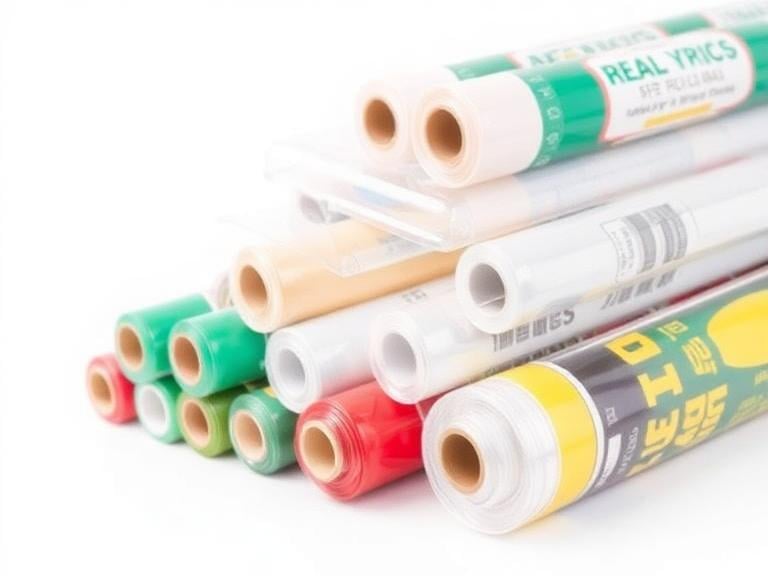
Void fill, the least sophisticated mechanism, relies on packing materials like Air Bubble Wrap & Pouch solutions to occupy empty space in a carton, preventing movement. However, when protecting heavy liquid-filled glass, void fill alone will crush under the weight of the bottle during a drop. High-performance packaging must physically encapsulate the bottle, trapping specific volumes of air or utilizing high-density polymer matrices to absorb and dissipate vibrational resonance before it shatters the payload.
The 4 Professional Packaging Options
1. Inflatable Air Column Packaging (The Modern Standard)
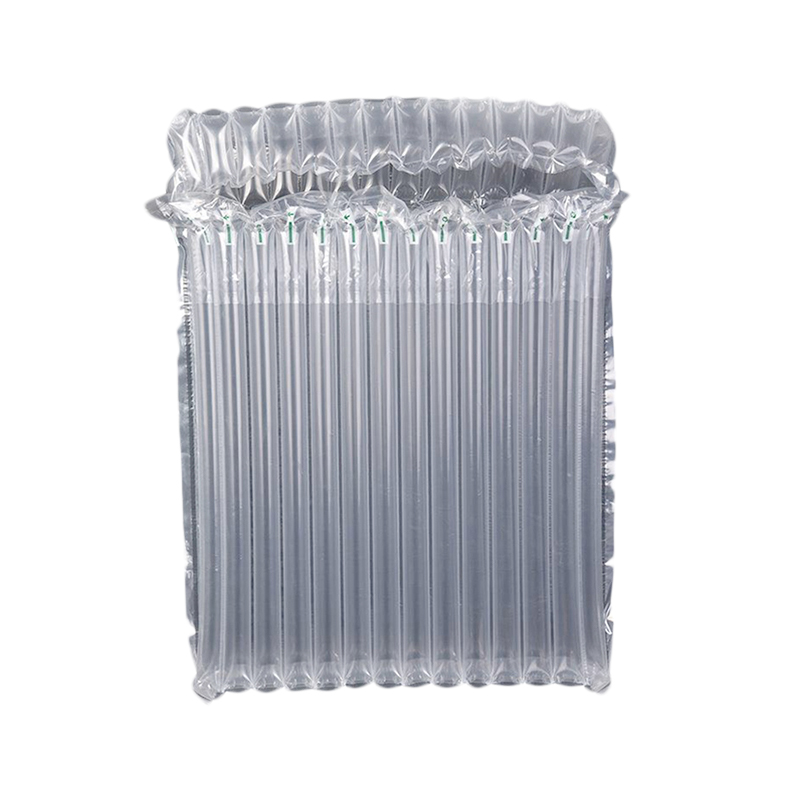
Air column bags are constructed from co-extruded PE+PA (polyethylene and polyamide) films. The packaging consists of a series of independent vertical air chambers. Using a standard air compressor, the chambers inflate in seconds to form a rigid, highly pressurized jacket around the bottle. Because each column possesses a one-way check valve, if a sharp object punctures a single tube, the remaining columns stay fully inflated, maintaining structural integrity. This is the absolute paramount solution for protecting glass bottles during shipping when dealing with wine, olive oil, and premium spirits.
2. Molded Pulp and Corrugated Inserts (The Eco-Friendly Workhorse)
Molded pulp (recycled paperboard) and die-cut corrugated inserts are the traditional mainstays of the wine club industry. They are custom-molded to fit the exact contours of a standard Bordeaux or Burgundy bottle, locking the punt (the base) and the neck tightly. These inserts are highly sustainable and easily curbside recyclable. However, they are incredibly bulky. Storing thousands of molded pulp trays requires massive warehouse square footage, and they add significant dimensional weight to the parcel.
3. EPE and EVA Foam Inserts (The Luxury Presentation)
For high-end cosmetics, pharmaceutical vials, and top-tier luxury liquor, presentation is just as vital as protection. EPE FOAM (Expanded Polyethylene) is highly resilient, offering excellent rebound properties after impact. EVA FOAM (Ethylene-Vinyl Acetate) provides a denser, smoother, and more premium tactile feel. These foams are precision CNC-cut or die-cut to perfectly cradle bespoke, irregularly shaped glass bottles. While offering supreme protection, foam is expensive and bulky to store, making it suited strictly for high-margin products.
4. Heavy-Duty Bubble Wrap & Mailers (The Versatile Basic)
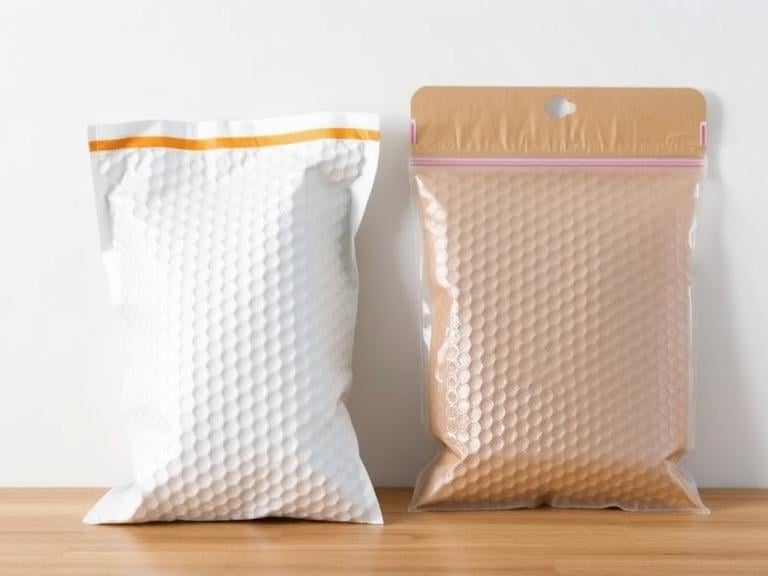
Standard retail bubble wrap is insufficient for heavy glass. However, commercial-grade, large-cell barrier bubble wrap provides adequate protection for smaller, lightweight glass containers (like 30ml essential oil droppers or small skincare jars). For shipping individual, low-weight glass items, utilizing a rigid outer box lined with Compostable Bubble Wrap or deploying a high-quality Bubble Mailer with heavy internal cushioning can be a cost-effective strategy, provided the item passes rigorous drop testing.
Operational Benefits of Specialized Packaging
Deploying specialized packaging yields immediate logistical and financial dividends. In our testing, switching from improvised bubble wrapping to dedicated Air Column Packaging reduces pack-station labor time by over 60%. Fulfillment workers simply slip the bottle into the sleeve, hit it with an air nozzle for two seconds, and place it in the carton. Furthermore, because air columns are stored completely flat prior to inflation, a single pallet of uninflated air columns can replace up to an entire truckload of bulky molded pulp trays, radically reducing inbound freight and warehousing costs.
Limitations and Hidden Logistics Costs
You must apply commercial and practical judgment when selecting these materials. Dimensional (DIM) weight pricing is the silent killer of e-commerce margins. Major carriers like UPS and FedEx charge based on the physical size of the box, not just its actual weight. Thick foam inserts and massive molded pulp trays require significantly larger outer corrugated boxes. If your packaging design pushes your parcel into the next dimensional weight tier, your shipping costs will skyrocket. Additionally, while inflatable air columns save immense space, they require an upfront investment in industrial air compressors and inflation nozzles for the pack stations.
Who Should Use High-Performance Cushioning
We recommend inflatable air columns and custom foam inserts for commercial users operating direct-to-consumer (DTC) wine clubs, craft distilleries, boutique olive oil producers, and high-end cosmetics brands. If you are shipping individual glass bottles through a brutal parcel network where packages face drops from conveyor belts and rough handling by delivery drivers, high-performance encapsulation is mandatory.
Who Does Not Need Engineered Inserts
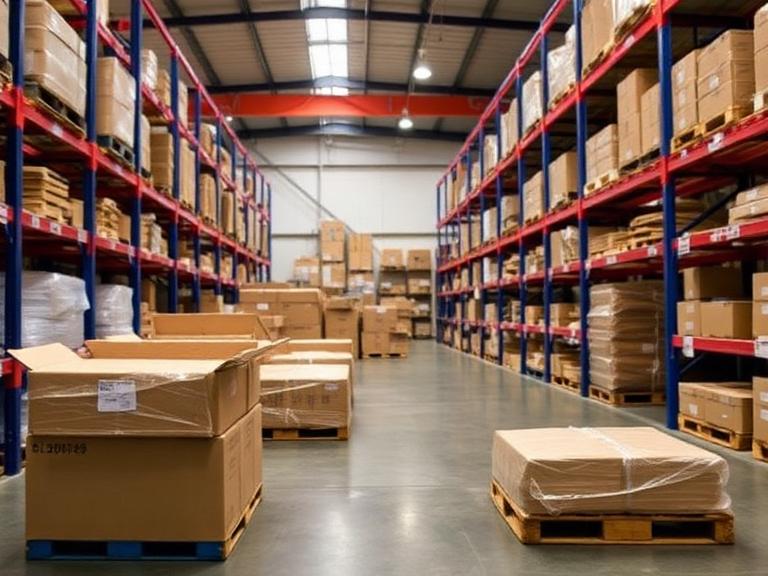
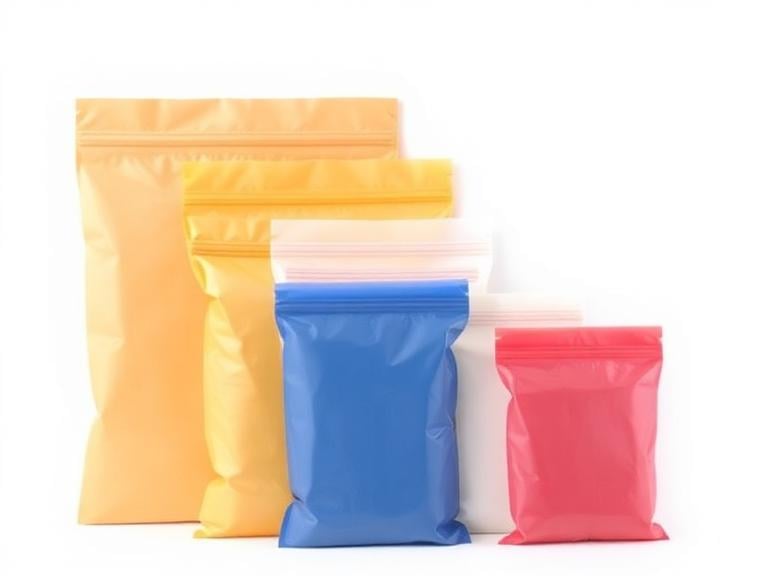
If you are a wholesale distributor shipping full, shrink-wrapped pallets of identical glass bottles via dedicated Less-Than-Truckload (LTL) freight directly to retail stores, you do not need individual air columns for every bottle. Standard corrugated case dividers and sturdy outer master cartons are sufficient, as the palletized structure provides the necessary stability. Furthermore, if you are shipping flexible soft goods, you should pivot entirely to Shipping Bags for Clothes or standard Custom Bubble Wrap Bags rather than investing in rigid glass protection.
Common Mistakes in Fulfillment Centers
The most catastrophic mistake operations managers make is underestimating the weight of the liquid payload. A 750ml glass wine bottle weighs approximately 3 pounds (1.3kg). Wrapping a 3-pound rigid object in a single layer of thin, low-barrier bubble wrap will instantly puncture the bubbles upon impact. Another profound error is failing to immobilize the bottle within the outer carton. Even if the bottle is inside a protective sleeve, if that sleeve can violently shift two inches inside the cardboard box during transit, the resulting momentum will tear the carton open from the inside.
Commercial Buying Considerations
When selecting your strategy for protecting glass bottles during shipping, calculate the Total Cost of Packaging (TCP). Do not look merely at the unit cost of the insert. Factor in the inbound freight to bring the packaging to your facility, the warehouse shelving space it consumes, the seconds required for a laborer to assemble it, and the resulting dimensional weight of the final shipped parcel. In most professional situations, a slightly more expensive inflatable air column will yield massive savings in warehouse space, labor speed, and damage reduction compared to cheap corrugated dividers.
Expert Recommendation
From our experience supplying high-volume beverage and cosmetics brands, the ultimate commercial solution is Inflatable Air Column Packaging. It eliminates the bulk storage nightmare associated with foam and pulp, while providing superior, leak-proof shock absorption. If a carrier drops your parcel, the 360-degree pressurized air chambers absorb the kinetic shock flawlessly. We strongly advise partnering with an established manufacturer to source custom-sized air columns tailored precisely to your specific bottle dimensions to ensure absolute immobilization.
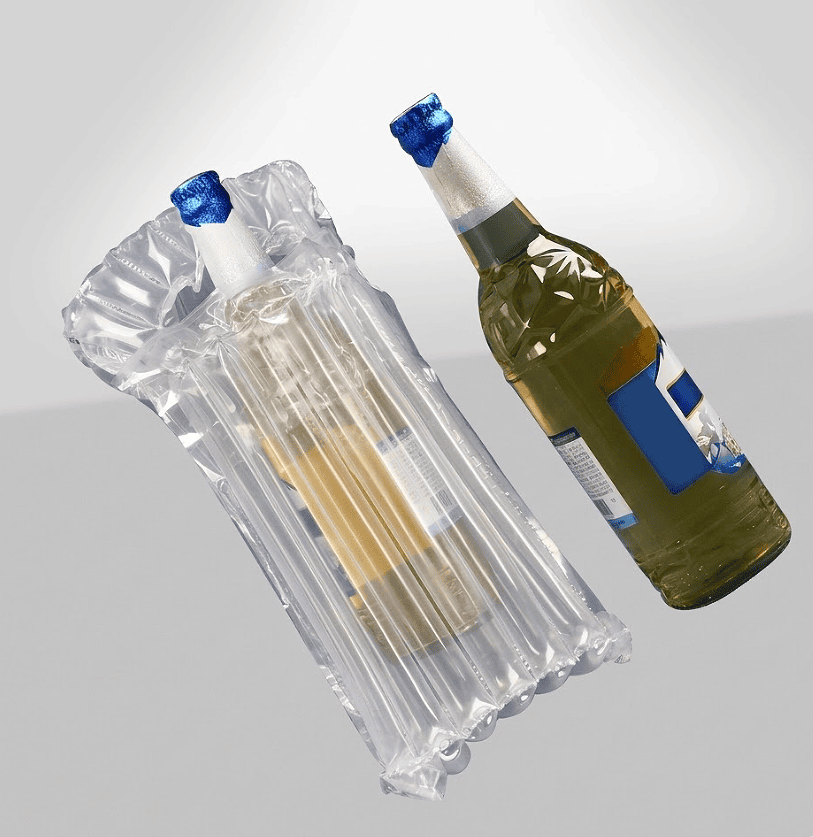
Air Column Packaging for Wine Bottles
Engineered to eliminate in-transit breakage, this PE+PA packaging solution inflates on-demand to create a highly pressurized, shock-absorbing jacket around fragile glass. Delivered completely flat to maximize your warehouse efficiency.
- Leak-Proof Cushioning: Independent air chambers prevent total deflation even if one column is punctured.
- Excellent Shock Absorption: Protects fragile wine bottles from severe impact during parcel shipping.
- Space Saving: Delivered flat before inflation, reducing warehouse storage requirements by up to 90%.
- Eco-Friendly Material: Manufactured from highly durable, recyclable PE+PA material.
- Production Time: Rapid turnaround of 3-7 Days.
Summary and Comparison Tables
| Packaging Type | Primary Mechanism | Best Suited For |
|---|---|---|
| Air Column Packaging | Pressurized Air Suspension | Wine, Spirits, Olive Oil (DTC Shipping) |
| Molded Pulp Inserts | Blocking and Bracing | Eco-conscious brands, standard wine bottles |
| EPE / EVA Foam | High-Density Impact Absorption | Luxury cosmetics, high-value irregular glass |
| Heavy Barrier Bubble | Void Fill and Cushioning | Small, lightweight glass vials and jars |
| Metric | Air Columns | Molded Pulp | EPE Foam |
|---|---|---|---|
| Pre-Use Storage Footprint | Extremely Low (Flat) | Very High (Bulky) | High (Cannot compress) |
| Shock Absorption Limit | Excellent | Good | Excellent |
| Assembly Labor Speed | Very Fast (With compressor) | Fast | Fast |
| Tooling / Setup Costs | Low | High (Custom molds) | Moderate (Die-cutting) |
| Pros (Advantages) | Cons (Limitations) |
|---|---|
| Consumes less than 10% of the warehouse space required by foam. | Requires upfront purchase of an air compressor or inflation machine. |
| Independent air valves ensure localized punctures do not ruin the entire bag. | Uninflated bags require training to ensure workers properly trigger the valves. |
| Forms a rigid 360-degree protective jacket around heavy liquid payloads. | Sharp edges on irregular glass bottles can risk internal punctures if improperly sized. |
| Significantly reduces outer carton size, lowering dimensional weight freight costs. | Extreme high-altitude air shipping can cause over-expansion of the air chambers. |
Frequently Asked Questions
Are air column bags recyclable?
Yes, high-quality air column bags made from PE+PA (polyethylene and polyamide) are technically recyclable. However, because they are a multi-layer co-extruded film, they must be recycled at dedicated soft plastic recycling drop-off points rather than placed in standard municipal curbside recycling bins. Always puncture and deflate the bags before recycling to save space.
How thick should bubble wrap be for protecting glass bottles during shipping?
For shipping heavy glass bottles, you must avoid standard 3/16-inch “small bubble” wrap, as it will crush under the weight. You must use commercial-grade 1/2-inch “large barrier bubble” wrap, and apply a minimum of two to three full rotations around the bottle. Even then, bubble wrap is generally inferior to structured foam or air columns for heavy liquid-filled glass.
What is the drop test standard for shipping glass?
In most professional situations, packaging must pass the ISTA (International Safe Transit Association) 3A drop test standard for parcel delivery systems. This rigorous protocol involves dropping the fully packed shipping carton a total of 17 times from varying heights onto edges, corners, and flat faces to ensure the internal suspension systems adequately protect the fragile payload.
Authoritative Industry References
To ensure our packaging and logistics recommendations adhere to the highest global supply chain standards, we reference data and testing protocols from the following authoritative bodies:
- International Safe Transit Association (ISTA) – The leading global authority developing testing protocols and design standards that define how packages should perform to ensure protection of their contents during the rigors of global transit.
- ASTM International – Providing standard test methods for the mechanical properties of packaging materials, including drop testing, vibrational analysis, and compressive resistance of corrugated shipping containers.
- UPS Packaging Guidelines – Direct carrier requirements and dimensional weight formulas dictating the minimum viable packaging standards required to secure damage claims for fragile liquid shipments.