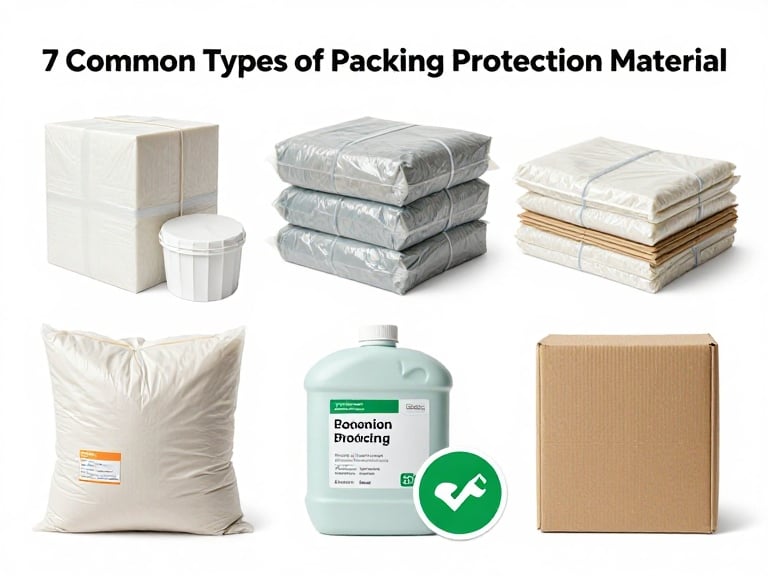
In the high-stakes world of B2B logistics, packaging is not merely a box or a bag—it is a rigorously engineered asset designed to protect your profit margins. We see procurement managers daily making catastrophic purchasing decisions based entirely on unit cost, completely ignoring the structural integrity required to survive modern freight networks. When a pallet of sensitive electronics or fragile glass shatters in transit, the cost of the damaged goods, reverse logistics, and lost client trust obliterates any pennies saved on cheap packaging.
From our experience working with global supply chains at Mailong Packaging, vague procurement requests lead to logistical disasters. If you ask a supplier for a “strong box” or “thick bubble wrap,” you are handing control of your quality assurance to a stranger. You must command the technical data. In this comprehensive guide, we will break down exactly what Packaging Specifications Should B2B Buyers demand from their suppliers. We will outline the hard metrics—from micron thicknesses to cell densities—and explain whether paying for premium specifications is actually worth your capital.
Quick Answer: Essential Packaging Specs
Before placing a wholesale order, the exact Packaging Specifications Should B2B Buyers confirm include: Material Thickness (measured in mils or microns, critical for Poly Mailer bags and pallet stretch film), Structural Strength (ECT or Mullen Burst Test for corrugated boxes), Density and Cell Structure (measured in kg/m³ for foam padding), and Dimensional Tolerances. Always request physical material data sheets (MDS) and require suppliers to state their Acceptable Quality Limit (AQL) to ensure batch-to-batch consistency.
Table of Contents
- What Are Packaging Specifications?
- How Specifications Dictate Supply Chain Survival
- Benefits and Limitations of High-Spec Packaging
- Who Needs Technical Procurement?
- Common Mistakes B2B Buyers Make
- Core Buying Considerations by Material
- Essential Comparison Tables
- Expert Recommendation: Mailong Packaging
- Frequently Asked Questions (FAQ)
What Are Packaging Specifications?
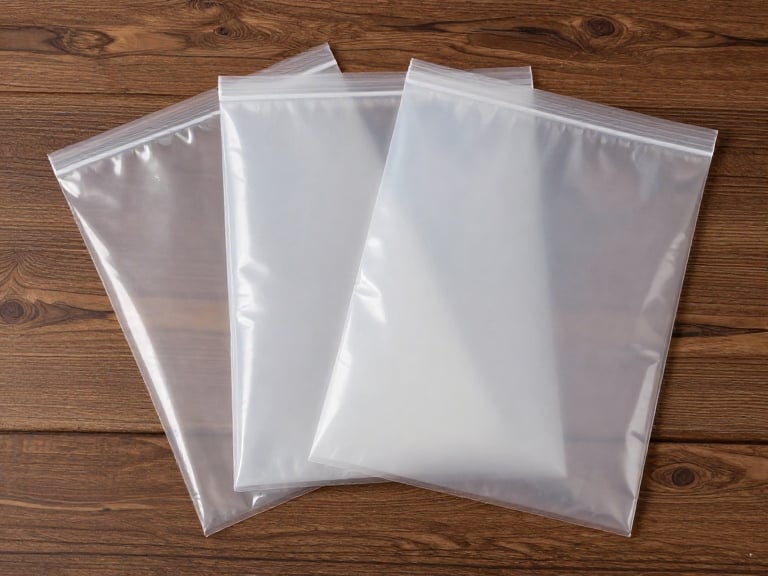
Packaging specifications are the exact, measurable, and legally binding physical properties of a packaging material. They act as the blueprint for your manufacturer. In most professional situations, specifications remove ambiguity. Instead of ordering “protective foam,” you order closed-cell polyurethane foam with a density of 30 kg/m³. Instead of ordering a “mailing bag,” you specify a co-extruded LDPE mailer with a 2.5-mil thickness and a tamper-evident hot-melt adhesive strip.
Understanding which Packaging Specifications Should B2B Buyers confirm requires a basic grasp of material science. This includes tensile strength, puncture resistance, moisture vapor transmission rates (MVTR), and compression thresholds. These metrics are not marketing fluff; they are standardized tests recognized by global engineering bodies.
How Specifications Dictate Supply Chain Survival
How do these numbers translate to the real world? Consider the journey of an LTL (Less Than Truckload) shipment. Your product will be dropped, crushed beneath heavier pallets, exposed to severe humidity variations, and subjected to sustained vibration inside a trailer.
If you rely on Corrugated Cardboard Rolls to protect metal piping, the flute size (A, B, C, or E) dictates the crush resistance. If you are securing a pallet, the micron thickness and pre-stretch percentage of your Pallet Film determine whether your load shifts and collapses when a forklift operator brakes suddenly. Every specification works in tandem to absorb kinetic energy and block environmental contaminants before they reach your product.
Benefits and Limitations of High-Spec Packaging
The primary benefit of locking in strict packaging specifications is the drastic reduction of transit damage and the resulting drop in customer claims. When you utilize EPE Foam tailored exactly to the weight of your product, the item arrives in pristine condition. Furthermore, precise specifications allow you to standardize your automated packing lines, improving warehouse throughput.
However, we must apply commercial and practical judgment: over-specifying is a massive waste of capital. The limitation of demanding military-grade specifications for commercial goods is the exponential increase in unit cost and dimensional weight (DIM weight). You do not need an extreme-density custom EVA foam insert to ship a basic plastic toy. If you over-engineer your packaging, your freight costs will destroy your product margins.
Who Needs Technical Procurement?
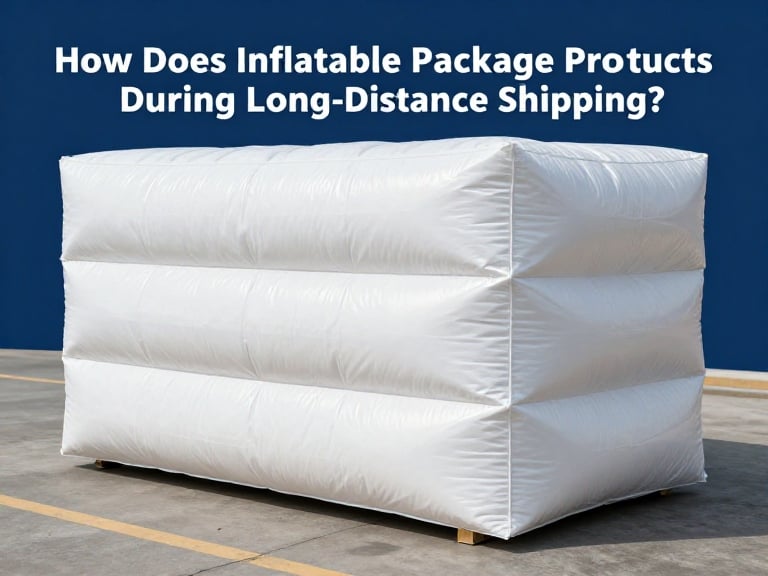
For commercial users and high-volume shippers: If you are moving thousands of units monthly, manufacturing electronics, shipping fragile glass, or managing complex B2B wholesale accounts, you absolutely must operate with strict technical packaging specifications. High-stakes logistics require materials like Air Column Bags that are pressure-tested and guaranteed against deflation.
Who does not need it: For beginners, local drop-shippers, or small businesses selling indestructible goods (like cotton t-shirts), deep-diving into the molecular density of polymers is unnecessary. Standard, off-the-shelf packaging components are perfectly adequate for low-risk scenarios.
Common Mistakes B2B Buyers Make
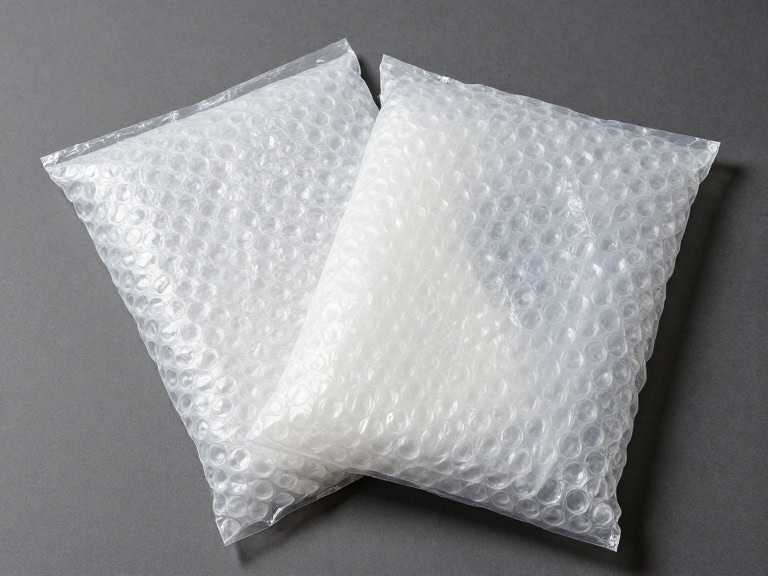
In our testing and industry audits, the most catastrophic mistake B2B buyers make is accepting generic material descriptions. A supplier quoting “heavy-duty bubble wrap” without specifying the nylon barrier retention layer or the exact bubble diameter is a massive red flag. True Heavy Duty Bubble Wrap requires distinct technical specs to prevent air loss under sustained compression.
Another profound error is ignoring environmental factors. Buyers often fail to specify temperature-resistant adhesives when ordering Packing Tape BOPP Tape. If your cartons are sitting in a freezing cross-dock facility in Chicago in January, standard acrylic tape will lose its tack and pop open, exposing your inventory to theft.
Core Buying Considerations by Material
To assert exactly what Packaging Specifications Should B2B Buyers demand, we break it down by primary material categories:
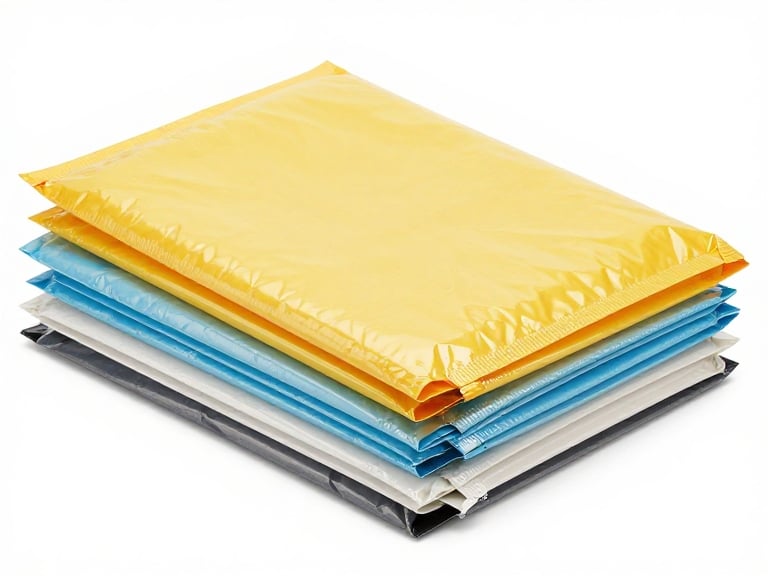
- Flexible Poly Mailers: Confirm the thickness (mils). A 2-mil bag is standard for clothing, but a 3-mil bag is required for heavier retail boxes. Ensure the adhesive is categorized as destructive (tamper-evident).
- Foam Cushioning: Confirm the material type and density. Standard Flexible Polyurethane Foam is excellent for lightweight, fragile items because of its open-cell structure. However, heavier industrial items require closed-cell foams like EPE or EVA to prevent “bottoming out” under heavy impact.
- Corrugated Boxes: Never buy a box without knowing its Edge Crush Test (ECT) rating. A 32 ECT box is standard, but heavy B2B shipments require 44 ECT or double-wall construction.
Essential Comparison Tables
| Packaging Type | Critical Specification to Confirm | Why It Matters |
|---|---|---|
| Poly Mailers | Thickness (Mils), Co-extrusion layers | Prevents puncturing from sharp corners; ensures opacity for security. |
| Protective Foam | Density (kg/m³), Cell structure (Open vs. Closed) | Dictates shock absorption capacity based on product weight. |
| Stretch Film | Micron thickness, Pre-stretch percentage yield | Ensures pallet load stability without tearing on sharp pallet corners. |
| Corrugated Boxes | ECT (Edge Crush Test) or Mullen Burst Test | Determines how much weight can be stacked on the box before collapse. |
| Foam Type | Structure | Best Application | Relative Cost |
|---|---|---|---|
| Polyurethane (PU) | Open-Cell | Lightweight, highly fragile items (glassware, light electronics). | Low to Medium |
| EPE (Expanded Polyethylene) | Closed-Cell | Mid-weight consumer goods, appliances, protective edge channels. | Medium |
| EVA (Ethylene Vinyl Acetate) | Dense Closed-Cell | Heavy tools, precision instruments, luxury presentation inserts. | High |
| The Pros (Advantages) | The Cons (Disadvantages) |
|---|---|
| Guarantees exact protection metrics tailored to your product. | Often requires higher Minimum Order Quantities (MOQs). |
| Reduces dimensional weight by eliminating excess generic padding. | Increases procurement lead times for custom manufacturing. |
| Standardizes warehouse operations and reduces packing time. | Requires upfront engineering and transit testing investments. |
Expert Recommendation: Partnering with Manufacturers
In most professional situations, the fastest way to master packaging specifications is to bypass middleman brokers and partner directly with the manufacturer. A broker will sell you whatever is sitting in their warehouse. A true manufacturer will ask for the weight, fragility, and transit environment of your product, and then engineer a specification sheet tailored to those exact metrics.
We recommend Mailong Packaging for commercial enterprises that refuse to compromise on asset protection. Our engineering team provides transparent data sheets for every product, from heavy-duty Poly Mailer Shipping Bags to advanced protective foam.
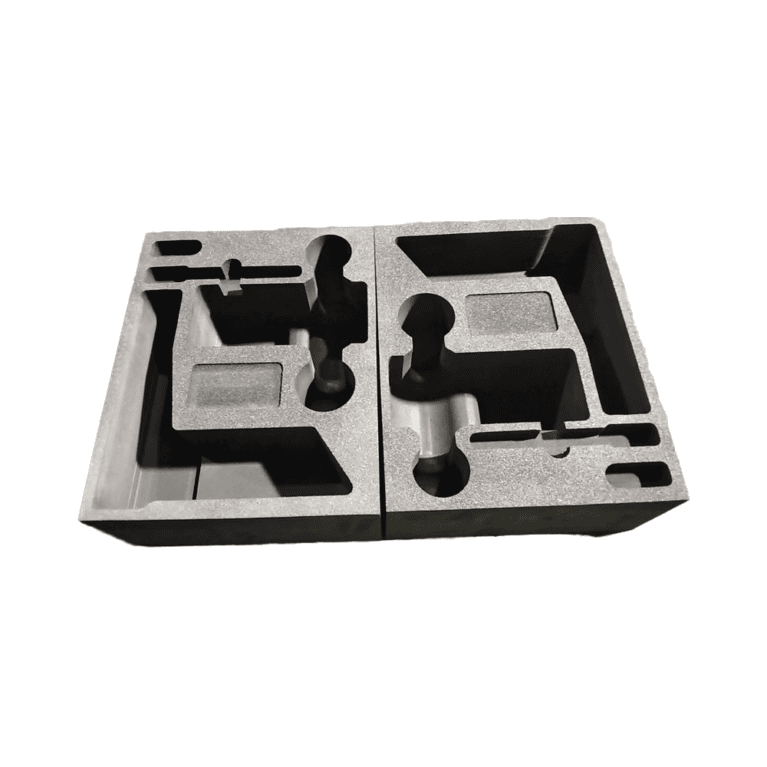
Whether you need precision-cut foam, customized Bubble Wrap Pouches, or industrial stretch film, ensuring your specifications are met at the factory level is the ultimate defense against supply chain failure.
Frequently Asked Questions (FAQ)
For heavy industrial items, Edge Crush Test (ECT) and Mullen Burst Strength are the most critical specifications for corrugated boxes. Additionally, the density of the internal padding, such as using high-density EPE foam rather than standard bubble wrap, is crucial to prevent the item from bottoming out during transit.
For standard apparel, a 2-mil to 2.5-mil poly mailer is sufficient. However, if you are shipping items with sharp edges, hard corners, or heavy hardware, we recommend upgrading to a 3-mil or 4-mil thickness to prevent punctures during automated sorting processes.
No. Standard bubble wrap generates static electricity during friction, which can destroy sensitive electronic components. You must specify Anti-Static (usually pink) bubble wrap or use specialized conductive packaging materials for electronic devices.
Authoritative Industry References
To ensure your packaging specifications meet global compliance and testing standards, we advise consulting the following authoritative organizations:
- International Safe Transit Association (ISTA) – The global authority on performance-based packaging testing standards and transit simulation protocols.
- ASTM International – Provides comprehensive technical standards for evaluating the physical, mechanical, and chemical properties of packaging materials.
- U.S. Environmental Protection Agency (EPA) – Guidelines on sustainable materials management, offering frameworks for procuring recyclable and environmentally compliant packaging specifications.