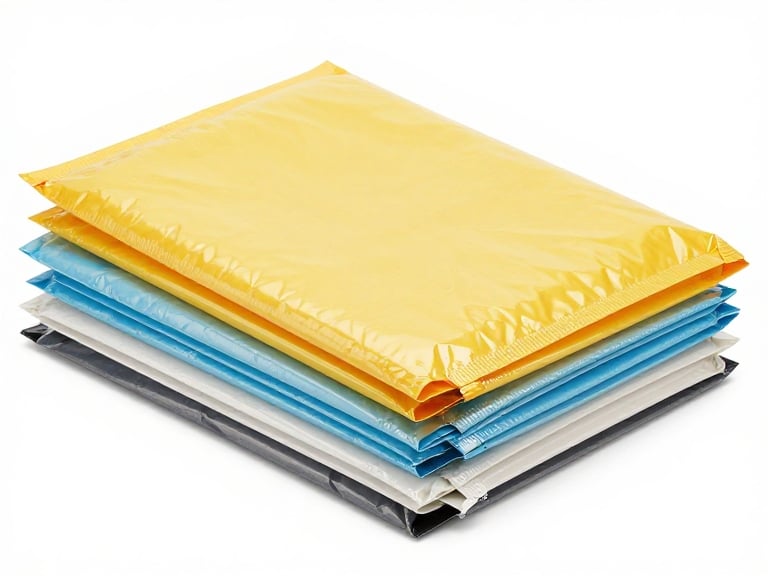
E-commerce fulfillment operates on microscopic margins. Shipping a soft, non-fragile garment inside a corrugated cardboard box is an act of commercial negligence in 2026. The major freight carriers penalize dead air space through aggressive dimensional weight (DIM weight) pricing. To survive, high-volume apparel and soft-goods retailers rely entirely on flexible, waterproof logistics solutions. Securing the correct sizes and wholesale prices of polyethylene mailing bags directly dictates your fulfillment profitability. Paying retail prices for generic, single-layer shipping bags destroys your per-unit shipping budget while simultaneously risking inventory damage.
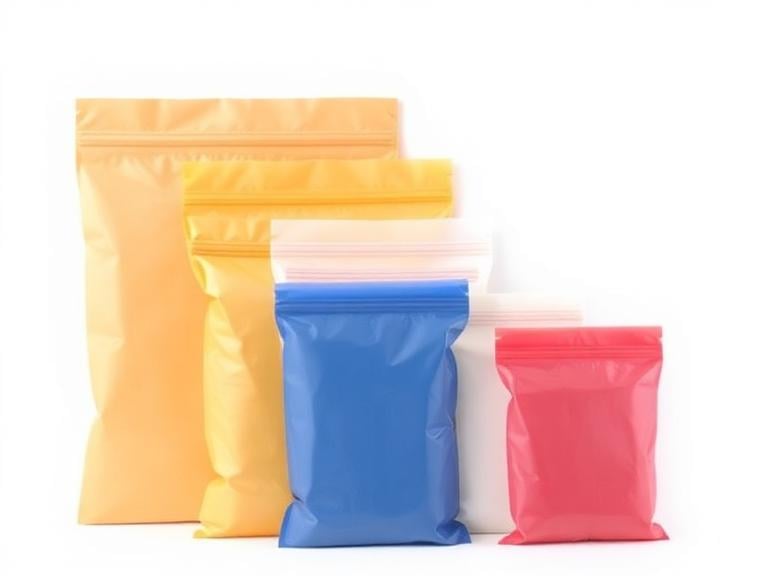
From our experience engineering advanced logistics materials at Mailong Packaging, buyers routinely select incorrect bag dimensions and substandard material thicknesses. Buying an oversized bag to “play it safe” creates loose polyethylene flaps that snag and tear inside automated USPS sorting machines. Sourcing the right packaging is a tactical procurement decision. In this commercial guide, we dissect the exact sizes and wholesale prices of polyethylene mailing bags dominating the 2026 supply chain, evaluate precise use cases for each dimension, and provide the hard economic data you need to negotiate your next bulk procurement contract.
Quick Answer: The 2026 Pricing Benchmark
The standard sizes and wholesale prices of polyethylene mailing bags are anchored by five core dimensions required for modern fulfillment. Based on 2026 high-volume (10,000+ units) commercial pricing for standard 2.5-mil co-extruded bags, the benchmarks are: 6″ x 9″ ($0.04 – $0.06/ea), 10″ x 13″ ($0.09 – $0.13/ea), 12″ x 15″ ($0.12 – $0.17/ea), 14.5″ x 19″ ($0.19 – $0.26/ea), and 19″ x 24″ ($0.32 – $0.45/ea). We recommend standardizing 80% of your apparel fulfillment operations around the 10″ x 13″ mailer, which accommodates most single-item apparel orders perfectly without excess bagging material.
Table of Contents
- What is a Polyethylene Mailing Bag?
- How Co-Extruded Poly Mailers Work
- Commercial Benefits of Poly Mailers
- Limitations and Fragility
- Who Should Use Them
- Common Procurement Mistakes
- Expert Buying Considerations
- Specification and Pricing Tables
- Expert Recommendation from Mailong Packaging
- Frequently Asked Questions (FAQ)
What is a Polyethylene Mailing Bag?
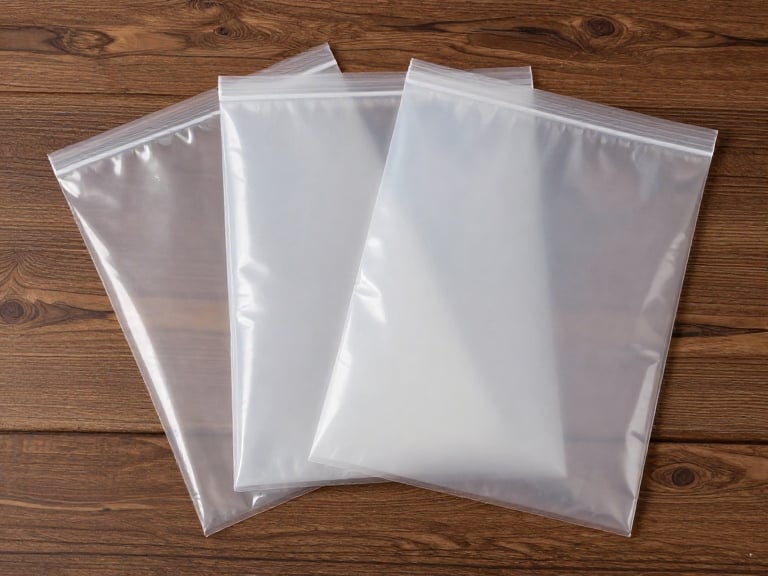
A polyethylene mailing bag, commonly referred to as a poly mailer, is a flexible, waterproof shipping envelope manufactured primarily from low-density polyethylene (LDPE). Unlike paper envelopes, poly mailers are highly tear-resistant and impervious to rain or snow during last-mile delivery. They are sealed using a destructive, tamper-evident hot-melt adhesive strip. Once closed, the bag cannot be opened without visibly tearing the plastic, ensuring immediate evidence of tampering during transit.
How Co-Extruded Poly Mailers Work
In most professional situations, commercial mailers are not a single sheet of plastic. They utilize a co-extrusion process, fusing three separate layers of polyethylene film together. The outer layer is typically white or custom-printed for branding and label adhesion. The middle layer adds puncture resistance. The inner layer is colored silver or dark grey to ensure 100% opacity. If you ship sensitive documents or premium branded apparel inside a Poly Mailer Bags for Clothes, this internal opacity ensures the contents are completely invisible to carrier personnel, deterring theft.
Commercial Benefits of Poly Mailers
The primary benefit of standardizing the sizes and wholesale prices of polyethylene mailing bags is the total elimination of dimensional weight penalties. A corrugated box takes up a rigid volume of space on an aircraft, regardless of whether it holds a heavy book or a lightweight silk scarf. A poly mailer conforms tightly to the product. Furthermore, poly mailers require zero assembly time. Warehouse packers do not need to fold cardboard flaps, apply heavy tape, or insert void fill. You insert the garment, pull the release liner, press to seal, and apply the shipping label. This slashes fulfillment labor times by up to 60%.
Limitations and Fragility
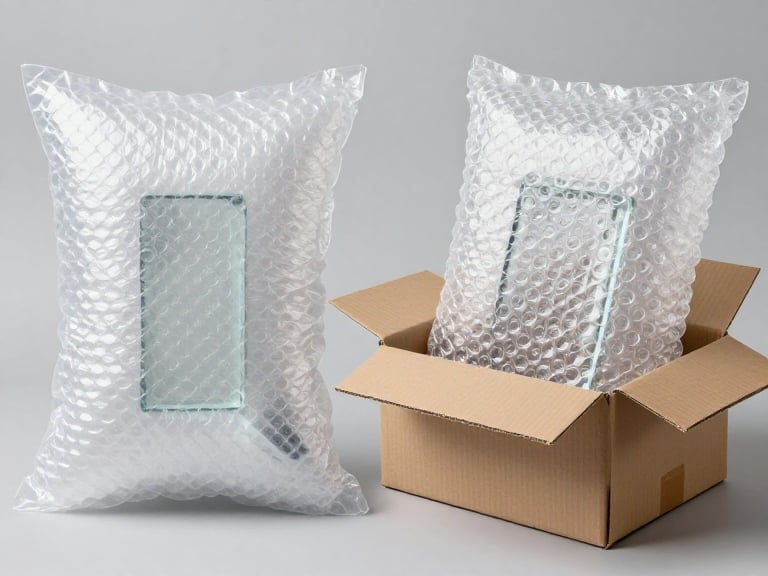
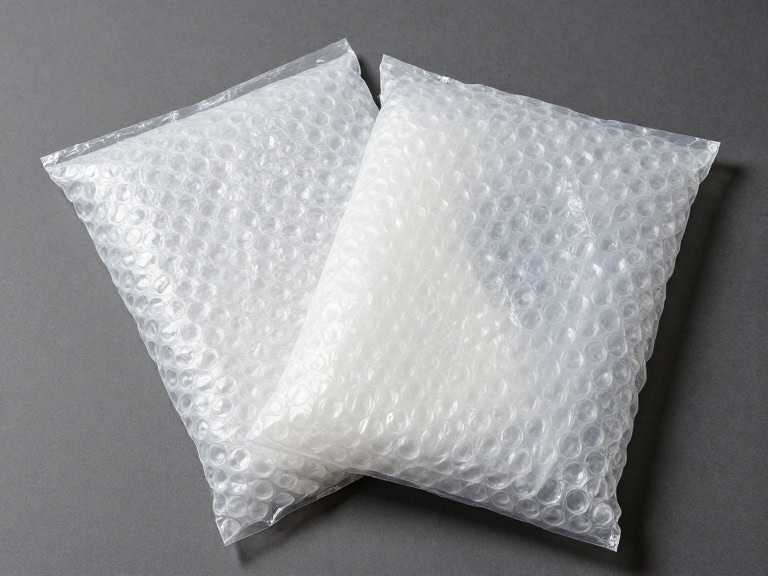
We apply strict commercial judgment here: poly mailers offer zero impact protection. They protect against dirt, moisture, and tearing, but they cannot absorb kinetic shock. If you attempt to ship a rigid plastic toy, cosmetics, or framed art in a standard poly mailer, the item will shatter during the sorting process. For impact protection, you must step up to an Inflatable Bubble Wrap lined mailer or utilize a corrugated box.
Who Should Use Them & Who Does Not Need Them
For commercial users: E-commerce apparel retailers, prescription pharmaceutical mail-order services, subscription box companies utilizing soft goods, and footwear brands (packaging the shoebox inside a poly mailer) must use these bags. Securing custom Custom Mailer Bags with Logo printing is the most cost-effective unboxing branding available.
Who does not need it: Electronics distributors, glassware artisans, and heavy industrial part manufacturers. If your product requires rigid stabilization or drop protection, flexible polyethylene will fail you. You must seek out high-grade protective solutions from specialized Protective Packaging Companies.
Common Procurement Mistakes
The most catastrophic mistake operations managers make is buying single-layer, 1.5-mil thick mailers to save half a cent per bag. These thin bags tear open on the aggressive rubber conveyor belts used at FedEx and UPS regional hubs, spilling your inventory onto the warehouse floor. In our testing, a 2.5-mil thickness is the absolute minimum requirement for safe domestic transit.
Another major error is failing to size the bag to the product. Placing a small, thin t-shirt into a massive 14.5″ x 19″ bag leaves wide, empty plastic flaps. These flaps act like sails in automated sorting machines, getting caught in the rollers and ripping the label clean off the package.
Expert Buying Considerations
When negotiating a contract for the sizes and wholesale prices of polyethylene mailing bags, you must demand a dual-peel adhesive strip. This feature includes two separate adhesive lines. The warehouse seals the first line. If the customer needs to return the item, they can reuse the exact same bag by pulling the second release liner. This significantly reduces return friction and aligns with modern Eco Shipping Packaging initiatives by reducing single-use plastic waste.
Specification and Pricing Tables
| Dimensions (Inches) | Primary Fulfillment Use Case | Carrier Weight Category |
|---|---|---|
| 6″ x 9″ | Socks, jewelry, small accessories, cosmetics. | First Class Mail (Under 4 oz) |
| 10″ x 13″ | T-shirts, single blouses, lightweight shorts. | First Class Mail (Under 13 oz) |
| 12″ x 15″ | Jeans, hoodies, multiple lightweight garments. | Priority Mail / Ground (1-2 lbs) |
| 14.5″ x 19″ | Shoe boxes, winter coats, bulk apparel orders. | Priority Mail / Ground (2-4 lbs) |
| 19″ x 24″ | Bedding, large pillows, oversized outerwear. | Ground / Oversize (4+ lbs) |
| Dimensions | Price per Unit (1,000 Qty) | Price per Unit (10,000+ Qty) |
|---|---|---|
| 6″ x 9″ | $0.06 – $0.08 | $0.04 – $0.06 |
| 10″ x 13″ | $0.12 – $0.15 | $0.09 – $0.13 |
| 12″ x 15″ | $0.16 – $0.20 | $0.12 – $0.17 |
| 14.5″ x 19″ | $0.25 – $0.30 | $0.19 – $0.26 |
| 19″ x 24″ | $0.45 – $0.55 | $0.32 – $0.45 |
| Metric | Polyethylene Mailing Bag | Corrugated Cardboard Box |
|---|---|---|
| Unit Cost | Extremely Low ($0.10 average) | High ($0.50 – $1.50 average) |
| Dimensional Weight | Minimal (Forms to the product) | High (Rigid dead air space) |
| Impact Protection | Zero | Excellent crush resistance |
| Labor Time to Pack | Fast (Under 10 seconds) | Slow (Requires folding and taping) |
| The Pros (Advantages) | The Cons (Disadvantages) |
|---|---|
| Slashes freight costs by eliminating excess dimensional weight. | Provides absolutely no protection against crushing or bending. |
| Water-resistant properties protect textiles from weather damage. | Standard LDPE requires specialized drop-off recycling. |
| Highly receptive to custom branding, colors, and logos. | Oversized bags can jam automated sorting equipment. |
Expert Recommendation from Mailong Packaging
In most professional situations, an apparel brand that fails to utilize poly mailers is sacrificing massive logistical margins. However, cheap, single-ply bags will destroy your customer experience. You must procure heavy-duty, co-extruded bags that maintain opacity and survive the brutal last-mile delivery environment. We recommend auditing your current fulfillment data. Identify the median dimensions of your outbound shipments and standardize around the 10×13 and 12×15 sizes.
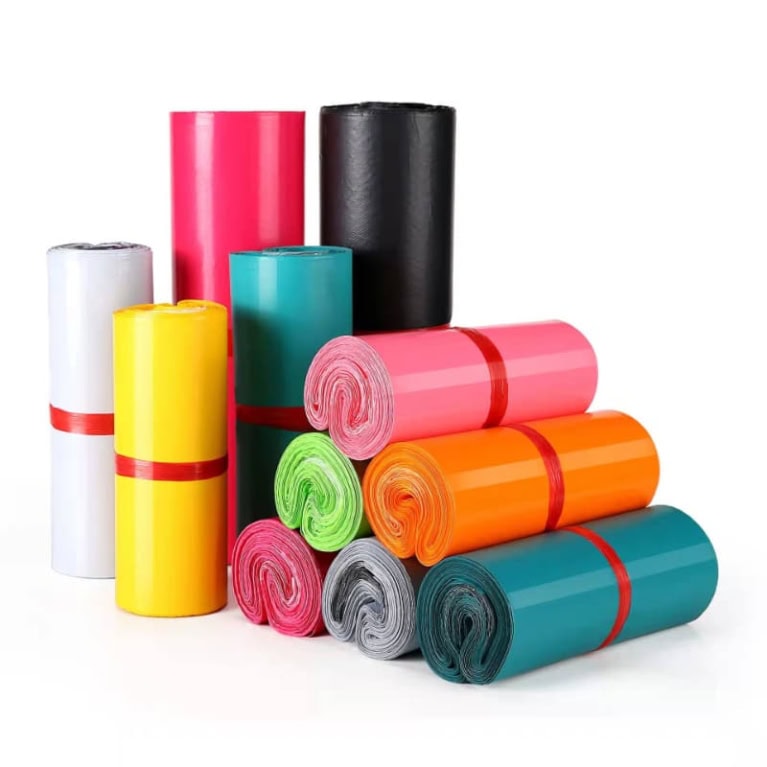
By shifting to Mailong Packaging’s engineered poly mailers, you immediately bypass the quality issues found with generic marketplace suppliers. Protect your apparel and your margins simultaneously.
Frequently Asked Questions (FAQ)
Using corrugated boxes for soft goods incurs massive, unnecessary dimensional weight (DIM weight) penalties from carriers like FedEx and UPS. Poly mailers conform exactly to the shape of the clothing, eliminating dead air space and drastically lowering your freight costs.
Yes, standard LDPE (Low-Density Polyethylene) mailers are 100% recyclable, but they cannot be processed in curbside single-stream recycling bins. Consumers must drop them off at designated flexible plastic recycling locations, typically found at major grocery stores.
For commercial applications, 2.5 mil is the absolute minimum acceptable thickness. Single-layer 1.5 mil bags will tear on automated sorting belts, resulting in lost or damaged inventory. For heavy items like denim or footwear, we recommend upgrading to a 3 mil co-extruded bag.
Authoritative Industry References
To ensure your packaging protocols align with global logistics and material science standards, we advise consulting the following organizations:
- United States Postal Service (USPS) – Guidelines outlining specific physical standards, dimensional weight pricing rules, and machinability requirements for commercial parcels and poly mailers.
- International Safe Transit Association (ISTA) – The global authority providing performance testing standards to ensure packaging can withstand the hazards of the modern distribution environment.
- ASTM International – The leading body publishing the definitive technical standards (such as ASTM D1922) for the propagation tear resistance of plastic films and polyethylene materials.