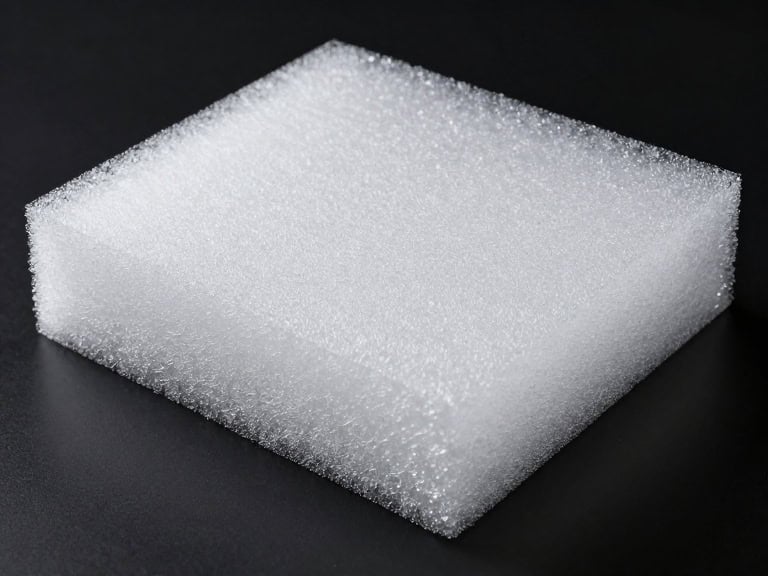
A subscription box is more than a collection of products delivered on a schedule. It is a recurring brand interaction. Every shipment gives customers another reason to remember your business—or another opportunity to forget it. Custom packaging turns that delivery into a consistent, recognizable experience, but only when the design, materials, protection, and cost work together.
How Subscription Box Brands Build Brands with Custom Packaging
For subscription businesses, packaging should do more than keep products inside a carton. It should make the delivery recognizable before the customer opens it, create a positive first impression during unboxing, and reinforce the value of the subscription after the products have been used. That is how Subscription Box Brands Build Brands: by making every shipment feel like another chapter of the same customer experience.
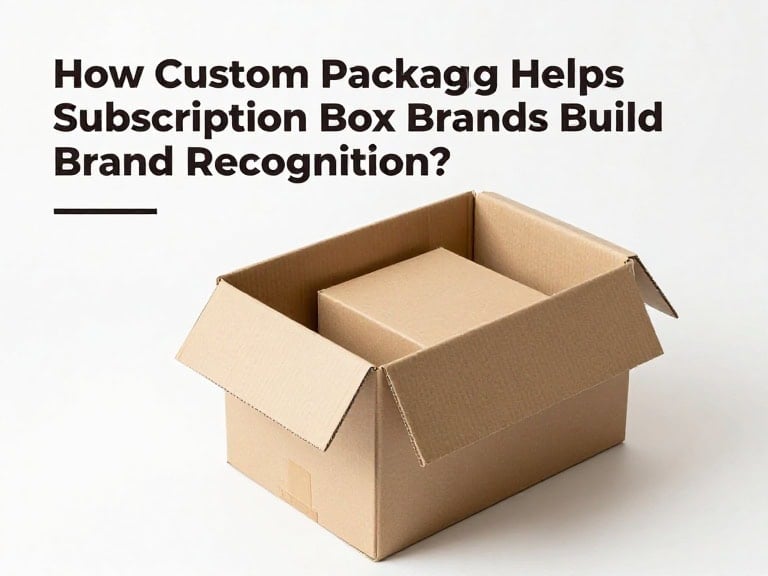
Our recommendation is straightforward: invest first in a repeatable packaging system, not an expensive one-time unboxing spectacle. A distinctive outer mailer or box, consistent colors, a well-designed insert, and correctly selected protective materials usually deliver more long-term value than complicated packaging that is difficult to assemble or too expensive to ship.
Custom packaging helps subscription box brands build recognition by repeating visual brand elements across every delivery, creating a memorable unboxing experience, communicating product quality, encouraging customer sharing, and making each monthly or quarterly shipment feel connected to the same brand. The best solution combines recognizable design, reliable product protection, practical opening features, and a packaging cost that supports subscription margins.
1. What Is Custom Packaging for Subscription Box Brands?
Custom packaging is packaging designed or adapted around a company’s products, visual identity, customer experience, and distribution requirements. For subscription box brands, it is not limited to printing a logo on a cardboard box. It can include the outer shipping carton, printed mailer, protective inserts, tissue paper, product sleeves, labels, tape, thank-you cards, and internal dividers.
The important distinction is between branded packaging and custom packaging engineered for a recurring delivery model. Branded packaging focuses on appearance. A subscription-ready packaging system must also accommodate changing product combinations, repeat fulfillment schedules, shipping conditions, and predictable purchasing volumes.
For example, a monthly skincare subscription may need a compact mailer, individual product protection, a printed usage card, and a consistent color scheme. A gourmet snack subscription may require food-appropriate packaging, separation between products, and inserts that prevent movement. A hobby or craft box may need compartments to keep small components organized.
In each case, the package should make the brand recognizable while solving a real operational problem. A beautiful box that arrives crushed or takes too long to pack is not a successful packaging investment.
The main elements of a subscription packaging system
- Outer packaging: Corrugated boxes, printed mailers, or poly mailers that carry the brand identity and protect the shipment.
- Inner packaging: Tissue paper, product sleeves, dividers, and inserts that organize the contents.
- Protective packaging: Bubble materials, air column bags, foam, and cushioning selected for the products being shipped.
- Printed brand elements: Logos, colors, slogans, QR codes, product information, and personalized messages.
- Reusable or secondary components: Storage-friendly boxes, pouches, or containers that can extend the package’s usefulness after delivery.
Not every subscription business needs all five elements. The right combination depends on product fragility, shipping distance, box dimensions, order frequency, and the price customers pay for the subscription.
2. How Custom Packaging Helps Subscription Box Brands Build Brand Recognition
Brand recognition is built through repeated exposure to consistent signals. A customer who receives a box every month sees the same logo, color palette, typography, and packaging style repeatedly. When those elements are distinctive and consistent, the package becomes a physical reminder of the brand.
2.1 Create recognition before the box is opened
The outer package is the first physical brand touchpoint in the delivery process. A recognizable color, logo placement, or printed pattern can distinguish a shipment from ordinary parcels. This matters particularly for subscription brands because customers may receive several deliveries from different businesses in the same week.
We recommend choosing one or two strong visual identifiers rather than covering every available surface with promotional messages. A clear logo, consistent primary color, and recognizable design pattern are usually easier to remember than a crowded box.
2.2 Make every delivery feel connected
Subscription businesses have an advantage over many one-time e-commerce sellers: they can reinforce the same brand relationship repeatedly. However, changing the entire packaging design every month can weaken recognition. Seasonal artwork and limited-edition themes are useful, but they should sit within a stable visual system.
For example, a coffee subscription could use the same outer box and logo placement every month while changing the illustrated origin story or tasting card inside. Customers recognize the sender immediately, while the changing content keeps the experience fresh.
2.3 Turn unboxing into a memorable brand interaction
Opening a subscription box is part of the product experience. The order in which customers discover the contents, the condition of the products, and the presentation of the inserts all influence how the shipment feels.
A simple sequence can work well: a clean printed interior, a short welcome message, neatly arranged products, and a useful information card. The goal is not to add layers for their own sake. Every layer should improve presentation, protection, or understanding.
Research also supports treating unboxing as a commercial touchpoint rather than decoration. A 2025 study published in the Journal of Retailing and Consumer Services examined preferences among current, former, and potential users of surprise subscription boxes. Its focus on satisfaction and former subscribers is a useful reminder: the subscription experience must continue to deliver value, not merely attract attention at sign-up. Packaging contributes to that experience, but it cannot compensate for disappointing products or poor service.
2.4 Encourage customers to share the experience
Distinctive packaging can make a shipment more appealing in photos and videos. This is particularly relevant for beauty, lifestyle, fashion accessories, collectibles, and hobby subscriptions, where customers may naturally share new arrivals.
However, social sharing should be treated as a possible benefit, not a guaranteed outcome. A box that looks good on camera still needs to be easy to open, arrive undamaged, and contain products that justify the customer’s excitement.
2.5 Build trust through consistency and product protection
Customers notice when the package arrives in poor condition. Crushed corners, leaking products, loose components, and damaged labels can make a subscription feel unreliable. Protective packaging is therefore part of brand recognition: it demonstrates that the company has considered the entire journey from warehouse to doorstep.
For fragile or irregularly shaped products, use suitable cushioning and internal separation. Depending on the product, options may include inflatable bubble wrap, air column bags, or EPE foam sheets and rolls. The objective is to protect the contents without making the package unnecessarily bulky.
3. The Business Benefits of Custom Subscription Packaging
Stronger brand recall between deliveries
Customers do not interact with a subscription brand only when they visit its website. They encounter it through payment notifications, emails, delivery updates, the package itself, and the products inside. Consistent packaging extends the brand into the physical environment and gives customers another recognizable reminder of their subscription.
A more professional perceived value
Packaging influences how customers interpret the care and quality behind a product. A well-organized box can make a modest selection feel considered and premium. This does not mean every brand should use luxury materials. It means the presentation should match the subscription price and the expectations created by the marketing.
Better differentiation in crowded categories
Subscription boxes often compete with similar product selections and pricing models. Packaging provides a visible way to distinguish one service from another. A pet subscription, for instance, can use playful graphics and clear product organization, while a premium stationery box may benefit from restrained typography and carefully fitted inserts.
More opportunities for retention and customer communication
A package can carry more than a logo. It can introduce the next month’s theme, explain how to use a product, provide a QR code for a tutorial, or invite customers to update their preferences. These details make packaging a useful communication channel.
Do not use inserts simply to add advertising. A short guide that helps customers use the products is more valuable than a leaflet filled with generic sales language. For subscription brands, useful communication can strengthen the relationship without making the unboxing feel like a marketing campaign.
Potential for customer-generated content
When customers find a package visually distinctive and easy to present, some may photograph or share it. This can extend brand exposure beyond the original purchaser. Design for shareability if it suits your audience, but do not let the pursuit of social-media attention compromise protection, material efficiency, or fulfillment speed.
4. Limitations: When Custom Packaging Is Not Worth the Extra Cost
Custom packaging has real advantages, but it is not automatically profitable. Subscription businesses operate on recurring margins. A small increase in packaging cost is multiplied across every shipment, month after month.
Higher setup and inventory costs
Custom printing may involve artwork preparation, printing plates, tooling, minimum order quantities, and storage. A brand with an unstable subscriber count can end up holding packaging that no longer matches its needs. This is particularly risky when the business frequently changes box dimensions or product formats.
Shipping costs can increase
Packaging that is heavier or larger than necessary can increase fulfillment and transportation costs. Dimensional weight rules may make an oversized box more expensive even when the actual products are light. Before approving a design, compare the packed dimensions and shipping costs against a simpler alternative.
Too much design can create operational friction
Multiple wrappers, ribbons, inserts, and custom compartments may look attractive but can slow down packing. For a business shipping hundreds or thousands of boxes in a short fulfillment window, extra handling time can become a significant cost.
Environmental claims need evidence
Using paper-based packaging does not automatically make a subscription box sustainable. Coatings, laminations, adhesives, mixed materials, and local waste infrastructure all affect disposal options. Avoid broad claims such as “100% eco-friendly” unless they can be properly substantiated.
The U.S. Federal Trade Commission’s Green Guides explain how marketers should qualify environmental claims, including claims about recyclable and recycled-content packaging. A practical approach is to state the specific material attribute accurately and avoid promising that every customer can recycle the entire package in every location.
For brands reviewing material options, our guide to sustainable packaging materials provides a useful starting point for comparing commercial packaging choices.
5. Custom Packaging Types: Which Option Is Best for Your Subscription Box?
There is no universal best packaging format. A lightweight apparel subscription has different requirements from a box containing glass bottles, electronics, or delicate craft components. The following comparison focuses on practical use rather than appearance alone.
| Packaging Type | Best Use Case | Branding Potential | Protection Level | Commercial Consideration |
|---|---|---|---|---|
| Custom corrugated box | Mixed products, heavier items, premium subscription kits | High with exterior or interior printing | Good when correctly specified | Versatile, but dimensions and board strength must be optimized |
| Printed poly mailer | Apparel, soft goods, non-fragile products | High through printed colors and logo | Limited impact protection | Lightweight and space-efficient; unsuitable for many fragile items |
| Bubble mailer | Small products needing basic cushioning | Moderate, depending on print options | Moderate for suitable small items | Useful when a full box would be excessive |
| Inflatable cushioning | Fragile products and products with empty spaces around them | Usually low as a visual brand element | Good when correctly selected and positioned | Can reduce storage volume before inflation |
| EPE or EVA foam inserts | Electronics, tools, accessories, delicate components | Moderate through custom shapes and fit | Good when designed for the product | Best where repeatable fit and protection justify custom tooling |
| Printed inserts and tissue paper | Most subscription categories | High | Low as standalone protection | Relatively easy to update for monthly themes |
Corrugated boxes: best for versatile subscription kits
Corrugated boxes are often the most practical starting point for subscription brands shipping several products together. They provide a defined presentation area, can be specified for different load requirements, and support a range of printing and insert options.
We recommend testing the actual packed box rather than choosing board strength based only on appearance. Product weight, stacking, shipping distance, and handling conditions all matter. A box that looks substantial may still fail if the internal contents move around or the board specification is unsuitable.
Poly mailers: best for lightweight, flexible products
For clothing, fabric accessories, and other non-fragile products, a branded poly mailer can be a cost-effective alternative to a rigid box. It reduces package volume and can simplify storage and fulfillment.
However, a poly mailer is not a replacement for a protective carton when products can break, deform, or puncture the packaging. Choose it for products that can tolerate flexible transport, not simply because it is cheaper.
Inflatable packaging: best for variable void spaces
Subscription boxes often contain different product combinations from one month to another. Inflatable cushioning can help fill empty spaces and reduce movement without requiring a large inventory of pre-formed inserts. It is worth considering when products vary in shape or when storage space is limited.
For fragile items, the cushion design and placement must be tested. Air-filled materials should not be assumed to provide adequate protection in every shipping scenario. Explore inflatable bubble and pillow film for applications where flexible void fill is appropriate.
Foam inserts: best for repeatable product positioning
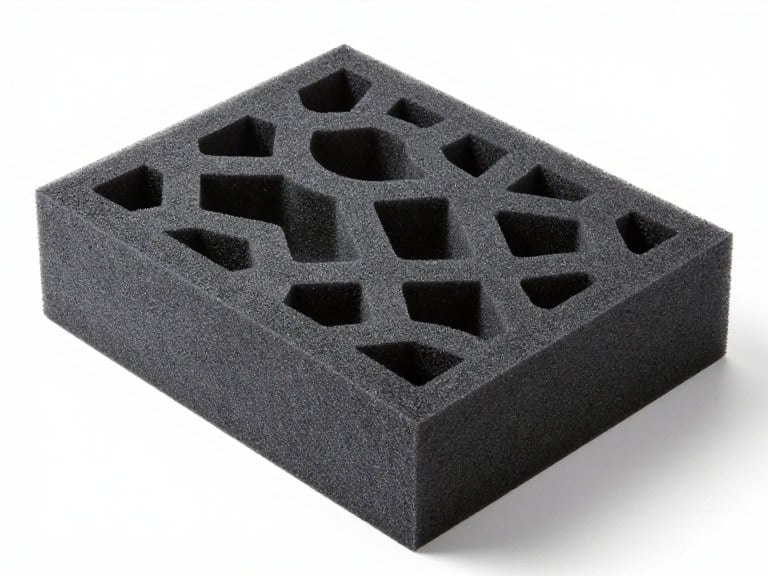
Foam inserts are useful when products need to remain in fixed positions, especially in electronics, tools, premium accessories, and delicate components. EPE and EVA foam offer different characteristics, so the right choice depends on the product’s weight, geometry, protection needs, and presentation requirements.
For a recurring box with a stable product layout, a custom foam insert may be worth the initial design cost. For a subscription whose contents change significantly every month, flexible dividers or adjustable inserts may be more economical.
Quick summary table: choosing the right packaging
| Your Priority | Recommended Starting Point | Why |
|---|---|---|
| Maximum brand visibility | Printed corrugated box | Provides a large, consistent branded surface |
| Lower shipping volume | Poly mailer for suitable products | Uses less space than a rigid carton |
| Protecting fragile mixed items | Corrugated box with tested cushioning | Combines structural support with internal protection |
| Changing product combinations | Flexible inserts and inflatable void fill | Adapts more easily to different monthly assortments |
| Premium fixed product presentation | Custom foam insert | Creates repeatable positioning and a tailored fit |
| Frequent seasonal updates | Standard outer box plus replaceable printed inserts | Updates the experience without replacing all packaging inventory |
Pros and cons of investing in custom packaging
| Pros | Cons |
|---|---|
| Creates repeated visual exposure to the brand | Custom printing may require higher minimum quantities |
| Can improve the perceived quality of the subscription | Premium finishes can increase unit cost |
| Provides space for instructions, QR codes, and brand messages | Too many inserts can slow down packing |
| Can improve product organization and protection | Incorrect insert design can waste space or damage products |
| May encourage customers to share their unboxing experience | Social sharing and repeat purchases are not guaranteed |
| Supports consistent presentation across recurring shipments | Large inventories can become obsolete after a redesign |
6. Who Should Use Custom Packaging?
Custom packaging is most valuable when the physical delivery is an important part of the product experience or when the brand ships frequently enough to benefit from a consistent packaging system.
Beauty and personal care subscriptions
Skincare, cosmetics, grooming, and wellness brands often benefit from organized presentation and clear product information. Inserts can explain product order, ingredients, or usage instructions. Packaging must also protect bottles, jars, and other containers against movement and leakage.
Food, coffee, and specialty snack subscriptions
These brands need packaging that protects the products and communicates freshness, product information, and brand identity. Material selection must account for food-contact requirements where applicable, moisture, temperature exposure, and the actual distribution process. A decorative outer box cannot replace appropriate primary food packaging.
Hobby, craft, and collectible subscriptions
Customers in these categories often value organization and presentation. Dividers, labeled compartments, and fitted inserts can make the contents easier to understand and use. For collectible or delicate items, the protection design should be tested before the brand invests in large-volume printing.
Premium lifestyle and gift subscriptions
When customers purchase a subscription as a gift, the package may be seen by both the purchaser and recipient. A well-designed outer box, a personal message, and clean internal presentation can reinforce the value of the gift. The additional cost is easier to justify when the subscription price and audience expectations support it.
7. Who Does Not Need Premium Custom Packaging?
Not every subscription business should start with a fully printed box. Early-stage brands, low-margin services, and businesses with highly variable product dimensions may get better results from a simpler system.
- Brands still testing product-market fit: Avoid committing to large packaging quantities before subscriber demand and product dimensions become predictable.
- Low-margin subscriptions: If packaging costs threaten contribution margin, prioritize protection and a simple branded insert over premium finishes.
- Products that ship in their own durable cases: Additional decorative packaging may add cost without meaningful customer value.
- Highly variable monthly assortments: A flexible carton and adjustable inserts may be more useful than a rigid, product-specific layout.
- Businesses with frequent brand changes: Use replaceable labels or inserts until the visual identity is stable.
For beginners, a practical approach is to use a standard shipping carton with a branded label, one consistent insert, and suitable cushioning. Upgrade to custom printing when order volume, brand positioning, and packaging economics justify the investment.
8. Common Custom Packaging Mistakes Subscription Brands Should Avoid
Mistake 1: Designing for photographs instead of shipping conditions
A package may look excellent in a studio photograph and still fail in a distribution network. Test it with the actual products, packed weight, shipping route, and handling conditions. Pay attention to corner damage, product movement, compression, and closure failure.
Mistake 2: Changing the visual identity too often
Seasonal themes can keep a subscription interesting, but the logo, typography, and core color system should remain recognizable. If every shipment looks like a different company, repeated deliveries do less to build brand memory.
Mistake 3: Adding unnecessary layers
More tissue paper, ribbons, cards, and wrapping do not automatically create a better experience. Every additional component adds material cost, storage needs, and packing time. Keep the components that improve presentation, protection, or product understanding.
Mistake 4: Ignoring the unboxing sequence
Products should be arranged in a logical order. Heavy items should not crush delicate ones, and small components should not disappear beneath loose fill. A simple packing specification with a clear product arrangement can make every shipment more consistent.
Mistake 5: Choosing a supplier based only on unit price
A low quotation can hide inconsistent dimensions, weak material specifications, long lead times, or printing quality problems. Compare the complete landed cost and the supplier’s ability to repeat the same specification across multiple production runs.
Mistake 6: Making vague sustainability claims
Terms such as recyclable, compostable, biodegradable, and recycled content have specific meanings and may depend on the material and disposal infrastructure. Make claims only when the supplier can provide appropriate supporting information and the wording accurately describes the relevant package component.
Mistake 7: Failing to plan for seasonal demand
Subscription volumes can rise during holidays, promotional campaigns, and gift-buying periods. If custom packaging has a long production lead time, the business needs a forecast and reorder point. Otherwise, a successful campaign can leave the fulfillment team using mismatched packaging or delaying shipments.
9. Buying Considerations: How to Choose a Custom Packaging Manufacturer
For commercial users, the supplier decision is as important as the design. Subscription brands need packaging that can be reordered reliably, not just a sample that looks good once. We recommend evaluating manufacturers against the following points before placing a production order.
9.1 Confirm the manufacturer’s actual product range
Start by identifying the materials and formats the supplier can produce consistently. A manufacturer focused on flexible protective packaging may be a strong fit for mailers, bubble materials, or cushioning, while another supplier may specialize in corrugated printed cartons or rigid gift boxes.
If your packaging system combines several materials, ask whether the supplier can coordinate the required components or whether you will need separate vendors. Fewer suppliers can simplify procurement, but only if product quality and specialization remain suitable.
9.2 Request samples before approving bulk production
Ask for samples that match the proposed material, thickness, dimensions, closure, and printing method. A generic sample is not enough to approve a custom order. Test the actual subscription products inside the sample package and review the finished appearance under normal warehouse lighting.
9.3 Compare minimum order quantities and reorder flexibility
Minimum order quantity affects cash flow and storage requirements. A low unit price may be unattractive if the required order quantity is much larger than your realistic demand. Ask for quotations at several volume levels and calculate the cost of holding unused inventory.
For subscription businesses, the ability to reorder smaller batches can be valuable, especially when subscriber numbers fluctuate. Discuss whether the supplier can maintain consistent colors, dimensions, and material specifications across repeat orders.
9.4 Evaluate printing quality and brand consistency
Provide production-ready artwork and request a physical proof or pre-production sample. Check logo clarity, color consistency, alignment, text readability, and how the design appears on the actual material. Colors can look different across substrates and printing processes, so do not approve artwork based only on a screen preview.
9.5 Check protective performance and material suitability
Ask the manufacturer for technical specifications relevant to the application. Depending on the product, this may include board grade, material thickness, cushioning structure, foam density, or other measurable properties. For fragile shipments, conduct practical packaging tests using the intended product configuration.
For example, comparing bubble wrap manufacturers can help buyers understand differences in product range and sourcing. If a subscription box includes components that need shaped protection, compare suitable EVA foam and EPE options rather than selecting by price alone.
9.6 Calculate total packaging cost, not just material price
The correct comparison includes more than the supplier’s quoted unit price. Consider printing setup, tooling, freight, storage, assembly labor, damage rates, and the effect of package dimensions on shipping charges.
| Cost Factor | Question to Ask | Why It Matters |
|---|---|---|
| Unit price | How does the price change at different order volumes? | Shows the effect of scale on packaging cost |
| Setup and tooling | Are there artwork, plate, mold, or setup charges? | Reveals costs beyond the quoted unit price |
| Minimum order | What is the MOQ for each material and print option? | Determines inventory commitment |
| Freight and storage | What are the packed dimensions and shipping arrangements? | Helps calculate landed cost and warehouse space |
| Lead time | How long do samples, production, and repeat orders take? | Reduces the risk of fulfillment delays |
| Quality control | How are dimensions, printing, and material consistency checked? | Supports reliable repeat orders |
| Damage performance | Can the supplier support testing with our actual products? | Helps prevent returns and replacement costs |
9.7 Check the manufacturer’s experience and communication
Ask for relevant product examples, production capabilities, quality procedures, and clear answers about lead times. A dependable manufacturer should be able to explain material choices and limitations, not simply promise that every design is possible.
Mailong Packaging Co., Ltd. was established in 2009 and manufactures and exports packaging materials including inflatable bubble and pillow film, air column rolls, air column bags, EPE and EVA foam, poly mailers, stretch wrap, bubble mailers, BOPP tape, and corrugated boxes. Its products are used to help reduce collision damage, abrasion, and static-related risks during logistics transportation, and the company reports exports to more than 30 overseas markets.
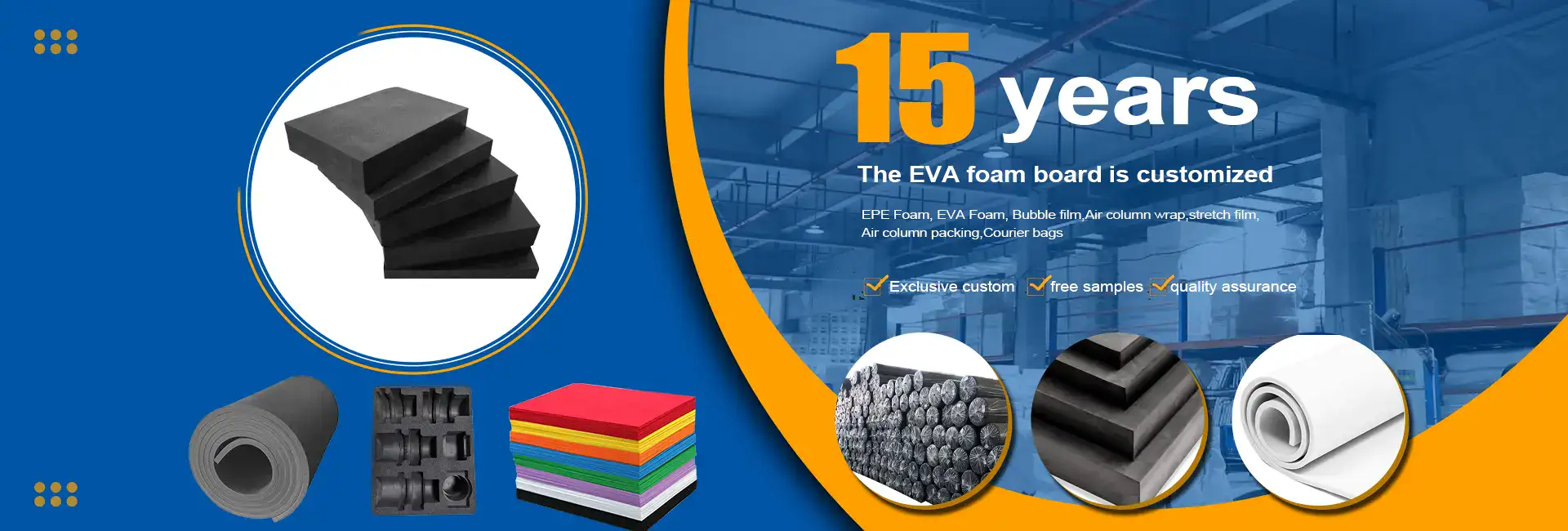
For subscription brands, Mailong’s range is particularly relevant when the packaging specification requires protective materials such as inflatable cushioning, air column bags, EPE foam, or EVA foam alongside shipping and wrapping materials. The right solution still depends on your product dimensions, protection requirements, order volume, and branding plan. Request samples and confirm specifications before committing to production.
9.8 Ask these questions before placing an order
- Can you produce the exact material, dimensions, and printing specification we require?
- What is the MOQ for a first order and for repeat orders?
- Can you provide physical samples or a pre-production proof?
- How do you control color and dimensional consistency between batches?
- What are the sample, production, and delivery lead times?
- Can you provide relevant material specifications and test information?
- How should the packaging be stored to maintain its quality?
- What happens if delivered packaging does not match the approved sample?
10. Expert Recommendation: Build a Packaging System, Not Just a Custom Box
From our experience in protective packaging, subscription brands get better long-term results when they treat packaging as a system with several jobs. It must identify the brand, protect the products, support efficient fulfillment, and fit the economics of recurring shipments.
We recommend a phased approach rather than investing in every premium feature at once.
For beginners: start with a recognizable, flexible package
If your subscriber base is still growing, use a standard-size carton or suitable mailer with a consistent branded label, a simple insert, and protective materials selected for the products. This creates a recognizable experience without locking too much cash into printed inventory.
For growing subscription businesses: standardize the packaging specification
Once order volume becomes more predictable, define a packaging specification covering dimensions, material, print colors, insert layout, protective components, and packing sequence. This makes it easier to compare suppliers and maintain consistency across monthly shipments.
For established brands: invest in repeatable custom printing and optimized inserts
When the design and product assortment are stable, custom-printed boxes and fitted inserts can improve presentation and operational consistency. Test whether the added investment produces enough value through stronger perceived quality, lower damage rates, easier packing, or improved customer feedback.
For heavy-duty applications: prioritize protection over decoration
If the subscription includes glass, electronics, dense components, or fragile products, choose the protective structure first. Select the outer carton, cushioning, dividers, or foam based on the product’s actual shipping risks. Add the branding after the protective design is validated.
Measure whether the upgrade is working
Do not judge a packaging upgrade only by whether the design team likes the finished box. Track measurable results over several shipment cycles:
- Packaging cost per shipped subscription.
- Damage, leakage, and packaging-related complaint rates.
- Average packing time per order.
- Shipping cost and dimensional weight changes.
- Customer feedback about presentation and ease of opening.
- Repeat purchase, renewal, or cancellation trends alongside other customer experience changes.
Packaging rarely determines subscription retention on its own. Product quality, pricing, convenience, customer service, and the value of each delivery remain more fundamental. But when those elements are already working, consistent custom packaging can strengthen the experience customers associate with your brand.
11. Frequently Asked Questions About Custom Subscription Packaging
1. How does custom packaging help subscription box brands build brand recognition?
Custom packaging repeats visual elements such as logos, colors, typography, and design patterns across recurring deliveries. Over time, these consistent elements help customers identify the brand, remember the experience, and distinguish the shipment from other parcels.
2. What is the best packaging for a subscription box business?
The best option depends on product weight, fragility, dimensions, and shipping requirements. Corrugated boxes are versatile for mixed products, poly mailers suit many lightweight non-fragile items, and foam or inflatable cushioning can help protect products that need additional support.
3. Is custom packaging worth the cost for a small subscription business?
It can be, but small businesses should avoid large inventory commitments before demand is predictable. Start with a standard carton or mailer, consistent branding, and a useful insert. Move to custom printing when the expected benefits justify the setup costs and minimum order quantities.
4. How can subscription brands create a memorable unboxing experience?
Use a consistent visual identity, organize products neatly, include a useful message or product guide, and make the opening process simple. The contents should be protected and presented in a logical sequence. Extra decorative layers are only worthwhile when they improve the experience.
5. What packaging materials are suitable for fragile subscription products?
Depending on the product, suitable options may include corrugated cartons, inflatable cushioning, bubble materials, EPE foam, EVA foam, and fitted dividers. The material should be selected according to product geometry, weight, fragility, and shipping conditions, then tested with the actual packed product.
6. How can subscription brands make packaging more sustainable?
Start by reducing unnecessary material and package size, choosing materials that match available local recycling or recovery systems, and avoiding unnecessary mixed-material components. Make specific environmental claims only when they can be substantiated. A package is not automatically recyclable or compostable simply because one component uses paper or a plant-based material.
7. Should subscription box packaging change every month?
Not necessarily. Keep the core brand identity consistent and change selected elements, such as a seasonal insert, printed message, or interior artwork. This creates variety while preserving the visual signals customers learn to recognize.
8. What should I ask a custom packaging manufacturer before ordering?
Confirm material specifications, dimensions, printing options, minimum order quantities, sample availability, production lead times, quality-control procedures, repeat-order consistency, and total landed cost. Always test a physical sample with your actual products before approving bulk production.
9. Can protective packaging also support brand recognition?
Yes. Protective packaging supports the brand by helping products arrive in good condition. Branded outer packaging and inserts can create visual recognition, while correctly selected cushioning, foam, and dividers protect the contents. Both functions should be planned together.
12. References and Further Reading
- Federal Trade Commission: Environmental Claims — Summary of the Green Guides. Guidance for substantiating and qualifying environmental marketing claims, including recyclable and recycled-content claims.
- Journal of Retailing and Consumer Services: Unpacking Preferences for Surprise Subscription Boxes — A Kano-Based Study of Present, Former, and Non-Users (2025). Research examining subscription-box user preferences and satisfaction factors.
- Packaging Corporation of America: Three Packaging Strategies Subscription Box Retailers Can’t Ignore. Industry perspective on branded packaging, subscription-box presentation, and packaging strategy.
{
“@context”: “https://schema.org”,
“@type”: “FAQPage”,
“mainEntity”: [
{
“@type”: “Question”,
“name”: “How does custom packaging help subscription box brands build brand recognition?”,
“acceptedAnswer”: {
“@type”: “Answer”,
“text”: “Custom packaging repeats visual elements such as logos, colors, typography, and design patterns across recurring deliveries. These consistent elements help customers identify the brand, remember the experience, and distinguish the shipment from other parcels.”
}
},
{
“@type”: “Question”,
“name”: “What is the best packaging for a subscription box business?”,
“acceptedAnswer”: {
“@type”: “Answer”,
“text”: “The best option depends on product weight, fragility, dimensions, and shipping requirements. Corrugated boxes are versatile for mixed products, poly mailers suit many lightweight non-fragile items, and foam or inflatable cushioning can help protect products that need additional support.”
}
},
{
“@type”: “Question”,
“name”: “Is custom packaging worth the cost for a small subscription business?”,
“acceptedAnswer”: {
“@type”: “Answer”,
“text”: “It can be, but small businesses should avoid large inventory commitments before demand is predictable. Start with a standard carton or mailer, consistent branding, and a useful insert. Move to custom printing when the expected benefits justify setup costs and minimum order quantities.”
}
},
{
“@type”: “Question”,
“name”: “How can subscription brands create a memorable unboxing experience?”,
“acceptedAnswer”: {
“@type”: “Answer”,
“text”: “Use a consistent visual identity, organize products neatly, include a useful message or product guide, and make the opening process simple. Protect the contents and present them in a logical sequence.”
}
},
{
“@type”: “Question”,
“name”: “What packaging materials are suitable for fragile subscription products?”,
“acceptedAnswer”: {
“@type”: “Answer”,
“text”: “Depending on the product, suitable options may include corrugated cartons, inflatable cushioning, bubble materials, EPE foam, EVA foam, and fitted dividers. Select materials according to product geometry, weight, fragility, and shipping conditions, then test with the actual packed product.”
}
},
{
“@type”: “Question”,
“name”: “How can subscription brands make packaging more sustainable?”,
“acceptedAnswer”: {
“@type”: “Answer”,
“text”: “Reduce unnecessary material and package size, choose materials that match available local recycling or recovery systems, and avoid unnecessary mixed-material components. Make specific environmental claims only when they can be substantiated.”
}
},
{
“@type”: “Question”,
“name”: “Should subscription box packaging change every month?”,
“acceptedAnswer”: {
“@type”: “Answer”,
“text”: “Not necessarily. Keep the core brand identity consistent and change selected elements, such as a seasonal insert, printed message, or interior artwork. This creates variety while preserving the visual signals customers learn to recognize.”
}
},
{
“@type”: “Question”,
“name”: “What should I ask a custom packaging manufacturer before ordering?”,
“acceptedAnswer”: {
“@type”: “Answer”,
“text”: “Confirm material specifications, dimensions, printing options, minimum order quantities, sample availability, production lead times, quality-control procedures, repeat-order consistency, and total landed cost. Test a physical sample with your actual products before approving bulk production.”
}
},
{
“@type”: “Question”,
“name”: “Can protective packaging also support brand recognition?”,
“acceptedAnswer”: {
“@type”: “Answer”,
“text”: “Yes. Protective packaging helps products arrive in good condition. Branded outer packaging and inserts create visual recognition, while correctly selected cushioning, foam, and dividers protect the contents.”
}
}
]
}