US Packaging Distributor – Switching from Bubble Bags to Air Column Packaging
1. Customer Background
Type: Packaging materials distributor
Country: United States
Main products: Bubble bags, cartons, tapes, etc.
End customers: E-commerce warehouses, 3PLs, local brands
Before working with us, the customer mainly supplied traditional bubble bags as inner protection.
2. Challenges
High freight cost due to large volume
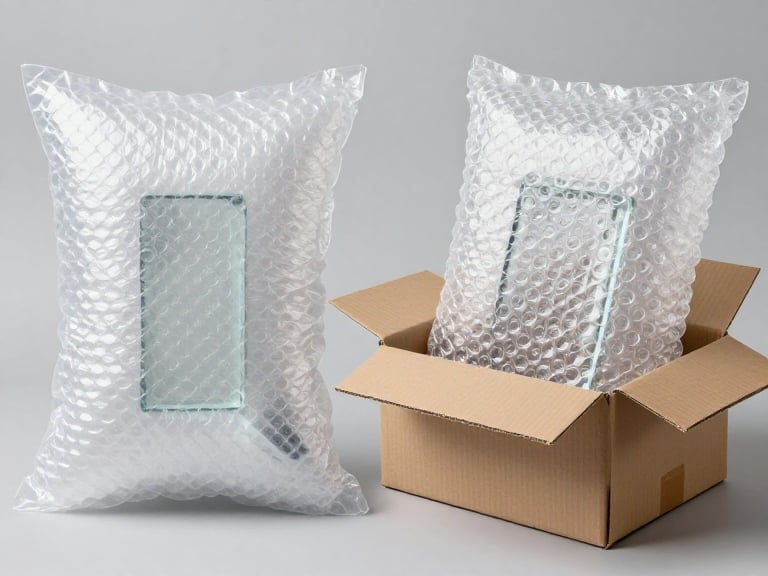
Bubble bags are shipped as finished bags/rolls with a lot of air inside.
A 40HQ container was “full” but the net weight was low – they were literally paying to ship air.
High packaging material cost
Local sourcing cost for bubble bags was high and unstable.
End users had to buy and store large volumes at once, increasing cash pressure.
Warehouse space occupied by bulky materials
Bubble bags took up a lot of space in both the distributor’s warehouse and their customers’ warehouses.
Before sales events and peak seasons, inventory piled up and management became difficult.
3. Our Solution: Air Column Packaging Instead of Bubble Bags
3.1 Product Options We Offered
We proposed replacing bubble bags with air column solutions:
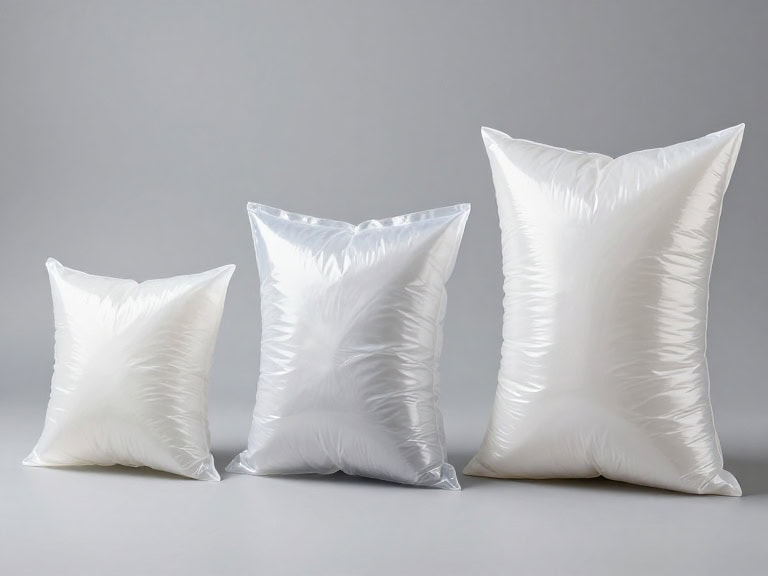
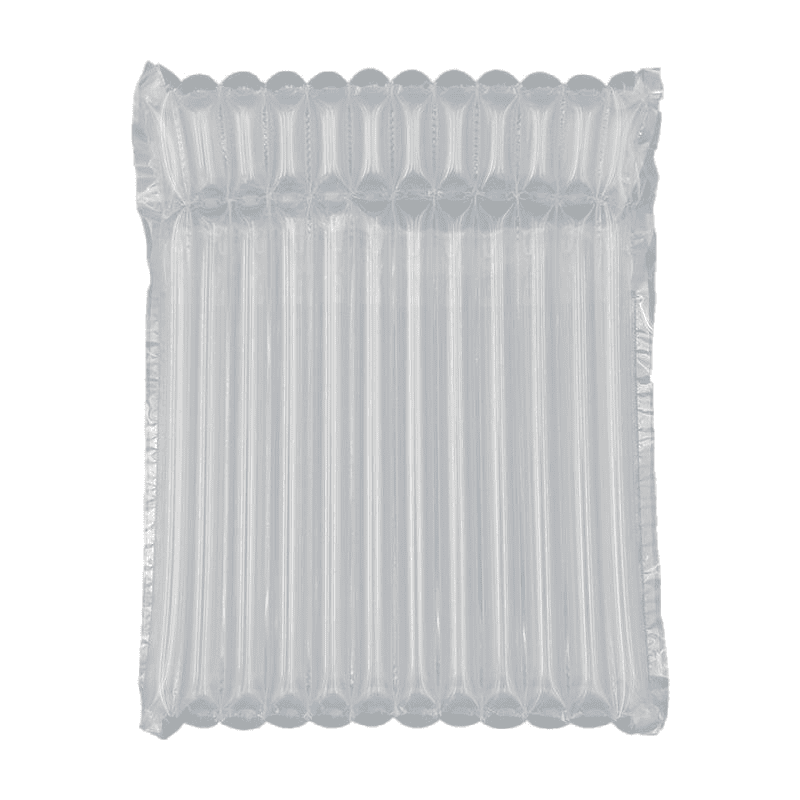
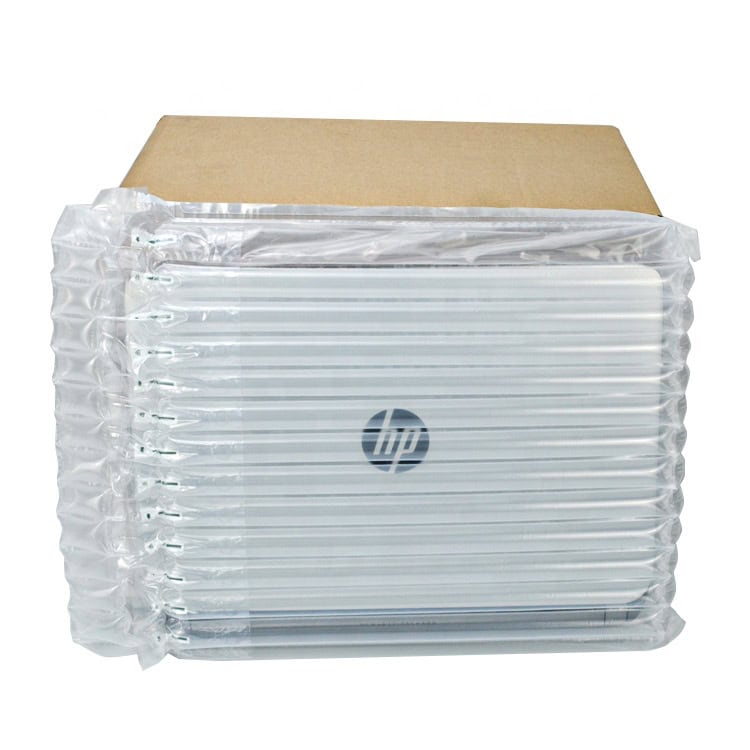
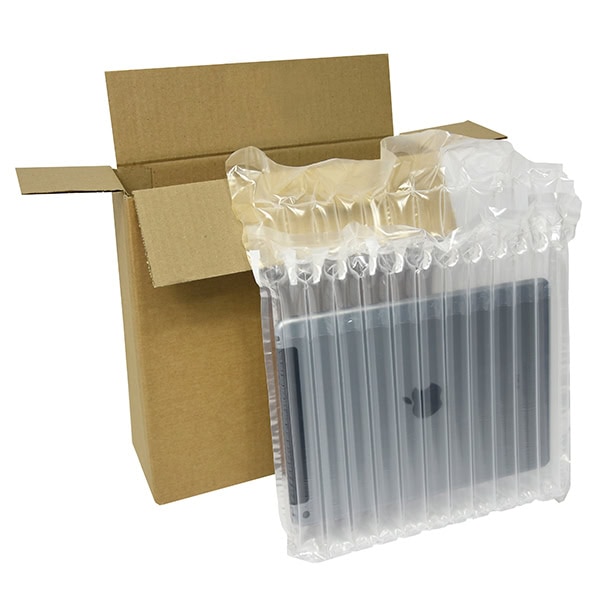
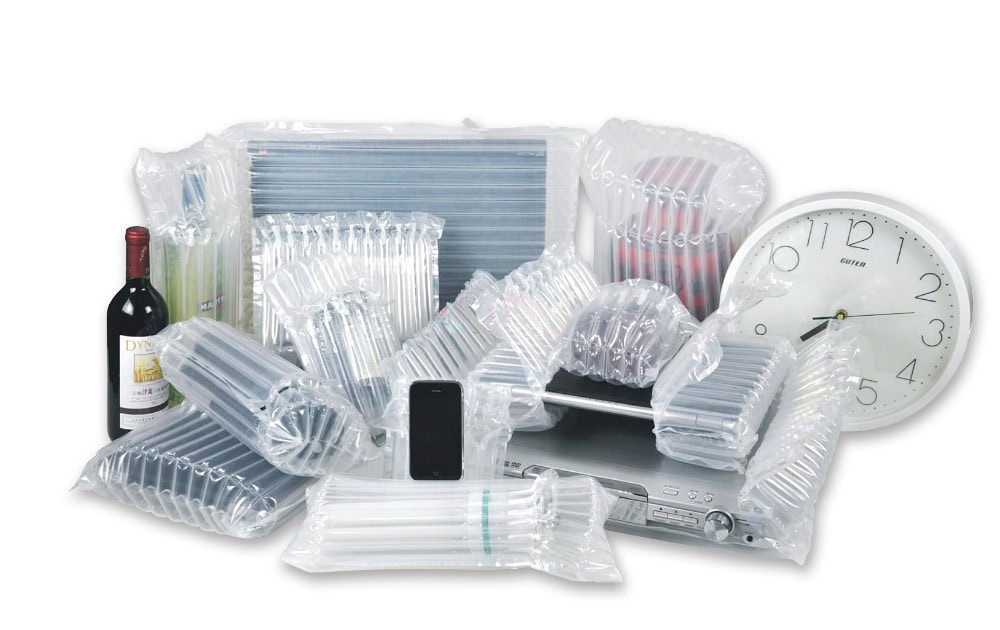
Q-type air column bags – for box-shaped products, electronics, small home appliances.
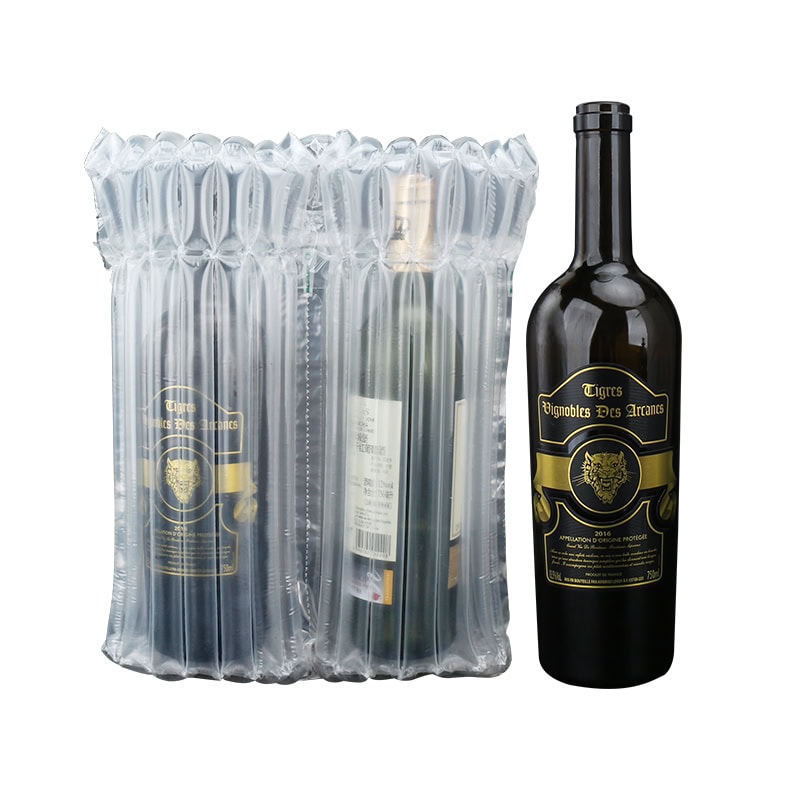
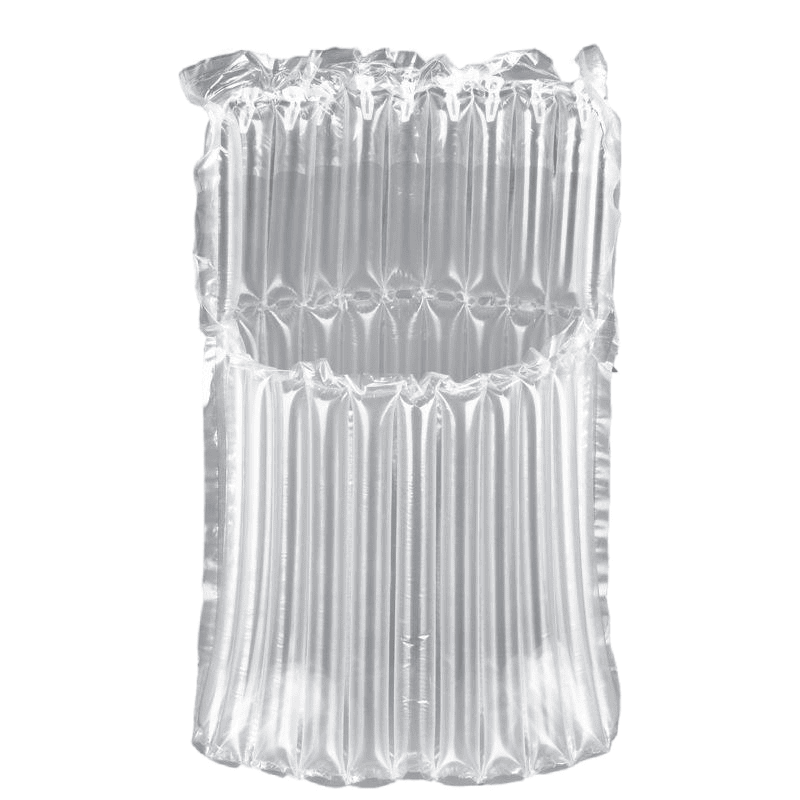
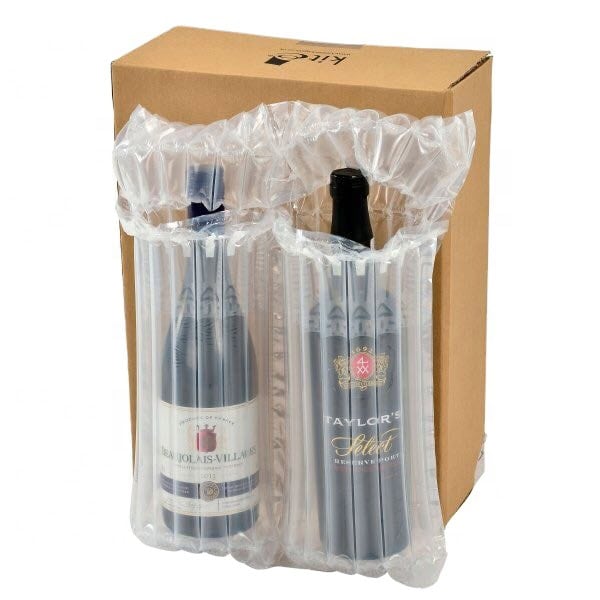
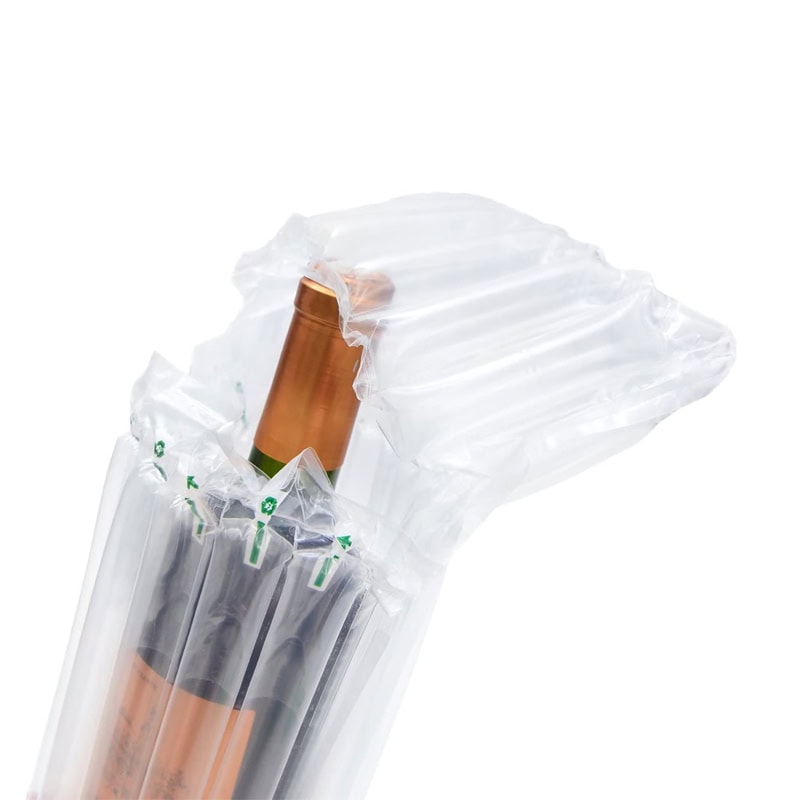
L-type air column bags – for tall or special-shaped products like bottles.
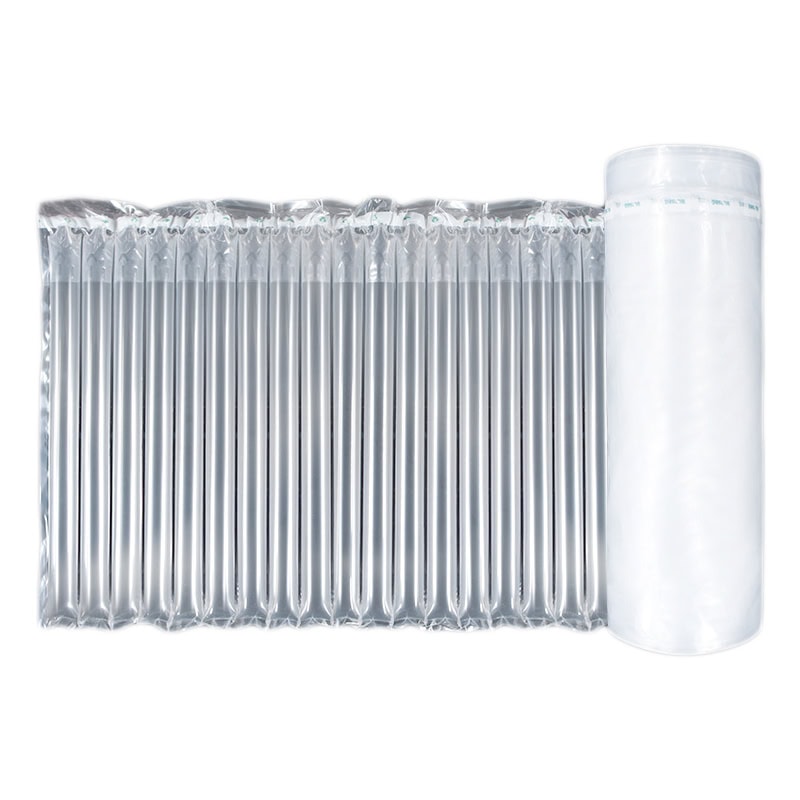
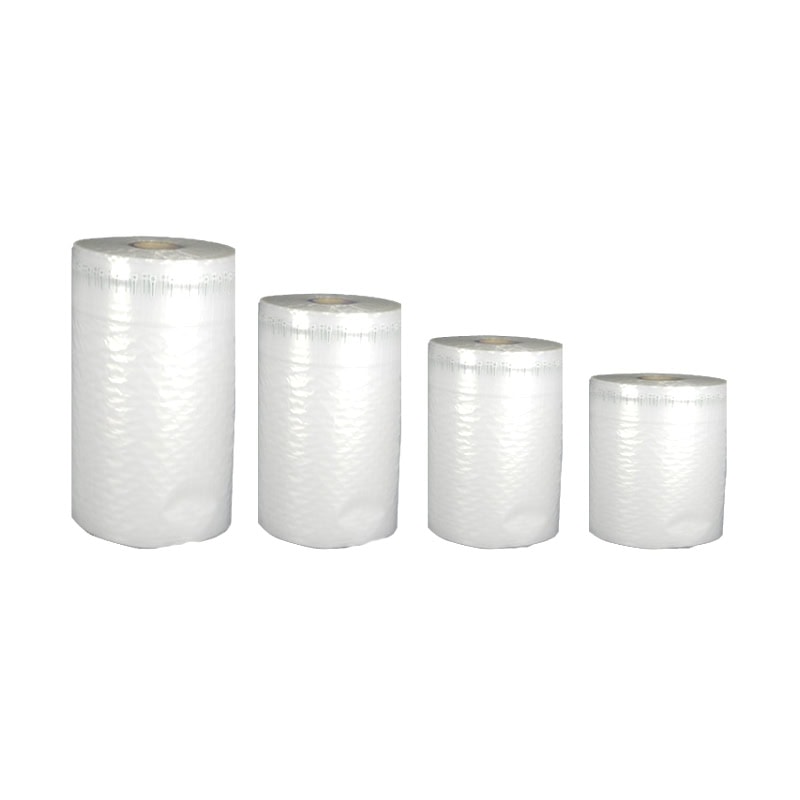
Air column roll film – for on-site void filling and cushioning.
Technical parameters:
Film thickness: 40–60 μm, adjusted based on product weight and fragility.
MOQ: 100 pcs per size/model – suitable for trial orders and new projects.
Lead time: 5–10 days for regular orders, after design confirmed.
3.2 How It Works in Practice
We ship flat, uninflated bags or roll film from China.
The US distributor or its end customers inflate the air columns on-site using a small inflator machine.
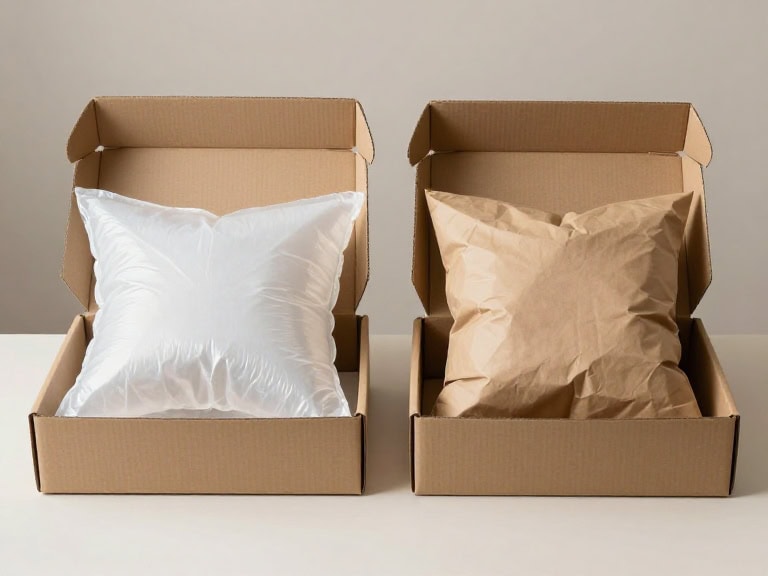
Protection is equal to or better than bubble bags, while material usage and transport volume are much lower.
4. Results
Freight and Volume Reduction
For the same protection capacity, one 40HQ container of air column roll film can replace multiple containers of finished bubble bags.
The customer’s freight cost per usable cushioning unit dropped by about 50–60% because they no longer ship “air”.
Lower Packaging Material Cost
By optimizing structure and film thickness (40–60 μm), we reduced:
Per-unit material usage
Per-piece cost versus locally sourced bubble bags
End customers now get better protection at a comparable or lower cost.
Warehouse Space Saving
Flat-packed air column bags and rolls are much more compact:
Warehouse space for cushioning materials was reduced by 60–70%.
Before peak seasons, they can stock more “packaging capacity” in the same space.
Better Sales Story for Their Customers
The distributor now offers a more professional, high-protection solution.
They use “less volume, lower freight, stronger protection” as a selling point to win new accounts.
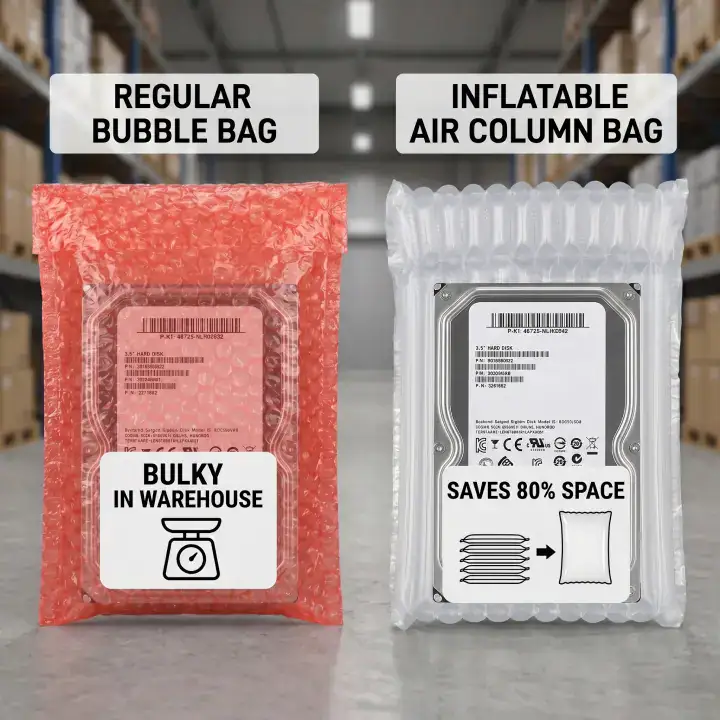
5. Bubble Bag vs Air Column – Quick Comparison
Item Traditional Bubble Bags Air Column Bags / Roll Film
Shipping volume Very large (ship mostly air) Very compact (flat film/bags)
Freight cost per use High 50–60% lower (for same protection capacity)
Protection performance Basic cushioning Strong cushioning, good for fragile, high-value
Material thickness Fixed 40–60 μm, optimized by product
Warehouse space Occupies large area 60–70% space saving
MOQ Often high 100 pcs / size – easy to test & launch
Lead time Depends on local stock 5–10 days production after design confirmed
6. Call to Action
If you are a US packaging distributor or 3PL and you are:
Paying too much freight for bulky bubble bags
Running out of warehouse space for cushioning materials
Looking for a more cost-effective and professional protection solution
We can help you switch to air column packaging with:
Film thickness: 40–60 μm
Types: Q-bags, L-bags, air column roll film
Low MOQ (100 pcs) for each size
5–10 days lead time for regular orders
Send us your product dimensions, weight and current packaging method –
we will provide a tailored air column solution and cost comparison within 24 hours.
Usage tutorial↓
Fall Test↓