Packaging costs can quickly erode your budget, whether you are moving to a new apartment or attempting to bootstrap a small e-commerce business. When you are looking to cut corners on shipping and moving supplies, learning where to find free bubble wrap is usually the first step. However, the packaging industry operates on precise standards. Reusing scavenged cushioning materials comes with distinct risks that most people completely ignore until they open a box to find shattered glass.
As an experienced manufacturer in the logistics and packaging sector, we take a definitive stance on this: sourcing free packaging materials is a viable strategy for personal use, but it is an absolute disaster for commercial enterprises. In this guide, we will break down exactly where to look for complimentary protective packaging in your local community, how to assess its structural integrity, and when you absolutely must transition to professional-grade materials.
Quick Answer
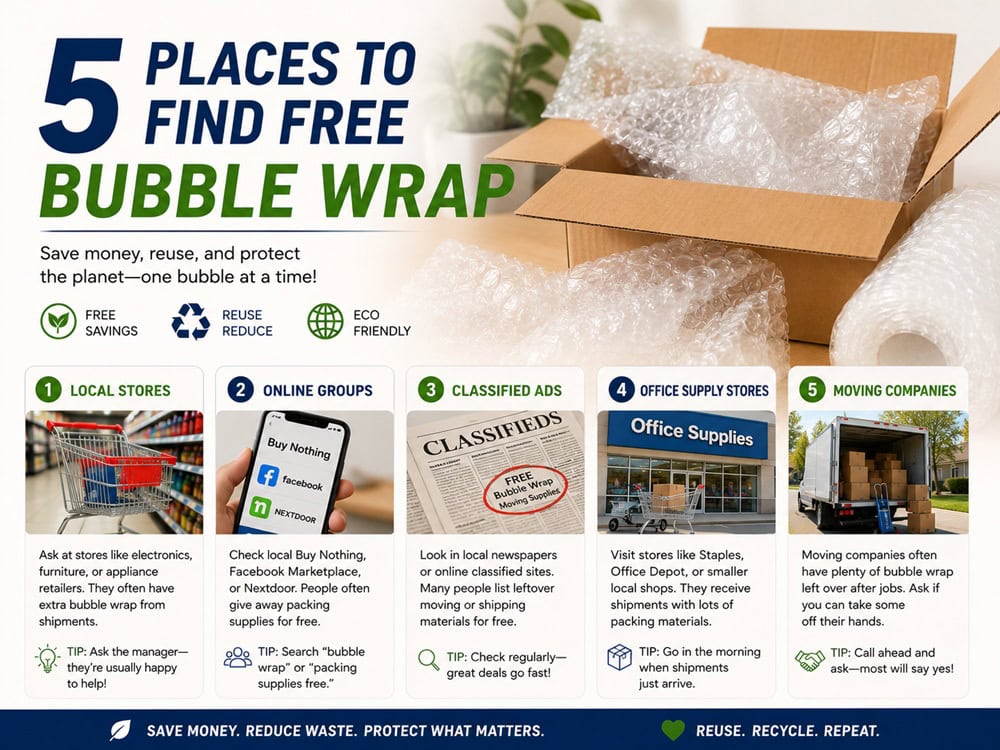
If you need to find free bubble wrap immediately, the five best locations are: 1) Local furniture and appliance retailers on delivery days, 2) Online community boards like Facebook Marketplace and Craigslist (look for “just moved” listings), 3) Corporate office mailrooms, 4) Liquor stores and pharmacies, and 5) Local recycling drop-off centers. Note: We recommend scavenging for free wrap only for personal moving projects. For commercial users, using deflated, dirty, or previously stressed bubble wrap compromises product safety and ruins the customer unboxing experience. Businesses should always invest in wholesale protective packaging.
Table of Contents
- What It Is: The Scavenging Strategy
- How It Works: 5 Places to Find Free Bubble Wrap
- Benefits of Reusing Packaging
- Limitations and Hidden Risks
- Who Should Use Free Wrap (And Who Should Avoid It)
- Common Mistakes When Sourcing Free Materials
- Pros and Cons Table
- Comparison Table: Free vs. Professional Grade
- Buying Considerations for Upgrading
- Expert Recommendation
- Frequently Asked Questions
- References
What It Is: The Scavenging Strategy
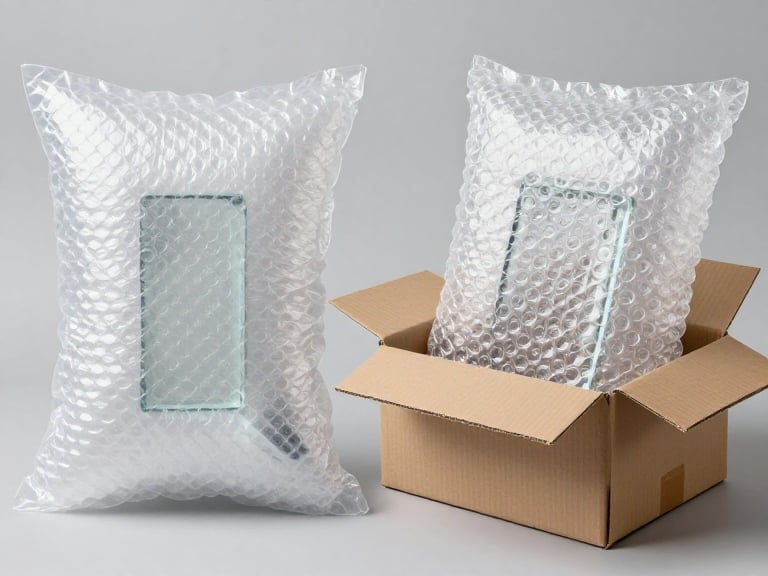
Finding free bubble wrap is essentially the practice of intercepting single-use plastics before they hit the waste management system. Trillions of dollars of retail goods are shipped globally every year, and almost all of them utilize some form of polymeric air cellular cushioning. Once a product reaches its final destination, the packaging instantly transitions from a valuable protective asset to a bulky nuisance for the recipient.
By positioning yourself at the end of this supply chain, you can collect massive quantities of discarded cushioning. However, you are receiving materials that have already absorbed the impact shocks they were designed to mitigate. This means the air cells may have microscopic ruptures, reducing their protective capabilities by up to 50%.
How It Works: 5 Places to Find Free Bubble Wrap
If you are determined to source your cushioning without spending money, you need to think like a logistics manager. You must identify local hubs that receive high volumes of fragile, bulky, or expensive inventory. Here are the top five locations.
1. Furniture and Appliance Retailers
Furniture stores are the undisputed kings of large-format packaging waste. Sofas, glass tables, and large appliances are wrapped in massive sheets of industrial-grade plastic cushioning to survive freight transit. Call your local furniture outlet and ask when their delivery days are. If you show up at the loading dock offering to haul away their plastic waste, they will gladly let you take it. This is highly relevant if you are looking for Bubble Wrap for Furniture Protection for your own move, as you can acquire pieces large enough to wrap a dining table.
2. Online Community Boards (Craigslist, Facebook Marketplace, Nextdoor)
People who have just finished moving into a new home are desperate to get rid of their moving supplies. The last thing they want to do is pay a disposal fee for massive garbage bags full of plastic wrap. Search terms like “free moving supplies,” “free boxes,” or “free packing material” on local community boards. For beginners, this is the easiest and most reliable method to source clean materials in residential neighborhoods.
3. Corporate Office Mailrooms
Mid-to-large sized office buildings receive dozens of packages daily, ranging from IT equipment to office supplies. The mailroom staff routinely unpacks these items and discards the void fill. Make friends with the facilities manager or mailroom clerk at your own workplace, or politely ask the receptionists at nearby business parks if they have a dedicated bin for clean packaging waste.
4. Liquor Stores and Pharmacies
Wine, spirits, and glass-bottled pharmaceuticals require meticulous cushioning during transit. Liquor stores often discard smaller, perforated sheets of protective wrap daily. While you won’t find massive rolls here, you will find excellent, small-bubble sheets that are perfect for wrapping dishware, mugs, or fragile electronics.
5. Local Recycling Drop-off Centers
Many municipalities have specific drop-off bins for plastic film recycling. While taking from these bins might be frowned upon in some strict jurisdictions, many recycling center attendants will gladly let you take clean bubble wrap before it is baled. You must be cautious here, as materials in public bins can be contaminated with household waste.
Benefits of Reusing Packaging
The most obvious benefit is the immediate reduction in your moving or operational costs. A standard large roll of commercial cushioning can cost upwards of fifty dollars at a retail shipping store. By scavenging, you keep that capital in your pocket.
Furthermore, reusing plastic film is environmentally responsible. Most standard cellular cushioning is made from low-density polyethylene (LDPE), which is notoriously difficult for curbside recycling programs to process. By giving this plastic a second lifecycle, you are actively delaying its entry into a landfill. If sustainability is your primary goal, but you are tired of scavenging, you might consider investing in Eco Friendly Bubble Wrap for a more permanent, reliable solution.
Limitations and Hidden Risks
From our experience, the hidden costs of free packaging almost always outweigh the initial savings if you are protecting high-value items. Standard bubble wrap is manufactured with a barrier layer—a thin co-extruded nylon film designed to trap air inside the bubbles. When a package is dropped, crushed, or exposed to extreme heat in a delivery truck, this barrier layer degrades.
In our testing, previously used wrap loses a significant percentage of its compressive strength. You might wrap your expensive computer monitor in scavenged plastic, only to realize the bubbles are mostly flat and provide zero shock absorption. Additionally, free wrap is often dirty, covered in warehouse dust, or sticky from old packing tape, which can transfer grime directly onto your belongings.
Who Should Use Free Wrap (And Who Should Avoid It)
Who should use it: College students moving dorms, individuals packing away seasonal holiday decorations in their attic, or people moving locally where they are driving their own car and directly controlling how gently the boxes are handled.
Who does not need it: For commercial users, e-commerce sellers, and logistics companies, using scavenged wrap is a terrible business decision. When a paying customer opens a package and finds their brand-new product wrapped in dirty, deflated, taped-together scraps of used plastic, your brand reputation is instantly destroyed. The cost of a single damaged return (refund, return shipping, lost inventory) will far exceed the cost of buying a wholesale roll of premium packaging.
Common Mistakes When Sourcing Free Materials
The most common mistake is trusting the visual appearance of the wrap without performing a squeeze test. Press the bubbles between your fingers; if they offer no resistance and feel entirely deflated, throw the wrap away. It is useless.
Another frequent error is scavenging wrap that was previously used to ship automotive parts, greasy machinery, or leaking chemicals. Always smell and inspect the wrap. If you wrap your clothing or upholstery in contaminated plastic, the stains will be permanent.
Pros and Cons of Scavenging Free Bubble Wrap
| Pros | Cons |
|---|---|
| Zero financial cost. | Inconsistent availability; you cannot rely on it for steady supply. |
| Extends the lifecycle of single-use plastics (eco-friendly). | Air retention is compromised from previous shipping trauma. |
| Great for low-stakes, short-distance personal moves. | Unprofessional appearance severely damages business branding. |
| Can often be found in large sheets at furniture stores. | Often contaminated with dirt, warehouse grime, or old adhesive. |
Comparison Table: Free Scavenged Wrap vs. Professional Grade Wholesale
| Feature | Free Scavenged Bubble Wrap | Professional Grade Wholesale Wrap |
|---|---|---|
| Cost | $0.00 | Requires upfront capital (but lowers damage rates). |
| Air Retention | Poor. Often popped or structurally compromised. | 100% intact nylon barrier layer for maximum shock absorption. |
| Aesthetic Presentation | Messy, wrinkled, covered in torn tape. | Clean, transparent, and professional. |
| Time Investment | High. Requires driving around, calling stores, and coordinating pickups. | Low. Delivered directly to your facility on a predictable schedule. |
| Best Application | Personal moves, garage storage. | B2B shipping, e-commerce fulfillment, fragile electronics. |
Buying Considerations for Upgrading
When you realize that scavenging for packaging is costing you more in time and damaged goods than you are saving, you must pivot to a professional procurement strategy. In most professional situations, you should stop buying small, overpriced retail rolls from local shipping stores and look to directly Buy Bubble Wrap USA through wholesale channels or directly from manufacturers.
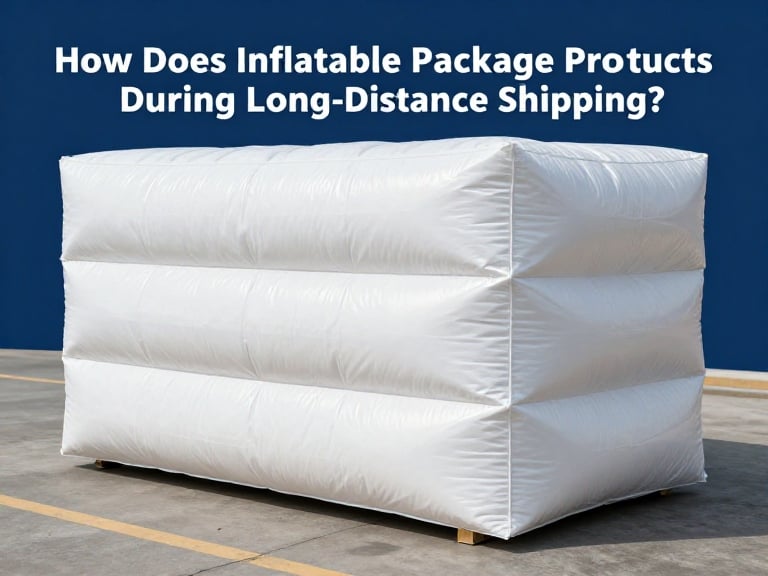
For heavy-duty applications where you are shipping industrial parts or heavy ceramics, standard wrap will fail. You must upgrade to Heavy Duty Bubble Wrap which utilizes a thicker gauge of LDPE. If warehouse storage space is a critical issue for your business, we highly recommend switching to Inflatable Bubble Wrap or Air Bubble Wrap & Pouch systems. These materials are shipped flat and only inflated on demand, saving you thousands of dollars in warehouse real estate while providing superior protective cushioning.
If your brand is focused on sustainability but you demand a professional unboxing experience, relying on dirty scavenged plastic is not the answer. Look into sophisticated Bubble Wrap Alternatives such as die-cut honeycomb kraft paper or compostable void fill to satisfy your eco-conscious customers.
Expert Recommendation
Our final verdict is clear: if you are a college student packing up your apartment, absolutely go to the back of the local furniture store and grab all the free plastic you can carry. It is practical and budget-friendly. However, if you are shipping products for money, scavenging for free packaging is a fatal operational error. The time you spend hunting for scraps of plastic is time you should be spending growing your business.
We recommend commercial users establish a relationship with a direct manufacturer to secure predictable, high-quality, wholesale pricing. Invest in materials that protect your products and elevate your brand image upon delivery.
About Mailong Packaging:
Mailong Packaging Co., Ltd. was established in 2009. It is a reputed manufacturer and exporter of a wide range of world-class quality packaging materials, such as inflatable bubble and pillow film, air column rolls, air column bags, EPE and EVA FOAM, Poly Mailer, Stretch wrap, Bubble mailer, BOPP tape, and Corrugated box, which can prevent products from collision damage, attrition, and static in the process of logistics transportation, and have been exported to oversea markets in more than 30 countries.
Frequently Asked Questions
Is it legal to take bubble wrap from store recycling dumpsters?
In many jurisdictions, once trash or recycling is placed in a private bin on commercial property, it belongs to the waste management company or the property owner. Taking it without permission can be considered trespassing or theft. Always ask the store manager before taking materials from their loading docks or bins.
Does used bubble wrap lose its protective qualities?
Yes. Standard bubble wrap is designed for a single transit lifecycle. Once it absorbs shocks, the air pressure inside the individual cells decreases due to microscopic stretching or tearing of the plastic film. Reused wrap offers significantly less impact resistance than brand-new material.
How can I tell if free bubble wrap is still good to use?
Perform a visual and physical inspection. Hold it up to the light to check for dirt or chemical residues. Press firmly on a cluster of bubbles; if they feel taut and resist pressure without immediately deflating, the barrier layer is likely still intact. If they feel mushy or flat, discard the wrap.
Authoritative References & Industry Standards
To ensure your packaging meets commercial shipping standards and environmental guidelines, consult the following resources: