Navigating the industrial packaging supply chain is a minefield. Sourcing raw materials for product protection, tool case inserts, or high-end retail unboxing experiences requires more than a simple Google search. When you need to buy eva foam material, the vendor you choose dictates your margin, your product’s safety, and your production lead times. If you buy from the wrong distributor, you will pay exorbitant markups. If you buy from unverified overseas traders, you risk inconsistent foam densities, terrible outgassing odors, and catastrophic manufacturing delays.
From our experience engineering custom packaging solutions at Mailong Packaging, we know that commercial buyers cannot afford to experiment with unvetted suppliers. You need reliable partners who understand closed-cell foam technology inside and out. In this uncompromising guide, we will break down the top five places to procure this essential material, examine the technical benefits and limitations of Ethylene Vinyl Acetate, and provide strict commercial judgment on where you should spend your capital based on your operational volume.
Quick Answer: Where to Buy EVA Foam Material?
In most professional situations, the best place to buy eva foam material is directly from a dedicated foam manufacturer. Our top 5 sourcing channels are: 1) Direct Manufacturers (like Mailong Packaging) for bulk sheets, rolls, and custom die-cuts at true wholesale prices; 2) Industrial Mega-Distributors (Uline, Grainger) for fast, next-day emergency stock at a high premium; 3) Local Foam Fabricators for mid-volume, localized custom routing; 4) B2B Sourcing Portals (ThomasNet, Alibaba) for researching overseas raw material suppliers; and 5) Specialized Craft & Hardware Suppliers for extreme low-volume prototyping. We recommend bypassing distributors entirely and partnering with direct manufacturers like Mailong Packaging to secure superior density control and eliminate middleman markups.
Table of Contents
- What is EVA Foam?
- How EVA Foam Works
- The 5 Best Places to Buy EVA Foam Material
- Benefits of Upgrading to EVA Foam
- Limitations and Practical Constraints
- Who Should Use It & Who Does Not Need It
- Common Mistakes When Buying
- Crucial Buying Considerations
- Expert Recommendation
- Summary and Comparison Tables
- Frequently Asked Questions (FAQ)
What is EVA Foam?
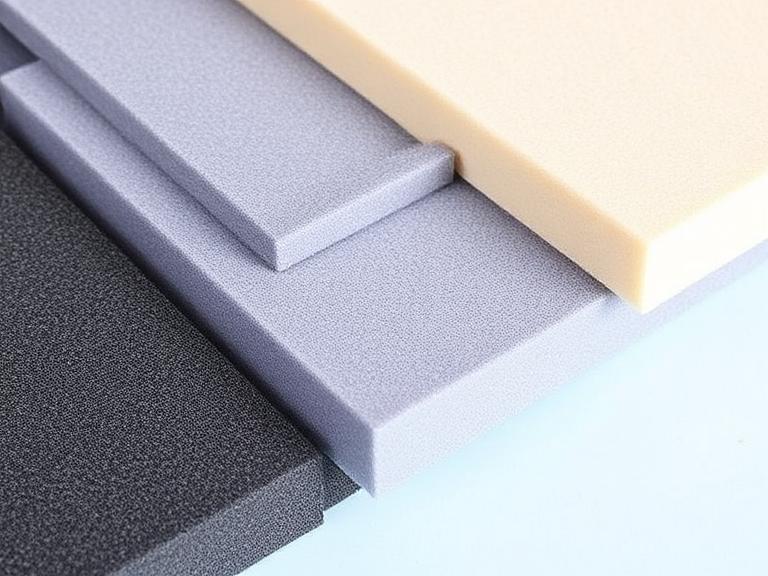
EVA Foam (Ethylene Vinyl Acetate Foam) is a lightweight, durable, and highly versatile closed-cell foam material widely used in protective packaging, industrial cushioning, tool case inserts, automotive components, sports equipment, medical devices, and consumer products. With excellent shock absorption, water resistance, flexibility, and customization capabilities, EVA Foam has become one of the most popular materials for high-performance protective packaging solutions.
Mailong Packaging manufactures premium-quality EVA Foam products in sheets, rolls, die-cut inserts, laminated trays, molded parts, and custom protective packaging solutions. Our EVA Foam materials are engineered to protect valuable products from impact, vibration, abrasion, moisture, and transportation damage.
How EVA Foam Works
Understanding how EVA foam functions mechanically is critical before making a purchasing decision. Unlike open-cell polyurethane (the squishy foam found in mattresses), EVA is a closed-cell elastomer. This means its microscopic cellular structure consists of independent, sealed bubbles. When a heavy object is dropped onto EVA foam, the trapped gas within these closed cells compresses, absorbing and dispersing the kinetic energy. Once the pressure is removed, the foam rebounds to its original shape.
This structural density allows for precision manufacturing. You can water-jet, route, laser-cut, and die-cut EVA foam into exact geometric tolerances, making it the supreme choice for holding delicate electronics or heavy metal tools securely in place during global transit. If you are comparing Packing Foam Sheets Suppliers, understanding this closed-cell recovery mechanism is the baseline for evaluating quality.
The 5 Best Places to Buy EVA Foam Material
1. Direct Packaging Manufacturers (Mailong Packaging)

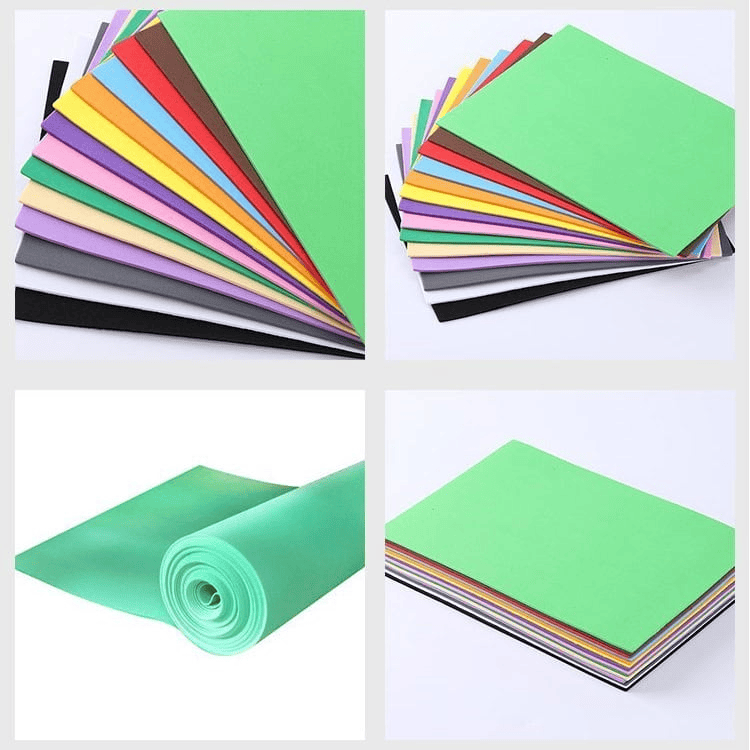
For commercial users, this is the undisputed best route. By going direct to a manufacturer like Mailong Packaging, you eliminate the 30% to 50% markup charged by industrial distributors. Manufacturers can provide raw buns (massive blocks of foam), skived sheets at specific millimeter thicknesses, or fully finished custom die-cut inserts. If you demand strict Packaging Quality Control, working directly with the factory floor is the only way to guarantee consistent shore density and color matching across large production runs.
2. Industrial Mega-Distributors (Uline, Grainger, McMaster-Carr)
If your manufacturing line is halted and you need standard black EVA foam sheets delivered by tomorrow morning, industrial mega-distributors are your safety net. They hold massive localized inventory. However, their pricing is intentionally punitive. You are paying a massive premium for speed and warehousing. Relying on them for long-term supply is a catastrophic drain on your operational budget.
3. Local Specialized Foam Fabricators
Local fabricators purchase raw foam buns from manufacturers and cut them down locally. They are excellent partners if you have highly complex, low-to-medium volume custom routing needs and require frequent in-person engineering meetings. The downside is that their material costs are higher than direct manufacturers, as they operate as value-added middlemen.
4. Global B2B Sourcing Portals (Alibaba, ThomasNet)
These platforms aggregate thousands of suppliers. While they offer extreme price competitiveness, they are fraught with risk for the inexperienced buyer. In our testing of randomly sourced portal suppliers, we frequently encountered “EVA foam” that was actually heavily adulterated with cheap polyethylene, resulting in poor rebound characteristics. If you use these portals, you must invest heavily in third-party quality assurance audits before authorizing container shipments.
5. Craft, Hardware, and Retail Suppliers
Places like Michaels, local hardware stores, or basic Amazon storefronts sell thin, consumer-grade EVA craft foam. For beginners testing a prototype or building a cosplay costume, this is acceptable. For commercial packaging, it is entirely useless. Retail foam lacks industrial density certification and fails under commercial load testing.
Benefits of Upgrading to EVA Foam
Is EVA foam actually worth upgrading to? Yes, provided the application demands it. The benefits are absolute: unparalleled aesthetic presentation and extreme physical protection. EVA foam does not flake or shed particulate matter, making it safe for class-A medical device packaging and optical equipment. Furthermore, its smooth, premium finish elevates the unboxing experience, which is why luxury electronics and cosmetics brands utilize it heavily over standard corrugated cardboard inserts.
Limitations and Practical Constraints
We must exercise commercial judgment here: EVA foam is expensive. It is significantly more costly than standard Polyethylene (PE) or Expanded Polyethylene (EPE) foam. Additionally, freshly manufactured EVA foam can exhibit “outgassing”—a distinct chemical odor. High-quality manufacturers cure their foam in ventilated warehouses to eliminate this, but cheap suppliers will ship it immediately, causing your final product packaging to smell like an industrial solvent.
Who Should Use It & Who Does Not Need It
For commercial users and heavy-duty applications: If you are shipping lithium-ion batteries, precision measuring instruments, firearms, expensive cosmetics, or custom automotive parts, EVA foam is mandatory. Its high load-bearing capacity prevents heavy items from shifting and destroying their outer cartons.
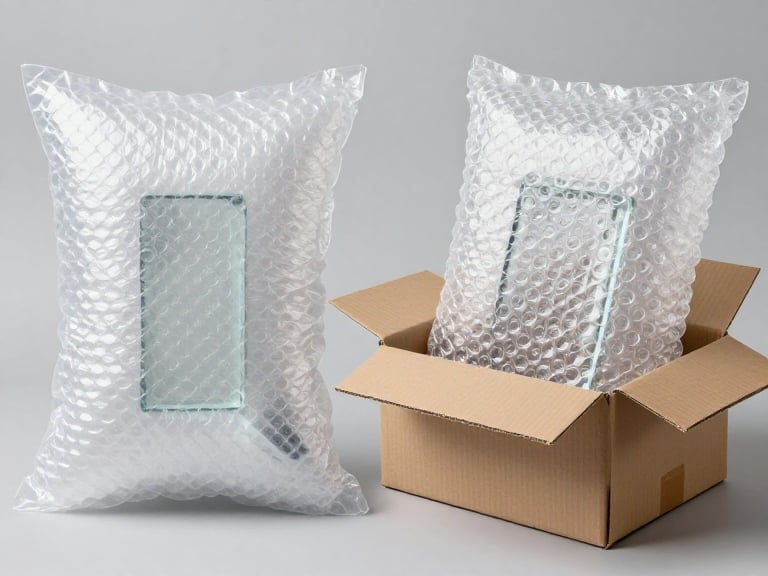
Who does not need it: If you are shipping basic apparel, cheap plastics, or non-fragile consumer goods, do not waste money on EVA foam. You are vastly better off utilizing Shipping Bags for Clothes or standard EPE Foam Sheets. For simple void fill, standard Bubble Cushioning Packaging or Air Column Wrap for Ceramics is significantly more cost-effective.
Common Mistakes When Buying
The most common failure we see in procurement is misunderstanding foam density. Buyers will request a quote for “EVA foam” without specifying the Shore C hardness or kg/m³ density requirement. A 30 kg/m³ foam behaves entirely differently than an 80 kg/m³ foam. The former will crush under the weight of a heavy metal tool; the latter will act like a brick and transfer kinetic shock directly to a fragile glass component rather than absorbing it. Always specify the exact weight of the product the foam must support.
Crucial Buying Considerations
Before issuing a purchase order to buy eva foam material, you must evaluate the supplier’s manufacturing capabilities. Can they perform precision water-jet cutting, or do they rely on crude die presses that leave concave edges? Do they offer anti-static (ESD) EVA formulations for circuit board packaging? Furthermore, assess their lead times. Raw material shortages can cause massive delays; ensure your partner has a dedicated supply chain resilient to global shipping fluctuations.
Summary and Comparison Tables
| Sourcing Channel | Best Use Case | Primary Advantage | Primary Disadvantage |
|---|---|---|---|
| Direct Manufacturers (Mailong) | High-volume commercial packaging | Lowest unit cost, custom engineering | Minimum Order Quantities (MOQs) apply |
| Industrial Distributors (Uline) | Emergency, next-day restocks | Instant availability, zero MOQs | Extremely high price markups |
| Local Foam Fabricators | Mid-volume, complex prototyping | In-person design consultation | Higher material costs than direct factories |
| B2B Portals (Alibaba) | Aggressive price shopping | Access to global supply base | High risk of quality control failures |
| Retail/Craft Stores | Hobbyists, one-off prototypes | Convenience | Non-industrial grade, very expensive per square foot |
| Material Type | Shock Absorption | Aesthetic Quality | Relative Cost | Best Application |
|---|---|---|---|---|
| EVA Foam | Excellent (High density) | Premium / Smooth | High | Luxury goods, heavy tools, medical devices |
| EPE Foam | Good (Moderate impacts) | Standard / Utilitarian | Low | Consumer electronics, appliance corner blocks |
| Polyurethane (PU) | Excellent (Lightweight items) | Squishy / Open-cell | Medium | Acoustic paneling, lightweight fragile items |
| Pros | Cons |
|---|---|
| Exceptional impact resistance and structural memory. | Higher material cost compared to standard EPE or Bubble Wrap. |
| Highly customizable via laser routing and die-cutting. | Can retain chemical odors (outgassing) if not cured properly. |
| Water-resistant and impervious to most chemicals and oils. | Heavier than air-filled solutions like Compostable Bubble Wrap. |
| Premium, high-end presentation for luxury unboxing. | Not biodegradable (though recyclable through specific industrial channels). |
| Specification | What to Ask the Supplier | Why It Matters |
|---|---|---|
| Density (kg/m³) | “What is the exact density tolerance of this batch?” | Determines load-bearing capacity. Too soft, and heavy items hit the bottom of the box. |
| Surface Finish | “Is the material skived or skin-on?” | Skin-on is tougher but slick; skived is smoother for premium aesthetics. |
| Additives (ESD / Fire Retardant) | “Can you formulate anti-static (pink/black) EVA?” | Mandatory for shipping bare circuit boards to prevent electrostatic discharge. |
Expert Recommendation
In evaluating the supply chain landscape, we take a definitive position: treating protective foam as an afterthought is a costly error. In most professional situations, the damage incurred from using inadequate packaging materials far exceeds the marginal cost savings of buying cheap foam from unverified distributors.
We recommend bypassing retail middlemen and mega-distributors entirely for your scaled production needs. When you need to buy eva foam material, partner directly with Mailong Packaging. As a primary manufacturer, we control the extrusion and expansion process, ensuring exact density matching, flawless die-cutting, and aggressive wholesale pricing. Whether you need raw sheets for your own fabrication or a completely engineered, ready-to-pack E Commerce Packaging Solution, securing a direct manufacturer relationship is the only way to protect your product and your profit margins simultaneously.
Frequently Asked Questions (FAQ)
Yes, but it depends on the payload. For heavy, fragile, or high-value items (like optics or firearms), EVA foam is vastly superior because it is denser, more resilient, and offers a premium aesthetic. However, EPE (Expanded Polyethylene) is significantly cheaper and is perfectly adequate for lightweight goods where unboxing presentation is not a priority.
For commercial applications, EVA foam must be cut using industrial die-presses, CNC water-jet cutters, or CNC routers to achieve the millimeter-exact tolerances required for holding parts securely. If you are a beginner working on a prototype, a highly sharpened utility knife, a hot wire cutter, or a laser cutter can be used, though manual cuts rarely match commercial quality.
Standard EVA foam is a synthetic, petroleum-based polymer. It is not biodegradable or compostable. However, it is highly durable, meaning custom inserts can be reused for years (e.g., in returnable heavy-duty tool cases). In industrial supply chains, clean scrap EVA can be ground down and recycled into secondary products like playground matting or shoe soles. If you require eco-friendly alternatives for void fill, explore Types of Bubble Wrap that feature biodegradable additives.
Authoritative References & Industry Standards
To ensure our packaging recommendations meet global compliance and engineering standards, we reference data from the following authorities:
- ASTM International: Provides standardized testing methods (e.g., ASTM D3575) for evaluating the compression, tear resistance, and physical properties of flexible cellular materials like EVA foam. Review ASTM Standards
- Packaging Digest: The premier industry publication detailing the latest advancements in protective packaging materials, supply chain logistics, and material science. Read Packaging Digest
- Plastics Industry Association: The leading organization advancing the business of plastics, providing crucial data on polymer manufacturing, recycling protocols, and commercial applications of Ethylene Vinyl Acetate. Explore Plastics Industry Data