Navigating global supply chains is not an exercise for the naive. In the e-commerce, logistics, and manufacturing sectors, securing reliable packaging is just as critical as securing the product itself. The undeniable reality of global manufacturing is that China remains the undisputed powerhouse for bulk packaging production. However, from our experience auditing international supply lines and managing immense logistical operations, the margin for error is razor-thin. Procurement managers frequently fall into traps set by predatory trading companies, miscalculated shipping dimensions, and devastating quality fade. If you do not know exactly what Buyers Check Before Ordering Packaging Materials, you risk paralyzing your entire fulfillment operation.
We see countless businesses make their purchasing decisions based exclusively on the lowest unit price listed on Alibaba or Global Sources. This is a fatal commercial error. A fraction of a cent saved on a sub-standard poly mailer is instantly vaporized when that mailer splits open in transit, resulting in damaged goods, angry customers, and costly return shipping. In most professional situations, treating packaging as a cheap commodity rather than a strategic operational asset is a guaranteed path to compromised margins. In this comprehensive, practitioner-led guide, we will strip away the generalities. We will outline the rigid, non-negotiable checklist Buyers Check Before Ordering Packaging Materials, analyze the mechanical realities of importing bulky goods, and provide you with the aggressive commercial judgment needed to secure a world-class manufacturing partner overseas.
Quick Answer: The Mandatory Vetting Checklist
The absolute core metrics Buyers Check Before Ordering Packaging Materials from China revolve around supplier verification, physical material tolerances, and logistical mathematics. First, verify if the vendor is an actual factory or a middleman trading company by demanding ISO 9001 certificates and live video factory audits. Second, dictate strict material specifications (e.g., exact micron thickness for film, specific adhesive grades for mailers). Third, calculate volumetric shipping weight meticulously—never import pre-inflated materials, as you will pay ocean freight rates to ship empty air. Finally, establish clear Incoterms (preferring FOB for large volumes or DDP for streamlined delivery) and mandate pre-shipment quality control inspections utilizing Acceptable Quality Limit (AQL) standards.
Table of Contents
- What Supplier Vetting Actually Is
- How the Overseas Sourcing Process Works
- Quick Summary Table: Core Checks
- The Strategic Benefits of Chinese Sourcing
- Limitations and Logistical Risks
- Comparison Table: Local vs. Overseas Procurement
- Who Should Import & Who Should Source Locally
- Pros and Cons Breakdown
- Common Mistakes in Packaging Procurement
- Strict Buying Considerations (The Checklist)
- Expert Recommendation from Mailong Packaging
- Frequently Asked Questions (FAQ)
What Supplier Vetting Actually Is
Supplier vetting in the Chinese packaging market is not merely asking a sales representative if they can produce a specific box or bag. It is a forensic audit of a company’s operational capacity, financial stability, and quality assurance framework. The first major hurdle Buyers Check Before Ordering Packaging Materials is the distinction between a manufacturer and a trading company. Trading companies act as middlemen; they hold no manufacturing assets, cannot directly control production schedules, and add an unnecessary markup to your unit cost. True manufacturers own their extrusion machines, their printing presses, and their warehouse space.
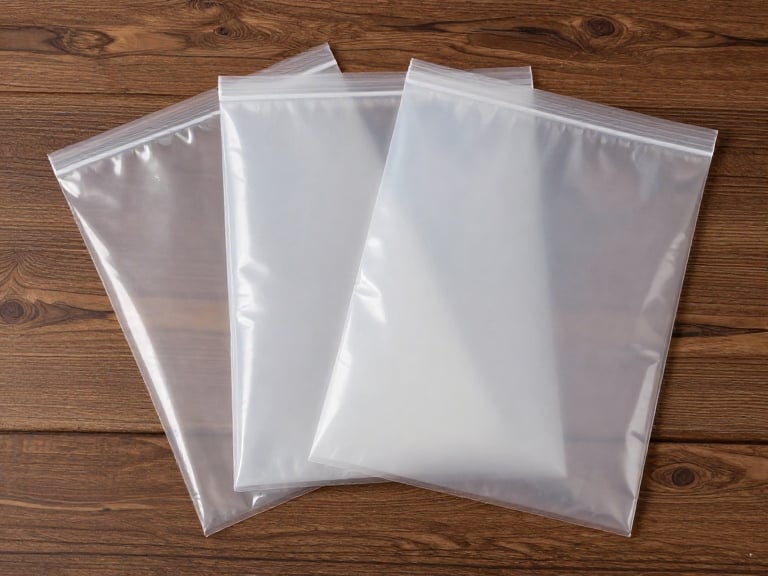
Furthermore, vetting involves scrutinizing the chemical and physical properties of the materials being promised. If a supplier promises “heavy-duty” Poly Mailer bags, what does that actually mean? A professional buyer demands the exact micron thickness, the specific blend of virgin versus recycled polyethylene, and the tensile strength of the heat-sealed seams. Vetting transforms vague marketing promises into rigid, legally binding technical specifications.
How the Overseas Sourcing Process Works
The mechanics of securing packaging materials from China follow a strict sequence. Skipping any of these steps inevitably leads to disaster.
Step 1: The RFQ (Request for Quotation). You do not simply ask “How much for bubble wrap?” You must issue a highly detailed RFQ specifying dimensions, material composition, load-bearing requirements, custom printing Pantone codes, and estimated annual volumes. If you are sourcing Pallet Film, you must specify the required stretch yield percentage (e.g., 200% vs 300% pre-stretch capacity) and the core diameter.
Step 2: Sample Validation. Never place a bulk order based on digital photos. You must pay to have physical samples air-freighted to your facility. In our testing, the only way to verify the adhesive strength of a mailer or the puncture resistance of EPE FOAM is to subject it to aggressive physical abuse in your own warehouse.
Step 3: Incoterms and Freight Mathematics. Packaging is inherently voluminous. You must establish exactly who pays for the freight. FOB (Free On Board) means the supplier pays to get the goods onto the ship, and you handle the ocean freight. EXW (Ex Works) means you pay for everything from their factory door. DDP (Delivered Duty Paid) means the supplier handles it all to your warehouse door.
Step 4: Pre-Shipment Inspection. Before you release the final 70% payment, a third-party inspector must visit the factory, pull a random sample based on AQL standards, and verify that the bulk production matches the golden sample you approved. Understanding comprehensive Packaging Quality Control is your only shield against receiving a container full of defective goods.
| Verification Category | What to Demand from the Supplier | Why It Is Critical |
|---|---|---|
| Entity Verification | Business License & ISO 9001 Certificate. | Ensures you are dealing with a true manufacturer, not a high-margin trading middleman. |
| Technical Specs | Exact micron thickness, material blend (virgin vs. recycled), burst strength. | Prevents “quality fade” where the supplier slowly thins the material to increase their profit margin over time. |
| Shipping Logistics | CBM (Cubic Meters) calculation for the entire order. | Packaging takes up massive space. You must know the exact CBM to calculate your true landed cost. |
| Quality Assurance | Agreement to third-party AQL pre-shipment inspections. | Forces the factory to maintain strict quality standards, knowing they will not be paid for defective batches. |
The Strategic Benefits of Chinese Sourcing
Why undergo the rigorous process of importing? The benefits are staggering for commercial entities. The primary advantage is economies of scale. Chinese packaging clusters possess massive, integrated supply chains that allow for profound cost reductions, often resulting in unit costs that are 40% to 60% lower than domestic alternatives, even after factoring in ocean freight and tariffs.
Secondly, customization is highly accessible. Domestic suppliers often require massive Minimum Order Quantities (MOQs) for custom printing or bespoke dimensions. Chinese manufacturers frequently accommodate mid-tier MOQs for custom-branded solutions. Whether you need specialized die-cut Air Column Wrap for Ceramics or a proprietary blend of compostable film, the rapid prototyping capabilities of top-tier overseas factories are unmatched.
Limitations and Logistical Risks
We demand commercial realism from our clients: importing packaging is not a magic solution devoid of risk. The most severe limitation is lead time. Ocean freight from Shenzhen or Ningbo to Long Beach or Rotterdam can take 25 to 40 days. Factoring in production time and customs clearance, you are looking at a 60 to 90-day procurement cycle. If you run out of boxes tomorrow, an overseas supplier cannot save you.
Furthermore, communication barriers and time zone differences can cause critical misinterpretations regarding technical specifications. A misunderstanding regarding the glue release liner on a bubble mailer can render tens of thousands of units unusable on your automated packing line.
| Factor | Local Domestic Supplier | Chinese Manufacturer |
|---|---|---|
| Unit Cost | High (Premium pricing for localized labor). | Low (Aggressive economies of scale). |
| Lead Time | Fast (Days to weeks). | Slow (2 to 3 months including ocean freight). |
| Customization MOQs | Extremely high for custom tooling. | Moderate to low, highly flexible. |
| Cash Flow Impact | Net-30 or Net-60 terms often available. | Requires 30% deposit upfront, 70% before shipment. |
| Logistics Complexity | Simple ground freight. | Requires freight forwarders, customs brokers, and tariffs. |
Who Should Import & Who Should Source Locally
For commercial users and heavy-duty applications: We recommend importing directly from China if your operation consumes pallets of materials monthly. E-commerce fulfillment centers, massive 3PLs, and large retail brands must utilize overseas manufacturing to protect their bottom-line profitability. The savings on millions of units justify the logistical overhead.
Who does not need it: For beginners, boutique Etsy sellers, or brick-and-mortar stores shipping less than 500 packages a month, importing directly from a Chinese factory is an exercise in frustration. The ocean freight costs for Less than Container Load (LCL) shipments of bulky packaging materials will obliterate your unit cost savings. You should buy from localized wholesale distributors who have already absorbed the container freight costs.
| The Pros (Advantages) | The Cons (Disadvantages) |
|---|---|
| Massive reduction in per-unit material costs. | Volumetric shipping costs can be devastating if calculated poorly. |
| Access to cutting-edge material innovations and automated production. | Long procurement cycles require significant inventory forecasting. |
| Highly flexible customization options for branding and sizing. | Risk of “quality fade” across subsequent orders without strict oversight. |
| Supplier consolidation (buying tape, mailers, and wrap from one source). | Requires capital to be tied up in inventory floating on the ocean. |
Common Mistakes in Packaging Procurement
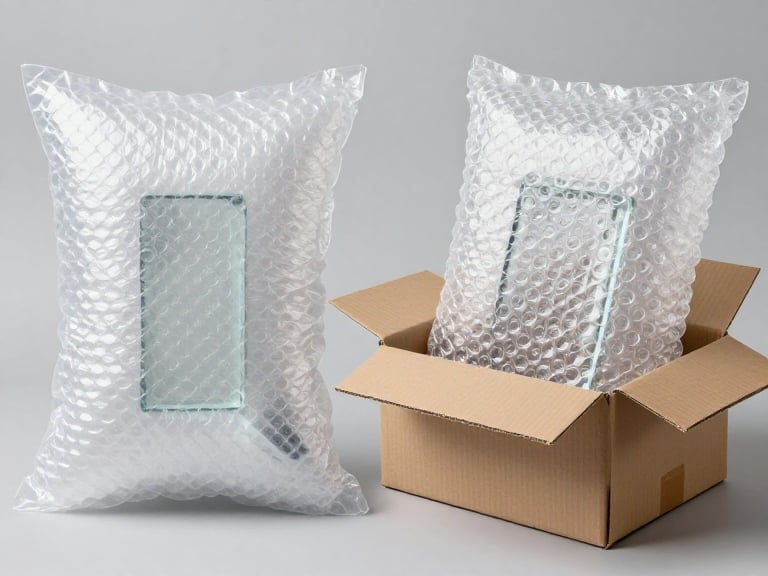
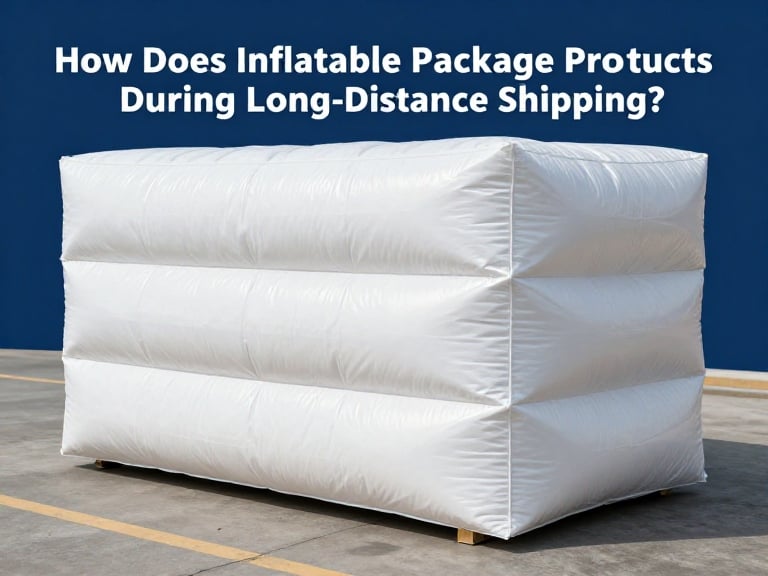
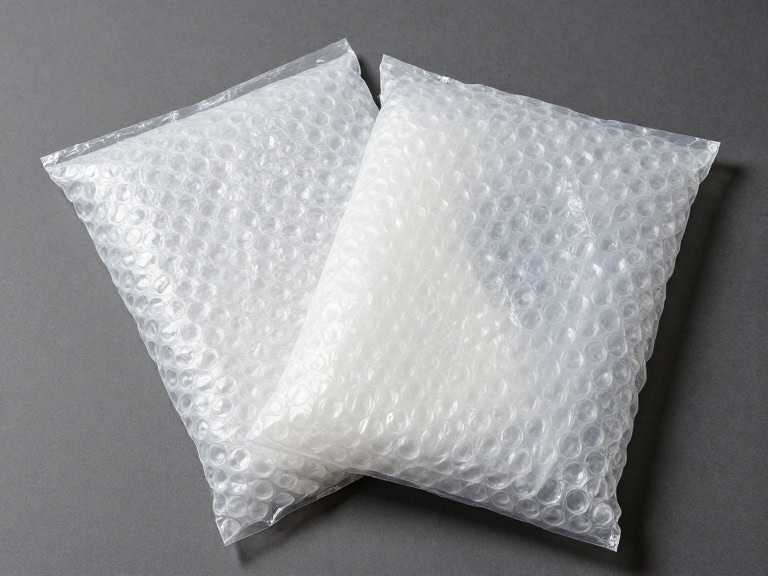
In our testing and auditing, the most catastrophic error inexperienced buyers make is ignoring dimensional (volumetric) weight. Packaging materials are light but take up massive amounts of space. If you order pre-inflated bubble wrap, you are essentially paying to ship containers of Chinese air across the Pacific Ocean. Your freight cost will be five times the cost of the actual plastic. To survive, you must order flat, uninflated film systems—such as on-demand Inflatable Bubble Wrap—which are inflated at your packing station.
Another profound mistake is failing to define the “Golden Sample.” Buyers will approve a high-quality sample, place a bulk order, and receive an inferior product. Unless you mandate that the factory holds onto a signed, sealed “Golden Sample” to be used as the absolute standard during the third-party AQL inspection, you have zero legal recourse when the bulk production arrives with thinner plastic or weaker adhesive.
Strict Buying Considerations (The Checklist)
When you are ready to issue a purchase order, evaluate your supplier against this uncompromising set of criteria that elite Buyers Check Before Ordering Packaging Materials:
- Factory Certifications: Demand ISO 9001 (Quality Management) and ISO 14001 (Environmental Management). If your packaging touches food or pharmaceuticals, demand SGS or FDA compliance reports.
- Material Clarity and Composition: Ask for the exact blend ratio. Are they using 100% virgin LDPE, or mixing in 30% recycled material? Recycled material lowers costs but significantly degrades puncture resistance. Educate yourself on the Types of Bubble Wrap to specify exactly what your product needs.
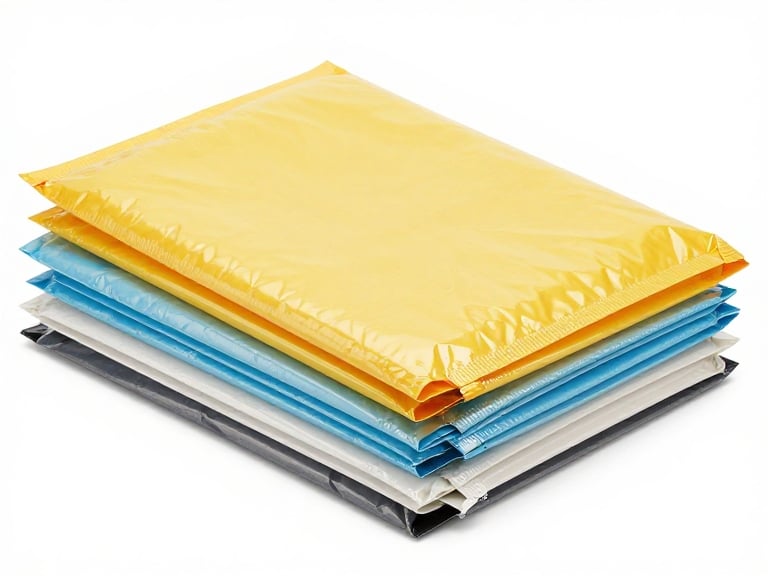
- Adhesive Quality: A poly mailer or a bubble mailer is only as good as its seal. Specify that you require industrial-grade, hot-melt adhesive that cannot be peeled open without visibly tearing the plastic (tamper-evident).
- Environmental Viability: Consumer pressure is heavily shifting toward sustainability. Ask your supplier about their biodegradable or compostable lines, but demand the certification proofs (e.g., EN 13432) to ensure they aren’t simply greenwashing standard plastics.
Expert Recommendation from Mailong Packaging
In most professional situations, the difference between a disastrous import experience and a highly profitable supply chain hinges entirely on the integrity of the manufacturer you choose. You cannot afford to partner with faceless trading companies that prioritize quick commissions over long-term quality control.
Mailong Packaging Co., Ltd. was established in 2009. It is a reputed manufacturer and exporter of a wide range of world-class quality packaging materials, such as inflatable bubble and pillow film, air column rolls, air column bags, EPE and EVA FOAM, Poly Mailer, Stretch wrap, Bubble mailer, BOPP tape, and Corrugated box. These engineered solutions can prevent products from collision damage, attrition, and static in the process of logistics transportation, and have been exported to overseas markets in more than 30 countries.
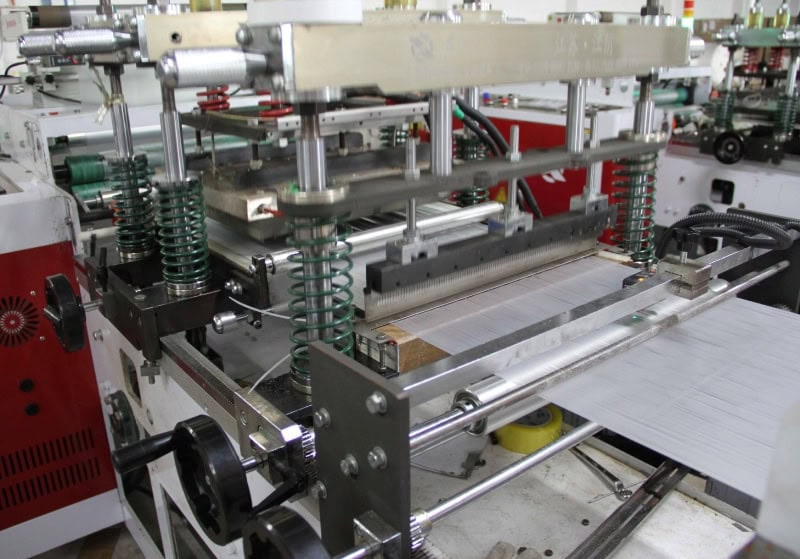
We recommend bypassing the middlemen and working directly with a proven manufacturer capable of delivering consistent, high-tolerance protective materials. Whether you require massive volumes of heavy-duty pallet film to secure freight, or highly specialized EPE FOAM die-cuts to protect delicate electronics, Mailong possesses the extrusion capacity, the stringent quality control protocols, and the export logistics expertise to shield your supply chain. We invite commercial buyers to aggressively audit our specifications and request physical samples to witness our manufacturing superiority firsthand.
Frequently Asked Questions (FAQ)
Authoritative Industry References
To ensure your procurement strategies align with global commercial standards, we advise reviewing data and protocols from the following authoritative institutions:
- International Organization for Standardization (ISO) – Official documentation regarding ISO 9001 Quality Management Systems, the absolute baseline for vetting global manufacturing facilities.
- SGS Global Inspection Services – Industry standards and protocols for Acceptable Quality Limit (AQL) and pre-shipment inspections vital for securing overseas supply chains.
- Freightos Logistics Index – Comprehensive, up-to-date guidance on international Incoterms, ocean freight volumetric weight calculations, and global supply chain risk management.