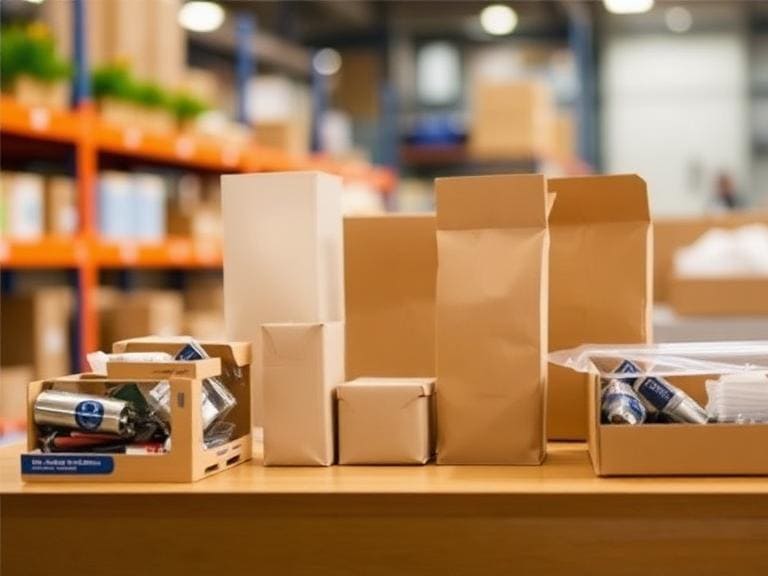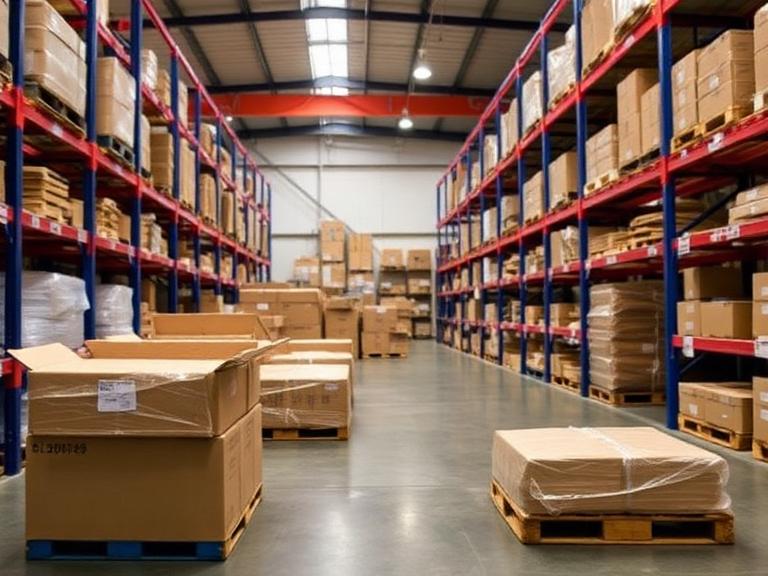
In the modern logistics landscape, damaged goods represent a catastrophic bleed on your gross profit margins. When a product arrives at a customer’s door shattered, scratched, or dented, the financial loss extends far beyond the manufacturing cost of the item. You are instantly liable for return shipping costs, the labor overhead of reverse logistics, replacement shipping costs, and the incalculable damage to your brand’s reputation. Warehouse managers and procurement directors who view packaging as a mere afterthought are making a critical operational error. The structural integrity of your shipments relies entirely on deploying the correct protective shipping supplies before the box ever leaves the loading dock.
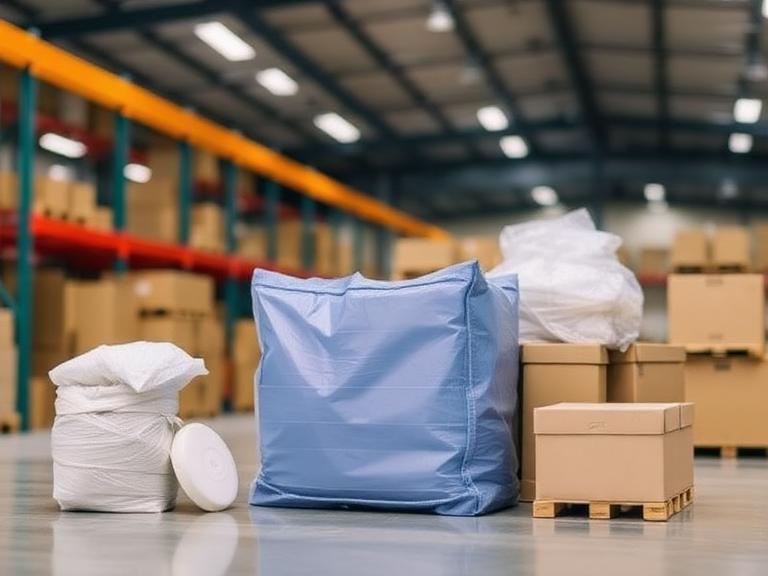
From our experience engineering advanced packaging solutions at Mailong Packaging, we witness commercial buyers routinely make the same mistakes: overpaying for dimensional (DIM) weight by using excessively large boxes filled with the wrong cushioning, or under-protecting fragile electronics with substandard films that fail under the sheer physical abuse of modern courier sorting facilities. If you are shipping fragile ceramics, heavy automotive components, or high-end consumer electronics, hoping for gentle handling is not a strategy. You must physically engineer the internal environment of your parcels to absorb shock, prevent abrasion, and block static. In this uncompromising guide, we will cut through the marketing noise, evaluate the 9 best protective shipping supplies available to commercial warehouses, and provide you with hard, practical judgment on exactly what to procure to optimize your fulfillment operation.
Quick Answer: The 9 Essential Protective Shipping Supplies
If you are actively auditing your warehouse procurement strategy, here is the definitive tier list of the best protective shipping supplies you must integrate to minimize damage rates and control DIM weight costs:
- EPE Foam (Expanded Polyethylene): The undisputed standard for non-abrasive surface protection and lightweight impact resistance.
- EVA Foam (Ethylene-Vinyl Acetate): The premium choice for heavy-duty blocking and bracing of high-value components within rigid boxes.
- Inflatable Bubble Wrap (Air Columns): The ultimate space-saving void fill that inflates on demand, drastically reducing warehouse storage footprints.
- Traditional Air Bubble Wrap & Pouch: The reliable, immediate-use cushioning wrap for rapid fulfillment stations.
- Compostable Bubble Wrap: The mandatory upgrade for eco-conscious brands facing strict municipal plastic bans.
- Corrugated Box & Rigid Boxes: The structural exoskeleton required to prevent crushing forces during transit.
- Bubble Mailer: The hybrid solution for shipping small, semi-fragile items without incurring box-level shipping rates.
- Poly Mailer: The ultra-lightweight, waterproof outer layer for non-fragile apparel and soft goods.
- Pallet Film (Stretch Wrap): The heavy-duty tensioning film required to secure massive loads for LTL (Less Than Truckload) freight transport.
In most professional situations, we recommend pivoting away from messy packing peanuts entirely and adopting on-demand inflatable air systems to drastically reduce your packaging storage costs.
Table of Contents
- What Are Protective Shipping Supplies?
- How Protective Packaging Mechanics Work
- The 9 Best Protective Shipping Supplies Detailed
- Commercial and Operational Benefits
- Limitations and Hard Truths
- Who Should Use These Materials
- Who Does Not Need Heavy Protection
- Common Warehouse Packaging Mistakes
- Expert Buying Considerations
- Summary and Comparison Tables
- Expert Recommendation: Mailong Packaging
- Frequently Asked Questions (FAQ)
What Are Protective Shipping Supplies?
Protective shipping supplies constitute the internal and external physical barriers engineered to safeguard merchandise against the brutal realities of the global supply chain. They are categorized into three distinct operational functions: Void Fill (materials that prevent items from shifting inside a box), Cushioning (materials that absorb kinetic energy from drops and impacts), and Surface Protection (materials that prevent scratches, marring, and electrostatic discharge).
A standard corrugated box is merely the vessel. If you place a fragile item inside a box without internal stabilization, the kinetic energy of a three-foot drop off a courier conveyor belt will transfer directly into your product, destroying it instantly. True protective shipping supplies act as a shock absorber system for your inventory.
How Protective Packaging Mechanics Work
Understanding the physics of logistics is critical. When a package is dropped, it experiences severe deceleration. Protective materials work by extending the time over which this deceleration occurs, thereby reducing the peak force exerted on the product. This is why materials like EPE FOAM and air cushions are highly engineered to compress upon impact and then slowly release the kinetic energy rather than snapping back violently.
Furthermore, in our testing, we observe that vibration during truck transit causes more subtle, creeping damage than singular drops. Prolonged vibration rubs products against the cardboard walls, destroying retail finishes. Using the correct surface protection layers completely isolates the product from the harsh interior of the corrugated board, maintaining pristine unboxing presentations for the end consumer.
The 9 Best Protective Shipping Supplies Detailed
To prioritize helping you make a sound purchasing decision for your fulfillment center, we have audited the top materials driving modern logistics.
1. EPE Foam (Expanded Polyethylene)
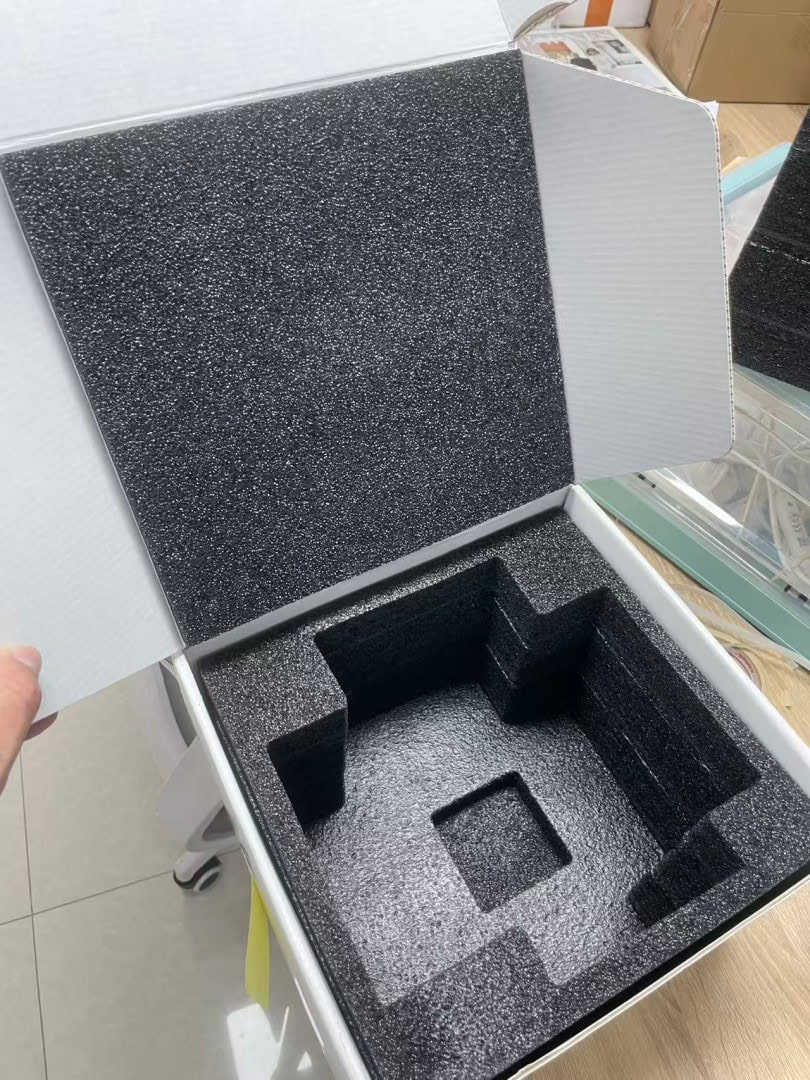
EPE foam is the lightweight champion of warehouse surface protection. It is a closed-cell foam that is non-abrasive, highly flexible, and possesses excellent shock absorption. We strictly mandate the use of EPE foam profiles for wrapping the sharp corners of furniture, glass edges, and delicate electronics before boxing. It does not crumble like cheap styrofoam and is easily recyclable in commercial facilities.
2. EVA Foam (Ethylene-Vinyl Acetate)
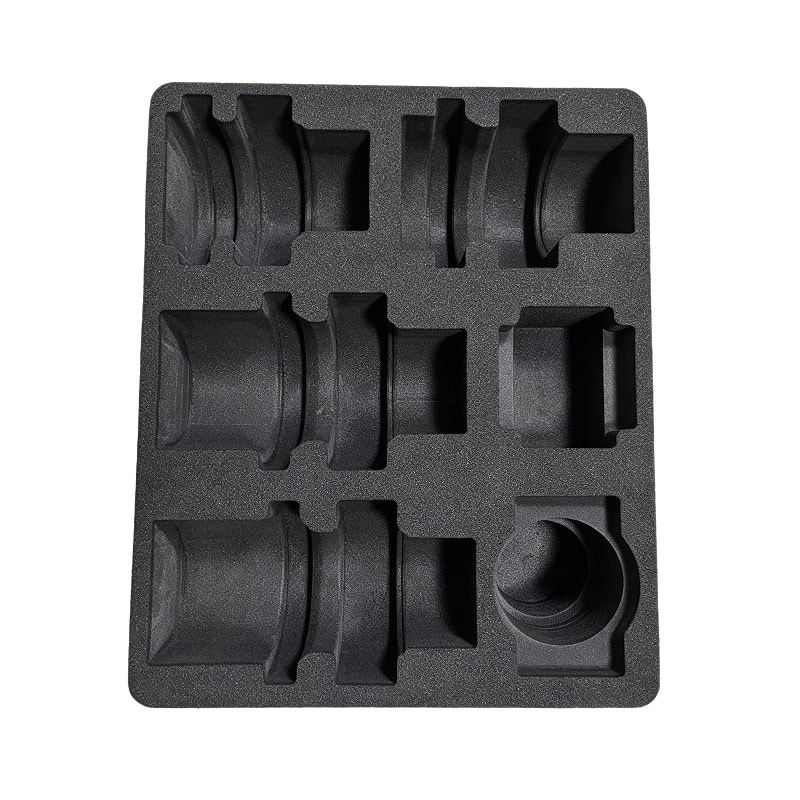
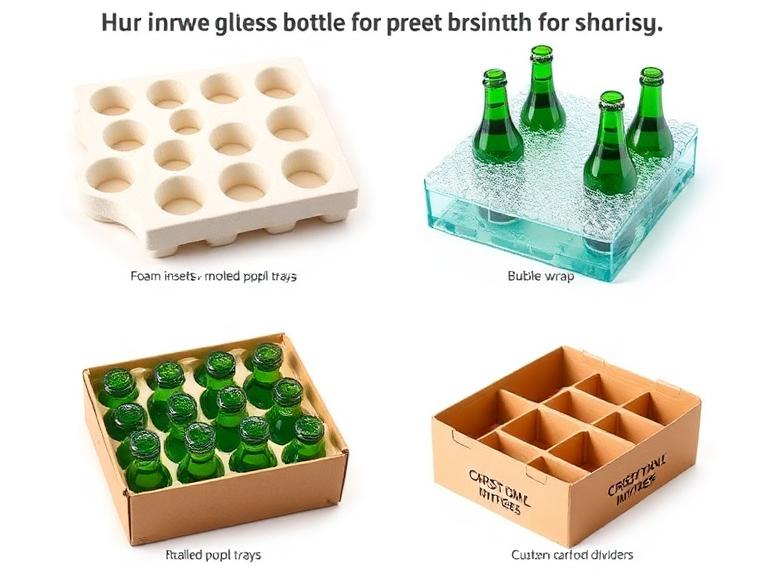
When you are shipping highly expensive, dense items—such as medical equipment, precision tools, or heavy glass bottles—EPE is too soft. You must upgrade to EVA FOAM. EVA is a highly resilient, dense foam that can be custom die-cut into exact internal inserts. It provides unparalleled blocking and bracing, ensuring heavy items cannot shift a single millimeter during transit.
3. Inflatable Bubble Wrap (Air Columns)
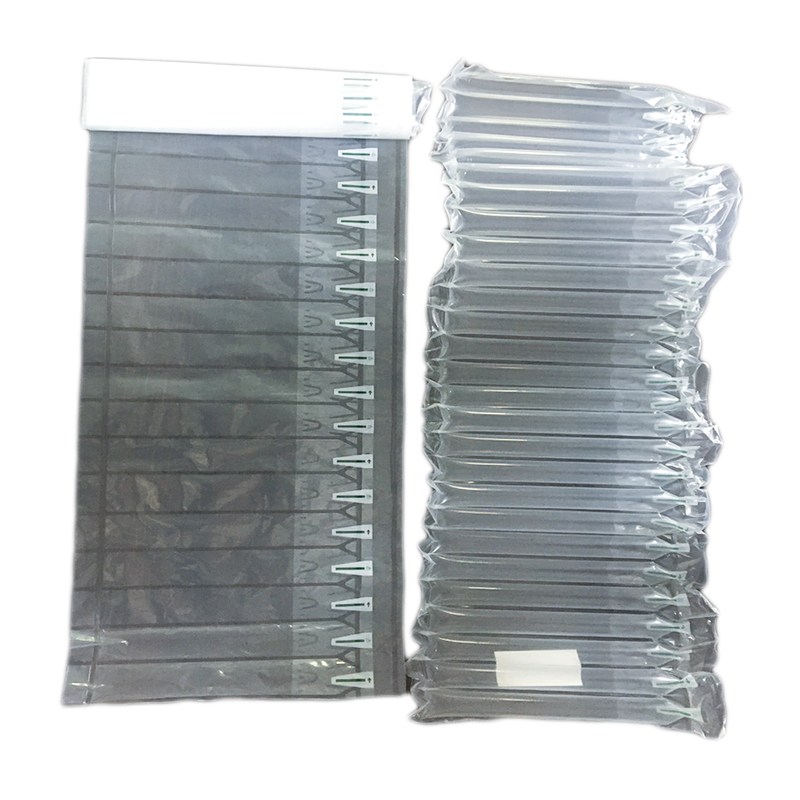
This is the most critical upgrade a modern warehouse can make. Instead of buying massive rolls of pre-inflated bubbles that consume half your warehouse shelving, Inflatable Bubble Wrap is shipped to you entirely flat. You utilize an on-demand desktop machine to inflate the films exactly when the packer needs them. This reduces your packaging storage footprint by up to 80% while providing superior burst strength compared to traditional materials.
4. Traditional Air Bubble Wrap & Pouch
For high-speed, low-value fulfillment lines where installing an inflation machine is not viable, standard Air Bubble Wrap & Pouch products remain a necessary staple. Pre-made pouches are incredibly fast for packers to use—simply slide the product in, peel the adhesive strip, and box it. They are ideal for rapid fulfillment of small cosmetics or hardware parts.
5. Compostable Bubble Wrap
Legislative pressure against single-use plastics is intensifying globally. If your brand relies heavily on eco-conscious marketing, standard plastics represent a massive liability. Integrating Compostable Bubble Wrap into your supply chain satisfies strict environmental mandates without sacrificing the kinetic absorption necessary to protect fragile goods.
6. Corrugated Box & Rigid Boxes
The first line of defense. Not all boxes are created equal. You must evaluate the Edge Crush Test (ECT) rating of your Corrugated Box & Rigid Boxes. A cheap 32 ECT box will collapse if stacked at the bottom of a heavy pallet. For heavy-duty applications, deploying double-wall corrugated solutions is non-negotiable to prevent crushing forces.
7. Bubble Mailer
When shipping small, relatively sturdy items (like books, video games, or jewelry), using a rigid box incurs unnecessary DIM weight charges. A Bubble Mailer provides the necessary interior cushioning combined with a weather-resistant exterior, allowing you to slash your outbound freight costs drastically.
8. Poly Mailer
The ultimate solution for soft goods. If you are fulfilling apparel, using corrugated boxes is a profound waste of capital. A high-quality Poly Mailer is tear-resistant, waterproof, and weighs virtually nothing, ensuring you pay the absolute minimum in postage. For a complete apparel strategy, review our dedicated solutions for Clothing Shipping Packaging.
9. Pallet Film (Stretch Wrap)
Internal protection means nothing if the entire pallet tips over inside the freight truck. High-tension Pallet Film is required to unitize massive warehouse loads. We recommend cast stretch film for its quiet application and superior clarity, ensuring barcode scanners can easily read inventory tags through the plastic.
Commercial and Operational Benefits
The financial return on investment for deploying professional protective shipping supplies is immediate and highly measurable. First, your damage rate will plummet. Moving from a 3% breakage rate to a 0.5% breakage rate on high-ticket items saves tens of thousands of dollars annually. Second, by utilizing custom EVA foam inserts or high-strength air columns, you can often downsize the external corrugated box. In modern logistics, carriers charge by dimensional (DIM) weight—the physical volume of the box—rather than just its actual weight. Shrinking the box size by an inch on all sides can result in massive freight savings over a fiscal year.
Limitations and Hard Truths
We must present practical judgment: absolute protection is not always economically viable. The primary limitation of premium protective packaging (like custom die-cut EVA foam) is the initial tooling cost and the unit price. If you are selling a $10 plastic toy, spending $3 on internal foam packaging will destroy your profit margin. You must match the cost of the protective material to the value and fragility of the product.
Furthermore, managing inventory for multiple types of packaging requires diligent warehouse management. If you stock too much pre-inflated bubble wrap, you are literally paying to store air, which consumes valuable pallet racking space that should be holding revenue-generating inventory.
Who Should Use These Materials
For commercial users and heavy-duty applications: 3PL (Third Party Logistics) providers, electronics manufacturers, cosmetics brands, and high-volume e-commerce fulfillment centers must maintain a comprehensive arsenal of protective shipping supplies. Your ability to ship products safely is the core function of your business model. You cannot rely on crumpled newspaper or cheap craft paper to protect a $500 tablet.
Who Does Not Need Heavy Protection
For beginners or soft-goods merchants: If you exclusively sell t-shirts, plush toys, or unbreakable silicone items, investing heavily in air columns and rigid corrugated boxes is a waste of capital. You should operate almost entirely out of ultra-lightweight poly mailers to maximize your shipping speed and minimize postage fees.
Common Warehouse Packaging Mistakes
Packing peanuts are a commercial liability. They create a massive mess for the end consumer, generate severe static electricity that can destroy unprotected electronics, and fail to prevent heavy items from migrating to the bottom of the box during transit, rendering them unprotected from bottom impacts. Modern warehouses must transition to static-free air cushions or custom foam inserts.
Expert Buying Considerations
When auditing Protective Packaging Companies, evaluate their ability to provide an integrated ecosystem. Do not buy your foam from one vendor, your boxes from another, and your mailers from a third. This creates supply chain friction and ruins your bulk purchasing power.
Additionally, consider your packers’ ergonomics. If a protective material requires excessive cutting, taping, or manual folding, it slows down the fulfillment line. On-demand air pillows and pre-cut EPE foam profiles drastically increase the number of boxes a single warehouse worker can pack per hour, driving down your labor overhead.
Summary and Comparison Tables
Quick Summary Table: Material Selection by Product Type
| Product Type | Recommended Internal Protection | Recommended Outer Packaging |
|---|---|---|
| Fragile Electronics (Laptops, Screens) | Inflatable Air Columns / Custom EVA Foam | Double-Wall Corrugated Box |
| Glass Bottles / Cosmetics | EPE Foam Wraps / Bubble Pouches | Single-Wall Corrugated Box |
| Apparel / Soft Goods | None required (Tissue paper for aesthetic) | Poly Mailer |
| Books / Media / Small Hardware | Minimal (Product is inherently rigid) | Bubble Mailer |
Comparison Table: Pre-Inflated Bubble vs. On-Demand Air Cushions
| Feature | Pre-Inflated Bubble Wrap Rolls | On-Demand Inflatable Air Wrap |
|---|---|---|
| Storage Footprint | Massive (Takes up excessive pallet space) | Minimal (Ships completely flat) |
| Initial Equipment Cost | Zero | Requires upfront investment in an inflation machine |
| Puncture Resistance | Low to Moderate | Very High (Heavy-duty multi-layer film) |
| Shipping Cost to Warehouse | High (Paying freight for trapped air) | Very Low (Dense, flat rolls) |
Pros and Cons of Rigid Foam (EVA) vs. Soft Foam (EPE)
| Pros (Advantages) | Cons (Limitations) |
|---|---|
| EVA: Provides absolute rigid blocking for heavy industrial parts. | EVA: Expensive and requires custom tooling/die-cutting. |
| EVA: Superior aesthetic presentation for luxury unboxing. | EVA: Adds significant weight to the final parcel. |
| EPE: Extremely cheap, lightweight, and highly flexible for wrapping. | EPE: Too soft to prevent heavy items from crushing through it upon impact. |
| EPE: Excellent non-abrasive properties protect delicate screens. | EPE: Looks generic and cheap in luxury retail packaging. |
Expert Recommendation: Partnering with Mailong Packaging
In most professional situations, the operational friction of dealing with multiple unverified brokers will eventually choke your logistics capabilities. When you need absolute reliability and massive scale, you must partner with a vertically integrated manufacturer that controls the entire production chain.
Mailong Packaging: Your Global Logistics Partner
Dongguan Mailong Packaging Co., Ltd. was established in 2009. We are a reputed manufacturer and exporter of a wide range of world-class quality protective shipping supplies, engineered specifically to prevent collision damage, attrition, and electrostatic discharge during brutal logistics transportation.
We do not just sell materials; we engineer comprehensive warehouse solutions. From high-strength inflatable bubble and pillow films to custom EPE and EVA foam inserts, Poly Mailers, and heavy-duty Corrugated boxes, our facilities guarantee absolute quality control. Exporting to over 30 countries globally, we understand the exact intersection of competitive pricing, rapid fulfillment, and uncompromising protection.
By leveraging Mailong Packaging’s direct manufacturing capabilities, commercial warehouses bypass broker markups and secure the exact architectural protection required to drive their damage rates down to zero.
Frequently Asked Questions (FAQ)
How do protective shipping supplies reduce DIM weight?
Dimensional (DIM) weight is a pricing technique used by couriers that charges you based on the physical size of the box, not just its actual weight. By using highly efficient protective supplies like custom EVA foam or high-strength inflatable air columns, you can pack fragile items much closer to the edges of the box without risking damage. This allows you to use a physically smaller box, drastically reducing your DIM weight freight charges.
What is the difference between EPE foam and EVA foam?
EPE (Expanded Polyethylene) is a soft, flexible, closed-cell foam that is excellent for wrapping items to prevent surface scratches and provide light cushioning. It is very cheap and lightweight. EVA (Ethylene-Vinyl Acetate) is a much denser, rigid foam. It is used to create custom-cut, heavy-duty inserts that physically lock heavy or highly expensive items in place inside a box. EVA provides superior shock absorption for heavy impacts but is significantly more expensive.
Are there eco-friendly alternatives to standard bubble wrap?
Yes. The logistics industry is rapidly adopting compostable bubble wrap, which is manufactured using biodegradable polymers (like PBAT and PLA) that break down safely in composting environments. Additionally, kraft paper void fill and corrugated honeycomb wraps are excellent sustainable alternatives, though they do not offer the exact same moisture resistance or burst strength as traditional plastic air cushions.
Authoritative Industry References
To ensure our packaging guidelines align with global logistics and safety standards, we reference data from the following authorities:
- ISTA (International Safe Transit Association): The premier organization focused on the specific concerns of transport packaging, setting the global testing protocols for drop, vibration, and compression resistance. Visit ISTA
- ASTM International: Defining rigorous technical standards for packaging materials, including the burst strength of flexible films and the edge crush testing of corrugated boards. Visit ASTM
- FSC (Forest Stewardship Council): The global authority on responsible forestry, providing the certification standards required for sustainable corrugated boxes and kraft paper void fill. Visit FSC