The cosplay and prop-making industry has evolved dramatically over the last decade. Gone are the days when fabricating a suit of armor meant wrapping yourself in heavy, rigid fiberglass or settling for brittle cardboard. Today, high-quality cellular foams dominate the workshop. However, a massive quality gap exists in the market. Far too many beginners and even professional prop makers sabotage their hundreds of hours of labor by purchasing cheap, textured anti-fatigue floor mats masquerading as professional materials.
From our experience engineering and supplying industrial-grade cellular materials at Mailongpak, understanding the chemical and physical properties of your raw materials is the difference between a costume that wins a competition and one that tears apart on the convention floor. Before you invest in Custom Craft Foam Sheets for Cosplay, you must exercise commercial and practical judgment. Not all foam is created equal. In this definitive guide, we will outline the exact specifications you need to look for, explain why material density is non-negotiable, and provide direct advice to help you make the right purchasing decision for your next build.
Quick Answer: The Procurement Checklist
Before purchasing Custom Craft Foam Sheets for Cosplay, you must evaluate the following six criteria:
- Material Type: Ensure it is high-grade closed-cell Ethylene-Vinyl Acetate (EVA), not open-cell polyurethane or brittle polystyrene.
- Shore Hardness: Target a Shore C hardness between 30 and 70. Lower numbers are for flexible details; higher numbers are for rigid armor plating.
- Density: High density (70-80 kg/m³) is mandatory. Low-density foam will tear when you attempt to dremel or sand it.
- Surface Texture: Demand smooth surfaces on both sides. Textured floor mats require hours of grinding to make them usable for smooth armor.
- Thickness Availability: You need access to a range of thicknesses from 2mm (for detailing) to 10mm (for structural bases).
- Thermoforming Memory: The foam must hold its shape permanently after being heated with a heat gun and cooled.
We recommend sourcing directly from specialized Packing Foam Sheets Suppliers or manufacturers who can provide certified, high-density EVA foam in custom dimensions without the retail markup.
Table of Contents
- What Are Custom Craft Foam Sheets for Cosplay?
- How Thermoforming Foam Actually Works
- The 6 Critical Things You Need to Know
- The Benefits of Professional-Grade Foam
- Limitations and Hard Truths
- Material Comparison Table
- Pros and Cons of Custom Craft Foam
- Who Should Use It (And Who Should Not)
- Common Fabrication Mistakes
- Expert Buying Considerations
- Expert Manufacturer Recommendation
- Frequently Asked Questions
What Are Custom Craft Foam Sheets for Cosplay?
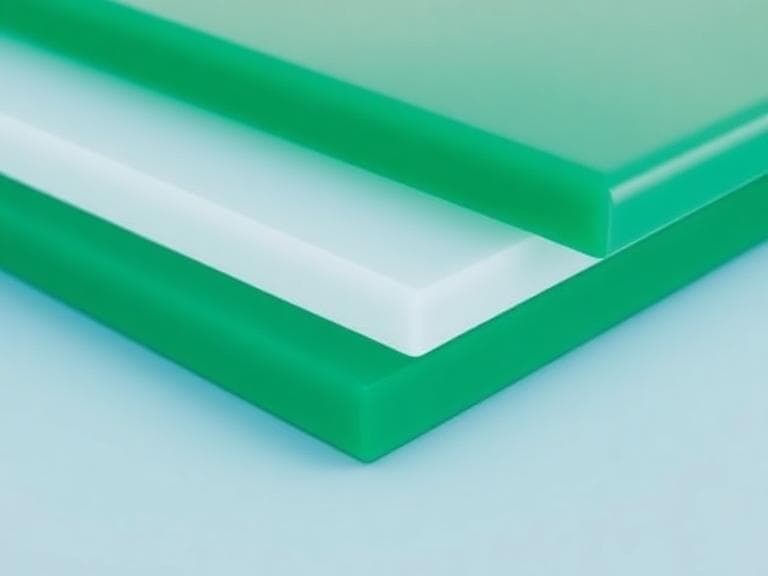
Custom Craft Foam Sheets for Cosplay are specialized sheets of closed-cell Ethylene-Vinyl Acetate (EVA) copolymer. Unlike the Flexible PU FOAM found in couch cushions or the EPE FOAM used primarily for shipping protection, cosplay-grade EVA foam is engineered for structural fabrication. The “closed-cell” designation means that the microscopic bubbles within the foam are completely sealed off from one another. This renders the material highly water-resistant, durable, and most importantly, capable of being sanded to a smooth finish without crumbling.
How Thermoforming Foam Actually Works
The magic of EVA foam lies in its thermoplastic properties. When you apply targeted heat using an industrial heat gun (typically around 300°F to 400°F), the polymer chains within the Custom Craft Foam Sheets for Cosplay temporarily relax. This allows you to bend, stretch, or press the foam over a mold (thermoforming). Once the foam cools back to room temperature, the polymer chains lock into their new orientation, and the foam permanently retains the new shape.
Furthermore, heating the surface of the foam serves a secondary structural purpose known as “heat sealing.” Sweeping a heat gun over raw EVA foam shrinks the surface cells slightly, creating a smooth, semi-sealed barrier. This step is absolutely mandatory before applying contact cement or chemical primers like PlastiDip; otherwise, the foam will act like a sponge and absorb all your expensive adhesives and paints.
The 6 Critical Things You Need to Know
1. Shore Hardness Dictates Your Build Quality
Do not confuse density with hardness. Shore hardness (usually measured on the Shore C or Shore A scale for foams) measures the material’s resistance to indentation. In most professional situations, you need a Shore hardness of around 40-50 for standard armor pieces (like breastplates or pauldrons) so they maintain their shape while allowing the wearer to bend. If you are building prop weapons (like swords or axes), you need a much higher Shore hardness (70-90) so the blade does not flop around. Buying random foam online without checking the Shore rating is a fast track to a failed project.
2. High Density is Mandatory for Dremeling
When you take a rotary tool (like a Dremel) to a cheap, low-density floor mat, the friction tears chunks out of the foam, leaving a ragged, hairy mess that is impossible to paint. Premium Custom Craft Foam Sheets for Cosplay possess a high density (typically 75 kg/m³ to 100 kg/m³). High-density foam grinds away cleanly, allowing you to bevel edges, carve battle damage, and sand the seams completely flush.
3. Thickness Must Match the Application
You cannot build an entire suit of mechanical armor out of 2mm foam; it will collapse under its own weight. Conversely, you cannot layer intricate filigree details using 10mm foam. A professional prop maker sources a variety of thicknesses. We recommend 2mm to 4mm for overlapping scales, detailing, and bracers. We recommend 6mm to 10mm for chest plates, leg armor, and foundational weapon cores.
4. Smooth Surfaces on Both Sides
Stop buying anti-fatigue mats with diamond-plate textures on the back. Unless you specifically want a diamond-plate look for a sci-fi build, having a textured back makes gluing seams incredibly weak because the adhesive cannot make full contact. Custom Craft Foam Sheets for Cosplay must be ordered “smooth/smooth” to ensure pristine construction and maximum surface area for contact cement bonding.
5. The Importance of Priming and Sealing
EVA foam is naturally porous. Even after heat sealing, if you spray acrylic paint directly onto the foam, it will crack and flake off the moment the armor bends. You must seal the Custom Craft Foam Sheets for Cosplay with a flexible rubberized coating (like PlastiDip, HexFlex, or watered-down wood glue). This creates a flexible, impermeable barrier that grips the foam on one side and provides a smooth canvas for automotive or acrylic paints on the other.
6. Sourcing Scalability and OEM Customization
If you run a prop-making business, buying 1×1 meter squares from a retail craft store destroys your profit margins. You must work with Flexible Polyurethane Foam Manufacturers and EVA specialists who offer OEM capabilities. This allows you to order massive rolls of continuous foam, completely eliminating the waste generated when trying to cut large cloak patterns or massive wingspans out of tiny retail squares.
The Benefits of Professional-Grade Foam
Why choose Custom Craft Foam Sheets for Cosplay over 3D printing or thermoplastics like Worbla? The primary benefit is the strength-to-weight ratio. A massive, oversized set of World of Warcraft shoulder pauldrons made of solid 3D-printed PLA plastic will weigh heavily on the wearer’s spine and potentially shatter if dropped. The exact same design fabricated from 10mm EVA foam will weigh mere ounces, absorb impacts without cracking, and allow the cosplayer to navigate a crowded convention floor comfortably for 12 hours.
Limitations and Hard Truths
We must apply commercial and practical judgment: EVA foam is not indestructible. It is susceptible to extreme heat. If you leave a completed foam prop in the trunk of a car on a 100-degree summer day, the thermal memory will reactivate, and your prop will warp or delaminate as the glue joints fail. Furthermore, EVA foam requires adequate ventilation during fabrication. Sanding produces fine microplastics, and the contact cement used to bond the seams emits highly toxic volatile organic compounds (VOCs). You must wear a proper respirator.
Material Comparison Table for Prop Making
| Material | Best Application | Flexibility | Durability | Cost Profile |
|---|---|---|---|---|
| EVA Foam (High Density) | Armor, oversized props, organic shapes | High (Very comfortable to wear) | High (Impact resistant, won’t shatter) | Low to Medium |
| Thermoplastics (Worbla) | Intricate details, rigid structural shells | Low (Rigid once cooled) | Very High (Shatter resistant) | Very High |
| 3D Printing (PLA/PETG) | Mechanical parts, exact geometric replicas | None (Brittle) | Medium (Prone to cracking on impact) | Medium (High machine/time cost) |
| EPE Foam | Internal padding, shipping protection | Very High | Low (Cannot be sanded smoothly) | Very Low |
Pros and Cons of Custom Craft Foam
| Pros (Advantages) | Cons (Disadvantages) |
|---|---|
| Extremely lightweight, reducing fatigue for the wearer. | Requires toxic adhesives (contact cement) for strong seams. |
| Easily cut with razor blades and shaped with rotary tools. | Sanding produces hazardous micro-dust (requires a respirator). |
| Thermoforms beautifully with a standard heat gun. | Props can warp if left in high-heat environments (like hot cars). |
| Highly affordable when purchased directly from manufacturers. | Requires extensive priming and sealing before painting. |
Who Should Use It (And Who Should Not)
Who should use it: We recommend Custom Craft Foam Sheets for Cosplay for competitive cosplayers, professional prop fabricators, theatrical costume designers, and film production studios. It is the absolute best medium for creating large-scale armor, fantastical creature suits, and oversized weaponry safely and efficiently.
Who does not need it: If you are looking to create small, highly mechanical moving parts with internal gears, or if you simply need a cheap, one-off Halloween costume for a single night, investing in raw industrial EVA foam and the necessary tools (Dremels, heat guns, contact cement) is overkill. For purely shipping and logistics purposes regarding finished props, you should instead look into EPE Foam Sheets or Air Bubble Wrap & Pouch solutions.
Common Fabrication Mistakes
Hot glue cools rigidly and will crack the moment the foam armor bends. Furthermore, a hot glue seam is bulky and impossible to sand flat. You must use high-quality, solvent-based contact cement. Apply a thin layer to both edges, wait for it to dry until it is completely dull and tacky (not wet), and then press the seams together. This creates a chemical bond that is often stronger than the foam itself.
Another common mistake is failing to sharpen razor blades. EVA foam instantly dulls cutting blades. If you drag a dull blade through high-density foam, it will snag and create jagged, ugly cuts. You must snap off or replace your utility knife blade constantly during a build.
Expert Buying Considerations
When you are ready to scale your prop-making hobby into a business, retail craft stores will drain your capital. You must seek out industrial suppliers capable of providing Custom Craft Foam Sheets for Cosplay. Look for suppliers who offer customizable Shore hardness ratings. Confirm whether they offer anti-static properties if you are building props that house sensitive Arduino or LED electronics.
Additionally, consider your packaging. If you are building and selling custom props globally, you cannot ship them in flimsy boxes. You must secure your products. Rely on the EPE Foam Applications for internal box padding, wrap the prop securely, seal it with high-grade Packing Tape/BOPP Tape, and dispatch it inside heavy-duty Corrugated Box & Rigid Boxes.
Expert Manufacturer Recommendation
From our extensive experience formulating and manufacturing cellular foam products, the barrier to creating professional-tier costumes is almost always material sourcing. Do not compromise your craftsmanship with subpar retail materials.
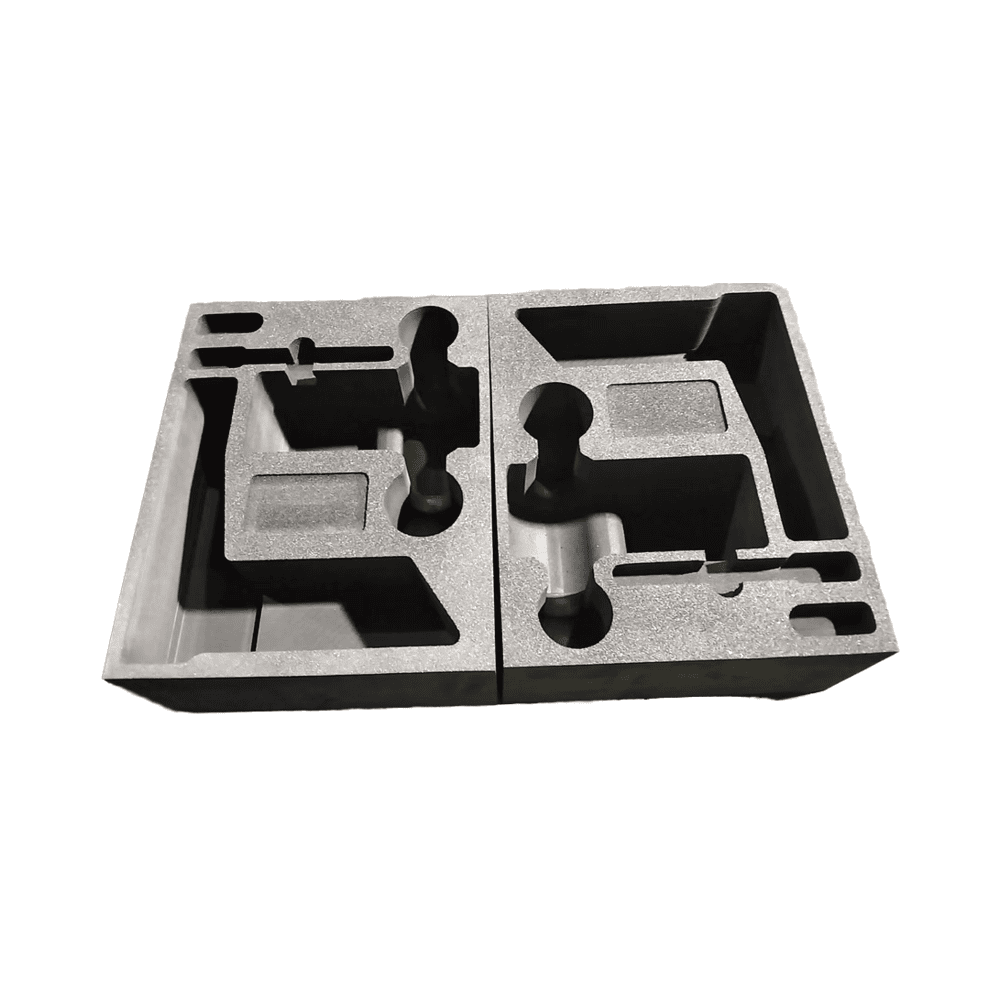
Mailongpak EVA FOAM: The Fabricator’s Choice
At Mailongpak, we manufacture industrial-grade EVA foam engineered for precision applications. Our materials are completely customizable, providing the exact density and Shore hardness required for complex thermal forming, sanding, and structural prop building.
- Type: EVA Foam Wrap, Sheets, and Custom Inserts
- Dimensions: 1x1m / 1x2m / Custom Continuous Rolls
- Thickness: Fully Customized to your specifications
- Color: White / Black / Colored (for reduced priming needs)
- Hardness: 20 – 90 Shore (Scale exactly to your build requirements)
- Applications: Prop fabrication, protective packaging, vibration dampening.
Frequently Asked Questions (FAQ)
Is EVA foam toxic when heated?
When heated to normal thermoforming temperatures (300°F – 400°F) using a standard heat gun, EVA foam is generally safe and only releases a mild odor. However, if you burn the foam with a laser cutter or open flame, it can release harmful fumes. Always work in a well-ventilated area.
What is the best glue for custom craft foam sheets?
In most professional situations, the absolute best adhesive for EVA foam is solvent-based contact cement. It creates a flexible, permanent bond that will not snap under tension. Cyanoacrylate (Super Glue) is acceptable for small, rigid details, but should not be used for main structural seams.
Can I paint directly onto raw EVA foam?
No. Raw EVA foam is porous and highly flexible. If you apply acrylic paint directly, the foam will absorb the moisture, and the paint will crack and flake the moment the foam bends. You must first heat-seal the foam, then apply a flexible rubberized primer (like PlastiDip) before applying topcoats.
What is the difference between EVA foam and polyurethane (PU) foam?
EVA foam is a closed-cell material that is dense, water-resistant, and holds shapes well after thermoforming. Flexible PU foam is an open-cell material (like upholstery sponge) that absorbs water, cannot be sanded smooth, and cannot hold structural shapes. PU is useless for rigid armor building.
Authoritative References & Industry Standards
To ensure your fabrication processes meet structural and safety standards, we recommend reviewing the following authoritative sources:
- ASTM International (D3575): Standard Test Methods for Flexible Cellular Materials Made from Olefin Polymers. Understanding these material testing protocols helps identify true high-density foams. Review ASTM Standards
- Environmental Protection Agency (EPA): Guidelines on indoor air quality, ventilation requirements, and the safe handling of volatile organic compounds (VOCs) present in contact cements. Review EPA Safety Guidelines
- Make: Magazine: The definitive publication for makers and fabricators, featuring peer-reviewed techniques for thermoforming, sealing, and painting complex EVA foam structures. Explore Fabrication Techniques