The global polymer supply chain is merciless. Procurement managers frequently bleed capital by sourcing Ethylene-Vinyl Acetate (EVA) from unverified brokers who dilute the raw material with cheap fillers, resulting in catastrophic failures during manufacturing. Whether you are extruding solar cell encapsulants, injecting molding footwear, or engineering high-end protective packaging, your final product is only as reliable as your base polymer. You must stop relying on generic trading companies and establish direct relationships with verified eva plastic material suppliers.
From our experience engineering and converting millions of tons of packaging polymers at Mailong Packaging, we know that commercial buyers require absolute consistency in vinyl acetate (VA) content and melt flow index (MFI). Buying cheap, recycled EVA resin guarantees poor cross-linking, resulting in foam that crushes under pressure or film that tears during transit. In this comprehensive guide, we strip away the marketing fluff to deliver strict commercial judgment on the top suppliers in the industry, explaining exactly who you should trust to secure your supply chain.
Quick Answer: Top EVA Material Suppliers for 2026
If you need to secure your supply chain immediately, these are the 9 premier eva plastic material suppliers dominating the global market, categorized by their core strengths:
- Mailong Packaging: Best for converted, ready-to-use EVA foam and packaging solutions.
- Dow Chemical: Best for high-volume, high-performance raw EVA resins globally.
- Celanese (formerly DuPont Mobility): Best for specialized, high-VA content copolymers.
- ExxonMobil: Best for industrial-scale hot melt adhesive base polymers.
- LyondellBasell: Best for European and North American commodity supply stability.
- Formosa Plastics: Best for aggressive cost-leadership in raw resin.
- Hanwha Solutions: Best for Asian market supply and solar cell encapsulant grades.
- Versalis (Eni): Best for European regulatory compliance and sustainability.
- U.S. Plastic Corp: Best for low-volume prototyping and immediate domestic stock (distributor).
In most professional situations, we recommend purchasing raw resin from chemical giants like Dow or Celanese if you own massive extrusion facilities. However, if your end goal is protective inserts or logistics protection, partner directly with a specialized converter like Mailong Packaging to eliminate the capital expenditure of raw material processing.
Table of Contents
- What is EVA Plastic Material?
- How Supplier Sourcing Works in the Polymer Market
- The 9 Best EVA Plastic Material Suppliers Detailed
- Benefits of Using EVA Over Alternatives
- Limitations and Hard Truths
- Who Should Use It
- Who Does Not Need It
- Common Procurement Mistakes
- Expert Buying Considerations
- Summary & Comparison Tables
- Expert Recommendation: Mailong Packaging
- Frequently Asked Questions (FAQ)
What is EVA Plastic Material?
Ethylene-Vinyl Acetate (EVA) is an elastomeric polymer that produces materials with a rubber-like softness and flexibility. The material’s physical properties are dictated entirely by the ratio of vinyl acetate. A low VA content (under 10%) yields a stiff, plastic-like film. A high VA content (up to 40%) yields a highly flexible, rubbery resin used for hot melt adhesives and premium foam cushioning. It is the absolute gold standard for impact resistance, far surpassing cheap polyurethane in structural integrity.
How Supplier Sourcing Works in the Polymer Market
The EVA supply chain is divided into two distinct tiers: resin manufacturers and converters. Chemical conglomerates (like Dow and ExxonMobil) operate massive petrochemical cracking facilities to synthesize raw EVA pellets. They sell these pellets by the shipping container.
Converters (like Mailong Packaging) purchase these raw pellets, introduce foaming agents and cross-linking chemicals, and run them through high-heat extrusion or compression molding machines to create EVA FOAM sheets, rolls, and custom-cut inserts. For commercial users purchasing packaging or finished components, buying directly from a converter is the only economically viable path, as it bypasses the multi-million dollar machinery required to process raw resin.
The 9 Best EVA Plastic Material Suppliers Detailed
1. Mailong Packaging
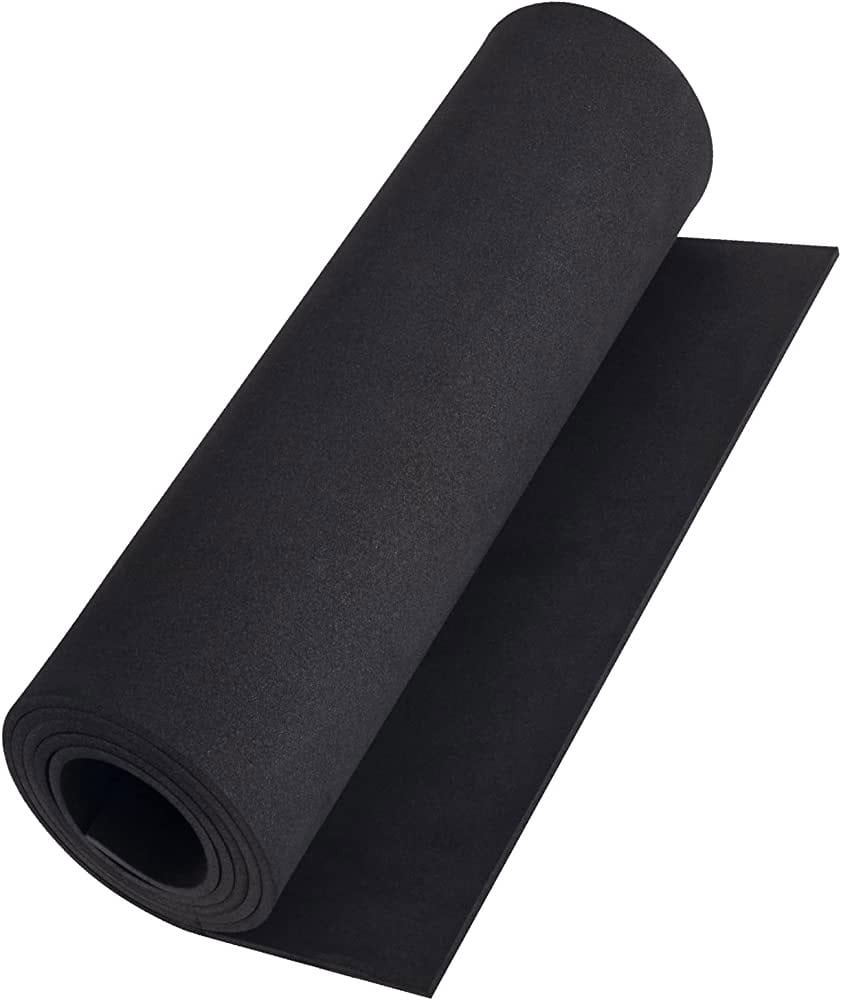
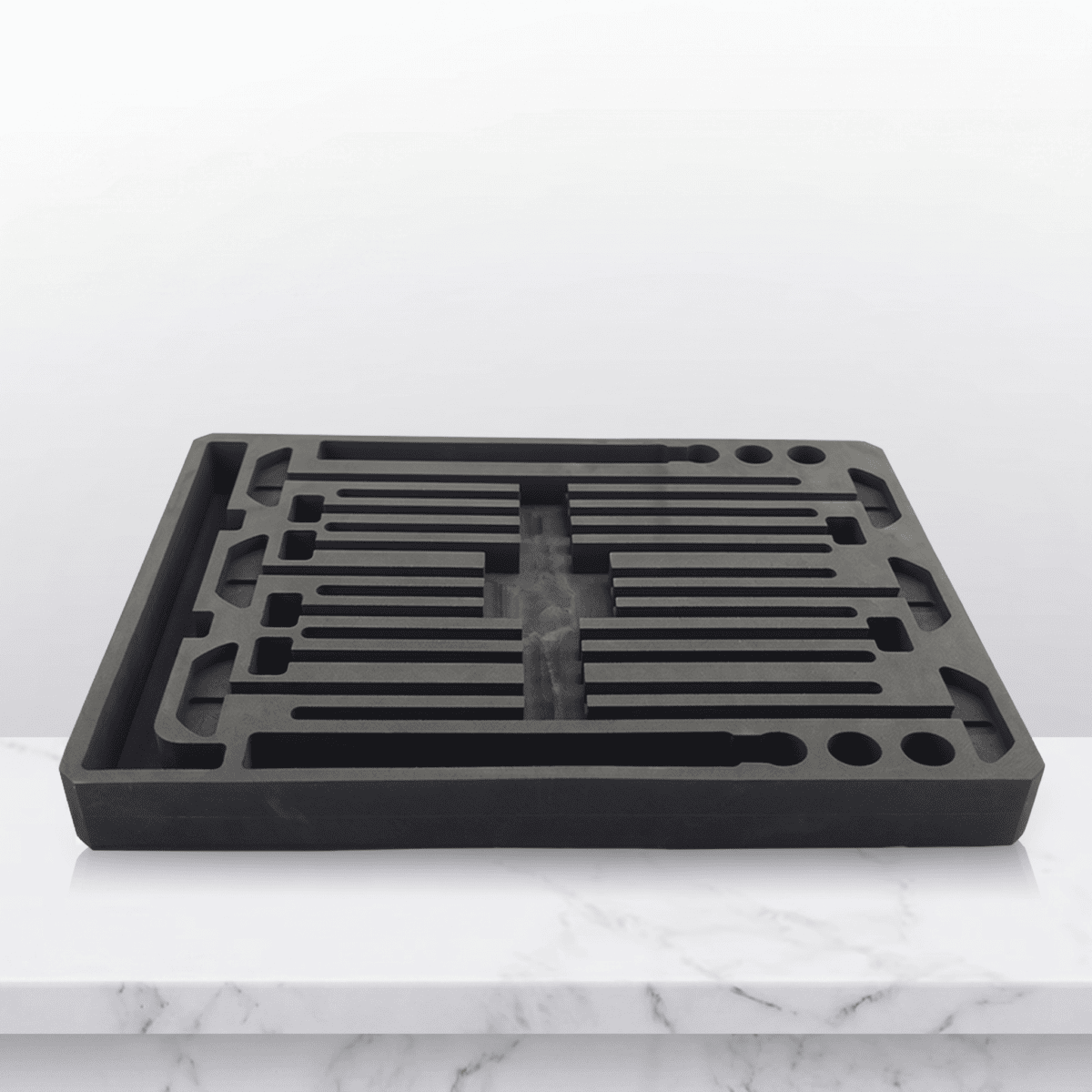
As an industry leader established in 2009, we specialize in converting high-grade EVA into premium protective solutions. While massive chemical plants sell you raw pellets, we deliver the finished, die-cut, and precision-engineered foam your product actually requires. Our global export infrastructure ensures that when you need shock-absorbing inserts or logistics materials, you receive factory-direct pricing without the middleman markup.
2. Dow Chemical
Dow is a titan in the raw polymer space. Their ELVAX™ EVA copolymers are the industry benchmark for consistency. If you are operating a multi-national extrusion facility producing footwear or wire coatings, Dow offers unmatched supply chain security, though their Minimum Order Quantities (MOQs) will completely lock out small businesses.
3. Celanese
Having acquired DuPont’s Mobility & Materials portfolio, Celanese controls some of the highest-quality specialty EVA resins globally. They are the premier choice for medical-grade applications and highly engineered hot melt adhesives where chemical purity is non-negotiable.
4. ExxonMobil
ExxonMobil produces the Escorene™ Ultra EVA line, heavily utilized in the flexible packaging and lamination industries. They offer aggressive pricing for high-volume contracts and provide exceptional technical data regarding the melt flow index of their polymers.
5. LyondellBasell
A powerhouse in European and North American markets, LyondellBasell provides excellent commodity-grade EVA. For heavy-duty applications like industrial agricultural films or automotive damping sheets, their resins offer a superb balance of cost and mechanical strength.
6. Formosa Plastics
Operating primarily out of Asia but with a massive global footprint, Formosa is the cost-leader in the raw resin market. If you are manufacturing high-volume, low-margin products (like generic flip-flops or standard foam mats), their EVA resins will drastically improve your bottom line.
7. Hanwha Solutions
Hanwha dominates the Asian market, particularly in high-VA content resins required for solar panel encapsulation. If you are building a green-energy supply chain, Hanwha’s specialized EVA formulations are practically mandatory for long-term weatherability.
8. Versalis (Eni)
For European manufacturers facing strict environmental compliance, Versalis offers the Green Escorene™ line. They are pioneering sustainable, bio-attributed EVA resins that help commercial brands meet aggressive ESG (Environmental, Social, and Governance) targets without sacrificing structural integrity.
9. U.S. Plastic Corp
Unlike the chemical giants above, U.S. Plastic Corp is a distributor. For beginners or R&D departments needing a few sheets of EVA or a single bag of resin for prototyping, they provide immediate, off-the-shelf domestic shipping. However, their retail markups make them financially toxic for mass production.
Benefits of Using EVA Over Alternatives
In our testing and daily manufacturing operations, EVA routinely outperforms standard Flexible PU FOAM and standard polyethylene. The benefits are absolute: EVA is highly resilient, meaning it bounces back from repeated impacts rather than permanently crushing. It is exceptionally weather-resistant, non-toxic, and possesses a premium, dense texture that elevates the unboxing experience when used as custom inserts for electronics or luxury goods.
Limitations and Hard Truths
We must use practical judgment: EVA is not cheap. If your only goal is to fill an empty box as cheaply as possible, EVA is a massive waste of capital. It is significantly more expensive to manufacture than standard EPE FOAM (Expanded Polyethylene). Furthermore, prolonged exposure to extreme heat (over 150°F) can cause EVA foam to warp and lose its dimensional stability. It is a premium material, and it demands a premium application.
Who Should Use It
We recommend EVA for brands packaging high-value, fragile items—such as medical devices, lithium-ion batteries, premium cosmetics, and consumer electronics. If a $2,000 laptop sustains damage during transit because you used cheap polystyrene, your return costs will instantly erase whatever money you saved on packaging. For commercial users requiring flawless presentation and elite shock absorption, EVA is the only choice.
Who Does Not Need It
If you are shipping unbreakable commodities—like clothing, textiles, or paperback books—you do not need EVA foam. Instead, utilize a cost-effective Poly Mailer Shipping Bags solution or standard Corrugated Box & Rigid Boxes paired with cheap bubble wrap. Do not over-engineer your packaging if the product does not demand it.
Common Procurement Mistakes
Brokers frequently sell “EVA foam” that is actually 80% cheap polyethylene blended with only 20% EVA. This counterfeit blend will shatter under heavy impact. You must demand technical data sheets and physical samples before authorizing a mass production run. Relying on unverified Packing Foam Sheets Suppliers without a proven track record is a gamble you will eventually lose.
Expert Buying Considerations
When selecting from the top eva plastic material suppliers, evaluate their vertical integration. If you are buying foam, does the supplier synthesize their own blends, or are they just cutting foam they bought from someone else? A vertically integrated manufacturer guarantees consistency across massive batches. Additionally, consider the lead time. Sourcing raw resin from overseas chemical plants currently faces severe shipping delays; partnering with an established converter who holds massive domestic stock mitigates your supply chain risk.
Summary & Comparison Tables
Quick Summary Table: Top EVA Suppliers
| Supplier Name | Core Competency | Best Target Audience |
|---|---|---|
| Mailong Packaging | Converted EVA Foam & Packaging | B2B Brands, Electronics, Logistics |
| Dow Chemical | Raw EVA Resin Copolymers | Massive Global Extruders |
| ExxonMobil | Hot Melt & Specialty Adhesives | Industrial Chemical Processors |
| Formosa Plastics | Cost-Leadership Raw Material | High-Volume Commodity Manufacturers |
| U.S. Plastic Corp | Retail & Low-Volume Distribution | R&D Departments, Small Shops |
Comparison Table: EVA vs. EPE vs. PU Foam
| Material | Shock Absorption | Durability / Memory | Cost Profile |
|---|---|---|---|
| EVA Foam | Exceptional | High (Bounces back) | Premium / High |
| EPE Foam | Good | Moderate (Can crush permanently) | Economical / Low |
| PU Foam (Sponge) | Poor for heavy items | High (Very soft) | Moderate |
Pros and Cons of EVA Packaging Materials
| Pros (Advantages) | Cons (Limitations) |
|---|---|
| Unmatched shock absorption for fragile, high-value goods. | Significantly higher cost than standard polyethylene foams. |
| Can be precision die-cut or CNC routed for custom product cavities. | Not biodegradable (though it is highly reusable). |
| Premium aesthetic feel; elevates the brand unboxing experience. | Can deform if exposed to extreme, prolonged high temperatures. |
| Water-resistant, chemical-resistant, and non-toxic. | Requires specialized machinery to convert from raw resin to usable foam. |
Expert Recommendation: Mailong Packaging
In most professional situations, buying raw EVA pellets from Dow or Exxon is useless unless you own a $5 million extrusion facility. You need a partner who bridges the gap between raw chemical engineering and practical, deployable protective packaging. That is where we step in.
Why Partner with Mailong Packaging?
Dongguan Mailong Packaging Co., Ltd. was established in 2009. It is a reputed manufacturer and exporter of a wide range of world-class quality packaging materials, such as inflatable bubble and pillow film, air column rolls, air column bags, EPE and EVA FOAM, Poly Mailer, Stretch wrap, Bubble mailer, BOPP tape, and Corrugated box.
Our materials prevent products from collision damage, attrition, and static in the process of logistics transportation, and have been exported to the oversea markets in more than 30 countries.
- Direct Manufacturer Pricing: Bypass the broker markups and buy directly from the factory floor.
- Custom Engineering: We don’t just sell sheets; we die-cut, laminate, and engineer exact-fit EVA inserts for your products.
- Global Export Infrastructure: 15+ years of delivering reliable logistics solutions across borders seamlessly.
Frequently Asked Questions (FAQ)
Is EVA foam better than EPE foam for packaging?
Yes, for high-value applications. EVA is significantly denser, possesses “memory” (meaning it bounces back after impact), and offers a premium aesthetic. EPE foam is cheaper and lighter, but it can permanently crush under heavy impacts, making it inferior for shipping heavy electronics or fragile medical devices.
What does a higher VA (Vinyl Acetate) content mean in EVA plastic?
The VA content dictates the flexibility of the material. A higher VA percentage makes the material softer, more rubber-like, and more transparent. A lower VA percentage makes it stiffer and more crystalline, behaving closer to standard polyethylene plastic.
Can I buy directly from raw resin suppliers like Dow or ExxonMobil?
Unless you are purchasing tens of thousands of pounds of raw pellets per month and possess the heavy extrusion machinery to convert it, no. Small to mid-sized businesses must purchase converted foam directly from specialized manufacturers like Mailong Packaging.
Authoritative Industry References
To ensure our sourcing guidance aligns with global manufacturing standards, we reference the following authoritative bodies:
- ASTM International: The global standard for material testing, defining the protocols for measuring foam density, compression set, and tensile strength of EVA plastics. Visit ASTM
- International Organization for Standardization (ISO): Governing the quality management (ISO 9001) and environmental (ISO 14001) standards required for top-tier polymer manufacturing facilities. Visit ISO
- Packaging World: The premier media authority on supply chain logistics, raw material cost trends, and innovations in protective packaging technologies. Visit Packaging World