When you are staring at a massive, complex armor build from your favorite video game or anime, the first question you will ask is what material to use. As industrial foam manufacturers at Mailongpak, we supply raw materials to industries ranging from automotive to delicate electronics. However, over the past decade, one of our fastest-growing demographics has been costume fabricators and prop makers.
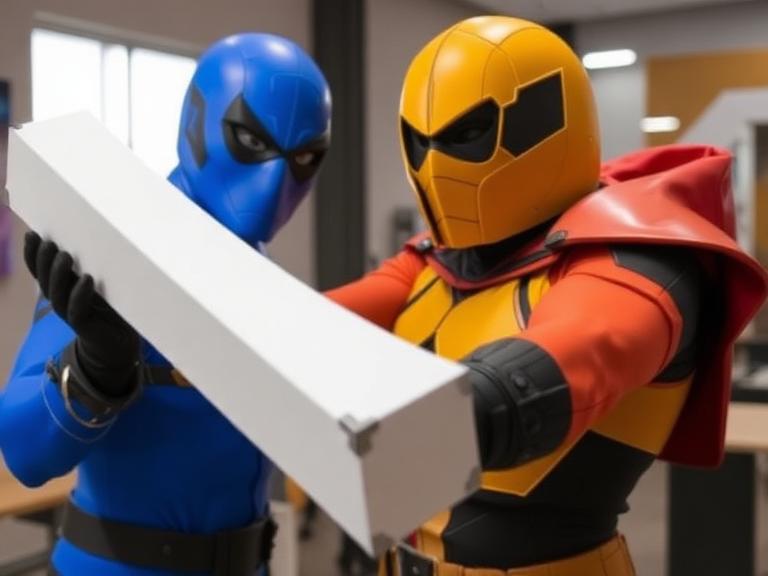
This begs the question: is EVA foam good for cosplay, or is it just a cheap alternative to fiberglass and 3D printing? From our experience supplying high-density foams worldwide, understanding the molecular structure and physical properties of your materials is the difference between a costume that wins a contest and one that falls apart on the convention floor.
Quick Answer: Is EVA foam good for cosplay?
Yes, absolutely. In most professional situations, EVA (Ethylene-Vinyl Acetate) foam is considered the gold standard and the best overall material for cosplay fabrication. We recommend it because it is highly thermoplastic (meaning it can be heat-shaped), lightweight, structurally rigid yet flexible, and easily sandable. Whether you are building massive fantasy armor or intricate weapon props, high-density EVA foam provides the perfect balance of durability and workability that other plastics and foams simply cannot match.
Table of Contents
- What is EVA Foam and How Does it Work?
- The Benefits: Why We Recommend EVA Foam
- The Limitations: When EVA Foam Fails
- Who Should Use It (And Who Should Not)
- Common Mistakes Beginners Make
- Material Comparison: EVA vs. EPE vs. PU Foam
- Buying Considerations for Cosplayers
- Pros and Cons Table
- Expert Recommendation: The Mailongpak Verdict
- Frequently Asked Questions
What is EVA Foam and How Does it Work?
Before you invest hours into cutting and gluing, you need to know what you are working with. EVA stands for Ethylene-Vinyl Acetate. It is an elastomeric polymer that produces materials which are “rubber-like” in softness and flexibility. Commercially, it is a closed-cell foam. This closed-cell structure is incredibly important. Unlike open-cell sponges (which soak up water and paint like a vacuum), the closed cells in EVA create a smooth, dense surface that resists moisture.
How does it work for cosplay? The magic of EVA foam lies in its thermoplastic nature. When you apply direct, high heat to the foam using an industrial heat gun (typically around 300 degrees Fahrenheit), the cellular structure relaxes. You can then bend, curve, and stretch the foam over your knee or a mannequin. Once it cools, the molecular bonds lock back into place, and the foam permanently retains its new shape. This allows cosplayers to create complex, organic curves for breastplates, shoulder pauldrons, and helmets without needing vacuum-forming machines.
The Benefits: Why We Recommend EVA Foam
For commercial users and hobbyists alike, EVA foam has dominated the cosplay industry for several very specific, practical reasons.
- Incredible Workability: You do not need a specialized machine shop to work with EVA foam. A sharp utility knife, a heat gun, and some contact cement are all you need to build professional-grade props.
- Rotary Tool Compatibility: Because high-density EVA foam is robust, you can use a Dremel or rotary tool to sand away the edges, carve battle damage, or bevel seams. It sands away into a fine dust, leaving a smooth surface that can be sealed and painted.
- Weight to Volume Ratio: If you build a massive Buster Sword out of wood or fiberglass, you will be exhausted within an hour of walking a convention floor. EVA foam allows you to build massive, oversized props that weigh practically nothing, preserving your stamina.
- Safety and Comfort: Armor made of rigid plastics or metals will dig into your skin and restrict movement. EVA foam has natural give and shock absorption, making it vastly more comfortable for a 12-hour convention day.
The Limitations: When EVA Foam Fails
We believe in commercial transparency. While EVA foam is excellent, it is not flawless, and treating it like indestructible metal will result in ruined costumes.
First, it is highly susceptible to extreme environmental heat. Because it is thermoplastic, if you leave your finished, painted EVA foam armor in the trunk of a hot car during a summer convention, the ambient heat will cause the foam to relax and lose its shape, completely ruining your build. Second, EVA foam requires extensive surface preparation. You cannot just spray paint directly onto raw foam; it will crack and absorb into the micro-pores. You must meticulously heat-seal the surface and coat it with a flexible primer (like PlastiDip or Mod Podge) before any acrylics or enamels touch it.
Who Should Use It (And Who Should Not)
Who should use it: Any cosplayer looking to build structural armor (Iron Man suits, Halo Spartans, fantasy knights), large oversized weapons, or complex wearable accessories like horns and crowns. It is perfect for both beginners learning fabrication and advanced builders entering international competitions.
Who does not need it: If your costume is primarily fabric-based (like a wizard robe or a standard superhero spandex suit), you do not need EVA foam. Furthermore, if you are building a prop that requires serious structural load-bearing capacity (like a staff you plan to lean heavily on), EVA foam alone will snap or bend. You must use a rigid core, like a PVC pipe or a wooden dowel, and wrap the foam around it.
Common Mistakes Beginners Make
In our testing and observation of the maker community, the number one mistake beginners make is using dull blades. EVA foam will tear, drag, and create jagged edges if your utility knife is not razor-sharp. You must sharpen your blade after every few major cuts.
Another massive error is using the wrong adhesive. Hot glue is fine for quick, temporary fixes, but it dries hard and can snap when the foam flexes. In most professional situations, you must use contact cement. You apply it to both edges, let it dry until tacky, and then press them together for a permanent, flexible chemical bond.
Finally, many beginners buy the wrong type of foam entirely. They often confuse EVA with EPE FOAM (Expanded Polyethylene). While understanding EPE Foam Applications is important for packaging, EPE has a completely different cellular structure that does not sand smoothly or hold heat-shapes well. Stick to EVA for external prop surfaces.
Material Comparison: EVA vs. EPE vs. PU Foam
To help you make an informed buying decision, let us compare the foams you might encounter from Packing Foam Sheets Suppliers.
| Material Type | Density & Texture | Heat Shaping | Sandability | Best Cosplay Use Case |
|---|---|---|---|---|
| EVA Foam | High density, smooth, closed-cell. | Excellent (Holds complex curves) | Excellent (Smooth finish) | Armor, weapons, highly detailed exterior props. |
| EPE Foam | Low density, squishy, slightly textured. | Poor (Tends to melt or warp badly) | Poor (Tears and shreds) | Internal padding, packing costumes for travel, blunt weapon cores. |
| Flexible PU Foam | Very soft, open-cell sponge texture. | None (Burns rather than shapes) | None | Upholstery, mascot suit muscle padding, helmet lining. |
Buying Considerations for Cosplayers
Not all EVA foam is created equal. When sourcing material, you must evaluate thickness and shore hardness. Shore hardness measures how rigid the foam is. A Shore A rating of 20 is like a soft sponge, while a 90 is almost like a hard shoe sole. For cosplay armor, a shore hardness between 45 and 60 is the absolute sweet spot.
| Foam Thickness | Primary Cosplay Application | Workability Notes |
|---|---|---|
| 2mm – 4mm | Fine details, filigree, layering over bases, flexible scales. | Cuts easily with scissors. Overheats and shrinks quickly with a heat gun. |
| 6mm – 8mm | Standard armor pieces (bracers, shins), helmets, medium props. | The standard workhorse thickness. Great balance of weight and structure. |
| 10mm – 12mm+ | Heavy breastplates, oversized weapons, structural bases, shields. | Requires heavy-duty utility knives. Takes longer to heat through. |
Pros and Cons Table
| Pros of EVA Foam for Cosplay | Cons of EVA Foam for Cosplay |
|---|---|
| Incredibly lightweight, even for massive builds. | Can warp or lose shape if left in high-heat environments. |
| Thermoformable; shapes easily with a standard heat gun. | Requires extensive surface sealing before painting. |
| Takes rotary tool sanding very well for bevels and battle damage. | Surface can crease or dent if impacted heavily or folded. |
| Non-toxic and safe to work with (with basic ventilation). | Must use strong chemical adhesives (contact cement) for permanent bonds. |
Expert Recommendation: The Mailongpak Verdict
The Mailongpak Assessment
Is EVA foam good for cosplay? Yes. It is unequivocally the best investment a prop maker can make. Do not waste your time trying to build armor out of cardboard, and do not spend thousands on heavy fiberglass unless you are a Hollywood studio. EVA foam bridges the gap between professional aesthetic output and accessible fabrication.
If you are looking to scale your production, whether you are a hobbyist doing a massive build or a commercial studio fabricating for clients, you need consistent, high-density sheets. As one of the top Flexible Polyurethane Foam Manufacturers and EVA suppliers, we ensure our foam density is perfectly calibrated for shaping and sanding.
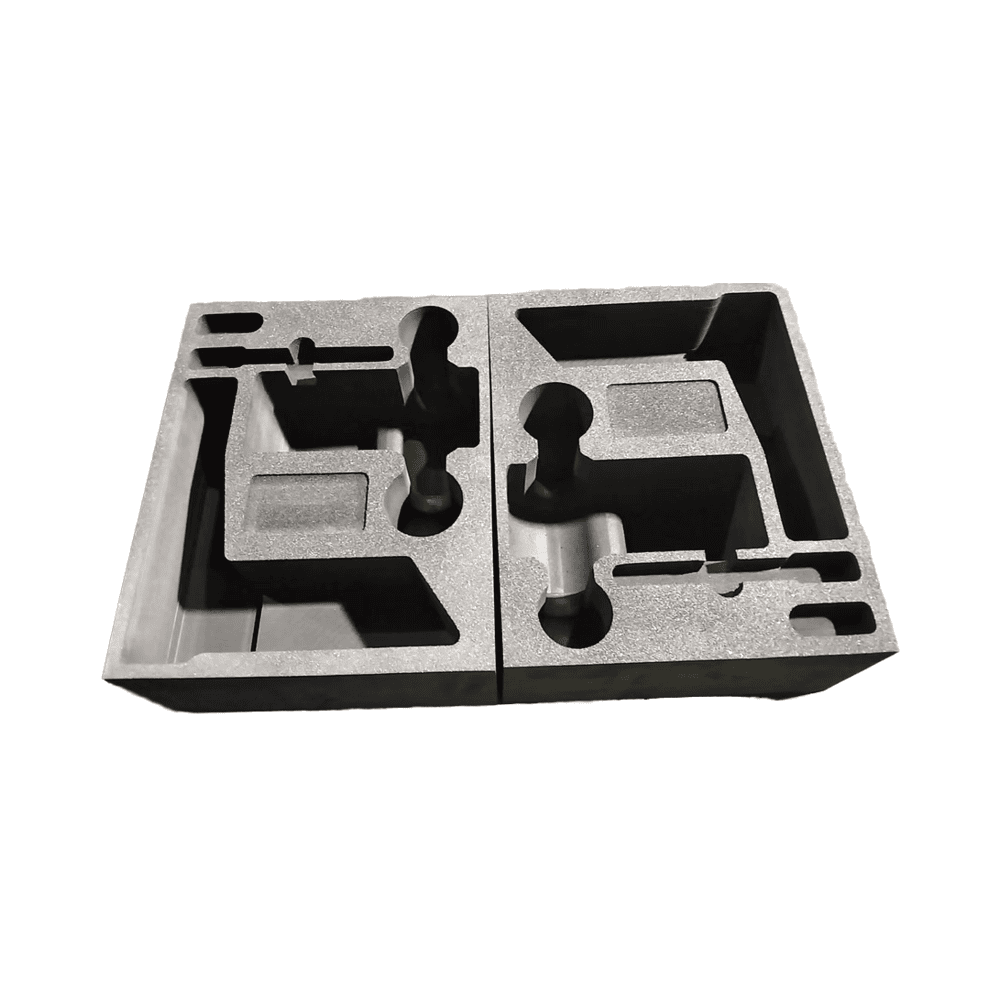
Mailongpak EVA FOAM Sheets
Our premium EVA foam is engineered for high performance, whether you are utilizing it for protective packaging or heavy-duty cosplay fabrication. We offer custom thicknesses to suit any build, from delicate trim to structural armor.
- Hardness: Available in 20-90 Shore (We recommend 45-60 for cosplay).
- Colors: White, Black, and Custom Colored options.
- Dimensions: Standard 1x1m or 1x2m sheets, perfectly sized for large breastplates and weapons.
- Quality: Smooth, high-density closed-cell structure for flawless sanding and sealing.
Frequently Asked Questions
Is EVA foam safe to heat and cut?
Yes, EVA foam is generally safe to work with. However, when heating it with a heat gun or using a rotary tool to sand it, you must wear a respirator mask (N95 or better). Sanding creates fine particulate dust that is harmful to inhale, and overheating the foam can release mild fumes. Always work in a well-ventilated area.
Can I use normal spray paint on EVA foam?
No, you cannot spray paint raw EVA foam directly. The foam is porous on a micro-level and will absorb the paint, leading to a dull, cracked finish. Furthermore, because the foam flexes, rigid spray paint will flake off. You must first heat-seal the foam, coat it with a flexible primer like PlastiDip or Flexbond, and then apply your paints.
What is the difference between EVA foam and craft foam?
Chemically, they are usually the exact same material (Ethylene-Vinyl Acetate). The difference lies in density and thickness. “Craft foam” sold in hobby stores is typically very thin (1mm-2mm) and has a lower density, making it floppy. “EVA floor mats” or specialized cosplay EVA foam comes in higher thicknesses (6mm-12mm) and higher densities (Shore 45+), providing the rigidity needed for armor.
Authoritative References & Safety Standards
To ensure our manufacturing advice and safety guidelines are accurate, we reference the following authoritative sources in materials science and industrial safety:
- ScienceDirect (Elsevier): Comprehensive academic overview of Ethylene-Vinyl Acetate copolymers, detailing their thermoplastic properties and molecular stability under heat.
- Make: Magazine: Industry-leading maker publication providing foundational techniques for fabricating, sealing, and painting EVA foam for cosplay.
- Occupational Safety and Health Administration (OSHA): Federal guidelines on respiratory protection required when generating particulate dust through sanding and cutting industrial foams.