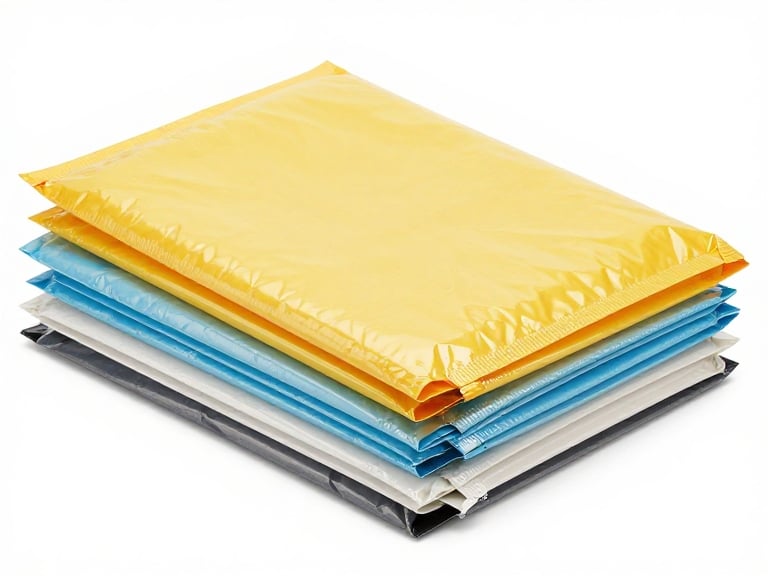
Every day, countless independent sellers, boutique owners, and startup founders walk into their local post office, wait in a sprawling line, and grab shipping supplies straight off the retail display wall. From our experience in the global packaging sector, this single habit is one of the fastest and most efficient ways to bleed your profit margins dry. If you are actively asking how much are poly mailers at the post office counter in 2026, it is highly likely that your shipping operations are vastly overpriced.
In most professional situations, a shipping strategy should never rely on retail-priced packaging. The post office counter is an excellent resource for mailing a last-minute birthday gift to a relative, but it is an absolute consumer trap for commercial e-commerce businesses. To scale profitably, you must understand not only the direct cost of the packaging itself but the underlying postage rate implications tied to how you acquire that packaging.
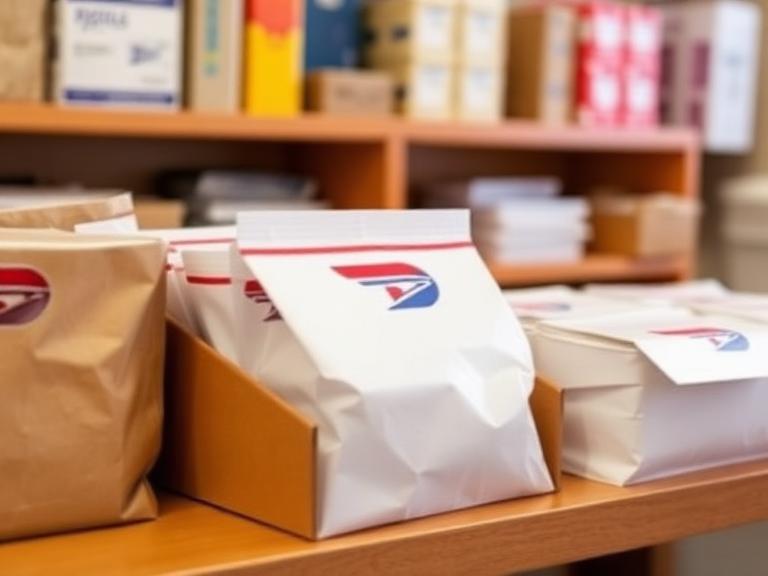
Table of Contents
- Quick Answer: How Much Are Poly Mailers?
- What It Is and How USPS Packaging Works
- Benefits and Limitations of Post Office Packaging
- Who Should Use It & Who Does Not Need It
- Common Mistakes Shippers Make
- Buying Considerations for Poly Mailers
- In-Depth Comparison and Guide Tables
- Expert Recommendation from Mailong Packaging
- Frequently Asked Questions (FAQ)
Quick Answer: How Much Are Poly Mailers at the Post Office?
If you intend to buy a single ReadyPost bubble poly mailer at a physical USPS retail counter in 2026, expect to pay roughly $1.79 to $2.99 per unit, depending heavily on the physical dimensions. When purchased directly from the USPS online portal in small retail packs, a standard 12-inch by 8.5-inch ReadyPost small bubble mailer breaks down to approximately $1.49 per bag. A large 19-inch by 12.5-inch retail mailer breaks down to approximately $2.19 per bag.
Alternatively, the USPS offers branded Priority Mail poly envelopes for absolutely $0.00 (Free). However, there is a severe limitation: using this “free” mailer legally requires you to purchase Priority Mail postage. In 2026, shipping a Priority Mail Flat Rate Padded Envelope starts at roughly $14.00 at the retail counter. Trying to save $1.50 on a piece of plastic will force you to overpay by $5.00 to $9.00 on postage compared to using standard Ground Advantage rates.
What It Is and How USPS Packaging Works
Before you commit a portion of your revenue to shipping supplies, you need to firmly understand the two distinct packaging ecosystems operating inside a United States Postal Service facility.
1. Retail ReadyPost Packaging
The ReadyPost line is the United States Postal Service’s consumer-facing brand for shipping supplies. These are the unbranded, generic brown or white bubble poly mailers hanging on the racks in the lobby. You pick them up, put your item inside, seal them, and hand them to the clerk. You pay a premium retail markup for the convenience of buying exactly one envelope at the exact moment you need it.
2. Priority Mail “Free” Supplies
Behind the counter, or available in bulk online, are the recognizable red, white, and blue Priority Mail poly mailers. The Postal Service gives these away for free to incentivize the use of their premium expedited shipping tier. This is where most uneducated sellers make a fatal error. They believe they have outsmarted the system by taking a free Poly Mailer, only to find out that a lightweight 6-ounce t-shirt that would normally cost $4.50 to ship will now cost three times as much because it is packed in a mandated Priority Mail envelope.
When you ask how much are poly mailers, you must evaluate the combined landed cost of the plastic bag alongside the required postage tier. In our testing of thousands of e-commerce shipments, using a wholesale poly mailer combined with commercial USPS Ground Advantage pricing is always the most mathematically sound approach for standard consumer goods.
Benefits and Limitations of Post Office Packaging
Is there ever a reason to use retail post office mailers? Yes, but those reasons are narrow and strictly situational.
The Benefits: The primary benefit is absolute convenience. If you have an emergency supply chain failure, or if you run a side-hustle where you only mail one item every six months, the post office provides instant access. You do not have to buy a minimum order quantity (MOQ) of 500 units. You simply walk in and solve your immediate problem.
The Limitations: The limitations are severe for a growing business. First, the retail markup is astronomical. Paying nearly two dollars for a single shipping bag that costs fractions of a cent to manufacture at scale is unacceptable business practice. Second, post office mailers offer zero brand identity. They are generic, uninspiring, and do nothing to enhance your customer’s unboxing experience. Third, physical post offices stock limited sizes. If your product does not perfectly fit their 12×8.5 or 19×12.5 options, you are forced to use an oversized bag, which can trigger dimensional weight surcharges.
Who Should Use It & Who Does Not Need It
For Beginners and Casual Consumers
If you are an individual selling a single used video game on eBay, or a grandmother mailing a sweater across the country, retail post office mailers make sense. You are paying a premium for the convenience of a one-stop-shop transaction. You do not need a wholesale account, you do not need commercial shipping software, and you do not need storage space for bulk packaging.
For Commercial Users
If you operate a Shopify store, an active Etsy shop, or a proprietary e-commerce storefront, you do not need retail post office mailers. In fact, relying on them is a fast track to operational failure. For commercial users, every cent saved on fulfillment drops directly to the bottom-line profit. By sourcing directly from a dedicated Poly Mailer Shipping Bags supplier, businesses can reduce their packaging overhead by up to 90%.
Common Mistakes Shippers Make in 2026
With shipping rate increases taking effect consistently year over year, the margin for error in logistics is shrinking. Here are the fatal mistakes we see businesses making daily:
- Paying Retail Postage Rates: Never buy your postage at the physical counter. Retail rates are significantly higher than commercial rates available through platforms like Stamps.com, Pirate Ship, or Pitney Bowes. Always print commercial labels at home.
- Using Free Priority Mailers for Lightweight Items: A 4-ounce package costs roughly $4.20 to ship via Ground Advantage. If you put that same 4-ounce package in a free Priority Mail poly envelope, you will pay over $11.00. You spent almost seven dollars extra to save a few cents on packaging.
- Ignoring Material Quality: Not all poly mailers are created equal. Buying cheap, single-layer plastic bags from unverified vendors often results in tears, moisture damage, and theft. Professional Clothing Shipping Packaging utilizes co-extruded multi-layer films to ensure opacity and puncture resistance.
Buying Considerations for Commercial Shippers
When you are ready to stop paying post office retail prices and upgrade your supply chain, you must know what specifications to demand from your manufacturer. You are no longer just asking how much are poly mailers; you are asking how well they perform under logistical stress.
1. Thickness and Durability: Standard commercial poly mailers range from 2 mil to 3 mil in thickness. In most professional situations, a 2.5 mil thickness offers the perfect intersection of lightweight shipping cost and puncture protection. If you are shipping items with sharp corners, such as shoe boxes or hardware, you must demand heavy-duty specifications.
2. Inner Protection Requirements: If your product is fragile, a standard thin poly bag will result in catastrophic return rates. You must evaluate protective upgrades. Sourcing specialized Types of Bubble Wrap or opting for pre-lined Bubble Cushioning Packaging will save you thousands of dollars in replacement costs. For highly sensitive, high-value ceramics, standard bubble mailers fall short, and integrating an Air Column Wrap for Ceramics becomes mandatory.
3. Brand Alignment and Sustainability: Modern consumers scrutinize the environmental impact of their purchases. Transitioning your fulfillment center to utilize Compostable Bubble Wrap and fully recyclable mailers provides a massive marketing advantage over competitors who still use generic post office plastics.
In-Depth Comparison and Guide Tables
To give you total clarity on how these logistics options stack against one another, we have compiled our data into actionable comparison tables.
1. Quick Summary Table: Packaging Acquisition Strategies
| Packaging Source | Average Cost Per Unit | Required Shipping Tier | Best Use Case |
|---|---|---|---|
| USPS Retail ReadyPost Mailer | $1.79 – $2.99 | Any (Ground Advantage, Priority, etc.) | Consumers, extreme one-off emergencies |
| USPS Priority Mail Poly Envelope | $0.00 (Free) | Priority Mail Only ($11.00+ postage) | Heavy, dense items requiring expedited 2-day delivery |
| Wholesale Supplier (e.g., Mailong) | $0.10 – $0.35 | Any (Use cheapest commercial rates) | E-commerce businesses, brands, high-volume shippers |
2. Postage Cost Comparison Table (Lightweight Apparel Item – 8oz)
| Scenario | Packaging Cost | Postage Cost (Estimated 2026) | Total Landed Cost | Business Viability |
|---|---|---|---|---|
| Retail Mailer + Retail Counter Postage | $2.19 | $5.80 (Retail Ground Advantage) | $7.99 | Poor. Massive profit bleed. |
| Free Priority Mailer + Commercial Postage | $0.00 | $11.99 (Commercial Priority Padded) | $11.99 | Terrible. Never do this for light items. |
| Wholesale Mailer + Commercial Postage | $0.15 | $4.50 (Commercial Ground Advantage) | $4.65 | Excellent. The industry standard. |
3. Pros and Cons Table: Buying USPS Retail Poly Mailers
| Pros | Cons |
|---|---|
| Available immediately at thousands of local locations | Exorbitant retail markup prices |
| Requires zero advanced planning or storage space | No options for custom branding or colored bags |
| Includes bubble lining for basic standard protection | Limited size variations leading to dimensional weight issues |
| Great for one-off personal consumer shipments | Unsustainable for commercial profit margins |
4. Buying Guide Table for Wholesale Procurement
| Feature | What to Look For | Why It Matters |
|---|---|---|
| Material Film | Co-extruded polyethylene (LDPE) | Ensures the bag is opaque so contents are hidden, deterring theft. |
| Adhesive Strip | Hot melt self-sealing strip | Creates a tamper-evident, waterproof seal without needing extra tape. |
| Seam Strength | Reinforced heat-sealed edges | Prevents the bag from bursting open during transit sorting machinery. |
| Industry Specifics | Consulting reputable Poly Mailer Bags for Clothes lists | Apparel needs differ heavily from hardware or cosmetics. |
Expert Recommendation from Mailong Packaging
We recommend entirely decoupling your packaging procurement from your postage carrier. The post office is a phenomenal logistics network for moving parcels from point A to point B, but they are not a competitive packaging supplier. Whether you are shipping t-shirts, cosmetics, or industrial components requiring cushioning from top Flexible Polyurethane Foam Manufacturers, controlling your materials at the wholesale level is non-negotiable.
About the Author: Mailong Packaging Co., Ltd. was established in 2009. It is a reputed manufacturer and exporter of a wide range of world-class quality packaging materials, such as inflatable bubble and pillow film, air column rolls, air column bags, EPE and EVA FOAM, Poly Mailer, Stretch wrap, Bubble mailer, BOPP tape, and Corrugated box, which can prevent products from collision damage, attrition, and static in the process of logistics transportation, and have been exported to the oversea markets more than 30 countries.
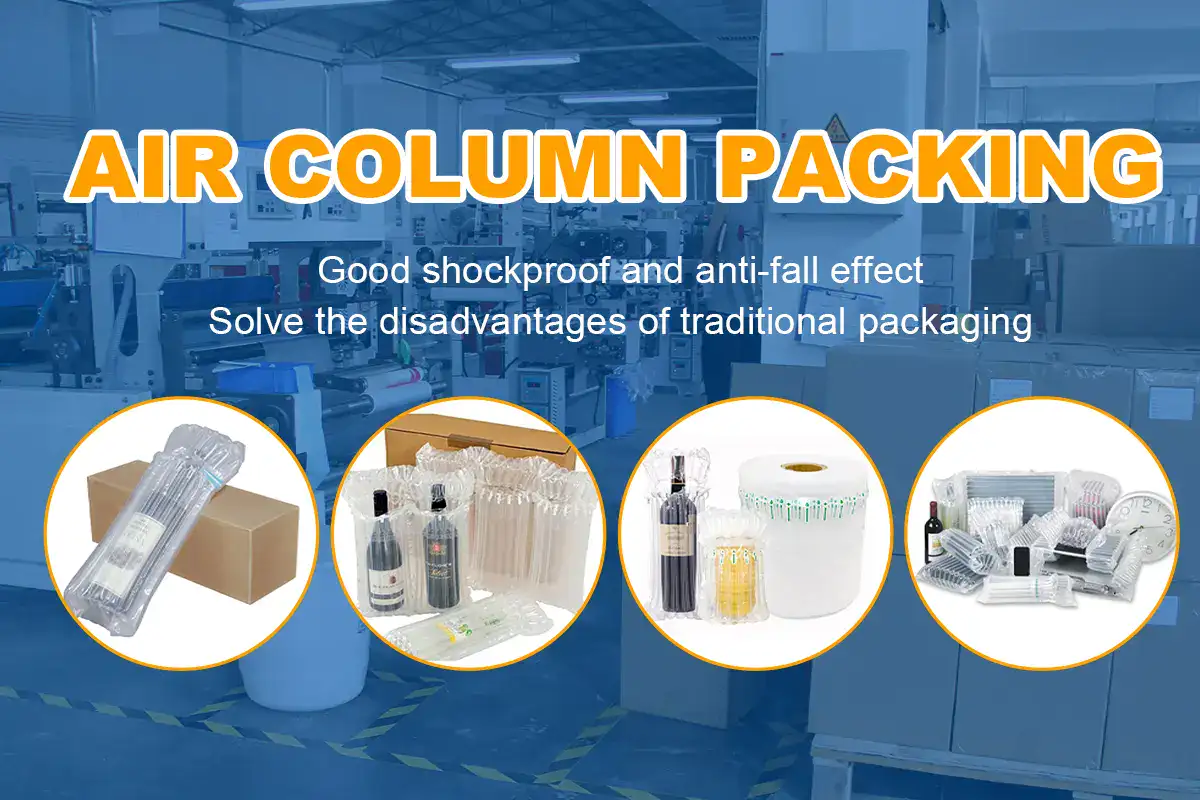
Our commitment to rigorous Packaging Quality Control ensures that when you bypass the retail post office markup and partner directly with us, your shipments arrive safely, professionally, and profitably.
Frequently Asked Questions
Authoritative References & Industry Standards
The pricing models, postage rates, and logistical rules discussed in this article are corroborated by the following industry authorities: