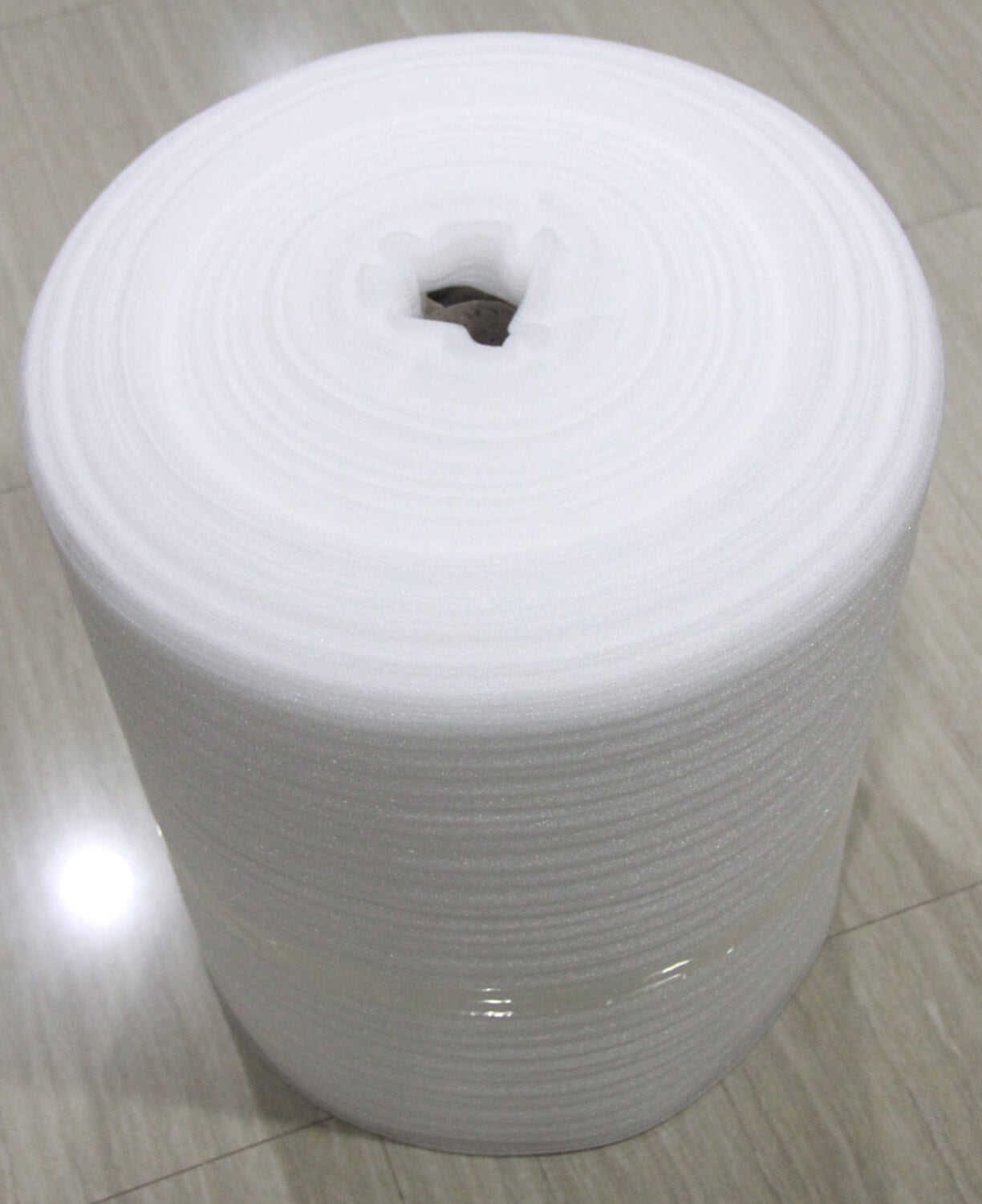
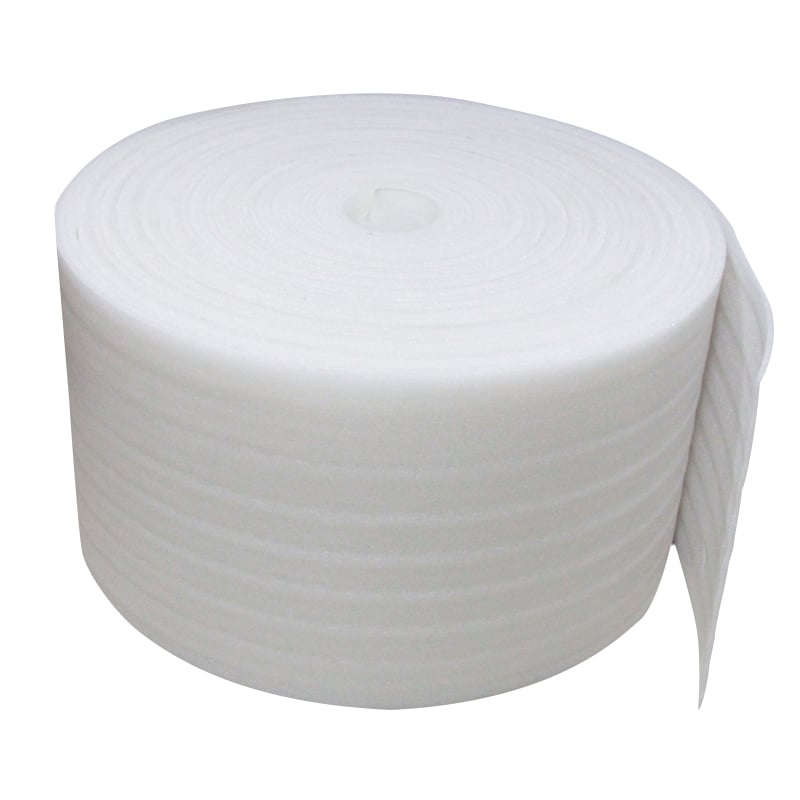
Custom flat-surface EPE foam rolls supplied to a customer in Lima City, Peru, for local packaging, product protection, and on-site cutting into different protective sizes.
- Peru EPE Foam Roll Project Overview
- Customer Requirements
- Project Specifications
- Why a Flat EPE Foam Surface Matters
- Applications for Local Product Packaging
- Cutting EPE Foam Rolls for Different Products
- Choosing the Right EPE Foam Thickness
- Advantages of EPE Foam Rolls
- Custom EPE Foam Roll Manufacturing
- EPE Foam vs Other Packaging Foams
- Mailong Packaging Manufacturing Process
- Frequently Asked Questions
- About Mailong Packaging
Peru EPE Foam Roll Project Overview
This project was completed for a customer located in Lima City, Peru 15074. The customer needed a flexible packaging material that could be purchased in roll form, stored efficiently, and then processed locally according to the dimensions of different products.
Instead of purchasing pre-cut inserts for every product size, the customer selected EPE foam rolls. This approach gives the local packaging operation greater flexibility because the foam can be measured, cut, folded, layered, or otherwise prepared according to the actual product being packed.
The most important technical requirement was a flat surface. The customer specifically required all surfaces of the EPE foam to remain flat rather than using a textured or specially profiled surface. For local cutting and general-purpose packaging, a flat foam sheet provides a straightforward working surface and makes measurement and processing easier.
Customer Requirements
From our experience with packaging material distributors and manufacturers, customers purchasing EPE foam rolls for local processing normally need more than a standard roll. The material has to work reliably with their downstream cutting and packaging workflow.
For this Peru project, the requirements were centered on four points: flatness, suitable cushioning, multiple thickness options, and convenient roll packaging.
Flat Surface
All EPE foam surfaces needed to be flat. This was important because the customer planned to cut the material locally for different packaging requirements.
Multiple Thicknesses
The customer required 2 mm, 5 mm, and 10 mm foam rolls to handle different product protection requirements.
Local Processing
Rather than ordering every protective component pre-cut, the customer wanted rolls that could be converted into different sizes locally.
Consistent Material
A consistent 28 kg/m³ density was selected for the project so the customer could establish a predictable material specification across the order.
Project Specifications
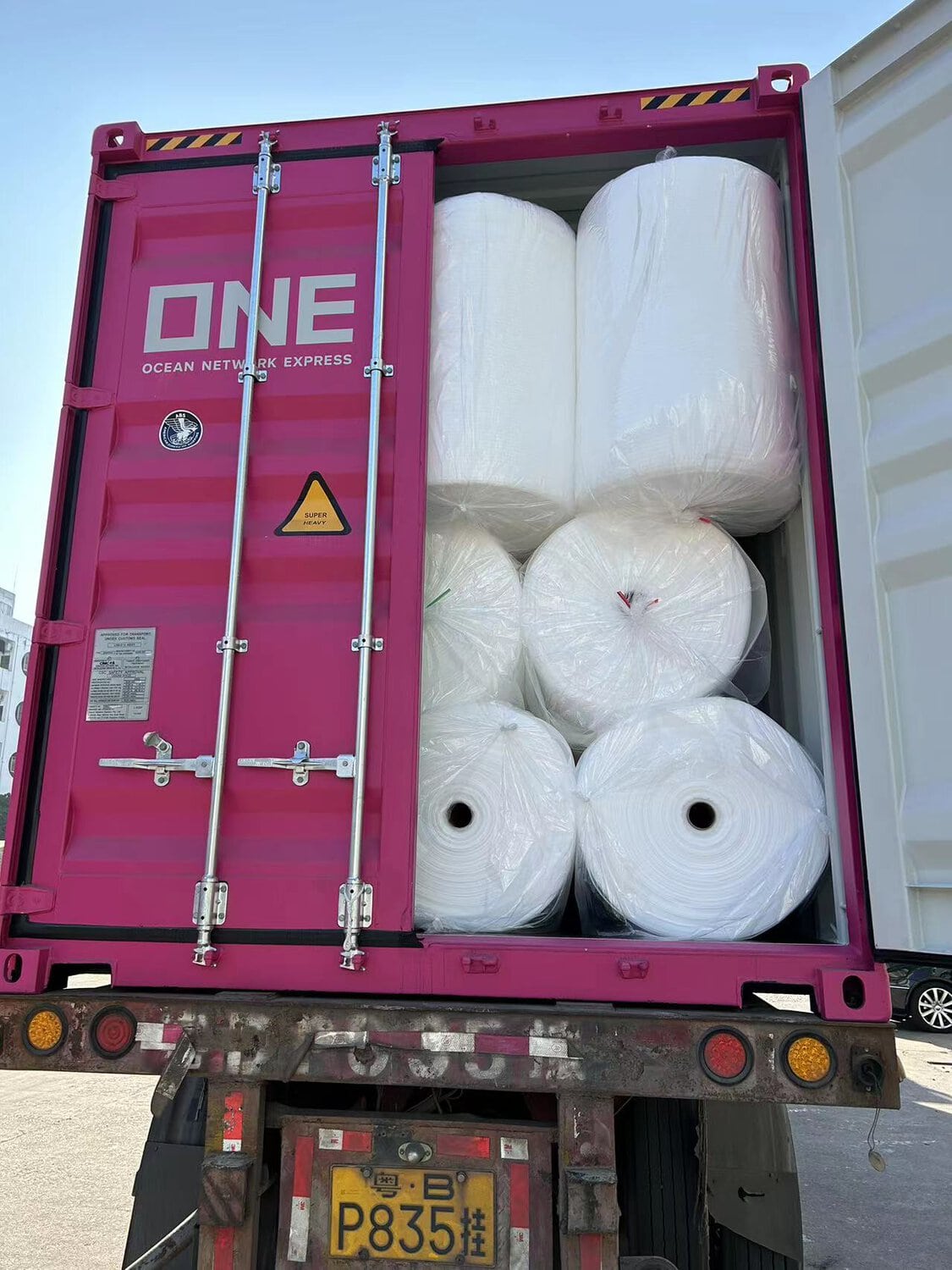
Mailong Packaging manufactured the EPE foam rolls according to the customer’s required density, thickness, length, and quantity. The complete project specification was as follows:
| Product | Density | Width | Length | Thickness | Quantity |
|---|---|---|---|---|---|
| EPE Foam Roll | 28 kg/m³ | 1 m | 75 m | 2 mm | 120 rolls |
| EPE Foam Roll | 28 kg/m³ | 1 m | 30 m | 5 mm | 50 rolls |
| EPE Foam Roll | 28 kg/m³ | 1.1 m | 15 m | 10 mm | 40 rolls |
The total order consisted of 210 EPE foam rolls. The different roll dimensions gave the customer several practical options for handling packaging jobs with different material thickness requirements.
Why a Flat EPE Foam Surface Matters
A flat surface is particularly useful when EPE foam is purchased as a raw packaging material for local conversion. The customer can place the roll on a working table, measure the required dimensions, and cut the foam into the size needed for a particular product.
Flat EPE foam is also easier to combine with other packaging materials. Depending on the product, the foam can be used as a wrapping layer, separator, surface protection sheet, spacer, or cushioning layer.
For commercial packaging operations, we recommend defining the surface requirement before production. A customer who intends to cut the material locally may have very different requirements from a customer purchasing finished die-cut inserts.
Applications for Local Product Packaging
The Peru customer did not need the EPE foam for only one specific product. The main objective was to use the rolls as a flexible packaging resource for protecting different products before transportation, storage, or delivery.
EPE foam is widely used in packaging because it provides a lightweight cushioning layer and can be converted into many different shapes and sizes. With roll material, local packaging teams can determine the amount of foam needed for each product instead of maintaining a large inventory of pre-cut protective parts.
Product Wrapping
Thin EPE foam can be cut into sheets or strips and wrapped around products to create a protective separation layer between the product and outer packaging.
Surface Protection
Flat foam sheets can be placed over product surfaces to help reduce contact, scratching, rubbing, and minor impact during normal handling.
Interlayer Packaging
Cut EPE foam sheets can be placed between products or packaging components to provide separation and improve internal package organization.
Custom Protective Pieces
Local operators can cut foam into strips, rectangles, pads, or other simple shapes according to individual product dimensions.
Cutting EPE Foam Rolls for Different Products
One of the key reasons the Peru customer selected EPE foam rolls was the ability to perform local cutting. A roll can be converted into many different packaging components without requiring a separate production order for every size.
For example, a packaging team may cut 2 mm EPE into thin wrapping sheets for relatively delicate surfaces, use 5 mm material for additional cushioning, and select 10 mm material when a thicker protective layer is required.
The exact cutting method depends on the customer’s production equipment, required tolerance, quantity, and final shape. For simple rectangular packaging pieces, manual or machine cutting can be practical. For high-volume customized shapes, die cutting or CNC processing may be considered.
Typical Local Conversion Workflow
This workflow is especially useful for distributors, contract packers, manufacturers, and packaging companies that handle multiple product sizes.
Choosing the Right EPE Foam Thickness
Thickness is one of the most important variables when selecting EPE foam for packaging. A thicker foam layer generally provides more material between the product and surrounding surfaces, but the correct thickness depends on product weight, geometry, packaging configuration, available space, and handling conditions.
| Thickness | Typical Packaging Consideration | Potential Use |
|---|---|---|
| 2 mm | Thin protective layer with low material volume | Surface separation, wrapping, lightweight protection |
| 5 mm | Balanced thickness for general packaging | Product wrapping, separators, cushioning layers |
| 10 mm | Thicker cushioning layer where additional material thickness is needed | Higher-protection packaging, pads, spacers |
These applications are general packaging considerations rather than fixed performance classifications. For heavy, fragile, or unusually shaped products, packaging design should be tested under the actual transportation and handling conditions.
Advantages of EPE Foam Rolls for Packaging
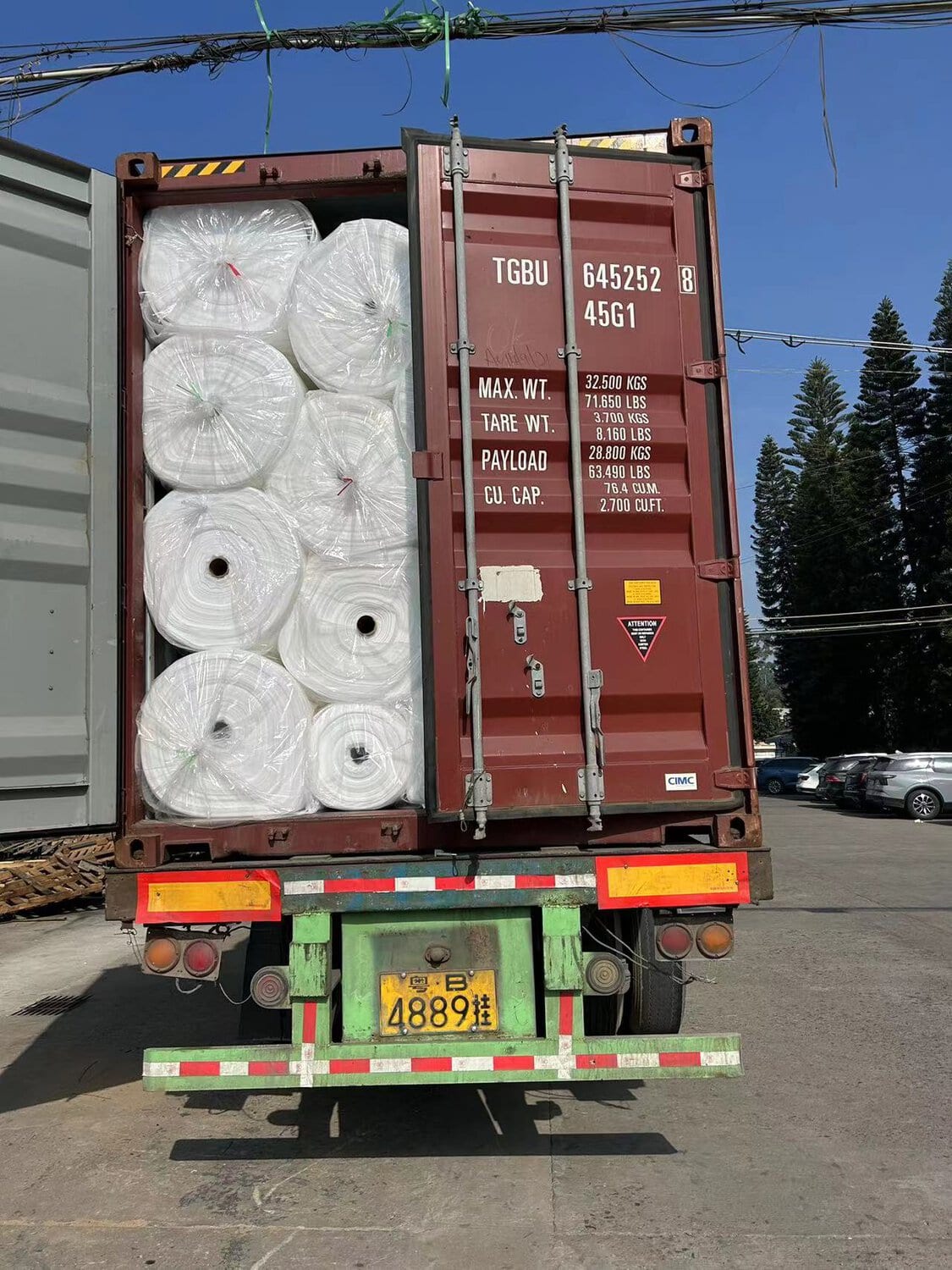
From our experience, EPE foam rolls are particularly valuable when a customer needs a flexible material that can serve multiple packaging applications. The roll format is different from buying finished inserts because the customer maintains control over the final conversion process.
1. Flexible Size Conversion
One roll can be cut into different widths and lengths according to the packaging requirement. This reduces the need to order a separate finished size for every product.
2. Lightweight Protective Material
EPE foam is lightweight, making it practical for packaging operations where cushioning and surface separation are required without adding excessive packaging bulk.
3. Suitable for Multiple Industries
Depending on the packaging design, EPE foam can be used for electronics, hardware, furniture components, household products, industrial parts, glass-related packaging, appliances, and other products requiring protective layers.
4. Easy to Combine with Other Packaging
EPE foam can be used together with cartons, stretch film, bubble wrap, poly mailers, bags, and other packaging materials. Customers can build a multi-layer packaging system according to the product’s requirements.
5. Convenient Roll Storage
Compared with maintaining many different pre-cut foam sizes, roll stock allows packaging companies to keep a more flexible material inventory and process the foam when needed.
Custom EPE Foam Roll Manufacturing
The Peru project demonstrates why EPE foam should not be treated as a one-size-fits-all packaging material. Density, thickness, width, length, surface requirements, and conversion method can all affect the final packaging solution.
Mailong Packaging provides customized EPE foam rolls for customers who need specific material specifications or downstream processing requirements.
| Parameter | Available Options |
|---|---|
| Material | EPE foam / expanded polyethylene foam |
| Density | 18–100 kg/m³ or customized according to project requirements |
| Thickness | 5, 10, 15, 20, 25, 30, 40, 50 mm or customized |
| Width | 30 cm, 50 cm, 80 cm, 100 cm, 120 cm, 150 cm or customized |
| Color | White |
| Form | Rolls |
| MOQ | 50 rolls |
For customers who need more detailed sheet options, our EPE Foam Sheets range can also be considered when pre-cut sheets are more suitable than rolls.
EPE Foam vs Other Packaging Foams
EPE is one of several foam materials used in protective packaging. The appropriate material depends on the required cushioning characteristics, density, shape, processing method, budget, and product requirements.
| Material | Common Packaging Format | Typical Strength | Suitable Consideration |
|---|---|---|---|
| EPE Foam | Rolls, sheets, inserts, profiles | Lightweight cushioning and flexible conversion | General product protection and local cutting |
| EVA Foam | Sheets, die-cut parts, molded components | Higher structural support and customization potential | Precision inserts and specialized packaging |
| Flexible PU Foam | Sheets, rolls, pads, inserts | Soft cushioning and conformability | Products requiring softer foam contact |
Customers comparing foam materials can review our EPE FOAM, EVA FOAM, and Flexible PU FOAM product categories to understand the available material options.
Mailong Packaging Manufacturing Process
Producing a customized EPE foam roll involves controlling the requested material specification throughout production. For commercial projects, the production process needs to consider not only density and thickness but also the final roll dimensions and handling requirements.
Material and Specification Confirmation
Before production, the customer’s required density, thickness, width, length, surface characteristics, color, and quantity are confirmed. For this Peru project, the key specification was a flat white EPE foam surface at 28 kg/m³ density.
Foam Production
The EPE material is manufactured according to the agreed specification and processed into roll form. Thickness and dimensional requirements are controlled according to the project order.
Slitting and Roll Conversion
Depending on the required width and length, the material is converted into individual rolls. This allows customers to receive the material in a format suitable for local packaging operations.
Quality Inspection
Finished rolls are checked against the agreed production specifications, including dimensions, appearance, packaging condition, and other project-specific requirements.
For customers researching packaging foam suppliers, our guide to Packing Foam Sheets Suppliers provides additional information about sourcing foam materials for commercial packaging applications.
Where Else Can EPE Foam Rolls Be Used?
The same roll-based concept used in the Peru project can be adapted to many packaging environments. The ability to cut the foam locally makes it practical when product dimensions vary frequently.
- Industrial component packaging
- Furniture component protection
- Household product packaging
- Electronic product surface protection
- Hardware and metal component separation
- Appliance packaging
- Glass and ceramic product cushioning
- Warehouse product protection
- Distributor packaging operations
- Contract packaging and fulfillment
For more ideas, see our detailed resource on EPE Foam Applications.
Frequently Asked Questions About EPE Foam Rolls
What are EPE foam rolls used for?
EPE foam rolls are commonly used for product wrapping, surface protection, cushioning, separation, padding, and packaging conversion. Customers can cut the roll into different sizes according to their products.
Why did the Peru customer require a flat EPE foam surface?
The customer planned to perform local cutting and use the material for packaging different products. A flat surface provides a straightforward working material for measuring, cutting, wrapping, and creating protective layers.
What density was used for this Peru project?
The project used EPE foam with a density of 28 kg/m³.
What EPE foam thicknesses were supplied?
The order included 2 mm, 5 mm, and 10 mm EPE foam rolls. The different thicknesses allow the customer to select the appropriate material layer for different packaging requirements.
Can EPE foam rolls be customized?
Yes. Depending on the project, Mailong Packaging can customize density, thickness, width, length, color, roll configuration, and other material specifications.
What is the standard EPE foam density range?
For this product range, available density can be approximately 18–100 kg/m³, with the final specification determined according to the application and customer requirements.
Can Mailong supply EPE foam sheets instead of rolls?
Yes. Customers requiring fixed dimensions can choose EPE foam sheets or customized foam components instead of roll material. This can be useful when the customer does not want to perform local cutting.
Can EPE foam be combined with EVA or PU foam?
Yes. Different foam materials can be selected according to the product’s protection, cushioning, structural support, and processing requirements. Customers can also compare our Flexible Polyurethane Foam Manufacturers resource when evaluating PU foam options.
About Mailong Packaging
Established in 2009, Mailong Packaging is a professional manufacturer and exporter specializing in protective packaging materials for global industries. With more than 15 years of packaging manufacturing experience, we provide practical packaging materials for manufacturers, distributors, exporters, logistics companies, and other commercial customers.
Our main products include inflatable bubble and pillow film, air column rolls, air column bags, EPE and EVA foam, poly mailers, stretch wrap, bubble mailers, BOPP tape, and corrugated boxes.
Our packaging products have been exported to more than 30 countries and overseas markets. We focus on stable quality, competitive pricing, flexible customization, and fast production for suitable projects.
| Mailong Packaging Advantage | Our Capability |
|---|---|
| Industry Experience | More than 15 years of packaging manufacturing experience |
| Fast Production | Production completed within 3–7 days for suitable orders |
| Flexible MOQ | Selected products and projects available from low MOQ quantities |
| OEM & Customization | Custom packaging sizes, materials, specifications, and designs available |
| Global Export Service | Products exported to more than 30 overseas markets |
Related Foam Packaging Resources
If you are sourcing EPE foam for industrial or commercial packaging, the following resources can help you compare materials and packaging formats:
- EPE FOAM – EPE foam products and packaging solutions.
- EVA FOAM – EVA foam options for customized packaging applications.
- Flexible PU FOAM – Flexible polyurethane foam products.
- Packing Foam Sheets Suppliers – Guide for commercial foam sourcing.
- Flexible Polyurethane Foam Manufacturers – Comparison resource for PU foam sourcing.
- EPE Foam Sheets – Foam sheets and rolls for packaging.
- EPE Foam Applications – Practical applications across packaging and industry.
Looking for Custom EPE Foam Rolls?
If you need EPE foam rolls for local packaging, product protection, cutting, or distribution, Mailong Packaging can customize the material according to your required density, thickness, width, length, and packaging application.
Share your product dimensions, required foam thickness, estimated quantity, and application with our team. We can help you evaluate a suitable EPE foam roll specification for your project.
Mailong Packaging – EPE Foam Rolls Manufacturer & Protective Packaging Supplier