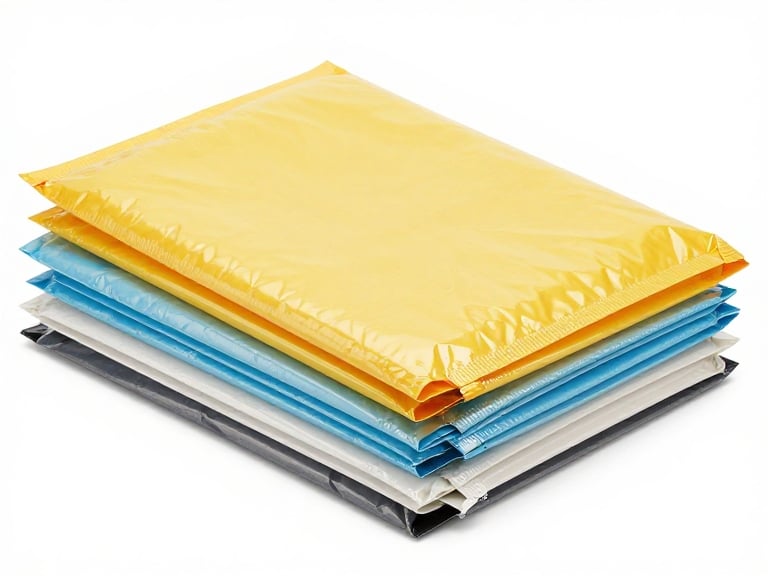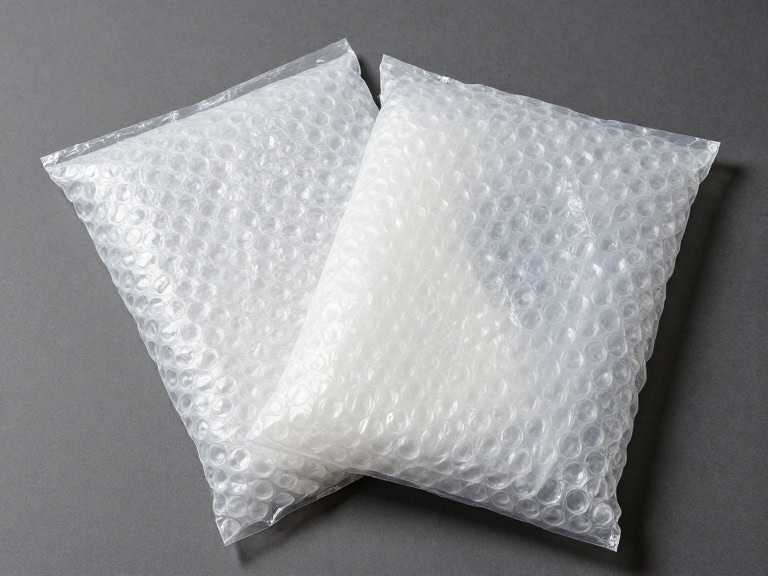
If you are sourcing expanded polyethylene foam in wholesale quantities, the cheapest supplier is rarely the safest choice. For commercial packaging, what matters is consistent density, thickness, roll or sheet dimensions, cushioning performance, conversion capability, export experience, and the supplier’s ability to reproduce the same specification on the next order.
This guide identifies nine manufacturers and suppliers worth evaluating for wholesale expanded polyethylene foam, with an emphasis on practical sourcing rather than generic directory rankings. We also explain how to compare EPE foam suppliers, when EPE is worth buying, where it fits against EVA and bubble packaging, and which technical questions should be answered before you place a large purchase order.
Quick Answer: Which wholesale expanded polyethylene foam manufacturer is best?
For most international packaging buyers, we recommend starting with a manufacturer that can provide consistent EPE foam sheets or rolls, custom thickness and dimensions, dependable quality control, and export support. Mailong Packaging is a strong option for buyers who want EPE foam together with a broader protective-packaging portfolio. Other manufacturers in this shortlist may be better suited to regional supply, custom foam fabrication, or specific sheet and profile requirements.
There is no objectively “best” EPE supplier for every application. The right manufacturer depends on your required density, thickness, order volume, destination, customization, application, and total delivered cost.
- What Is Expanded Polyethylene Foam?
- Quick Summary: 9 Wholesale EPE Foam Manufacturers
- 9 Best Wholesale Expanded Polyethylene Foam Manufacturers
- How EPE Foam Works in Protective Packaging
- Best Wholesale EPE Foam Applications
- EPE Foam vs EVA, PU and Bubble Wrap
- Pros and Cons of EPE Foam
- Wholesale EPE Foam Buying Guide
- Common Wholesale Buying Mistakes
- Is Wholesale EPE Foam Worth the Price?
- Expert Recommendation
- Frequently Asked Questions
- References
What Is Expanded Polyethylene Foam?
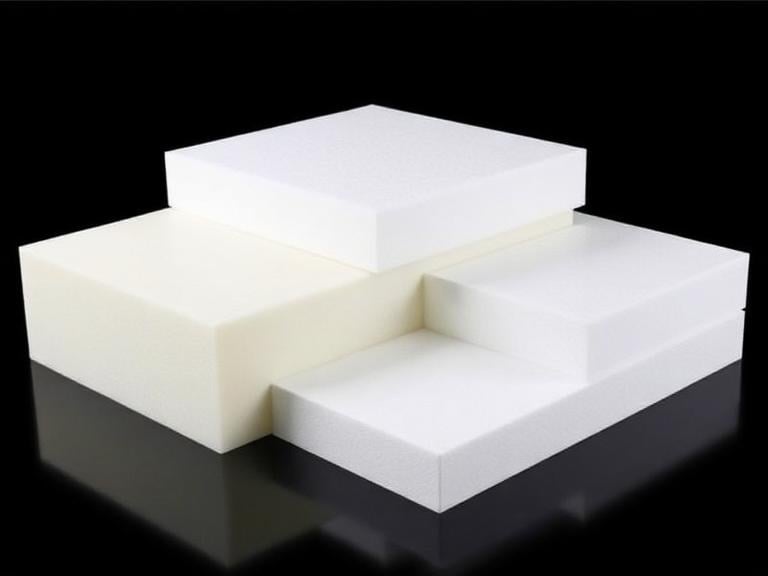
Expanded polyethylene foam, commonly called EPE foam or polyethylene foam, is a lightweight closed-cell foam material made from polyethylene. It is widely converted into sheets, rolls, pads, strips, bags, corner protectors, liners and custom cushioning components.
For packaging buyers, EPE is attractive because it provides a useful combination of low weight, flexibility, cushioning, surface protection and easy conversion. It is particularly practical when the packaging needs to protect finished surfaces from scratches and minor impacts without adding significant weight.
In China, buyers may also encounter the term “pearl cotton” for EPE foam. This can create confusion when searching international supplier websites, because the same basic material may be listed as EPE foam, expanded polyethylene foam, PE foam, pearl cotton, polyethylene foam sheet or polyethylene foam roll.
ASTM D3575 covers test methods for flexible closed-cell materials made from olefin polymers, including test procedures used for research, quality control and acceptance or rejection. For a serious wholesale purchase, asking a supplier which properties are tested and how they are controlled is more useful than simply asking whether the material is “high quality.” ASTM D3575
Quick Summary: 9 Wholesale EPE Foam Manufacturers
| Manufacturer / Supplier | Region | Notable Strength | Best For | Our Buying View |
|---|---|---|---|---|
| Mailong Packaging | China | EPE plus complete protective packaging portfolio | International wholesale packaging buyers | Strong overall option |
| HuiRen Packaging Materials | China | Custom protective foam and multiple factory bases | Custom packaging projects | Worth evaluating for custom work |
| Thai Rung Ruang Foam | Thailand | EPE sheets, rolls, bags and die-cut products | Regional Asian sourcing | Strong customization candidate |
| Aerotex Foam | South Africa | EPE sheets and profiles | Southern African buyers | Good regional option |
| SES Foam | USA | EPE and EPP foam planks | Industrial and OEM foam users | Good for fabricated foam applications |
| Rhyno Foam Industries | India | EPE sheets and colored EPE rolls | Indian and export buyers | Worth comparing on price and specification |
| Wuhu Ronghong Packaging | China | EPE-focused packaging supply | China wholesale sourcing | Include in RFQ comparison |
| Suzhou Xingzhongchuang Materials Technology | China | EPE-related material production | Industrial material sourcing | Request detailed technical data |
| Shijiazhuang Yingzhi New Materials | China | EPE and new-material supply | Bulk China sourcing | Compare capacity and MOQ |
The shortlist above should be treated as a supplier-evaluation starting point, not an absolute ranking. Current industry directories list several Chinese EPE manufacturers including Wuhu Ronghong, Suzhou Xingzhongchuang, Shijiazhuang Yingzhi and other regional producers, while specialist manufacturers in Thailand, South Africa, India and the United States serve their own markets. :contentReference[oaicite:0]{index=0}
9 Best Wholesale Expanded Polyethylene Foam Manufacturers
1. Mailong Packaging — Best Overall for International Packaging Buyers
Mailong Packaging
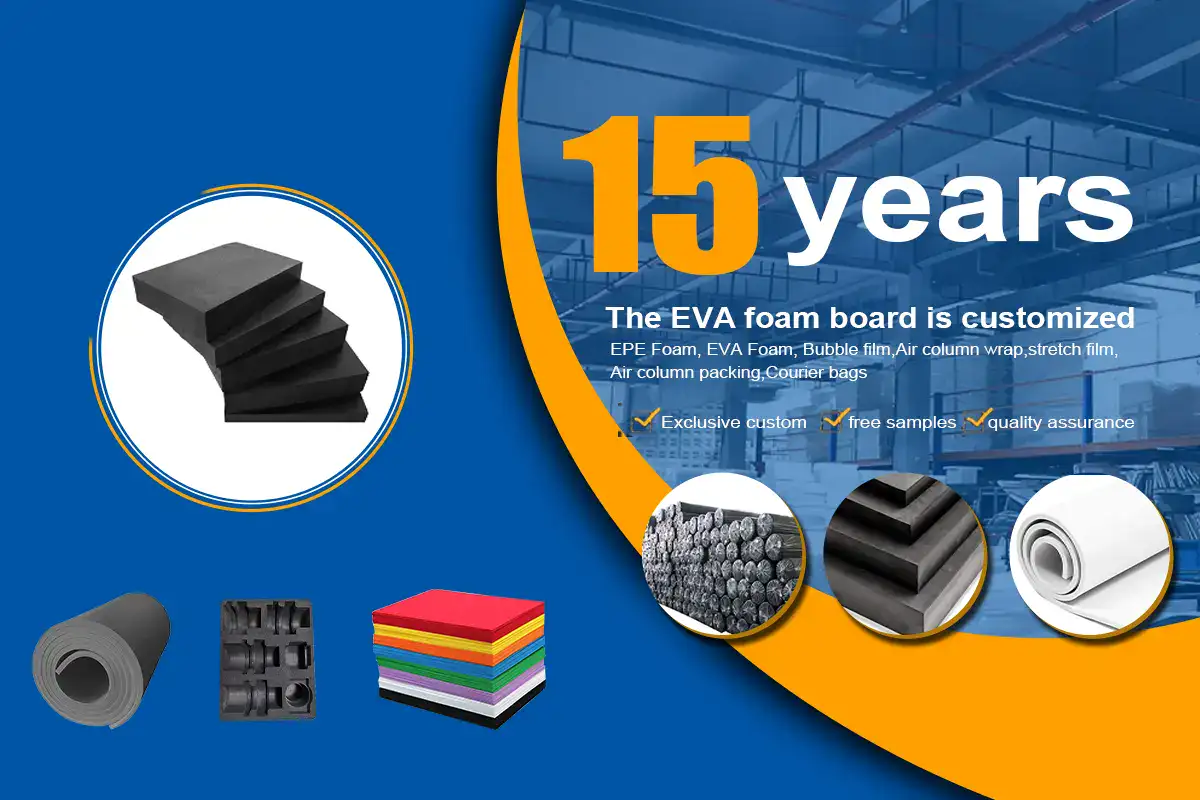
Mailong Packaging Co., Ltd. was established in 2009 and manufactures and exports protective packaging materials including EPE and EVA foam, inflatable bubble and pillow film, air column rolls, air column bags, poly mailers, stretch wrap, bubble mailers, BOPP tape and corrugated boxes.
For a buyer who needs EPE foam but also wants to consolidate protective-packaging purchases, this is an important advantage. You can evaluate EPE foam as part of a complete packaging system rather than buying every protective material from a separate supplier.
Mailong’s EPE range includes foam sheets and rolls suitable for wrapping, cushioning, separation and surface protection. Buyers can review the EPE Foam Sheets range when determining whether sheet or roll formats better match their production process.
From our experience, this type of supplier is particularly valuable for importers, packaging distributors, furniture manufacturers, electronics suppliers and exporters who purchase several protective materials at the same time.
2. HuiRen Packaging Materials Co., Ltd. — Best for Custom Foam Packaging
HuiRen Packaging Materials positions itself as a direct source factory in Suzhou, China, with multiple production bases and a focus on custom protective packaging. Its portfolio includes EPE pearl cotton alongside EPS and XPS materials.
The company’s strength is customization rather than simply selling standard rolls. Buyers looking for specific shapes, sizes or protective packaging designs should ask for samples and drawings before committing to production.
For OEM packaging programs, that can be more valuable than a marginal difference in material price. The supplier reports more than two decades of manufacturing experience and production bases in several locations. :contentReference[oaicite:1]{index=1}
3. Thai Rung Ruang Foam — Best for Regional Asian EPE Supply
Thai Rung Ruang Foam is a Thailand-based EPE manufacturer and distributor offering EPE foam rolls, sheets, bags, die-cut foam and related products. The company also describes customization based on drawings or CAD files.
This makes it worth considering when the buyer needs more than a generic EPE roll. Automotive, electronics, appliance, furniture and logistics applications can require different thicknesses, densities and converted shapes.
For buyers located in Southeast Asia, regional supply can sometimes justify a higher material quotation if it reduces freight, transit time and inventory risk. The company states that it performs checks on thickness and density before delivery. :contentReference[oaicite:2]{index=2}
4. Aerotex Foam — Best for South African EPE Sheet Supply
Aerotex Foam is a Durban-based EPE manufacturer focused on EPE sheets and profiles. Its current product focus includes 3 mm and 5 mm EPE sheets for packaging, protection and general industrial applications.
This is a useful example of why buyers should not automatically choose the largest-looking overseas manufacturer. If your operation is in Southern Africa and your requirement is primarily standard sheet material, a regional manufacturer may deliver better landed economics and faster replenishment.
Aerotex emphasizes consistent density and repeat production, which are exactly the attributes commercial buyers should investigate during supplier qualification. :contentReference[oaicite:3]{index=3}
5. SES Foam — Best for Industrial EPE and EPP Planks
SES Foam supplies expanded polyethylene and expanded polypropylene foam planks and supports fabricators and OEM customers. Its positioning is more industrial than a conventional packaging-roll supplier.
If you need foam planks for fabrication, cushioning structures or engineered protective components, SES Foam deserves consideration. Its technical support and fabrication-oriented approach can be more relevant than a supplier whose primary product is simple EPE wrapping roll.
For heavy-duty applications, we recommend evaluating compression behavior, density and thickness rather than selecting material solely by appearance.
6. Rhyno Foam Industries — Best for Indian EPE Sourcing
Rhyno Foam Industries manufactures and supplies expanded polyethylene foam sheets and colored EPE foam rolls, alongside other flexible packaging materials.
Its product mix makes it relevant for Indian buyers and exporters looking for EPE together with related flexible packaging materials. For wholesale procurement, the important questions should be minimum order quantity, sheet dimensions, roll length, density, thickness tolerance and export packaging.
If the material will be used for consumer-facing packaging, request production samples rather than approving a supplier from catalog images alone. :contentReference[oaicite:4]{index=4}
7. Wuhu Ronghong Packaging Co., Ltd. — China Bulk-Sourcing Candidate
Wuhu Ronghong appears in current 2026 industry supplier rankings for EPE foam manufacturers in China. For buyers who are specifically comparing Chinese wholesale suppliers, it is reasonable to include the company in an RFQ round.
However, we would not choose a supplier simply because it appears high on a directory list. Ask for factory information, technical specifications, production capacity, sample approval procedures and recent export references before placing a substantial order.
8. Suzhou Xingzhongchuang Materials Technology — Industrial Material Candidate
Suzhou Xingzhongchuang Materials Technology is another Chinese supplier appearing in current EPE manufacturer listings. It is worth investigating when the buyer is comparing several Chinese material producers.
For this type of supplier, the procurement team should focus on whether the company can consistently reproduce the exact EPE specification required. A low initial quotation has limited value if the second or third production batch changes density or thickness.
9. Shijiazhuang Yingzhi New Materials — Bulk China Sourcing Candidate
Shijiazhuang Yingzhi New Materials is also included in current 2026 Chinese EPE supplier rankings. It can be included in a competitive RFQ process, particularly for buyers seeking multiple quotations from Chinese manufacturers.
Our recommendation is to compare Yingzhi with at least two other factories using exactly the same technical specification. That makes the quotation meaningful instead of comparing different products under the same generic name “EPE foam.”
Current 2026 supplier data identifies these Chinese manufacturers among the active EPE supplier landscape, but directory ranking should be treated as a discovery tool rather than proof of manufacturing quality. :contentReference[oaicite:5]{index=5}
How EPE Foam Works in Protective Packaging
EPE foam contains a large number of enclosed cells that reduce the direct transfer of impact and vibration through the packaging structure. When a packaged product experiences handling shocks, the foam can deform and absorb part of the mechanical energy before it reaches the product.
The important point for buyers is that thicker does not automatically mean better. A foam that is too soft may compress excessively, while an unnecessarily thick layer adds material and packaging volume without delivering proportional value.
Density, thickness, product weight, fragility, contact area and expected shipping conditions should all be considered together.
For example, a lightweight glass accessory may need surface protection and separation rather than a very thick cushion. A heavy metal component may need a different foam density and structural design. This is why professional packaging engineers specify the foam based on the product and distribution environment.
Best Wholesale EPE Foam Applications
EPE foam is especially practical when the primary objective is protecting surfaces, separating products or adding lightweight cushioning.
- Furniture and furniture components
- Glass and ceramic products
- Electronics and appliances
- Metal parts and finished surfaces
- Automotive components
- Decorative products
- Export packaging
- Industrial component separation
- Corner and edge protection
- Protective liners and inserts
Our detailed guide to EPE Foam Applications is useful if you are trying to determine whether EPE is appropriate for a particular product.
For beginners, EPE is usually a better starting point than selecting a more expensive specialty foam simply because it sounds more advanced. Start with the actual packaging failure you are trying to prevent.
EPE Foam vs EVA Foam, PU Foam and Bubble Wrap
| Material | Main Strength | Typical Use | Cost Position | Our Recommendation |
|---|---|---|---|---|
| EPE Foam | Lightweight cushioning and surface protection | Packaging sheets, rolls, liners and separation | Generally economical | Best general-purpose choice for many packaging jobs |
| EVA Foam | More controlled physical properties and fabrication options | Premium inserts, cases and shaped components | Usually higher | Choose when design or performance justifies the premium |
| Flexible PU Foam | Softness and conformability | Furniture, cushioning and specialty protection | Varies | Better when softness is more important than simple surface protection |
| Bubble Wrap | Air cushioning and flexible wrapping | General parcel and product wrapping | Economical | Excellent for irregular products and quick wrapping |
Mailong also supplies EVA FOAM and Flexible PU FOAM, which makes direct material comparison easier when a packaging project has not yet been finalized.
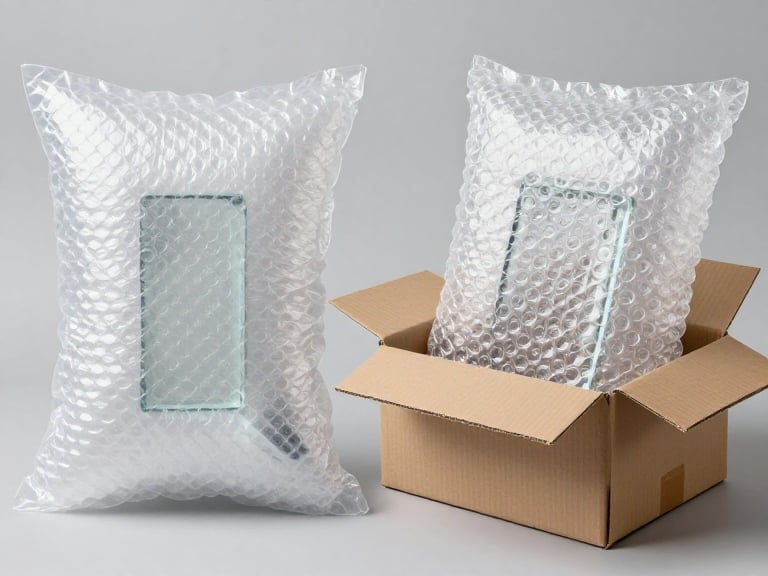
For flexible wrapping, you can also compare EPE with Air Bubble Wrap & Pouch. Bubble materials can be faster for wrapping individual products, while EPE sheets are often more convenient when you need a flat protective layer, separator or custom-cut component.
Pros and Cons of Wholesale EPE Foam
| Pros | Cons |
|---|---|
| Lightweight compared with many rigid protective materials | Not the best choice for every high-impact application |
| Good surface protection | Performance depends heavily on density and thickness |
| Available in sheets and rolls | Large-volume foam can create storage challenges |
| Easy to cut and convert | Very soft grades may not provide sufficient structural support |
| Useful across many industries | Lowest purchase price does not necessarily mean lowest packaging cost |
| Can be combined with cartons and other protective materials | Environmental and recycling requirements must be considered by market |
Wholesale EPE Foam Buying Guide
When purchasing wholesale expanded polyethylene foam, the specification sheet should be much more detailed than “white EPE foam, good quality.”
| Buying Factor | What to Specify | Why It Matters |
|---|---|---|
| Material | EPE / polyethylene foam grade | Prevents material substitution |
| Density | Required density range | Strongly affects cushioning and compression behavior |
| Thickness | Exact thickness and tolerance | Controls packaging fit and protection |
| Width and length | Sheet or roll dimensions | Determines yield and labor requirements |
| Color | White, black, colored or custom | Important for branding and visual requirements |
| Surface | Texture and finish | Can affect product contact and appearance |
| Conversion | Die-cutting, laminating, slitting or custom shapes | Can eliminate downstream labor |
| MOQ | Pieces, rolls, sheets or kilograms | Directly affects inventory and cash flow |
| Packaging | Roll compression, palletization and export packing | Important because foam is bulky relative to weight |
| Quality documentation | Specification, test data and inspection method | Reduces batch-to-batch uncertainty |
Before approving a factory, ask for a production sample. Then test the sample using the same packaging configuration and handling conditions your customers will experience.
For commercial users, it is also worth calculating packaging yield. A slightly more expensive foam roll may generate less waste because its width and thickness fit your packaging dimensions better.
Density and Thickness: The Two Specifications Buyers Get Wrong Most Often
Density and thickness are related to performance, but they are not interchangeable.
Increasing thickness generally increases the amount of material between the product and the outside environment. Changing density changes the material’s mechanical response. Therefore, simply telling a supplier to “make the foam thicker for better protection” is not always the correct engineering solution.
For heavy-duty applications, ask the manufacturer to recommend a suitable density and thickness based on product weight, dimensions, fragility and shipping conditions.
We recommend testing compression and cushioning performance at the intended application rather than selecting a foam based only on a catalog density number.
7 Common Wholesale EPE Foam Buying Mistakes
1. Choosing by price per kilogram
This ignores yield, density, thickness, freight and waste. Calculate cost per protected product instead.
2. Comparing different densities as if they were equivalent
A 3 mm low-density foam and a 3 mm higher-density foam are not necessarily interchangeable.
3. Ignoring freight volume
Foam is lightweight but bulky. A supplier’s FOB price can look attractive until international freight and warehouse space are included.
4. Buying too much before testing
Always approve a sample or pilot production before committing to a large wholesale order.
5. Failing to define tolerances
Thickness, width, length and density should have agreed tolerances rather than vague quality language.
6. Assuming EPE replaces every other packaging material
EPE is excellent for many applications, but sometimes bubble wrap, EVA, PU, corrugated inserts or air cushions deliver a better cost-performance balance.
7. Selecting a factory without checking repeat-order capability
The first shipment is only part of the supplier relationship. Ask how specifications are controlled between production lots.
Is Wholesale EPE Foam Worth the Price?
For most applications involving surface protection and lightweight cushioning, yes. But EPE is worth buying only when it solves a measurable packaging problem.
Consider a furniture manufacturer shipping finished panels overseas. A thin EPE layer can protect the surface from rubbing against corrugated packaging and neighboring components. The material may cost more than using cardboard alone, but the reduction in scratches and customer complaints can easily justify the additional packaging cost.
On the other hand, if the product is already highly robust and has no sensitive surface, adding several layers of EPE may simply increase material consumption and packing labor.
That is why we recommend measuring total packaging cost per successful shipment rather than material cost alone.
Mailong’s broader protective packaging range includes Compostable Bubble Wrap, Inflatable Bubble Wrap and Bubble Mailer solutions. In many real-world packaging projects, the best result comes from combining materials rather than forcing one material to perform every protective function.
Who Should Buy Wholesale EPE Foam?
- Packaging distributors purchasing repeat volumes
- Furniture manufacturers and exporters
- Electronics and appliance manufacturers
- Automotive component suppliers
- Glass and ceramic manufacturers
- Industrial parts exporters
- E-commerce fulfillment operations
- Contract packers and logistics companies
For beginners, wholesale EPE is appropriate when there is a predictable recurring packaging requirement. It is not necessarily the best choice for a small business that needs only a few rolls occasionally. In that situation, local distributors may offer better overall economics because the buyer avoids excess inventory and international freight.
When Should You Choose EPE Instead of Upgrading to a More Expensive Foam?
We recommend staying with EPE when the primary problem is surface protection, separation, light-to-moderate cushioning and packaging flexibility.
Consider upgrading to EVA or another specialty foam when the application requires engineered inserts, precise dimensional retention, higher-end presentation or specific mechanical performance that standard EPE cannot provide.
Do not upgrade simply because a premium foam has a higher price. In packaging, the right material is the one that meets the protection requirement at the lowest total system cost.
Mailong’s EPE FOAM product category can be used as a starting point for evaluating standard EPE formats before moving into more specialized foam constructions.
Expert Recommendation: How We Would Select an EPE Manufacturer
If we were sourcing wholesale expanded polyethylene foam today, we would narrow suppliers using five steps.
- Define the specification first. Establish density, thickness, width, length, color, packaging format and tolerance.
- Shortlist manufacturers, not just traders. Ask for factory details and production capabilities.
- Request comparable samples. Every supplier should quote against the same specification.
- Calculate landed cost. Include material, freight, packaging, duty, waste and storage.
- Test the production sample. Do not approve a large order solely from photographs or a basic specification sheet.
For international packaging buyers, Mailong Packaging is particularly attractive when EPE is only one part of the procurement requirement. Established in 2009, the company exports packaging materials to more than 30 countries and supplies EPE and EVA foam alongside inflatable cushioning, air column packaging, stretch wrap, bubble mailers, BOPP tape and corrugated boxes.
That breadth matters because packaging procurement is often more efficient when compatible products can be sourced through one established export supplier. It also allows the packaging design to be evaluated as a complete system rather than as isolated materials.
For a buyer specifically evaluating EPE sheets and rolls, start with EPE Foam, then ask the supplier to recommend the appropriate density and thickness for your actual product.
Frequently Asked Questions About Wholesale Expanded Polyethylene Foam Manufacturers
What is the best wholesale expanded polyethylene foam manufacturer?
There is no universal best manufacturer. For international packaging buyers, Mailong Packaging is a strong overall option because it combines EPE foam manufacturing with a broad protective-packaging portfolio and international export experience. Regional specialists may be more economical when freight distance or local supply is the priority.
What should I ask an EPE foam manufacturer before ordering?
Ask about density, thickness tolerance, roll or sheet dimensions, material grade, MOQ, production lead time, customization, packaging, test procedures and export experience. For repeat orders, also ask how the manufacturer controls batch-to-batch consistency.
Is EPE foam suitable for heavy-duty packaging?
EPE can be used in demanding packaging applications, but the correct density, thickness and construction must be selected according to the product and expected impact conditions. For genuinely heavy or fragile products, do not assume thicker EPE automatically provides adequate protection.
What is the difference between EPE foam and EVA foam?
EPE is expanded polyethylene and is widely used for lightweight cushioning, wrapping and surface protection. EVA foam is generally selected when more specialized physical properties, fabrication or shaped inserts are required. The better material depends on the packaging objective rather than the material’s price.
Can EPE foam be customized?
Yes. Depending on the manufacturer, EPE can be supplied in different thicknesses, widths, lengths, colors and converted forms. Some manufacturers also offer die-cutting, profiles, bags, laminating or custom protective components.
Is EPE foam good for export packaging?
Yes. EPE’s lightweight cushioning and surface-protection characteristics make it useful for many export packaging applications. However, the packaging design should account for product weight, shipping duration, handling conditions and the risk of compression or abrasion.
How do I compare EPE foam suppliers on price?
Compare identical specifications and calculate landed cost. Include density, thickness, roll dimensions, MOQ, freight, duty, packaging, waste and expected yield. A lower quoted price is not necessarily lower total cost.
Is EPE foam recyclable?
EPE is polyethylene-based foam, but actual recycling options depend on local collection infrastructure, contamination, material composition and market requirements. Buyers should confirm the applicable recycling rules in the destination market rather than relying on a generic recyclability statement.
Why should I buy EPE foam from a manufacturer instead of a trading company?
A direct manufacturer can provide better control over specifications, production schedules, customization and technical troubleshooting when the factory genuinely produces the material. However, not every company presenting itself as a manufacturer has the same production capability. Always verify the manufacturing site and production process.