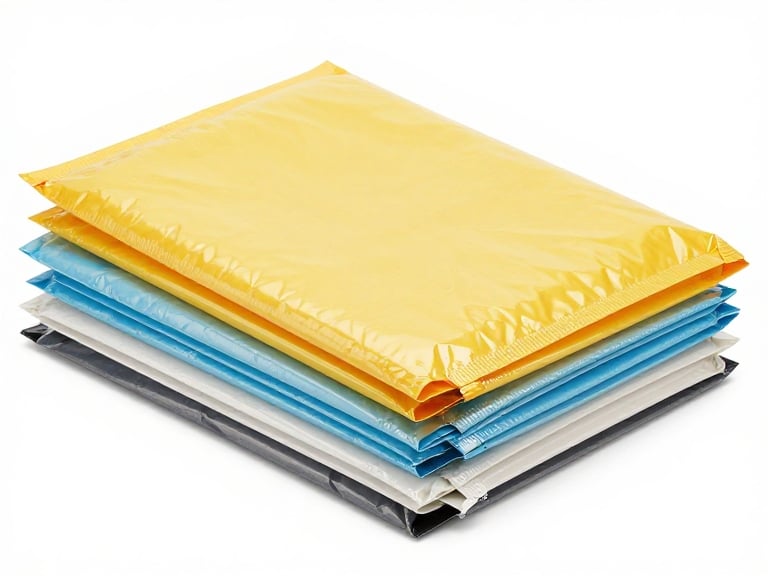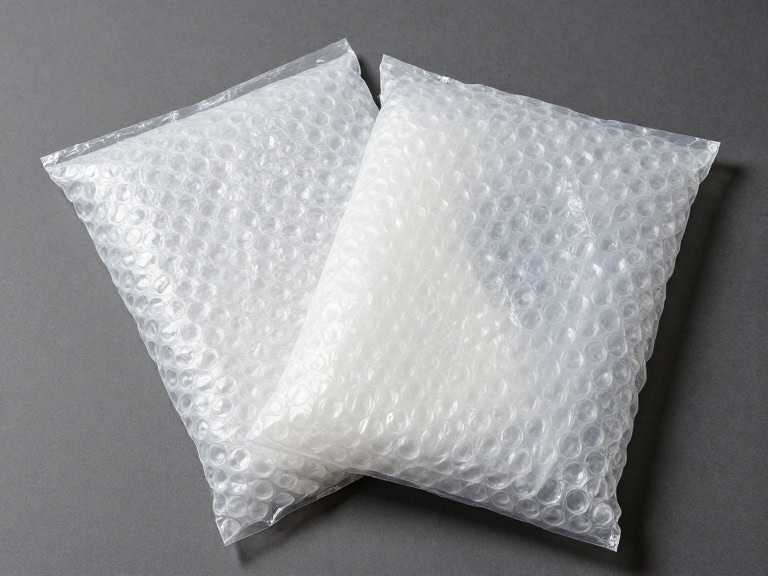
Navigating the complex landscape of e-commerce logistics requires a ruthless focus on dimensional weight, tare weight, and carrier pricing tiers. If you are operating a retail brand in 2026, you already know that shipping margins are thinner than ever. The United States Postal Service (USPS) has instituted multiple rate adjustments over the last few years, fully integrating their legacy services into the streamlined USPS Ground Advantage program. For fulfillment managers and small business owners alike, understanding the exact usps poly mailers shipping cost is no longer just an administrative task; it is a critical component of your survival and profitability.
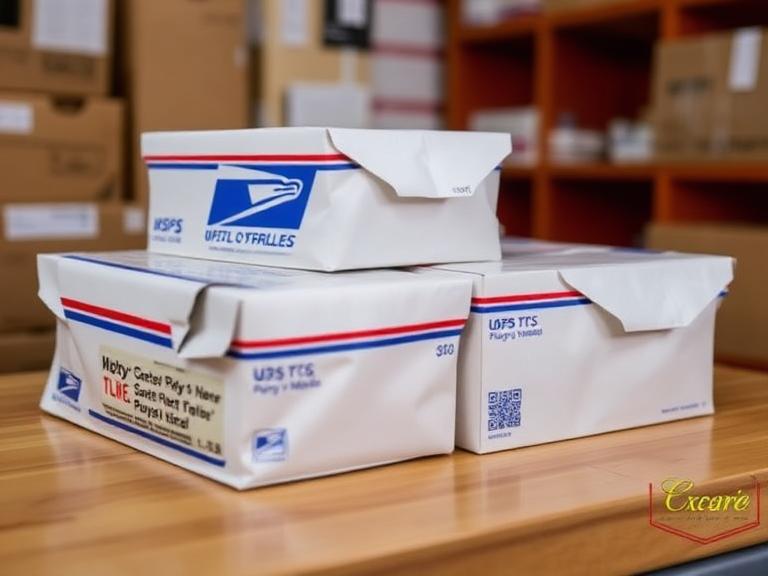
From our experience engineering and supplying premium packaging materials at Mailongpak, the choice between shipping a soft good in a corrugated box versus a polyethylene mailer is a multi-million dollar decision across the industry. Many retailers bleed capital daily simply because they over-package lightweight items. A poly mailer weighs a fraction of an ounce, whereas a standard cardboard box adds half a pound of dead weight to your shipment—weight that you pay for at the post office. In this comprehensive, uncompromising guide, we will strip away the confusion surrounding USPS pricing, explain the mechanics of cubic soft-pack rates, and provide actionable commercial judgment on how to optimize your fulfillment pipeline.
Quick Answer: How Much Does It Cost?
In 2026, your usps poly mailers shipping cost is dictated almost entirely by two factors: weight (for sub-1 lb items) and cubic dimensions (for items over 1 lb).
- Under 15.99 ounces: Shipped via USPS Ground Advantage. Costs scale in 4-ounce tiers (1-4 oz, 5-8 oz, 9-12 oz, 13-15.99 oz). Expect to pay between $4.25 and $6.90 based on the shipping distance (Zones 1-8).
- Over 1 Pound: You must leverage USPS Ground Advantage Cubic. Soft pack cubic pricing ignores the item’s weight (up to 20 lbs) and calculates cost based on the mailer’s length plus width. A Tier 0.1 soft pack (L+W under 21 inches) will cost roughly $7.50 to $10.50, representing massive savings over traditional weight-based Priority Mail.
Table of Contents
- What is a Poly Mailer in the Eyes of the USPS?
- How It Works: The Mathematics of Shipping Costs
- The Financial Benefits of Poly Mailer Fulfillment
- Limitations and Structural Realities
- Who Should Use It & Who Does Not Need It
- Common Mistakes that Destroy Your Margins
- Buying Considerations for Commercial Packaging
- Featured Solution: Mailongpak Premium Mailers
- Expert Logistics Recommendation
- Essential Pricing and Comparison Tables
- Frequently Asked Questions (FAQ)
What is a Poly Mailer in the Eyes of the USPS?
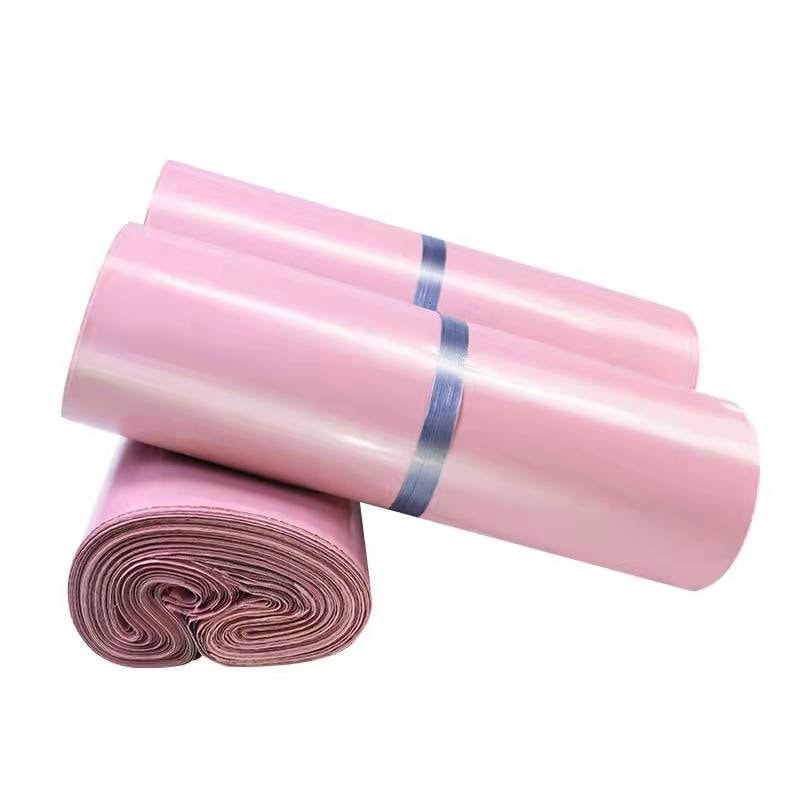
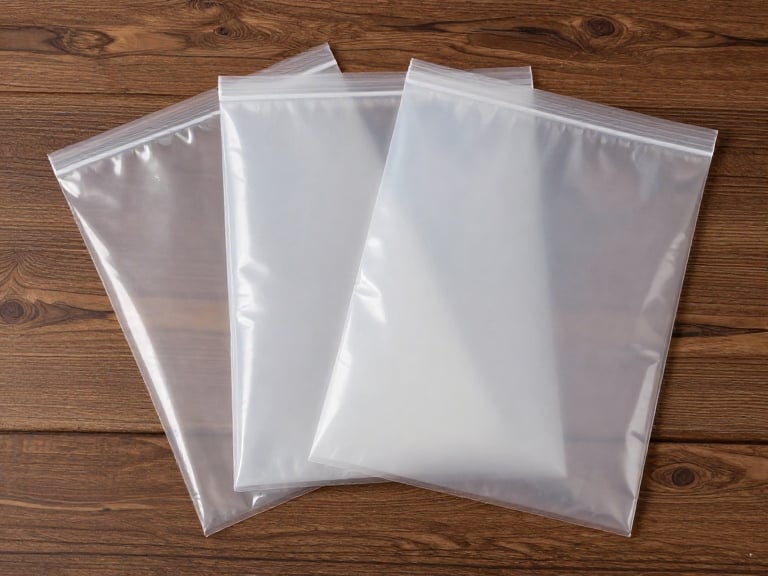
Before calculating your exact usps poly mailers shipping cost, you must understand how the United States Postal Service classifies physical mail. A Poly Mailer is a lightweight, weather-resistant envelope manufactured from extruded polyethylene film. However, the USPS does not care about the material; they care about the physical dimensions and the rigidity of the package.
A common myth is that shipping a t-shirt in a poly mailer qualifies for the ultra-cheap “First-Class Mail Flat / Large Envelope” rate (which costs under $2.00). This is entirely false. To qualify as a “Flat,” a mailpiece must be uniformly thick, flexible, and no more than 3/4 inch thick. Clothing bunches up, creating uneven thickness. Therefore, the USPS strictly classifies e-commerce poly mailers containing apparel or goods as a Package / Thick Envelope. You are subject to standard package rates, which is why Ground Advantage is your primary shipping vehicle in 2026.
How It Works: The Mathematics of Shipping Costs
In most professional situations, your fulfillment software (like ShipStation, Shippo, or Shopify Shipping) negotiates Commercial Pricing rates, which are significantly cheaper than the Retail Pricing you pay walking into a physical post office. The mechanics of the cost rely on a matrix of Weight and Zone.
The Sub-1 Pound Tier
If your poly mailer and its contents weigh less than 16 ounces, USPS Ground Advantage measures cost in 4-ounce increments. A 3-ounce poly mailer costs the exact same as a 4-ounce poly mailer. The geographic distance is measured in Zones. Zone 1 is local (e.g., shipping within your own city), while Zone 8 is cross-country (e.g., New York to California). Shipping a 7-ounce t-shirt to Zone 1 might cost $4.40, while shipping that same poly mailer to Zone 8 will cost closer to $5.20.
The Heavy-Duty Cubic Solution
For heavy-duty applications where you are shipping jeans, hoodies, or heavy textiles exceeding 1 pound, traditional weight-based shipping becomes financially toxic. This is where Soft Pack Cubic Pricing saves your business. USPS calculates soft pack cubic tiers by adding the Length and the Width of the empty poly mailer. For example, if you use a 10×13 inch mailer, your calculation is 10 + 13 = 23 inches. This places you in Cubic Tier 0.2, allowing you to ship up to 20 pounds of soft goods across the country for a flat, highly discounted rate based on the volume, not the dead weight.
The Financial Benefits of Poly Mailer Fulfillment
The core benefit of utilizing polyethylene shipping bags is tare weight elimination. A standard 8x6x4 corrugated cardboard box weighs approximately 5 ounces. A 10×13 poly mailer weighs 0.5 ounces. If you are shipping a 12-ounce sweater in a box, the total weight becomes 17 ounces (over 1 pound), forcing you out of the cheap sub-1 lb Ground Advantage tier and immediately costing you an additional $3.00 to $4.00 per shipment. By packing that same sweater in a poly mailer, the total weight remains 12.5 ounces, keeping you in the highly lucrative 9-12 oz or 13-15.9 oz tier.
Additionally, poly mailers require significantly less warehouse storage space, demand less labor to pack (no folding or taping boxes required), and offer innate waterproof protection against rain left on a customer’s porch.
Limitations and Structural Realities
We believe in commercial and practical judgment. Poly mailers are not a magical solution for every product category. The absolute limitation of a standard poly mailer is its lack of structural rigidity and impact resistance. They offer zero crush protection. If a logistics carrier drops a 50-pound dumbbell on a poly mailer containing a fragile retail box, the retail box will be destroyed.
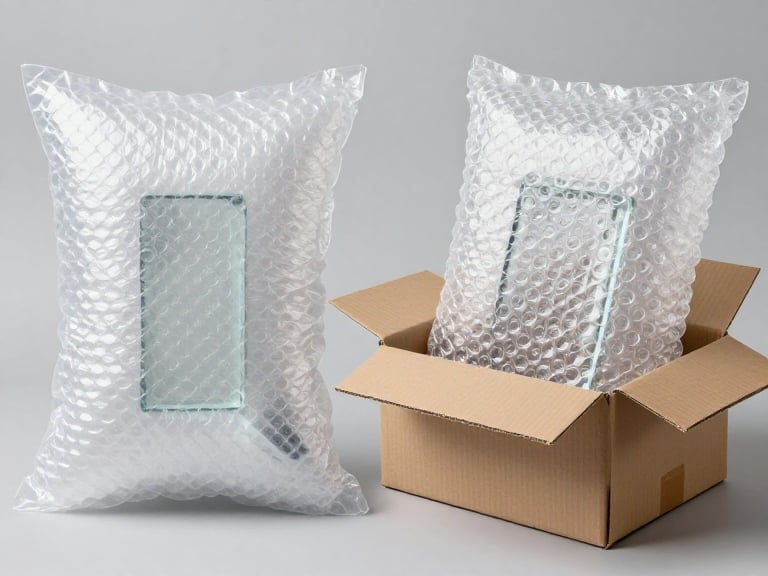
If you must ship fragile items while keeping tare weight low, you must upgrade your internal dunnage. We recommend wrapping items tightly using Bubble Wrap Manufacturers China sourced materials or utilizing advanced Air Column Bags inside the poly mailer. Alternatively, you can explore EPE Foam Sheets to create a shock-absorbent barrier that adds negligible weight.
Who Should Use It & Who Does Not Need It
For commercial users: E-commerce brands selling apparel, textiles, soft goods, plush toys, and non-fragile accessories must migrate entirely to poly mailer fulfillment to optimize their usps poly mailers shipping cost. Subscription box companies dealing in soft goods should also rely heavily on customized printed mailers for brand identity.
For beginners: If you are selling items out of your closet on platforms like Poshmark, eBay, or Depop, keeping a stack of 10×13 poly mailers will drastically improve your profit margins per sale compared to buying retail boxes at the post office.
Who does not need it: Merchants shipping electronics, glassware, framed art, or high-end cosmetics should avoid unpadded poly mailers entirely. For these applications, you must absorb the higher shipping cost and utilize Corrugated Cardboard Rolls or rigid boxes sealed with high-tensile Packing Tape BOPP Tape.
Common Mistakes that Destroy Your Margins
In our testing and auditing of client fulfillment lines, the most egregious mistake is ignoring the expansion dimensions of a poly mailer. If you overstuff a 10×13 bag to the point where it becomes a rigid sphere, USPS automated sorters may reject the cubic dimensions and charge you dimensional weight (DIM weight) penalties. Always use the correctly sized bag for your item; do not force a thick hoodie into a 6×9 mailer.
Another common mistake is failing to secure the self-adhesive strip properly. If dust or textile fibers compromise the adhesive, the bag will pop open in transit. Ensure you are purchasing mailers with heavy-duty, destructive hot-melt adhesive strips that tear the bag before they pull apart.
Buying Considerations for Commercial Packaging
Not all poly mailers are engineered equally. When procuring supplies, you must look at the micron thickness. A 40-micron bag is cheap but highly susceptible to punctures from sharp corners or zippers. For heavy-duty applications, such as shipping denim or hardware inside soft packs, you must demand a 60-micron to 80-micron thickness. Furthermore, ensure the interior film is opaque (usually a co-extruded black or silver inner layer) to prevent logistics workers from seeing the valuable contents inside.
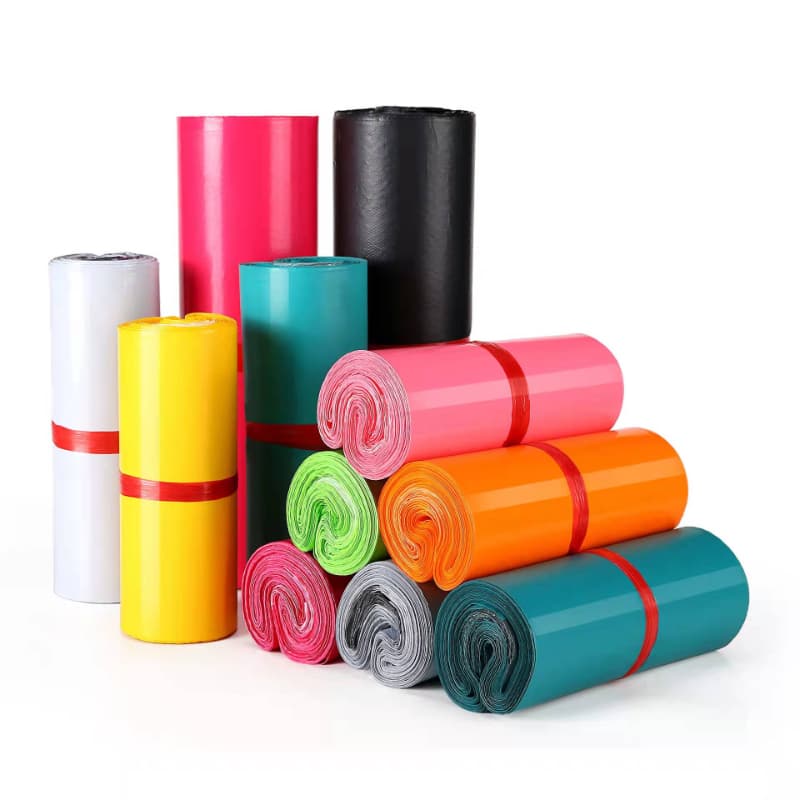
Featured Solution: Mailongpak Premium Poly Mailers
Expert Logistics Recommendation
The Final Verdict on Optimization
Is it actually worth upgrading your fulfillment line to prioritize poly mailers over corrugated boxes? The answer is an uncompromising yes. In most professional situations, the switch to high-quality Poly Mailer Shipping Bags will reduce your outbound shipping costs by 15% to 30% annually simply by manipulating tare weight and qualifying for Soft Pack Cubic tiers.
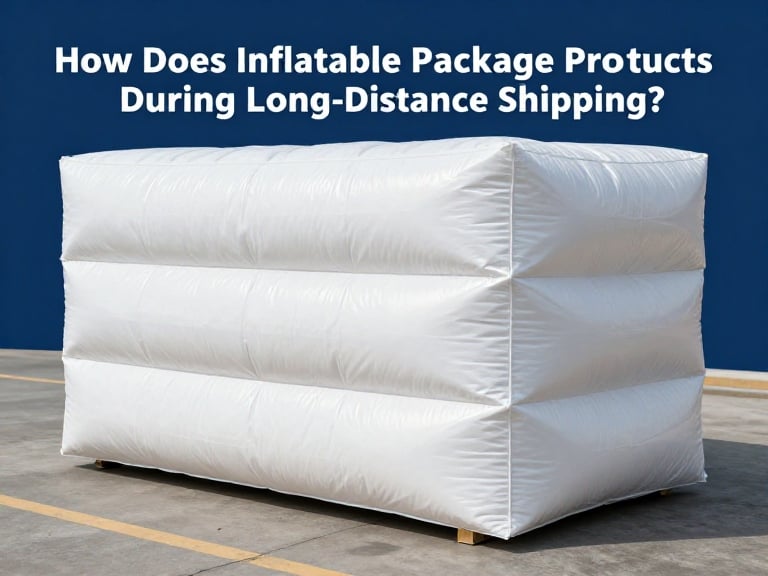
We recommend establishing a packaging hierarchy: use 40-micron bags for standard t-shirts, and 80-micron bags for heavy textiles like denim. If you require impact resistance, do not revert to heavy boxes; instead, utilize Inflatable Air Column Wrap inside the poly mailer. This strategic approach protects your product margins against aggressive, inevitable carrier rate hikes.
Essential Pricing and Comparison Tables
| Weight Tier | Local (Zones 1-2) | Mid-Distance (Zones 3-5) | Cross-Country (Zones 6-8) |
|---|---|---|---|
| 1 oz – 4 oz | $4.25 | $4.45 | $4.85 |
| 5 oz – 8 oz | $4.50 | $4.80 | $5.20 |
| 9 oz – 12 oz | $5.10 | $5.50 | $6.10 |
| 13 oz – 15.99 oz | $6.20 | $6.50 | $6.90 |
| Packaging Type | Tare Weight | Total Package Weight | USPS Classification | Estimated Shipping Cost (Zone 8) |
|---|---|---|---|---|
| 10×13 Poly Mailer | 0.5 oz | 14.5 oz | Ground Advantage (< 1 lb) | $6.90 |
| 10x8x4 Corrugated Box | 6.0 oz | 20.0 oz (1 lb 4 oz) | Ground Advantage (1-2 lbs) | $10.40 |
| Pros (Why it is superior) | Cons (Limitations to respect) |
|---|---|
| Drastic reduction in tare weight lowers shipping tiers. | Zero rigid impact protection for fragile items. |
| Qualifies for highly discounted Soft Pack Cubic pricing. | Thin 40-micron bags can tear on sharp internal edges. |
| Innate waterproofing protects goods from rain on doorsteps. | Irregularly shaped items may look unprofessional upon arrival. |
| Requires less warehouse storage space and faster packing times. | Cannot be processed as a cheap “Flat/Large Envelope” if stuffed. |
| Product Being Shipped | Recommended Mailer Size | Recommended Thickness | Why? |
|---|---|---|---|
| Single T-Shirt or Socks | 6×10 or 9×12 inches | 40 to 50 micron | Lightweight goods do not require heavy puncture resistance. Keeps cost minimal. |
| Denim Jeans or Hoodies | 10.5×16 or 12.5×19 inches | 60 to 80 micron | Heavy textiles place stress on the seams. Thicker plastic prevents blowouts. |
| Books or Media | 8.5×12 inches | 80 micron + Edge Protection | Sharp corners of hardback books will slice through thin polyethylene in transit. |
Frequently Asked Questions (FAQ)
Are poly mailers cheaper to ship than boxes via USPS?
Yes, significantly cheaper. Because poly mailers weigh a fraction of an ounce, they keep your total package weight lower, often preventing your shipment from crossing into a more expensive weight tier. Furthermore, poly mailers over 1 pound qualify for Soft Pack Cubic Pricing, which charges based on the dimensions of the bag rather than its dead weight, resulting in massive savings over standard boxed shipments.
How do I calculate cubic pricing for a poly mailer?
To calculate the cubic tier for a soft pack (poly mailer), simply add the length and the width of the empty mailer in inches. If the total is 21 inches or less (e.g., a 9×12 mailer), it qualifies for Tier 0.1. If the total is greater than 21 inches but less than or equal to 28 inches, it qualifies for Tier 0.2. The mailer must not exceed 3/4 inch in thickness when empty.
Can I put a box inside a poly mailer?
Yes, you can place a small retail box (like a shoebox or jewelry box) inside a poly mailer for weather protection. However, doing so immediately disqualifies the package from Soft Pack Cubic Pricing. Because the package is no longer soft and contouring, the USPS will measure the exact length, width, and height of the rigid box to determine standard dimensional weight or standard cubic pricing.
Authoritative References & Logistics Standards
- United States Postal Service (USPS) Notice 123 – Official postal explorer documentation detailing the precise pricing matrix for Ground Advantage and Soft Pack Cubic tiers.
- ASTM International – Standards for testing the puncture resistance, tear strength, and seal integrity of polyethylene mailing films (ASTM D882).
- Supply Chain Dive – Leading industry journalism providing continuous analysis of carrier rate increases, surcharges, and e-commerce fulfillment optimization strategies.