In the cutthroat landscape of global manufacturing and retail packaging, protecting your product while maintaining an exceptional consumer unboxing experience is no longer optional; it is a strict baseline requirement. Stop wasting massive amounts of capital on exorbitant plastic injection molds when a semi-rigid, compression-molded solution can offer equivalent protection and premium branding at a fraction of the initial investment. Understanding the true Eva foam molding cost in 2026 is critical for procurement managers, product developers, and supply chain executives who refuse to bleed their profit margins on inefficient packaging strategies.
From our experience as industry practitioners, we consistently see brands over-engineer their protective cases or severely under-protect their fragile, high-value electronics. Eva foam compression molding strikes the perfect commercial balance between high-end aesthetics, rugged protection, and economical scaling. In this comprehensive guide, we strip away the manufacturer jargon, break down the exact tooling and unit costs you should expect to pay this year, and provide actionable commercial judgment to help you optimize your next manufacturing run.
Quick Answer: What is the Eva Foam Molding Cost in 2026?
In 2026, the initial mold tooling cost for custom EVA foam compression molding ranges from $500 to $3,000, depending on the dimensions and complexity of the aluminum mold. This is drastically cheaper than hardened steel plastic injection molds. The recurring per-unit production cost typically falls between $1.00 and $5.00. This unit pricing fluctuates based on the density of the foam, the quality of the external laminated fabric (such as ballistic nylon or PU leather), and secondary features like embossed logos, internal mesh pockets, or custom-cut molded trays. If your production volume exceeds 500 units, upgrading to custom EVA molding is absolutely worth buying for premium product protection.
Table of Contents
- What is EVA Foam Molding?
- How the Compression Molding Process Works
- Detailed Cost Breakdown Analysis (2026 Economics)
- Commercial Benefits of Upgrading
- Limitations You Must Consider
- Who Should Use It & Who Does Not Need It
- Common Mistakes in Procurement
- Crucial Buying Considerations
- Essential Comparison and Summary Tables
- Expert Recommendation & Solution Provider
- Frequently Asked Questions (FAQ)
What is EVA Foam Molding?
Ethylene Vinyl Acetate (EVA) is a highly durable, closed-cell copolymer foam known for its exceptional shock absorption, water resistance, and chemical stability. When we discuss EVA foam molding in an industrial and packaging context, we are specifically referring to the thermoforming process of shaping flat sheets of this polymer into complex, three-dimensional geometric structures. These structures most commonly take the form of protective carrying cases, intricate internal tray inserts, athletic padding, or orthopedic support elements.
Unlike standard poured urethanes, such as Flexible PU FOAM which relies on liquid chemical expansion within a closed mold, EVA is pre-manufactured in dense sheets. By utilizing thermo-compression, engineers can create a semi-rigid structure that effectively bridges the gap between soft, collapsible cushioning and rigid, brittle plastic casing. In most professional situations, this material is the undisputed industry standard for creating specialized protective housings for laptops, medical diagnostic devices, drone equipment, and premium hand tools.
How the Compression Molding Process Works
The manufacturing process for molded EVA products relies on precise heat and pressure mechanics. The factory pipeline begins by laminating the raw EVA FOAM sheet with specific exterior and interior fabrics using industrial adhesives. The exterior fabric choice dictates the final aesthetic and abrasion resistance—common choices include 600D polyester, premium PU leather, or highly stretchable spandex. The interior is generally lined with soft velvet or jersey fabric to prevent any micro-abrasions on the enclosed product.
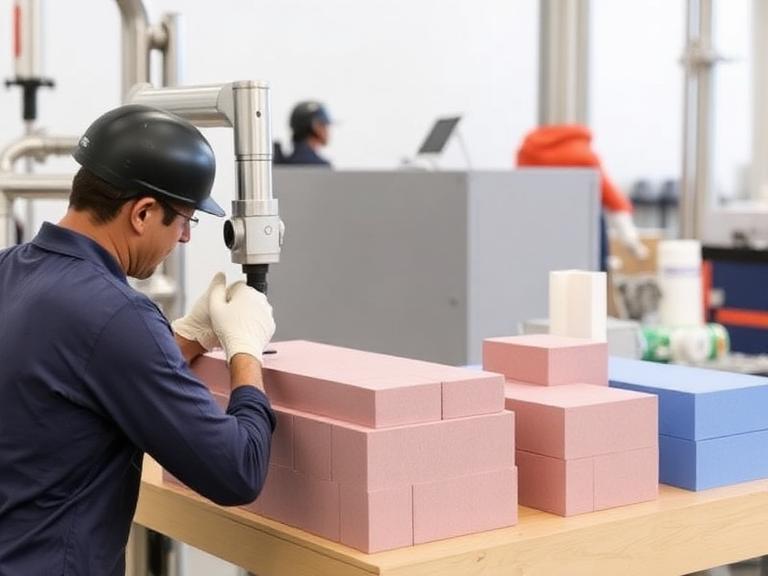
Once the lamination cures, the composite flat sheet is transferred into an industrial convection heating oven. After the material reaches its precise softening point (rendering it pliable without melting), operators rapidly transfer it to a hydraulic press equipped with a custom-machined aluminum mold. The press forces the heated EVA deep into the mold’s cavities under immense pressure. Cold water lines circulating inside the aluminum mold instantly extract the heat, setting the foam permanently into its new shape. Finally, the raw molded shell is die-cut to trim the excess flashing, and secondary hardware—such as heavy-duty zippers, ergonomic handles, or rubberized brand logos—are stitched onto the assembly. In our testing, this rapid heating and cooling cycle allows for incredibly efficient, high-volume production output without compromising the tear strength of the closed-cell foam.
Detailed Cost Breakdown Analysis (2026 Economics)
To accurately determine whether upgrading to a molded EVA solution is financially viable, you must analyze the two distinct cost phases of manufacturing: the fixed CapEx tooling expense and the variable OpEx per-unit cost.
1. The Tooling (Mold) Investment
Unlike plastic injection molding, which requires highly robust, hardened steel tools to withstand massive internal injection pressures, EVA compression molds are exclusively CNC-machined from aluminum blocks. Aluminum is vastly cheaper to source and significantly faster to machine. A simple, single-cavity aluminum mold for a small protective electronics case will cost approximately $500. A highly complex, multi-cavity mold designed for a large equipment case with deep undercuts and intricate topographical logo embossing might approach $3,000. This is a one-time capital expenditure. Once the mold is paid for, it can easily withstand 50,000 to 100,000 production cycles before requiring refurbishment.
2. The Variable Per-Unit Cost
Depending on your specifications, the per-unit price will range from $1.00 to $5.00. This pricing variance is directly influenced by:
- Foam Density and Thickness: Standard consumer cases utilize 4mm to 6mm thick EVA with a 65-degree to 75-degree Shore C hardness rating. Higher density material provides superior crush resistance but increases material costs.
- Lamination Materials: A basic polyester knit exterior is highly economical. Opting for waterproof PU leather, ballistic nylon, or adding an anti-microbial coating will raise the unit price incrementally.
- Secondary Post-Processing: Adding debossed or embossed logos into the mold adds no per-unit cost, but attaching sewn rubber patches, custom zipper pullers, internal elastic mesh pockets, or velcro retention straps requires manual sewing labor, thus increasing the unit price.
The amortization math heavily favors this process. If you spend $2,000 on an aluminum mold and produce 10,000 cases, your amortized tooling cost is a negligible $0.20 per unit. When combined with a $2.50 manufacturing cost, your landed price of $2.70 is vastly superior to the pricing structures of injection molded alternatives.
Commercial Benefits of Upgrading
The operational benefits of adopting molded EVA packaging are substantial. First, the low barrier to entry regarding tooling costs makes it highly accessible for start-ups, mid-sized product launches, and seasonal promotional items. You can achieve a highly customized, branded aesthetic tailored to a specific product without the anxiety of amortizing a $25,000 steel mold over uncertain sales volumes.
Second, the protection-to-weight ratio is fundamentally unmatched. EVA is an incredibly lightweight polymer. Transitioning from heavy blow-molded plastics or wooden crates to EVA significantly reduces global freight and domestic shipping costs. It is inherently shock-absorbent and highly water-resistant, ensuring that delicate optics, medical tools, or fragile consumer electronics survive the brutal realities of modern logistics networks. From a marketing perspective, an embossed, custom-molded EVA case elevates the perceived retail value of your product drastically compared to shipping it in a generic, unbranded cardboard box.
Limitations You Must Consider
Despite its extreme versatility, EVA compression molding possesses distinct engineering limitations. It is not suitable for high-heat environments. Prolonged exposure to ambient temperatures exceeding 160°F (70°C) can cause the thermoformed foam to warp, lose its structural rigidity, or delaminate from its fabric backing. Furthermore, while the aluminum tooling is cheap, the cycle times (the duration it takes to heat, press, and cool the foam) are notably slower than high-speed plastic injection molding, limiting absolute output velocity for mega-scale runs.
Additionally, because the process relies on stretching a heated flat sheet into a three-dimensional cavity, there are strict geometric limitations on the “depth of draw.” You cannot mold an excessively deep, narrow cylinder out of EVA without tearing the material or causing severe wall-thinning at the base of the mold.
Who Should Use It & Who Does Not Need It
For commercial users: If you are manufacturing high-value consumer electronics, specialized power tools, musical instruments, premium sporting goods, or sensitive medical devices, custom EVA molded cases are the absolute gold standard. If your core product commands a retail price over $100 and requires semi-rigid protection during transport and daily use by the end consumer, you should immediately invest in EVA tooling. It provides long-term, reusable storage that inherently drives brand loyalty.
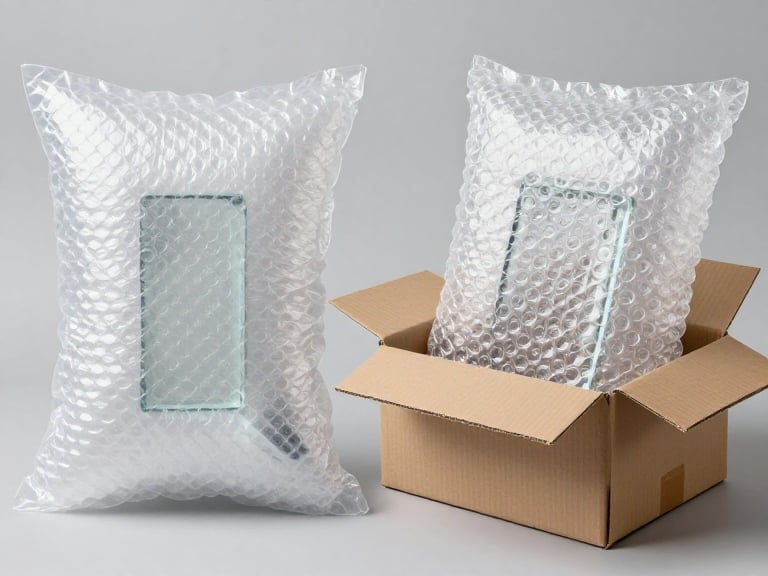
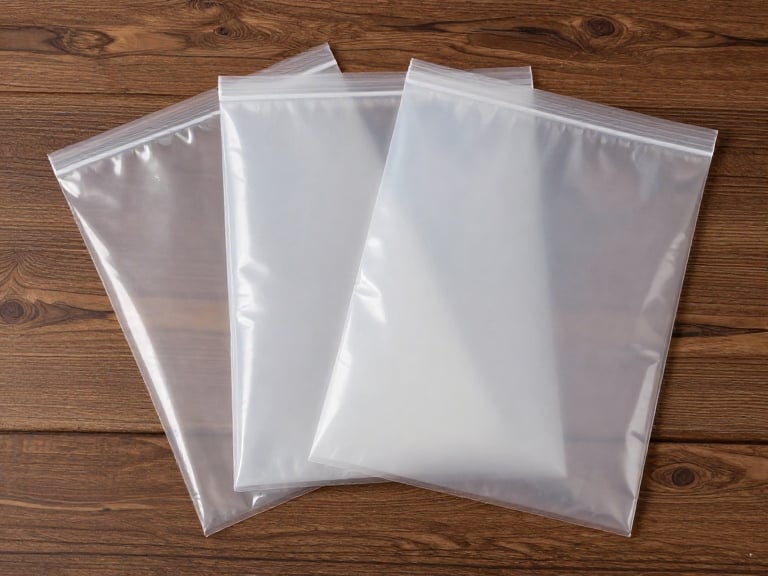
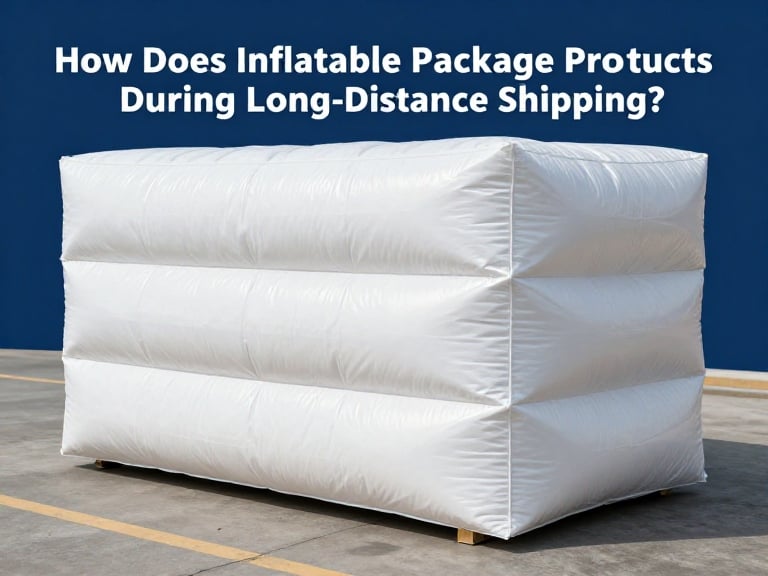
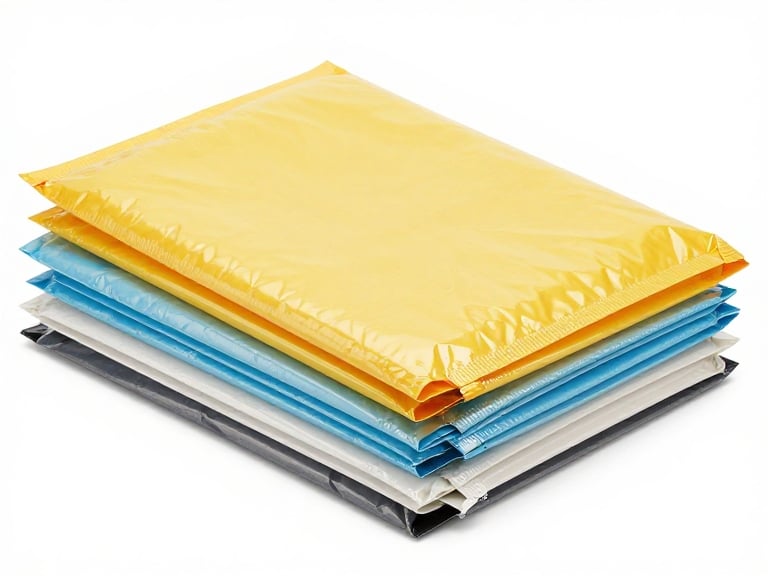
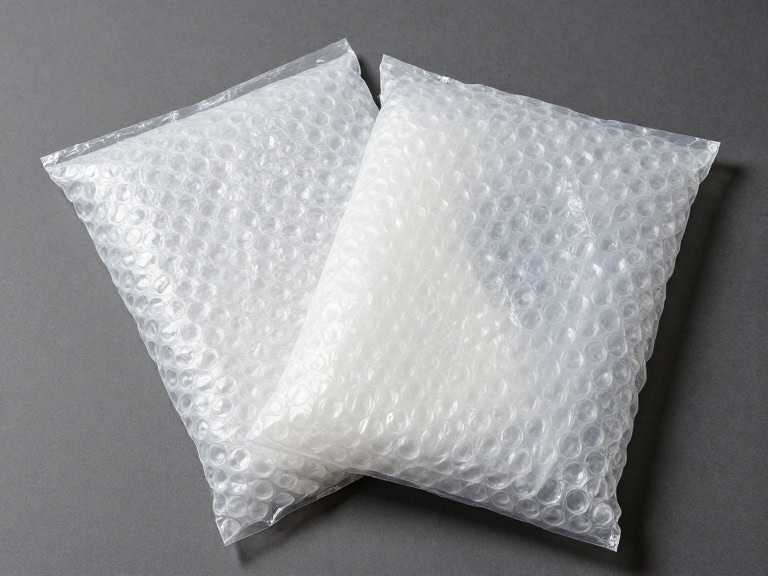
For beginners and low-volume projects: If you are simply testing a market with a low-volume prototype run (under 500 units), paying for a custom mold is a poor allocation of startup capital. Instead, you should rely on standard off-the-shelf corrugated boxes fitted with custom CNC-cut or die-cut EPE Foam Sheets. Likewise, if you are shipping fast-moving consumer goods (FMCG), cheap apparel, or non-fragile items, a custom molded case is gross commercial overkill. You should rely on economical, single-use mailing solutions. A standard Poly Mailer paired with Inflatable Bubble Wrap or heavy-duty Air Column Bags will provide adequate transit protection at a fraction of the unit cost.
Common Mistakes in Procurement
When engaging with overseas suppliers, we consistently see procurement teams make the same critical engineering errors. The most common mistake is designing sharp, 90-degree internal corners in their CAD models. Heated EVA foam cannot stretch into sharp right angles without tearing or thinning dangerously. All case designs must incorporate generous radii and draft angles (typically 3 to 5 degrees) to allow the foam to flow and release from the mold smoothly.
Another frequent error is failing to specify the exact foam density. For heavy-duty applications, such as housing industrial power drills or heavy automotive diagnostic scanners, you must specify a high-density foam (75-degree hardness or above). Relying on a standard 65-degree consumer-grade density will result in the case crushing or deforming under the sheer weight of the tool. Lastly, many buyers neglect to audit their supply chain properly. Working with unverified trading brokers instead of communicating directly with actual Packing Foam Sheets Suppliers or reputable Bubble Wrap Manufacturers China leads to inconsistent material quality, poor stitching, and toxic chemical off-gassing from cheap lamination adhesives.
Crucial Buying Considerations
When vetting a factory for your custom EVA project, prioritize manufacturers that possess in-house aluminum CNC tooling and in-house fabric lamination capabilities. Outsourcing these critical steps adds unnecessary supply chain delays and middleman markups. Always demand physical samples of their previous production work to assess the quality of their zipper stitching, the alignment of the two shell halves, and the crispness of their embossed branding.
Ensure the manufacturer explicitly understands your dimensional tolerance requirements. Unlike precision-machined steel components, thermoformed foam has a natural rebound and shrinkage factor. Tolerances of ±2mm are standard in the EVA industry; do not expect the micron-level precision of CNC machining. Finally, negotiate your financial terms clearly. Standard industry practice dictates paying 100% of the mold tooling cost upfront to initiate cutting, followed by a 30% deposit on the actual production run.
Essential Comparison and Summary Tables
| Cost Category | Estimated Range (USD) | Primary Driving Factors |
|---|---|---|
| Initial Tooling (Mold) Cost | $500 – $3,000 | Mold dimensions, number of cavities, complexity of undercuts, and 3D logo embossing requirements. |
| Per-Unit Production Cost | $1.00 – $5.00 | EVA thickness (4mm-8mm), material density, exterior fabric type, and manual sewing labor for zippers/pockets. |
| Prototyping Lead Time | 7 – 14 Days | Availability of raw fabric colors and CNC machining queue times. |
| Mass Production Lead Time | 20 – 35 Days | Order volume, material procurement, and secondary manual assembly operations. |
| Feature | EVA Compression Molding | Plastic Injection Molding | CNC Routed Foam (Die-Cut) |
|---|---|---|---|
| Tooling Investment | Low ($500 – $3,000) | Very High ($10,000 – $50,000+) | None (Digital file setup only) |
| Unit Cost (at 5,000 qty) | Moderate ($1.50 – $4.00) | Very Low ($0.50 – $1.50) | High ($3.00 – $8.00+) |
| Impact Protection | Excellent (Shock absorbent) | Good (Rigid, but can crack) | Excellent (Highly cushioned) |
| Best Application | Protective retail carrying cases | High-volume hard shells/parts | Low-volume specialized inserts |
| Pros | Cons |
|---|---|
| Extremely low tooling costs compared to injection molding. | Slower manufacturing cycle times per unit. |
| Lightweight material drastically reduces shipping and freight costs. | Not suitable for environments exceeding 160°F (70°C). |
| Highly customizable with various fabrics, colors, and embossed logos. | Cannot achieve sharp 90-degree internal corners or deep narrow draws. |
| Provides superior water resistance and shock absorption. | High manual labor requirement for sewing zippers and internal mesh. |
| Foam Hardness (Shore C) | Characteristics | Ideal Use Cases |
|---|---|---|
| 50 – 60 Degree | Soft, highly flexible, maximum cushioning. | Delicate optics, lenses, lightweight medical instruments. |
| 65 – 70 Degree | Semi-rigid, excellent balance of shape retention and flex. (Industry Standard) | Consumer electronics, laptops, headphones, drone cases. |
| 75 – 80 Degree | Highly rigid, crush-resistant, minimal flex. | Heavy industrial power tools, automotive diagnostic tablets, firearms. |
Expert Recommendation
We recommend transitioning your premium hardware and electronics product lines to custom molded EVA if you are currently relying on generic plastic hard-cases or unbranded cardboard boxes stuffed with loose foam peanuts. The relatively negligible $1,500 tooling investment will yield a sophisticated packaging solution that doubles as a permanent carrying case for your end-user, drastically elevating your brand positioning and reducing transit damage return rates to near zero.
Industry Solution Provider: Mailong Packaging
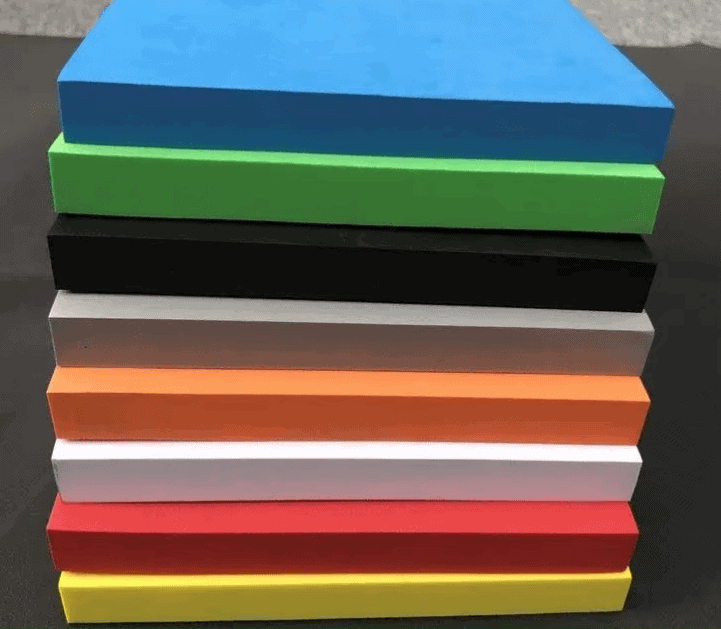
Mailong Packaging Co., Ltd. was established in 2009. It is a reputed manufacturer and exporter of a wide range of world-class quality packaging materials, such as inflatable bubble and pillow film, air column rolls, air column bags, EPE and EVA FOAM, Poly Mailer, Stretch wrap, Bubble mailer, BOPP tape, and Corrugated box, which can prevent products from collision damage, attrition, and static in the process of logistics transportation, and have been exported to the oversea markets more than 30 countries. When searching for reliable Flexible Polyurethane Foam Manufacturers or EVA molding experts, partnering with a seasoned, vertically integrated factory ensures strict quality control and highly predictable unit economics.
Frequently Asked Questions (FAQ)
Yes, significantly. The upfront tooling cost for an aluminum EVA compression mold is roughly 80% to 90% cheaper than cutting a hardened steel mold for plastic injection. However, for massive production volumes (100,000+ units), injection molding offers a lower per-unit cost.
Most reputable manufacturers require an MOQ of 500 to 1,000 units. Because the process requires custom laminating raw fabric to the EVA sheets and setting up the hydraulic presses, producing anything less than 500 units is generally not economically viable for the factory or the buyer.
The EVA foam itself is closed-cell and inherently highly water-resistant. By laminating the exterior with a waterproof PU material and utilizing waterproof, sealed zippers, the final case can achieve excellent water resistance, though it is rarely rated for full, prolonged underwater submersion.
Once your CAD design is approved, CNC machining the aluminum mold and producing the first physical prototype typically takes between 7 and 14 days. Full mass production runs usually require an additional 20 to 30 days after the prototype is approved.
Authoritative References & Industry Standards
To ensure our cost models and material science definitions adhere to the highest global standards, we reference data and guidelines from the following authoritative bodies:
- ASTM International – Standard Test Methods for Flexible Cellular Materials and Sponge/Expanded Rubbers.
- Plastics Industry Association – Economic data on polymer tooling methodologies and manufacturing unit costs.
- Packaging Digest – Industry analysis on commercial protective packaging trends and supply chain logistics.