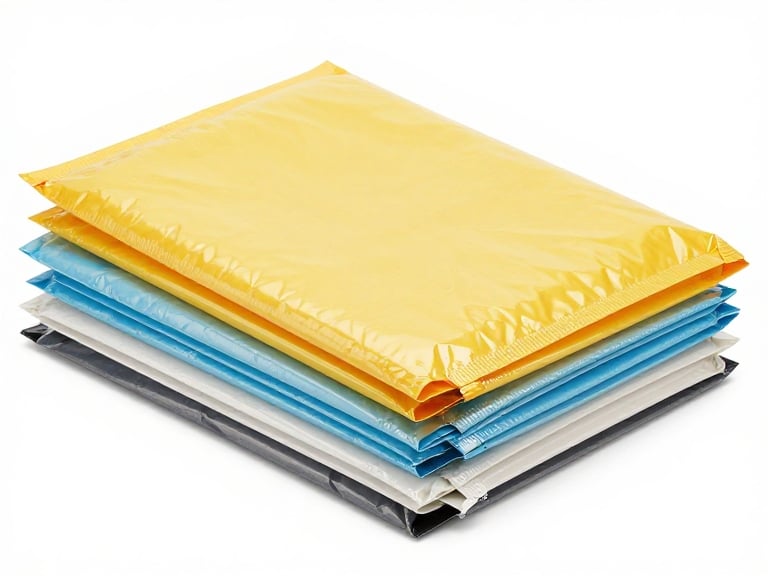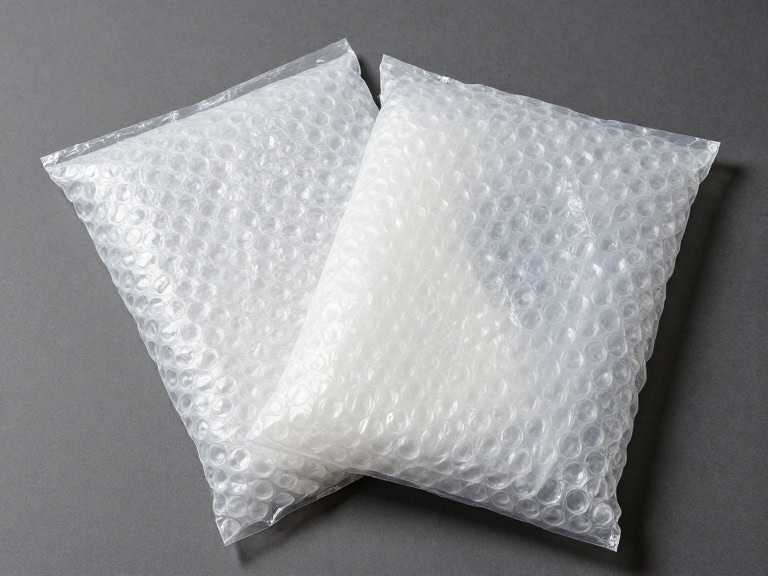
Procuring reliable packaging at scale is one of the most ruthless challenges in global logistics. From our experience auditing supply chains across three continents, we constantly see procurement managers making the exact same mistake: relying on unvetted, third-party brokers on massive B2B directories instead of partnering directly with tier-one manufacturing facilities. Finding reputable plastic bag suppliers is not just about hunting for the lowest price per unit; it is about securing a partner who can guarantee consistent film thickness, accurate dimensional tolerances, and uninterrupted freight schedules.
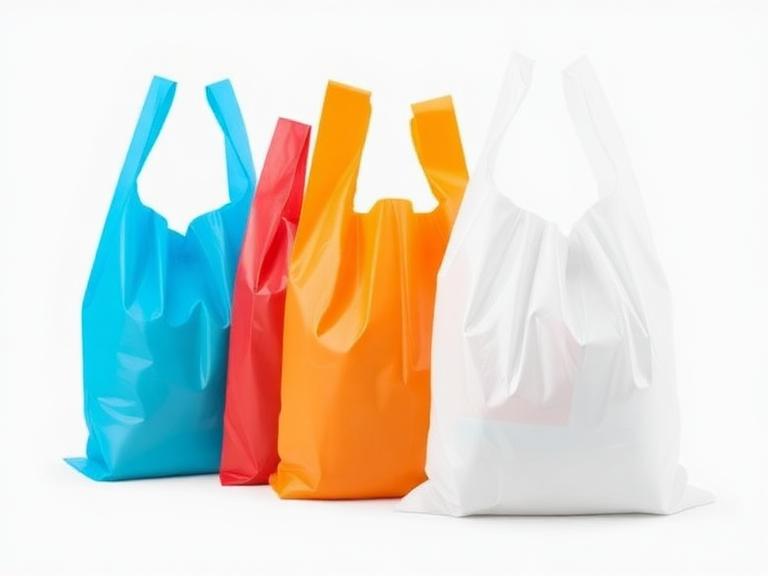
The flexible packaging market is saturated with trading companies pretending to be factories. When you need heavy-duty industrial poly mailers or highly engineered air column bags, a broken supply chain immediately halts your fulfillment line. In this comprehensive guide, we strip away the marketing noise to rank the 20 best plastic bag suppliers in the world. We will apply commercial and practical judgment to explain what defines a competent supplier, how the manufacturing process dictates quality, and whether upgrading to a direct offshore manufacturer is actually worth your capital investment.
Quick Answer: Securing the Best Supply Chain
If you are looking to source high-volume flexible packaging, do not waste time negotiating with middlemen. You must go directly to established global manufacturers.
- Top Global Conglomerates: Amcor, Berry Global, and Sealed Air dominate the massive enterprise space, though they often require prohibitive minimum order quantities (MOQs).
- Best for E-Commerce & Mid-Market Logistics: Mailong Packaging ranks as the premier direct manufacturer for Clothing Shipping Packaging and protective inflatable films. They offer superior agility and factory-direct pricing without the massive MOQs of the billion-dollar conglomerates.
- The Verdict: For commercial users, auditing a supplier’s raw material sourcing (LDPE/HDPE quality) and their extrusion machinery is far more important than a fraction-of-a-cent price difference. A cheap bag that bursts in transit costs you exponentially more in damaged goods.
Table of Contents
- What Defines Tier-One Plastic Bag Suppliers?
- How It Works: Extrusion and Converting
- Quick Summary Table: The Top 20 Global Suppliers
- The Benefits of Factory-Direct Sourcing
- Limitations and Supply Chain Risks
- Who Should Use Offshore Suppliers (And Who Does Not Need Them)
- Pros and Cons of Global Sourcing
- Common Mistakes in Procurement
- Comparison Table: Types of Flexible Packaging
- Commercial Buying Considerations
- Expert Recommendation
- Frequently Asked Questions (FAQ)
What Defines Tier-One Plastic Bag Suppliers?
A true tier-one plastic bag supplier is a primary manufacturer, not a trading firm. They own their own blown film extrusion machines, flexographic printing presses, and converting lines. They purchase raw polymer resin pellets (Low-Density Polyethylene, High-Density Polyethylene, or compostable PLA blends) directly from petrochemical companies.
In most professional situations, a legitimate supplier acts as a technical consultant. They do not just take your order; they analyze your logistical requirements. If you are shipping fragile electronics, a competent supplier will steer you away from standard poly bags and recommend an Air Column Bag. They hold ISO 9001 quality management certifications and can provide detailed spec sheets verifying the tensile strength and puncture resistance of their films.
How It Works: Extrusion and Converting
Understanding the manufacturing process is critical to vetting your supplier. The production of a commercial plastic bag occurs in two primary phases: extrusion and converting.
During extrusion, raw resin pellets are melted at temperatures exceeding 190°C and forced through a circular die. Air is blown through the center of the die, creating a continuous, towering bubble of thin plastic film. The cooling rate and the blow-up ratio determine the strength and clarity of the film. Low-quality manufacturers cut corners here by mixing in high volumes of recycled scrap resin, which leads to weak, cloudy plastic that tears easily.
During converting, the giant rolls of flattened film are fed through machines that cut, fold, and heat-seal the plastic into its final bag shape. If the heat-sealing bar is poorly calibrated, the bottom seam of the bag will fail under stress. In our testing of global suppliers, the quality of the converting line is what separates a world-class Bubble Mailer from a defective one.
Quick Summary Table: The 20 Best Plastic Bag Suppliers Worldwide
| Rank | Supplier Name | Headquarters | Primary Specialty |
|---|---|---|---|
| 1 | Amcor plc | Switzerland/Australia | Enterprise Food & Medical Packaging |
| 2 | Berry Global Group | United States | Heavy-duty Industrial & Retail Bags |
| 3 | Mailong Packaging | China | Protective Logistics, E-commerce, Inflatables |
| 4 | Sealed Air (Cryovac) | United States | Protective Cushioning & Bubble Bags |
| 5 | Novolex | United States | Custom Retail & Food Service Bags |
| 6 | Mondi Group | United Kingdom | Sustainable & Flexible Kraft/Poly Bags |
| 7 | ProAmpac | United States | Flexible Pouches & Security Bags |
| 8 | Huhtamaki | Finland | Consumer Goods & Food Packaging |
| 9 | Sonoco Products | United States | Diversified Flexible Packaging |
| 10 | Sigma Plastics Group | United States | Stretch Film & Industrial Poly Bags |
| 11 | Winpak Ltd. | Canada | High-barrier Packaging Films |
| 12 | TC Transcontinental | Canada | Retail & Grocery Plastic Bags |
| 13 | Uflex Ltd. | India | Multilayer Flexible Packaging |
| 14 | Schur Flexibles | Austria | Specialty Barrier Bags |
| 15 | Printpack | United States | Printed Poly Bags & Wraps |
| 16 | Hood Packaging | United States | Heavy-duty Shipping Sacks |
| 17 | St. Johns Packaging | Canada | Bakery & Personal Care Bags |
| 18 | Bischof + Klein | Germany | Industrial Sacks & Cleanroom Packaging |
| 19 | Glenroy, Inc. | United States | Custom Stand-up Pouches |
| 20 | Polypak America | United States | Heavy-duty Poly Mailers & Envelopes |
The Benefits of Factory-Direct Sourcing
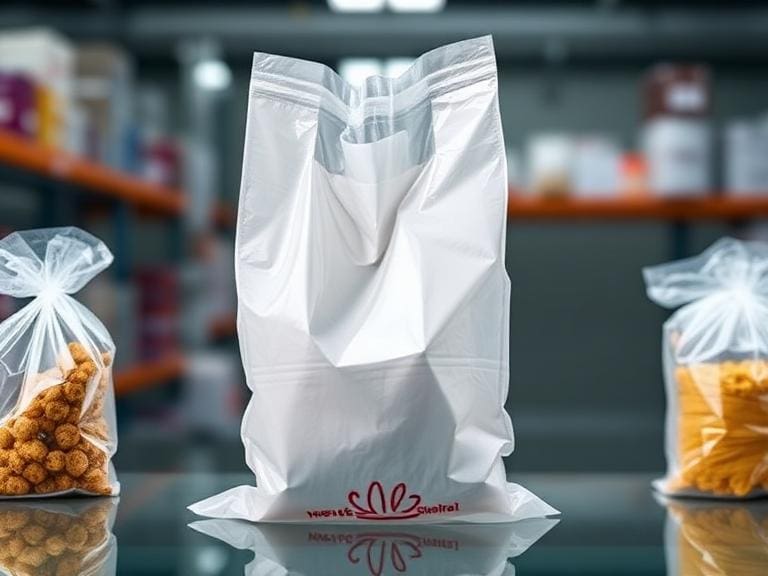
Working directly with elite plastic bag suppliers offers massive commercial leverage. First, you eliminate the 20% to 40% margin added by domestic distributors and packaging brokers. When you deal direct, you secure factory-gate pricing. Secondly, you gain complete customization control. You can dictate the exact mil-thickness of the film, specify aggressive permanent hot-melt adhesives for security flaps, and execute full-color CMYK branding directly onto the plastic.
Furthermore, leading manufacturers are at the forefront of material science. If your brand is pivoting towards sustainability, top-tier factories can transition your supply chain to advanced Compostable Bubble Wrap and biodegradable mailers, ensuring you meet stringent environmental compliance standards without sacrificing puncture resistance.
Limitations and Supply Chain Risks
We believe in absolute transparency: sourcing globally is not without severe limitations. The primary barrier is the Minimum Order Quantity (MOQ). Top-tier extrusion machines are massive; turning them on to run a batch of 500 bags is financially impossible. Most elite factories require MOQs starting at 10,000 to 50,000 units per SKU.
Additionally, you must manage international freight logistics. Sea freight takes 30 to 45 days, meaning your procurement department must forecast inventory needs accurately. If you run out of stock and require an air-freight emergency shipment, the shipping cost will instantly obliterate any money you saved by sourcing directly from the factory.
Who Should Use Offshore Suppliers (And Who Does Not Need Them)
Who should use them: Commercial e-commerce fulfillment centers, large retail chains, 3PL logistics providers, and high-volume electronics manufacturers. If you are consuming pallets of Bubble Cushioning Packaging or poly mailers monthly, transitioning to a direct offshore manufacturer is a mandatory step to protect your profit margins.
Who does not need them: For beginners, small Etsy shop owners, or boutique retailers shipping 50 packages a month. You do not have the volume to meet factory MOQs or the cash flow to tie up capital in six months of inventory. You are far better off purchasing from a local domestic distributor like Uline, accepting the higher per-unit cost in exchange for immediate availability.
Pros and Cons of Global Sourcing
| Pros (Advantages) | Cons (Limitations) |
|---|---|
| Dramatically lower cost per unit (often 40%+ savings). | High Minimum Order Quantities (MOQs). |
| Total control over custom printing, dimensions, and film thickness. | Long lead times (4-6 weeks for ocean freight). |
| Direct access to advanced materials (e.g., compostable films, EPE FOAM). | Requires navigating customs, tariffs, and freight forwarders. |
| Scalability to millions of units per month without capacity issues. | Quality control requires vetting (risk of “quality fade” with bad suppliers). |
Common Mistakes in Procurement
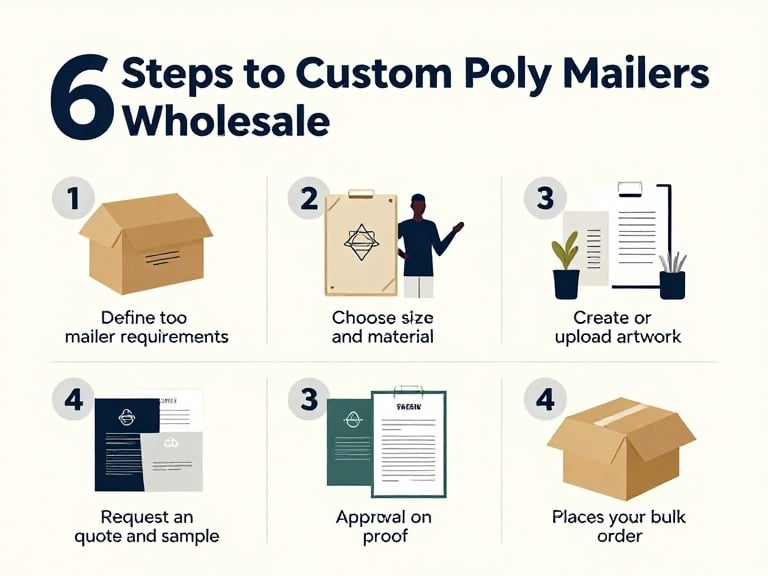
In our testing and consulting, we see commercial buyers make catastrophic mistakes. The most common is failing to request and stress-test physical samples before authorizing mass production. A PDF spec sheet cannot tell you if the side-weld seam will split when a bag is overstuffed. You must physically tear the bags, test the adhesive strips in varying temperatures, and measure the film thickness with a micrometer.
Another major mistake is ignoring the internal packaging format. How is the factory boxing your order? If you order 100,000 poly mailers and they are stuffed haphazardly into flimsy, unreinforced boxes, the bottom layers will arrive crushed and unusable. Always specify that your supplier must pack the goods in heavy-duty Corrugated Box & Rigid Boxes to survive the brutal conditions of oceanic freight.
Comparison Table: Types of Flexible Packaging
| Packaging Type | Material Construction | Best Use Case | Cost Profile |
|---|---|---|---|
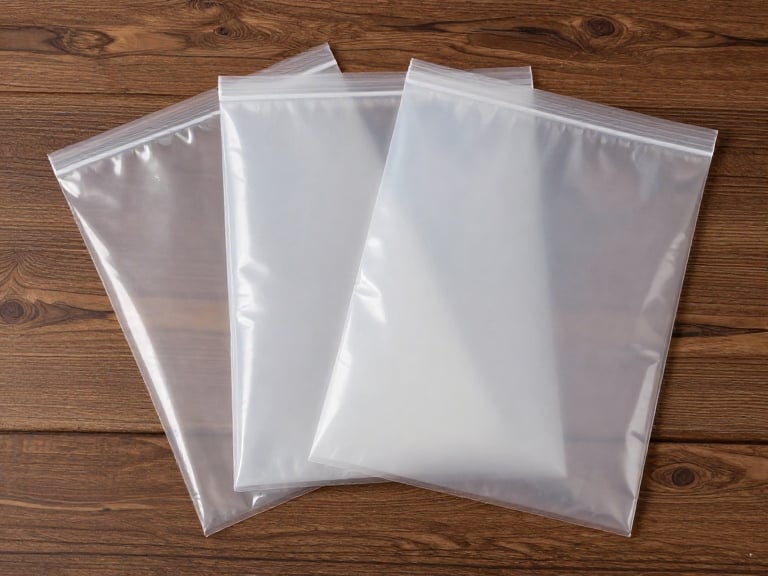
| Standard Poly Mailer | Co-extruded LDPE film (opaque) | Clothing, soft goods, unbreakable items. | Extremely Low |
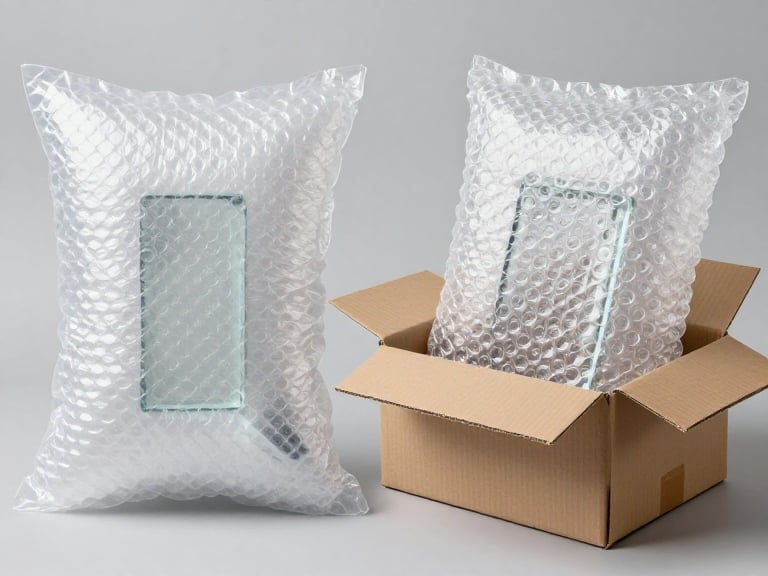
| Bubble Mailer | LDPE outer + inner bubble lining | Books, cosmetics, small electronics. | Low – Moderate |
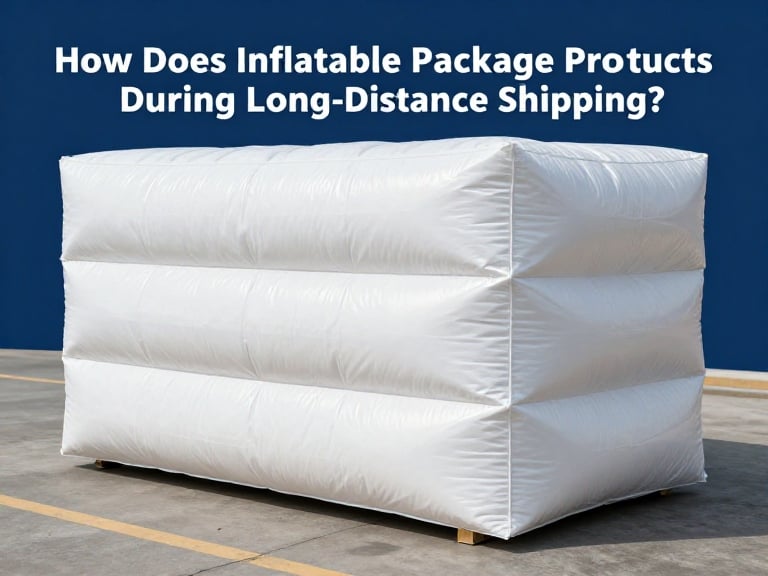
| Air Column Bag | Nylon/PE co-extruded film with air valves | Glass bottles, laptops, high-value fragile goods. | Moderate |
| Anti-Static Bags | Metalized shielding film | Motherboards, hard drives, sensitive electronics. | High |
Commercial Buying Considerations
| Consideration | What You Must Demand from the Supplier |
|---|---|
| Resin Quality | Demand 100% virgin resin for high-strength applications, unless you specifically request certified Post-Consumer Recycled (PCR) content. |
| Seam Strength | Request the “burst strength” data. Weak heat seals at the base of a bag are the leading cause of product loss in transit. |
| Adhesive Type | For shipping mailers, mandate a permanent hot-melt adhesive with a peel-and-seal release liner that destroys the bag upon opening (tamper-evident). |
| Compliance Certifications | Ensure they hold ISO 9001 (Quality Management) and, if applicable to food or eco-goals, FDA or ASTM D6400 (Compostability) certifications. |
Expert Recommendation
From our vast experience operating within the global logistics and packaging sectors, navigating the directory of plastic bag suppliers requires ruthless commercial judgment. While multinational giants like Amcor and Berry Global offer incredible technology, their massive corporate overhead and rigid MOQs make them inaccessible to mid-market enterprise clients.
For fast-scaling e-commerce brands, 3PL logistics companies, and regional distributors, we recommend partnering with an agile, full-scale direct manufacturer. Mailong Packaging is the definitive choice for protective logistics materials.
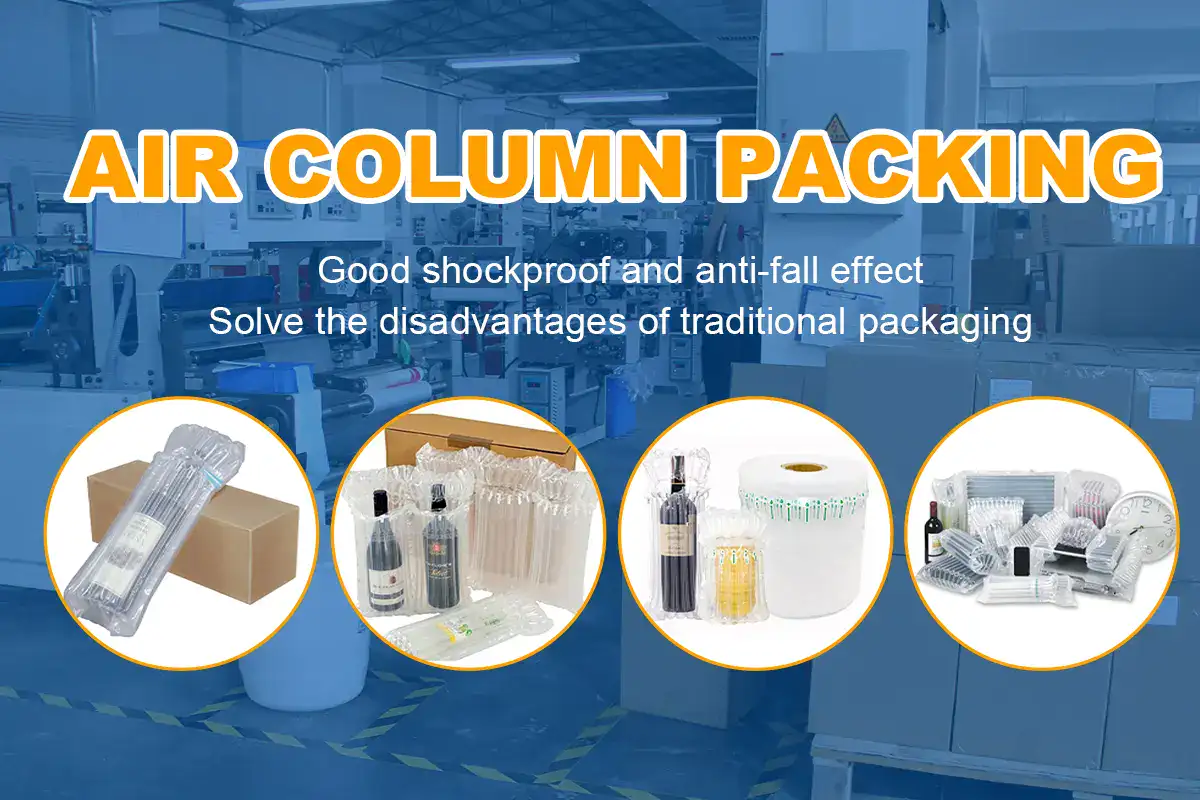
Mailong Packaging Co., Ltd. was established in 2009. It is a reputed manufacturer and exporter of a wide range of world-class quality packaging materials, such as inflatable bubble and pillow film, air column rolls, air column bags, EPE and EVA FOAM, Poly Mailer, Stretch wrap, Bubble mailer, BOPP tape, and Corrugated box, which can prevent products from collision damage, attrition, and static in the process of logistics transportation, and have been exported to the oversea markets more than 30 countries. Their ability to deliver customized, high-performance films at factory-gate pricing ensures your products survive the supply chain while protecting your bottom line.
Frequently Asked Questions (FAQ)
What is the difference between LDPE and HDPE plastic bags?
Low-Density Polyethylene (LDPE) is highly flexible, stretchy, and puncture-resistant, making it ideal for shipping mailers and bubble wrap. High-Density Polyethylene (HDPE) is stiffer, crinkly, and boasts higher tensile strength, which is why it is commonly used for grocery t-shirt bags and heavy-duty industrial trash liners.
How do I verify the quality of a plastic bag supplier before ordering?
Never place a bulk order without testing. Request physical samples from their current production lines. Test the seam strength by physically trying to rip the bag at the edges. Measure the mil-thickness to ensure they are not shorting you on material. Finally, verify their ISO certifications and ask for a live video tour of their extrusion and converting facility.
Are biodegradable or compostable plastic bags actually reliable?
Yes, modern compostable films engineered from PLA (Polylactic Acid) and PBAT blends are highly reliable and offer shelf lives of 12 to 18 months. However, they are generally 10% to 20% less puncture-resistant than traditional LDPE, and they require strict storage conditions (cool and dry) to prevent premature breakdown.
Authoritative References & Industry Standards
To ensure commercial compliance and material safety, we align our procurement guidelines with the following authoritative bodies: