Shipping apparel profitably comes down to fractions of an inch and pennies per ounce. If you are blindly guessing which packaging to use, you are likely hemorrhaging money on dimensional (DIM) weight penalties or replacing inventory damaged by burst seams. From our experience operating at scale, standardizing your shipping operation requires strict adherence to an accurate poly mailers size chart for clothes.
Poly mailers are the undisputed backbone of e-commerce apparel fulfillment. They are lightweight, waterproof, and inherently resist the cubic pricing penalties applied by USPS, UPS, and FedEx. However, shoving a heavy winter hoodie into a mailer designed for a summer t-shirt is a guaranteed way to cause side-seam blowout during transit. In this technical guide, we will break down exactly how to match your inventory to the correct mailer dimensions, ensuring structural integrity and optimizing your shipping costs.
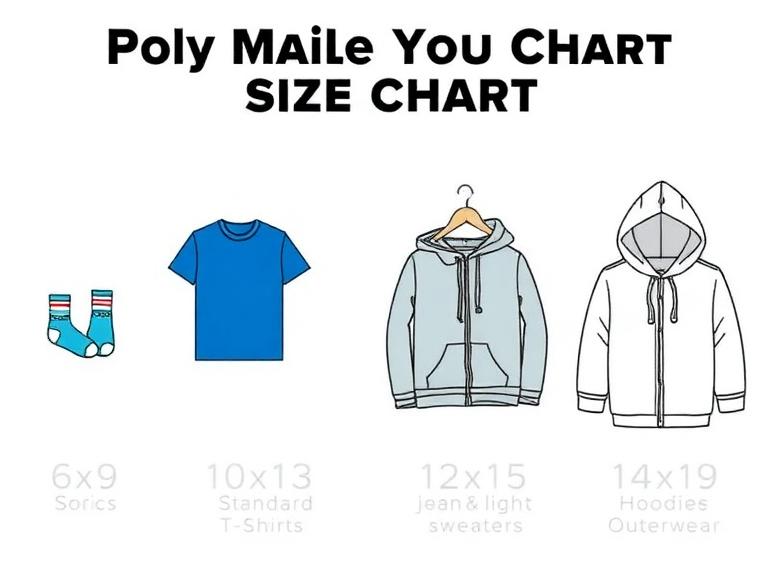
Quick Answer: Which Size Should You Use?
A standardized poly mailers size chart for clothes dictates that you should use a 6×9 inch mailer for socks and accessories, a 10×13 inch mailer for 1-2 standard t-shirts, a 12×15 inch mailer for jeans and light sweaters, and a 14×19 inch mailer for bulky hoodies and outerwear. Always calculate the thickness of the folded garment. If the folded apparel is 2 inches thick, you must add 2 inches to both the width and length requirements of the flat mailer before ordering.
Table of Contents
- What It Is: The Physics of Apparel Packaging
- How It Works: Applying the Poly Mailers Size Chart
- The Commercial Benefits of Right-Sizing
- Limitations: When to Avoid Poly Mailers
- Who Should Use It vs. Who Does Not Need It
- Common Packing Mistakes
- Crucial Buying Considerations
- Essential Data and Sizing Tables
- Expert Recommendation from Mailong Packaging
- Frequently Asked Questions
What It Is: The Physics of Apparel Packaging
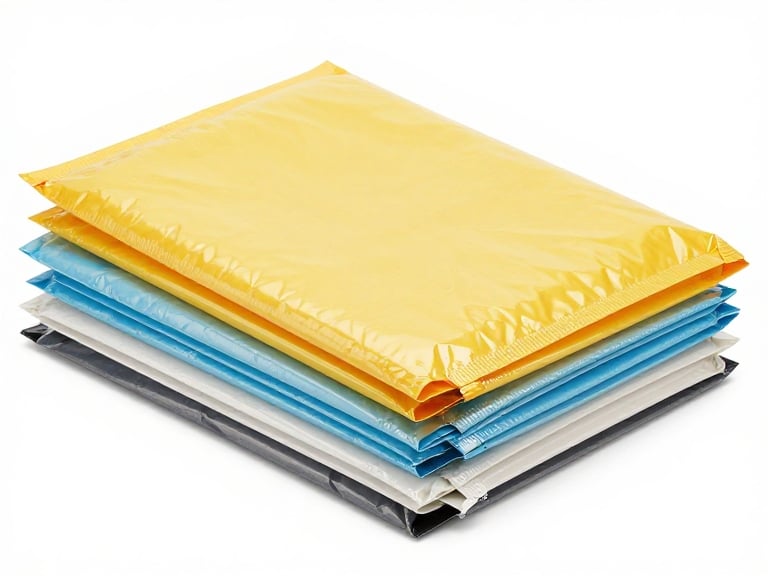
A poly mailer is a co-extruded polyethylene plastic envelope designed specifically for shipping non-fragile goods. Unlike eco-friendly clothing packaging made from paperboard, standard poly mailers stretch and conform to the shape of a garment. They are manufactured by pressing multiple thin layers of polymer film together, typically resulting in a white exterior (for shipping labels) and a silver or black interior (for opacity and security).
In most professional situations, the industry standard thickness is 2.5 mil (thousandths of an inch). This gauge provides the optimal balance between cost and puncture resistance. When using a poly mailers size chart for clothes, you are essentially determining the volumetric capacity of a two-dimensional object (the flat envelope) when forced to accommodate a three-dimensional object (the folded garment).
How It Works: Applying the Poly Mailers Size Chart for Clothes
Understanding how a mailer functions requires basic geometry. A 10×13 inch mailer does not hold a 10×13 inch piece of clothing. As you insert thickness into the envelope, the usable width and length contract. We recommend using the “Thickness Formula” to eliminate guesswork.
- Step 1: Fold your garment exactly as it will be shipped.
- Step 2: Measure the width, length, and height (thickness) of the folded item.
- Step 3: Minimum Mailer Width = Garment Width + Garment Thickness + 1 inch (for clearance).
- Step 4: Minimum Mailer Length = Garment Length + Garment Thickness + 1.5 inches (for flap sealing).
For example, if you have a folded men’s medium hoodie measuring 10″ x 12″ and it is 2″ thick. Your required mailer width is 10 + 2 + 1 = 13 inches. Your required length is 12 + 2 + 1.5 = 15.5 inches. Therefore, a standard 12×15 mailer will burst; you must step up to a 14.5×19 mailer for this specific garment.
The Commercial Benefits of Right-Sizing
Getting your packaging dimensions right is a strict financial exercise. When you follow a professional shipping dimensions for clothes framework, you unlock significant logistical advantages.
First, you eliminate “dead space.” Modern shipping carriers utilize Dimensional (DIM) weight pricing. If you put a single t-shirt into a massive 19×24 inch poly mailer, the automated laser scanners at the FedEx or UPS sorting facility will read the flat, flapping plastic as a larger cubic footprint, drastically increasing your shipping rate. Second, a tight, appropriately sized poly mailer looks premium upon delivery, whereas an oversized, crinkled bag looks amateurish and damages your brand equity.
Limitations: When to Avoid Poly Mailers
Use commercial and practical judgment throughout your fulfillment process. Poly mailers offer zero structural protection against crushing or bending. If you are shipping highly structured apparel—such as tailored blazers with shoulder pads, heavily beaded evening gowns, stiff-brimmed hats, or high-end luxury leather jackets—poly mailers are the wrong tool for the job. In these scenarios, the risk of fabric distortion dictates the use of a corrugated box, despite the higher shipping cost.
Who Should Use It vs. Who Does Not Need It
For beginners, direct-to-consumer (DTC) startup brands, and drop-shippers, mastering the poly mailers size chart for clothes is mandatory. It is the cheapest, most efficient way to move inventory like t-shirts, activewear, swimwear, and casual dresses.
For commercial users operating large 3PL (Third-Party Logistics) warehouses, standardizing on exactly three mailer sizes (e.g., 9×12, 12×15, 14.5×19) speeds up the pick-and-pack process, reducing labor costs and eliminating packer hesitation.
Who does not need it: Luxury retailers selling high-ticket items ($300+ per garment) should avoid poly mailers as their primary exterior packaging. High-end clientele expect a structured unboxing experience involving tissue paper, custom corrugated mailer boxes, and presentation inserts. In these cases, poly mailers are only acceptable as an internal waterproof barrier.
Common Packing Mistakes
In our testing and consulting with e-commerce brands, the most frequent failure point is ignoring the seasonal shift in inventory. A brand will successfully ship summer inventory using 10×13 mailers, then attempt to force thick winter denim and heavy knits into the exact same bags come November. The result? The adhesive flap is stretched to its absolute limit, eventually popping open in a hot delivery truck.
Another massive error is the “Stuff and Tape” method. Packers will use an undersized mailer, fail to close the built-in adhesive flap properly, and wrap the entire package in clear packaging tape. This completely ruins the customer unboxing experience and frequently results in the customer cutting the garment with scissors while trying to open the mummified package.
Crucial Buying Considerations
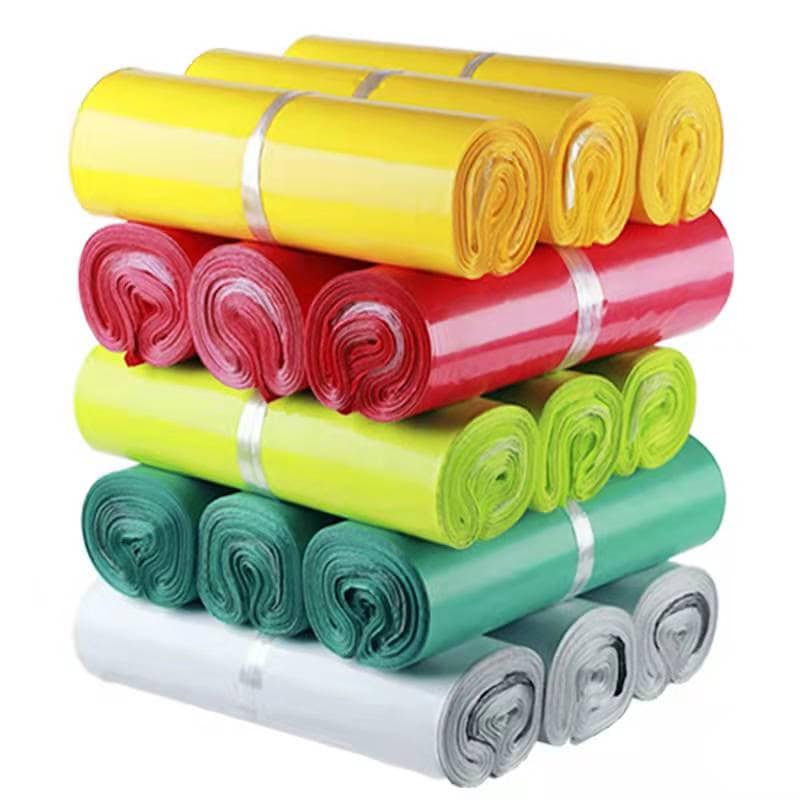
Not all mailers are manufactured to the same standard. When purchasing bulk apparel mailers, scrutinize the mil thickness. Do not buy cheap 1.5 mil mailers; they will tear on sharp zipper edges. Insist on a minimum of 2.5 mil.
Evaluate the adhesive strip. You require a hot-melt synthetic rubber adhesive that bonds instantly and permanently to the polyethylene. If the manufacturer offers a dual-peel strip (allowing the customer to reuse the bag for returns), it is highly recommended, as seamless returns are a major driver of customer retention.
Essential Data and Sizing Tables
| Mailer Dimensions (Inches) | Best Suited Apparel Items | Max Thickness Allowance |
|---|---|---|
| 6 x 9 | Socks, ties, thin leggings, underwear, baby onesies. | 0.5 inches |
| 9 x 12 / 10 x 13 | 1-2 standard t-shirts, light blouses, swimwear. | 1.5 inches |
| 12 x 15 | Jeans, trousers, heavy sweaters, 3-4 t-shirts. | 3.0 inches |
| 14.5 x 19 | Hoodies, lightweight jackets, bulky winter knits. | 4.5 inches |
| 19 x 24 | Heavy coats, multiple bulky items, large blankets. | 6.0+ inches |
| Packaging Type | Water Resistance | Crush Protection | Shipping Cost (DIM Impact) | Best Use Case |
|---|---|---|---|---|
| Poly Mailers | Excellent (100% Waterproof) | None | Lowest (Conforms to garment) | Casual wear, t-shirts, durable goods. |
| Kraft Paper Mailers | Poor | Low | Low | Eco-conscious brands shipping thin apparel. |
| Corrugated Boxes | Moderate | Excellent | High (Fixed cubic volume) | Luxury goods, structured hats, fragile garments. |
| Pros (Advantages) | Cons (Disadvantages) |
|---|---|
| Drastically lowers postage costs by minimizing dead space. | Offers zero structural protection for delicate items. |
| Self-sealing adhesive speeds up warehouse packing times. | Traditional PE plastics are not biodegradable. |
| Highly durable and tear-resistant against transit friction. | Aesthetically less premium than rigid box unboxing. |
| Waterproof barrier protects garments from weather events. | Oversized mailers can trigger automated sorting penalties. |
| Mil Rating | Durability Level | Professional Recommendation |
|---|---|---|
| 1.5 Mil – 2.0 Mil | Low | Avoid. Highly susceptible to tearing from zippers or sorting belts. |
| 2.5 Mil | Standard / Commercial | The industry standard. Perfect for 90% of all apparel shipments. |
| 3.0 Mil+ | Heavy-Duty | For heavy-duty applications like shipping boots or jackets with sharp hardware. |
Expert Recommendation
In most professional situations, standardizing your fulfillment operation with a reliable supplier is more critical than saving half a cent on a generic, unbranded mailer. We recommend sourcing high-density, 100% opaque mailers that feature robust side-weld seams capable of withstanding automated logistics handling.
Mailong Packaging is a leading manufacturer specializing in apparel protection. If you need to upgrade your fulfillment line with custom printed poly mailers that actually adhere to stringent thickness and adhesive standards, their dedicated clothing solutions are engineered for rapid deployment.
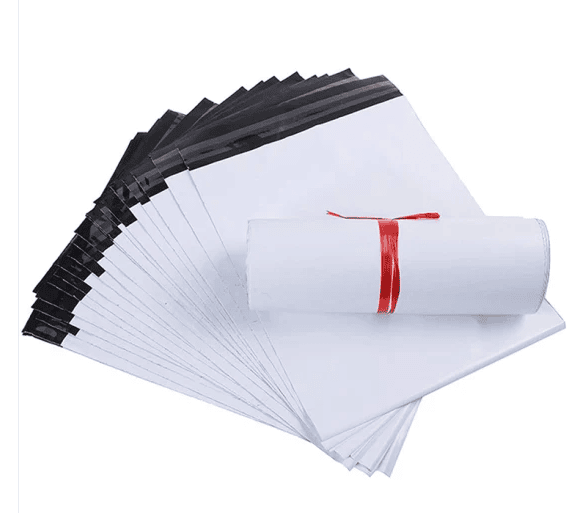
Clothing Shipping Packaging Solution | Protective Apparel Packaging Manufacture
Designed specifically to protect apparel during transit, eliminating tear-outs and water damage.
- Application: Clothing Shipping & Apparel Logistics
- Material: Custom Heavy-Duty Co-extruded Material
- Size/Thickness: Custom sizing based on your apparel catalog
- Minimum Order (MOQ): 100 Pieces
- Production Time: 3-7 Days (FOB Port: Shenzhen)
- HS Code: 3923210000
Frequently Asked Questions
Authoritative References & Logistics Standards
To further refine your shipping logistics, consult these authoritative industry resources regarding packaging compliance and polyethylene standards:
- United States Postal Service (USPS) Postal Explorer – Official guidelines on Commercial Cubic Pricing and dimensional weight regulations for soft-pack mailers.
- ASTM International (Standard D4397) – Technical specifications and standard protocols for polyethylene sheeting, film, and flexible packaging material durability.
- SupplyChainBrain – Executive insights and logistical case studies regarding fulfillment optimization and the reduction of packaging waste in e-commerce apparel.