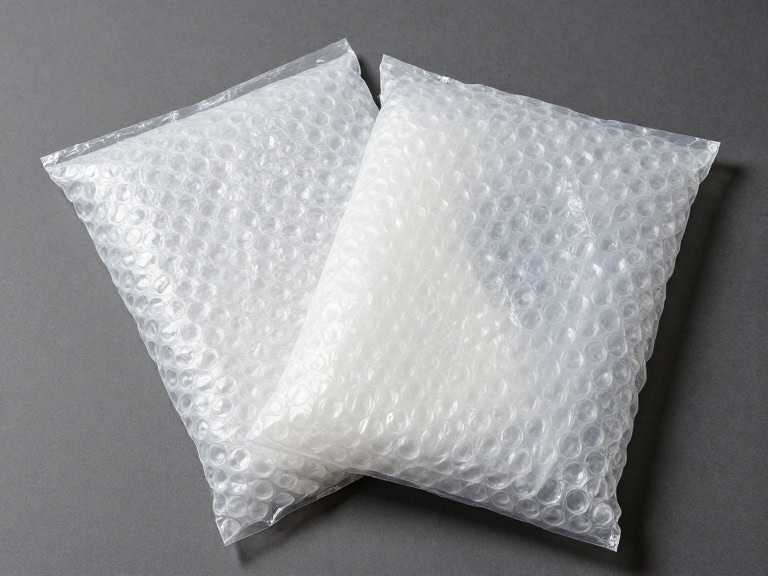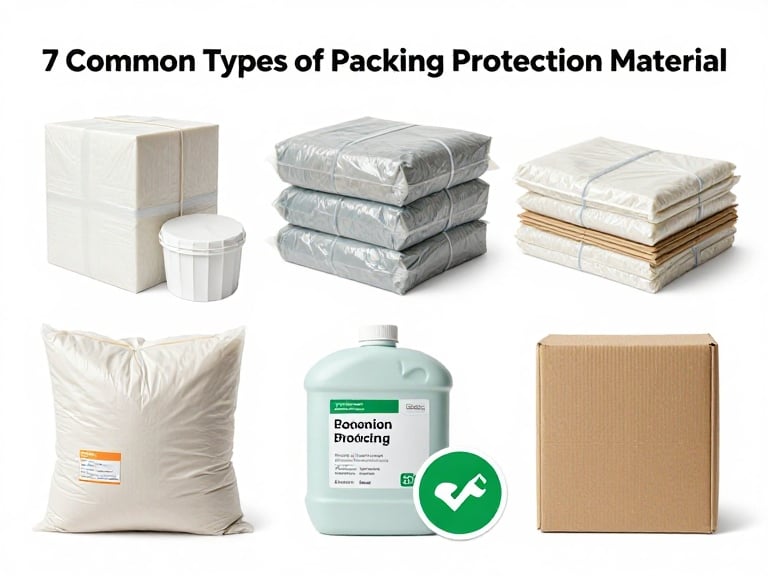
Exporting physical goods across international borders is an exercise in extreme logistics. Your products will face dynamic sea swells, unpressurized air cargo holds, forklift drops, massive stacking pressure, and severe humidity fluctuations. In this hostile environment, your packaging is not merely a box; it is the absolute final line of defense for your profit margins. Yet, we routinely see commercial exporters spending millions on product development only to trust their international transit to the cheapest generic packaging they can find on a B2B marketplace. This is a catastrophic operational error.
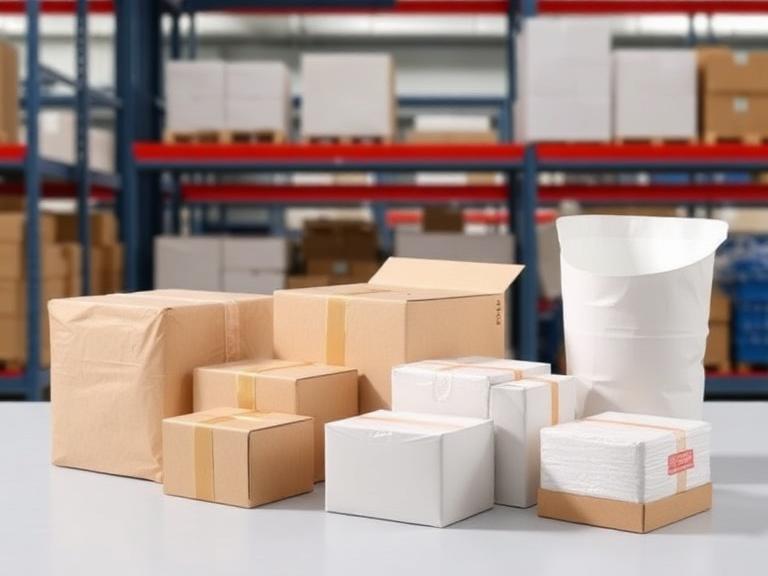
From our experience auditing broken supply chains, the root cause of damaged export goods, rejected customs clearances, and horrific dimensional weight freight charges almost always points back to a substandard packaging supplier. You cannot afford to work with middlemen or unverified brokers. You require a direct partnership with a facility that engineers protective solutions. In this comprehensive guide, we strip away the marketing noise to explain exactly how to identify, vet, and partner with a Reliable Packaging Material Manufacturer. We will provide you with the commercial and practical judgment needed to safeguard your exports and optimize your freight expenditures.
Quick Answer: What Defines a Reliable Partner?
A Reliable Packaging Material Manufacturer for export orders is a direct-to-factory partner that controls its own production lines, strictly adheres to international quality standards (like ISO certifications), and offers comprehensive transit solutions. Rather than just selling boxes, they provide engineered materials—such as heavy-duty air column systems, EPE foams, and high-tensile stretch films—that are specifically designed to withstand the physical abuse of transoceanic shipping. They guarantee consistent batch quality, precise micrometer thicknesses, and scalable lead times, ensuring your goods arrive intact without inflating your dimensional weight costs.
Table of Contents
- What It Is: The Anatomy of an Export Manufacturer
- How It Works: Procurement and Quality Control
- Quick Summary: Evaluation Criteria
- The Commercial Benefits of a Direct Partnership
- Limitations and Mechanical Realities
- Pros and Cons of Factory Direct Sourcing
- Who Should Use It vs. Who Does Not Need It
- Comparison: Direct Manufacturer vs. Broker
- Common Mistakes Exporters Make
- Buying Considerations and Transit Testing
- Expert Recommendation from Mailong Packaging
- Frequently Asked Questions (FAQ)
What It Is: The Anatomy of an Export Manufacturer
To understand what makes a manufacturer reliable, you must first understand what they are not. A Reliable Packaging Material Manufacturer is not a trading company that buys end-of-run lots from random factories and resells them. A true manufacturer owns the extrusion machines that blow the film. They own the die-cutting presses. They operate dedicated quality assurance laboratories on-site.
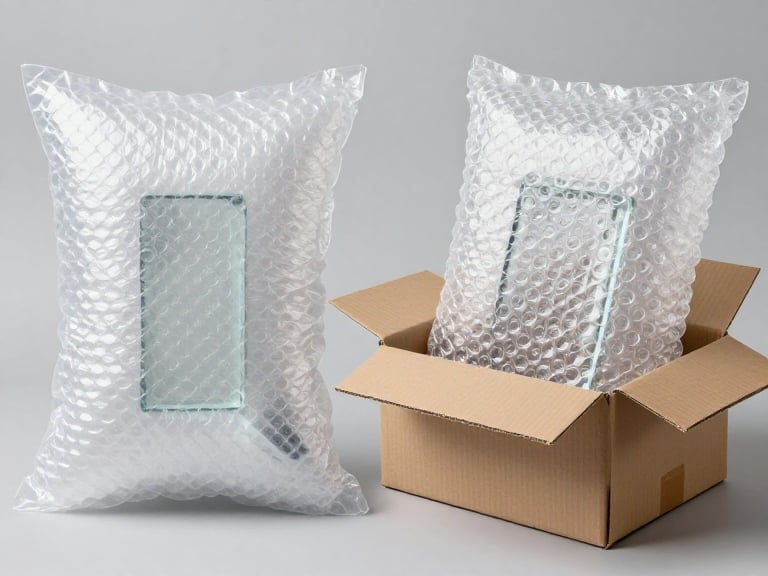
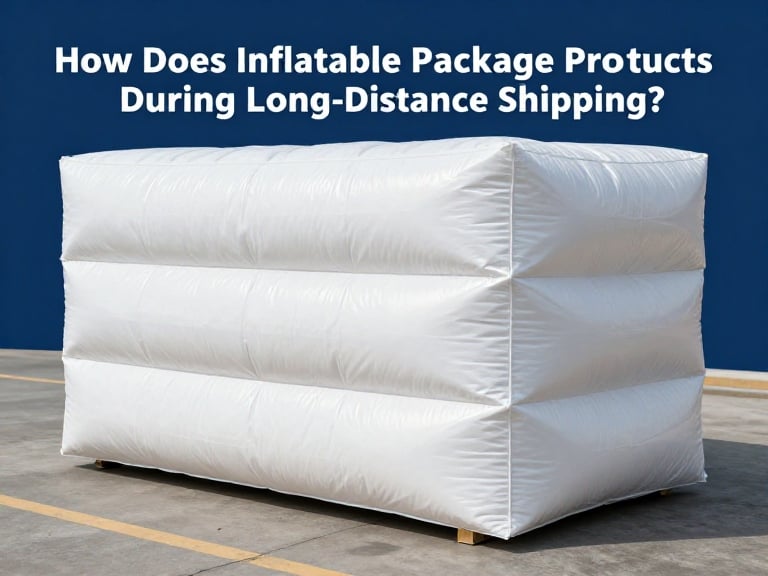
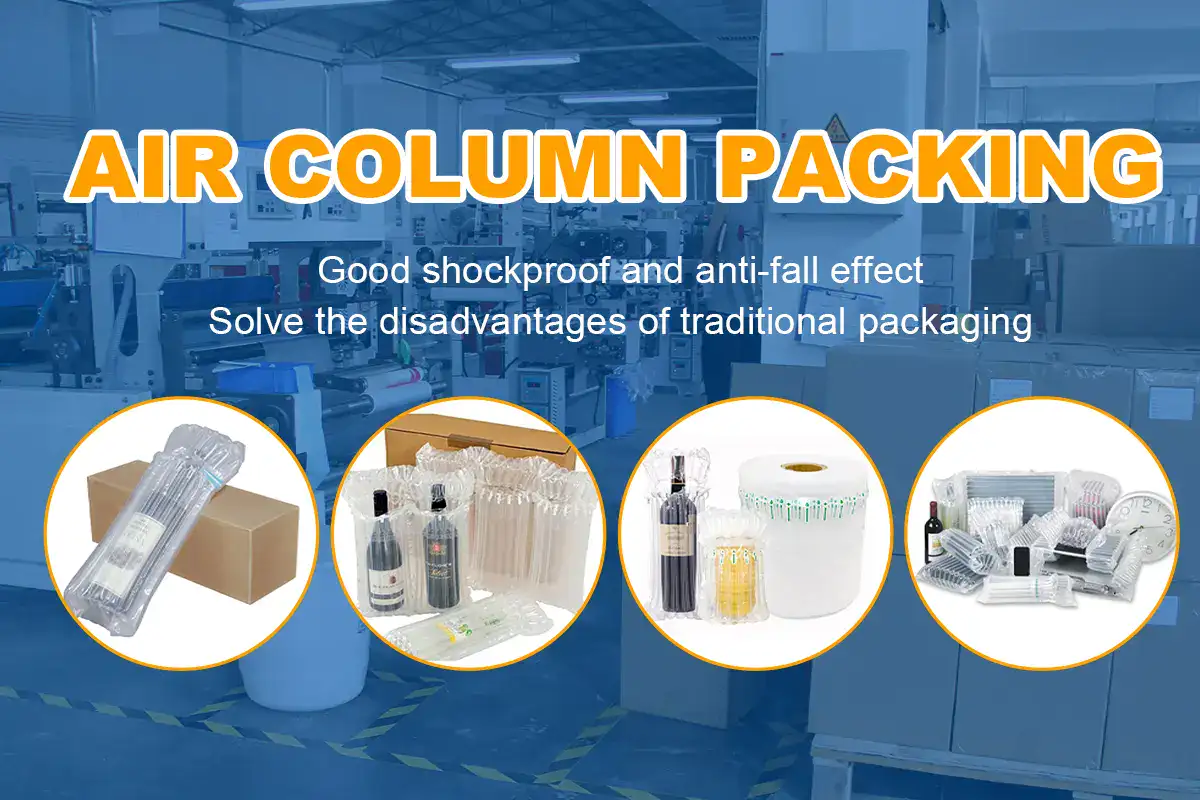
When you are preparing an export order, the packaging materials must conform to strict international transit regulations. For example, if you are shipping precision automotive components, a generic bubble roll will pop under the atmospheric pressure changes of air freight. A specialized manufacturer will instead engineer an Air Column Bag made from co-extruded PE and Nylon. This creates a multi-layered barrier that locks air in for months, maintaining structural rigidity across continents. The distinction lies in engineering versus mere trading.
How It Works: Procurement and Quality Control
In most professional situations, the workflow with a tier-one manufacturer begins with a packaging audit. You provide them with your product dimensions, weight, fragility index, and the expected transit route (sea freight vs. air freight). Their engineering team then proposes a multi-layered solution.
For a heavy, sensitive electronics export, the outer layer might require double-wall Corrugated Box & Rigid Boxes to withstand pallet stacking weight. The internal void fill might utilize a customized Air Column Wrap to absorb shock, while the entire pallet is secured with high-micron Pallet Film to prevent lateral shifting inside the shipping container. Once the prototype is approved, the manufacturer locks in the material specifications, ensuring that batch 100 is identical in tensile strength to batch 1.
| Evaluation Metric | Substandard Supplier | Reliable Packaging Material Manufacturer |
|---|---|---|
| Production Control | Outsources to lowest bidder | Owns equipment and production lines |
| Material Consistency | Varies wildly per batch | Strictly controlled micrometer tolerances |
| Export Expertise | Sells domestic-grade materials | Understands container rain, stacking crush, and dim-weight |
| Compliance | No documentation | Provides ISO, SGS, and environmental compliance certs |
The Commercial Benefits of a Direct Partnership
The financial impact of aligning with a premier manufacturer is immediate. The most significant benefit is the reduction of Dimensional (DIM) Weight shipping charges. Air and ocean carriers charge based on the volume a package occupies, not just its physical weight. Amateurs use massive foam blocks that inflate shipping costs. A professional manufacturer will transition you to high-performance Air Pillow Film, which provides superior shock absorption using a fraction of the cubic volume, saving thousands of dollars per freight invoice.
Furthermore, regulatory compliance is no longer an afterthought. The European Union, for example, is aggressively enforcing extended producer responsibility and plastic taxation. By partnering with a progressive factory, you gain access to Compostable Bubble Wrap and sustainable alternatives that allow your exports to clear strict customs audits without punitive tariffs or outright rejection.
Limitations and Mechanical Realities
We must exercise commercial and practical judgment here: working directly with a top-tier factory has trade-offs. The primary limitation is Minimum Order Quantity (MOQ). A factory cannot halt a massive extrusion line to run 50 custom-printed boxes for you. You must have the capital and warehousing space to absorb minimum runs, which often start at several thousand units for customized die-cuts.
Additionally, lead times require rigorous forecasting. Unlike buying off-the-shelf from a local distributor tomorrow, scheduling a custom run of EPE FOAM inserts requires production queuing. You must plan your packaging procurement 30 to 45 days ahead of your export ship date.
| Advantages (Pros) | Disadvantages (Cons) |
|---|---|
| Eliminates broker markups, lowering unit costs. | Higher Minimum Order Quantities (MOQs). |
| Guaranteed consistency in material thickness and strength. | Longer lead times due to custom production scheduling. |
| Access to custom engineering and transit testing. | Requires upfront capital for tooling and bulk orders. |
| Direct accountability for quality control failures. | Communication barriers if not experienced in international B2B trade. |
Who Should Use It vs. Who Does Not Need It
For commercial users and heavy-duty exporters: If you are shipping pallets of high-value electronics, fragile cosmetics, automotive parts, or industrial machinery across oceans, you absolutely must contract a Reliable Packaging Material Manufacturer. The kinetic energy generated during transoceanic shipping will destroy domestic-grade packaging. You require engineered solutions to survive the journey.
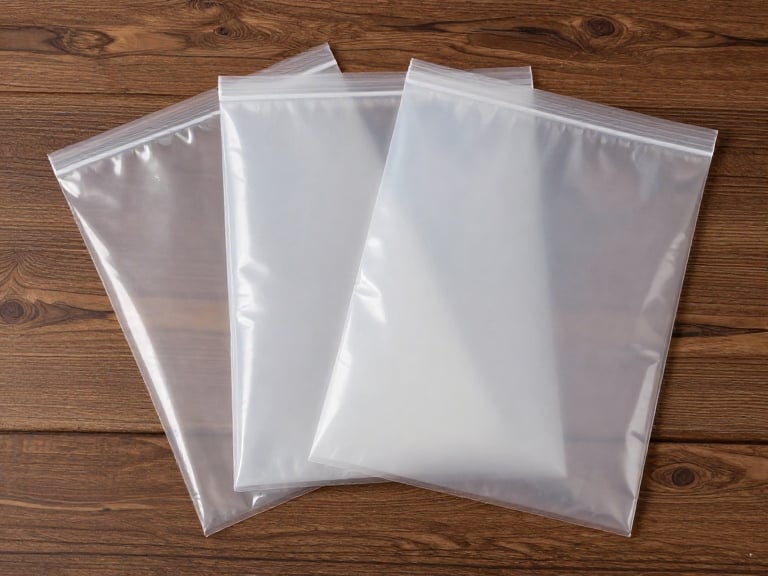
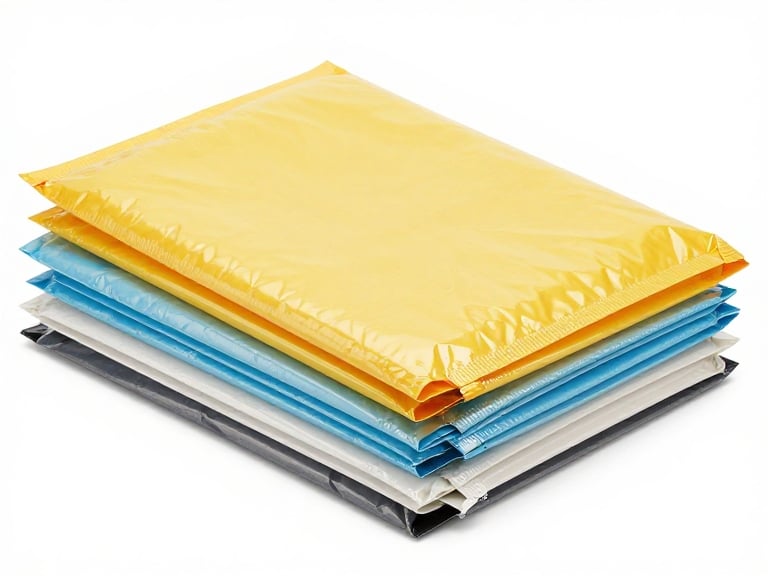
Who does not need it: If you run a small domestic e-commerce store shipping t-shirts to the next state over, you do not need to contract a heavy-duty factory. Purchasing a few hundred standard Poly Mailer bags from a local retail distributor is entirely sufficient for your low-risk, short-transit needs.
| Feature | Direct Factory Manufacturer | Trading Company / Broker |
|---|---|---|
| Pricing Structure | Base factory cost (Highest margins for you) | Factory cost + Broker margin (20-40% markup) |
| Quality Accountability | Directly controls the extrusion and cutting process | Blames the anonymous factory when batches fail |
| Customization Capability | Can alter material blends and polymer ratios | Limited to whatever is available in the current market |
Common Mistakes Exporters Make
The most devastating mistake we see is buyers negotiating purely on the unit price without verifying the material specifications. A broker will gladly quote you a cheaper price for bubble wrap, but they achieve that price by reducing the nylon content or thinning the micron gauge. When that cheap wrap enters the cargo hold of an airplane, the atmospheric pressure drops, the cheap plastic ruptures, and your goods arrive shattered.
Another frequent error is over-packing with the wrong materials. Shippers will stuff a box full of heavy, rigid foam hoping it protects the item. Instead, that rigid foam transmits vibration directly into the product. A professional manufacturer will advise transitioning to engineered suspension packaging or calibrated void fills, dramatically reducing both weight and vibration transmission.
Buying Considerations and Transit Testing
When selecting your partner, demand transparency. A Reliable Packaging Material Manufacturer will welcome an audit of their facility. Ask for physical samples before committing to a bulk order, and subject those samples to real-world stress. Perform drop tests, edge crush tests, and simulated vibration tests. Ensure their adhesives—particularly on critical closures like poly mailers or cartons—can withstand massive temperature swings without delaminating in a hot shipping container.
| Vetting Criteria | What to Demand from the Supplier | Why It Protects Your Export Order |
|---|---|---|
| Material Specifications | Exact micron thickness, polymer blend ratios, and load capacities. | Prevents the supplier from secretly thinning the material on future orders. |
| Production Capacity | Verified daily output limits and machine inventory. | Ensures they can meet your volume without subcontracting to inferior factories. |
| Quality Certifications | ISO 9001, SGS Testing Reports, RoHS Compliance. | Validates their internal quality control and ensures materials clear strict international customs. |
| Sample Provision | Production-grade physical samples for drop testing. | Allows you to perform independent transit validation before risking a container load of product. |
Expert Recommendation from Mailong Packaging
In most professional situations, the risk of a ruined export container vastly outweighs the pennies saved by using unverified brokers. We recommend that all serious exporters consolidate their protective material procurement with an established, globally recognized factory.
Mailong Packaging Co., Ltd. was established in 2009. It is a reputed manufacturer and exporter of a wide range of world-class quality packaging materials. We do not act as middlemen; we engineer the solutions that protect your profits. Our extensive catalog—including inflatable bubble and pillow film, air column rolls, EPE and EVA FOAM, Poly Mailers, and heavy-duty Corrugated boxes—is specifically designed to prevent collision damage, attrition, and static during brutal logistics transportation. Having successfully exported to over 30 countries, Mailong possesses the exact technical expertise and rigorous quality control required to be your definitive Reliable Packaging Material Manufacturer. Do not leave your export success to chance; partner with a facility that builds resilience into every roll.
Frequently Asked Questions (FAQ)
Authoritative Industry References
To ensure your export packaging meets global standards, we rely on the guidelines provided by the following authoritative organizations:
- International Safe Transit Association (ISTA) – The global leader in developing performance tests for packaging designed to withstand the hazards of global distribution.
- International Organization for Standardization (ISO) – Developers of international quality management standards (ISO 9001) critical for verifying manufacturing reliability.
- World Customs Organization (WCO) – Providing global guidelines on acceptable packaging materials, fumigation requirements, and international trade compliance.