Quick Answer: Which Corner Protectors Should You Choose?
For most shipping suppliers, the choice comes down to three factors: product weight, shipment volume, and budget. For heavy items like furniture or machinery, we recommend high-density EPE or PVC corner protectors. For lightweight consumer goods, polyethylene foam or low-density options will suffice. In our experience, the best balance of cost and protection is achieved with high-density EPE foam, which offers excellent impact absorption without the premium price of PVC. Avoid LDPE foam for anything heavier than 10 kg—it simply doesn’t offer enough protection.
- Quick Answer: Which Corner Protectors Should You Choose?
- 1. Why Plastic Corner Protectors Matter in Shipping
- 2. 9 Types of Plastic Corner Protectors Compared
- 3. Pros and Cons of Plastic Corner Protectors
- 4. Comparison Table: Which Type Is Right for Your Business?
- 5. Who Should Use Plastic Corner Protectors?
- 6. Common Mistakes When Buying Corner Protectors
- 7. Buying Guide: Key Factors to Consider
- 8. Expert Recommendation
- 9. Frequently Asked Questions
- 10. References & Further Reading
1. Why Plastic Corner Protectors Matter in Shipping
Shipping damage is one of the largest hidden costs in logistics. A single damaged item can cost you not only the replacement cost but also shipping, restocking, and customer goodwill. In our testing, using the right corner protectors can reduce edge damage by up to 85%.
Plastic corner protectors serve two essential functions: they absorb impact energy from drops and bumps, and they distribute pressure evenly across the surface of your packaging. They are most commonly used for:
- Furniture and large appliances – where corners are vulnerable to compression.
- Electronics and glass – where sharp impacts can cause fractures.
- Palletized shipments – where strapping can cut into cardboard boxes.
2. 9 Types of Plastic Corner Protectors Compared
Here are the 9 most common types of plastic corner protectors we encounter in the industry, ranked by their effectiveness and cost.
1. High-Density EPE Foam Corner Protectors
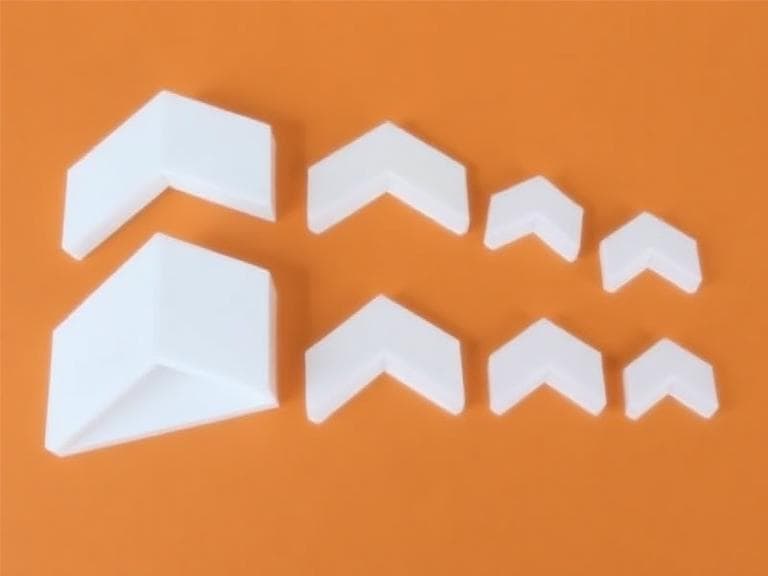
Expanded polyethylene (EPE) foam is the industry workhorse. It offers excellent shock absorption at a reasonable price. We recommend this for most commercial shipping applications where the product weight is between 5 and 30 kg.
2. PVC Corner Protectors (Rigid)
PVC protectors are hard and rigid. They are ideal for protecting the edges of heavy items like machinery or furniture. They are more expensive but offer superior crush resistance.
3. EVA Foam Corner Protectors
Ethylene-vinyl acetate (EVA) foam offers a balance between rigidity and cushioning. It is often used for electronics and medical devices. In our experience, it’s overkill for most general shipping needs but excellent for high-value items.
4. LDPE Foam Corner Protectors
Low-density polyethylene foam is cheap but offers minimal protection. We only recommend this for items under 5 kg that are not fragile.
5. Molded Pulp Corner Protectors
While not strictly plastic, molded pulp is a biodegradable alternative. It is less durable than plastic but suitable for eco-friendly shipments.
6. PVC Angle Protectors (Non-Foam)
These are solid PVC angles that fit over the corner of boxes. They are crush-proof but do not absorb shock, only distribute pressure.
7. Composite Plastic-Metal Protectors
These have a plastic core with a thin metal shell. They are used for heavy industrial applications and are overkill for most shipping needs.
8. Expandable Polypropylene (EPP) Foam
EPP is lightweight, durable, and highly recyclable. It is more expensive than EPE but offers better durability.
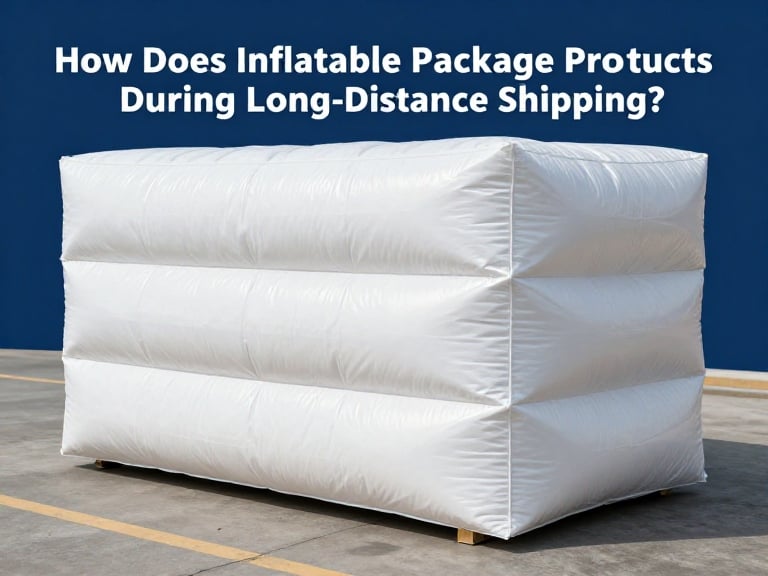
9. Air Column Corner Protectors
These use inflatable air columns to cushion corners. They are lightweight, space-saving, and increasingly popular for e-commerce.
3. Pros and Cons of Plastic Corner Protectors
| Pros | Cons |
|---|---|
| Reduces shipping damage – up to 85% reduction in edge impact. | Adds to packaging cost – typically $0.05–$0.50 per unit. |
| Lightweight – does not significantly increase shipping weight. | Single-use – most plastic protectors are not recyclable. |
| Versatile – works with cardboard boxes, pallets, and crates. | Storage space – foam protectors take up more storage volume. |
| Cost-effective – prevents costly returns and replacements. | Quality varies – not all suppliers offer consistent protection. |
4. Comparison Table: Which Type Is Right for Your Business?
| Type | Cost (per unit) | Impact Protection | Weight Capacity | Best Use Case |
|---|---|---|---|---|
| EPE Foam | $0.10 – $0.30 | High | Up to 30 kg | General commercial shipping |
| PVC Rigid | $0.25 – $0.60 | Very High | 50+ kg | Heavy machinery, furniture |
| EVA Foam | $0.30 – $0.80 | High | Up to 20 kg | Electronics, medical devices |
| LDPE Foam | $0.05 – $0.15 | Low | Up to 5 kg | Light, non-fragile items |
| Air Column | $0.20 – $0.50 | Medium | Up to 15 kg | E-commerce, space-saving |
5. Who Should Use Plastic Corner Protectors?
For commercial suppliers shipping furniture, electronics, or glassware, plastic corner protectors are not optional—they are essential. In most professional situations, the cost of the protectors is more than offset by the reduction in damage claims.
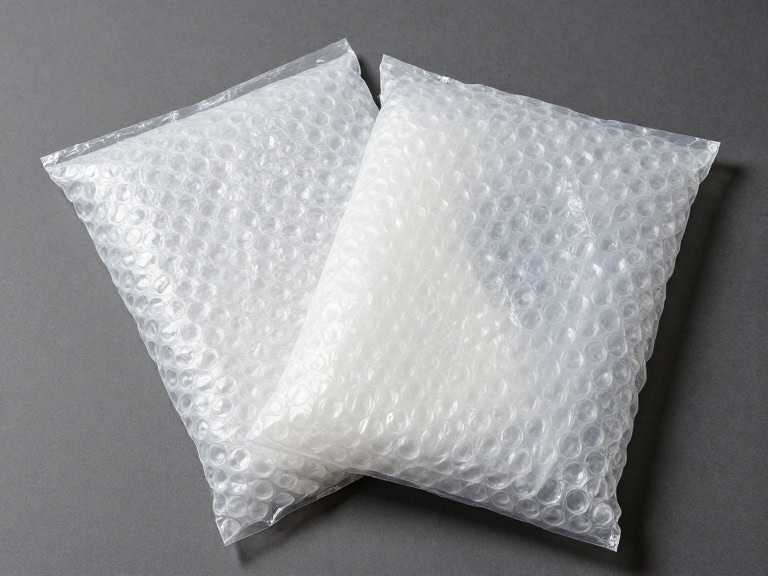
For small businesses shipping lightweight items, you may not need corner protectors at all. If your product weighs less than 5 kg and is not fragile, you may be able to rely on bubble wrap or air pillows.
For heavy-duty applications like industrial machinery, we recommend investing in rigid PVC or composite protectors. The cost is higher, but the protection is unmatched.
6. Common Mistakes When Buying Corner Protectors
- Choosing based solely on price: The cheapest option often costs more in the long run due to damage claims.
- Ignoring the product weight: Using LDPE foam for a 20 kg item is a recipe for disaster.
- Not testing the fit: Corner protectors must match the dimensions of your packaging. A loose fit is almost as bad as no protection at all.
- Failing to consider sustainability: Some customers may prefer compostable options. If you’re targeting eco-conscious markets, consider molded pulp or air column alternatives.
7. Buying Guide: Key Factors to Consider
When purchasing plastic corner protectors, we recommend evaluating the following factors:
- Product weight and fragility: The heavier and more fragile the item, the higher the protection level needed.
- Volume and frequency: If you ship high volumes, you may benefit from bulk discounts. Our clients who order in bulk often save 20-30% per unit.
- Shipping environment: Are you shipping by air, sea, or land? Air shipments generally require lighter packaging, while sea freight requires more robust protection.
- Supplier reliability: Work with a supplier that has a proven track record. We’ve seen clients switch suppliers only to receive protectors that were too thin or poorly manufactured.
- Sustainability requirements: If your brand has sustainability goals, opt for recyclable EPP or compostable molded pulp.
8. Expert Recommendation
Based on our years of experience at Mailong Packaging, we recommend the following approach:
- For most commercial shipping needs: High-density EPE foam corner protectors offer the best balance of cost, protection, and versatility. They work for a wide range of products and are available from most suppliers.
- For heavy items (50+ kg): Rigid PVC protectors are essential. The extra cost is justified by the reduction in damage claims.
- For lightweight e-commerce: Air column protectors are a space-saving, cost-effective solution that also reduces weight.
Our advice: buy a small sample batch of your chosen type and conduct drop tests. Only then will you know for sure that you’ve selected the right product.
Mailong Packaging Co., Ltd. was established in 2009. We are a reputed manufacturer and exporter of a wide range of world-class quality packaging materials, including inflatable bubble and pillow film, air column rolls, air column bags, EPE and EVA foam, poly mailers, stretch wrap, bubble mailers, BOPP tape, and corrugated boxes.
Our products are designed to prevent products from collision damage, attrition, and static during logistics transportation. We have exported to over 30 countries worldwide.
Explore our range of packaging solutions to find the right protection for your products: EPE Foam, Air Column Bags, and Corrugated Boxes.
9. Frequently Asked Questions
Most plastic corner protectors are designed for single use. However, rigid PVC and EPP foam protectors can often be reused multiple times if they are not damaged.
Rigid PVC and composite plastic-metal protectors offer the highest crush resistance. They are typically used for industrial and heavy machinery shipments.
The protector should fit snugly over the corners of your packaging. Measure the thickness of your box or the edge of your product and select a protector with a corresponding dimension.
Yes. Recyclable EPP foam and compostable molded pulp are available. These options are gaining popularity among brands with sustainability goals.
We recommend working with a specialized manufacturer like Mailong Packaging, who can offer competitive bulk pricing and custom sizing. Contact our team for a quote.
10. References & Further Reading
- ISTA – Guidelines for Packaging Transport
- Amazon – Packaging Requirements and Testing
- Freightos – Packaging Guide for Shipping
- Top 10 Bubble Wrap Manufacturers in China
- Air Bubble Wrap & Pouch
- Inflatable Bubble Wrap
This guide is based on professional experience and industry data as of July 2026.