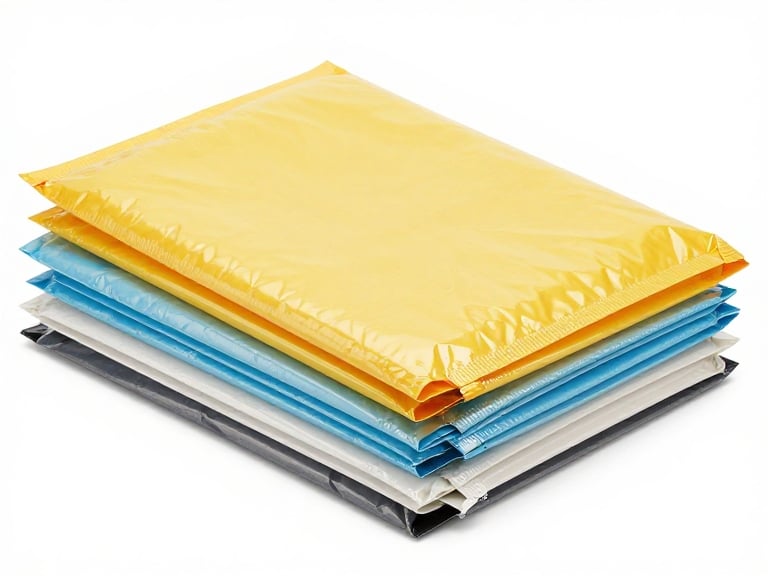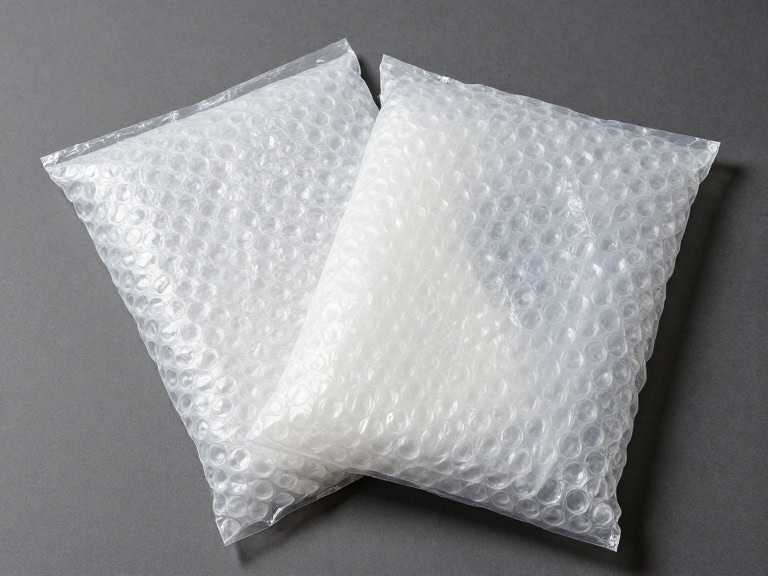
Buying retail packaging is a fast track to destroying your profit margins. Walk into any big-box office supply store, and you will pay an exorbitant premium for a tiny, fragile spool of plastic film. If you run an e-commerce fulfillment center, manage a moving company, or oversee industrial logistics, securing a huge roll of bubble wrap is not just a passing chore—it is a critical supply chain operation. The challenge, however, is that acquiring massive volumes of pre-inflated protective packaging means you are paying primarily to ship and store air.
From our experience engineering advanced void-fill solutions at Mailong Packaging, we see businesses constantly hemorrhage capital on inefficient sourcing methods. You must apply commercial and practical judgment to your procurement strategy. Procuring a huge roll of bubble wrap requires navigating volumetric weight freight charges, evaluating barrier-layer material science, and establishing relationships with direct manufacturers. In this comprehensive guide, we strip away the retail illusions to show you exactly how industry practitioners source their protective materials in 2026.

Quick Answer: How to Source Large Volume Packaging
To acquire a huge roll of bubble wrap at wholesale prices, you must bypass consumer retail stores entirely. We recommend exploring these six sourcing avenues:
- Partnering directly with overseas or domestic manufacturing factories.
- Opening commercial accounts with specialized protective packaging distributors.
- Transitioning to on-demand inflatable air cushion systems to avoid shipping air.
- Utilizing wholesale corrugated supply hubs that stock secondary void fill.
- Joining Group Purchasing Organizations (GPOs) for volume discounts.
- Sourcing locally to eliminate volumetric freight (DIM weight) shipping penalties.
For commercial users, the most cost-effective long-term strategy is migrating away from pre-inflated master rolls and investing in flat, on-demand inflatable packaging films.
Table of Contents
- What It Is: The Anatomy of a Master Roll
- How It Works: The Supply Chain Mechanics
- 6 Ways to Get a Huge Roll of Bubble Wrap
- Benefits of Commercial Procurement
- Limitations and Volumetric Realities
- Who Should Use It & Who Does Not Need It
- Common Procurement Mistakes
- Crucial Buying Considerations
- Expert Recommendation
- Pros vs Cons & Comparison Tables
- Frequently Asked Questions
What It Is: The Anatomy of a Master Roll
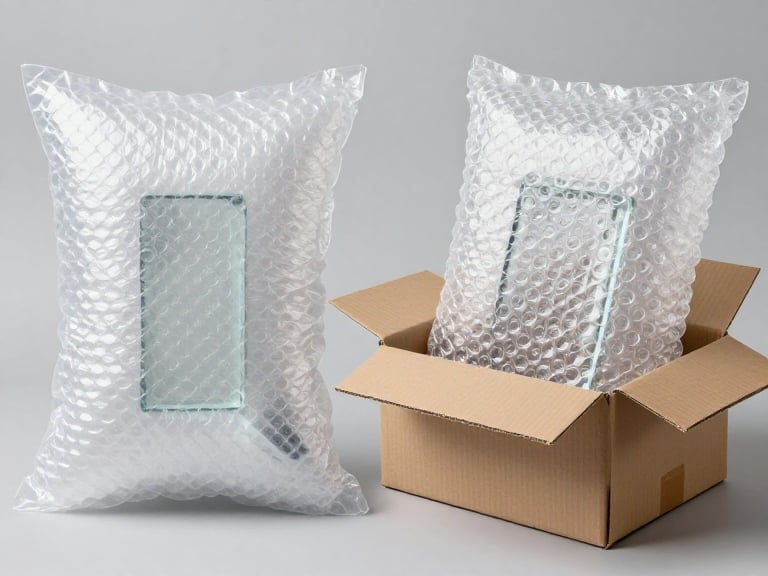
When industry insiders discuss a huge roll of bubble wrap, they are referring to commercial master rolls. These are not the 12-inch wide, 10-foot long novelties sold to consumers. A true master roll typically measures 48 inches in width and stretches anywhere from 250 to 750 feet in length, depending on the bubble height (usually 3/16″, 5/16″, or 1/2″).
Professional-grade rolls are engineered using a co-extrusion process. They feature a nylon barrier layer sandwiched between layers of low-density polyethylene (LDPE). This barrier prevents air from leaking out of the cellular cushions over time, ensuring the material retains its shock-absorbing properties during long transit times or extended warehouse storage.
How It Works: The Supply Chain Mechanics
How it works conceptually is simple: you buy in bulk to lower the cost per square foot. However, the physical logistics are punishing. Because a huge roll of bubble wrap is 99% air, it triggers severe Dimensional (DIM) weight pricing from freight carriers. A roll that physically weighs only 15 pounds might be billed as if it weighs 150 pounds due to the massive space it occupies in a truck.
Therefore, acquiring this material efficiently requires strategic geographic sourcing or fundamentally changing your packaging technology. You must source from distributors within a short radius of your facility, or you must buy flat films directly from Bubble Wrap Manufacturers China and inflate them on-site.
6 Ways to Get a Huge Roll of Bubble Wrap in 2026
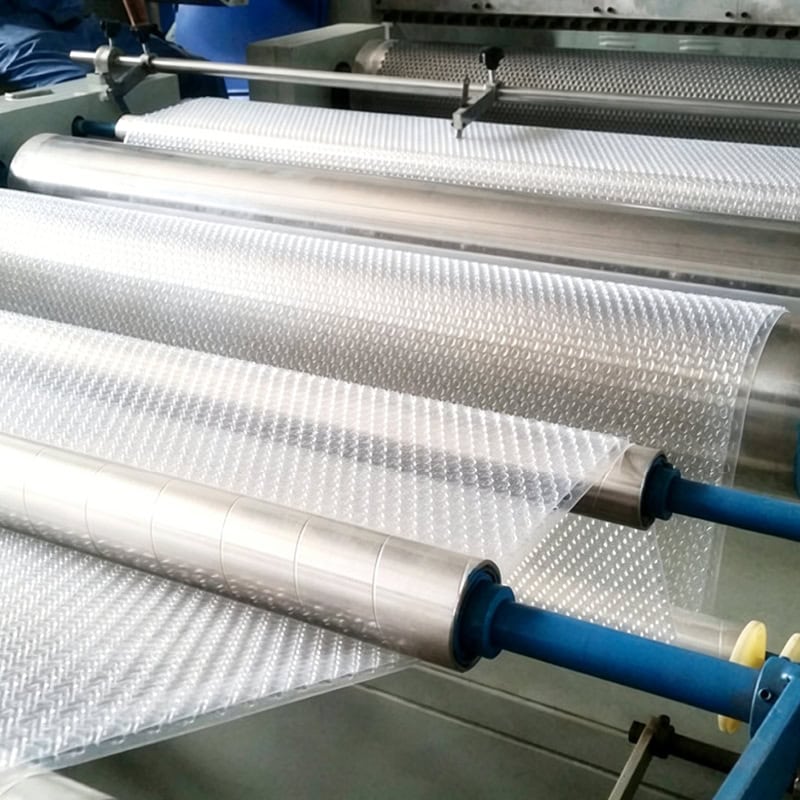
1. Direct from the Manufacturer (OEM Sourcing)
2. Specialized Protective Packaging Distributors
If you cannot handle full container loads, opening a commercial account with regional Protective Packaging Companies is your next best option. These B2B distributors purchase master rolls from factories, warehouse them regionally, and dispatch them via their own local delivery fleets, successfully bypassing expensive third-party LTL (Less Than Truckload) freight charges.
3. Transitioning to On-Demand Inflatable Systems
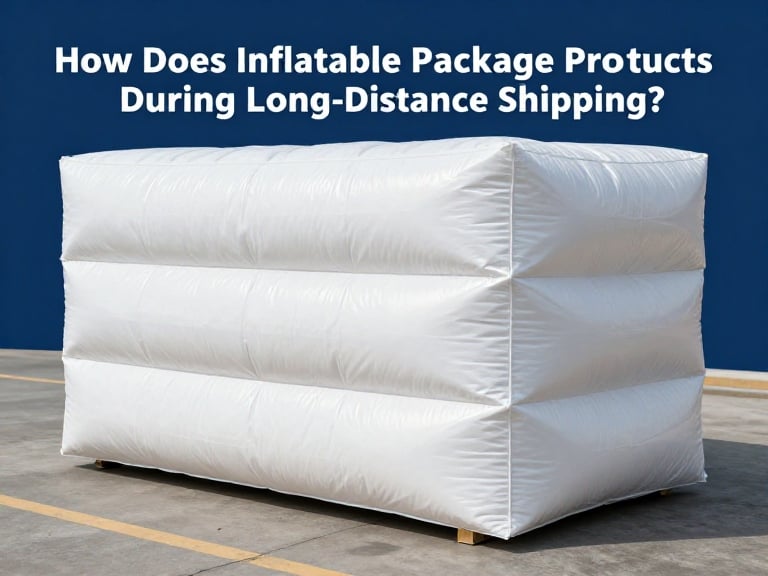
In most professional situations, we do not advise buying a pre-inflated huge roll of bubble wrap anymore. The modern solution is to purchase a desktop inflation machine and rolls of flat, uninflated film. One tiny roll of flat film can produce the exact same volume of cushioning as a towering 48-inch master roll. Utilizing Inflatable Air Column Wrap eliminates your warehouse storage crisis entirely.
4. Wholesale Corrugated Suppliers
Companies that supply cardboard boxes almost universally stock void-fill materials as secondary products. Reaching out to Corrugated Cardboard Rolls suppliers allows you to bundle your box and void-fill purchases into a single localized delivery, driving down overall freight expenses.
5. Group Purchasing Organizations (GPOs)
Smaller e-commerce brands often struggle to meet the minimum order quantities (MOQs) required for true wholesale pricing. Joining a packaging GPO allows multiple small businesses to pool their purchasing power, securing deep discounts on a huge roll of bubble wrap and other essential supplies like Packing Tape BOPP Tape.
6. Alternative Foam Supply Routes
If you find that traditional air-cellular packaging is too expensive to freight, consider cross-shopping with EPE Foam Sheets. While slightly different in application, bulk foam rolls offer excellent surface protection and shock absorption, often with slightly more favorable shipping densities than large bubble cushioning.
Benefits of Commercial Procurement
Sourcing a huge roll of bubble wrap via commercial channels provides undeniable advantages. First, the cost-per-foot plummets dramatically compared to retail packs. Second, large rolls drastically improve warehouse workflow. Packers spend less time swapping out depleted rolls, leading to higher output metrics. Finally, commercial rolls can be customized. You can order Heavy Duty Bubble Wrap with a 3/16″ bubble for wrapping small electronics, or a 1/2″ bubble for aggressive void fill in heavy shipments.
Limitations and Volumetric Realities
We must present the harsh reality: a huge roll of bubble wrap is a logistical nightmare to store. If your facility has expensive square footage, dedicating a massive section of your warehouse simply to hold pre-inflated air is a poor utilization of real estate. Furthermore, if you are forced to ship these rolls across state lines via FedEx or UPS, the DIM weight charges will often exceed the cost of the actual product. This limitation is driving the industry toward on-demand, flat-film alternatives.
Who Should Use It & Who Does Not Need It
For commercial users: Moving companies, furniture manufacturers, antique dealers, and high-volume 3PL (Third-Party Logistics) fulfillment centers must secure wholesale master rolls or transition to on-demand inflation systems. The daily volume demands it.
Who does not need it: For beginners or casual shippers sending a few packages a week, buying a huge roll of bubble wrap is massive overkill. It will sit in a corner collecting dust. Instead, we recommend utilizing pre-lined Poly Mailer Shipping Bags for small apparel or indestructible items, entirely eliminating the need for supplementary internal void fill.
Common Procurement Mistakes
In our testing and consulting with packaging managers, we see the same catastrophic errors repeatedly:
- Ignoring Perforations: Buying a massive master roll without ordering cross-perforations every 12 inches forces your packers to manually cut the wrap with scissors, destroying efficiency and increasing warehouse injury risks.
- Wrong Bubble Size: Using 1/2″ large bubbles to wrap small, delicate items provides zero surface protection. Large bubbles are for void fill; small 3/16″ bubbles are for surface wrapping.
- Ignoring Sustainability: Modern consumers detest non-recyclable plastic. Continuing to buy standard virgin LDPE without evaluating eco-friendly alternatives is damaging your brand equity.
Crucial Buying Considerations
When you prepare your purchase order, apply strict commercial judgment to these variables:
- Slit Widths: Do not buy a single 48-inch wide roll if your packers are wrapping mugs. Order the 48-inch roll “slit” into four 12-inch rolls or two 24-inch rolls for ergonomic handling.
- Barrier Retention Layer: Ensure the specifications clearly state it is a “barrier” bubble. Cheaper non-barrier wraps will lose their air pressure within a few weeks of application.
- Environmental Impact: Packaging mandates are shifting globally. You must evaluate compostable or high-recycled-content films to stay ahead of regulatory compliance.
Expert Recommendation
From our experience at Mailong Packaging, we strongly advise facility managers to rethink their reliance on shipping pre-inflated air. While securing a huge roll of bubble wrap locally is functional, the absolute best upgrade you can make for your warehouse is transitioning to an on-demand inflatable system using compostable films. It reclaims your warehouse floor space, slashes your freight bills, and positions your brand as an environmental leader.
Mailong Packaging Compostable Bubble Wrap
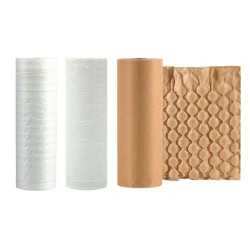
| Type | Compostable bubble wrap, Paper Air pillow wrap, Paper Air tube wrap, Paper Air bubble wrap |
|---|---|
| Material | Compostable Kraft Paer + PLA compostable film |
| Width | 400mm |
| Length/Roll | 150m / 300m |
| Thickness | 15/18/20/30/40um |
| Shapes | Round Bubble / Tube Bubble |
| Customized LOGO | Available |
| Applications | E-commerce, fulfillment centers, cosmetics, pharmaceuticals, electronics and more |
Why Choose Mailong Packaging?
Founded in 2009, Mailong Packaging is a professional manufacturer and exporter specializing in protective packaging materials. Our products are trusted by customers in more than 30 countries and serve industries including e-commerce, electronics, logistics, retail, manufacturing, and industrial packaging.
Our product portfolio includes Compostable Bubble Wrap, Air Pillow Film, Air Column Bags, Air Column Rolls, Bubble Mailers, Poly Mailers, Stretch Wrap Film, BOPP Tape, EPE Foam, EVA Foam, Inflatable Bubble Wrap, Corrugated Boxes, and customized protective packaging solutions. With advanced manufacturing capabilities, strict quality control procedures, competitive pricing, and flexible customization services, Mailong Packaging helps businesses improve product protection while supporting sustainable packaging initiatives.
Pros vs Cons & Comparison Tables
| Packaging Strategy | Pros | Cons |
|---|---|---|
| Pre-Inflated Huge Roll of Bubble Wrap | Ready to use immediately; requires no specialized machinery or electricity. | Massive storage footprint; extreme DIM weight shipping penalties; difficult to handle. |
| On-Demand Inflatable Film Rolls | Near-zero storage space required; extremely cheap to ship; customizable inflation levels. | Requires initial capital investment in an air cushion machine; reliant on facility electricity. |
| Sourcing Channel | Cost Efficiency | Minimum Order Quantity (MOQ) | Best For |
|---|---|---|---|
| Direct Manufacturer (OEM) | Highest (Lowest cost per sq. ft.) | Very High (Pallets/Containers) | Enterprise 3PLs, Major E-commerce Brands |
| Local Packaging Distributor | High (Avoids DIM freight) | Moderate | Mid-sized warehouses, Moving companies |
| Big-Box Office Supply Retail | Lowest (Severe retail markup) | None (Single roll) | Emergencies, Homeowners |
Frequently Asked Questions
Authoritative References & Industry Standards
To ensure your packaging operations meet rigorous safety, transit, and environmental compliance, we strictly advise reviewing the protocols set by the following authoritative organizations:
- ASTM International – Comprehensive global standards governing the material strength, barrier properties, and tensile testing of protective packaging films.
- International Safe Transit Association (ISTA) – The definitive authority on pre-shipment package performance testing to ensure structural integrity during severe transit conditions.
- International Organization for Standardization (ISO) – Specifically ISO 18604 regarding packaging and the environment, ensuring your materials meet global recycling and material recovery mandates.