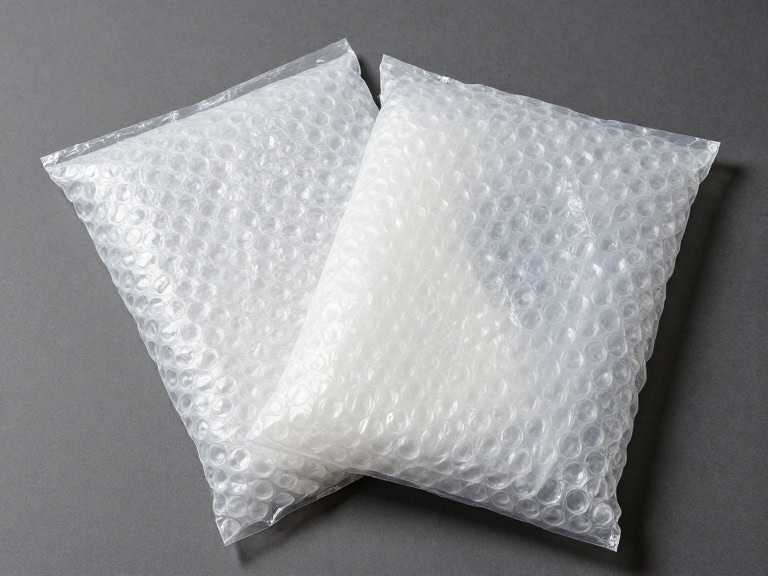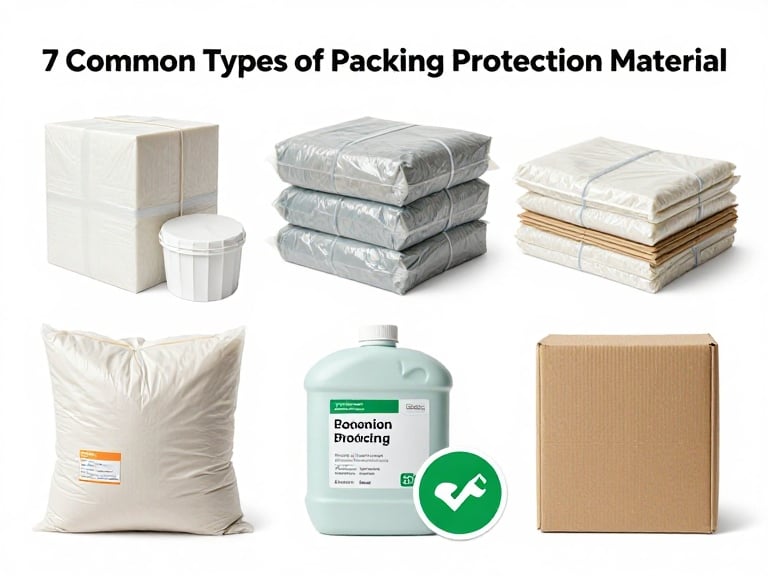
In retail and boutique e-commerce, your packaging is the physical handshake between your product and your customer. Handing a premium garment or cosmetics line to a buyer in a flimsy, crinkly, see-through grocery-grade bag actively destroys your perceived brand value. If you expect a consumer to pay premium prices, your carry-out presentation must reflect that same standard. Sourcing premium designer plastic bags is not merely an aesthetic choice; it is a critical commercial branding decision that directly impacts repeat purchases and brand equity.
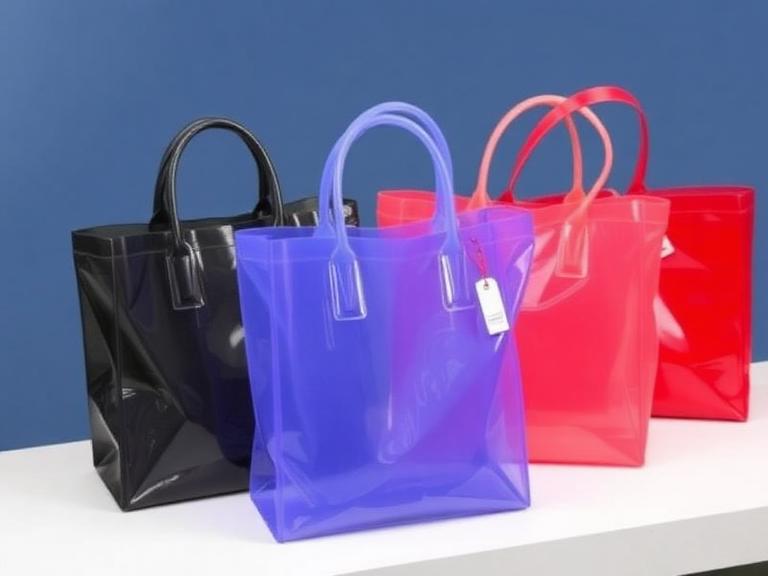
Yet, the procurement market for retail merchandise bags is flooded with low-grade distributors, brokers taking heavy middleman markups, and on-demand print shops charging exorbitant per-unit rates. From our experience in commercial manufacturing and transport packaging, knowing where to buy determines whether you achieve high margins or overpay for subpar materials that fail on the sales floor. In this guide, we evaluate the six primary procurement channels for high-end plastic merchandise bags, review their real-world tradeoffs, and provide practical buying guidance for operations of any scale.
Quick Answer: Where Should You Buy Designer Plastic Bags?
The optimal place to buy designer plastic bags depends entirely on your order volume and customization tier. For orders exceeding 3,000 to 5,000 units, direct-from-factory OEM manufacturers offer the highest quality materials (such as 3.0+ mil frosted HDPE or soft-touch co-extruded LDPE) at the lowest unit cost ($0.10–$0.35/unit). For startups needing under 500 units, print-on-demand branding platforms provide accessible zero-MOQ setups, but charge steep premiums ($1.50–$3.50/unit). If immediate supply is needed, wholesale catalog distributors provide unprinted designer blanks for quick local overprinting.
Table of Contents
- What Are Designer Plastic Bags and How Do They Differ from Commodity Poly Bags?
- Quick Summary: Sourcing Channels at a Glance
- Commercial and Operational Benefits of Premium Retail Bags
- Material Limitations and Structural Trade-Offs
- The 6 Best Places to Buy Designer Plastic Bags
- Who Should Use High-End Bags vs. Who Does Not Need Them
- The Unseen Requirement: Internal Product Protection
- Common Procurement and Design Mistakes
- Pros and Cons of Sourcing Channels
- Buying Guide and Technical Specification Table
- Expert Recommendation for Retail Sourcing
- Frequently Asked Questions (FAQ)
- Authoritative References
What Are Designer Plastic Bags and How Do They Differ from Commodity Poly Bags?
To make an informed purchase, buyers must distinguish between basic industrial polyethylene film and retail-grade designer plastic bags. Commodity poly bags are manufactured with thin gauge film (typically 0.6 to 1.2 mil), use high concentrations of recycled scrap resins, and feature basic heat-sealed bottoms intended solely for dirt protection.
In contrast, designer plastic bags are engineered retail presentation tools. They use virgin Low-Density Polyethylene (LDPE), High-Density Polyethylene (HDPE), or specialty Cast Polypropylene (CPP) films ranging from 2.5 mil to 4.5 mil in thickness. They feature specialized aesthetic finishes including soft-touch matte frosting, high-gloss metallic sheen, or custom pantone co-extrusion. Handle styles are structurally reinforced using fused die-cut patches, loop handles, or rigid snap-together closures capable of carrying substantial retail weight without stretching or deforming.
Quick Summary: Sourcing Channels at a Glance
| Procurement Channel | Typical Minimum Order (MOQ) | Relative Price Point | Level of Customization | Lead Time |
|---|---|---|---|---|
| Direct-from-Factory OEM | 3,000 – 10,000 pcs | Lowest ($0.10 – $0.40) | Complete (Custom dimensions, Pantone, rotogravure) | 4 – 7 Weeks |
| Specialist Packaging Wholesalers | 500 – 1,000 pcs | Moderate ($0.45 – $1.10) | Semi-Custom (Overprinting on stock blanks) | 1 – 2 Weeks |
| Print-on-Demand Branding Agencies | 50 – 250 pcs | High ($1.50 – $3.50) | High visual, standard fixed bag sizes | 2 – 3 Weeks |
| Global B2B Trading Marketplaces | 2,000 – 5,000 pcs | Low to Variable | High (Requires stringent sample validation) | 5 – 8 Weeks |
| Regional Commercial Paper & Packaging Merchants | 250 – 500 pcs | Moderate to High | Low (Pre-printed designs or blank stock) | 1 – 3 Days |
| Boutique Artisan Marketplaces | 25 – 100 pcs | Very High ($2.00 – $5.00+) | Handmade, screen-printed, limited sizes | 1 – 2 Weeks |
Commercial and Operational Benefits of Premium Retail Bags
Why should a brand allocate budget to premium plastic packaging instead of standard paper bags or basic poly carriers? For commercial users, the advantages span both customer perception and practical logistics:
1. Superior Weather and Moisture Resistance: Paper shopping bags deteriorate, tear, and lose structural integrity in rain or high humidity. In our testing, high-gauge designer plastic bags maintain 100% tensile strength when wet, protecting expensive apparel, electronics, and luxury goods during the customer’s commute.
2. Secondary Walking Billboard Exposure: Low-end bags are discarded immediately upon arrival at home. Heavy-gauge, beautifully printed frosted or soft-touch designer plastic bags are routinely repurposed by consumers for daily errands, gym gear, or travel storage. This secondary usage delivers extended visual impressions for your brand across urban environments.
3. Storage Efficiency in Brick-and-Mortar Footprints: Rigid paper bags with rope handles consume immense backroom volume. A box of 500 luxury paper shopping bags occupies significant floor space, whereas 500 folded, high-mil designer plastic bags occupy less than a quarter of that volume, optimizing expensive retail storage square footage.
Material Limitations and Structural Trade-Offs
While designer plastic bags offer distinct benefits, practical judgment requires acknowledging their limitations. Single-use plastic regulations across various municipalities mandate minimum gauge thicknesses (often 2.25 to 4.0 mil) to classify bags as reusable. Sourcing thin, sub-2.0 mil film in restricted regions can result in regulatory fines.
Furthermore, standard polyethylene films provide zero interior shock absorption for fragile items. If your product line contains glass cosmetics, ceramic homewares, or delicate electronics, handing a customer a bag without internal cushioning invites transit damage. External retail bags must be paired with structured interior protection.
The 6 Best Places to Buy Designer Plastic Bags
1. Direct-from-Factory OEM / Packaging Converters
In most professional situations where an enterprise or growing boutique brand runs predictable monthly retail volume, buying direct from a primary extrusion and conversion factory is the gold standard. Working directly with the manufacturer eliminates intermediate broker fees and gives you total control over film blend, masterbatch coloring (precise Pantone matching), customized gusset geometries, and specialized handles.
Factories utilize high-speed rotogravure or automated flexographic printing lines capable of 8-color process printing with edge-to-edge bleed. The trade-off is minimum order quantities (typically starting at 3,000 to 5,000 units) and longer manufacturing lead times. However, the cost efficiency—often dropping unit prices below $0.25—makes it the only viable choice for scaling commercial brands.
2. Specialized Packaging Wholesale Distributors
National and regional wholesale distributors (such as Uline, PackagingSupplies, and Berlin Packaging) serve businesses needing immediate access to inventory. These suppliers warehouse vast quantities of blank designer plastic bags in frosted, high-gloss, metallic, and tinted styles. While their custom printing options are generally limited to single-color or two-color hot stamping/pad printing on pre-formed stock sizes, turnaround times are exceptionally fast. For commercial users needing 500 to 1,000 units on a 48-hour notice, wholesalers are the most reliable resource.
3. Print-on-Demand Custom Packaging Agencies
Digital-first packaging platforms (such as Noissue and Packlane) have transformed short-run packaging procurement. These platforms provide intuitive online 3D design interfaces and accept micro-orders starting as low as 50 to 100 units. For beginners launching a seasonal capsule collection or pop-up shop, the ability to upload vector artwork and receive fully branded designer plastic bags without tooling plate fees is highly convenient. However, unit costs are steep ($1.50 to $3.50 per bag). We recommend using these platforms strictly for market testing before committing to factory-run volumes.
4. Global Sourcing Hubs & B2B Marketplaces
Platforms like Alibaba, Global Sources, and Made-in-China connect buyers with thousands of overseas film converters. The primary advantage is aggressive pricing and an endless array of bespoke material finishes, including holographic films, velvet-touch coatings, and zipper-lock sliders. However, sourcing here requires extensive quality control rigor. In our testing of overseas supplier samples, film thickness variations, ink odor (solvent retention), and weak handle welds are common failure points. You must request pre-production strike-offs and verify ASTM material certifications prior to wiring bulk deposits.
5. Regional Commercial Paper & Packaging Merchants
Local industrial packaging supply houses operate in nearly every major metropolitan area. These merchants stock heavy-gauge retail carrier bags, euro-tote plastic hybrids, and luxury frosted merchandise bags. While customization is typically restricted to local screen-printing partnerships, regional merchants provide dedicated account representatives, physical showroom samples you can inspect before purchase, and negotiable terms for net-30 billing on repeat wholesale orders.
6. Boutique Artisan Marketplaces (Etsy & Small-Batch Printers)
For independent boutiques, craft jewelers, and bespoke retail pop-ups needing 25 to 50 curated bags, artisan marketplaces host independent screen printers offering short-run designer plastic bags. These sellers often supply pre-patterned, aesthetic poly merchandise bags (e.g., marble finish, metallic foil borders, botanical prints) that can be personalized with your business name. The cost per unit is the highest among all channels, but it avoids capital lockup in bulky warehouse inventory.
| Procurement Source | Unit Cost Efficiency | Customization Depth | Risk of Quality Variance | Best Fit Use Case |
|---|---|---|---|---|
| Factory OEM Converters | Industry Best (Max ROI) | Full Engineering Control | Low (Strict QA Specs) | Established retailers & high-volume brands |
| Wholesale Distributors | Moderate | Limited (Stock sizes only) | Very Low (Standardized stock) | Urgent restocking & continuous baseline supply |
| Print-on-Demand Platforms | Poor (High unit cost) | High visual, fixed geometry | Low | Startups, pop-up events & short-run tests |
| Global B2B Marketplaces | High (Risk dependent) | Full Customization | Moderate to High | Experienced procurement teams with QA audits |
| Regional Merchants | Moderate | Basic overprinting | Low | Businesses seeking local net-30 accounts |
| Artisan Marketplaces | Lowest (Premium retail rate) | Hand-applied / pre-set aesthetics | Moderate | Micro-boutiques & independent makers |
Who Should Use High-End Bags vs. Who Does Not Need Them
Who should invest: High-end fashion boutiques, specialty cosmetics stores, premium electronics retailers, and luxury gift shops. If your average order value (AOV) exceeds $50, investing $0.30 to $0.60 in an upscale, heavy-duty designer plastic bag reinforces customer satisfaction and elevates the overall unboxing experience.
Who does not need them: High-turnover grocery, hardware, discount convenience, or industrial parts distributors. For these operations, heavy gauge designer bags represent an unnecessary operational expense that yields zero marginal revenue. Standard unprinted high-density t-shirt bags or standard kraft carriers are commercially appropriate.
The Unseen Requirement: Internal Product Protection
A common error in retail operations is relying on external carrier bags to protect fragile or high-value items during transport. While designer plastic bags provide superior water resistance and brand presentation, they do not absorb kinetic impact. Commercial users must pair exterior presentation with engineered internal protective packaging.
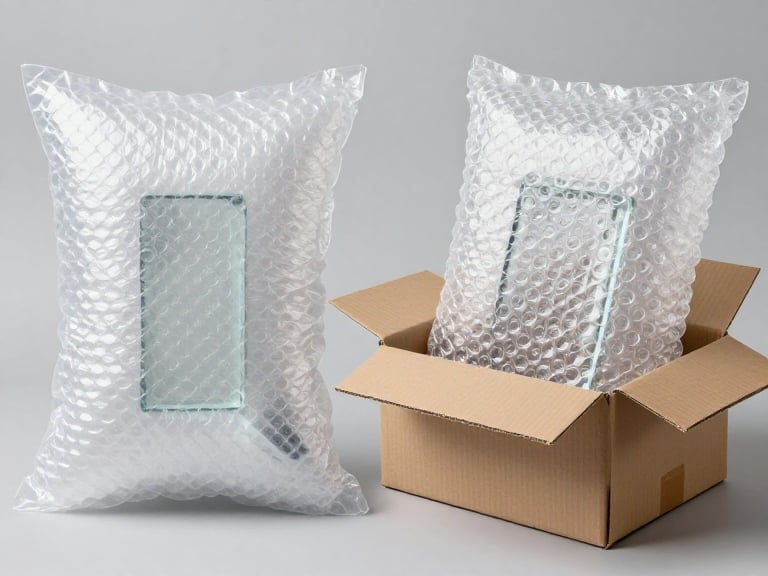
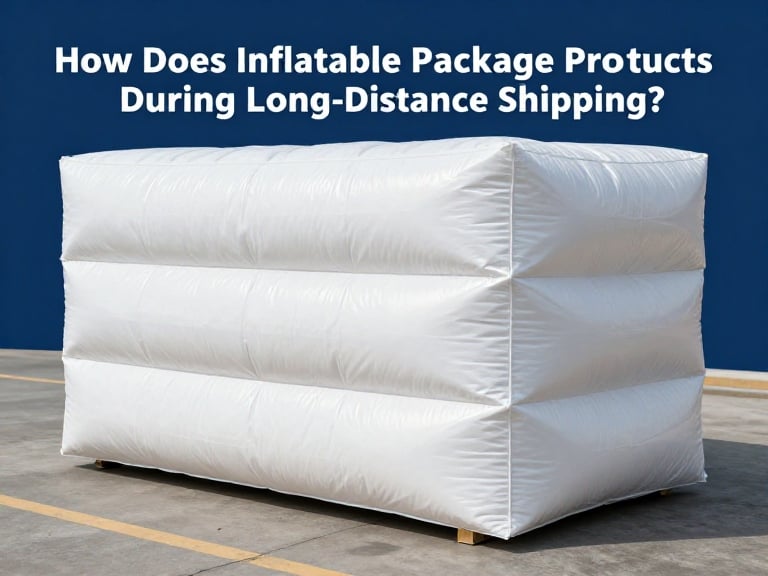
When packing delicate merchandise inside a retail bag or shipping fulfillment parcel, integrating high-grade cushioning materials prevents catastrophic return rates. Incorporating solutions such as an Air Column Bag or Air Pillow Film immobilizes heavy or fragile items. For smaller items like jewelry, perfumes, or consumer tech, combining your retail presentation with a protective Bubble Mailer or structured Corrugated Box & Rigid Boxes ensures products arrive in pristine condition.
Professional Protective Packaging Solutions: Mailong Packaging
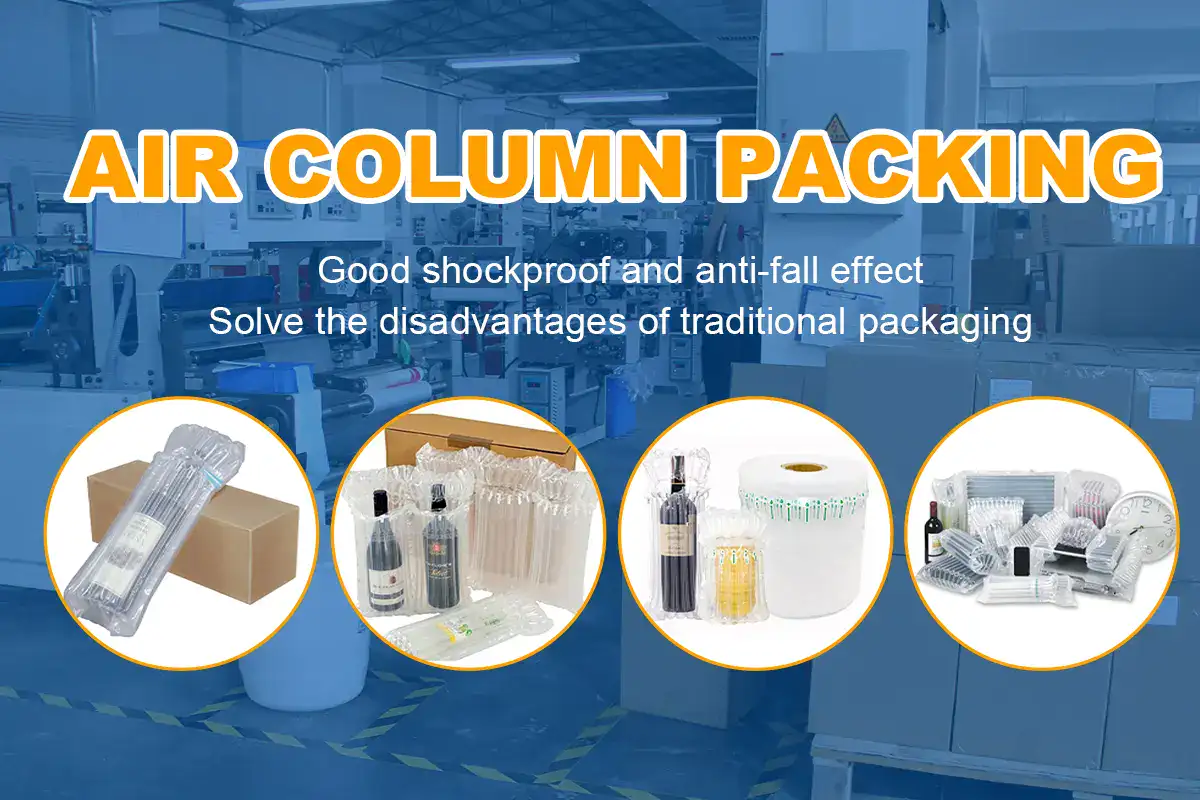
Mailong Packaging Co., Ltd. was established in 2009. It is a reputed manufacturer and exporter of a wide range of world-class quality packaging materials, such as inflatable bubble and pillow film, air column rolls, air column bags, EPE and EVA FOAM,Poly Mailer, Stretch wrap, Bubble mailer, BOPP tape, and Corrugated box, which can prevent products from collision damage, attrition, and static in the process of logistics transportation, and have been exported to the oversea markets more than 30 countries.
Whether you need sustainable Compostable Bubble Wrap, heavy-duty EVA FOAM inserts for luxury display boxes, or high-yield Air Bubble Wrap & Pouch systems, Mailong Packaging provides end-to-end protective solutions engineered to safeguard your products from factory floor to final retail handoff.
Common Procurement and Design Mistakes
From our experience auditing supply chains, retail buyers frequently fall into costly traps when ordering designer plastic bags:
1. Under-specifying Film Gauge: Ordering 1.5 mil plastic to save on unit cost results in a flimsy, translucent bag that stretches under the weight of a single heavy garment. For luxury retail, we recommend specifying nothing below 2.5 mil for LDPE and 2.0 mil for HDPE.
2. Overlooking Ink Rub-off and Surface Tension (Corona Treating): Polyethylene is chemically inert; printing inks will easily flake or rub off onto customers’ clothing unless the film underwent proper Corona discharge treatment prior to printing. Always demand an ink-adhesion cross-hatch tape test from your supplier.
3. Neglecting Internal Cushioning: Relying on external carrier bags for structural protection leads to shattered glassware and scuffed product finishes. Always ensure delicate merchandise is wrapped with precision EPE FOAM or dedicated protective wraps before placing it into the shopping bag.
Pros and Cons of Sourcing Channels
| Procurement Strategy | Pros | Cons |
|---|---|---|
| Direct Factory Production (OEM) |
|
|
| Stock Wholesalers & On-Demand Shops |
|
|
Buying Guide and Technical Specification Table
| Product Category | Recommended Material | Minimum Gauge | Optimal Handle Style |
|---|---|---|---|
| High-End Apparel & Coats | Matte Frosted HDPE / Virgin LDPE | 3.0 – 4.0 mil | Soft Loop Handle or Rigid Snap-Close |
| Cosmetics, Perfume & Jewelry | High-Gloss Co-extruded LDPE | 2.5 – 3.0 mil | Reinforced Die-Cut Patch Handle |
| Heavy Footwear & Homewares | Multi-layer High-Tensile Poly blend | 3.5 – 4.5 mil | Folded-over reinforced top with loop handle |
| Boutique Literature & Flat Goods | Cast Polypropylene (CPP) / HDPE | 2.0 – 2.5 mil | Standard Die-Cut Handle (Unreinforced) |
Expert Recommendation for Retail Sourcing
For commercial users seeking to upgrade their retail packaging, we recommend a staged procurement strategy. If you are launching a new product line or operating a seasonal retail venue, begin with a short run of 250 to 500 units from a specialized wholesale distributor or on-demand platform. This validates your artwork, dimensional fit, and customer reception without tying up working capital.
However, once your sales volume exceeds 500 transactions per month, continuing to buy short-run bags is a drain on profitability. Transition immediately to a direct-from-factory manufacturing partner. By ordering 5,000 units on an OEM basis, your unit cost drops from over $1.50 to under $0.30, instantly unlocking thousands of dollars in operating margin while securing a custom, professional retail presentation. Combine your high-end retail bags with reliable internal protective packaging from established industry leaders like Mailong Packaging to guarantee complete protection from transit to retail counter.
Frequently Asked Questions (FAQ)
Authoritative References
To verify industry material standards and sustainable retail packaging compliance, consult the following authoritative organizations:
- ASTM International – Standard specifications for polyethylene film and sheeting (ASTM D2103 and ASTM D4321).
- Plastics Industry Association – Technical guidelines on flexible packaging manufacturing, material recycling, and polymer quality.
- Sustainable Packaging Coalition (SPC) – Industry guidance on reusable film thickness thresholds and environmental packaging design.