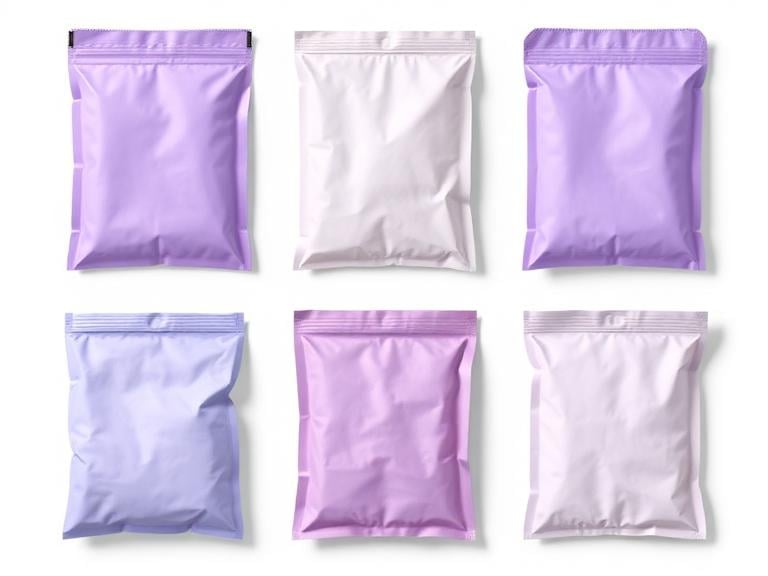
In the modern e-commerce landscape, your shipping packaging is the first physical interaction a customer has with your brand. Sending a high-end garment or boutique cosmetic item in a flimsy, transparent, or dirty grey plastic bag is a massive commercial failure. Color psychology plays a critical role in consumer perception, and lavender communicates calmness, luxury, and premium care. However, aesthetics alone will not protect your cargo from the brutal realities of modern logistics sorting facilities.
In most professional situations, a shipping bag must survive being thrown into sorting bins, crushed under heavier boxes, and exposed to rain on residential porches. You must prioritize structural integrity alongside visual appeal. In this uncompromising guide, we will dissect the mechanical engineering behind co-extruded LDPE films, evaluate the top six styles of lavender poly mailers available on the market, and provide strict commercial judgment on which style you actually need to scale your fulfillment operations safely and profitably.
Quick Answer: The 6 Core Styles
- 1. Standard Flat Lavender Mailers: The foundational, cost-effective choice for shipping non-fragile apparel and soft goods.
- 2. Bubble-Lined Lavender Mailers: Integrated air-cellular cushioning for protecting cosmetics, jewelry, and small electronics.
- 3. Gusseted (Expansion) Mailers: Features expandable bottom folds to accommodate bulky items like jackets or shoeboxes without seam bursting.
- 4. Eco-Friendly PCR Mailers: Manufactured using Post-Consumer Recycled plastics for brands prioritizing sustainability.
- 5. Dual-Seal Returnable Mailers: Features two adhesive strips and a perforated tear line, allowing customers to easily reuse the bag for returns.
- 6. Custom Printed Mailers: Lavender base color enhanced with gravure or silkscreen printed logos for maximum brand authority.
Table of Contents
- What is a Lavender Poly Mailer?
- How It Works: Co-Extrusion and Adhesives
- The 6 Best Lavender Poly Mailers Styles
- Commercial Logistics Benefits
- Limitations and Crucial Warnings
- Who Should Use Them
- Who Does Not Need Them
- Common Packaging Mistakes
- Expert Buying Considerations
- Expert Recommendation & Sourcing
- Essential Comparison Tables
- Frequently Asked Questions (FAQ)
What is a Lavender Poly Mailer?
A lavender poly mailer is a specialized shipping envelope constructed primarily from Low-Density Polyethylene (LDPE). Unlike standard paper envelopes, these mailers are engineered through a multi-layer co-extrusion process. The exterior layer is dyed with a premium lavender color masterbatch, providing a distinct, soft-touch aesthetic. The interior layer is typically dark grey or silver, ensuring complete opacity so that the contents of the package are invisible to couriers and porch pirates.
How It Works: Co-Extrusion and Adhesives
The structural integrity of poly mailer shipping bags relies on polymer chemistry. During manufacturing, multiple layers of polyethylene film are melted and pressed together. This multi-ply construction gives the bag its extreme tensile strength and puncture resistance. A high-quality mailer will stretch before it tears.
The sealing mechanism is equally critical. Professional mailers utilize a pressure-sensitive, hot-melt adhesive strip. Once the release liner is peeled away and the flap is pressed down, the adhesive cures rapidly. Within minutes, the bond becomes destructive—meaning the bag cannot be opened without physically tearing the plastic, providing absolute tamper evidence during transit.
The 6 Best Lavender Poly Mailers Styles
1. Standard Flat Lavender Mailers
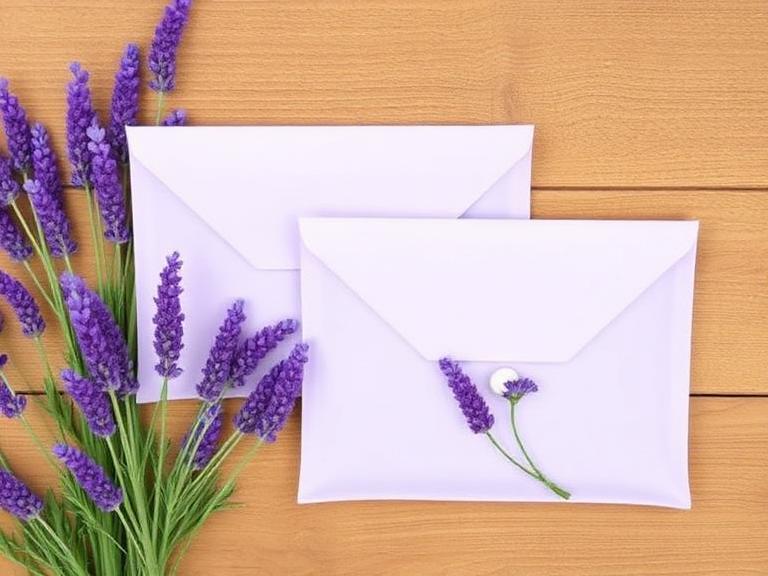
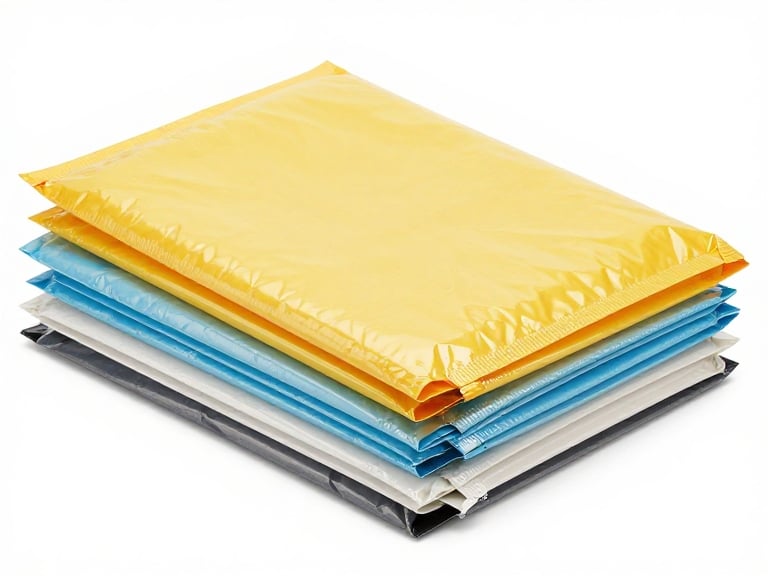
This is the industry standard for apparel brands. Ranging in thickness from 40 to 80 microns, flat mailers are lightweight and highly cost-effective. They eliminate the need for bulky boxes when shipping t-shirts, leggings, or lightweight textiles, drastically reducing dimensional weight charges imposed by postal carriers.
2. Bubble-Lined Lavender Mailers
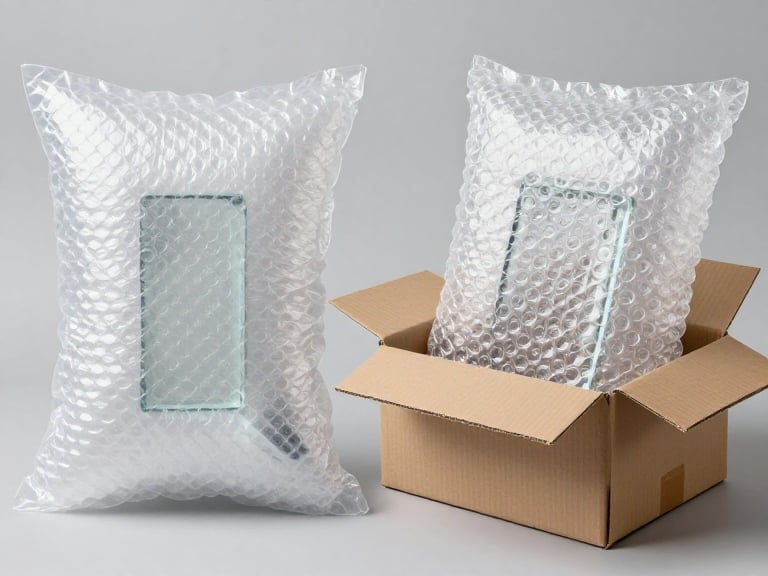
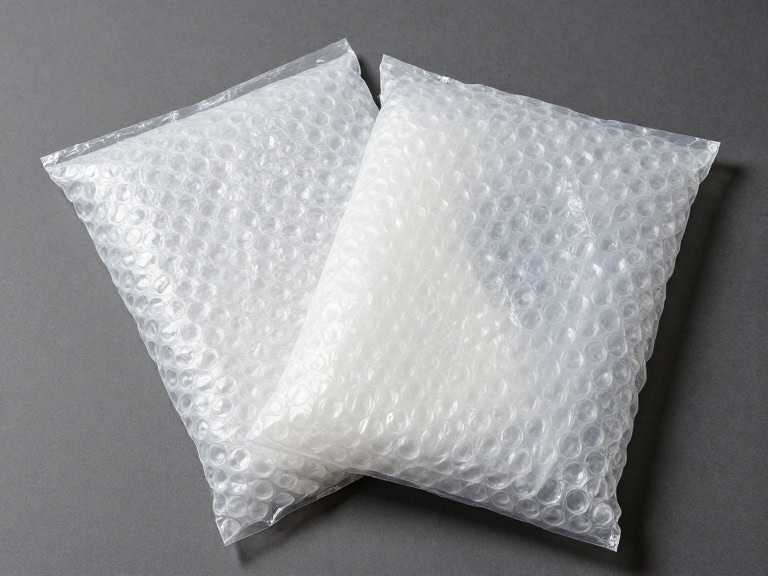
When you are shipping items that require basic impact protection but do not justify a corrugated box, bubble-lined mailers are the answer. The interior is laminated with a layer of standard bubble wrap. While not a replacement for dedicated heavy duty bubble wrap for fragile glass, it is perfect for cosmetics, books, and boxed jewelry.
3. Gusseted (Expansion) Lavender Mailers
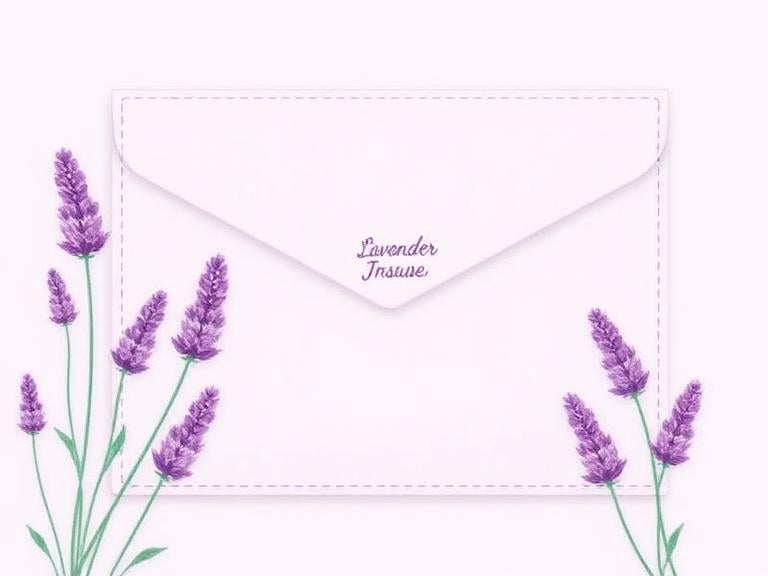
A flat mailer will suffer seam failure if you force a bulky item inside. Gusseted mailers solve this by incorporating expandable pleated bottoms. When filled, the bottom expands, allowing the mailer to transform into a square-bottomed bag. This style is mandatory for shipping thick hoodies, stacked apparel, or small shoeboxes.
4. Eco-Friendly PCR Lavender Mailers
Consumer demand for sustainable packaging is at an all-time high. Eco-friendly styles utilize a percentage of Post-Consumer Recycled (PCR) resin or incorporate d2w oxo-biodegradable additives. While the lavender hue may have slight color variations due to the recycled content, this style communicates a strong environmental commitment to your customer base.
5. Dual-Seal Returnable Lavender Mailers
E-commerce returns are an operational nightmare. The dual-seal mailer features two separate adhesive strips separated by a perforated tear line. The customer opens the package using the tear strip. If they need to return the item, they place it back in the same bag and use the second adhesive strip to seal it. This provides immense customer convenience and reduces packaging waste.
6. Custom Printed Lavender Mailers
For brands moving significant volume, a blank lavender bag is a missed marketing opportunity. Factories utilize gravure or silkscreen printing to apply custom logos, handling instructions, or social media handles directly onto the lavender substrate. This transforms a basic shipping supply into a mobile billboard.
Commercial Logistics Benefits
Why replace corrugated boxes with lavender poly mailers? The answer is pure logistics economics. Couriers calculate shipping costs based on Dimensional (DIM) Weight. A small box filled with air costs significantly more to ship than a poly mailer tightly wrapped around a t-shirt. Furthermore, poly mailers are inherently waterproof. If a carrier leaves a cardboard box on a wet porch, the box degrades and compromises the product. A poly mailer repels water entirely.
Limitations and Crucial Warnings
We must use practical judgment: poly mailers offer zero crush resistance. In our testing, shipping rigid, fragile items in a flat or even a bubble-lined poly mailer without secondary internal protection leads to a 30% damage rate. Furthermore, overstuffing a mailer places extreme tension on the side-welded seams. If the seam splits during transit, the carrier will flag the package as damaged, leading to inventory loss and angry customers.
Who Should Use Them
For commercial users and D2C brands: If your catalog consists primarily of apparel, textiles, plush goods, or non-fragile boxed items, lavender poly mailers should be your primary shipping vessel. They are the fastest packaging solution on the fulfillment line, requiring no folding or packing tape.
Who Does Not Need Them
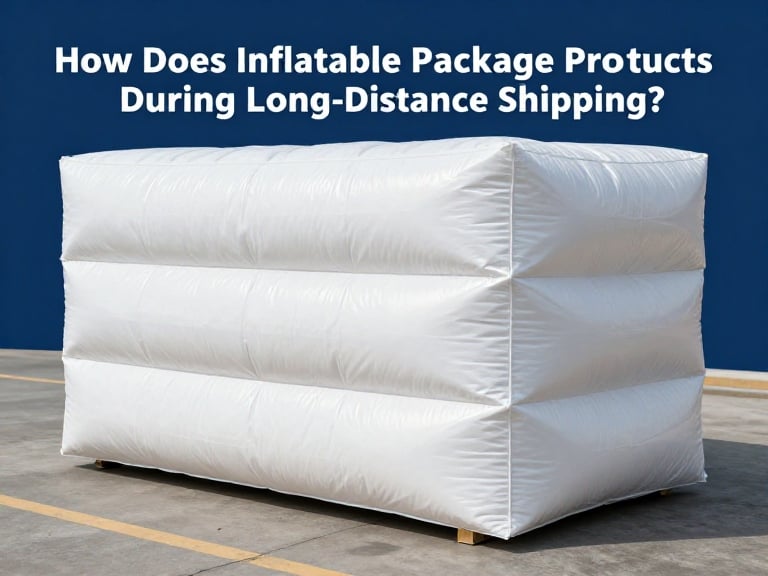
For heavy-duty applications and fragile electronics: If you are shipping glass bottles, delicate electronics, or heavy industrial components, a poly mailer is a liability. You must utilize rigid corrugated boxes paired with air column bags or custom-cut polyurethane foam inserts to ensure the cargo survives the sorting facilities.
Common Packaging Mistakes
The most catastrophic mistake warehouse teams make is undersizing the mailer. If a warehouse packer struggles to pull the adhesive flap over the product, the bag is too small. This stretches the LDPE film thin, creating weak points that easily puncture when snagged on conveyor belts. Always buy a mailer size that allows for at least 1.5 inches of clearance around your product. Secondly, relying on cheap, 40-micron bags from unverified bubble wrap manufacturers often results in failed adhesive strips.
Expert Buying Considerations
When sourcing bulk lavender poly mailers, evaluate your supplier against these three critical metrics:
- Thickness (Microns/Mils): Do not buy anything under 60 microns (approx 2.4 mil) for commercial shipping. Thinner bags look cheap and feel flimsy, destroying the premium aesthetic of the lavender color.
- Opacity Layering: Hold the bag up to a bright light. If you can see a shadow of the contents through the bag, the manufacturer skimped on the inner dark co-extrusion layer. This invites theft.
- Adhesive Curing: The hot-melt adhesive must be aggressively sticky. Once sealed, you should not be able to peel it apart without destroying the plastic. If it peels cleanly, the glue is defective.
Expert Recommendation & Sourcing
The Mailongpak Verdict
Explain not only WHAT something is, but WHETHER it is actually worth using, buying, or upgrading. Upgrading from cheap, transparent postal bags to premium co-extruded lavender poly mailers is absolutely worth the investment. The fractional increase in unit cost is heavily outweighed by the reduction in transit water damage and the massive boost in brand perception upon delivery.
We recommend sourcing directly from primary manufacturers to ensure consistent film thickness and adhesive quality. Below is the technical specification profile for the commercial-grade mailers engineered by Mailongpak.
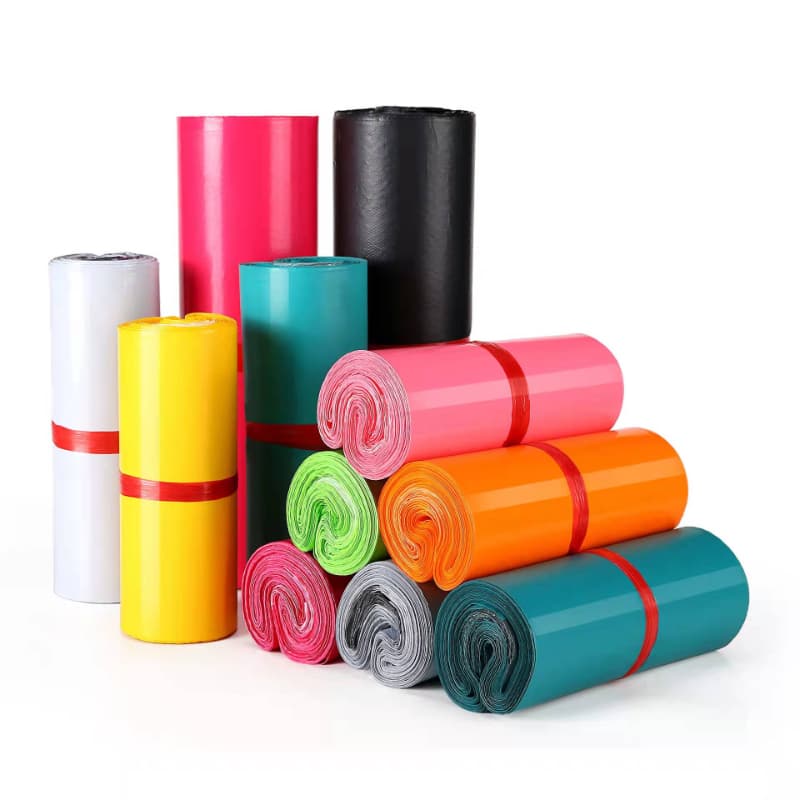
Mailongpak Poly Mailer Wholesale
Engineered for high-volume e-commerce fulfillment, providing destructive adhesive security and waterproof protection.
| Type | Adhesive Self-seal Mailer Bag |
|---|---|
| Dimensions (inch) | 4×8 / 5×10 / 6×10 / 7×12 / 8.5×12 / 9.5×13.5 / 10.5×16 / 12.5×19 |
| Thickness | 40micron to 80micron |
| Color | Lavender (Customizable White/Black/Blue/Green/Pink/Purple) |
| Feature | Waterproof / Recyclable / Heavy Duty / Eco-friendly / Perfect Printing |
| Printing | Gravure Printing / Silk-screen Printing |
| Applications | Shipping non-fragile, lightweight items such as apparel, textiles, books, and small soft goods |
Essential Procurement Tables
| Style Type | Primary Function | Best Product Match |
|---|---|---|
| Standard Flat | Cost-effective baseline shipping | T-shirts, basic apparel, soft goods |
| Bubble-Lined | Basic impact cushioning | Cosmetics, jewelry, books |
| Gusseted | Volume expansion without seam stress | Jackets, multiple garments, shoeboxes |
| Eco/PCR | Sustainable brand positioning | Eco-conscious apparel brands |
| Dual-Seal | Facilitating easy customer returns | High-return fashion retail |
| Packaging Feature | Poly Mailers (LDPE) | Corrugated Cardboard Boxes |
|---|---|---|
| Dimensional Weight Cost | Very Low (Forms to product) | High (Fixed rigid dimensions) |
| Water Resistance | 100% Waterproof | Highly vulnerable to moisture |
| Crush Protection | Zero | Excellent |
| Fulfillment Speed | Extremely Fast (Peel and seal) | Slower (Requires folding and tape) |
| Pros (Why it is worth using) | Cons (Limitations to mitigate) |
|---|---|
| Lavender coloring creates a premium, memorable unboxing experience. | Does not protect fragile items from being crushed or bent. |
| Co-extruded LDPE is highly tear and puncture-resistant. | Overstuffing will cause the side heat-welds to split open. |
| Drastically lowers postage costs compared to rigid packaging. | Recycling requires specific drop-off points; not accepted in standard curbside bins. |
| Destructive hot-melt adhesive provides instant tamper evidence. | Low-micron (cheap) bags will lack the internal opacity layer. |
| Thickness (Microns) | Durability Rating | Recommended Application |
|---|---|---|
| 40 – 50 Microns | Lightweight | Inner bagging; short-distance transit for extremely soft, light items. |
| 60 – 70 Microns | Commercial Standard | The sweet spot for general e-commerce apparel and standard retail shipping. |
| 80+ Microns | Heavy Duty | Shipping boxes with sharp corners, heavy denim, or international logistics. |
Frequently Asked Questions (FAQ)
Are lavender poly mailers recyclable?
In most professional situations, poly mailers made from LDPE (Recycling Code 4) are entirely recyclable, but they cannot be thrown into standard municipal curbside recycling bins. They must be taken to specific soft-plastic drop-off locations, typically found at grocery stores, to prevent them from jamming the machinery at standard recycling plants.
Can I use a flat poly mailer for shipping shoeboxes?
We do not recommend using standard flat mailers for rigid boxes. The sharp corners of the shoebox will place excessive tension on the flat side seams, increasing the risk of bursting during transit. Instead, you must upgrade to a gusseted (expansion) poly mailer that provides the three-dimensional depth required to accommodate a box safely.
What is the difference between a 2 mil and a 3 mil poly mailer?
“Mil” refers to the thickness of the plastic film (1 mil = 0.001 inches). A 2 mil mailer (approx. 50 microns) is standard for lightweight apparel. A 3 mil mailer (approx. 76 microns) is significantly thicker, more opaque, and offers heavy-duty puncture resistance. If you are shipping items with sharp edges or heavy weight, upgrading to a 3 mil bag is mandatory.
Authoritative Industry References
To ensure your packaging operations meet rigorous commercial and environmental standards, we base our structural and logistical recommendations on guidelines from the following organizations:
- ASTM International: Specifically ASTM D882, the standard test method for evaluating the tensile properties and tear resistance of thin plastic sheeting used in co-extruded mailers. (astm.org)
- United States Postal Service (USPS): Official commercial guidelines on Dimensional Weight (DIM) pricing and the physical packaging standards required for automated parcel sorting machinery. (pe.usps.com)
- Environmental Protection Agency (EPA): Federal data and guidelines regarding the material-specific management, recycling protocols, and environmental impact of Low-Density Polyethylene (LDPE) plastics. (epa.gov)