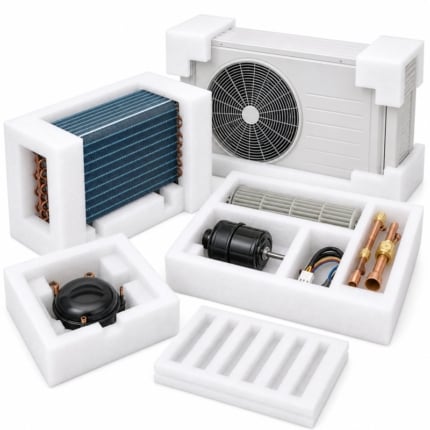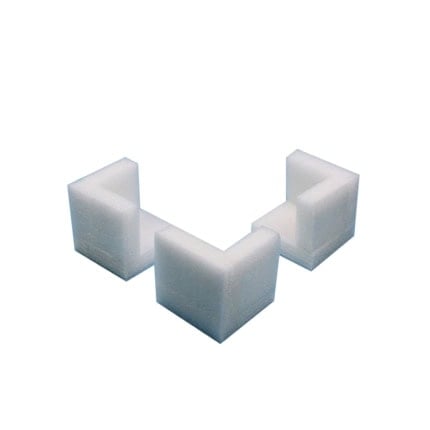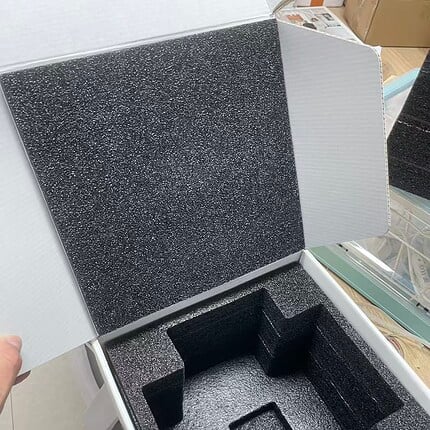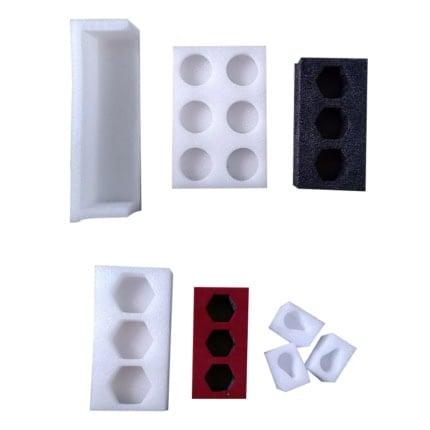

Lightweight EPE Foam Packaging for Solar Panel Protection
Mailong Packaging supplies customizable EPE foam packaging solutions for manufacturers, distributors, and exporters in the renewable energy industry. Available in thicknesses from 1 mm to 10 mm, our solar panel packaging foam can be selected according to product dimensions, surface sensitivity, packaging structure, and shipping requirements.
Whether you need foam sheets, protective liners, separators, or custom-cut cushioning pieces, EPE foam can be integrated into a packaging system designed to improve product protection and packing efficiency.
Quick Answer: What Is EPE Foam for Solar Components?
EPE foam for solar components is expanded polyethylene foam used as a lightweight protective layer for solar panels and related parts. Its cushioning properties help reduce scratches, surface friction, and minor handling impacts. With customizable thicknesses of 1–10 mm, it can be used as an inner liner, separator, edge-protection layer, or component insert.
For complete solar panel protection, foam should be selected according to the component’s weight, dimensions, fragility, and transportation conditions. Glass panels and other high-value components may require rigid supports, reinforced corners, edge protectors, and suitable outer cartons or crates in addition to foam.
Product Specifications
| Parameter | Specification |
|---|---|
| Product Category | EPE Foam |
| Product Name | EPE Foam for Solar Components |
| Primary Keyword | Solar Panel Packaging Foam |
| Application Scenario | Solar Panel Protection |
| Material | Expanded Polyethylene (EPE) |
| Key Features | Lightweight cushioning |
| Available Thickness | 1–10 mm |
| Industry | Renewable Energy |
| Main Customer Concern | Panel damage during handling and transportation |
| Minimum Order Quantity (MOQ) | 100 pcs |
| HS Code | 3921199000 |
| Estimated Production Time | 5–10 days |
| Port of Shipment | Shenzhen, China |
| Customization | Discuss required dimensions, thickness, and shape with our team |
Note: Final specifications, product tolerances, material options, and shipping arrangements should be confirmed with Mailong Packaging before ordering. HS code classification should be verified against the product’s actual composition and applicable customs requirements.
What Is EPE Foam for Solar Panel Packaging?
EPE foam, or expanded polyethylene foam, is a closed-cell foam material commonly used for protective packaging. Its lightweight structure and cushioning characteristics make it suitable for separating products, lining packaging surfaces, and reducing direct contact between components.
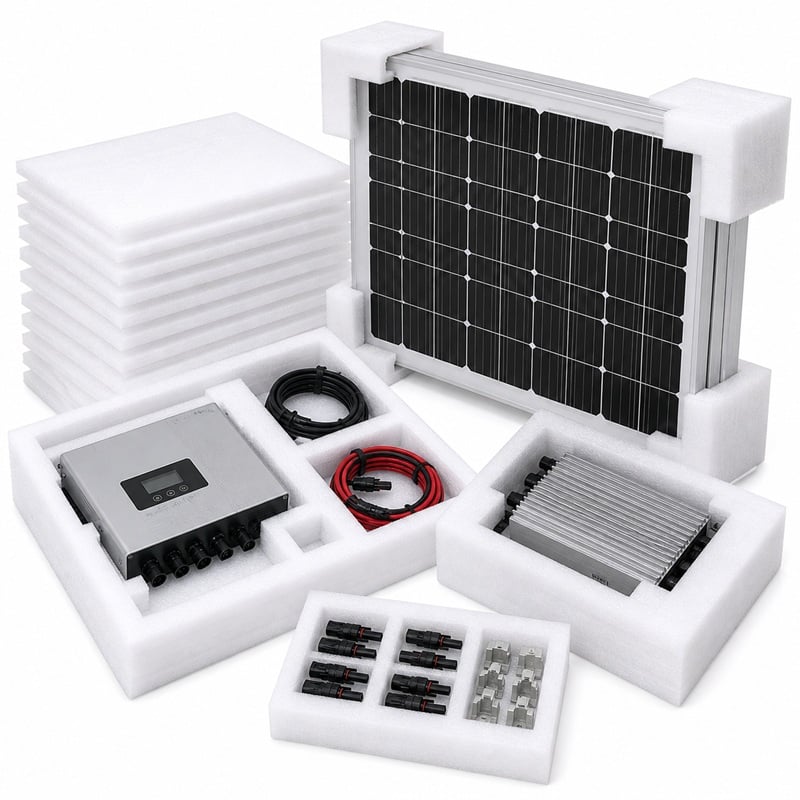
In solar panel packaging, the foam may be placed between panels, around selected edges, inside protective cartons, or between components and their outer packaging. The exact configuration depends on whether the packaged item is a complete solar module, a glass component, a frame, a junction box, or another solar-related part.
Unlike heavy protective materials, EPE foam adds relatively little weight to a package. This can help packaging teams balance cushioning requirements with handling convenience and shipping considerations.
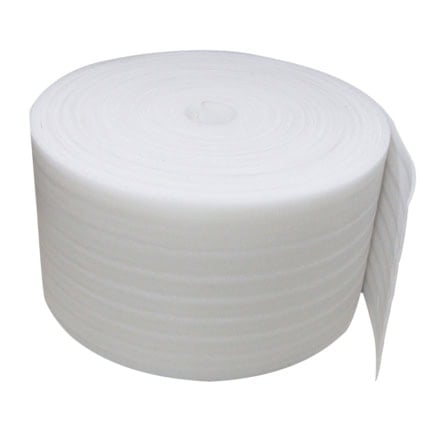
For buyers comparing foam formats, our EPE foam sheets and foam rolls offer a useful starting point for evaluating protective materials for different packaging designs.
Why Choose EPE Foam for Solar Components?
1. Lightweight Cushioning
Solar components need packaging that offers practical protection without unnecessarily increasing shipment weight. EPE foam is lightweight and can be incorporated into protective packaging without adding substantial mass. This is particularly useful when packing multiple components or designing standardized packaging for regular shipments.
2. Reduced Surface Scratches and Abrasion
During packing and transportation, products can rub against adjacent surfaces or move within a carton. A properly positioned EPE foam layer helps separate surfaces and reduce friction-related damage. This is valuable for components with finished surfaces, coated frames, and other parts that require careful handling.
3. Flexible Thickness Selection
Available thicknesses from 1 mm to 10 mm provide flexibility for different packaging applications. Thinner foam may be appropriate for surface separation or lining, while thicker material may be considered where more cushioning space is needed. The correct thickness should be validated through packaging trials rather than selected on thickness alone.
4. Adaptable Packaging Design
EPE foam can be incorporated into different packaging structures, including flat protective sheets, separators, liners, and custom-shaped inserts. This flexibility allows manufacturers to create packaging configurations around component dimensions and packing workflows.
5. Convenient Handling and Packing
Lightweight foam materials are generally easy to handle during packing. Depending on the final format, EPE foam can be cut or converted into pieces that fit specific products and packaging layouts, helping packing teams maintain a consistent process.
6. Suitable for Combined Protection Systems
EPE foam can be combined with corrugated cartons, rigid separators, edge protectors, stretch film, or other protective materials. For fragile glass-based solar modules, a coordinated packaging system is usually more reliable than depending on a thin foam layer alone.
Key Applications of Solar Panel Packaging Foam
Solar Panels and Modules
EPE foam can be used as a separation layer or protective liner within a larger solar module packaging system. Packaging engineers should pay particular attention to glass surfaces, corners, frame contact points, and the possibility of movement during transit.
Solar Glass and Glass Components
Foam layers can help reduce direct surface contact between glass components. However, glass is vulnerable to edge impacts and concentrated loads. Foam should therefore be used with appropriate rigid support, separators, and edge protection where necessary.
Aluminum Frames and Mounting Components
Selected frame and mounting parts may need protection against rubbing, surface marks, or contact with metal components. EPE foam separators can help prevent direct contact between adjacent items and improve the organization of packed parts.
Junction Boxes and Electrical Components
Suitable EPE foam inserts or liners may help keep compatible electrical components separated within a carton. Packaging designers should account for component shape, connectors, protrusions, and any electrostatic-discharge requirements. Standard EPE foam should not be assumed to provide antistatic or static-dissipative protection unless the material has been specifically designed and tested for that purpose.
Solar Energy Equipment Parts
Manufacturers shipping accessories, replacement parts, and selected renewable energy equipment components can use EPE foam to create organized protective packaging. Custom dimensions may help reduce unnecessary empty space and limit movement inside the package.
Product Features at a Glance
| Feature | Packaging Benefit | Selection Consideration |
|---|---|---|
| Lightweight material | Adds cushioning with limited additional package weight | Evaluate total packed weight and freight requirements |
| Foam cushioning | Helps reduce minor impacts and contact between surfaces | Match foam density and thickness to the product |
| 1–10 mm thickness range | Supports different lining and separation applications | Validate protection through packing tests |
| Custom sizing potential | Helps fit the packaging around component dimensions | Provide drawings or sample dimensions |
| Multiple packaging formats | Can be used as sheets, liners, separators, or inserts | Confirm the required format and processing method |
| Combination with outer packaging | Supports a layered protection system | Consider cartons, crates, edge protectors, and restraints |
How to Choose the Right EPE Foam for Solar Components
1. Identify the Component Type
Start by identifying the item being packed. A complete solar module has different protection requirements from an aluminum frame, glass sheet, junction box, or small accessory. Record the component’s dimensions, weight, surface finish, fragile areas, and any handling restrictions.
2. Select an Appropriate Thickness
The available 1–10 mm thickness range provides several options for protective liners and separators. Thin foam can be useful for surface protection and separation, while thicker foam may be suitable for applications requiring more cushioning space. However, thickness alone does not determine impact performance; foam density, compression behavior, geometry, and the severity of expected impacts also matter.
3. Consider Density and Compression
Two foam materials with the same thickness may behave differently under load. Ask about the available material specifications and test the selected foam under representative packing conditions. The foam should cushion the product without compressing so much that the components touch each other or the outer package.
4. Protect Edges and Corners
For glass and other fragile components, edge and corner damage may be a major concern. A flat foam sheet alone may not provide enough protection against concentrated impacts. Consider dedicated edge protectors, corner blocks, rigid separators, and a suitable carton or crate when required.
5. Match Foam to the Outer Packaging
Evaluate the foam together with the carton, crate, pallet, or other outer packaging. The full package should limit excessive movement, distribute loads appropriately, and withstand the expected stacking and transportation conditions.
6. Test Before Large-Scale Procurement
Before placing a high-volume order, conduct packaging trials using the actual component and proposed shipping configuration. Depending on the risk level, testing may include vibration, drop, compression, and transit simulation. Document the results and adjust the packaging design where necessary.
EPE Foam vs. Other Solar Component Packaging Materials
| Packaging Material | Primary Function | Potential Application | Important Limitation |
|---|---|---|---|
| EPE Foam | Lightweight cushioning and separation | Surface liners, separators, inserts, component protection | May need rigid supports or edge protection for fragile glass |
| Air Column Bags | Inflatable cushioning around compatible products | Selected boxed components and irregular items | Requires appropriate sizing and inflation; not ideal for every panel geometry |
| Inflatable Bubble Wrap | Flexible cushioning and surface separation | Accessories and secondary protective layers | May not provide sufficient structural support on its own |
| Corrugated Cartons | Outer containment and structural protection | Packaging small and medium solar components | May require internal cushioning and reinforcement |
| Rigid Separators and Edge Protectors | Load distribution, separation, and edge support | Glass modules and fragile components | Need to be designed around the product and shipping configuration |
The most suitable solution depends on product fragility, package dimensions, transport distance, stacking loads, and cost targets. EPE foam is often most effective as one part of a complete packaging system rather than as a standalone solution for every shipping risk.
Recommended Packaging Structure for Solar Components
For solar components with surface-scratch or minor-impact concerns, a practical packaging design may use several protective layers:
- Surface separation: Place an appropriate EPE foam sheet or liner between compatible surfaces to reduce rubbing and direct contact.
- Edge and corner protection: Add suitable protective profiles or corner supports for fragile glass or frame edges.
- Internal restraint: Use correctly sized inserts or separators to limit movement within the package.
- Outer packaging: Select a suitable corrugated carton, reinforced box, or crate according to the product’s weight and shipping conditions.
- Unitization: Where palletized shipping is required, secure the packed units using a suitable loading pattern and appropriate stretch film or other restraints.
- Validation: Test the complete package under realistic handling and transportation conditions before routine shipment.
For additional cushioning options, explore our air column bags and inflatable air column wrap. These products may complement foam protection for selected component shapes and packaging configurations.
Custom EPE Foam Packaging for Solar Manufacturers
Solar component manufacturers and distributors may require packaging that fits their product dimensions, packing lines, and logistics processes. Mailong Packaging can discuss EPE foam requirements based on the information supplied by the buyer.
Custom Dimensions and Thickness
Provide the length, width, required thickness, and quantity for your project. For irregular shapes, technical drawings, reference samples, or annotated photographs can help clarify the required fit. The available 1–10 mm thickness range can be evaluated according to the application.
Sheets, Rolls, Separators, and Inserts
Different formats support different packing workflows. Sheets and rolls may suit surface protection or lining, while cut separators and inserts can help organize components inside cartons. Confirm the required format, dimensions, and manufacturing feasibility before production.
Bulk Orders and Production Planning
The stated minimum order quantity is 100 pieces, with an estimated production time of 5–10 days. Actual lead time can depend on order quantity, dimensions, customization requirements, material availability, and sample approval.
Packaging Design Support
When requesting a quotation, share your product type, dimensions, weight, quantity per package, shipping method, and main damage concerns. This information helps the supplier evaluate the required foam format and identify whether supplementary protection may be necessary.
Why Work with Mailong Packaging?
Established in 2009, Mailong Packaging is a manufacturer and exporter of protective packaging materials serving customers in international markets. The company’s product range includes inflatable bubble and pillow film, air column rolls, air column bags, EPE and EVA foam, poly mailers, stretch wrap, bubble mailers, BOPP tape, and corrugated boxes.
Mailong Packaging supplies packaging materials designed to help reduce collision damage, abrasion, and other handling-related risks during logistics transportation. Its products have been exported to more than 30 countries and overseas markets.
Protective Packaging Product Range
In addition to EPE foam, buyers can explore related packaging materials for different stages of the shipping process:
- EPE Foam Sheets and Foam Rolls – for lining, separation, and cushioning applications.
- Air Column Bags – inflatable protection for compatible products.
- Inflatable Air Column Wrap – flexible inflatable cushioning for selected packaging needs.
- Inflatable Bubble Wrap – lightweight cushioning for suitable shipping applications.
- Bubble Cushioning Packaging – protective wrapping and cushioning materials.
- BOPP Packing Tape – for sealing compatible shipping cartons.
- Pallet Wrap Stretch Film – for stabilizing suitable palletized loads.
- E-Commerce Packaging Solutions – packaging options for parcel shipping operations.
- Poly Mailer Shipping Bags – lightweight mailing bags for compatible non-fragile products.
- Eco Shipping Packaging – packaging options for buyers evaluating material and sustainability requirements.
For specialized applications beyond solar components, Mailong Packaging also offers solutions such as air column wrap for ceramics, clothing shipping packaging, and compostable bubble wrap. Material suitability and any environmental claims should be confirmed against the relevant product specifications and certifications.
Ordering Information and Shipping
| Item | Details |
|---|---|
| Minimum Order Quantity | 100 pcs |
| Production Lead Time | Estimated 5–10 days |
| Port | Shenzhen, China |
| Product Material | EPE |
| Thickness Range | 1–10 mm |
| Quotation Information | Dimensions, thickness, quantity, application, and packaging requirements |
Lead time and shipping arrangements should be confirmed when placing an order. The listed production period does not necessarily include sample approval, transit time, customs clearance, or final delivery.
Frequently Asked Questions
1. What is EPE foam used for in solar panel packaging?
EPE foam is used for cushioning, surface separation, and protective lining in solar panel and solar component packaging. Depending on the packaging design, it may help reduce scratches, abrasion, and minor impact damage during handling and transportation.
2. What thickness of EPE foam is suitable for solar components?
The available thickness range is 1–10 mm. The appropriate option depends on component weight, surface sensitivity, foam density, packaging geometry, and transportation risks. Packaging trials are recommended before selecting a specification for mass production.
3. Can EPE foam prevent solar panel breakage?
EPE foam can contribute to a protective packaging system, but it cannot guarantee that a solar panel will not break. Glass panels may require rigid supports, corner and edge protection, controlled stacking, and a properly designed outer package. The complete package should be tested for the intended shipping conditions.
4. Can EPE foam be customized for solar components?
Custom dimensions and formats can be discussed according to the project requirements. Buyers should provide component measurements, drawings or samples, required thickness, order quantity, and the intended packaging structure so feasibility can be assessed.
5. What is the MOQ for EPE Foam for Solar Components?
The stated MOQ is 100 pieces. Please confirm the final quantity requirement with Mailong Packaging, particularly if the project involves custom-cut shapes, special dimensions, or other conversion requirements.
6. How long does production take?
The estimated production time is 5–10 days. The final schedule depends on order quantity, product specifications, customization, material availability, and confirmation of the order details.
7. Is standard EPE foam antistatic?
Standard EPE foam should not automatically be treated as antistatic or static-dissipative packaging. If your solar component includes sensitive electrical or electronic parts, specify the electrostatic-discharge requirements and request confirmation of the material’s relevant properties.
8. Can EPE foam be combined with other packaging materials?
Yes. Depending on the product and shipping method, EPE foam may be combined with corrugated cartons, rigid separators, edge protectors, air column packaging, or pallet stretch film. The complete configuration should be selected to address the product’s specific risks.
9. What information is needed for a quotation?
Provide the product name, dimensions, weight, required foam thickness, preferred format, order quantity, destination, and main protection concerns. Drawings, photographs, or samples can help clarify the packaging requirements.
Request a Quote for EPE Foam for Solar Components
Looking for reliable solar panel packaging foam for renewable energy components? Mailong Packaging can discuss EPE foam options for surface protection, cushioning, and component separation based on your project requirements.
To request a quotation, please share your required dimensions, thickness, quantity, application, and shipping destination. Our team can review the information and help you identify a suitable packaging format.
Mailong Packaging
Address: Building A, Tiantou Hongjing Industrial Zone, Hengli Town, Dongguan City, Guangdong, China
Email: daveyang@mailongpak.com